Shijiazhuang Topstar
International Trading Co., Ltd.


Get In Touch
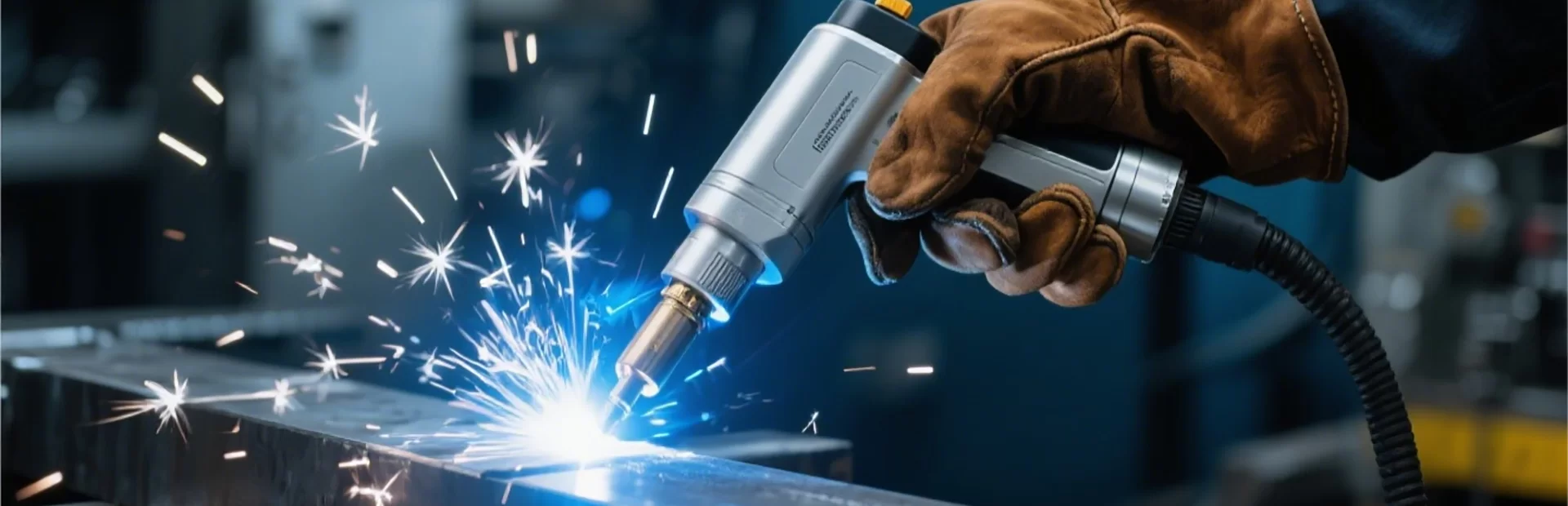
Look, I've been running around construction sites for, honestly, too many years. You see a lot of stuff come and go. Right now, everyone's talking about prefabrication, modular builds…trying to shave time off schedules. It’s a good idea, don’t get me wrong, but the devil’s in the details, always. And those details? They usually involve the laser coding machine factory, or more specifically, how accurately we can mark and track these prefab components. It's not just about slapping a serial number on something anymore, you know? It's about data, traceability, and making sure everything fits together flawlessly.
We used to rely on guys with spray paint and stencils. Can you imagine? Faded markings, illegible numbers, a total mess. Then came the inkjet printers… better, but still prone to smudging, especially in the rain or with certain materials. The real shift, though, has been toward laser coding machine factory. More precise, more durable, and – critically – it can handle a wider range of surfaces. And it's not just the coding itself, it's the integration with the software, the data logging, the ability to tie it all back to the BIM model. That's the game-changer.
But it's also where things get tricky. You think it's just a matter of buying a laser and plugging it in? Ha. Have you noticed how every piece of steel smells different, depending on the mill? The surface finish, the alloy composition…it all affects how the laser interacts with the material. And that's just steel. Then you get into aluminum, plastics, even wood…each one needs a different laser power, frequency, and focusing lens. You wouldn’t believe the amount of testing we do just to get a clean mark that lasts.
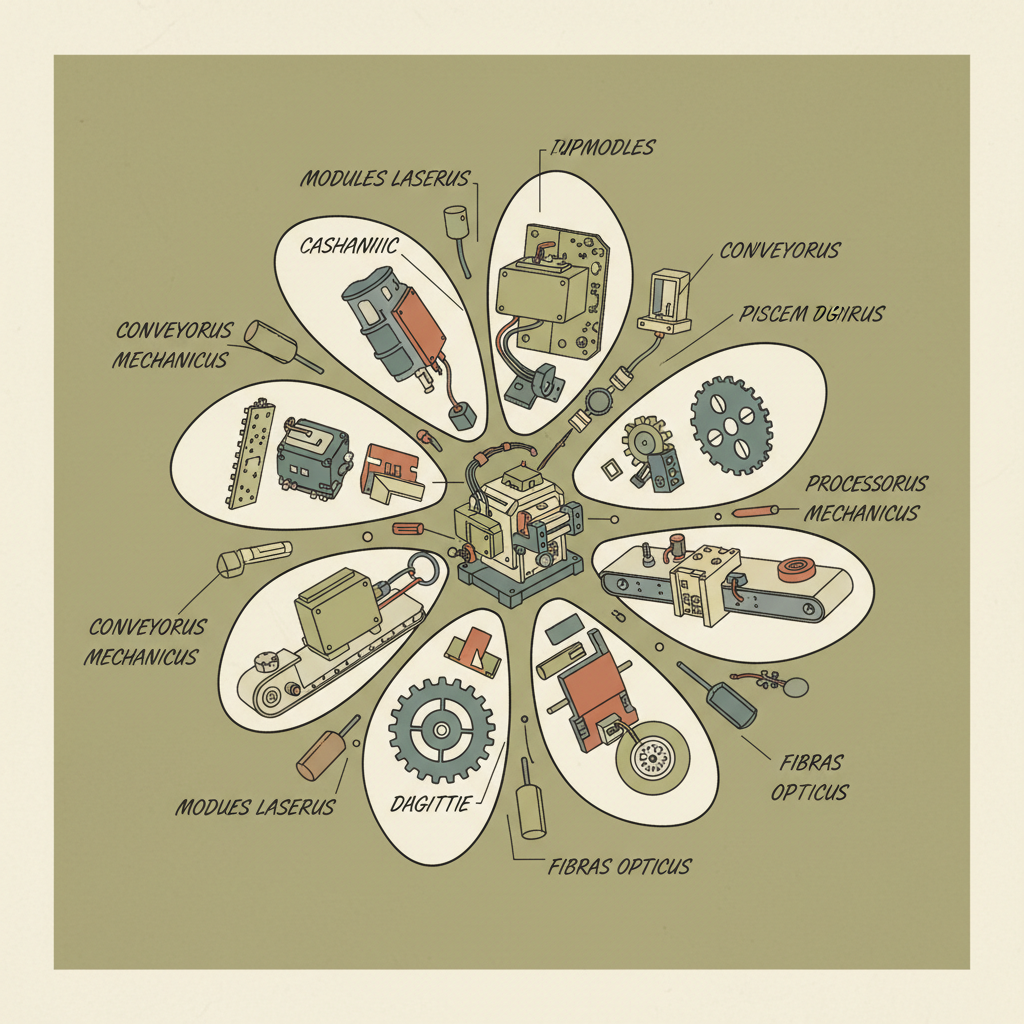
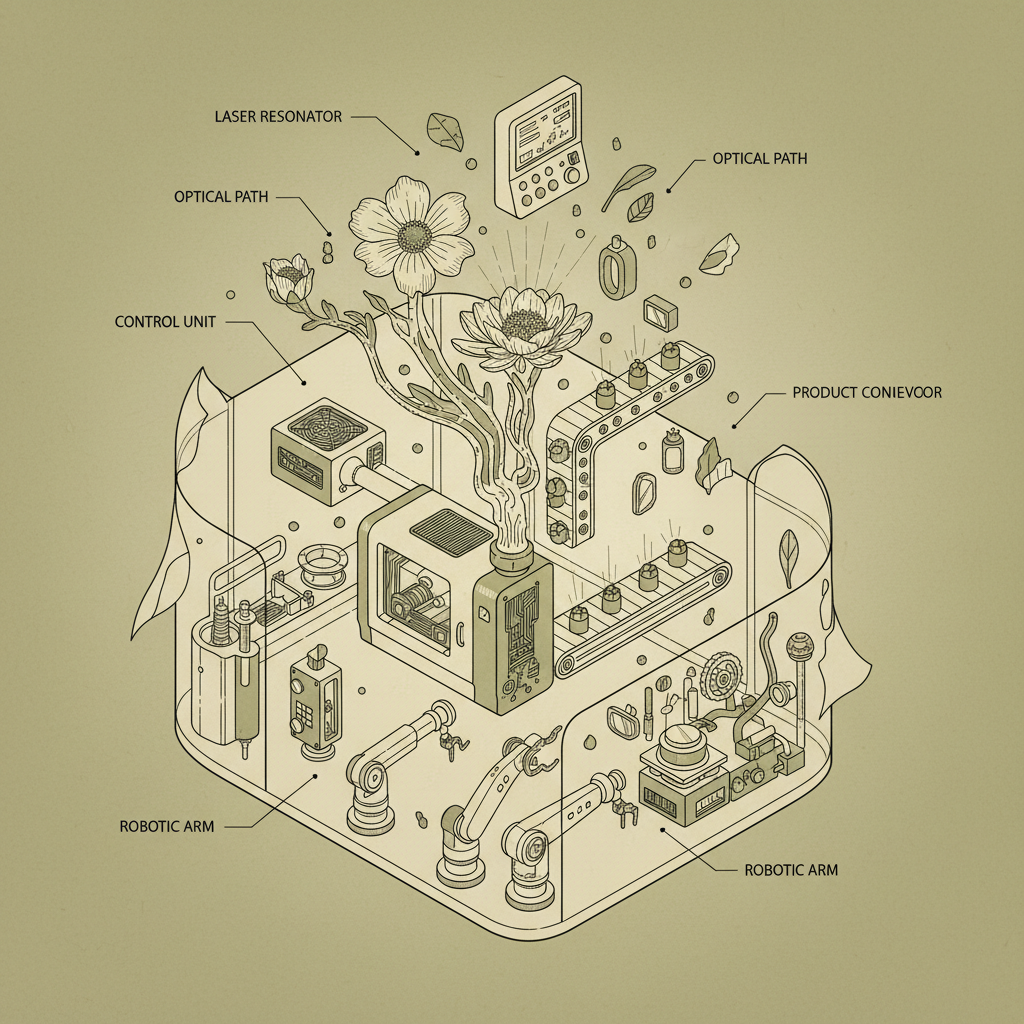
To be honest, everyone's chasing efficiency. Prefabrication, off-site construction, modular design... it's all the rage. But a common mistake I see is thinking the laser coding machine factory is just an add-on. It’s not. It needs to be integrated from the start of the design process. People design a component, then realize they need to code it, and then try to retrofit it. That’s where you run into trouble with placement, readability, and data integration. Strangely, the most expensive parts aren’t usually the lasers themselves, it's fixing the mistakes caused by poor planning.
Another thing: relying too much on lab testing. Those pristine conditions don't exist on a construction site. Dust, grime, fluctuating temperatures… it all throws a wrench in the works. You need to test under realistic conditions, and that means getting your hands dirty.
Honestly, it’s not thinking about the long-term. They focus on the upfront cost and don’t factor in maintenance, consumables, and potential downtime. A cheap laser might seem appealing at first, but it can end up costing you a lot more in the long run. You also need to consider the skills of your operators and the availability of technical support. It's a system, not just a machine.
Critically important. If the software is clunky or difficult to use, your operators won't bother with it. You need a system that can seamlessly integrate with your existing workflows and databases. The ability to automatically generate codes, track components, and generate reports is essential for efficiency and traceability. Otherwise, you're back to manual processes and errors.
Regular cleaning is key. Dust and debris can build up and affect the laser's performance. You'll also need to check the laser source, the optics, and the cooling system. Most manufacturers offer preventative maintenance contracts, which are a good idea. And you'll need to replace consumables like laser diodes or filters periodically. It’s like a car; you need to keep it serviced to keep it running.
Some can, but you need to specify that requirement upfront. Look for systems that are sealed against dust and moisture, and that are built to withstand vibrations and temperature fluctuations. Industrial-grade lasers are much more robust than desktop models. You also might need to provide some environmental protection, like a shelter or enclosure.
Absolutely. You can customize the font, the size, the format, and the data fields. You can also add barcodes, QR codes, or even logos. Most systems offer a range of customization options. Just make sure the code is clear, readable, and meets your specific requirements. Don't go overboard with fancy fonts; legibility is the most important thing.
That depends on your specific application and volume. But in general, you can expect to see a significant ROI through reduced errors, improved traceability, and increased efficiency. The savings in rework costs alone can often justify the investment. Plus, the ability to track components and manage your inventory more effectively can lead to further cost savings. It’s not just about the machine; it’s about the overall impact on your business.
Ultimately, laser coding machine factory isn't about fancy technology or complex software. It's about making things work reliably on a messy, unpredictable construction site. It’s about ensuring that every component is correctly identified, tracked, and installed. It's about reducing errors, improving quality, and saving time and money. A good system won’t solve all your problems, but it will make your life a whole lot easier.
And look, at the end of the day, whether this thing works or not, the worker will know the moment he tightens the screw. If the code is clear, the component fits perfectly, and the job goes smoothly, then it’s a win. If it doesn’t… well, then you know you need to make some changes. Don’t overthink it. Just get out there and see what works.