Shijiazhuang Topstar
International Trading Co., Ltd.


Get In Touch

The global market for air compressors is a multi-billion dollar industry, vital to sectors ranging from manufacturing and construction to healthcare and automotive. Understanding the nuances of air compressor price is crucial for businesses seeking efficiency, reliability, and cost-effectiveness. This understanding extends beyond simple purchase costs, encompassing lifecycle expenses like maintenance, energy consumption, and potential downtime.
Fluctuations in raw material costs, technological advancements, and evolving regulatory standards all influence air compressor price. For instance, growing demand for energy-efficient compressors, driven by environmental concerns and rising energy costs, is impacting manufacturer strategies and pricing models. The competitive landscape, featuring both established global players and regional specialists, further complicates pricing dynamics.
Navigating this complex market requires a thorough assessment of specific application needs, long-term operational costs, and available financing options. Accurately evaluating the total cost of ownership – considering not just the initial air compressor price but also ongoing expenses – is key to making informed investment decisions and maximizing return on investment.
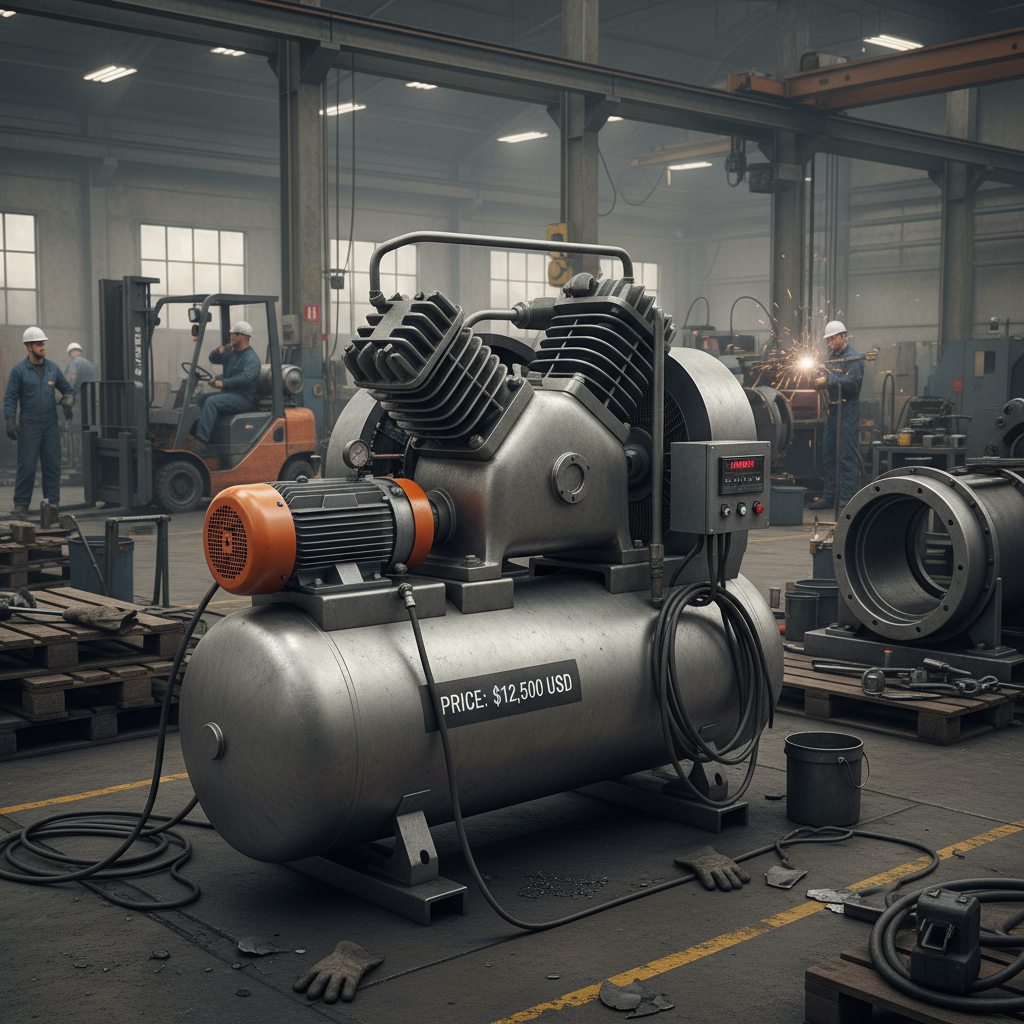
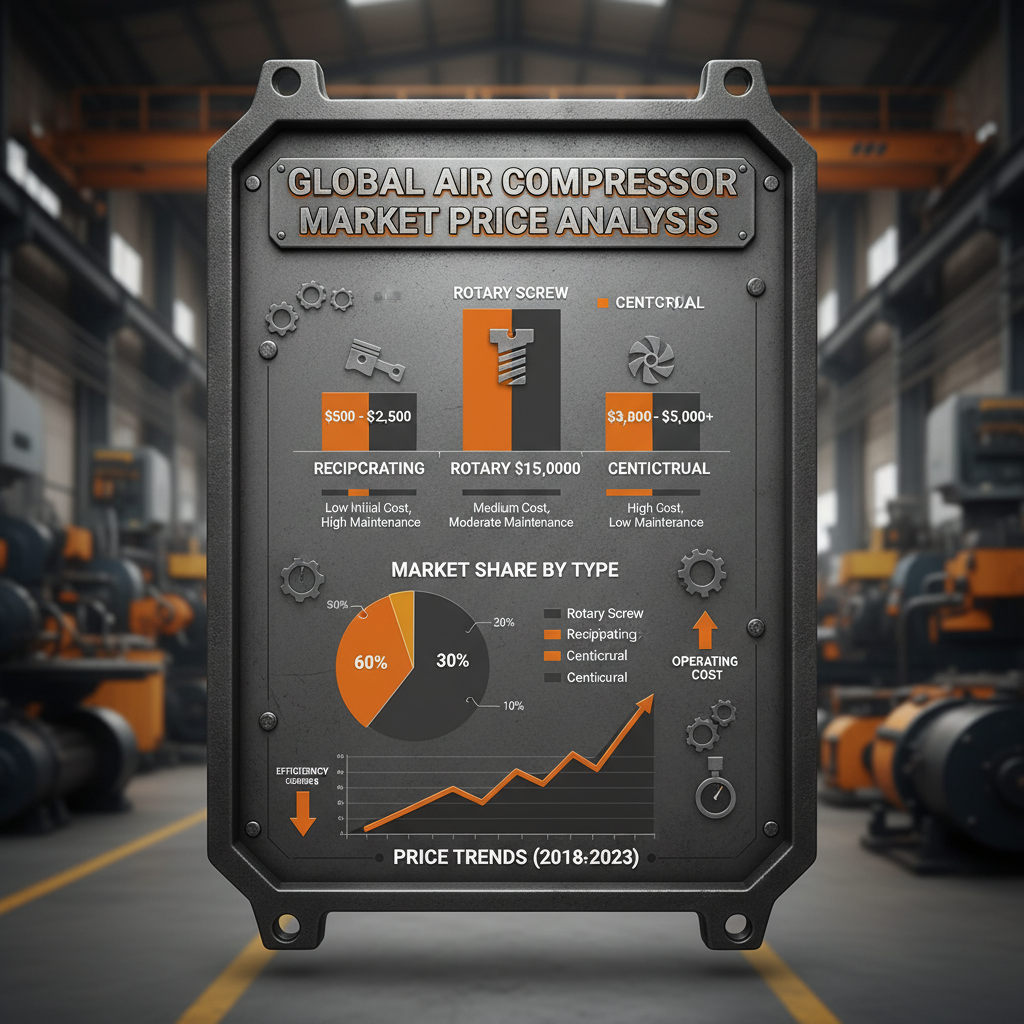
The air compressor price isn't merely a purchase cost; it's a foundational element of operational expenditure across numerous industries. Understanding its implications is vital for budget allocation, project feasibility, and overall profitability. A seemingly small difference in upfront air compressor price can translate into significant savings or losses over the equipment's lifespan.
Furthermore, the importance of air compressor price extends beyond financial considerations. Factors like energy efficiency, noise levels, and reliability directly impact worker safety, environmental sustainability, and product quality, contributing to a company’s overall reputation and responsible business practices.
Several factors drive the air compressor price, including compressor type (reciprocating, rotary screw, etc.), horsepower, build materials, and added features like variable speed drives. Energy efficiency ratings and the level of automation also contribute. Supply chain dynamics and raw material costs play a role as well. Ultimately, the application and required performance characteristics heavily influence the final price.
Compressor size, typically measured in horsepower (HP) or cubic feet per minute (CFM), directly correlates with price. Larger compressors capable of delivering higher air volume and pressure command a higher air compressor price. This is due to increased material requirements, more robust components, and higher manufacturing costs.
The initial price is simply the upfront cost of purchasing the compressor. The Total Cost of Ownership (TCO) encompasses the initial price plus ongoing expenses like energy consumption, maintenance, repairs, and potential downtime. A lower initial air compressor price doesn’t always translate to the lowest TCO, as more efficient models may save money in the long run.
Generally, oil-free compressors are more expensive upfront than their oil-lubricated counterparts. This is due to the specialized design and materials required to achieve oil-free operation. However, oil-free compressors eliminate the risk of oil contamination, which is crucial for certain applications, and may offer lower maintenance costs over the long term. The air compressor price reflects these benefits.
Estimating energy costs requires considering the compressor’s power consumption (kW), the local electricity rate, and the expected operating hours. You can calculate the annual energy cost by multiplying these three factors. Variable Speed Drive (VSD) compressors can significantly reduce energy consumption, particularly for applications with fluctuating air demand, which can impact the overall air compressor price savings.
VSD compressors typically have a higher initial air compressor price than fixed-speed models. However, VSDs adjust the compressor's motor speed to match air demand, resulting in substantial energy savings, particularly in applications with variable air requirements. The long-term savings can often offset the higher upfront cost, making VSD compressors a cost-effective solution.
In conclusion, understanding air compressor price is far more nuanced than simply identifying the cheapest option. A comprehensive evaluation of initial cost, operational expenses, energy efficiency, and long-term reliability is crucial for maximizing investment return. Factors like compressor type, horsepower, and features significantly influence the price, while market dynamics and technological advancements continue to shape the landscape.
Investing in a well-suited air compression system, optimized for specific application needs, and incorporating sustainable practices—such as leak detection and energy-efficient technologies—will not only minimize costs but also contribute to a more productive, safe, and environmentally responsible operation. For further information and to explore our range of air compressors, visit our website: www.topstarlaser.com.