Shijiazhuang Topstar
International Trading Co., Ltd.


Get In Touch
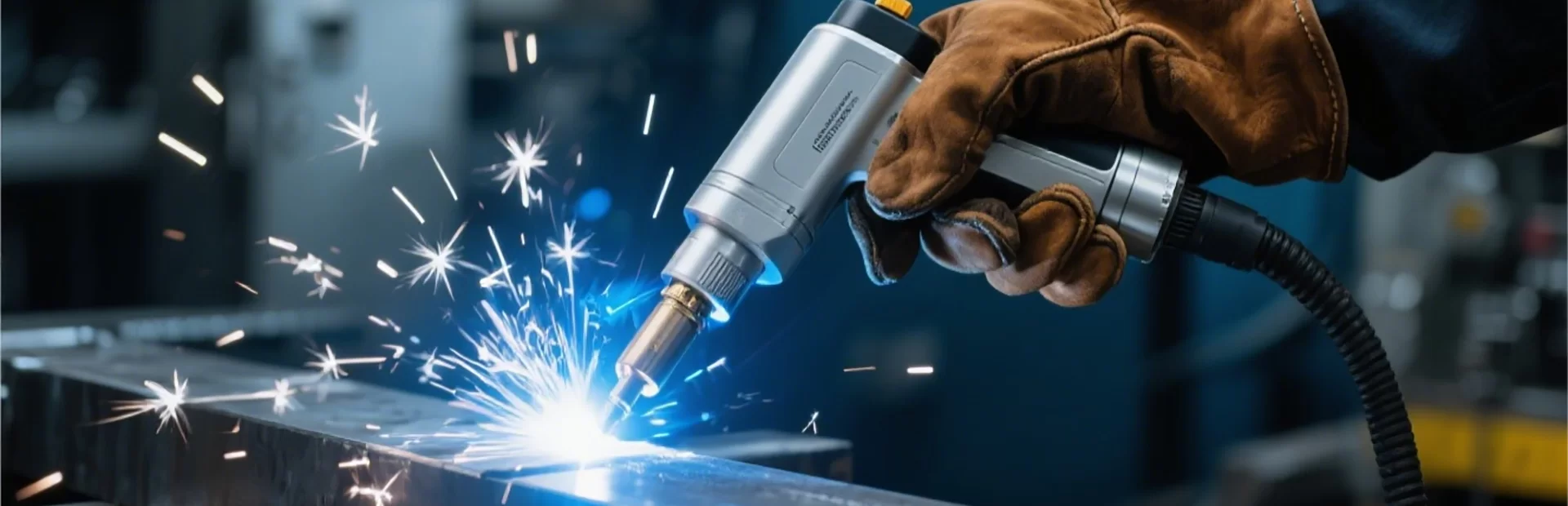
Laser welding machine technology is rapidly transforming modern manufacturing and beyond. It's not just a fancy tool; it’s fundamentally changing how we join materials, offering speed, precision, and versatility that traditional methods simply can’t match. From automotive assembly lines to delicate microelectronics, the applications are expanding daily. Understanding the nuances of laser welding machine – its capabilities, limitations, and emerging trends – is becoming critical for engineers, manufacturers, and anyone involved in the fabrication of complex products. The demand for higher-quality, more efficient welding processes is driving global growth in this sector, making it a cornerstone of industrial innovation.
The global market for laser welding machine is experiencing substantial growth, fueled by increasing automation across various industries. According to a recent report by Grand View Research, the global laser welding market size was valued at USD 6.72 billion in 2022 and is projected to reach USD 11.95 billion by 2030, exhibiting a CAGR of 7.7% from 2023 to 2030. This expansion is particularly evident in the automotive, aerospace, electronics, and medical device sectors. However, challenges remain, including the high initial investment cost, the need for skilled operators, and the complexity of integrating laser welding machine into existing production lines. Successfully addressing these hurdles will be key to unlocking the full potential of this technology.
At its core, a laser welding machine uses a highly focused laser beam to melt and fuse materials together. Unlike traditional welding techniques that rely on heat from a flame or electric arc, laser welding is a non-contact process, minimizing material distortion and creating incredibly precise welds. This precision is crucial in industries like medical device manufacturing, where even the smallest defect can have significant consequences. It’s not about replacing all other welding methods; it's about offering a superior solution for specific applications where quality, speed, and automation are paramount.
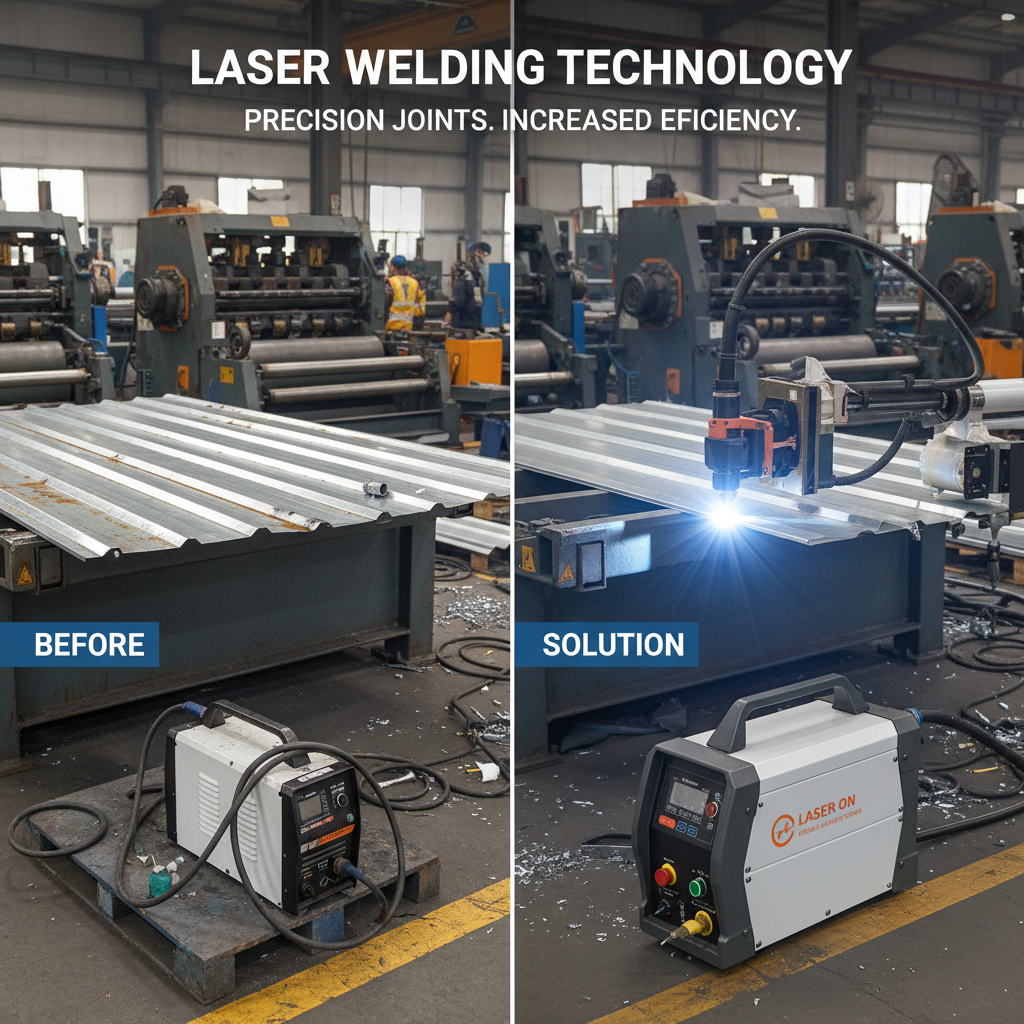
Look, I've spent years on shop floors, seeing welding done the old way – sparks flying, slow progress, and a lot of cleanup. Then laser welding machine came along, and honestly, it changed the game. It's not just about speed, although that’s a big part of it. It’s about consistently getting a clean, strong weld, even on materials that were previously a nightmare to join. It allows you to automate processes and reduce waste, something every shop owner is looking for.
What really strikes me is the versatility. You've got different laser types – fiber lasers, CO2 lasers, disc lasers – each with its own strengths. Fiber lasers are fantastic for high-speed welding of thinner materials, while CO2 lasers are great for thicker, more reflective metals. It's about matching the right tool to the job, and laser welding machine gives you a lot of options.
A laser welding machine can weld a wide range of materials, including various metals like steel, stainless steel, aluminum, titanium, and alloys. It’s particularly effective with materials that are difficult to weld using traditional methods. However, the specific laser type and parameters need to be adjusted based on the material’s properties, such as reflectivity and thermal conductivity. Some plastics can also be laser welded, but it requires specialized techniques and laser sources.
Regular maintenance is crucial for keeping a laser welding machine operating at peak performance. This typically includes cleaning the optics (lenses and mirrors) to remove dust and debris, checking the cooling system to ensure proper temperature control, and inspecting the beam delivery system for any damage. Preventative maintenance schedules vary depending on the machine and its usage, but generally, optical cleaning should be done monthly, and a comprehensive inspection should be performed annually.
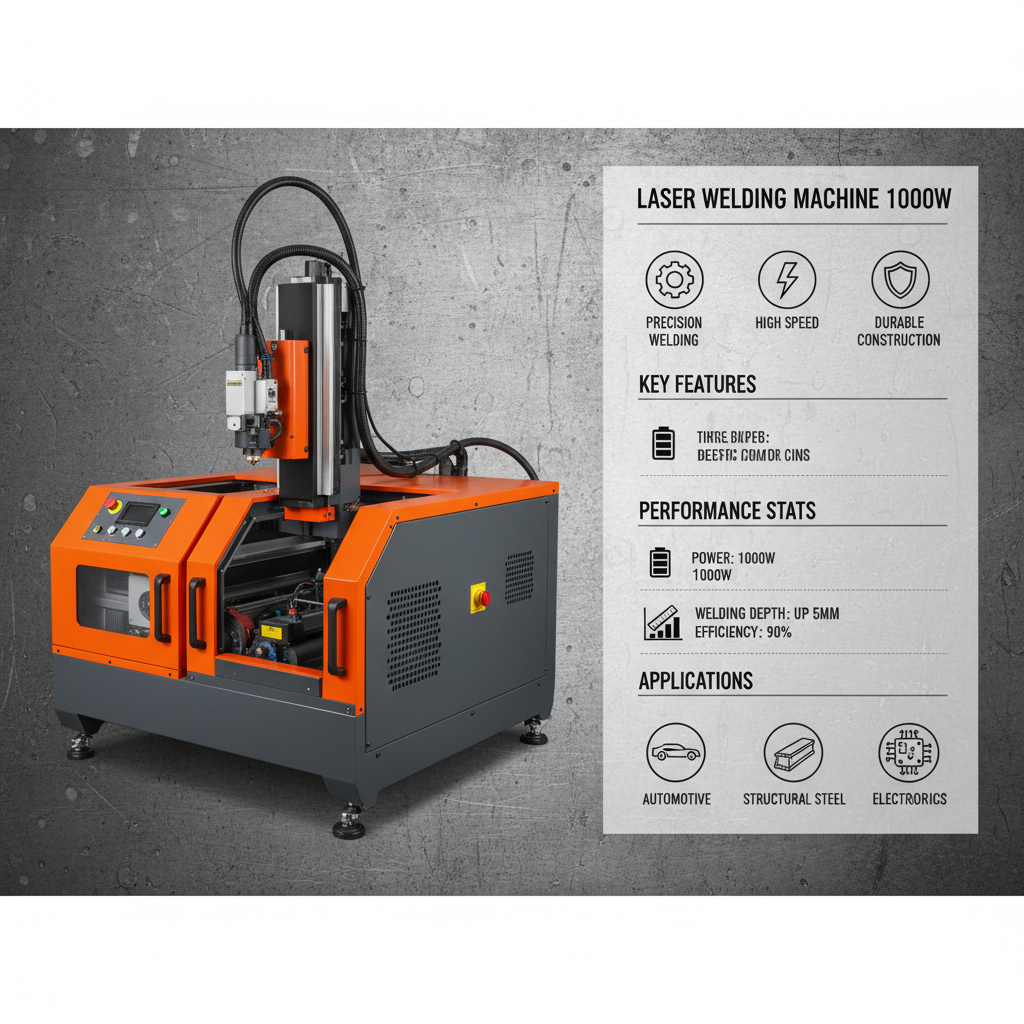
Laser power directly influences the depth and width of the weld. Higher power results in deeper penetration and wider welds, suitable for thicker materials. Lower power is used for thinner materials and more precise welds. Selecting the appropriate power level is critical for achieving the desired weld quality and preventing material distortion. It’s a balancing act – too much power can cause excessive heat input, while too little power may result in incomplete fusion.
Laser welding machine poses several safety hazards, including potential eye damage and skin burns. Always wear appropriate personal protective equipment (PPE), including laser safety glasses designed for the specific laser wavelength. Ensure the welding area is properly shielded to prevent stray laser beams from reaching bystanders. Follow all manufacturer’s safety guidelines and implement a comprehensive safety training program for all operators.
Laser welding machine generally offers significantly higher welding speeds compared to TIG and MIG welding, especially for thinner materials. Its precision is also superior, resulting in narrower weld beads, less distortion, and reduced heat-affected zones. While TIG and MIG welding are more versatile for certain applications and material thicknesses, laser welding machine excels in applications requiring high speed, precision, and minimal material distortion. It really comes down to matching the process to the specific application.
The cost of a laser welding machine can vary widely depending on its power, features, and automation level. Entry-level fiber laser welding machines can start around $50,000, while more advanced systems with automated features and higher power levels can easily exceed $200,000 or more. Consider factors like maintenance costs, operating expenses, and the potential return on investment when evaluating the overall cost of ownership.
Laser welding machine represents a significant advancement in materials joining technology. Its speed, precision, and versatility are transforming industries from automotive and aerospace to medical device manufacturing and beyond. While the initial investment can be substantial, the long-term benefits – including increased productivity, reduced costs, and improved product quality – make it a compelling solution for companies looking to stay competitive in today’s global market.
Looking ahead, we can expect to see even greater innovation in laser welding machine, with the integration of AI, machine learning, and advanced sensor technologies. Companies that embrace these advancements will be well-positioned to capitalize on the growing demand for high-quality, efficient welding solutions. If you're serious about improving your welding processes, I strongly encourage you to explore the potential of laser welding machine.
Visit our website: laser welding machine