Shijiazhuang Topstar
International Trading Co., Ltd.


Get In Touch
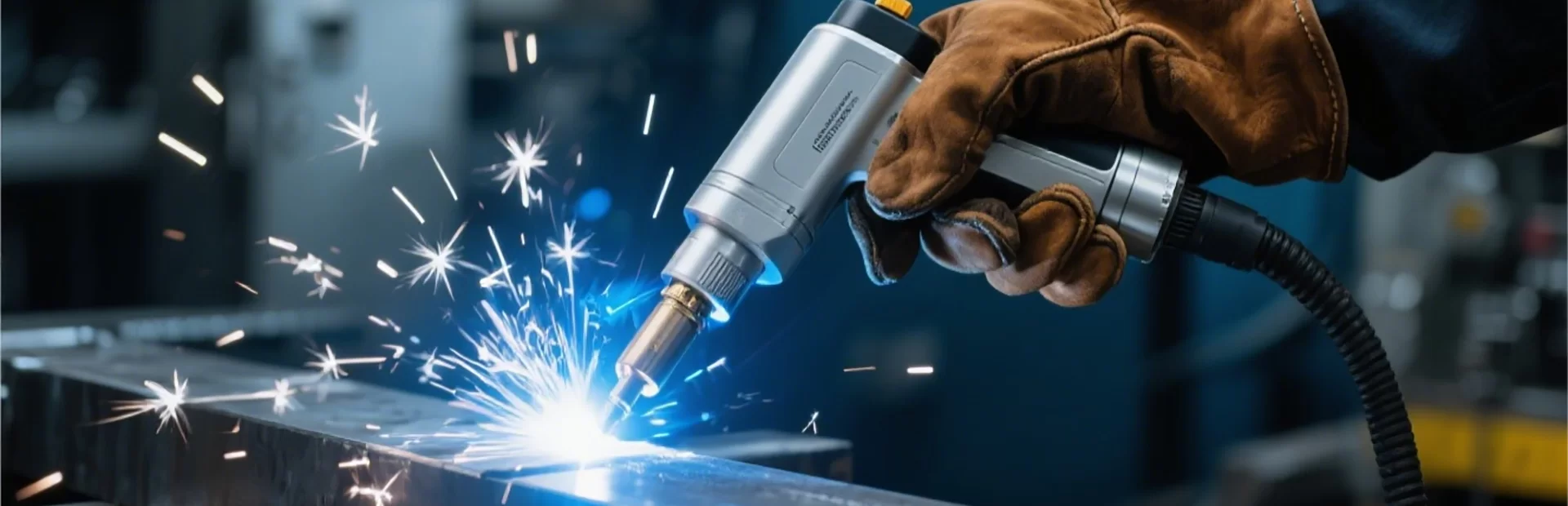
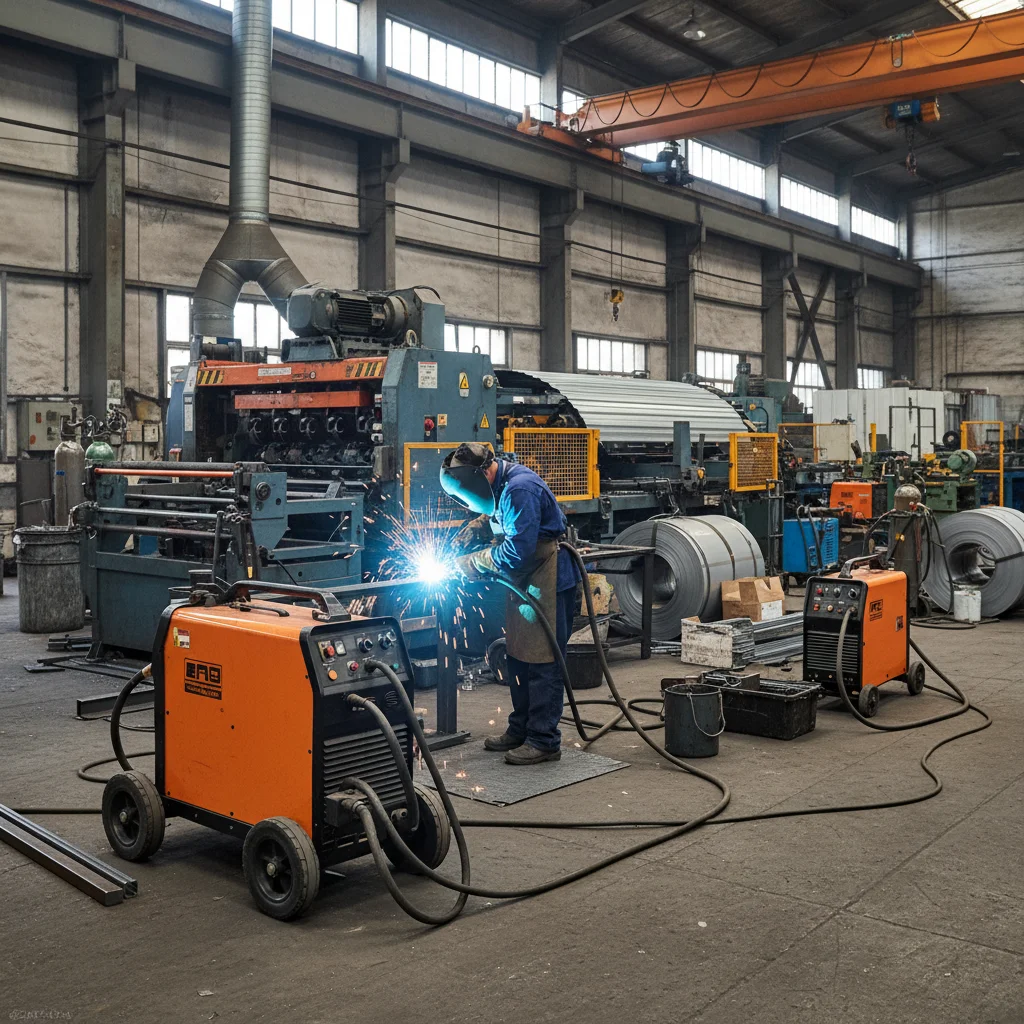
Look, I spend my days covered in dust, talking to the guys actually doing the work. We’re not sitting in fancy offices dreaming up specs, we’re figuring out what holds up in the real world. And let me tell you, stainless welding machine – good ones, anyway – are becoming absolutely critical. It's no longer a ‘nice to have’, it’s a ‘can't build without’ kind of thing. We’re seeing demand skyrocket, not just for big infrastructure projects, but for everything from food processing plants to pharmaceutical facilities. Everyone wants the durability, the corrosion resistance, and frankly, the longevity that stainless steel offers.
What’s driving this? Regulations, mostly. Food safety, hygiene standards, environmental concerns – they’re all tightening. And stainless steel, properly welded, meets those demands. But it's not just about ticking boxes. A properly welded stainless steel joint, done right with the right stainless welding machine, saves you money in the long run. Less maintenance, fewer repairs, a longer lifespan on your equipment. It's a direct impact on the bottom line.
And it's not just the material itself. The welding technology has come a long way. We used to be stuck with slower, more cumbersome processes. Now, we've got machines that are portable, efficient, and can handle a wider range of stainless steel alloys. This is making a huge difference on site, improving productivity and weld quality.
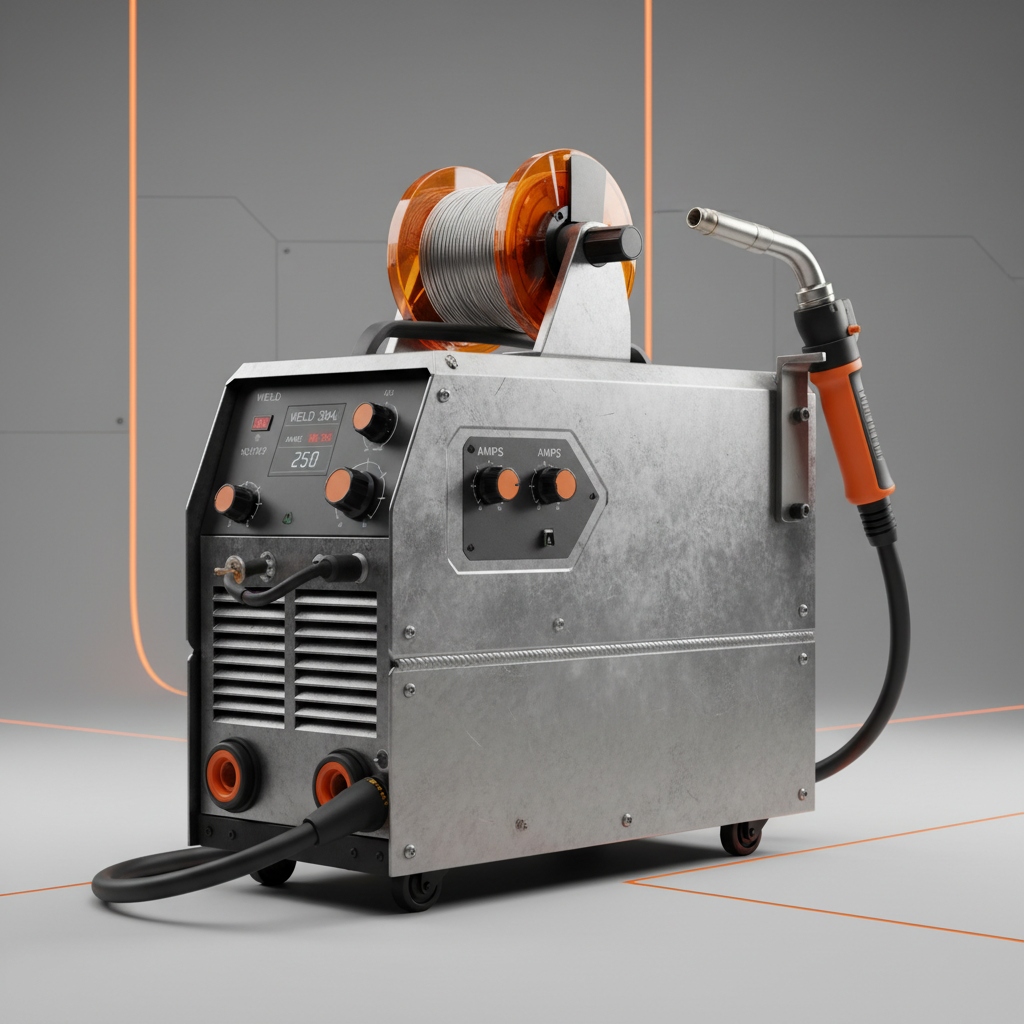
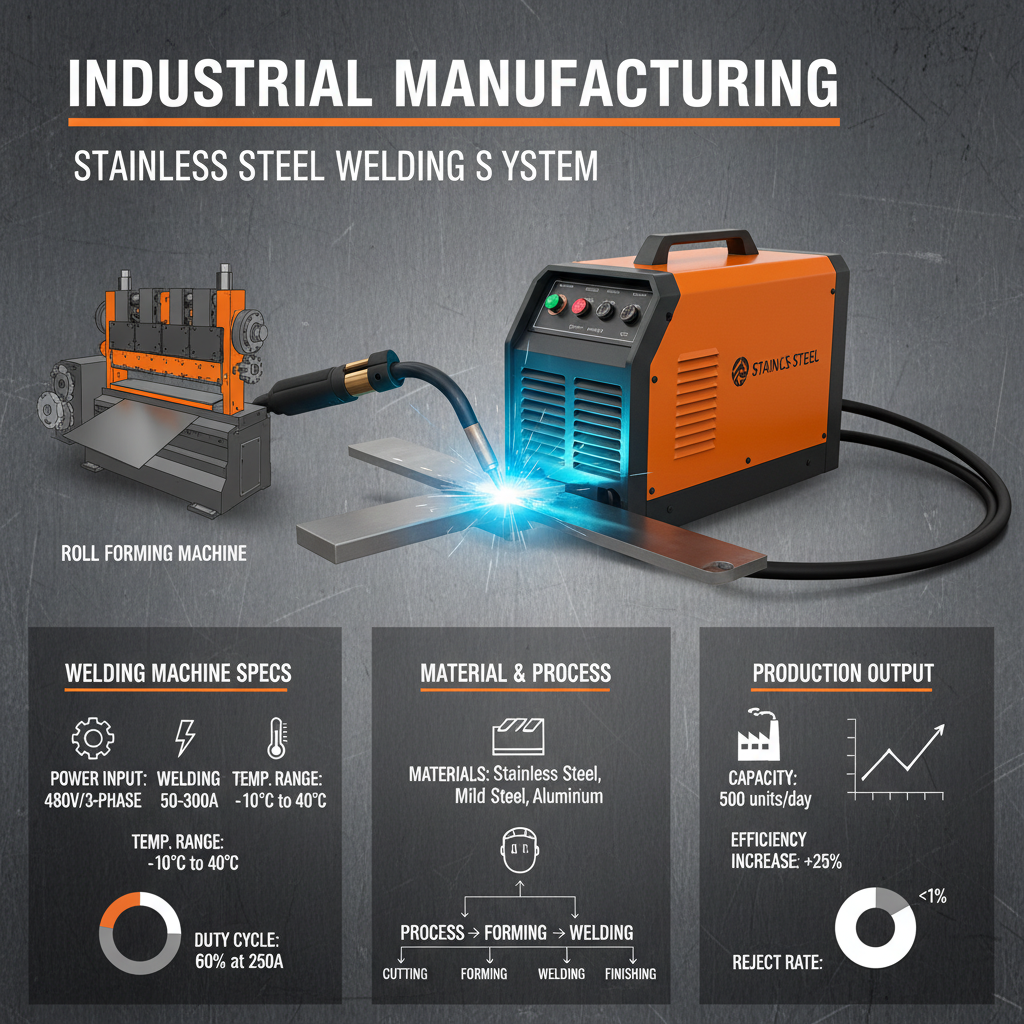
The need for reliable stainless welding machine is exploding. We're seeing it across every sector I work in - from offshore oil rigs to breweries. It’s not just about avoiding rust, it's about maintaining product integrity. If you're building a tank for potable water, you need a flawless weld. There's zero tolerance for contamination.
And frankly, the cost of getting it wrong is astronomical. A failed weld can lead to product recalls, facility shutdowns, and a massive hit to your reputation. Investing in a good stainless welding machine and training your welders is a preventative measure that pays for itself ten times over.
For thin stainless steel, GTAW (Gas Tungsten Arc Welding), also known as TIG welding, is generally the best choice. It provides precise control and minimizes heat input, reducing the risk of burn-through. It’s slower, but the quality is far superior for delicate work. GMAW (Gas Metal Arc Welding) or MIG can be used, but requires more skill and careful parameter setting to avoid distortion. Selecting the right stainless welding machine with pulse functionality can help greatly.
Corrosion prevention starts with proper cleaning. Remove any contaminants, oxides, or grease from the weld area before welding. Use the correct filler metal that matches the base metal’s alloy. Crucially, ensure adequate shielding gas coverage throughout the weld process. Post-weld cleaning, like pickling, can also help remove any heat tint and restore the stainless steel’s corrosion resistance.
Argon is the most common shielding gas for stainless steel welding. For certain alloys and thicker materials, a mixture of argon and helium can improve weld penetration and reduce distortion. The specific gas mix depends on the alloy and the welding process you're using. Always consult the manufacturer’s recommendations for the best results.
Common defects include porosity, cracking, and distortion. Porosity is often caused by contamination or insufficient shielding gas. Cracking can occur due to high heat input or improper alloy selection. Distortion is a result of uneven heating and cooling. Proper welding technique, correct settings on your stainless welding machine and good joint preparation are key to avoiding these issues.
Preheating isn't always necessary, but it can be beneficial for thicker sections or alloys prone to cracking. It reduces thermal shock and helps to slow down the cooling rate, minimizing distortion and cracking risk. The preheat temperature depends on the alloy and the material thickness. Consult welding procedure specifications for guidance.
Regular maintenance is crucial for longevity. This includes cleaning the machine, checking and replacing consumables like nozzles and contact tips, inspecting cables and connections, and ensuring the cooling system is functioning correctly. A well-maintained stainless welding machine will deliver consistent performance and minimize downtime.
We've covered a lot of ground here, but the core message is simple: stainless welding machine is no longer a luxury, it’s a necessity. The demand for durable, corrosion-resistant materials is only going to increase, and proper welding is the key to unlocking the full potential of stainless steel. Choosing the right equipment, training skilled welders, and adhering to best practices are all essential for success.
Looking ahead, the industry will continue to evolve with advancements in automation, materials science, and sustainable welding practices. Staying informed and investing in the latest technologies will be crucial for maintaining a competitive edge. If you’re serious about stainless steel fabrication, explore the options available at Topstar Laser. They’ve got the gear and the expertise to help you get the job done right.