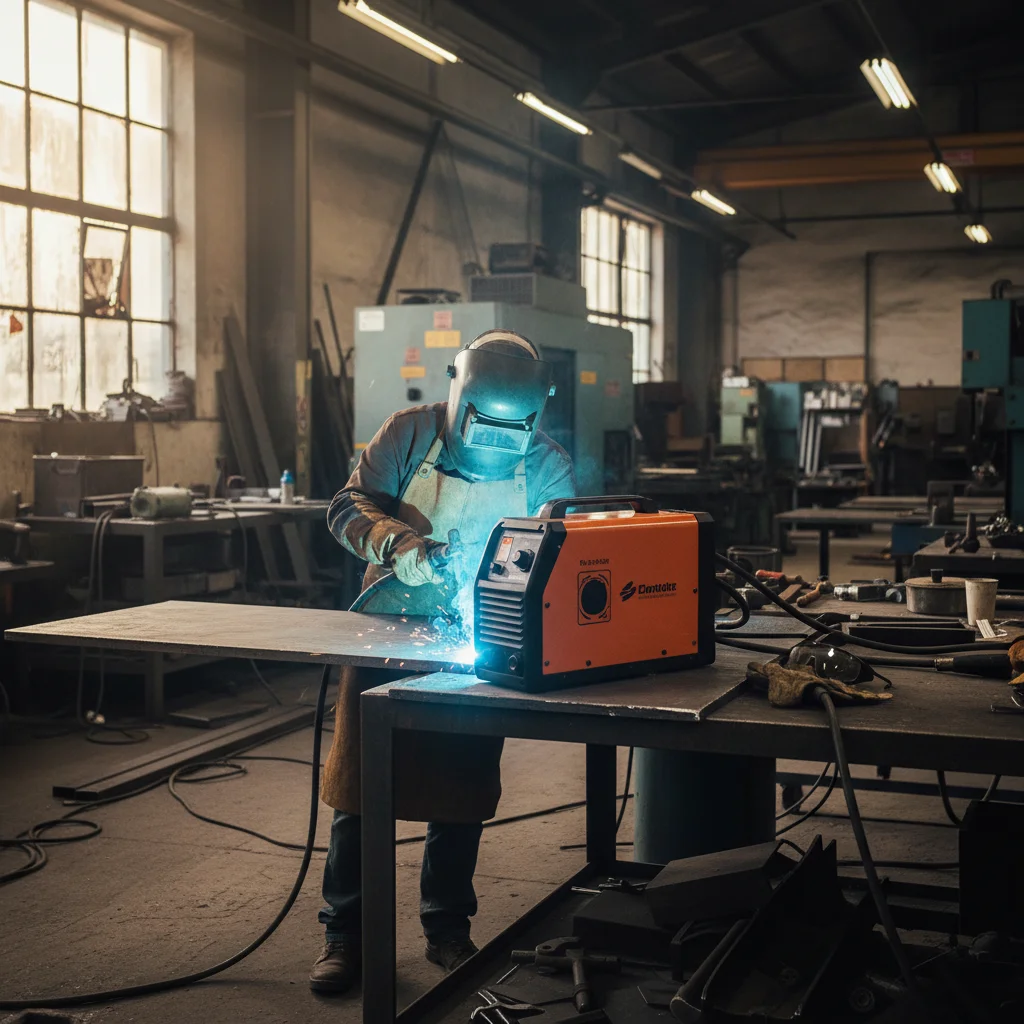
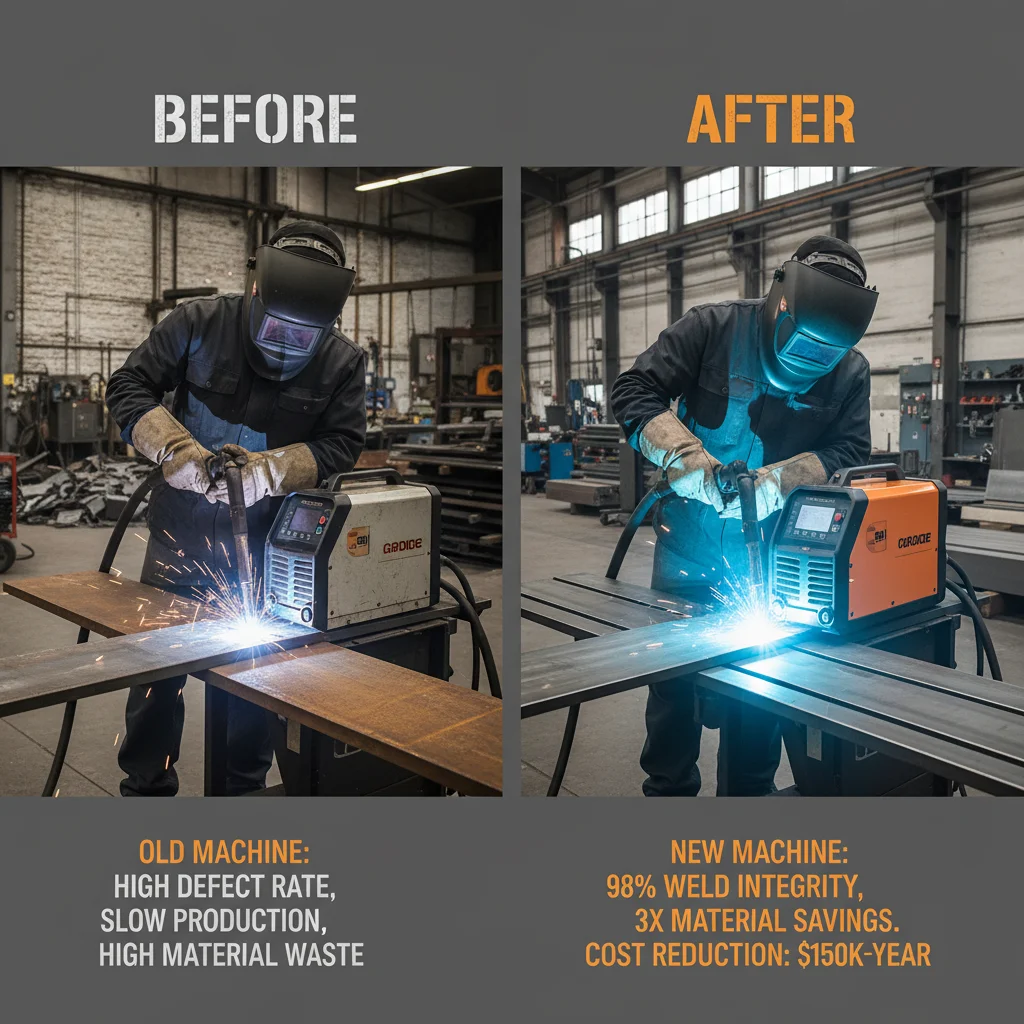
The 1500w laser welding machine represents a significant advancement in industrial fabrication, offering precision, speed, and efficiency in joining metal components. As global manufacturing continues to evolve, the demand for high-quality welding solutions is steadily increasing, driven by industries like automotive, aerospace, and electronics. Understanding the capabilities and applications of a 1500w laser welding machine is crucial for businesses aiming to optimize their production processes and remain competitive in today’s dynamic marketplace.
The rise of automation and the need for highly accurate and repeatable welding processes have fueled the adoption of laser welding technology. The 1500w power level strikes a balance between processing speed and weld quality, making it suitable for a wide range of materials and thicknesses. From intricate micro-welds to robust structural joints, this machine caters to diverse industrial needs.
Investing in a 1500w laser welding machine isn’t just about acquiring a piece of equipment; it's about investing in a future of streamlined production, reduced costs, and superior product quality. This technology empowers businesses to tackle complex welding challenges and unlock new possibilities in product design and manufacturing.
The Core Principles of 1500w Laser Welding Machine
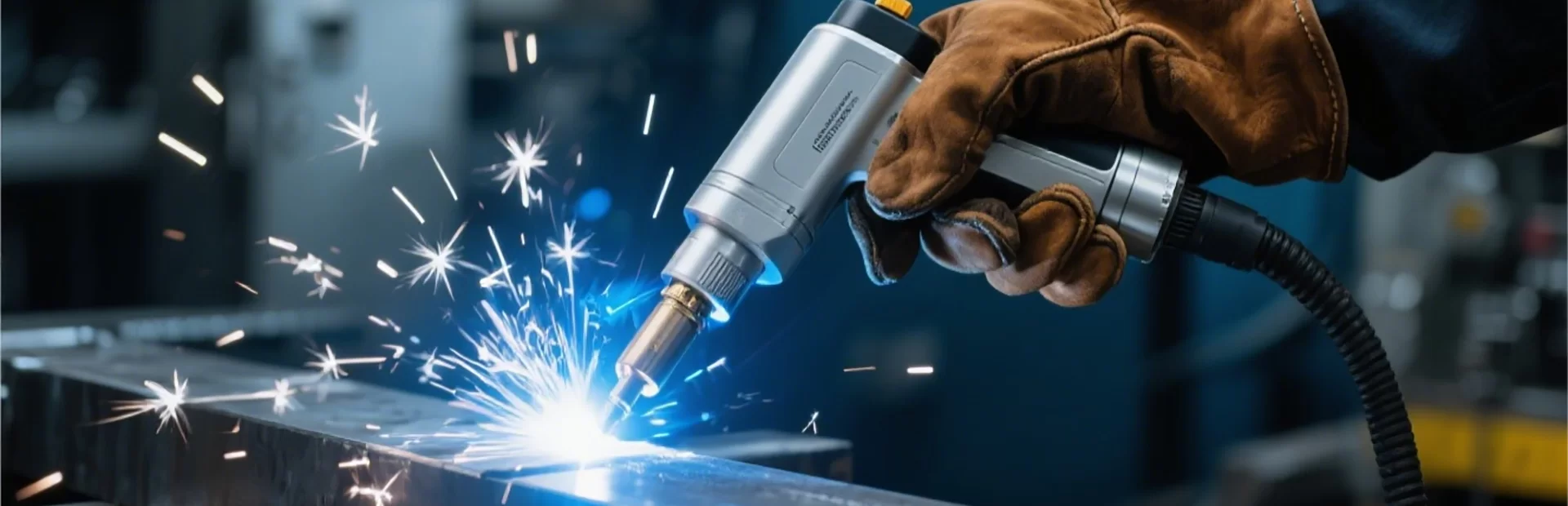
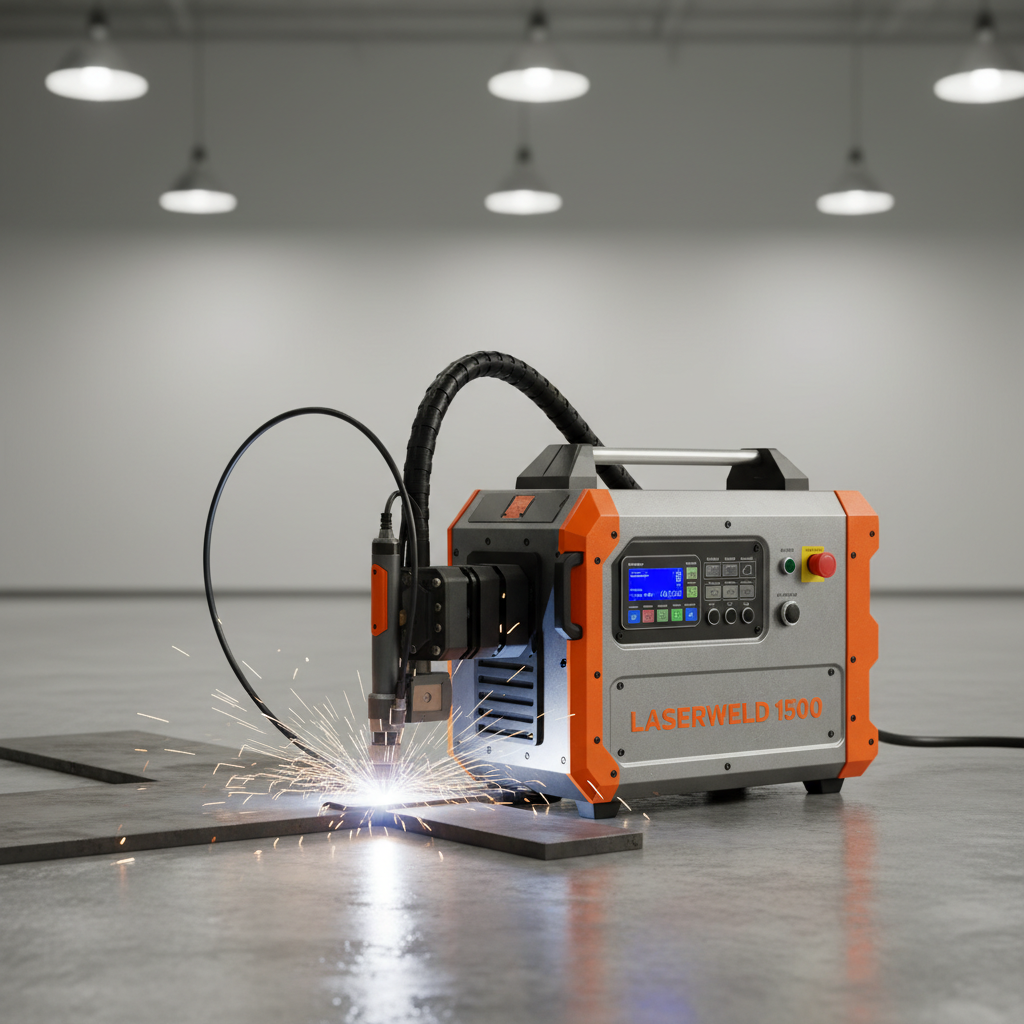
At its core, a 1500w laser welding machine utilizes a highly focused laser beam to melt and fuse metal components together. This process differs significantly from traditional welding methods, offering advantages such as reduced heat-affected zones, minimal distortion, and the ability to weld dissimilar metals. The 1500w power output provides an optimal balance for a variety of applications, ensuring sufficient energy for efficient and reliable welding.
The precision achievable with a 1500w laser welding machine is remarkable. The concentrated energy allows for extremely narrow weld beads, making it ideal for delicate applications where precision is paramount. Furthermore, the non-contact nature of laser welding minimizes the risk of contamination and produces clean, high-quality welds.
Global Relevance and Industry Applications
The demand for 1500w laser welding machines is globally significant, driven by the growth of manufacturing industries in countries like China, Germany, the United States, and Japan. These nations are at the forefront of technological innovation and consistently seek efficient and reliable welding solutions to maintain their competitive edge. According to a recent report by the World Economic Forum, investment in advanced manufacturing technologies, including laser welding, is expected to grow by 15% annually over the next five years.
Industries benefiting from 1500w laser welding machines include automotive (welding of chassis components, exhaust systems), aerospace (critical aircraft structures), electronics (miniature component welding), medical device manufacturing (implantable devices), and general fabrication (custom metal parts). The versatility of the machine allows it to address a wide range of welding challenges across these diverse sectors.
The application of this technology extends beyond large-scale manufacturing. Smaller workshops and specialized fabrication shops also benefit from the precision and efficiency offered by a 1500w laser welding machine, enabling them to tackle complex projects and deliver high-quality products to their clients.
Defining 1500w Laser Welding Machine Technology
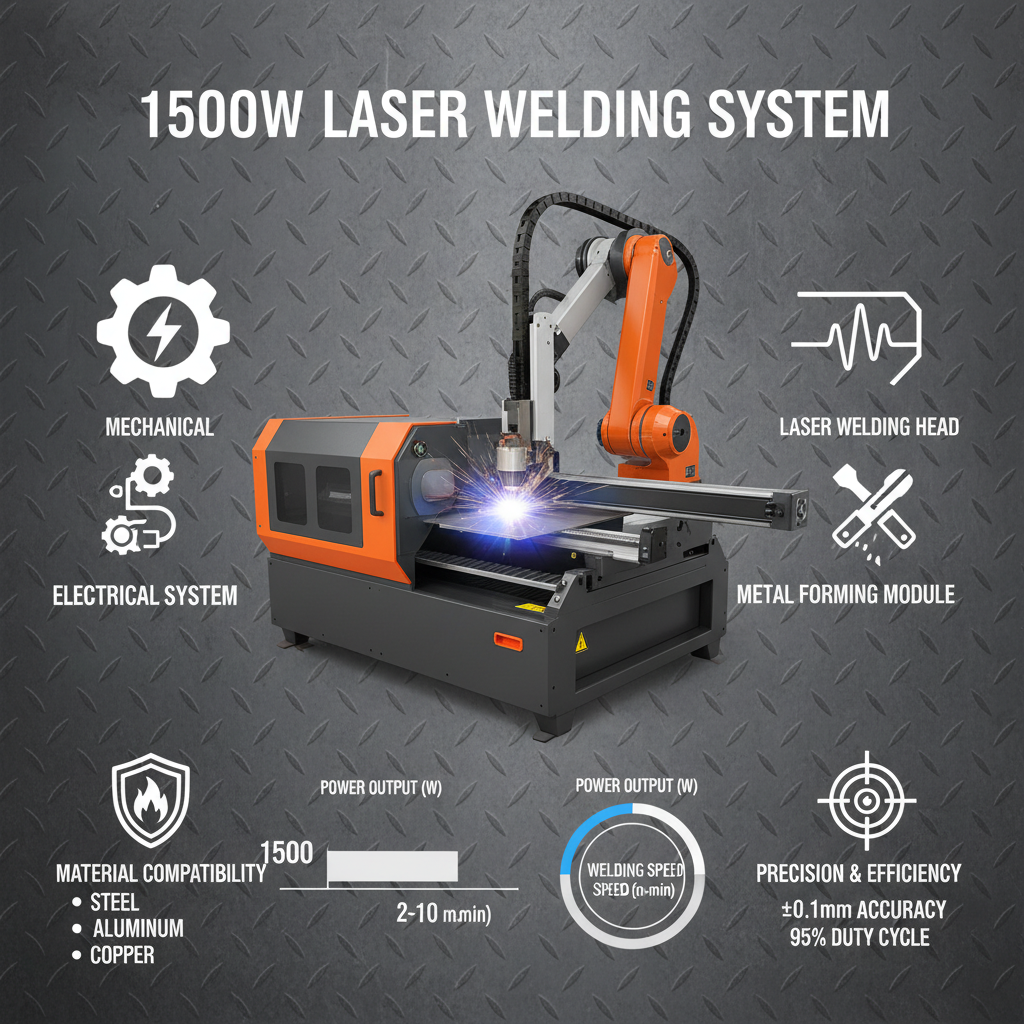
A 1500w laser welding machine leverages the principles of laser-induced fusion to create a permanent bond between metal workpieces. The '1500w' refers to the maximum power output of the laser source, directly impacting the welding speed, penetration depth, and material compatibility. This power level is often ideal for welding materials like stainless steel, carbon steel, aluminum alloys, and even some types of plastics.
Unlike traditional arc welding, laser welding is a non-contact process. This means the laser beam doesn’t physically touch the workpiece, minimizing the risk of electrode contamination and allowing for precise control over the heat input. The laser beam is typically delivered through an optical system, including lenses and mirrors, to focus the energy onto a small spot, creating a molten weld pool.
The machine typically incorporates sophisticated control systems that allow operators to adjust parameters like laser power, welding speed, pulse frequency, and shielding gas flow to optimize the welding process for different materials and applications. Advanced models often include automated features like seam tracking and real-time monitoring to enhance precision and consistency.
Key Factors Influencing 1500w Laser Welding Machine Performance
Several critical factors contribute to the overall performance of a 1500w laser welding machine. Firstly, beam quality is paramount. A tight, focused beam ensures efficient energy delivery and precise weld formation. Secondly, welding speed impacts productivity, with higher speeds being desirable for efficient production, balanced against weld quality.
Material reflectivity also plays a crucial role. Highly reflective materials like aluminum require higher laser power or specialized techniques to achieve adequate weld penetration. Shielding gas selection (typically argon, helium, or nitrogen mixtures) is vital to protect the weld pool from atmospheric contamination and ensure a strong, clean weld.
1500w Laser Welding Machine Performance Metrics
Real-World Applications of the 1500w Laser Welding Machine
In the automotive industry, 1500w laser welding machines are extensively used for welding transmission components, exhaust systems, and safety-critical structural parts. The precision and strength of laser welds ensure the reliability and safety of these vehicles.
The aerospace sector utilizes this technology for welding turbine blades, engine components, and airframe structures, where lightweight materials and high-strength welds are essential. The ability to weld dissimilar metals is also crucial in aircraft construction.
Advantages and Long-Term Value of Implementation
Investing in a 1500w laser welding machine yields numerous advantages. The increased speed and precision translate directly into higher productivity and reduced manufacturing costs. The minimal heat-affected zone reduces distortion and rework, further enhancing efficiency. The superior weld quality improves product reliability and durability.
Beyond the tangible economic benefits, a 1500w laser welding machine offers a sustainable solution. The reduced material waste and energy consumption contribute to a smaller environmental footprint. Furthermore, the improved worker safety due to the non-contact nature of the process fosters a more positive work environment.
The long-term value lies in the ability to adapt to evolving industry demands. A 1500w laser welding machine provides the flexibility to weld a wide range of materials and geometries, enabling businesses to respond quickly to changing market needs and maintain a competitive edge.
Future Trends and Innovations in 1500w Laser Welding Machine Technology
The future of 1500w laser welding machine technology is focused on increased automation, enhanced monitoring capabilities, and the integration of artificial intelligence. Expect to see more sophisticated systems that automatically adjust welding parameters based on real-time feedback from sensors, optimizing weld quality and efficiency.
Developments in fiber laser technology are leading to more compact and energy-efficient laser sources. Remote laser welding, where the laser source is physically separated from the welding head, is gaining traction, offering greater flexibility and accessibility in complex welding applications.
Sustainability is also driving innovation. Manufacturers are exploring new ways to reduce energy consumption and minimize waste in the laser welding process, aligning with growing environmental concerns. The integration of machine learning algorithms will allow for predictive maintenance and optimization of machine performance.
Summary of Key Challenges and Solutions in 1500w Laser Welding Machine Operation
| Challenge |
Material Compatibility |
Weld Quality Control |
Operational Cost |
| Reflective Materials |
Aluminum and copper require higher power or specific gas mixtures. |
Real-time monitoring with sensors and vision systems. |
Energy-efficient laser sources and optimized process parameters. |
| Narrow Weld Windows |
Precise control of laser parameters and automated beam shaping. |
Non-destructive testing methods like X-ray or ultrasonic inspection. |
Reduced shielding gas consumption and preventative maintenance. |
| Heat Management |
Optimized cooling systems and heat sink designs. |
Closed-loop control systems to maintain consistent temperature. |
Minimizing heat input through precise parameter settings. |
| Process Instability |
Stable laser source and robust optical alignment. |
Automated seam tracking and weld path correction. |
Regular calibration and maintenance procedures. |
| Operator Skill Gap |
Comprehensive training programs and user-friendly interfaces. |
Automated process optimization and fault detection. |
Remote diagnostic capabilities and expert support. |
| Dust and Fume Control |
Local exhaust ventilation and filtration systems. |
Regular monitoring of air quality and maintenance of filters. |
Optimized gas flow rates to minimize fume generation. |
FAQS
A 1500w laser welding machine offers significantly higher precision, faster welding speeds, and a smaller heat-affected zone compared to traditional arc welding. It's a non-contact process, reducing contamination and distortion. Laser welding excels at welding dissimilar metals and is ideal for automated applications where consistency and quality are paramount. While arc welding is often more cost-effective for very thick materials, the 1500w laser provides superior control and results for a wide range of materials and thicknesses.
A 1500w laser welding machine can effectively weld a diverse range of materials, including stainless steel, carbon steel, aluminum alloys, titanium, copper, and even some plastics. The optimal parameters (power, speed, gas) will vary depending on the material's properties, but the machine's versatility makes it suitable for numerous industrial applications. Specific adjustments are often needed for highly reflective materials like aluminum and copper.
Regular maintenance is crucial for optimal performance. This includes cleaning the optics (lenses and mirrors) daily to prevent contamination, checking and replacing the laser source's cooling fluid, inspecting the shielding gas system for leaks, and performing periodic calibration of the machine’s control systems. A detailed maintenance schedule should be followed as outlined in the manufacturer's manual. Expect to replace consumable parts like nozzles and ceramic cups periodically.
Laser welding poses certain safety hazards. Always wear appropriate personal protective equipment (PPE), including laser safety glasses specifically designed for the laser’s wavelength, gloves, and fire-resistant clothing. Ensure the welding area is properly ventilated to remove fumes and gases. Implement a clear safety zone to prevent unauthorized access to the laser beam. Follow all manufacturer’s safety guidelines and training procedures.
The 1500w power level represents a sweet spot, providing a balance between welding speed and weld quality. Higher power generally translates to faster welding speeds, but it can also increase the heat-affected zone and potentially lead to material distortion. 1500w is often ideal for materials up to a certain thickness, delivering deep penetration and strong, reliable welds. Adjusting the power based on the material and application is key to achieving optimal results.
The ROI for a 1500w laser welding machine varies depending on application, usage, and existing processes. However, typical benefits include increased productivity (due to faster welding speeds), reduced material waste (due to precise control), lower labor costs (through automation), and improved product quality. Many companies experience a payback period of 1-3 years, with significant long-term cost savings and a competitive advantage. A detailed cost-benefit analysis is recommended.
Conclusion
In conclusion, the 1500w laser welding machine stands as a cornerstone technology for modern industrial fabrication. Its ability to deliver precise, efficient, and high-quality welds across a diverse range of materials has made it indispensable for industries like automotive, aerospace, and electronics. Understanding the core principles, applications, and future trends of this technology is vital for businesses seeking to optimize their production processes and gain a competitive edge.
As laser technology continues to evolve, with advancements in automation, monitoring, and AI integration, the 1500w laser welding machine will undoubtedly play an even more crucial role in shaping the future of manufacturing. Investing in this technology is not just about acquiring a tool; it's about investing in a future of innovation, sustainability, and enhanced productivity. Visit our website at 1500w laser welding machine to explore our offerings and learn how we can help you harness the power of laser welding.