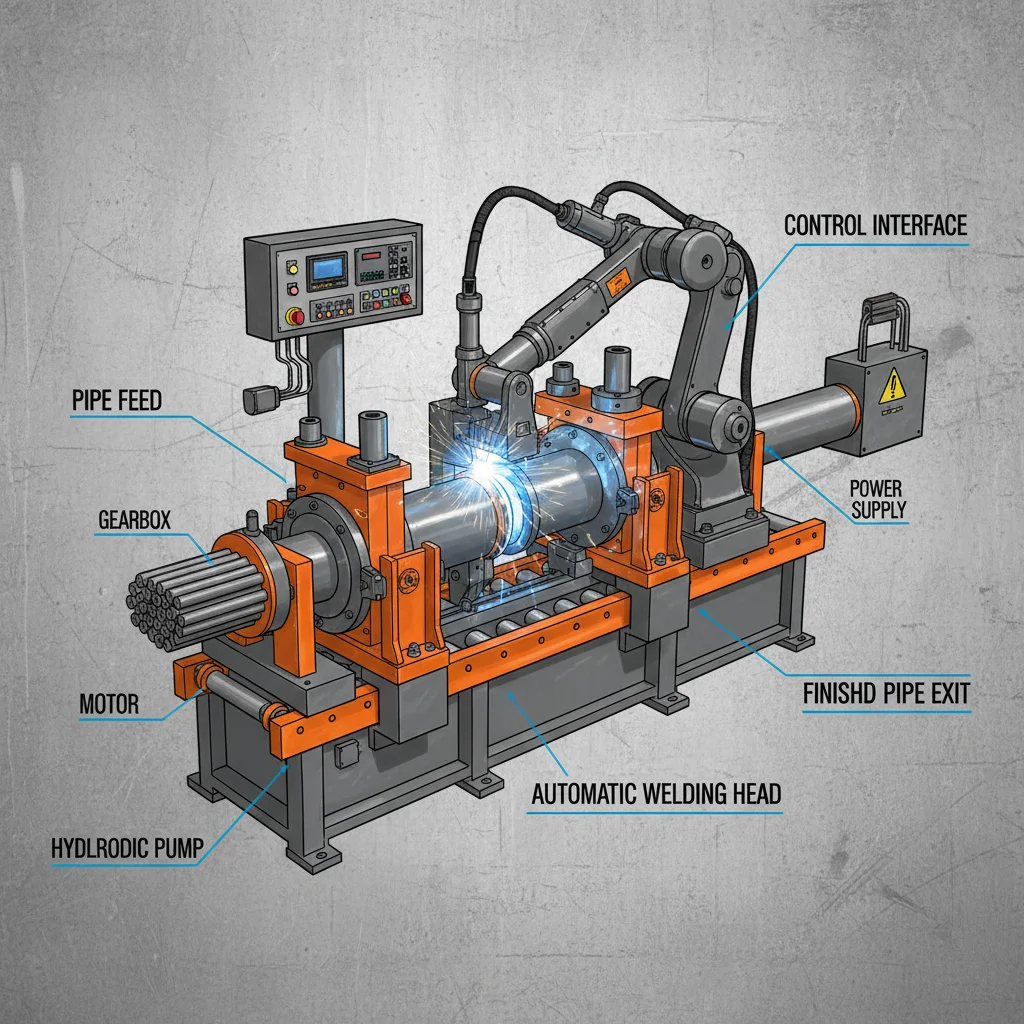
The modern industrial landscape relies heavily on precision joining technologies to ensure structural integrity and production efficiency. Among these, the spot welding machine stands as a cornerstone of metal fabrication, offering a rapid and reliable method for fusing overlapping metal sheets without the need for filler materials. By applying pressure and passing a high current through the contact area, these machines create localized welds that are essential for everything from automotive frames to delicate electronic components.
Globally, the demand for high-efficiency welding solutions has surged as manufacturers strive to reduce cycle times while maintaining strict quality standards. The ability of a spot welding machine to provide consistent, repeatable results makes it indispensable in mass production environments. As industries shift toward lighter materials and more complex geometries, the versatility of spot welding ensures that assembly lines remain agile and cost-effective.
Understanding the nuances of spot welding is not merely about technical operation; it is about optimizing the balance between speed, strength, and energy consumption. For enterprises looking to scale their manufacturing capabilities, investing in the right spot welding machine can lead to significant reductions in waste and a marked increase in overall product durability, providing a competitive edge in a crowded global market.
Global Industry Context of Spot Welding
In the current era of Industry 4.0, the role of the spot welding machine has expanded beyond simple assembly. According to ISO standards for resistance welding, the precision and repeatability of these machines are critical for safety-critical industries. In the automotive sector alone, thousands of spot welds are required for a single vehicle chassis, making the efficiency of this technology a primary driver of production throughput.
However, manufacturers face the persistent challenge of material variability and energy inefficiency. As global regulations push for "Green Manufacturing," there is an urgent need to transition from legacy AC systems to more precise inverter-based controllers. This evolution allows for better control over the heat-affected zone, reducing material distortion and lowering the carbon footprint of the fabrication process.
Defining the Spot Welding Machine Mechanism
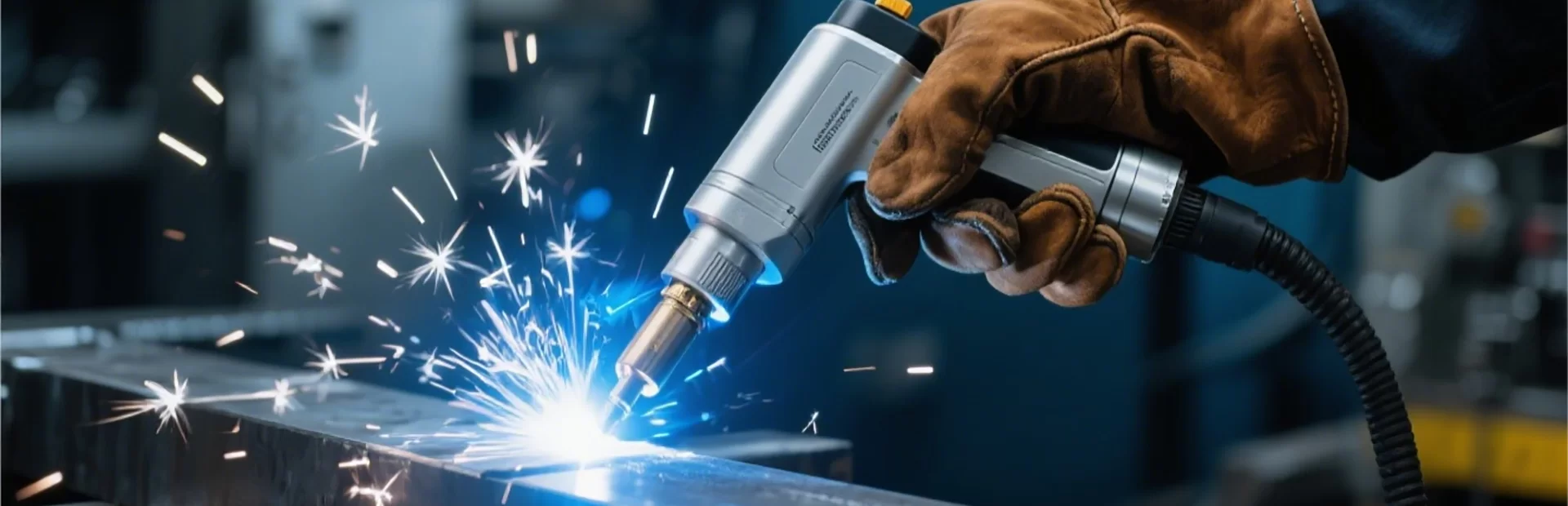
At its core, a spot welding machine is a resistance welding tool that joins two or more metal sheets by applying pressure and a high electrical current to a localized "spot." The electrical resistance at the interface of the metals generates intense heat, melting the material and creating a fused nugget upon cooling. This process is highly efficient because it requires no external filler metal or flux, simplifying the supply chain for the manufacturer.
Beyond the basic physics, this technology addresses a critical humanitarian and industrial need: the ability to create lightweight yet strong structures. From the production of medical devices to the assembly of aerospace components, the ability to create secure joints without adding excessive weight is paramount. This makes the spot welding machine a vital tool for innovation in transport and healthcare infrastructure.
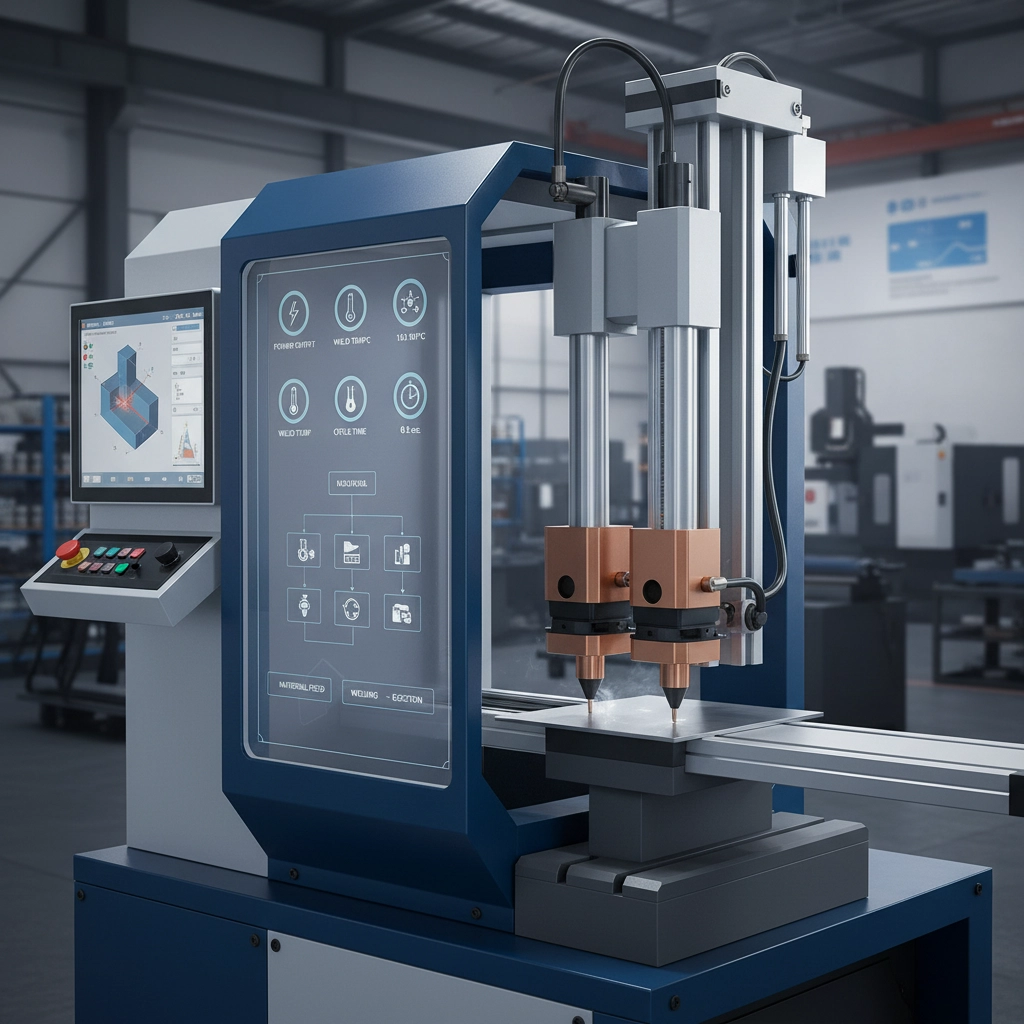
Modern iterations of these machines now incorporate digital controllers and programmable logic controllers (PLCs), allowing operators to fine-tune current, time, and pressure. This shift from manual guesswork to data-driven precision ensures that every weld meets the exact specifications required for high-stress environments, significantly reducing the rate of structural failures in finished products.
Core Components and Technical Factors
The durability of a spot welding machine depends largely on its electrode quality and cooling system. Copper alloy electrodes are typically used to ensure high conductivity and wear resistance, while integrated water-cooling circuits prevent the electrodes from overheating during continuous high-volume operation.
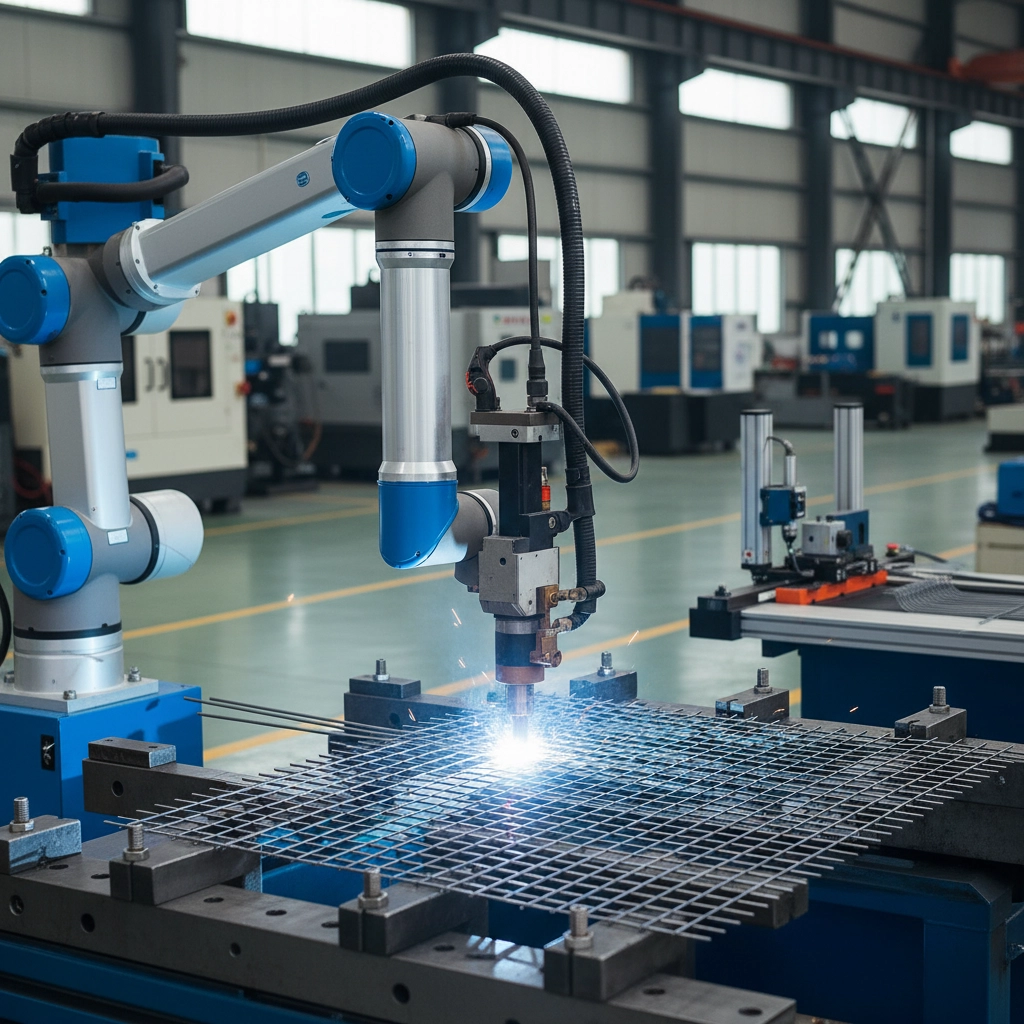
Scalability is achieved through the integration of the spot welding machine into robotic arms. This automation allows for complex 3D welding paths and ensures that the pressure applied to the weld nugget is perfectly perpendicular, which is essential for maintaining consistent weld strength across large surface areas.
Cost efficiency is further enhanced by optimizing the power supply. Modern inverter technology allows the spot welding machine to deliver precise current pulses, reducing electricity waste and minimizing the "spatter" that often leads to costly post-weld grinding and cleaning processes.
Practical Performance Metrics and Scalability
When evaluating the effectiveness of a spot welding machine, industry experts look at the "nugget diameter" and "shear strength" as primary KPIs. A well-optimized machine ensures that the weld is deep enough to provide structural stability but not so hot that it burns through the base metal, which would compromise the overall integrity of the part.
To visualize the efficiency of different technologies, we compare various configurations of spot welding systems. While traditional AC machines offer raw power, the precision-controlled DC and Medium Frequency Direct Current (MFDC) machines provide superior consistency and energy savings, making them the preferred choice for high-end manufacturing.
Efficiency Comparison of Spot Welding Machine Technologies
Global Applications and Industrial Use Cases
The versatility of the spot welding machine allows it to be deployed across diverse sectors. In the automotive hubs of Germany and Japan, these machines are the backbone of the body-in-white (BIW) process, where thousands of precision spots ensure crash safety and vehicle rigidity.
Beyond the assembly line, in remote industrial zones or post-disaster reconstruction efforts, portable spot welding machine units are used for the rapid repair of metal scaffolding and temporary shelters. This ability to provide strong, immediate joints without the need for complex gas setups makes spot welding a critical tool for emergency infrastructure deployment.
Long-Term Value and Sustainability Benefits
Investing in a high-quality spot welding machine provides long-term economic value by drastically reducing the cost per joint. Unlike MIG or TIG welding, there is no need for expensive shielding gases or filler rods, which lowers both the operational cost and the logistics overhead of storing consumables.
From a sustainability perspective, the reduced thermal input of modern spot welding prevents excessive warping and material waste. By achieving a "first-time-right" weld, manufacturers can significantly lower their scrap rates, aligning their production goals with circular economy principles and reducing the overall environmental impact of metalworking.
Furthermore, the reliability of a spot welding machine fosters trust in the final product. For consumers, this translates to safer cars, more durable appliances, and higher quality electronics, proving that technical precision in the welding stage directly correlates to end-user safety and satisfaction.
Future Innovations in Welding Technology
The future of the spot welding machine is being shaped by digital transformation. We are seeing the rise of "Smart Welding," where AI-driven sensors monitor the weld nugget in real-time, automatically adjusting the current to compensate for surface impurities or slight misalignments in the metal sheets.
Another exciting trend is the integration of hybrid systems, combining traditional resistance spot welding with laser-assisted heating. This allows for the joining of dissimilar metals—such as aluminum to steel—which was previously a significant challenge in automotive lightweighting. Such innovations are paving the way for more energy-efficient vehicles and aircraft.
As the industry moves toward carbon neutrality, we expect to see spot welding machine designs that utilize regenerative power supplies, capturing energy from the deceleration of robotic arms to power the welding cycle, further enhancing the green credentials of the manufacturing sector.
Comparative Analysis of Spot Welding Machine Specifications
|
Technology Type
|
Precision Level (1-10)
|
Energy Efficiency
|
Primary Use Case
|
| Traditional AC |
5 |
Low |
Heavy-duty fabrication |
| DC Rectifier |
7 |
Medium |
General assembly |
| MFDC Inverter |
9 |
High |
High-precision automotive |
| Robotic Spot |
10 |
Very High |
Mass production lines |
| Portable Unit |
6 |
Medium |
Field repairs/maintenance |
| Hybrid Laser-Spot |
10 |
High |
Dissimilar metal joining |
FAQS
AC machines use alternating current, which is cost-effective for thick materials but less precise. MFDC (Medium Frequency Direct Current) machines provide a constant current flow, resulting in significantly more stable weld nuggets, less spatter, and higher energy efficiency, making them ideal for precision automotive work.
Electrode wear is primarily caused by heat and chemical reactions. To minimize it, ensure your cooling system is operating at peak efficiency, implement a regular "electrode dressing" schedule to maintain the tip geometry, and use high-grade copper alloys specifically designed for the materials you are welding.
Standard resistance spot welding is difficult for dissimilar metals due to different melting points and the formation of brittle intermetallic layers. However, advanced hybrid spot welding machine systems that use laser pre-heating or specialized inserts can achieve strong, reliable bonds between aluminum and steel.
Expulsion occurs when the molten metal is forced out of the weld zone. This is usually caused by insufficient electrode pressure, excessive welding current, or contamination (like oil or rust) on the metal surface. Ensuring clean materials and calibrated pressure settings typically resolves this issue.
Quality is typically verified using "peel tests" or "shear tests," where the weld is mechanically forced apart to measure the strength and the diameter of the fused nugget. Non-destructive testing (NDT) using ultrasonic sensors is also becoming common in high-end automotive production.
Yes, for overlapping sheet metal, spot welding is far more cost-effective. It eliminates the need for filler wire and shielding gas, requires significantly less cleanup, and is much faster to automate, resulting in a lower total cost per joint in high-volume environments.
Conclusion
The spot welding machine remains an indispensable asset in modern manufacturing, blending raw power with refined precision to enable the creation of strong, lightweight, and durable structures. From its foundational role in the automotive industry to its evolving capabilities in dissimilar metal joining and AI-driven automation, this technology continues to drive production efficiency and product safety on a global scale.
Looking forward, the integration of smart sensors and sustainable power systems will further elevate the role of spot welding in the transition toward Green Manufacturing. For businesses aiming to optimize their fabrication processes, the shift toward MFDC and robotic systems is not just a technical upgrade, but a strategic move toward long-term scalability and quality assurance. Visit our website: www.topstarlaser.com