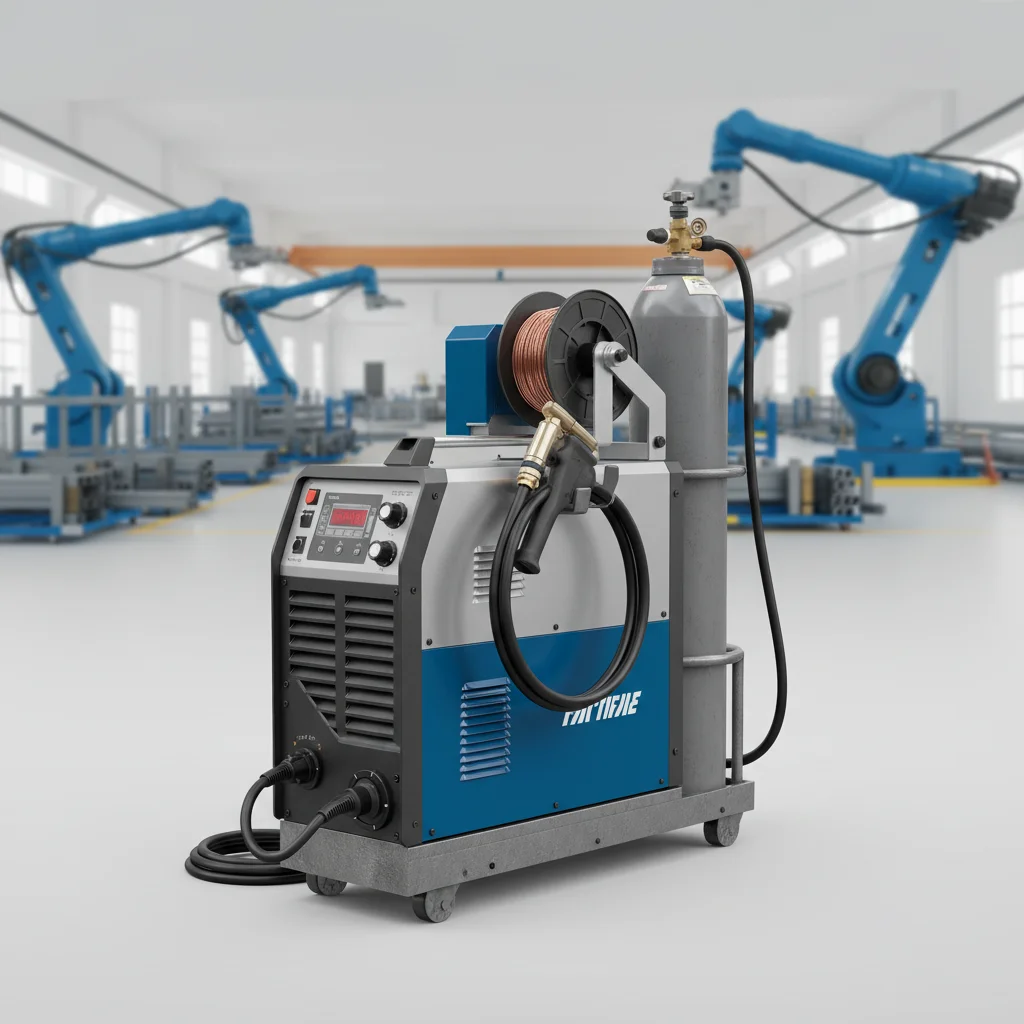
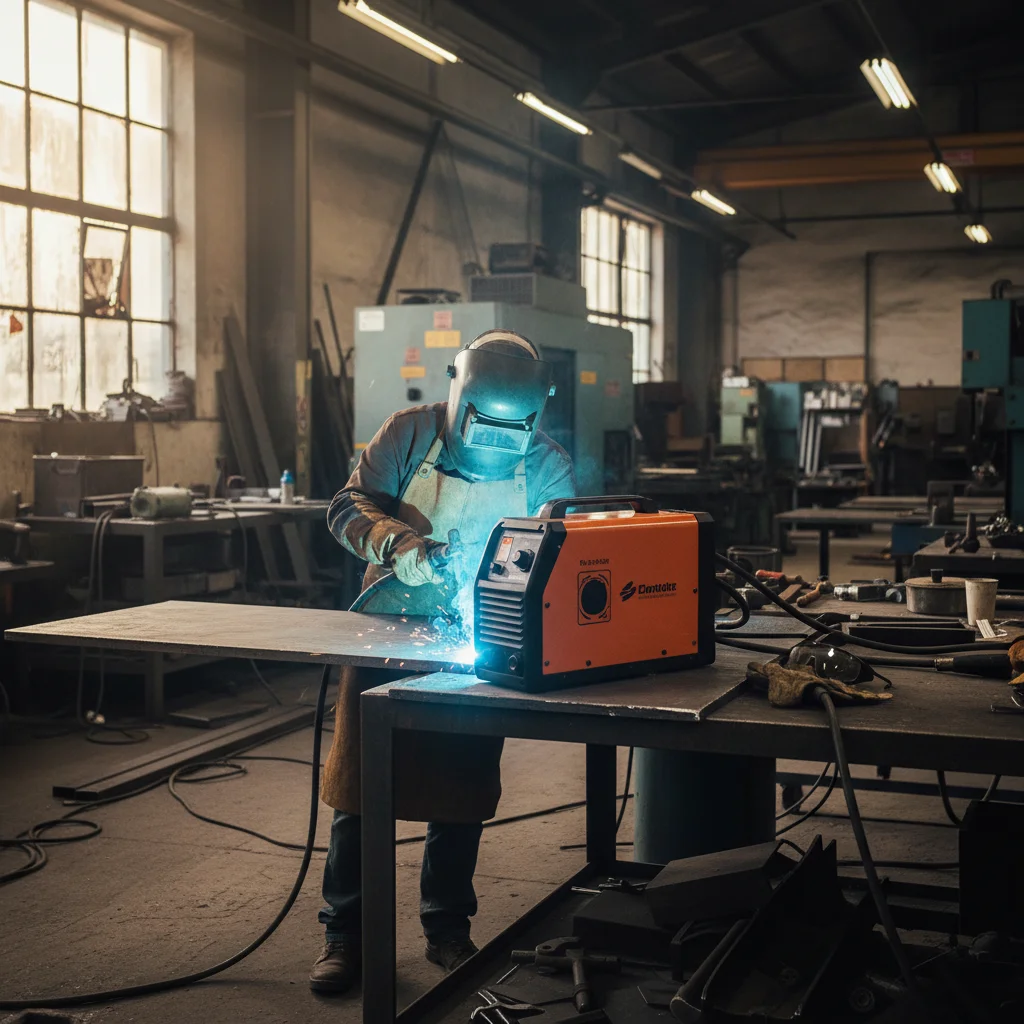
Selecting the right equipment is the cornerstone of any successful metal fabrication project, and understanding the 4 types of welding machines is essential for achieving structural integrity and aesthetic precision. From heavy-duty industrial construction to intricate artistic jewelry, the diversity of welding technology allows engineers and hobbyists alike to bond materials with unmatched strength. By mastering the nuances of these machines, businesses can optimize their production lines, reduce material waste, and ensure safety across the workshop.
In the global manufacturing landscape, the demand for precision joining technologies has surged, driving the evolution of the 4 types of welding machines. Whether it is the reliability of Shielded Metal Arc Welding (SMAW) or the high-tech efficiency of Laser Welding, each method offers a specific set of advantages tailored to different materials and environments. The ability to choose the correct machine directly impacts the cost-efficiency and durability of the final product, making this knowledge a vital asset for any technical professional.
As we move toward Industry 4.0, the integration of automation and digital controls into these 4 types of welding machines is transforming the trade. No longer just a manual skill, modern welding is a synergy of metallurgical science and robotic precision. This guide provides a comprehensive deep dive into the mechanics, applications, and future trends of the most critical welding technologies used in the industry today, ensuring you can make an informed decision for your specific project needs.
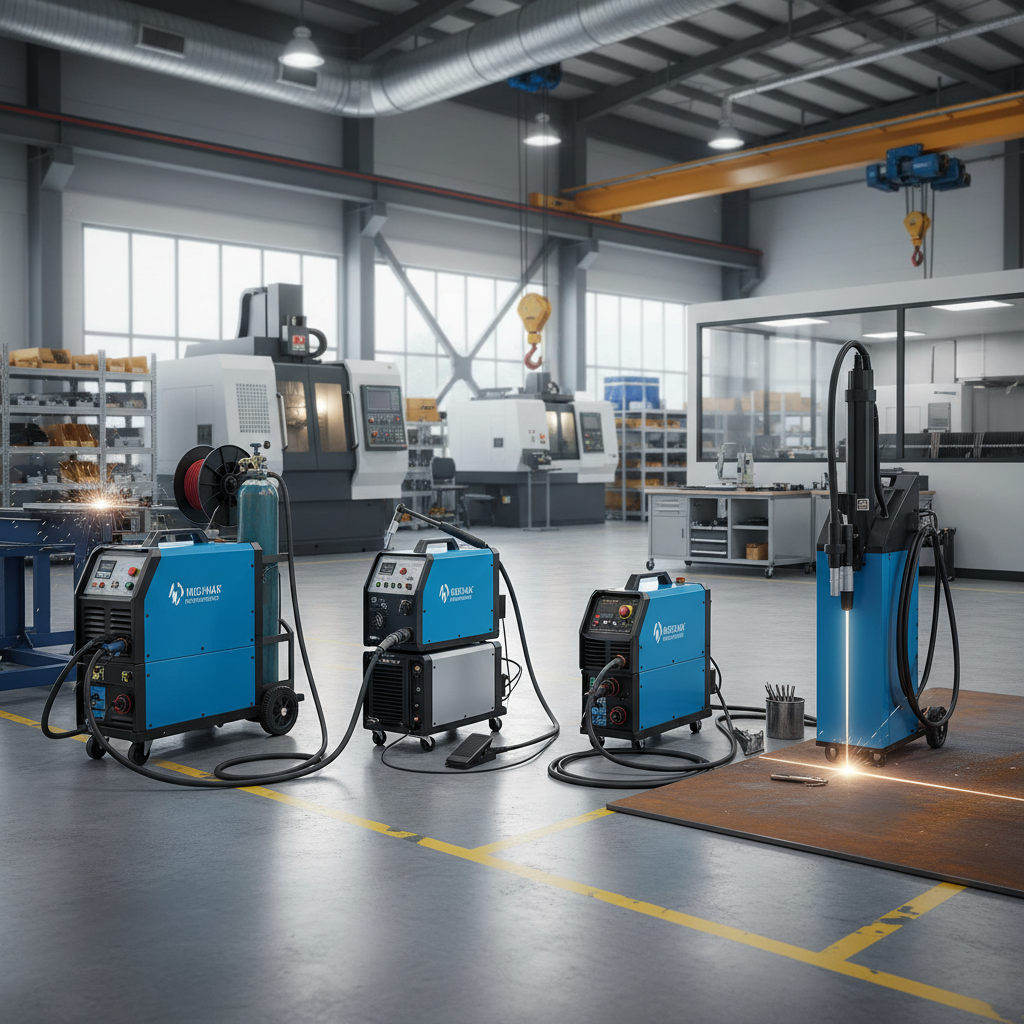
The Industrial Significance of 4 Types of Welding Machines
On a global scale, the infrastructure of modern cities—from skyscrapers to bridge networks—relies heavily on the deployment of 4 types of welding machines. According to international manufacturing standards such as ISO 3834, the quality of a weld is not just about the skill of the operator, but the compatibility of the machine with the base metal. In regions undergoing rapid industrialization, the strategic adoption of these machines has enabled the scaling of automotive and aerospace sectors, where failure is not an option.
The challenge often lies in the trade-off between speed and strength. For instance, while traditional arc welding is robust for heavy frames, laser welding is indispensable for the high-precision requirements of medical devices. Understanding these 4 types of welding machines allows companies to mitigate risks of structural fatigue and weld porosity, ensuring that products meet stringent global safety certifications and longevity expectations.
Defining the Core Mechanics of Welding Technology
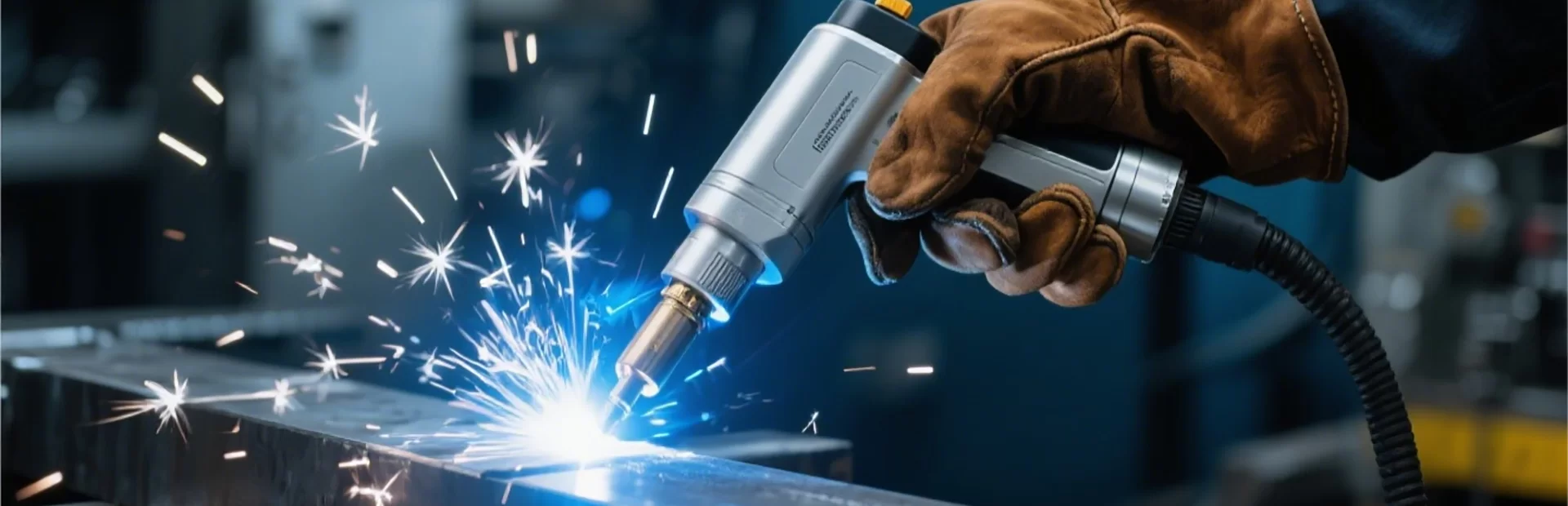
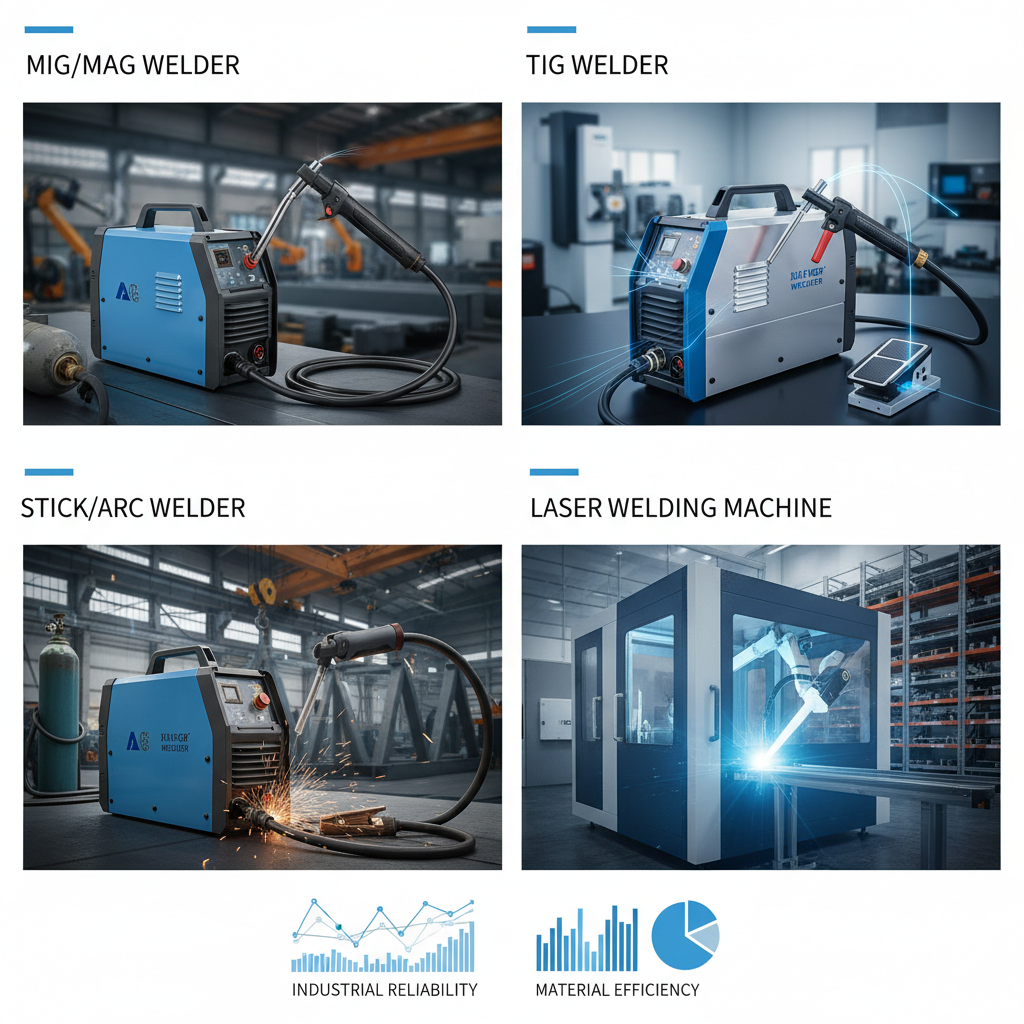
When we discuss the 4 types of welding machines, we are essentially looking at different ways of applying energy to fuse materials. The most common categories include MIG (Metal Inert Gas), TIG (Tungsten Inert Gas), Stick (SMAW), and the increasingly popular Laser Welding. Each machine utilizes a different power source and electrode configuration to create a localized melt pool, which, upon cooling, forms a permanent, high-strength bond.
From a technical perspective, these machines are designed to solve the problem of material discontinuity. For example, MIG welding focuses on high deposition rates for fast production, while TIG welding provides a level of control and purity necessary for exotic metals like titanium. The versatility offered by these 4 types of welding machines ensures that regardless of the material thickness or environmental conditions, there is a viable solution for joining.
Beyond the physics, these tools represent the intersection of humanitarian need and industrial capability. In disaster-hit areas, portable stick welders are often the first tools used to repair critical infrastructure, while in high-tech labs, laser systems create the micro-welds needed for life-saving equipment. The definition of these machines thus extends from simple tools to essential pillars of modern civilization's physical stability.
Key Factors for Selecting Welding Equipment
One of the primary considerations when evaluating the 4 types of welding machines is durability. Industrial environments are often harsh, filled with dust, heat, and electromagnetic interference. A machine that cannot withstand these conditions will suffer from frequent downtime, increasing the total cost of ownership and delaying project timelines.
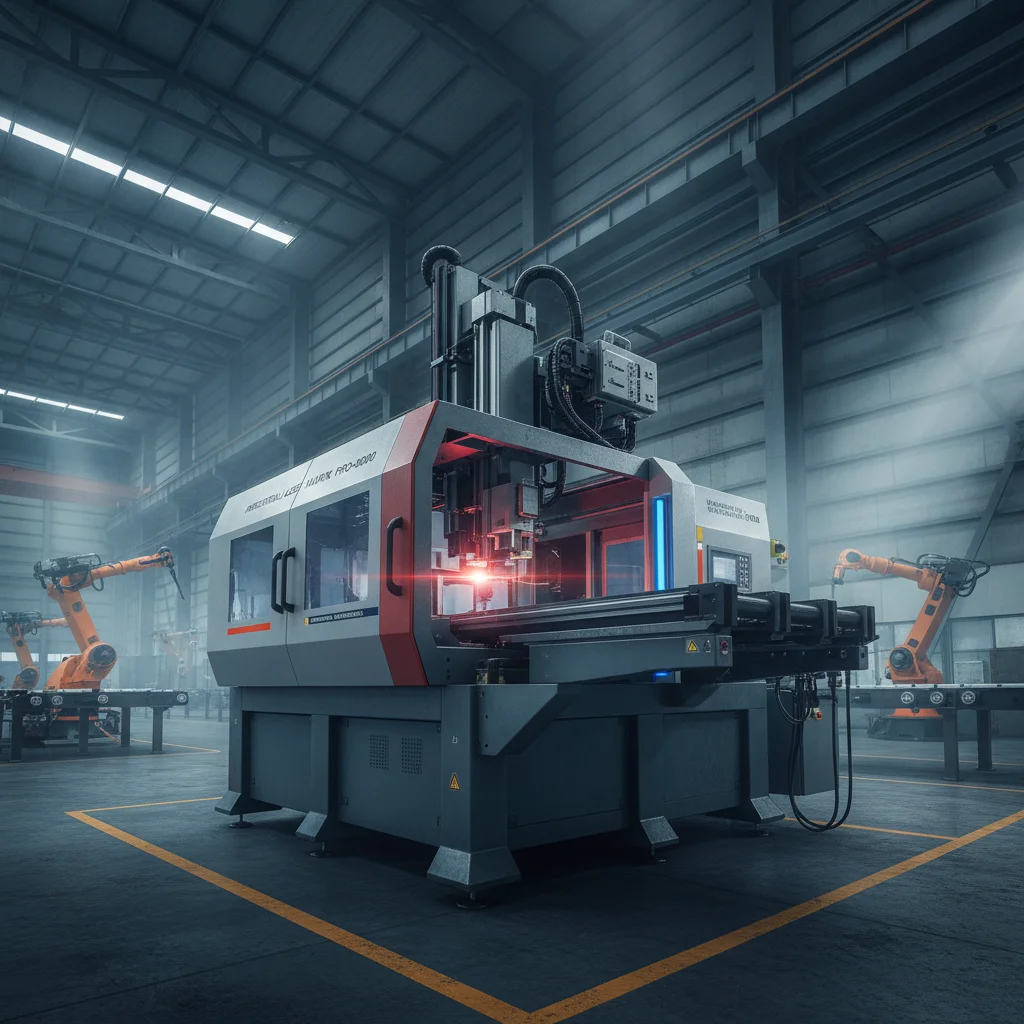
Scalability is another critical factor. A business may start with a basic MIG setup but eventually require the precision of a Laser Welding Machine as their product line evolves. The ability to integrate different 4 types of welding machines into a unified workflow allows for greater flexibility, enabling a shop to handle both heavy structural work and fine detail finishing.
Lastly, cost efficiency must be analyzed through the lens of consumables and energy usage. While laser machines have a higher initial investment, their speed and lack of filler material often result in lower per-unit costs over time. Conversely, stick welding remains the most budget-friendly option for low-volume, outdoor repairs, illustrating why maintaining a portfolio of 4 types of welding machines is the most logical strategy for versatile manufacturing.
Global Applications and Industry Use Cases
The application of 4 types of welding machines varies significantly across different global sectors. In the shipbuilding industry of East Asia, heavy-duty arc welding is used to secure massive hull plates that must withstand the crushing pressures of the deep ocean. Meanwhile, in the European automotive hubs, robotic MIG and Laser systems are synchronized to produce seamless chassis welds in a matter of seconds, ensuring maximum vehicle safety and aerodynamic efficiency.
In more remote or challenging contexts, such as oil rig maintenance in the North Sea or bridge repair in rural mountainous regions, the portability of specific 4 types of welding machines becomes the deciding factor. Here, the robustness of SMAW (Stick) welding allows technicians to work in windy, outdoor environments where shielding gases used in TIG or MIG would be blown away, proving that the "oldest" technology is often the most reliable in the field.
Efficiency Performance of 4 Types of Welding Machines
Tangible Advantages and Long-Term Value
Investing in a diverse range of 4 types of welding machines provides a competitive edge through sheer versatility. The primary tangible benefit is the reduction in outsourcing; when a shop can handle everything from thick carbon steel to thin-gauge aluminum in-house, lead times are slashed and quality control is tightened. This autonomy breeds innovation, allowing designers to experiment with complex geometries that were previously deemed "unweldable."
Beyond the balance sheet, there is a significant human and emotional value in using the right equipment. For the operator, a high-quality Laser or TIG machine reduces physical strain and improves safety by minimizing spatter and fumes. For the client, the precision of these 4 types of welding machines translates into a product they can trust with their lives, whether it's a pressure vessel or a structural beam, building a legacy of reliability and professional dignity.
Future Trends in Automated Welding Innovations
The future of 4 types of welding machines is inextricably linked to the "Green Transition." We are seeing a shift toward inverter-based power sources that drastically reduce energy consumption and carbon emissions. Furthermore, the integration of AI-driven vision systems allows machines to adjust their parameters in real-time, compensating for gaps in fit-up and ensuring a perfect weld regardless of human error.
Digital twins and cloud-based monitoring are also redefining the workshop. Imagine a scenario where a fleet of 4 types of welding machines across different continents is managed by a single central hub, with predictive maintenance alerts preventing breakdowns before they happen. This level of connectivity transforms welding from a manual craft into a data-driven science.
Moreover, the rise of hybrid welding—combining laser and arc processes—is pushing the boundaries of what is possible. This synergy allows for the deep penetration of laser welding combined with the gap-filling capabilities of traditional arc methods. As these 4 types of welding machines continue to merge and evolve, the barrier between "heavy industry" and "precision engineering" will continue to dissolve.
Overcoming Common Welding Challenges
Despite the advanced nature of the 4 types of welding machines, challenges like weld distortion and heat-affected zone (HAZ) degradation remain common. When too much heat is applied to a material, it can warp or lose its tempered strength. The expert solution involves a combination of heat sinking and the strategic selection of a machine with a tighter heat-input profile, such as switching from Stick to Laser welding for thinner components.
Another recurring hurdle is the skill gap. As 4 types of welding machines become more complex, the demand for highly trained operators has outpaced the supply. To solve this, many forward-thinking companies are investing in collaborative robots (cobots). These systems don't replace the welder but act as a precision tool, allowing a semi-skilled operator to achieve professional-grade results by guiding the robotic arm.
Lastly, material contamination often leads to porosity and weld failure. Implementing a strict pre-welding cleaning protocol and choosing the correct shielding gas for each of the 4 types of welding machines is the only way to ensure a void-free joint. By combining technical discipline with the right hardware, manufacturers can eliminate the costly cycle of rework and scrap.
Comparative Analysis of 4 Types of Welding Machines across Key Metrics
| Machine Type |
Precision Level |
Operational Speed |
Material Versatility |
| MIG Welder |
Medium |
High |
High |
| TIG Welder |
Very High |
Low |
Very High |
| Stick Welder |
Low |
Medium |
Medium |
| Laser Welder |
Extreme |
Extreme |
High |
| Plasma Arc |
High |
High |
Medium |
| Flux-Cored |
Medium |
Very High |
Medium |
FAQS
For those just starting, MIG welding is generally considered the easiest to learn due to its "point-and-shoot" nature and continuous wire feed, which eliminates the need to stop and replace electrodes frequently. It provides a great balance of speed and ease of use, making it the ideal entry point before moving into more complex methods like TIG or Laser welding.
While "multi-process" machines exist that can switch between MIG, TIG, and Stick, Laser welding requires an entirely different power source and optical system. Therefore, you cannot find a single machine that covers all 4 types of welding machines. Most professional shops maintain a fleet of specialized machines to ensure optimal performance for each specific task.
In terms of upfront capital expenditure, yes, laser welding machines are significantly more expensive. However, when you calculate the long-term operational costs—including reduced labor time, minimal post-weld grinding, and lower consumable waste—laser welding often proves more cost-effective for high-volume production lines than traditional arc methods.
The choice depends on your priority. If you need high-strength, visually perfect welds for thin aluminum (like in aerospace or custom cars), TIG is the gold standard. If you are working with thicker aluminum and need to complete the project quickly, MIG is the better choice. Both are among the 4 types of welding machines capable of handling non-ferrous metals.
All welding requires an auto-darkening helmet and flame-resistant clothing. However, laser welding requires specialized safety goggles that block specific wavelengths of light to prevent permanent retina damage, which is different from the shade levels used in arc welding. Always refer to the machine's manual for the specific PPE required for each of the 4 types of welding machines.
Yes, requirements vary. Stick and MIG welders often require 220V or 3-phase industrial power for heavy-duty use. Laser machines require stable, high-capacity electrical environments and often specialized cooling systems (chillers) to prevent the laser source from overheating. Ensuring your facility can support the power draw of the 4 types of welding machines is crucial before purchase.
Conclusion
In summary, mastering the application of the 4 types of welding machines—MIG, TIG, Stick, and Laser—is not merely a technical requirement but a strategic business advantage. Each method offers a unique profile of speed, precision, and durability, ensuring that any material can be joined to meet the highest international standards. By understanding the core mechanics and the trade-offs between these technologies, manufacturers can optimize their workflows, enhance product safety, and significantly reduce operational waste.
Looking forward, the convergence of AI, robotics, and green energy will continue to refine how we use these 4 types of welding machines. We encourage industry professionals to embrace hybrid technologies and automated systems to stay competitive in an era of rapid digital transformation. Whether you are upgrading a small workshop or scaling a global factory, the right choice in welding technology is the foundation of a lasting, high-quality legacy. Visit our website for more professional solutions: www.topstarlaser.com.