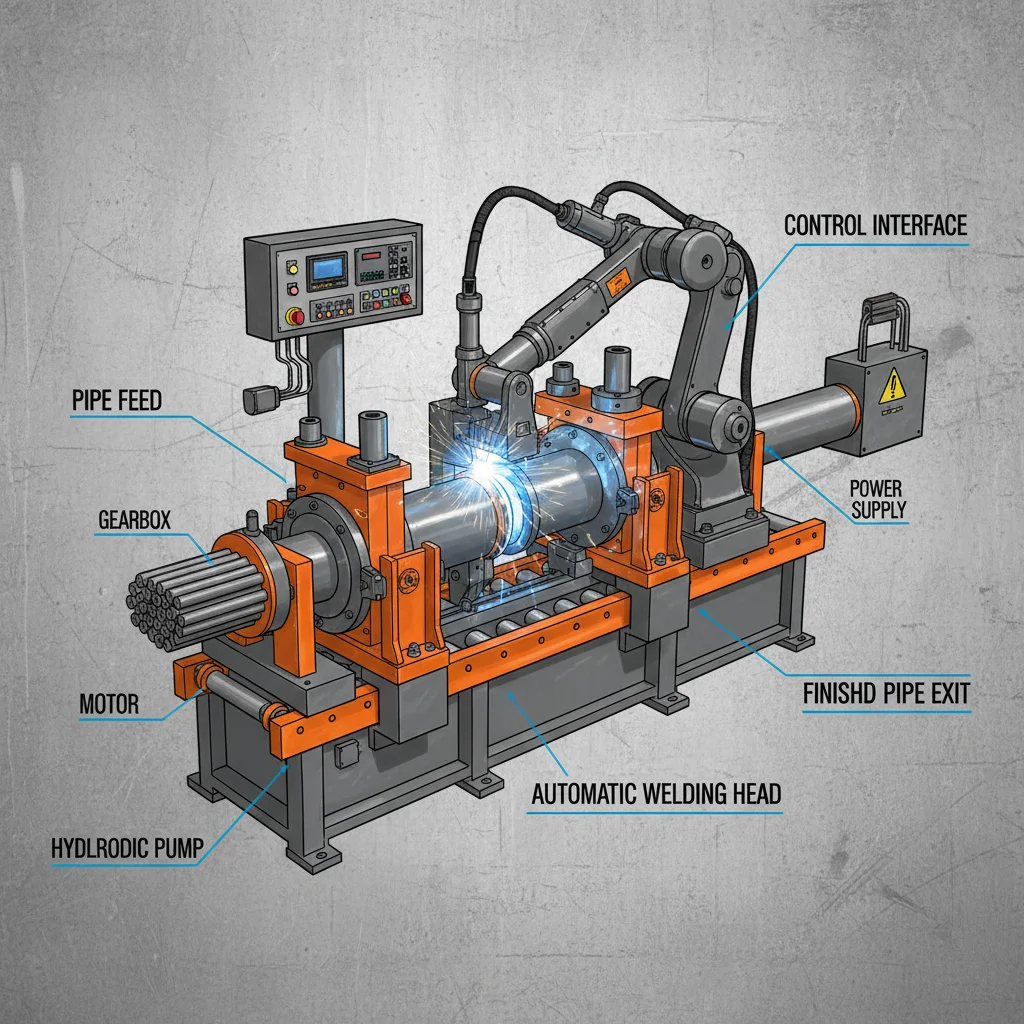
In the modern industrial landscape, the electric welding machine stands as a cornerstone of structural fabrication and precision engineering. From the assembly of heavy-duty machinery to the intricate joining of automotive components, these devices have revolutionized how we bond metals, replacing outdated methods with high-efficiency electrical arcs. Understanding the nuances of these machines is essential for any operation aiming to optimize production speed while maintaining rigorous safety and quality standards.
Globally, the demand for reliable welding solutions is skyrocketing as infrastructure projects expand across Asia and Africa and the aerospace industry pushes toward lighter, stronger alloys. The shift toward inverter-based technology has made the electric welding machine more portable and energy-efficient than ever before, allowing for onsite repairs in remote locations that were previously inaccessible. This democratization of high-power joining tools is driving a new wave of localized manufacturing and rapid prototyping.
However, the transition to advanced welding technology is not without its hurdles. Operators must balance the need for high penetration and strength with the risks of thermal distortion and energy consumption. By exploring the technical evolution, application diversity, and future trends of the electric welding machine, businesses can make informed investments that ensure long-term scalability and operational excellence in a competitive global market.
The Industrial Relevance of Electric Welding Machines
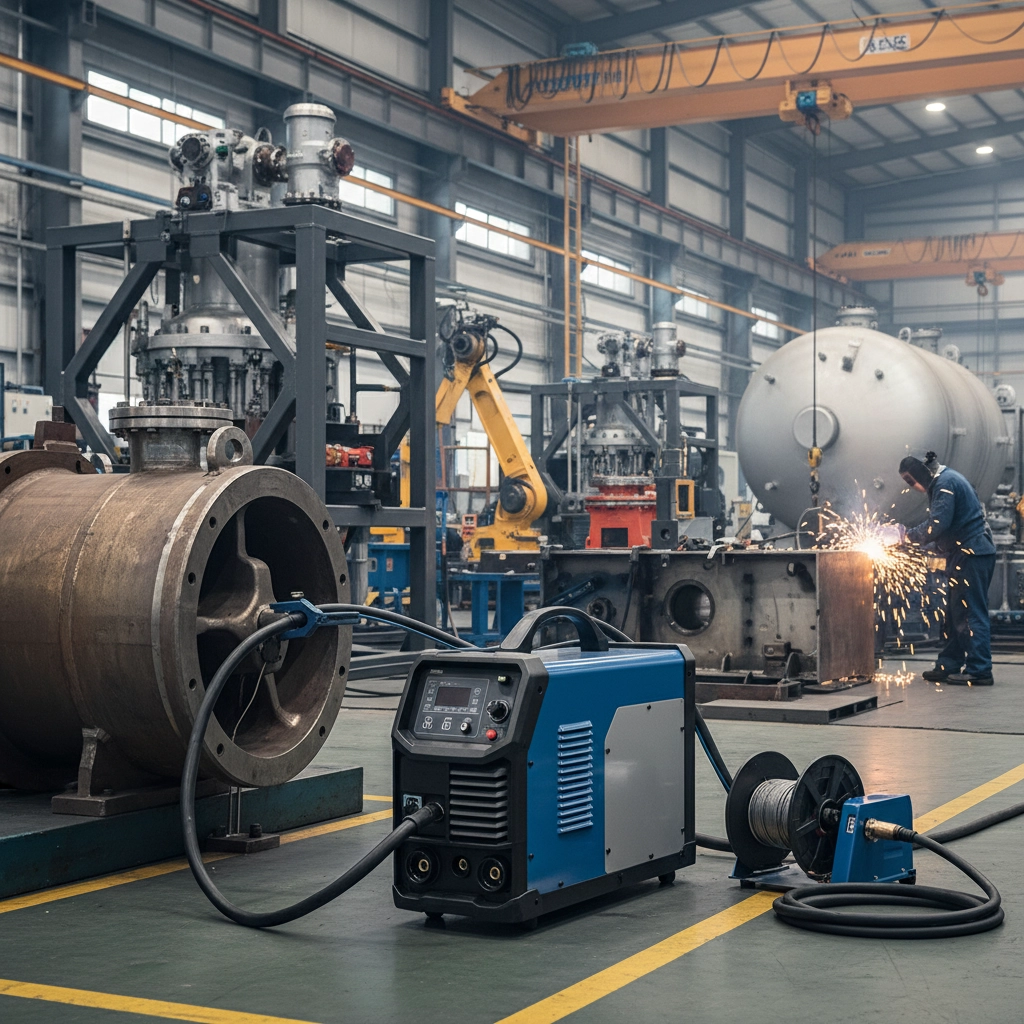
The global industrial sector relies heavily on the electric welding machine to maintain the integrity of critical infrastructure. According to ISO standards and industrial manufacturing data, the precision of electrical arc welding is paramount in ensuring the safety of bridges, skyscrapers, and pressure vessels. Without the consistent heat control provided by these machines, the risk of structural failure in heavy-duty equipment would increase exponentially.
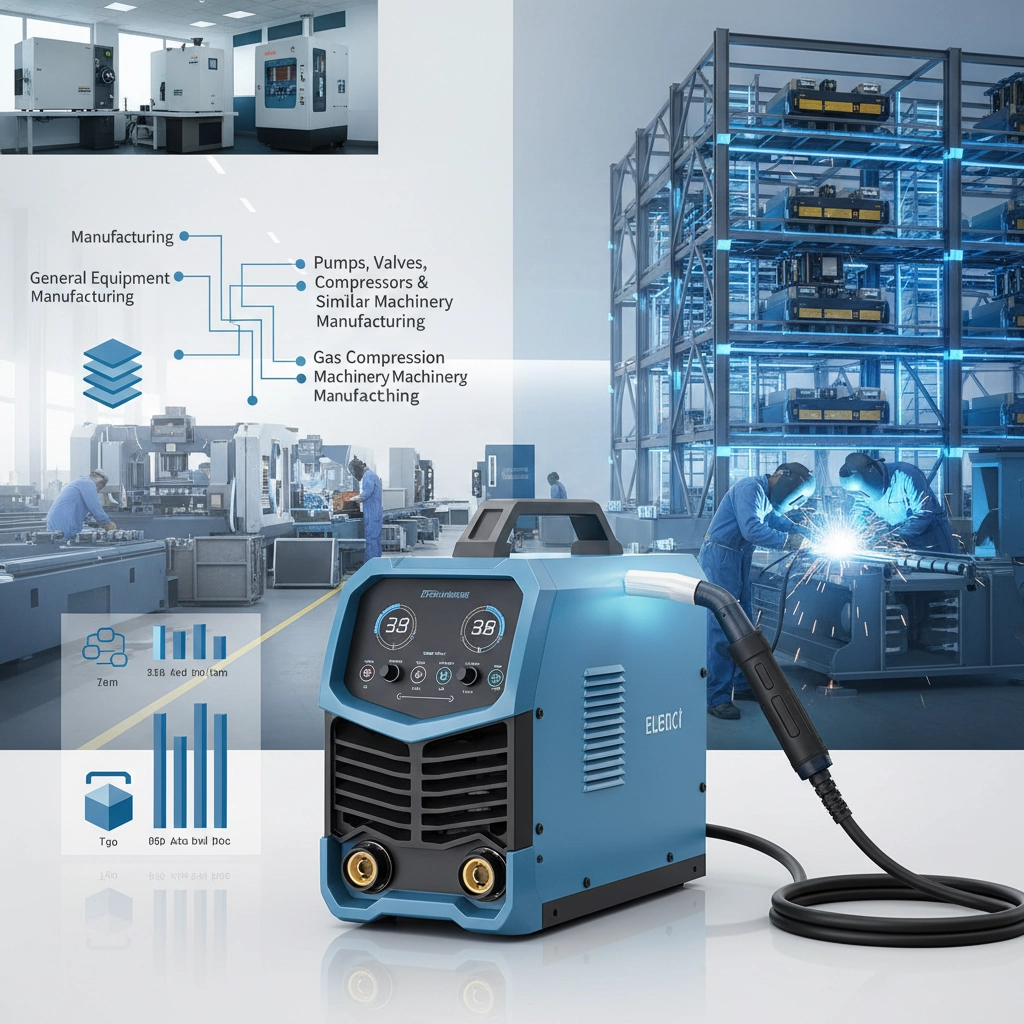
Beyond large-scale construction, the relevance of these machines extends to the "just-in-time" manufacturing model. The ability to quickly pivot from one material to another—be it stainless steel, aluminum, or carbon steel—allows factories to remain agile. As emerging economies invest in gas compression machinery and general equipment manufacturing, the adoption of sophisticated welding tools has become a primary indicator of industrial maturity.
Defining the Modern Electric Welding Machine
In simple terms, an electric welding machine is a device that converts electrical energy into heat to melt and join two or more metal parts. By creating an electric arc between an electrode and the base material, the machine generates temperatures high enough to fuse the metals into a single, incredibly strong bond. Unlike traditional forging, this process is localized, meaning it minimizes the impact on the surrounding material.
In the context of modern industry, these machines are no longer just "power sources" but are complex electronic systems. Modern units incorporate microprocessors to regulate current, voltage, and wire feed speeds, ensuring that the weld bead is consistent and free of defects like porosity or slag inclusion. This evolution has transformed welding from a manual craft into a high-precision science.
From a humanitarian perspective, the portability of modern welding equipment is vital for post-disaster relief and remote infrastructure development. Whether it is repairing a water pipeline in a rural village or stabilizing a collapsed structure after an earthquake, the electric welding machine provides the immediate, high-strength joining capability necessary to save lives and restore essential services.
Core Technical Components and Performance Factors
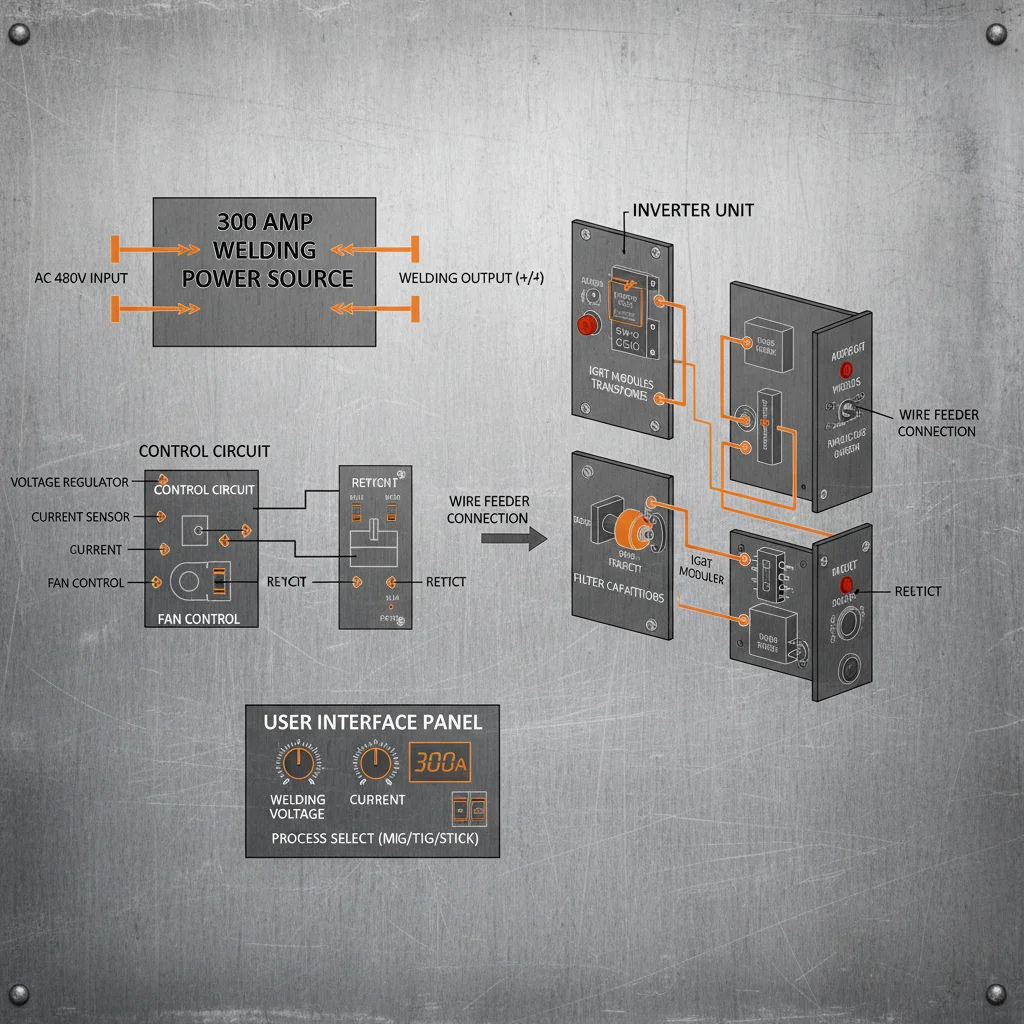
The efficiency of an electric welding machine is largely determined by its power source architecture. Traditional transformer-based machines are rugged but heavy, whereas modern inverter technology uses high-frequency switching to reduce size and increase energy efficiency. This scalability allows a single workshop to utilize both heavy-duty industrial units for thick plates and compact portable units for intricate detailing.
Durability and thermal management are the two most critical factors for long-term reliability. A high-quality electric welding machine must feature advanced cooling systems—either forced-air or water-cooled—to prevent the internal circuitry from overheating during continuous high-amperage cycles. This ensures that the duty cycle remains high, allowing for prolonged productivity without unplanned downtime.
Finally, the precision of the current control system dictates the quality of the weld. The ability to maintain a stable arc, even with slight variations in the operator's hand movement, is what separates professional-grade equipment from entry-level tools. By integrating digital displays and presets, these machines enable users to achieve repeatable results across thousands of identical joints, which is essential for mass production in the automotive and aerospace sectors.
Global Applications and Industrial Use Cases
The application of the electric welding machine spans nearly every sector of the global economy. In the shipbuilding industry of South Korea and China, massive robotic welding systems are used to fuse hull plates, ensuring watertight integrity against the immense pressure of the ocean. Meanwhile, in the automotive hubs of Germany and Japan, precision spot welding is used to create lightweight yet rigid chassis that improve fuel efficiency and passenger safety.
In remote industrial zones, such as oil and gas pipelines in Canada or mining operations in Australia, portable welding units are indispensable. These machines allow technicians to perform critical repairs in the field, preventing costly shutdowns that could cost companies millions of dollars per hour. The ability to operate on varying power grids or via generators makes the electric welding machine a versatile tool for global energy infrastructure.
Comparative Efficiency of Electric Welding Machine Types
Long-Term Value and Operational Advantages
Investing in a high-quality electric welding machine provides tangible economic benefits through reduced waste and lower labor costs. Because modern machines offer superior control over the heat-affected zone (HAZ), there is significantly less warping of the base metal, reducing the need for expensive post-weld straightening and grinding. This efficiency directly translates to faster turnaround times and higher profit margins for fabrication shops.
Beyond the balance sheet, the shift toward electric welding enhances workplace safety and sustainability. Advanced fume extraction integration and the move away from hazardous gas-based fluxes reduce the environmental footprint of the workshop. Moreover, the reliability of a trusted machine fosters a sense of professional dignity for the welder, who can focus on the art of the join rather than fighting with unstable equipment, thereby increasing overall job satisfaction and trust in the production process.
Future Innovations in Welding Technology
The future of the electric welding machine is being shaped by the convergence of AI and robotics. We are seeing the rise of "cobots"—collaborative robots—that work alongside human operators to handle repetitive weld paths with micron-level precision. These systems use real-time sensors to adjust parameters on the fly, compensating for gaps in the joint or changes in material thickness, which virtually eliminates human error.
Green energy is also driving a redesign of power electronics. Future machines are expected to integrate energy-recovery systems that capture waste heat and feed it back into the power grid, significantly lowering the carbon footprint of heavy industry. The integration of IoT (Internet of Things) allows managers to monitor the health of their electric welding machine fleet remotely, predicting component failure before it happens and implementing a proactive maintenance schedule.
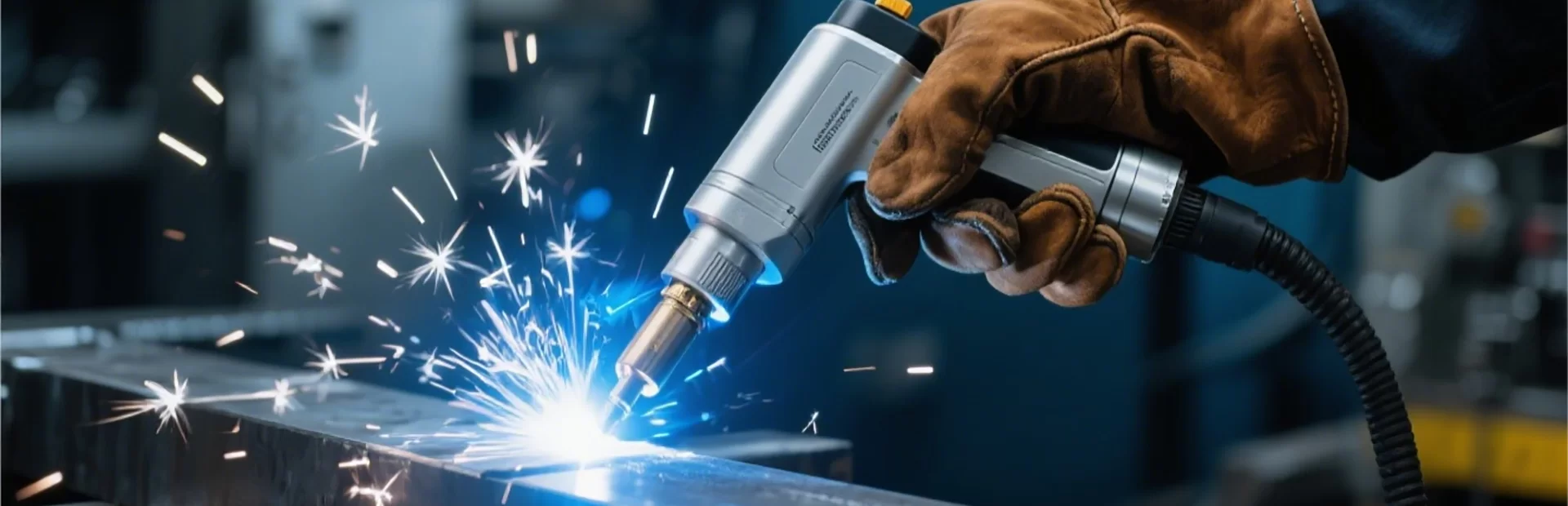
Additionally, the boundary between traditional electric welding and laser technology is blurring. Hybrid laser-arc welding combines the deep penetration of a laser with the gap-bridging capability of a traditional electric arc. This innovation allows for the joining of thicker materials in a single pass, drastically reducing the number of weld layers required and accelerating the construction of everything from high-speed rail cars to aerospace fuselage sections.
Overcoming Common Challenges in Electric Welding
Despite the technological leaps, practitioners often face the challenge of "arc blow" and material contamination. In magnetic materials, the electric arc can be deflected, leading to irregular beads and structural weaknesses. To solve this, expert operators utilize AC/DC switching capabilities and optimized grounding techniques, ensuring the arc remains centered and the penetration is uniform across the joint.
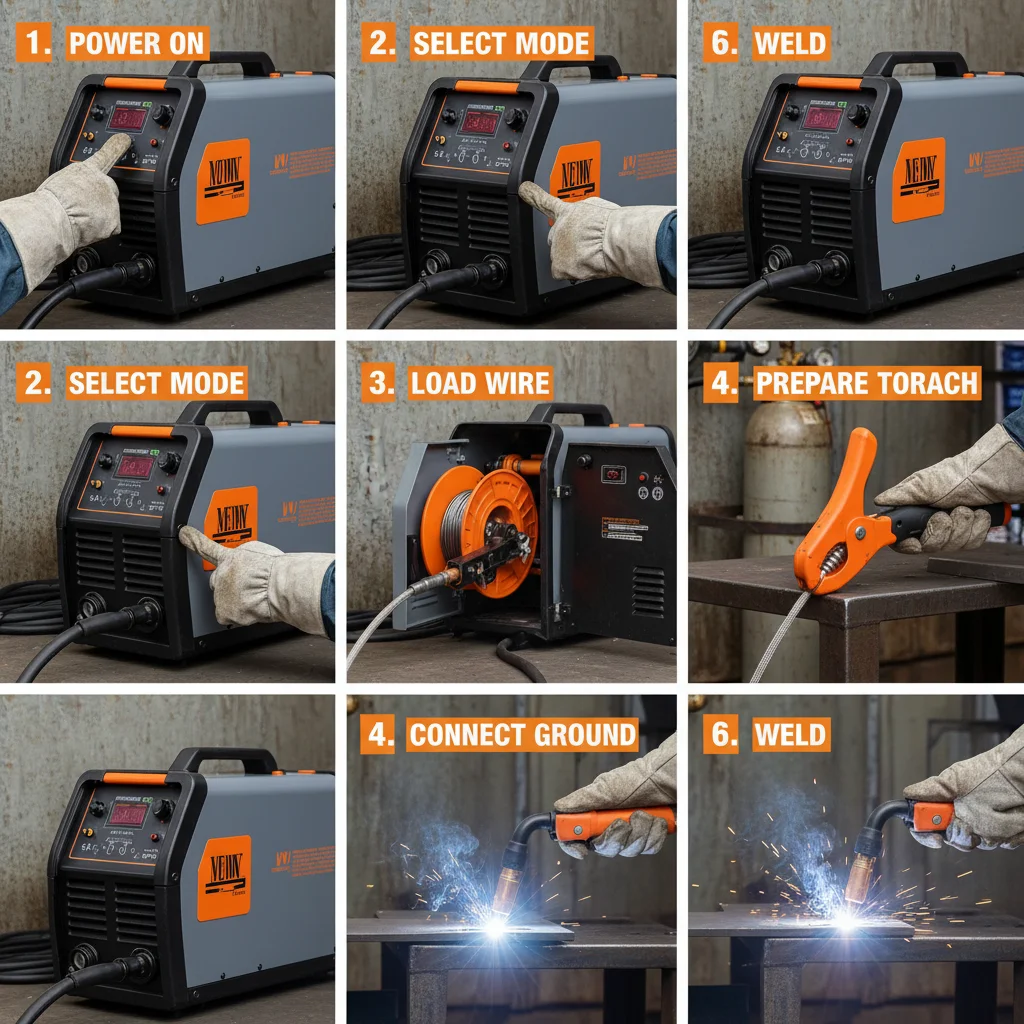
Another persistent issue is the skill gap in the global workforce. As the electric welding machine becomes more complex, the barrier to entry for new operators increases. The solution lies in "intelligent" machines that offer guided setups and digital tutorials on-screen, allowing semi-skilled workers to achieve professional results while they undergo formal training.
Lastly, managing power fluctuations in unstable grids can lead to inconsistent weld quality. The implementation of high-capacity capacitors and voltage stabilizers within the machine's power stage ensures a steady current regardless of external power dips. By addressing these technical bottlenecks, industries can maximize the uptime and reliability of their fabrication lines.
Comparison of Electric Welding Machine Solutions for Common Industrial Challenges
| Challenge Type |
Traditional Approach |
Innovative Solution |
Efficiency Gain (1-10) |
| Thermal Distortion |
Manual Cooling |
Pulsed Arc Control |
9 |
| Arc Instability |
Manual Voltage Tuning |
Digital Inverter Logic |
8 |
| Material Waste |
Over-welding |
Precision Feed Systems |
7 |
| Energy Cost |
Transformer Power |
High-Freq Switching |
9 |
| Operator Fatigue |
Manual Positioning |
Collaborative Robotics |
10 |
| Weld Porosity |
Manual Gas Adjustment |
Automated Gas Shielding |
8 |
FAQS
Transformer machines use a heavy copper coil to step down voltage, making them durable but bulky and less energy-efficient. Inverter electric welding machine units use electronic switching to achieve the same result in a much smaller package. Inverters offer better arc stability, lower power consumption, and a wider range of adjustable settings, making them ideal for both precision work and portable applications.
The required amperage depends primarily on the thickness of the base metal and the type of electrode being used. As a general rule, thicker metals require higher amperage to ensure deep penetration. For example, thin sheet metal might only need 30-90 amps, while heavy industrial plates could require 200 amps or more. Always refer to the electrode manufacturer's guidelines and perform a test bead on scrap material to fine-tune the settings.
Yes, provided you follow strict safety protocols. Modern compact electric welding machine units are designed for 110V or 220V outlets. However, users must use a dedicated circuit to avoid tripping breakers and wear appropriate PPE, including an auto-darkening helmet, leather gloves, and a fire-resistant apron. Proper ventilation is also critical to avoid inhaling toxic welding fumes.
Multi-process machines can handle MIG, TIG, and Stick welding, allowing them to work on steel, stainless steel, and aluminum. However, welding aluminum usually requires a specific AC (Alternating Current) output to break through the oxide layer, which is only available on TIG-capable machines or specific MIG setups. Always check if your machine supports the specific current type needed for your material.
The duty cycle is the percentage of a 10-minute period that a machine can weld at a given amperage without overheating. For example, a 60% duty cycle at 200A means the machine can weld for 6 minutes and must cool down for 4 minutes. For industrial production, a higher duty cycle is critical to prevent downtime and ensure the longevity of the internal components.
Weld spatter is often caused by incorrect voltage, improper gas flow, or contaminated metal. To reduce it, ensure your electric welding machine is calibrated to the correct voltage for your wire speed. Using a high-quality shielding gas mixture (like Argon/CO2) and cleaning the base metal with a wire brush to remove rust and oil will also significantly produce a cleaner weld.
Conclusion
The electric welding machine has evolved from a simple power source into a sophisticated piece of industrial technology that balances power, precision, and portability. By integrating inverter technology, digital controls, and robotic assistance, these machines have enabled a new era of manufacturing efficiency and structural safety. From the smallest repair shop to the largest shipbuilding yard, the ability to create strong, repeatable metal bonds is the foundation upon which modern infrastructure is built.
Looking forward, the integration of AI and green energy will further refine the welding process, making it more sustainable and accessible. For businesses looking to scale their production or improve quality, investing in advanced welding solutions is not just a technical upgrade but a strategic move toward operational excellence. We encourage you to explore the latest in welding and laser technology to stay ahead of the industrial curve. Visit our website: www.topstarlaser.com