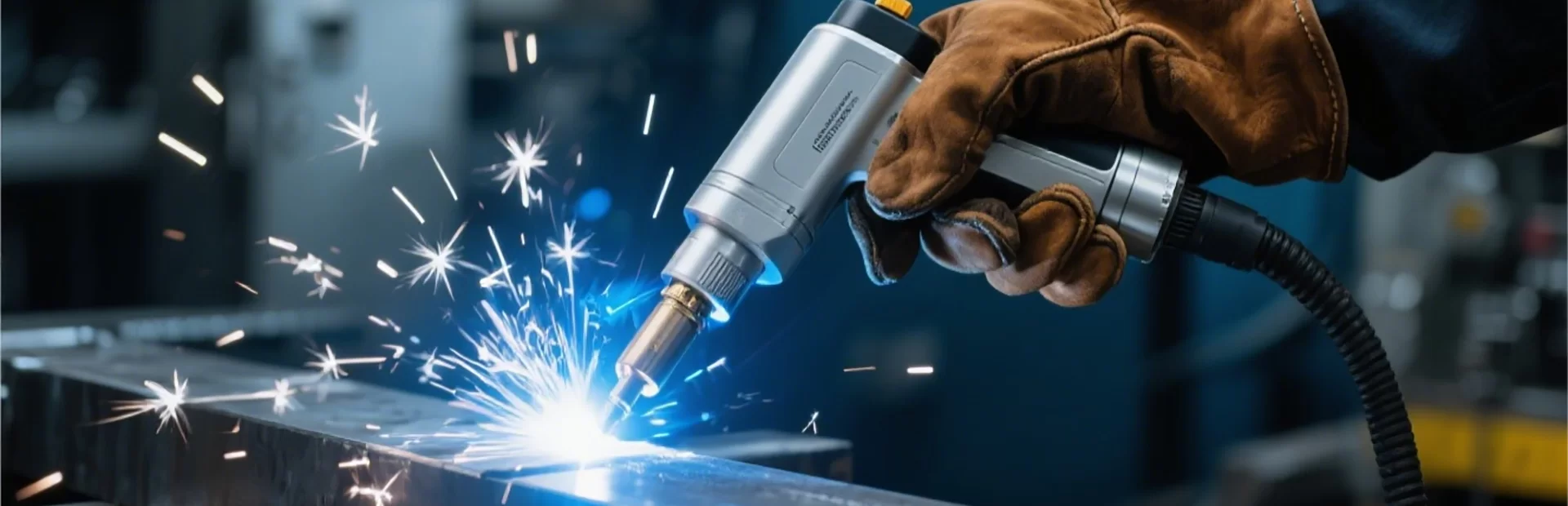
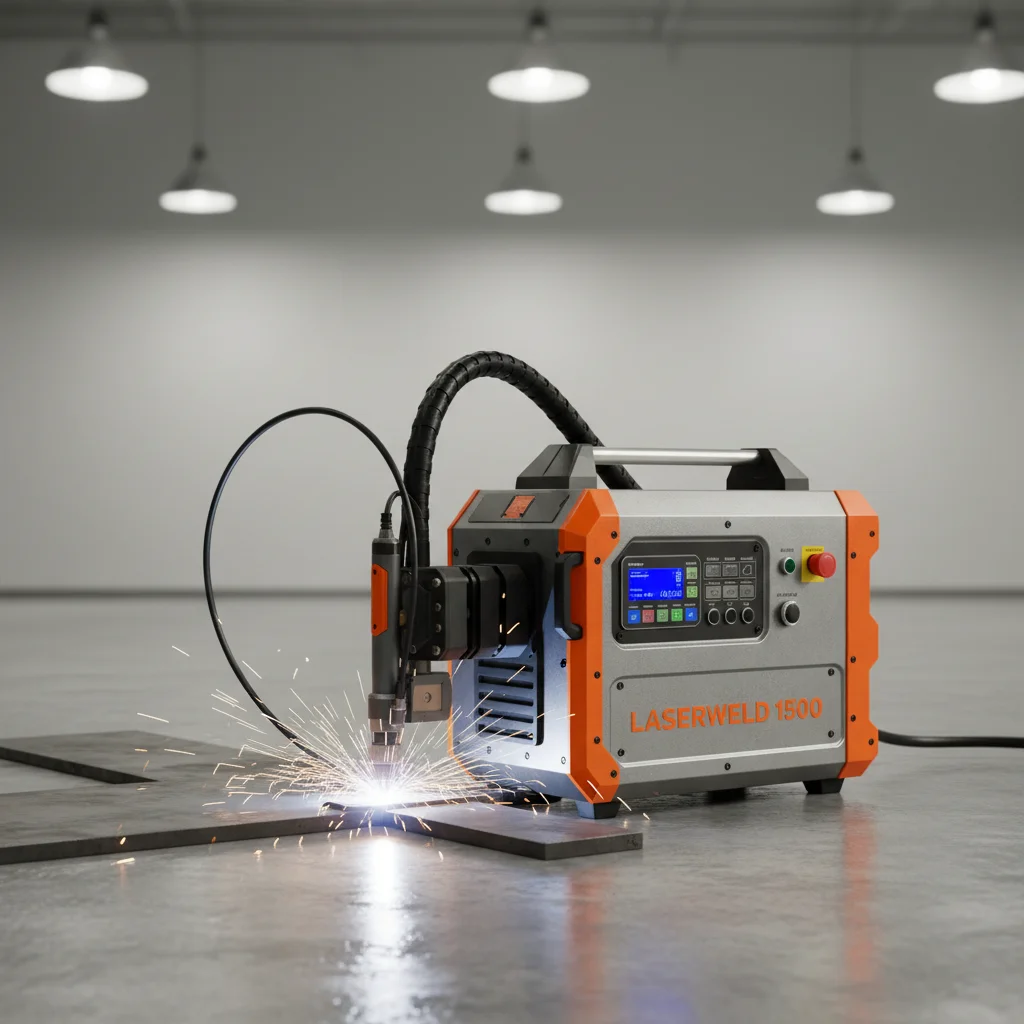
Welding machine different types are fundamental to modern manufacturing, construction, and repair across countless industries. From the intricate work of aerospace engineering to the robust demands of shipbuilding, the ability to reliably and efficiently join metals is paramount. Understanding the nuances of these different machine types – from shielded metal arc welding (SMAW) to laser beam welding – is crucial for selecting the optimal process for a given application, ensuring quality, minimizing costs, and maximizing productivity. This understanding isn't just for engineers and technicians; it impacts everything from global trade and infrastructure development to local repair shops and DIY enthusiasts.
The global welding equipment market is substantial and continuously evolving. According to recent reports, the market is projected to reach billions of dollars in the coming years, driven by factors like increasing infrastructure investment in developing economies, the growing demand for lightweight materials in the automotive industry, and advancements in automated welding technologies. However, challenges remain, including the need for skilled welders, the environmental impact of welding processes, and the ongoing pursuit of more efficient and cost-effective solutions. Choosing the right welding machine different types addresses these issues directly.
Ultimately, a grasp of welding machine different types empowers informed decision-making. It allows businesses to optimize their operations, individuals to pursue rewarding careers, and innovators to push the boundaries of what's possible in materials science and engineering. It’s a field where understanding the technology translates directly into real-world benefits, making continued learning and adaptation vital for success.
Introduction to welding machine different types
The world of welding is incredibly diverse, and selecting the right machine is far from a one-size-fits-all scenario. Welding machine different types each possess unique characteristics, strengths, and limitations. Understanding these differences is paramount for achieving optimal weld quality, efficiency, and cost-effectiveness. Factors such as the type of metal being welded, the thickness of the material, the required weld strength, and the production volume all play a crucial role in determining the appropriate welding process.
The proliferation of specialized welding machines reflects the increasing demands of modern industry. Beyond the traditional methods like Stick (SMAW) and MIG (GMAW), we now see widespread adoption of TIG (GTAW), Flux-Cored Arc Welding (FCAW), Submerged Arc Welding (SAW), and more advanced techniques like laser and electron beam welding. Each welding machine different types offers unique advantages for specific applications, and a comprehensive understanding of these technologies is essential for any professional involved in fabrication or repair.
Defining Welding Machine Types
Welding machine different types are categorized based on the energy source used to create the weld and the method of delivering that energy. At its core, welding is a process of joining materials – typically metals – by causing coalescence. This is achieved through the localized application of heat, sometimes combined with the application of pressure and filler material. The machine provides the controlled energy input needed to melt the base metals and, if used, the filler metal, creating a strong and permanent bond.
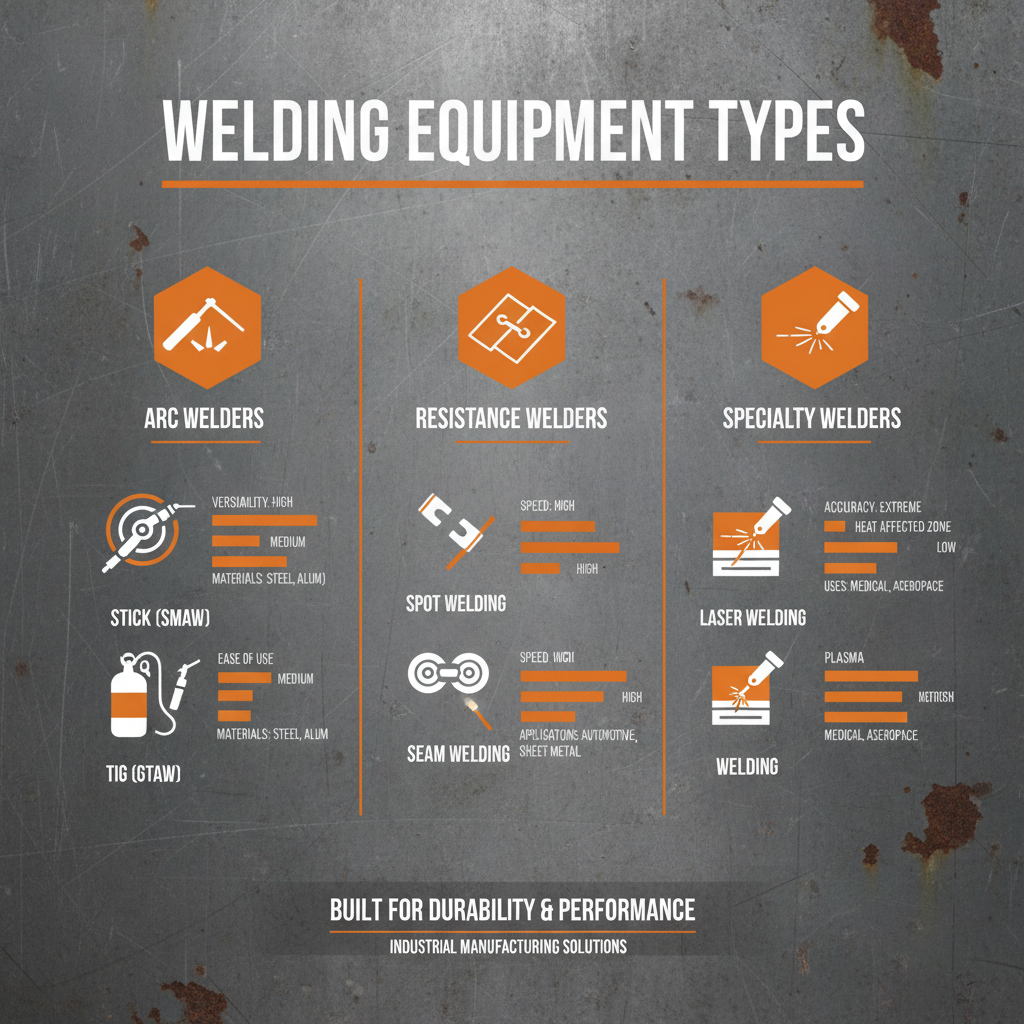
Common welding machine different types include: Shielded Metal Arc Welding (SMAW), also known as stick welding; Gas Metal Arc Welding (GMAW), commonly known as MIG welding; Gas Tungsten Arc Welding (GTAW), or TIG welding; Flux-Cored Arc Welding (FCAW); and Submerged Arc Welding (SAW). More advanced technologies such as laser beam welding (LBW) and electron beam welding (EBW) offer even greater precision and control, but often come with higher initial investment costs.
The selection of a specific welding machine different types depends heavily on the application. For instance, SMAW is a versatile and cost-effective option for outdoor and maintenance work, while TIG welding is favored for its precision and clean welds in critical applications like aerospace or high-purity systems. Understanding these fundamental differences is the first step towards selecting the best tool for the job.
Core Characteristics of Welding Machine Different Types
Several key characteristics differentiate welding machine different types. Duty Cycle refers to the percentage of time a machine can weld continuously within a 10-minute period. A higher duty cycle is essential for production welding. Amperage Range dictates the thickness of the metal that can be effectively welded. Portability is crucial for field work, while Arc Stability influences the ease of use and weld quality. These are just a few of the crucial metrics to consider when evaluating welding machine different types.
Material Compatibility is another vital characteristic. Some welding processes are better suited for certain metals than others. For example, TIG welding excels with aluminum and stainless steel, while SMAW is often preferred for carbon steel. Understanding the metallurgical properties of the base metal and filler metal is critical for achieving a strong and durable weld. Furthermore, the Complexity of Operation varies significantly – SMAW is relatively easy to learn, while TIG welding requires considerable skill and practice.
Finally, Cost Efficiency encompasses both the initial investment in the machine and the ongoing operating costs, including consumables like electrodes, shielding gas, and power consumption. Selecting welding machine different types that balance performance, cost, and ease of use is essential for maximizing return on investment. welding machine different types are all different in efficiency.
Global Applications of Welding Machine Different Types
Welding machine different types are integral to a vast array of industries worldwide. In the Automotive sector, resistance spot welding and laser welding are used extensively in vehicle body construction, ensuring structural integrity and passenger safety. The Aerospace industry relies heavily on TIG and electron beam welding for creating high-strength, lightweight components. In Shipbuilding, Submerged Arc Welding (SAW) is employed for joining massive steel plates, constructing the hulls of ships and offshore platforms.
The Construction industry uses SMAW and FCAW for structural steel erection, pipeline construction, and general repair work. In Manufacturing, various welding processes are used to fabricate everything from heavy machinery and pressure vessels to consumer goods and electronic components. In post-disaster relief operations, portable welding machines are essential for repairing critical infrastructure and equipment.
Geographically, the demand for welding machine different types is particularly strong in emerging economies experiencing rapid industrialization, such as China, India, and Brazil. These regions are investing heavily in infrastructure development, driving demand for welding equipment and skilled welders. Simultaneously, developed nations continue to innovate in welding technology, focusing on automation, precision, and sustainability.
Welding Process Application Suitability
Advantages and Value of Specialized Welding Machines
Investing in the right welding machine different types yields significant advantages. Increased production speed, improved weld quality, reduced material waste, and lower operating costs are all tangible benefits. Specialized machines, like robotic welding systems, can automate repetitive tasks, freeing up skilled welders to focus on more complex projects.
Beyond the economic benefits, choosing the right welding machine different types enhances safety. Modern machines often incorporate features like automatic voltage regulation and overload protection, minimizing the risk of accidents. Furthermore, a commitment to advanced welding technology demonstrates a commitment to quality and innovation, building trust with customers and stakeholders.
Future Trends in Welding Technology
The future of welding is being shaped by several key trends. Automation and robotics are playing an increasingly important role, with advancements in artificial intelligence enabling robots to adapt to changing conditions and perform complex welds with greater precision. Laser beam welding and electron beam welding are gaining traction due to their ability to create high-quality, narrow-gap welds with minimal heat input.
Sustainable welding practices are also gaining prominence. Researchers are developing new welding processes that minimize energy consumption, reduce emissions, and utilize eco-friendly consumables. Digitalization, including the integration of welding machines with data analytics platforms, is enabling real-time monitoring, process optimization, and predictive maintenance.
Challenges and Solutions in Welding Machine Selection
Selecting the right welding machine different types can be challenging. The initial cost of advanced equipment can be substantial, and the need for skilled operators adds to the complexity. Furthermore, keeping up with the latest technological advancements requires continuous learning and investment.
However, several solutions exist. Leasing or financing options can make advanced equipment more accessible. Investing in training and certification programs can ensure that operators have the skills needed to maximize the performance of the machine. And partnering with experienced welding equipment suppliers can provide valuable guidance and support.
Careful consideration of the specific application, budget constraints, and long-term goals is essential for making an informed decision. By addressing these challenges proactively, businesses can unlock the full potential of welding technology and achieve a competitive advantage.
Table Summarizing Key Welding Machine Characteristics
| Welding Process |
Typical Applications |
Skill Level Required |
Initial Investment (1-10) |
| SMAW (Stick Welding) |
Construction, Maintenance, Repair |
Low to Medium |
2 |
| GMAW (MIG Welding) |
Automotive, Fabrication, Sheet Metal |
Medium |
4 |
| GTAW (TIG Welding) |
Aerospace, High-Purity Applications |
High |
6 |
| FCAW (Flux-Cored Welding) |
Heavy Fabrication, Structural Steel |
Medium to High |
5 |
| SAW (Submerged Arc Welding) |
Shipbuilding, Pipeline Construction |
Medium |
7 |
| LBW (Laser Beam Welding) |
Precision Engineering, Electronics |
High |
9 |
FAQS
MIG (GMAW) is generally faster and easier to learn, making it suitable for larger projects and less critical applications. It uses a continuously fed wire electrode. TIG (GTAW) offers greater precision and control, resulting in cleaner, higher-quality welds, but requires more skill and is slower. TIG uses a non-consumable tungsten electrode and requires separate filler metal. The choice depends on the material, desired weld quality, and operator skill.
Consider the types of metal you’ll be welding, the thickness of the material, the amperage range required, the duty cycle, portability needs, and your skill level. Also, factor in your budget and the availability of consumables and support. welding machine different types will vary drastically based on these requirements. Don't forget to assess the power supply requirements of the machine.
While not always legally required, certification is highly recommended and often essential for certain industries, such as aerospace, pipeline construction, and structural steel. Certification demonstrates a welder's competence and adherence to industry standards, increasing job opportunities and earning potential. Several organizations offer welding certifications, such as the American Welding Society (AWS).
SMAW (Stick welding) is often considered the best starting point for beginners due to its relatively low cost, simplicity, and versatility. It requires less complex equipment than other processes and allows welders to develop fundamental skills. However, it requires practice to master arc control and produce consistent welds.
Regular maintenance is crucial for extending the lifespan of your welding machine. This includes cleaning the machine, checking cables and connections, replacing worn-out parts, and following the manufacturer's recommendations for servicing. Keeping the machine free from dust and debris is essential for preventing overheating and ensuring optimal performance.
Welding involves inherent hazards, so safety is paramount. Always wear appropriate personal protective equipment (PPE), including a welding helmet, gloves, fire-resistant clothing, and safety glasses. Ensure adequate ventilation, and be aware of fire hazards. Follow all safety guidelines and regulations to prevent accidents and injuries. Proper training is essential.
Conclusion
Understanding welding machine different types is no longer simply a skill for tradespeople, but a fundamental aspect of modern engineering and manufacturing. From selecting the right process for a specific application to leveraging emerging technologies like automation and AI, a comprehensive knowledge of welding technology is critical for achieving efficiency, quality, and safety. The breadth of welding machine different types, each with its strengths and weaknesses, requires careful consideration and a commitment to continuous learning.
Looking ahead, the welding industry will continue to evolve, driven by the demand for more sustainable, efficient, and automated solutions. Investing in training, embracing new technologies, and prioritizing safety will be key to success. We encourage you to explore the possibilities and unlock the full potential of welding technology. To learn more about our range of welding solutions, visit our website: www.topstarlaser.com