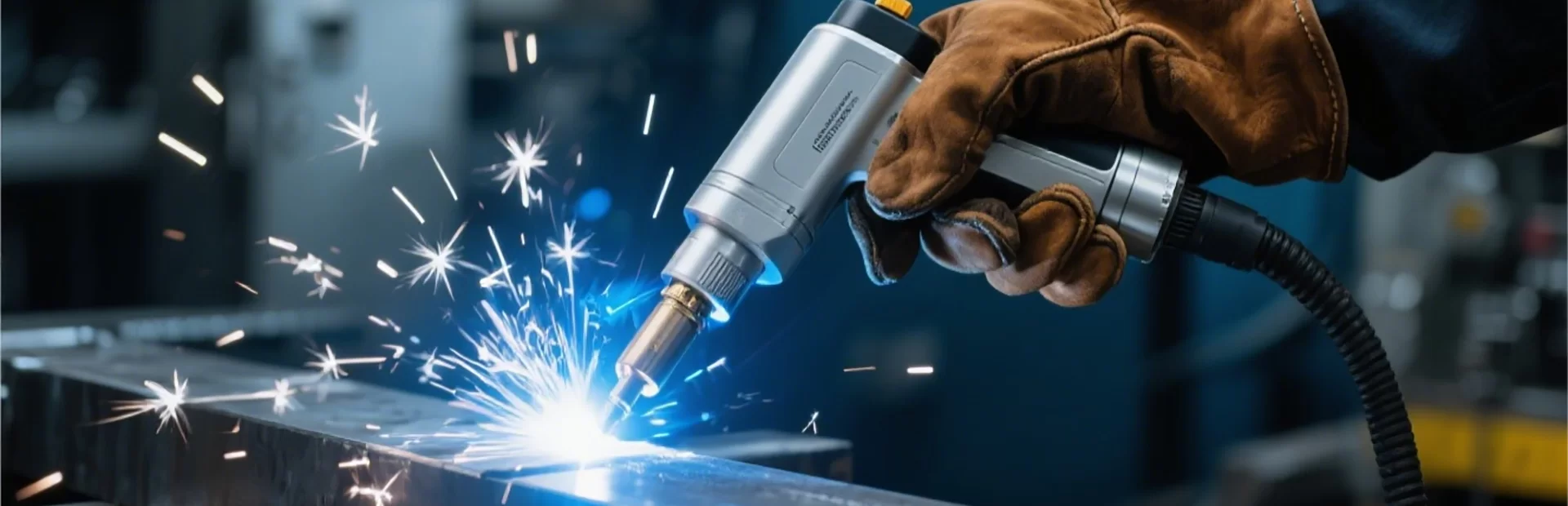
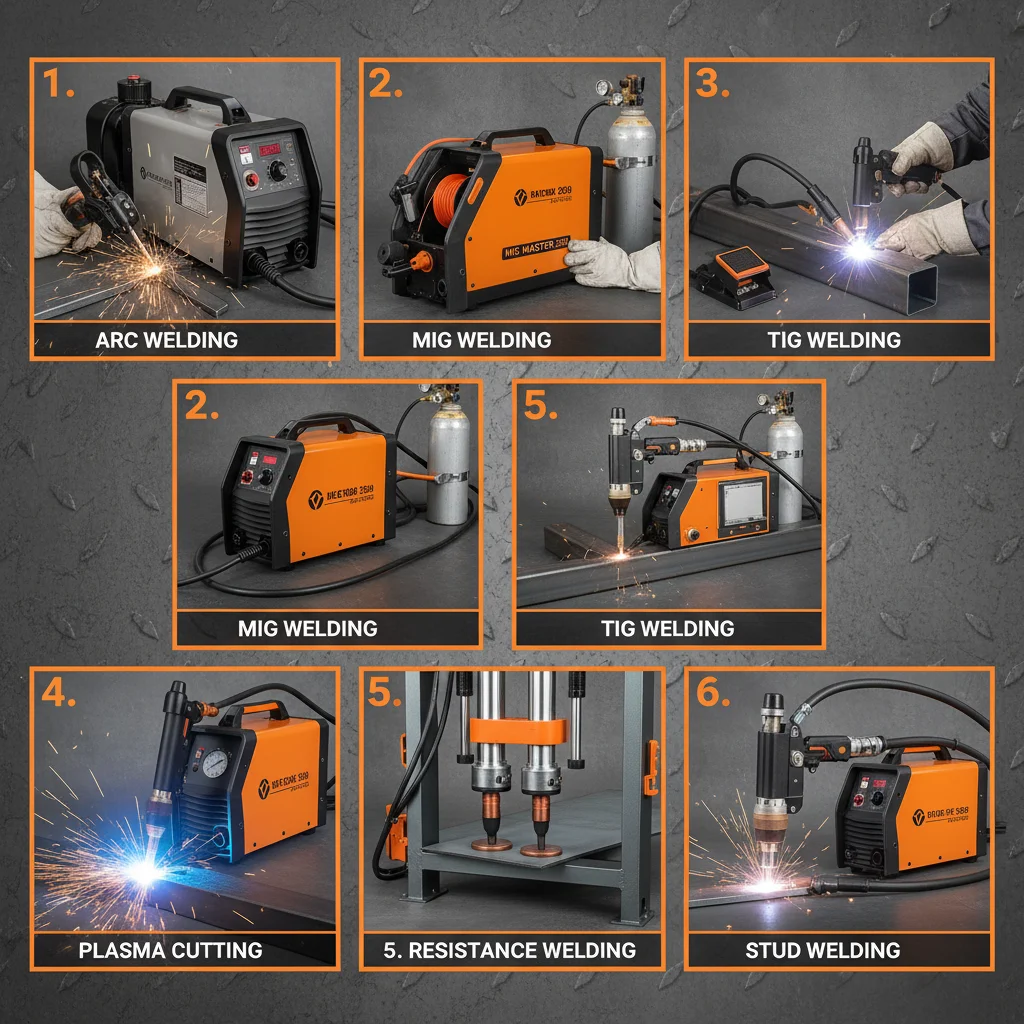
Types of welding machines are foundational to modern manufacturing, construction, and repair across a diverse range of industries. From intricate automotive work to the massive structures of shipbuilding and infrastructure, the ability to reliably join metals is critical. Understanding the different types of welding machines, their capabilities, and their limitations is essential for engineers, technicians, and anyone involved in fabrication. The selection of the correct welding process significantly impacts project efficiency, structural integrity, and overall cost.
Globally, the demand for skilled welders and advanced welding technologies is consistently high. The United Nations Industrial Development Organization (UNIDO) highlights the importance of welding in supporting sustainable industrialization, particularly in developing countries. The International Organization for Standardization (ISO) sets rigorous standards for welding procedures and materials, ensuring quality and safety. This global relevance stems from welding’s pivotal role in building and maintaining essential infrastructure, including bridges, pipelines, and energy systems. Investing in welding education and innovation is thus a vital step towards economic growth and societal progress.
Essentially, types of welding machines encompass a spectrum of technologies used to fuse materials—primarily metals—together. This fusion is achieved through various methods, each with its own unique characteristics regarding heat source, shielding gas, and application suitability. Understanding these distinctions enables informed decisions about which technique is best suited for a specific task. This is not simply a technical consideration; in humanitarian contexts, for example, portable welding machines can be vital for rapid repairs in disaster zones, offering essential support for infrastructure restoration and emergency response.
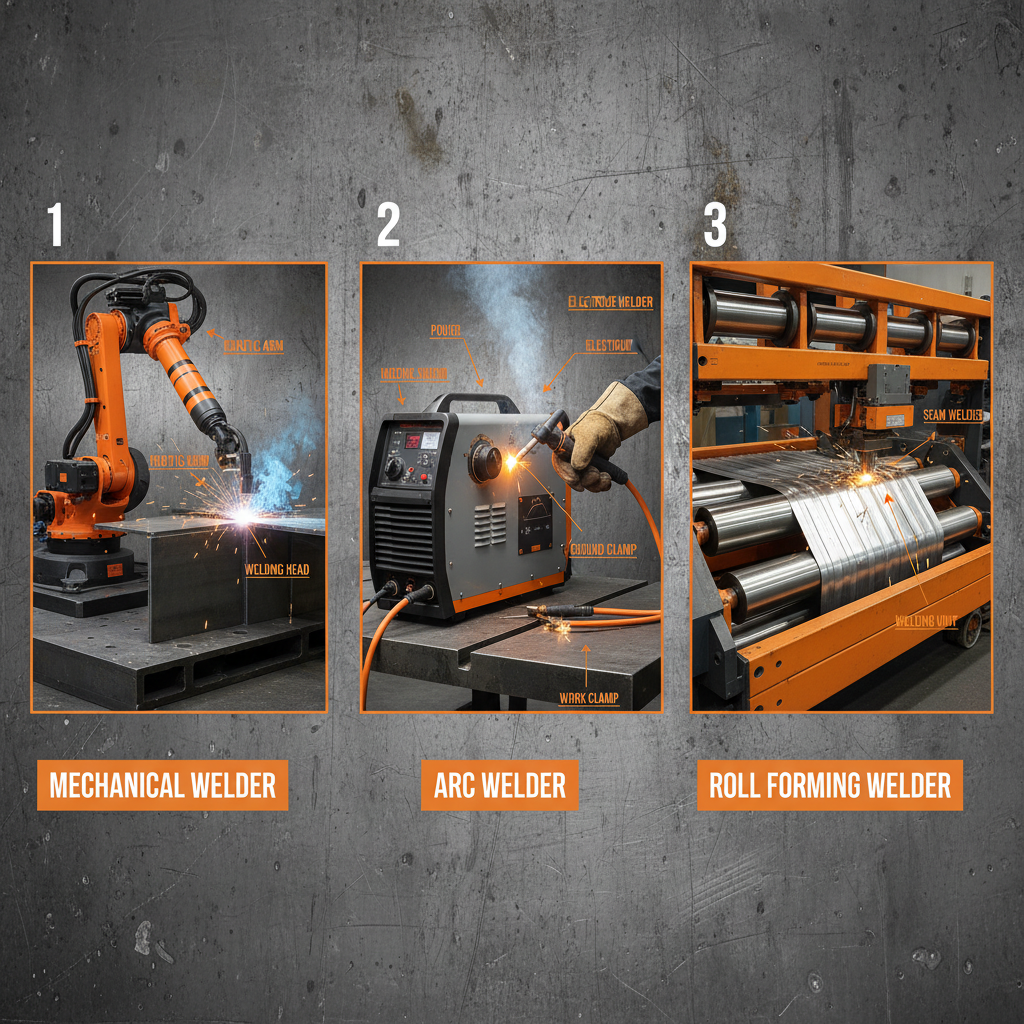
The Fundamentals of Types of Welding Machines
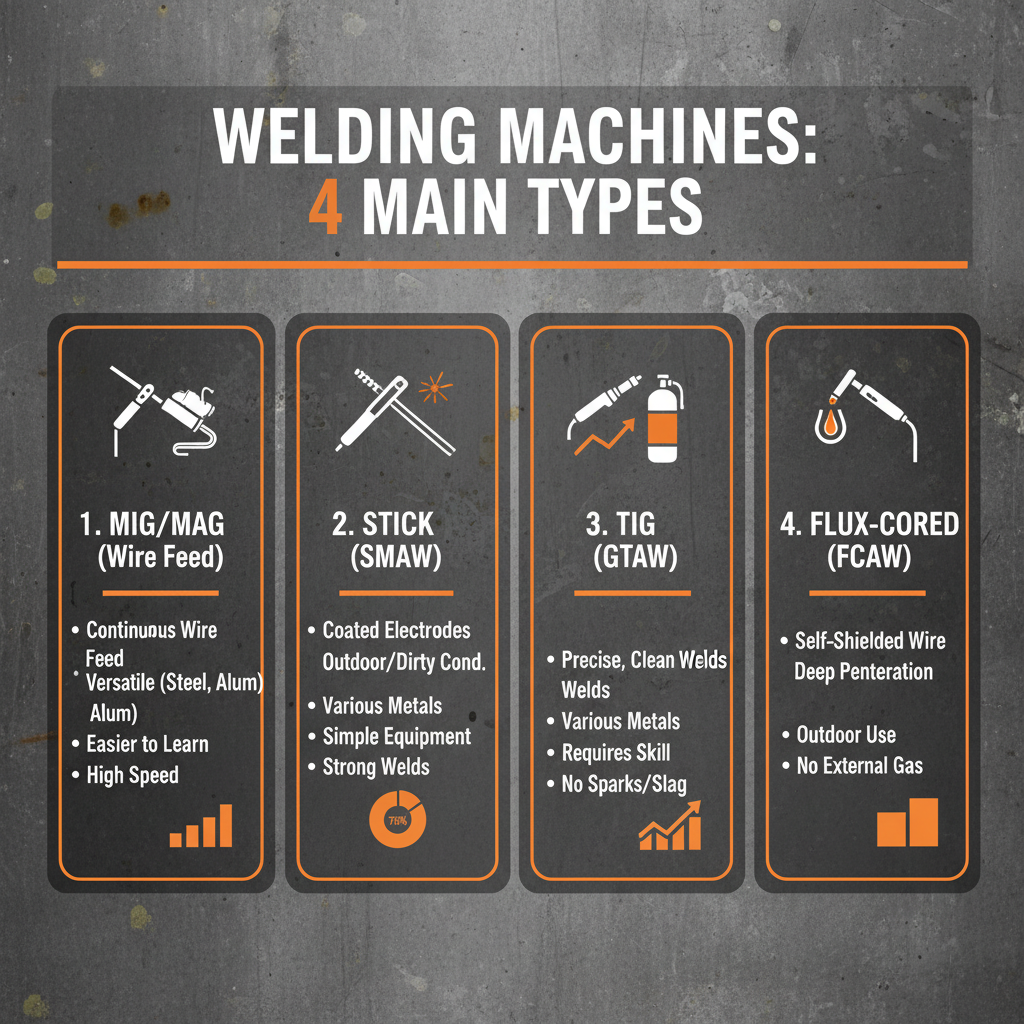
Different types of welding machines employ varying methods to create a fusion between materials. Shielded Metal Arc Welding (SMAW), also known as stick welding, utilizes a consumable electrode coated in flux. Gas Metal Arc Welding (GMAW), or MIG welding, uses a continuously fed wire electrode and a shielding gas. Gas Tungsten Arc Welding (GTAW), or TIG welding, uses a non-consumable tungsten electrode and a shielding gas, offering precision and control. Each process requires specific skill levels and is suited for different materials and applications.
The choice of welding process is dictated by factors such as the type of metal being welded, the thickness of the material, the desired weld quality, and the accessibility of the weld area. For instance, SMAW is often preferred for outdoor applications due to its portability and ability to weld in windy conditions, while TIG welding is favored for critical applications demanding high precision and aesthetic appeal. Understanding the nuances of each process allows for optimal welding outcomes.
Global Impact and Industry Applications
The impact of types of welding machines is truly global, spanning nearly every industry. Construction relies heavily on welding for structural steel fabrication, bridge building, and pipeline construction. The automotive sector employs welding extensively in vehicle chassis assembly and component manufacturing. Aerospace demands highly precise welding for aircraft structures and engine components, adhering to stringent safety standards. These are just a few examples illustrating the pervasive nature of welding in modern industrial economies.
In emerging economies, access to effective welding technologies is often a key enabler of industrial growth. Local fabrication shops utilizing various types of welding machines can create customized solutions for infrastructure projects and manufacturing needs, reducing reliance on expensive imports. Furthermore, the provision of welding training programs contributes to workforce development and economic empowerment. Investment in welding technology translates directly into increased productivity and enhanced competitiveness.
Post-disaster relief efforts frequently depend on mobile welding units for the rapid repair of damaged infrastructure. From fixing broken machinery to reinforcing damaged buildings, these versatile machines provide essential support during critical times. Remote industrial zones, such as oil and gas platforms or mining operations, rely on specialized welding equipment for on-site maintenance and repairs, minimizing downtime and ensuring operational continuity.
Core Characteristics of Types of Welding Machines
Several core characteristics define the effectiveness and applicability of different types of welding machines. Arc Stability refers to the consistency and smoothness of the welding arc, influencing weld quality and ease of operation. A stable arc minimizes spatter and produces a cleaner, more uniform weld bead. Duty Cycle defines the percentage of time a welding machine can operate at a given current without overheating, crucial for prolonged welding sessions.
Material Compatibility dictates the types of metals that can be effectively welded with a particular process. Some processes excel at welding steel, while others are better suited for aluminum, stainless steel, or exotic alloys. Portability is a vital consideration for on-site repairs or remote locations, with some machines designed for easy transport and operation in challenging environments. Control and Precision vary significantly between processes, impacting the complexity of weldments and the ability to create intricate designs.
Finally, Cost-Effectiveness encompasses both the initial investment in the machine and the ongoing operational costs, including consumables like electrodes, shielding gas, and electricity. A thorough assessment of these characteristics is vital for selecting the optimal welding machine for a specific application and budget.
Performance Metrics and Operational Efficiency
Evaluating the performance of types of welding machines requires a clear understanding of key metrics. Weld Strength is a fundamental measure of the integrity of the weld joint, determined through tensile testing and other mechanical analyses. Weld Quality, assessed visually and through non-destructive testing methods like radiography, reflects the absence of defects such as porosity, cracks, or incomplete fusion.
Welding Speed directly impacts productivity, with faster welding speeds reducing overall project timelines. Energy Consumption is a crucial factor in operational costs, particularly for large-scale projects. Defect Rate indicates the percentage of welds that fail to meet quality standards, highlighting potential issues with the welding process or operator skill. Analyzing these metrics allows for continuous improvement and optimization of welding operations.
Performance Comparison of Types of Welding Machines
Real-World Applications Across Sectors
The construction industry utilizes shielded metal arc welding (SMAW) extensively for erecting steel frameworks in buildings and bridges. Gas metal arc welding (GMAW) is widely employed in automotive manufacturing for assembling vehicle bodies and chassis. The aerospace industry relies on gas tungsten arc welding (GTAW) for creating precise and strong welds in aircraft engines and structural components.
Shipbuilding depends on various types of welding machines, including submerged arc welding (SAW) for joining large steel plates in ship hulls. The energy sector employs welding in pipeline construction and the fabrication of pressure vessels. Additionally, the food processing and pharmaceutical industries utilize sanitary welding techniques (often GTAW) to ensure hygienic and corrosion-resistant equipment.
Long-Term Value and Sustainability
Investing in high-quality types of welding machines yields significant long-term value. Durable machines minimize downtime and reduce the need for frequent repairs, lowering operational costs. Improved weld quality enhances structural integrity and extends the lifespan of fabricated products, reducing maintenance requirements and replacement costs. Properly trained welders produce consistent, reliable welds, contributing to increased efficiency and reduced waste.
Furthermore, the adoption of energy-efficient welding technologies promotes sustainability. Machines with lower power consumption reduce environmental impact and lower energy bills. Utilizing recycled materials in welding processes and implementing responsible waste management practices further enhance sustainability. The focus on longevity and durability aligns with circular economy principles, promoting resource efficiency and reducing environmental footprint.
Future Innovations and Emerging Trends
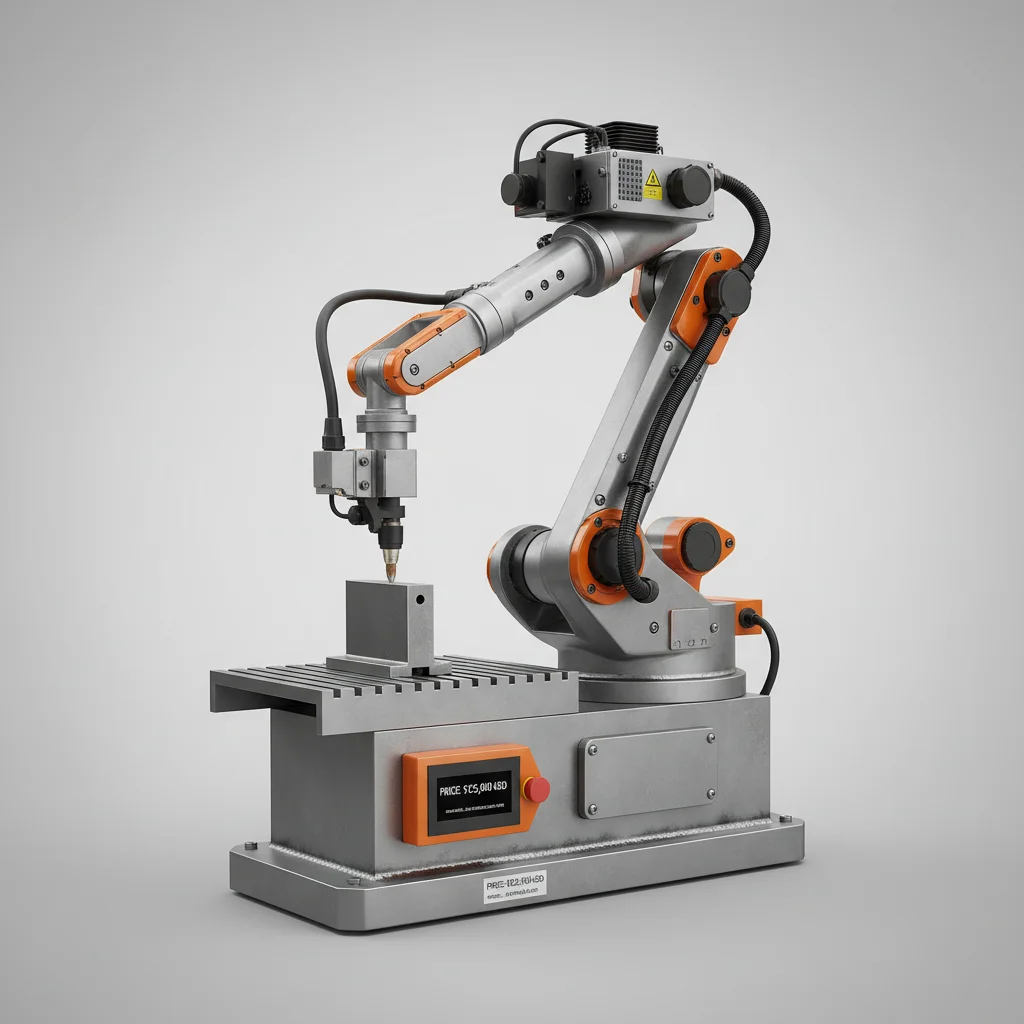
The field of types of welding machines is undergoing rapid innovation. Advancements in robotics and automation are leading to the development of automated welding systems, increasing productivity and reducing labor costs. Laser beam welding (LBW) and electron beam welding (EBW) offer high precision and deep penetration, enabling the joining of dissimilar materials.
The integration of artificial intelligence (AI) and machine learning (ML) is enhancing weld quality control and predictive maintenance capabilities. Digital twin technology allows for virtual simulation of welding processes, optimizing parameters and reducing the risk of defects. Furthermore, research into new welding materials and techniques is expanding the possibilities for joining advanced alloys and composites.
The development of more portable and energy-efficient welding machines, powered by renewable energy sources, is crucial for expanding access to welding technology in remote areas and promoting sustainable practices. These innovations collectively promise to revolutionize the welding industry and unlock new possibilities for materials joining.
Core Characteristics and Comparative Analysis of Types of Welding Machines
| Welding Process |
Typical Applications |
Skill Level Required |
Relative Cost (1-10) |
| SMAW (Stick Welding) |
Construction, Repair, Maintenance |
Moderate |
3 |
| GMAW (MIG Welding) |
Automotive, Manufacturing, Fabrication |
Beginner to Moderate |
5 |
| GTAW (TIG Welding) |
Aerospace, Precision Fabrication, Stainless Steel |
High |
8 |
| FCAW (Flux-Cored Arc Welding) |
Heavy Construction, Outdoor Applications |
Moderate |
6 |
| SAW (Submerged Arc Welding) |
Shipbuilding, Large Steel Structures |
High |
7 |
| LBW (Laser Beam Welding) |
High-Precision Applications, Automotive, Aerospace |
High |
9 |
FAQS
MIG (GMAW) welding is generally faster and easier to learn, making it suitable for thicker materials and production environments. It uses a continuously fed wire electrode. TIG (GTAW) welding offers greater precision and control, producing cleaner, higher-quality welds, but it’s slower and requires more skill. It's ideal for thinner materials, intricate designs, and non-ferrous metals. The shielding gas and electrode type also differ significantly, influencing weld characteristics.
Selecting the appropriate machine depends on several factors: the type of metal you're welding, its thickness, the desired weld quality, your skill level, and the project environment. For example, SMAW is versatile and portable, but TIG is better for precision. GMAW is efficient for production work, while SAW is ideal for thick plates. Consider the cost of consumables and the need for shielding gas when making your decision.
Welding poses several safety hazards. Always wear a welding helmet with the correct shade lens to protect your eyes from arc radiation. Use appropriate protective clothing, including gloves, a jacket, and boots, to shield your skin from burns and sparks. Ensure adequate ventilation to avoid inhaling fumes, and be mindful of fire hazards. Proper grounding of the welding machine is also essential.
Shielding gas protects the weld pool from atmospheric contamination – primarily oxygen and nitrogen – which can weaken the weld. Different gases are used depending on the welding process and the metal being welded. Argon is commonly used for TIG and MIG welding of aluminum, while carbon dioxide is often used for MIG welding of steel. Proper shielding gas coverage ensures a strong, ductile weld.
Porosity (small holes in the weld) can be caused by insufficient shielding gas, contaminated metal, or incorrect welding parameters. Cracks can result from rapid cooling, excessive stress, or improper weld technique. Troubleshooting involves examining the weld, adjusting parameters (current, voltage, travel speed), and ensuring clean materials and adequate shielding gas coverage. Regular maintenance of your welding machine is also crucial.
Current advancements include robotic welding systems for increased automation and precision, laser beam welding for high-speed, narrow-gap welds, and the integration of AI and machine learning for real-time weld quality monitoring and process optimization. Additive manufacturing (3D printing) using welding techniques is also gaining traction, allowing for the creation of complex geometries. Research into new welding materials and processes continues to push the boundaries of what’s possible.
Conclusion
In conclusion, a thorough understanding of types of welding machines is vital for success in numerous industries, driving innovation, and ensuring quality in fabrication and repair. From the versatile SMAW to the precision of TIG and the efficiency of MIG, each process offers unique advantages tailored to specific applications. Investing in proper training, selecting the appropriate equipment, and adhering to safety protocols are essential for maximizing productivity and minimizing risks.
Looking forward, the continued development of automated welding systems, advanced materials, and sustainable welding practices will further revolutionize the field. Embracing these innovations will not only enhance efficiency and quality but also contribute to a more environmentally responsible and economically viable future. To learn more about our range of welding solutions, visit our website: www.topstarlaser.com.