SHIJIAZHUANG TOPSTAR INTERNATIONAL TRADING CO., LTD.
Shijiazhuang Topstar
International Trading Co., Ltd.
Get In Touch
welded wire mesh machine factory

Advanced Laser Marking Machine Technology for Precision and Traceability

0%

Table of Contents

Laser marking machine technology has become increasingly crucial in modern manufacturing and beyond. From intricate product identification to precise component etching, this versatile tool offers a permanent and highly accurate marking solution. The growing demand across diverse industries highlights its significance, driven by needs for traceability, anti-counterfeiting measures, and enhanced product aesthetics. Understanding the nuances of laser marking machines is no longer just for engineers; it’s essential for business leaders, quality control professionals, and anyone involved in product lifecycle management.

The global market for laser marking machines is experiencing significant expansion, fuelled by stringent regulations concerning product labeling and safety standards. According to recent industry reports, the market is projected to reach \$[Insert Market Value] by [Insert Year], exhibiting a compound annual growth rate (CAGR) of [Insert CAGR Percentage]. This growth is especially pronounced in sectors like automotive, aerospace, and medical devices, where precision and durability are paramount. Recognizing the capabilities of a Laser marking machine is vital for businesses aiming to maintain competitiveness in today’s dynamic marketplace.

The increasing prevalence of automation and Industry 4.0 initiatives further amplifies the importance of laser marking solutions. These machines seamlessly integrate into automated production lines, enhancing efficiency and reducing human error. This translates into cost savings, improved product quality, and faster time-to-market. Ultimately, embracing laser marking technology is not merely an upgrade; it’s a strategic investment in the future of manufacturing.
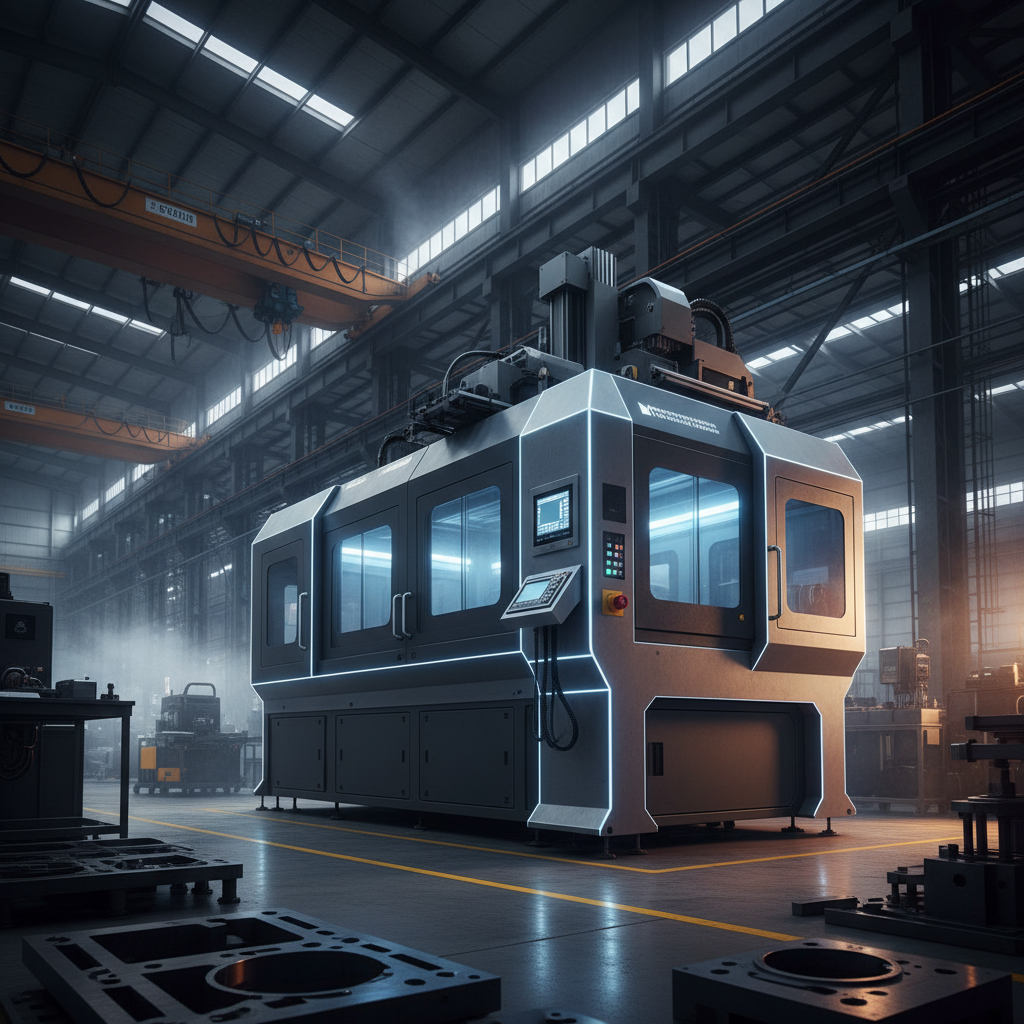
Laser marking machine

Introduction to Laser Marking Machine

Laser marking machine

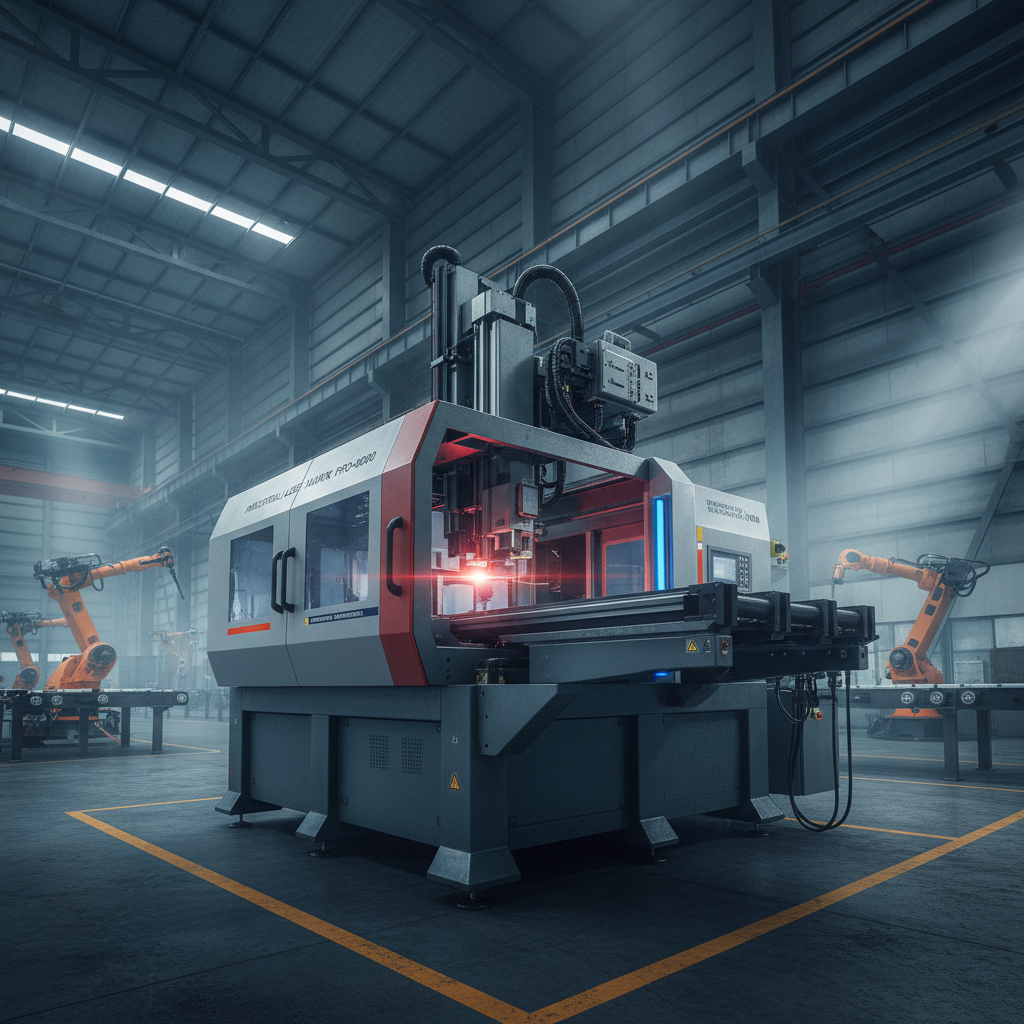
Laser marking machines are sophisticated devices used to create permanent, high-contrast markings on a wide array of materials. Utilizing focused laser beams, these machines alter the surface of an object, resulting in visible marks without physically damaging the material. They’ve replaced older methods like etching, engraving, and dot-peening in many applications due to their precision, speed, and versatility. A quality Laser marking machine is a valuable asset.

The technology is employed in industries as diverse as electronics, automotive, aerospace, medical devices, and packaging. From serial numbers and barcodes to logos and intricate designs, laser marking enables manufacturers to add critical information and branding elements to their products efficiently. The process is environmentally friendly, producing minimal waste and requiring no chemical consumables.

Defining Laser Marking Machine Technology

At its core, a laser marking machine functions by emitting a focused beam of light that interacts with the material's surface. This interaction can take several forms, including vaporization, melting, ablation, or chemical change, depending on the laser type and material being marked. Different types of lasers, such as CO2, fiber, and UV lasers, are suited for different materials and applications. Fiber laser marking machines, for instance, are particularly effective for metals and plastics.

The process is controlled by sophisticated software that allows users to create and import designs, adjust laser parameters (power, speed, frequency), and define marking areas. This precise control ensures consistent and repeatable results. The connection of laser marking technology to modern industry lies in its ability to streamline production, enhance product traceability, and improve overall quality control.

Furthermore, laser marking addresses humanitarian needs in areas like medical device identification and tracking. Ensuring authenticity and traceability of medical equipment is critical for patient safety, and laser marking provides a reliable solution for permanently identifying these vital tools.

Key Factors Influencing Laser Marking Machine Performance

Several key factors contribute to the overall performance of a laser marking machine. Laser Power dictates the depth and speed of the mark; higher power is suitable for harder materials and faster processing. Scanning Speed controls the rate at which the laser beam moves across the material, impacting the mark quality and processing time. Effective Laser marking machine selection hinges on optimal parameter adjustment.

Wavelength determines the type of material the laser can effectively mark. Fiber lasers excel with metals, while CO2 lasers are better suited for organic materials. Beam Quality influences the precision and focus of the laser, directly affecting the clarity and detail of the mark. A higher beam quality results in a smaller spot size and sharper marking.

Finally, Software Capabilities are vital for controlling the entire marking process, allowing for design import, parameter adjustment, and automated marking sequences. Advanced software features can include barcode reading, serial number generation, and data matrix encoding, significantly enhancing efficiency and traceability.

Global Applications and Use Cases of Laser Marking Machine

Laser marking machines find applications across a vast spectrum of industries. In the automotive sector, they are used to mark vehicle identification numbers (VINs), engine parts, and safety components, ensuring traceability and authenticity. The aerospace industry relies on laser marking for critical component identification and tracking, adhering to stringent regulatory requirements.

The medical device industry employs laser marking to permanently label surgical instruments, implants, and packaging, maintaining patient safety and regulatory compliance. In the electronics industry, laser marking is used to engrave serial numbers, date codes, and logos onto circuit boards, housings, and other components. Moreover, in regions like Europe and North America, stringent traceability standards are driving the demand for robust laser marking solutions.

Laser Marking Machine Application Breakdown

Advantages and Long-Term Value Proposition

The advantages of utilizing a laser marking machine extend beyond mere marking capabilities. The permanent and tamper-proof nature of laser marks enhances product authenticity and deters counterfeiting. Reduced operating costs, due to the elimination of consumables like inks and chemicals, provide a significant economic benefit. The inherent precision minimizes rework and waste, contributing to increased efficiency.

From a long-term perspective, laser marking machines deliver a substantial return on investment. Their durability and reliability ensure years of trouble-free operation. The ability to adapt to changing marking requirements through software updates provides flexibility and future-proofs the investment. The resulting product traceability and quality control build trust with customers and strengthen brand reputation.

Future Trends and Innovations in Laser Marking

The future of laser marking technology is characterized by a focus on increased speed, precision, and versatility. Advancements in laser sources, such as ultra-short pulse lasers, are enabling the marking of increasingly delicate and heat-sensitive materials. Integration with artificial intelligence (AI) and machine learning (ML) algorithms is automating process optimization and enabling adaptive marking strategies.

The trend toward sustainable manufacturing is driving the development of energy-efficient laser systems and eco-friendly marking processes. Digitalization and cloud connectivity are facilitating remote monitoring, diagnostics, and software updates, enhancing machine uptime and performance. These innovations are poised to revolutionize how products are identified, tracked, and branded.

Challenges and Solutions in Laser Marking Machine Implementation

Despite the numerous benefits, implementing laser marking machines can present certain challenges. Selecting the appropriate laser type and parameters for a specific material can require expertise and experimentation. Ensuring proper safety measures, such as laser shielding and operator training, is crucial to prevent accidents. Initial capital investment can be a barrier for some businesses.

Solutions include partnering with experienced laser marking machine suppliers who offer comprehensive training and support. Utilizing simulation software can optimize marking parameters and minimize trial-and-error. Exploring financing options and leasing programs can alleviate upfront capital costs. Furthermore, ongoing maintenance and preventative servicing are essential to maintain optimal performance and extend the lifespan of the machine.

A well-chosen Laser marking machine coupled with proper planning and support ensures a seamless integration into any production workflow.

Key Performance Indicators for Laser Marking Machine Effectiveness

Material Type Marking Speed (mm/s) Marking Quality (1-10) Maintenance Frequency (Months)
Aluminum 1500 9 6
Stainless Steel 1200 8 6
ABS Plastic 2000 7 12
Polycarbonate 1800 6 9
Titanium 800 10 6
Brass 1600 7 6

FAQS

What materials can a laser marking machine process?

Laser marking machines can process a surprisingly wide variety of materials, including metals (steel, aluminum, titanium), plastics (ABS, polycarbonate, nylon), ceramics, glass, and even organic materials like wood and leather. The specific material suitability depends on the type of laser used. For example, fiber lasers are ideal for metals, while CO2 lasers are often preferred for plastics and organic materials. Choosing the right laser is essential for optimal results.

How does laser marking differ from laser engraving?

While both use lasers, marking and engraving are distinct processes. Laser marking creates a visible change on the surface of the material without removing material, often through discoloration or chemical alteration. Laser engraving, on the other hand, physically removes material to create a deeper, more noticeable mark. Marking is ideal for barcodes, serial numbers, and logos, while engraving is suitable for creating intricate designs and 3D effects.

What is the typical maintenance required for a laser marking machine?

Regular maintenance is crucial for optimal performance. This typically includes cleaning the optics (lens and mirrors) to remove debris, checking the laser alignment, and inspecting the cooling system. The frequency of maintenance depends on usage, but a monthly inspection and cleaning are generally recommended. Preventative maintenance can significantly extend the lifespan of your Laser marking machine.

What safety precautions should be taken when operating a laser marking machine?

Safety is paramount. Always wear appropriate laser safety glasses to protect your eyes from the laser beam. Ensure the machine is enclosed or equipped with interlocks to prevent accidental exposure. Proper ventilation is necessary to remove any fumes or particles generated during the marking process. Operator training is essential to understand the risks and safety procedures.

What is the cost range for a laser marking machine?

The cost varies significantly depending on the laser type, power, features, and brand. Entry-level CO2 laser marking machines can start around \$5,000, while more advanced fiber laser systems can range from \$15,000 to \$50,000 or more. Factors like automation, enclosure type, and software capabilities also influence the price. Carefully assess your specific needs and budget to select the most appropriate machine.

How can I determine the optimal laser power for my application?

Determining optimal laser power involves considering the material being marked, the desired marking depth, and the marking speed. Harder materials and deeper marks require higher power. It’s best to start with a low power setting and gradually increase it until you achieve the desired results. Performing test markings on sample pieces is crucial to fine-tune the parameters and avoid damaging the material.

Conclusion

Laser marking machine technology represents a significant advancement in industrial marking and identification. From enhanced traceability and anti-counterfeiting measures to improved product aesthetics and efficiency gains, the benefits are undeniable. The versatility and precision of these machines are transforming industries across the globe, paving the way for smarter, more connected manufacturing processes. Embracing this technology is crucial for businesses seeking to remain competitive in today’s rapidly evolving marketplace.

As technology continues to advance, we can expect even more sophisticated and user-friendly laser marking solutions to emerge. Investing in ongoing training and exploring innovative applications will unlock the full potential of this powerful tool. We encourage you to explore the possibilities and discover how a Laser marking machine can transform your operations and elevate your brand.
Ethan Rodriguez

Ethan Rodriguez

Ethan Rodriguez serves as a Product Manager for mesh making equipment at Shijiazhuang Topstar. He’s responsible for overseeing the design, production, and customization of mesh solutions for diverse applications. With a background in manufacturing engineering and a keen eye for detail, Ethan collaborates closely with both the engineering and sales teams to ensure products meet the highest quality standards and client specifications. He's adept at understanding client needs and translating them into effective mesh solutions, contributing to Topstar's reputation for tailored service. He enjoys staying abreast of new developments in mesh technology and its expanding potential.
Previous Revolutionizing Industries with Precision Laser Cutting Technology and Applications
Next Revolutionizing Industries with Advanced Fiber Laser Marking Machine Technology
Subscribe to Our Newsletter
Your E-mail Address
Subscribe Now

If you are interested in our products, you can choose to leave your information here, and we will be in touch with you shortly.