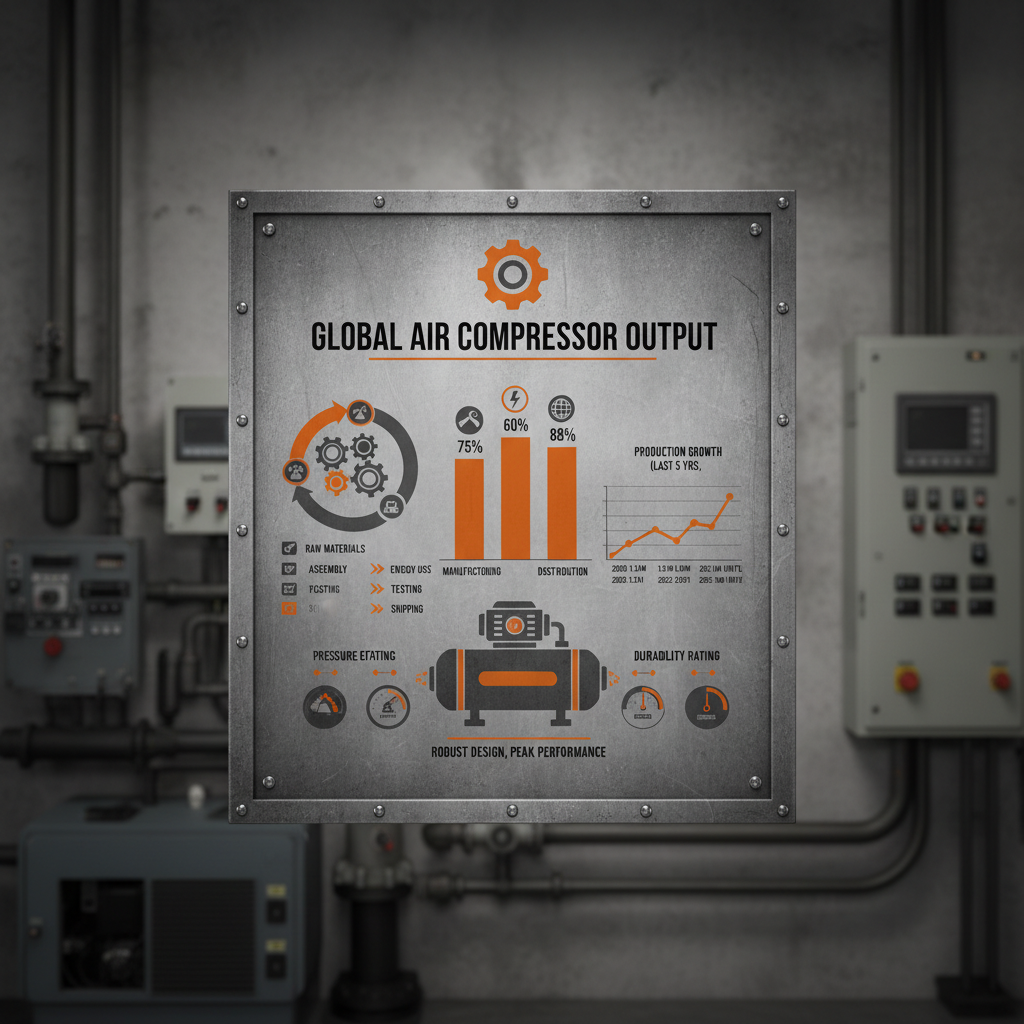
Air compressor production is a cornerstone of modern industry, impacting everything from manufacturing and construction to healthcare and transportation. The ability to efficiently and reliably generate compressed air is critical for powering countless tools, operating automated systems, and maintaining safe working environments. As global industrialization continues, and with the rise of automation and advanced manufacturing techniques, the demand for sophisticated and high-performing air compressors continues to grow exponentially.
The global air compressor market is a multi-billion dollar industry, projected to see continued growth in the coming years. This growth is fueled by factors such as increased infrastructure development in emerging economies, the expansion of the automotive and aerospace sectors, and a greater emphasis on energy efficiency. Challenges remain, however, including the need for more sustainable compressor technologies and a reduction in energy consumption. Understanding the nuances of air compressor production is therefore essential for businesses and policymakers alike.
Furthermore, advances in air compressor technology aren't solely focused on performance; they're also about addressing environmental concerns. The development of oil-free compressors, variable speed drives (VSDs), and smart compressor systems are all indicative of a shift towards more sustainable and responsible air compressor production. These innovations are key to minimizing environmental impact and maximizing operational efficiency.
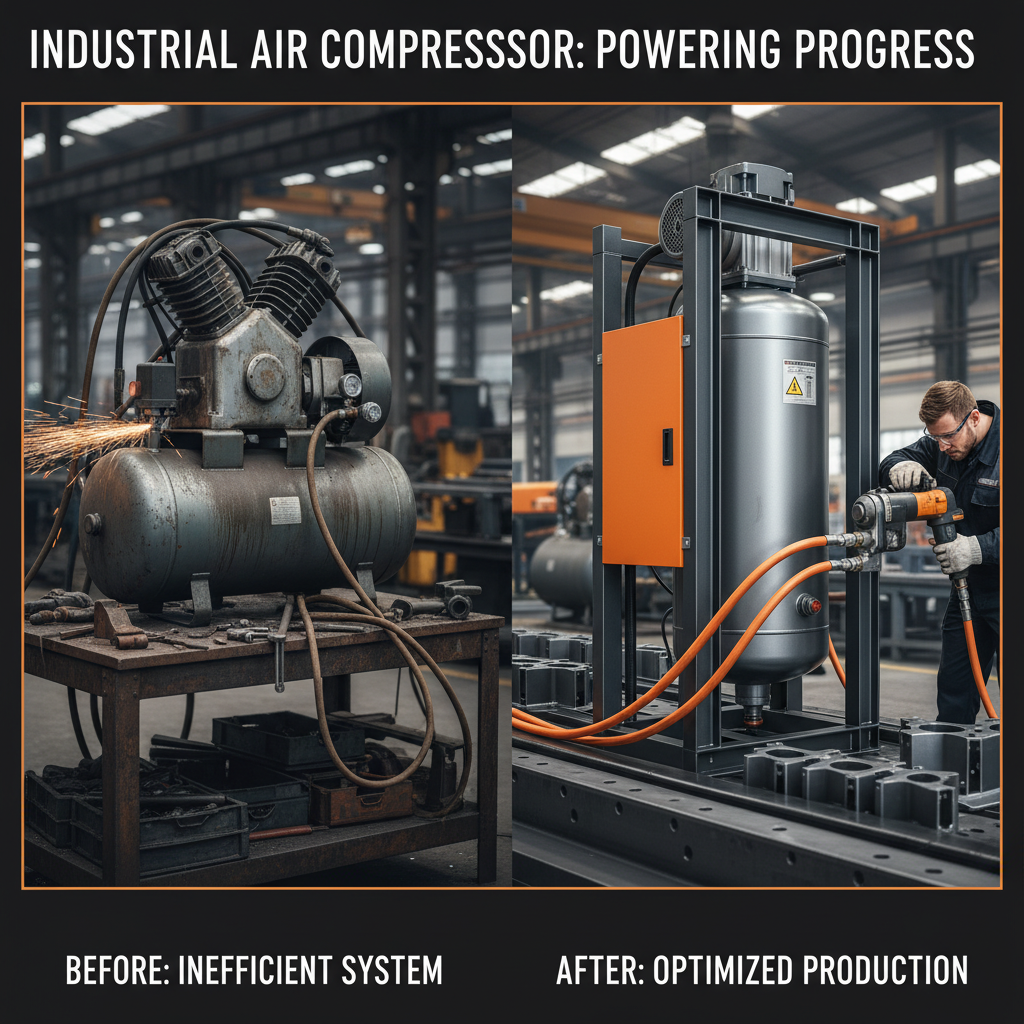
The Importance of Air Compressor Production
The efficient production of air compressors is vital for sustaining global industrial output. Without a reliable supply of compressed air, numerous manufacturing processes would grind to a halt. From powering pneumatic tools in automotive assembly plants to operating crucial equipment in food processing facilities, air compressors are an unseen yet indispensable part of the modern economy. Proper manufacturing techniques greatly influence compressor longevity and efficiency.
Moreover, advancements in air compressor production directly contribute to greater energy efficiency across various sectors. Modern compressor designs and control systems minimize energy waste, reducing operational costs and lessening the environmental footprint of industrial operations. This focus on sustainability is increasingly important as businesses strive to meet stringent environmental regulations and consumer demands for eco-friendly products.
Defining Air Compressor Production
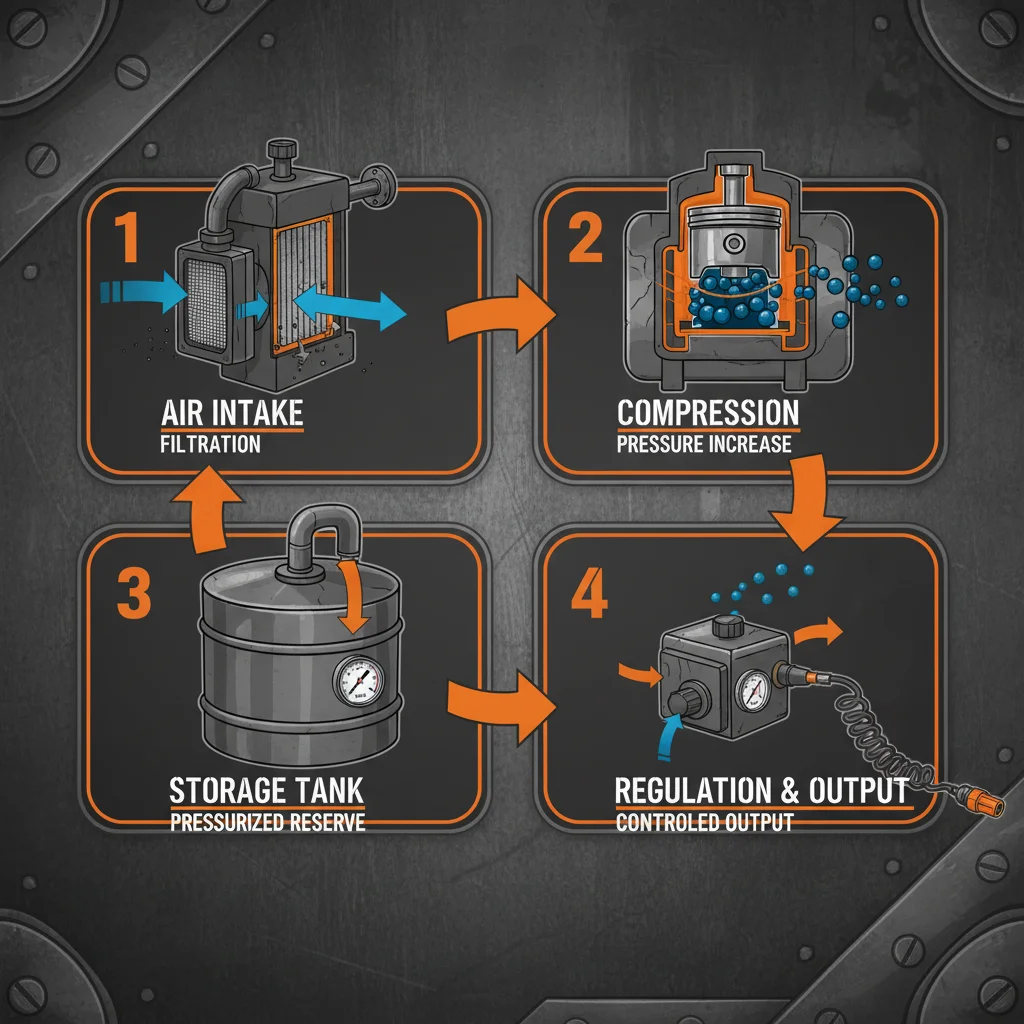
Air compressor production encompasses the entire process of designing, manufacturing, assembling, and testing machines that convert power (typically electric, gas, or diesel) into compressed air. This involves a complex interplay of mechanical engineering, materials science, and precision manufacturing techniques. It’s not merely about building a pump; it’s about creating a reliable, efficient, and durable system capable of delivering consistent air pressure for a wide range of applications.
The connection to modern industry is profound. Virtually every manufacturing facility relies on compressed air for a variety of purposes including operating machinery, powering automated systems, and performing quality control inspections. In humanitarian contexts, portable air compressors are invaluable for emergency response efforts, providing power for medical equipment and inflating shelters.
Ultimately, air compressor production is about enabling progress. It provides the fundamental power source for many essential processes, making it a critical component of both economic development and humanitarian aid.
Key Factors in Air Compressor Production
Durability is paramount in air compressor production. Compressors often operate in harsh environments and are subjected to continuous use, so they must be built to withstand considerable stress and wear. Utilizing high-quality materials, implementing rigorous testing procedures, and employing robust designs are essential for ensuring long-term reliability.
Scalability refers to the ability to adapt production processes to meet fluctuating demand. A flexible production line that can quickly adjust to changes in order volume is crucial for maintaining competitiveness in the air compressor market. This often involves investing in modular manufacturing systems and skilled labor capable of handling diverse production tasks.
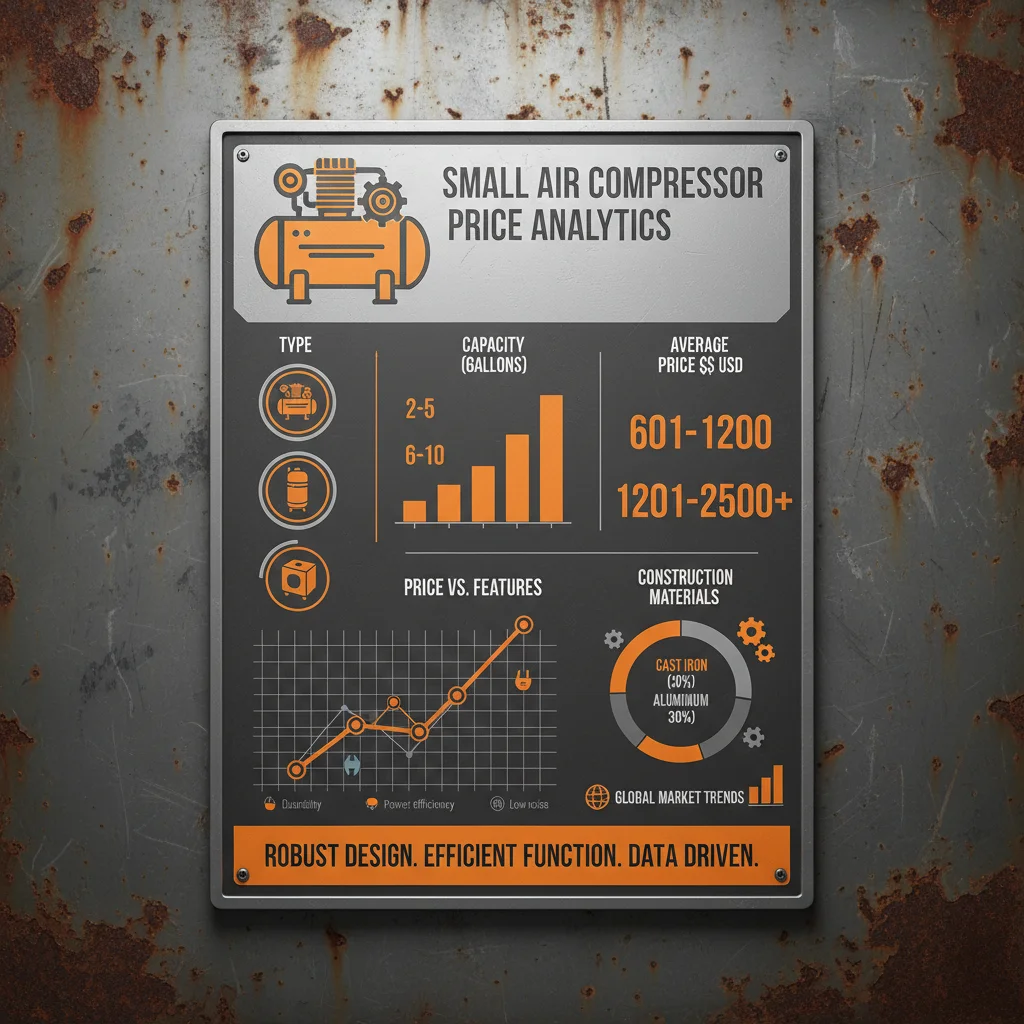
Cost efficiency is a major driver in air compressor production. Manufacturers constantly seek ways to reduce production costs without compromising quality or performance. This includes optimizing material sourcing, streamlining manufacturing processes, and implementing lean manufacturing principles. The ability to offer competitive pricing is essential for capturing market share.
Energy efficiency is becoming increasingly important, driven by both environmental concerns and rising energy costs. Air compressor manufacturers are focusing on developing more efficient compressor designs, such as those utilizing variable speed drives (VSDs) and advanced control systems. Reduced energy consumption translates into lower operating costs for end-users and a smaller environmental footprint.
Core Components & Their Impact
The quality of core components, such as the air end, motor, and control system, directly impacts the overall performance and reliability of an air compressor. The air end is the heart of the compressor, responsible for compressing the air. High-efficiency air ends minimize energy consumption and maximize air output. The motor provides the power to drive the air end, and its efficiency is crucial for overall system performance.
The control system manages the compressor's operation, regulating air pressure, monitoring performance, and providing diagnostic information. Advanced control systems can optimize compressor performance, reduce energy consumption, and prevent costly downtime. Precision manufacturing and rigorous quality control of these core components are essential for producing high-performing air compressors.
Air Compressor Production Method Efficiency Ratings
Global Applications and Use Cases
Air compressors are ubiquitous across a wide range of industries. In manufacturing, they power assembly lines, operate pneumatic tools, and control robotic systems. The automotive industry relies heavily on air compressors for painting, welding, and tire inflation. In the food and beverage industry, they’re used for packaging, bottling, and cleaning.
In post-disaster relief operations, portable air compressors are essential for providing power for medical equipment, inflating shelters, and assisting with search and rescue efforts. In remote industrial zones, where access to electricity is limited, diesel-powered air compressors provide a reliable source of compressed air for various applications.
Advantages and Long-Term Value
The advantages of investing in high-quality air compressor production are substantial. Reduced energy costs, lower maintenance expenses, and increased uptime all contribute to significant long-term savings. Reliable compressed air systems also improve productivity and reduce the risk of costly downtime.
From a sustainability perspective, energy-efficient air compressors reduce environmental impact and help businesses meet their sustainability goals. Investing in durable and reliable compressors promotes responsible manufacturing practices and enhances a company's reputation. The increased safety through consistently reliable equipment also provides peace of mind.
Future Trends & Innovations in air compressor production
The future of air compressor production is being shaped by several key trends. The integration of digital technologies, such as the Internet of Things (IoT) and predictive maintenance algorithms, is enabling smart compressor systems that optimize performance and prevent downtime. The development of variable speed drives (VSDs) is further enhancing energy efficiency.
There's a growing focus on sustainable compressor technologies, including oil-free compressors, electric compressors powered by renewable energy sources, and the use of environmentally friendly refrigerants. Automation is also playing a bigger role, with robotic systems being used to streamline manufacturing processes and improve quality control.
Furthermore, advancements in materials science are leading to the development of lighter, more durable, and more efficient compressor components. These innovations promise to revolutionize the air compressor industry and deliver significant benefits to end-users.
A Summary of Factors Influencing Air Compressor Production Cost and Efficiency
| Material Costs |
Manufacturing Process |
Technology Integration |
Quality Control Measures |
| High (e.g., specialized alloys) |
Automated Assembly |
Advanced Sensor Systems (Rating: 8) |
Multi-Stage Inspection (Rating: 9) |
| Moderate (e.g., cast iron) |
Semi-Automated Production |
Basic Monitoring Systems (Rating: 5) |
Standard Inspection (Rating: 6) |
| Low (e.g., standard steel) |
Manual Assembly |
Limited Technology (Rating: 2) |
Minimal Inspection (Rating: 3) |
| Moderate (e.g., aluminum) |
Hybrid Approach |
Data Analytics Integration (Rating: 7) |
Focused Defect Analysis (Rating: 7) |
| High (e.g., titanium) |
Robotic Fabrication |
AI-Driven Control (Rating: 10) |
Real-Time Monitoring (Rating: 10) |
| Moderate (e.g., composite materials) |
Lean Manufacturing |
Remote Diagnostics (Rating: 6) |
Preventive Maintenance Schedule (Rating: 8) |
FAQS
Selecting the right air compressor requires careful consideration of several factors, including the required air flow (CFM), pressure (PSI), duty cycle, and the application's environment. Consider the type of compressor – reciprocating, rotary screw, or centrifugal – based on your needs. Energy efficiency, noise levels, and maintenance requirements are also crucial. It's often beneficial to consult with an air compressor specialist to determine the optimal solution for your specific needs.
Several strategies can enhance energy efficiency. Implement a leak detection and repair program, as leaks can waste a significant amount of compressed air. Install a variable speed drive (VSD) to match air output to demand. Optimize the system pressure to the lowest acceptable level. Ensure proper filtration and maintenance to minimize energy consumption. Consider upgrading to a more energy-efficient compressor model.
The lifespan of an industrial air compressor varies depending on several factors, including usage, maintenance, and the quality of the compressor. With proper maintenance, a rotary screw compressor can often last 10-20 years or more. Reciprocating compressors generally have a shorter lifespan, typically 5-10 years. Regular inspections, oil changes, and filter replacements are crucial for extending the compressor's life.
Common causes of air compressor failure include lack of maintenance, contamination of the air or oil, overheating, and electrical problems. Air leaks, worn-out seals, and improper lubrication can also contribute to premature failure. Regular maintenance, including filter changes and oil analysis, can help prevent these issues. Early detection of problems can prevent catastrophic breakdowns.
Preventative maintenance schedules vary depending on the compressor type and usage. However, a general guideline is to perform routine maintenance every 3-6 months. This includes checking oil levels, replacing filters, inspecting belts and hoses, and looking for leaks. Refer to the compressor manufacturer's recommendations for specific maintenance intervals.
Yes, many governments and utility companies offer incentives and rebates for purchasing energy-efficient equipment, including air compressors. These programs are designed to encourage businesses to invest in technologies that reduce energy consumption and promote sustainability. Check with your local utility company and government agencies to see what incentives are available in your area.
Conclusion
In conclusion, air compressor production is a vital element of modern industry, powering countless applications and contributing to economic growth. The key to successful air compressor production lies in a combination of durable materials, efficient designs, advanced technology, and a commitment to sustainability. By embracing innovation and prioritizing quality, manufacturers can deliver reliable and high-performing compressors that meet the evolving needs of industries worldwide.
Looking ahead, the future of air compressor production will be shaped by the increasing demand for energy efficiency, the integration of digital technologies, and the growing emphasis on environmental responsibility. Investing in research and development, embracing sustainable manufacturing practices, and fostering collaboration between manufacturers, researchers, and end-users are all crucial for ensuring the continued advancement of this critical industry. Visit our website to learn more about our solutions.