SHIJIAZHUANG TOPSTAR INTERNATIONAL TRADING CO., LTD.
Shijiazhuang Topstar
International Trading Co., Ltd.
Get In Touch
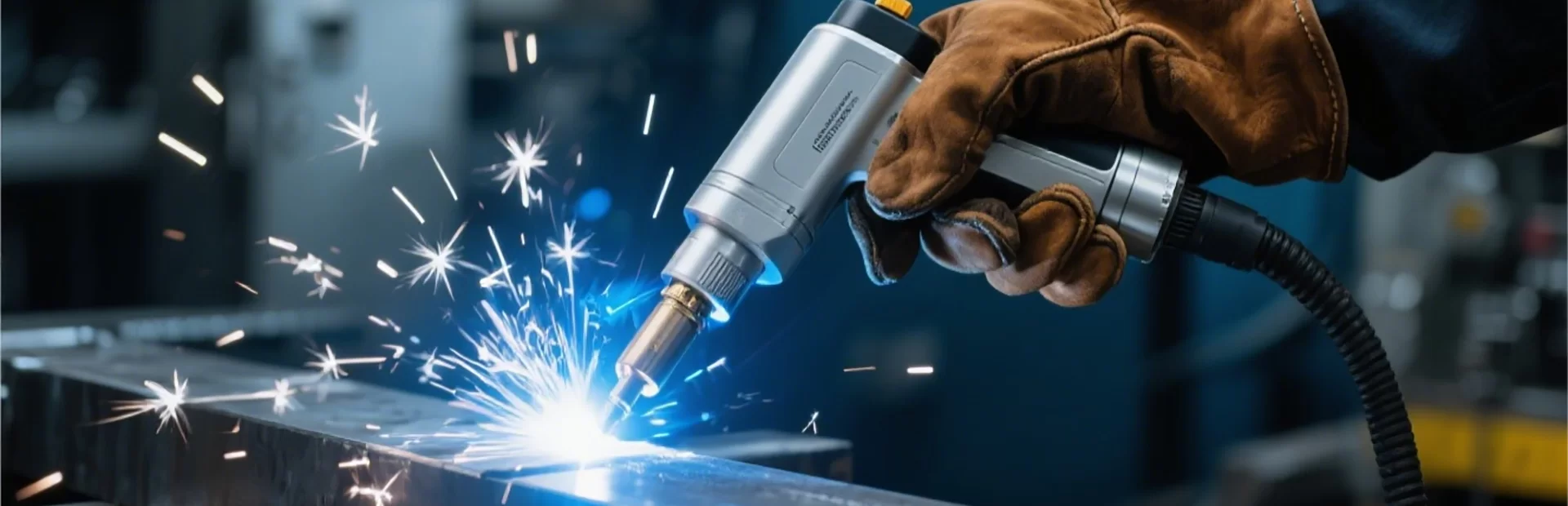
welded wire mesh machine factory

Revolutionizing Industries with Precision Laser Cutting Technology and Applications

0%

Table of Contents

Laser cutting, a subtractive manufacturing technology, has revolutionized industries globally. Utilizing a high-powered laser to vaporize, melt, or burn materials, it delivers unparalleled precision and efficiency in cutting intricate designs and shapes. From aerospace and automotive to medical and fashion, the versatility of Laser cutting addresses critical needs for customized parts, rapid prototyping, and large-scale production. Its increasing accessibility and adaptability make it a cornerstone of modern manufacturing.

The global market for laser cutting machines is experiencing substantial growth, fueled by increasing demand for automation and customized products. According to market research reports, the industry is projected to reach billions of dollars in the coming years, driven by technological advancements such as fiber laser technology and the integration of artificial intelligence. This growth reflects a fundamental shift in manufacturing paradigms, prioritizing speed, accuracy, and material versatility.

Addressing challenges like material limitations and operational costs, Laser cutting offers a sustainable and cost-effective solution for numerous manufacturing processes. Its ability to minimize waste, reduce lead times, and produce complex geometries makes it vital for organizations seeking to optimize their operations and gain a competitive edge. The expanding applications of this technology point towards a future where customized, high-precision manufacturing is the standard.
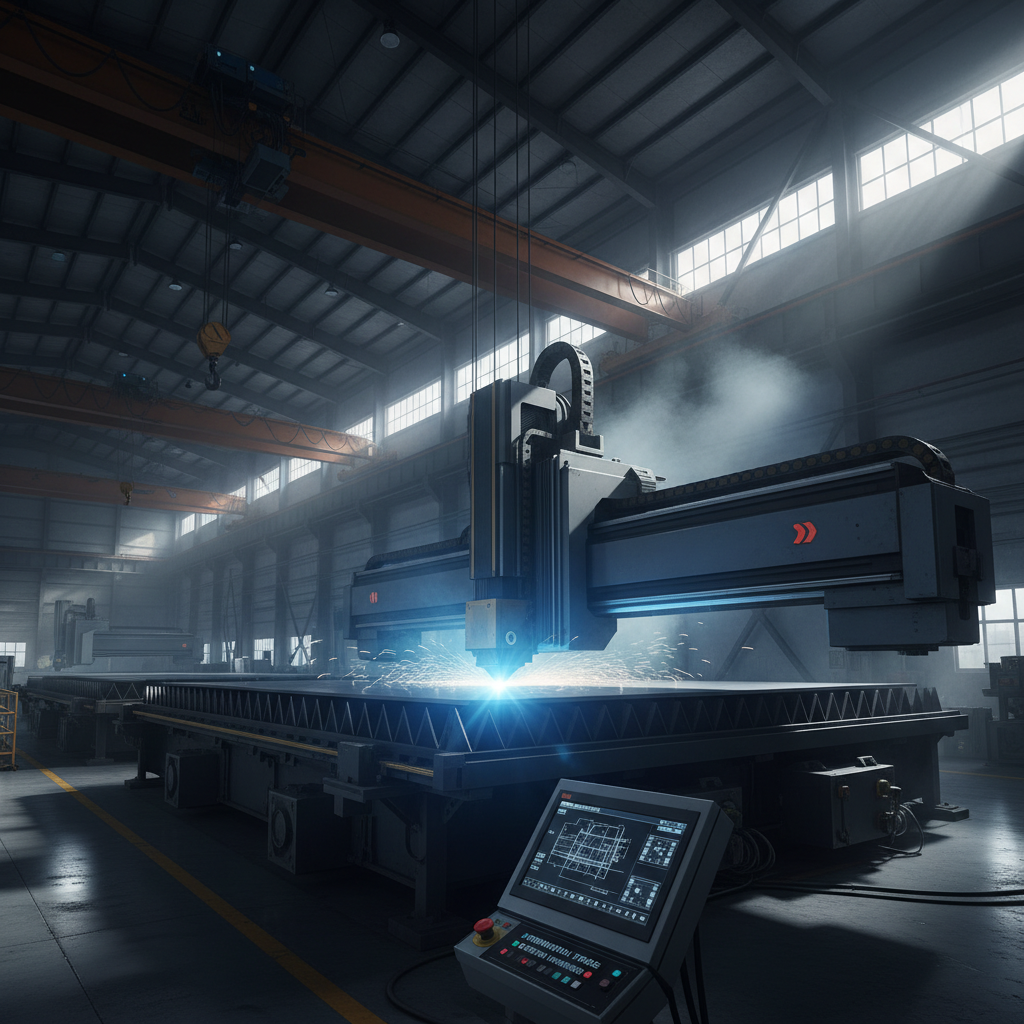
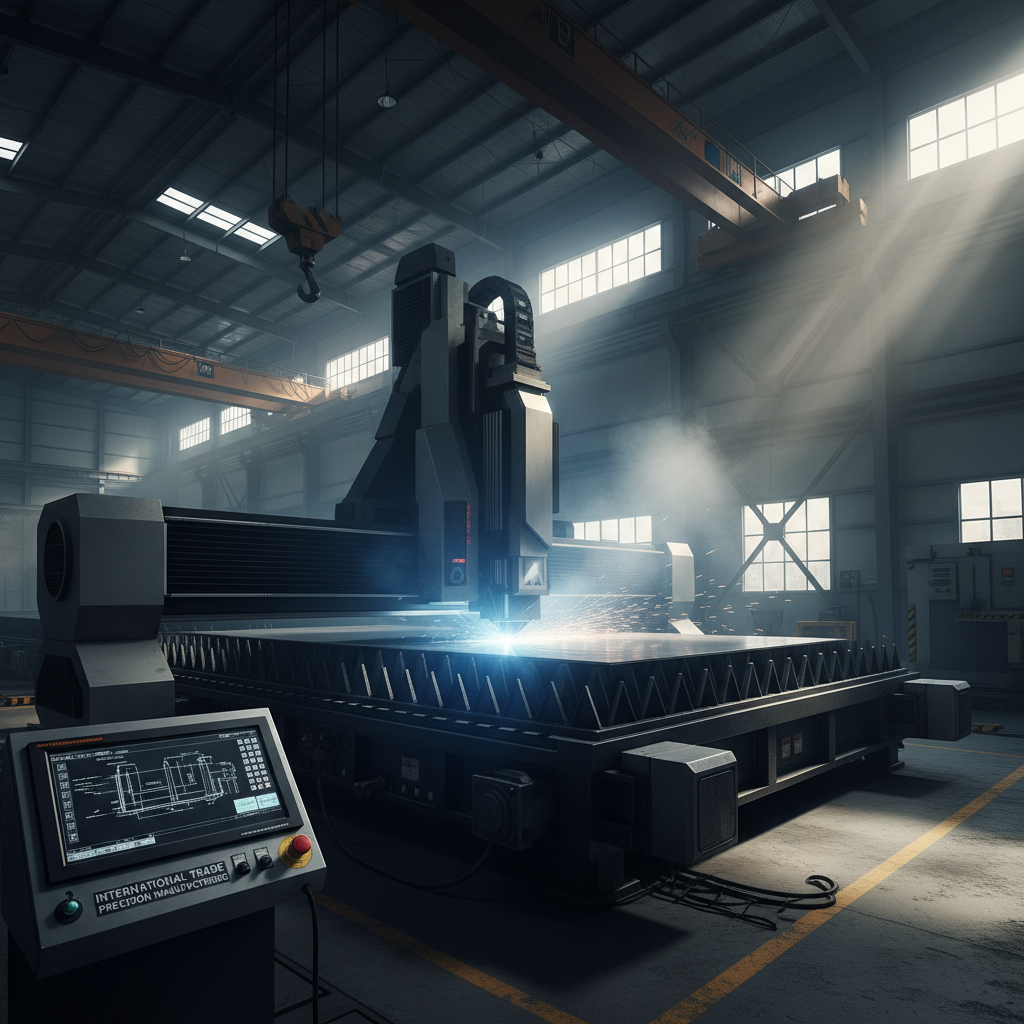
Laser cutting

The Fundamentals of Laser Cutting

Laser cutting

At its core, Laser cutting is a thermal process that uses a focused laser beam to cut materials. The power and wavelength of the laser, alongside the material’s properties, determine the cutting process - whether it’s vaporization, melting, or burning. This precise control is what sets Laser cutting apart, allowing for intricate designs and minimal material waste.

The versatility of Laser cutting stems from its adaptability to various materials, including metals, plastics, wood, ceramics, and composites. This broad compatibility, combined with its speed and accuracy, makes it an indispensable tool in diverse manufacturing sectors. Continued innovation in laser technology further expands the range of materials and applications for this cutting-edge process.

The Global Impact of Laser Cutting Technology

Laser cutting technology has become a globally significant industrial process. Major manufacturing hubs in countries like China, Germany, the United States, and Japan heavily utilize Laser cutting for various applications, driving innovation and economic growth. The technology is especially prominent in industries demanding high precision and customization.

The rising demand for Laser cutting is particularly noticeable in emerging economies where manufacturers seek to upgrade their capabilities and compete in the global market. This global adoption is facilitated by the decreasing cost of Laser cutting machines and the increasing availability of skilled operators. The International Organization for Standardization (ISO) plays a role in maintaining quality standards within the industry.

Data from the United Nations indicates a growing need for sustainable manufacturing practices, and Laser cutting aligns with this need by reducing material waste and energy consumption compared to traditional cutting methods. This makes it a crucial technology for industries striving to meet environmental regulations and promote responsible production.

Defining Laser Cutting: Precision and Applications

Laser cutting is a manufacturing process that uses a laser to cut materials. Unlike traditional methods that rely on physical contact, Laser cutting is a non-contact process, minimizing material distortion and providing exceptional precision. This makes it ideal for producing intricate designs and complex geometries.

Its connection to modern industry lies in its ability to automate production, reduce labor costs, and improve product quality. From aerospace components requiring tight tolerances to consumer goods demanding aesthetic appeal, Laser cutting addresses diverse manufacturing needs. It also plays a vital role in humanitarian applications, such as creating prosthetic limbs and emergency shelter components.

Furthermore, Laser cutting facilitates rapid prototyping, allowing designers to quickly iterate and refine their creations. This agility is essential in fast-paced industries where time-to-market is critical. Its applications continue to expand as new materials and laser technologies emerge.

Core Components Driving Laser Cutting Performance

Several key factors contribute to the effectiveness of Laser cutting. First, Laser Power dictates the ability to cut through thicker and denser materials. Second, Beam Quality determines the precision and fineness of the cut, crucial for intricate designs.

Third, Cutting Speed impacts production efficiency and must be balanced with cut quality. Fourth, Assist Gas (like oxygen, nitrogen, or argon) plays a vital role in removing molten material and preventing oxidation. These four components work in concert to achieve optimal results.

Laser Cutting Performance Factors

Real-World Applications of Laser Cutting

The automotive industry utilizes Laser cutting for producing precise components like exhaust systems, chassis parts, and interior trim. Aerospace relies on it for manufacturing lightweight and durable aircraft structures. Medical device manufacturers leverage Laser cutting for creating surgical instruments and implants with exceptional accuracy.

In post-disaster relief operations, portable Laser cutting systems can rapidly produce emergency shelter components and medical supplies. In remote industrial zones, Laser cutting offers a versatile manufacturing solution where access to traditional machinery is limited. The fashion industry uses Laser cutting for intricate fabric designs and pattern creation.

Long-Term Benefits and Value Proposition

The tangible benefits of Laser cutting include reduced material waste, lower labor costs through automation, and increased production speed. It also offers greater design flexibility and the ability to create complex geometries that are difficult or impossible to achieve with traditional methods.

Beyond cost savings, Laser cutting contributes to sustainability by minimizing material usage and energy consumption. It also enhances product quality and reliability, building trust with customers. Furthermore, it fosters innovation by enabling designers to explore new possibilities and create cutting-edge products.

Future Trends and Innovations in Laser Cutting

Emerging trends in Laser cutting include the development of more powerful and efficient lasers, such as fiber lasers and disc lasers. The integration of artificial intelligence (AI) and machine learning (ML) is optimizing cutting parameters and improving process control. Advancements in materials science are expanding the range of materials that can be effectively cut.

The pursuit of green energy solutions is driving the development of Laser cutting systems with reduced energy consumption. Digital transformation is enabling remote monitoring and control of Laser cutting machines, enhancing productivity and efficiency. The increasing emphasis on sustainability is promoting the use of eco-friendly materials and processes in Laser cutting applications.

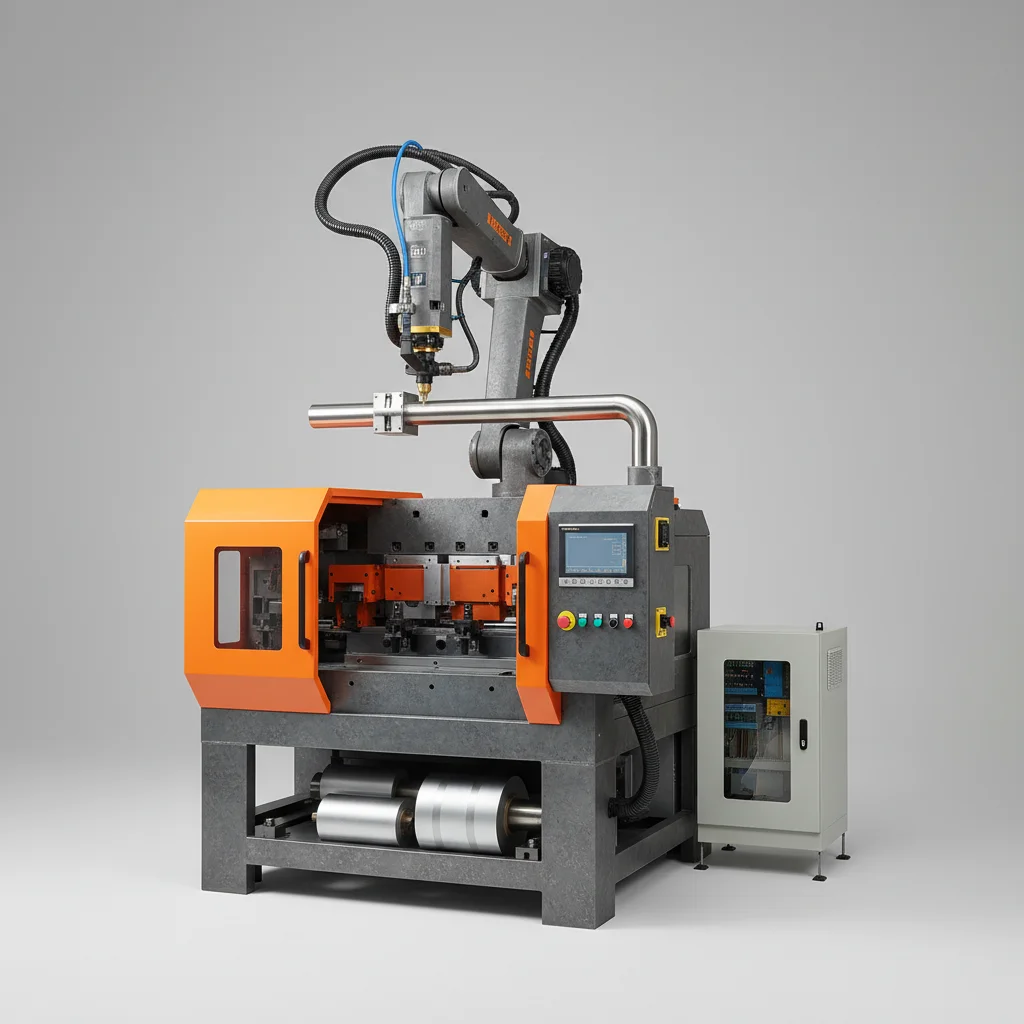
Automation continues to be a key focus, with robotic Laser cutting systems becoming increasingly sophisticated and capable of handling complex tasks. These innovations promise to further enhance the capabilities and applications of Laser cutting in the years to come.

Summary of Challenges and Solutions in Laser Cutting Implementation

Challenge Impact on Laser Cutting Potential Solution Implementation Cost (1-10)
Material Limitations Restricts application to certain materials Advanced laser sources (e.g., femtosecond lasers) 8
Heat Affected Zone (HAZ) Can compromise material properties Optimized cutting parameters and assist gas selection 5
High Initial Investment Barriers to entry for small businesses Leasing options and shared manufacturing facilities 6
Operator Skill Requirement Impacts cut quality and efficiency Comprehensive training programs and AI-assisted control 7
Fume and Particle Emission Environmental and health concerns Effective fume extraction and filtration systems 4
Edge Quality Issues Burrs or slag formation affecting surface finish Post-processing techniques (e.g., deburring) and optimized laser parameters 3

FAQS

What types of materials can be cut using laser cutting?

Laser cutting is incredibly versatile, capable of processing a wide array of materials. These include metals like steel, aluminum, and titanium, as well as various plastics, wood, acrylic, fabrics, and even some ceramics. The specific type of laser and its power output will determine the optimal materials for processing. Fiber lasers are particularly well-suited for cutting metals, while CO2 lasers excel with organic materials such as wood and plastics.

What is the difference between CO2 and fiber laser cutting?

CO2 lasers are generally more cost-effective and suitable for cutting non-metallic materials like wood, acrylic, and fabrics. They produce a wider beam, making them ideal for thicker materials. Fiber lasers, on the other hand, utilize a narrower, more focused beam, making them incredibly precise and efficient for cutting metals, particularly thinner gauges. Fiber lasers also boast faster cutting speeds and lower maintenance costs.

How precise is laser cutting compared to other cutting methods?

Laser cutting offers significantly higher precision than most traditional cutting methods like plasma cutting, waterjet cutting, or mechanical cutting. The focused laser beam allows for intricate designs and tight tolerances, often down to fractions of a millimeter. This precision makes it ideal for applications where accuracy is paramount, such as aerospace components and medical devices.

What are the safety precautions to take when operating a laser cutting machine?

Safety is paramount when working with laser cutting machines. Key precautions include wearing appropriate eye protection (laser safety glasses) to prevent eye damage from the laser beam. Ensure proper ventilation to remove fumes and particulate matter generated during the cutting process. Never leave the machine unattended while in operation and always follow the manufacturer’s safety guidelines.

What is the typical cost of a laser cutting machine?

The cost of a laser cutting machine varies widely depending on its power, features, and brand. Entry-level hobbyist machines can start around $5,000, while industrial-grade machines can cost upwards of $100,000 or more. Factors influencing the price include the type of laser (CO2, fiber), cutting bed size, automation features, and included software.

How can I maintain a laser cutting machine for optimal performance?

Regular maintenance is crucial for ensuring optimal performance and prolonging the life of your laser cutting machine. This includes cleaning the optics (lenses and mirrors) regularly to maintain beam quality, checking and replacing worn parts (nozzles, assist gas lines), lubricating moving parts, and performing periodic calibrations. Following the manufacturer’s maintenance schedule is highly recommended.

Conclusion

Laser cutting stands as a transformative technology in modern manufacturing, offering unparalleled precision, versatility, and efficiency. Its ability to process diverse materials, coupled with its growing accessibility and integration of advanced technologies, positions it as a cornerstone of innovation across numerous industries. From automotive and aerospace to medical and fashion, Laser cutting continues to reshape production processes and enable the creation of cutting-edge products.

Looking ahead, the continued development of laser technology, coupled with the rise of automation and sustainable manufacturing practices, will unlock even greater potential for Laser cutting. Embracing these advancements is crucial for organizations seeking to remain competitive and meet the evolving demands of the global market. Visit our website at www.topstarlaser.com to explore how Laser cutting can revolutionize your operations.

Caleb Thompson

Caleb Thompson

Caleb Thompson is a Sales Engineer at Shijiazhuang Topstar, dedicated to laser marking machine sales and support. He has a strong technical background and excels at understanding client’s unique industrial marking requirements. Caleb provides comprehensive product demonstrations and guidance, ensuring customers select the optimal laser marking solution for their specific needs. He has a proven track record of building long-term relationships with clients across various industries. Caleb holds a degree in Materials Science and is dedicated to driving customer success through innovative marking technologies.
Previous Optimizing Prefabrication with Advanced Laser Coding Machine Factory Solutions
Next Advanced Laser Marking Machine Technology for Precision and Traceability
Subscribe to Our Newsletter
Your E-mail Address
Subscribe Now

If you are interested in our products, you can choose to leave your information here, and we will be in touch with you shortly.