Shijiazhuang Topstar
International Trading Co., Ltd.


Get In Touch
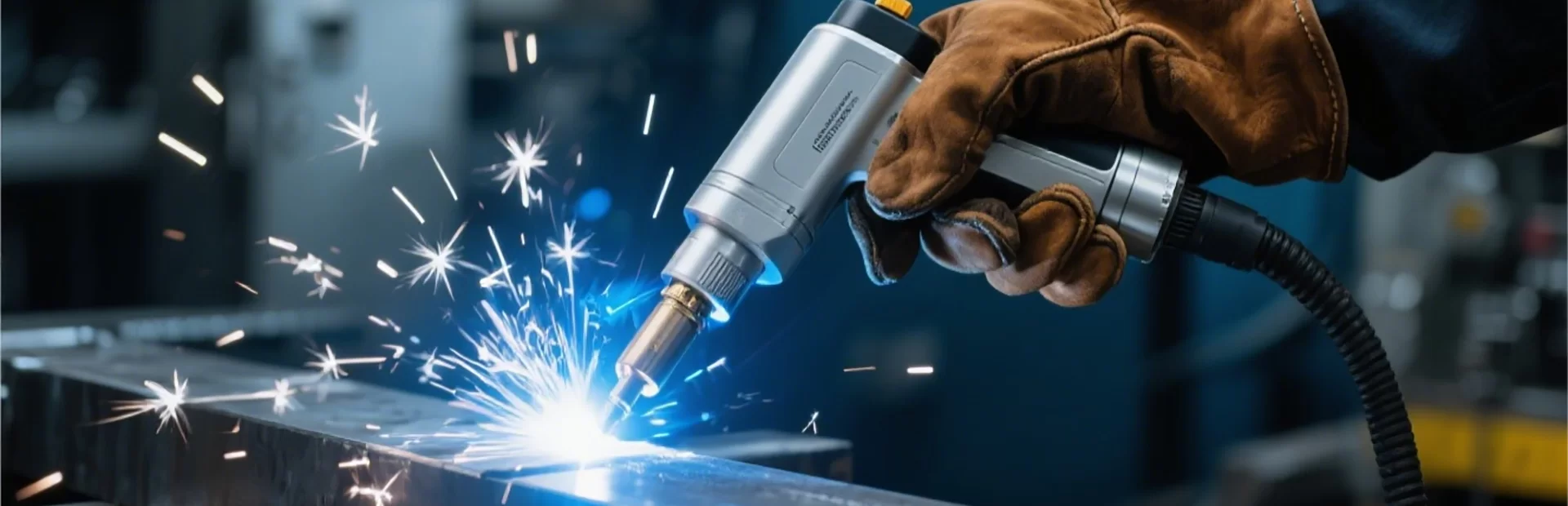
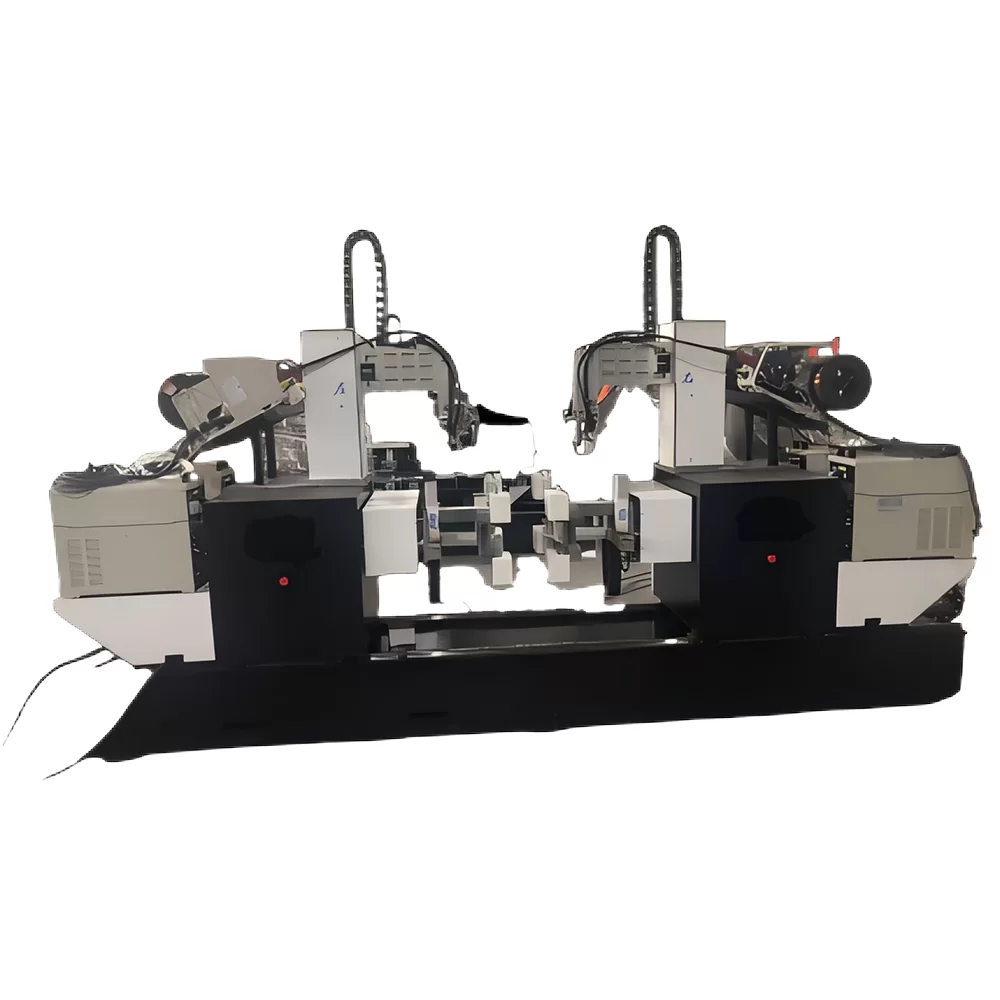
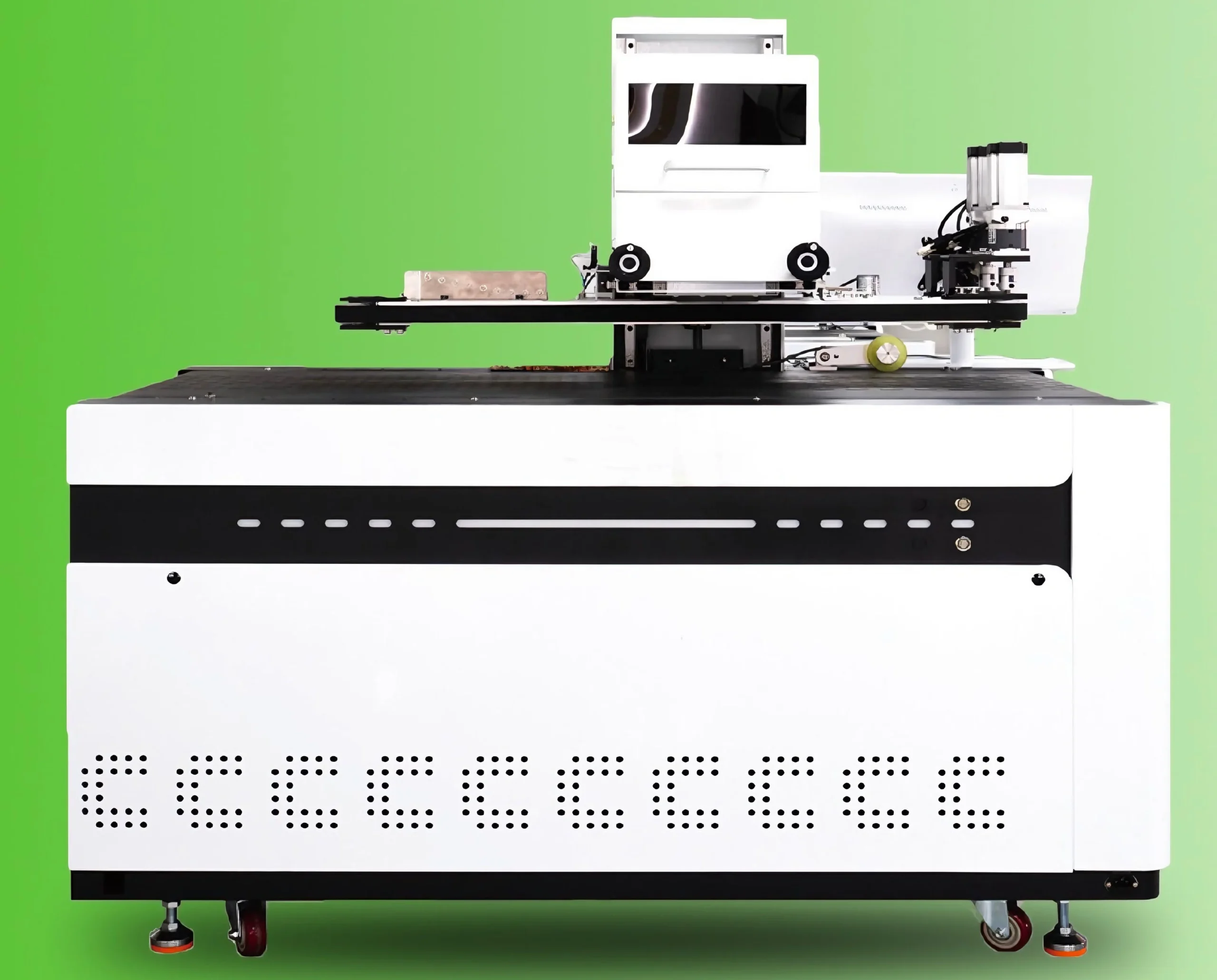
An expanded mesh making machine (also known as an expanded metal machine, expanded metal machine, stretched metal machine, or mesh drawing machine) is a type of industrial equipment specifically designed for producing expanded metal. Through a unique set of punching and stretching processes, it processes metal sheets (primarily steel, but also aluminum and stainless steel) into mesh-like sheets with continuous diamond-shaped or other shaped openings.
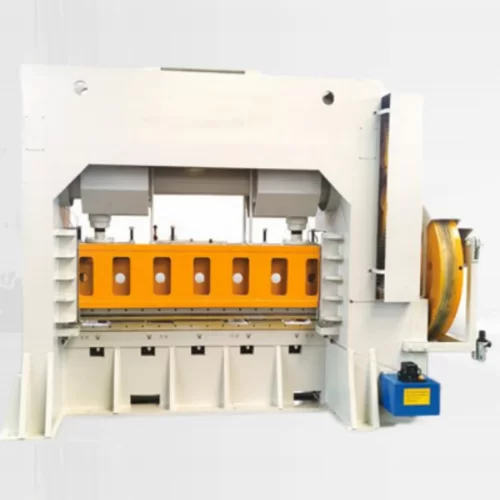
Expanded metal punching machines are specialized metalworking equipment that delivers high efficiency, energy-saving, and waste-free production. Through precise punching and powerful stretching, they transform flat metal into diamond-shaped expanded metal with a wide range of applications. These expanded metals, with their lightweight, high strength, slip resistance, and excellent permeability, play a vital role in various fields, including construction, industry, and transportation.
1.Waste-Free Stamping and Stretching Process
The mesh is formed by first punching a narrow slit and then performing a high-pressure stretching process, producing no metal scrap (unlike traditional perforated metal).
Material utilization is close to 100%, significantly reducing raw material costs and making it particularly suitable for processing precious metals such as stainless steel.
2.Integrated Continuous Production
The entire process, from metal coil/sheet loading to automatic feeding to precision punching to high-pressure stretching to finished product output, is fully automated and continuous, ensuring high production efficiency.
3.High Die Dependence
The die design determines the mesh shape (primarily diamond), size (short pitch SWD, long pitch LWD), and applicable sheet thickness.
Product specifications can be quickly changed by simply changing the die, providing greater flexibility.
4.Powerful Processing Capabilities
A wide range of metal sheets can be processed, including mild steel, stainless steel, aluminum, galvanized, and copper (requiring a certain degree of ductility).
A wide processing thickness range is available: typically 0.5mm to 8mm (or even thicker, depending on the machine capacity).
5.High Automation and Precision Control
PLC or CNC system control allows precise adjustment of:
Punching pitch (determines mesh density)
Stretching length and force (determines mesh size and sheet elongation)
Feed speed
Expanded metal produced by expanded metal machines has a wide range of applications, including:
1.Construction: Scaffolding treads, safety nets, building exterior wall decoration, suspended ceilings, partitions, ventilation grilles, and concrete reinforcement (expanded mesh).
2.Industrial: Equipment protective covers, platform walkways, filter screens and cartridges, silo liners, conveyor belts, and worktop panels.
3.Agriculture: Livestock cages, granary ventilation panels, and fencing.
4.Transportation: Noise barriers, anti-glare nets, and guardrails for highways and railways.
5.Furniture: Storage racks and decorative screens.
6.Other: Exhibition displays and supermarket shelves and so on.


(Thickness and width are key factors influencing equipment price. Thickness determines the tonnage of the punching machine used for the equipment. Width determines the width of the equipment. Mesh size is a key factor affecting the mold.)
Items | Grade | 160T-2000mm |
Expanded mesh making machine | Raw material thickness | 0.5-6mm aluminum |
Maxim mesh width | 2000mm | |
Mesh length intercept | 180mm | |
Punching and cutting speed | 50min | |
Total power | 30KW | |
Lubricate way | automatic oil add and automatic collect | |
Feeding method | All-in-one machine control, swing plate automatic feeding, automatic cutting, programmable, pneumatic clamp | |
Equipment | Servo motor, stepper motor, planetary reducer, ball screw, linear guide | |
Fuselage structure | The fuselage is an integrally welded gantry structure | |
Spindle | Four-point support | |
Main engine separation | Two-stage transmission plus pneumatic clutch | |
Machine size | 3900*2200*2550mm | |
Weight | 16T |
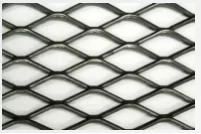
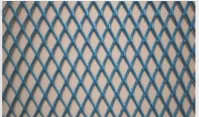
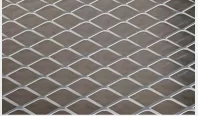
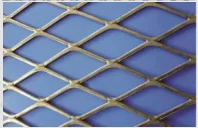
In the realm of modern industrial fabrication, the demand for high-volume, cost-effective materials has driven the evolution of the expanded metal mesh machine. Mass production requires a unique combination of speed, reliability, and material efficiency that traditional perforated metal processes simply cannot match. A high-speed mesh making machine operates on a sophisticated principle of simultaneous slitting and stretching. Unlike traditional punching methods that create waste by removing material to form holes, the expanded metal process is fundamentally waste-free. This is a critical advantage for mass production facilities where raw material costs constitute the bulk of the operational budget.
The high-speed capability of a modern expanded mesh machine is rooted in its heavy-duty mechanical structure and precision-timed feeding systems. In a mass production setting, the machine utilizes a set of upper and lower dies. The upper die moves in a rapid reciprocating motion, punching narrow slits into the metal sheet. Immediately following the punch, the machine’s stretching mechanism pulls the metal apart, expanding the slits into characteristic diamond-shaped openings.
To maintain high speeds, these machines are often equipped with automatic decoilers and leveling systems. A metal coil is fed into the machine continuously, allowing for non-stop operation that can produce hundreds of linear meters of mesh per shift. The integration of high-performance servo motors and a robust crankshaft ensures that the punching frequency remains consistent, even when processing tougher materials like stainless steel. For a factory owner, a high quality expanded mesh making machine represents a significant reduction in cycle time, as the finished product is formed in a single pass without the need for secondary stretching or flattening.
When considering the expanded metal mesh machine price, one must factor in the "close to 100% material utilization" rule. Because no metal scrap is produced during the stamping and stretching process, a one-ton coil of steel yields nearly one ton of expanded mesh. This makes the high-speed machine the gold standard for industries like furniture manufacturing and filtration, where thin-gauge metals are used in massive quantities. The ability to increase the surface area of a metal sheet by up to three or four times its original size through expansion creates an economic leverage that is unattainable through any other manufacturing method.
Furthermore, automation plays a pivotal role in mass production. Modern PLC (Programmable Logic Control) systems allow operators to precisely adjust the punching pitch and feed speed. This means the density of the mesh can be fine-tuned to meet specific strength-to-weight ratios without stopping the production line for manual adjustments. For global suppliers, the ability to buy expanded mesh making machine units with CNC integration means they can guarantee consistent quality across thousands of units, ensuring that every diamond-shaped opening is identical in size and structural integrity.
Versatility is the hallmark of a versatile wire mesh manufacturing machine. Industrial applications vary wildly, ranging from delicate 0.5mm aluminum decorative screens to heavy-duty 8mm steel walkways for industrial platforms. A specialized expanded metal mesh machine must be designed to handle this broad spectrum of thicknesses while maintaining the precision required to prevent material tearing or die damage.
When processing thin sheets—typically between 0.5mm and 2mm—the machine must exhibit extreme delicacy and precision. Thin materials like aluminum, copper, and light-gauge stainless steel are susceptible to deformation if the stretching force is not perfectly calibrated. For these applications, a high quality expanded mesh making machine utilizes fine-tuned tension controls and precision-ground dies.
In the production of battery grids, filters, and architectural decorative screens, the permeability and lightweight features of the mesh are paramount. The machine must create small-pitch (SWD) and long-pitch (LWD) openings that are uniform across the entire width of the sheet. Because thin sheets have less structural integrity, the die must be sharp enough to slit the metal without crushing the surrounding strands. This capability allows manufacturers to produce "precious metal" meshes, such as titanium or high-grade stainless steel, where even a small error could result in significant financial loss.
On the opposite end of the spectrum, processing 6mm to 8mm steel plates requires a mesh making machine with immense hydraulic or mechanical power. These heavy-duty expanded metal machines feature reinforced frames and high-torque motors capable of exerting hundreds of tons of pressure. When a thick steel plate is fed into the machine, the stretching process creates a "3D" effect where the strands of the diamond mesh are tilted at an angle. This provides inherent slip resistance and incredible structural strength, making it ideal for scaffolding treads and industrial walkways.
The high die dependence of the process is particularly relevant here. For thick plates, the dies must be made of specialized wear-resistant alloys to withstand the heat and friction of heavy-duty punching. Leading expanded metal mesh machine manufacturers provide customized die sets that allow for the production of "Grate" type expanded metal. Despite the thickness of the material, the machine remains energy-saving because it relies on the natural ductility of the metal to expand the shape rather than using energy-intensive heat-forming processes.
The construction sector is perhaps the largest consumer of expanded metal, utilizing it for everything from the hidden "skeletons" of concrete walls to the high-visibility aesthetic of modern building facades. The expanded mesh machine is therefore a cornerstone of construction equipment manufacturing. In this industry, the mesh is valued for its high strength, excellent permeability, and slip resistance.
One of the primary uses of expanded metal in construction is as a reinforcement for concrete and plaster. Known as "rib lath" or "brick mesh," these products are made by a wire mesh manufacturing machine designed to process galvanized steel. The diamond-shaped openings provide an excellent "key" for plaster or concrete to grip, preventing cracks and enhancing the structural integrity of walls and ceilings.
Because construction sites require vast amounts of this material, the expanded metal mesh machine price is a vital consideration for contractors who choose to manufacture their own mesh locally. The waste-free production ensures that large-scale infrastructure projects, such as highway guardrails and railway noise barriers, remain within budget. The machine’s ability to process galvanized steel ensures that the finished product is resistant to corrosion—a mandatory requirement for any material embedded in alkaline concrete or exposed to the elements.
In modern architecture, expanded metal has moved from being a hidden structural component to a primary design element. High-end expanded metal mesh machine units are used to create building exterior wall decorations, suspended ceilings, and ventilation grilles. For these applications, the permeability of the mesh allows for airflow and light diffusion while providing a sleek, industrial aesthetic.
Safety is another critical application. Scaffolding treads and safety nets produced by a mesh making machine are essential for protecting workers on high-rise sites. The anti-glare nets seen on highways are also a product of the expanded metal process; the tilted angle of the strands allows for visibility from one direction while blocking the blinding headlights of oncoming traffic. For construction companies looking to diversify their offerings, the ability to buy expanded mesh making machine technology means they can produce custom-sized partitions, livestock cages, and protective covers for heavy machinery.