Shijiazhuang Topstar
International Trading Co., Ltd.


Get In Touch
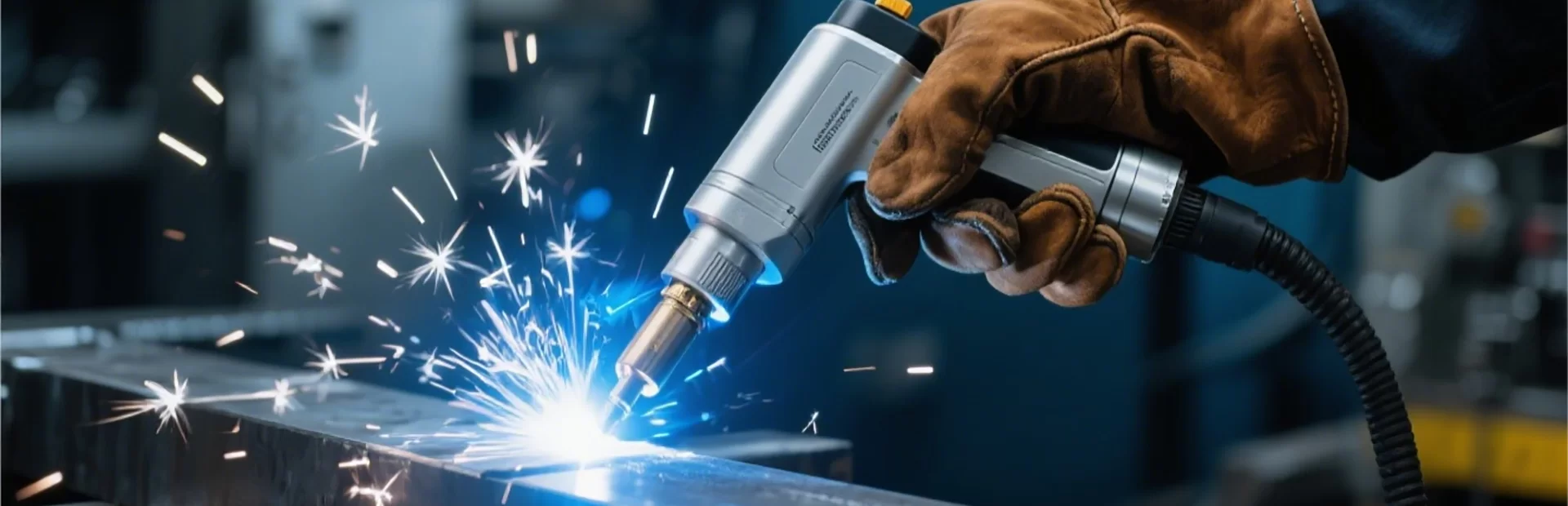
In a world increasingly defined by precision and speed, cnc and laser cutting technologies have become indispensable. These manufacturing methods unlock a level of detail and efficiency that traditional tools just can't match. But why does this matter globally? Because they form the backbone of countless industries — from aerospace to healthcare — driving innovation and sustainability forward. Grasping their nuances isn't just for engineers; it’s essential for anyone involved in production, design, or supply chains. Frankly, they set standards for quality and turnaround that ripple across economies worldwide.
According to the International Organization for Standardization (ISO), recent years have seen a surge in demand for precision manufacturing, with CNC machines and laser cutters leading the charge. The World Bank reports that manufacturing output in developing regions is growing by nearly 5% annually, driven by technologies that boost productivity and reduce waste. Yet, challenges remain — such as skills shortages and supply chain vulnerabilities — which these technologies help to mitigate. For example, CNC systems’ automated nature reduces human error, improving consistency across globally dispersed factories.
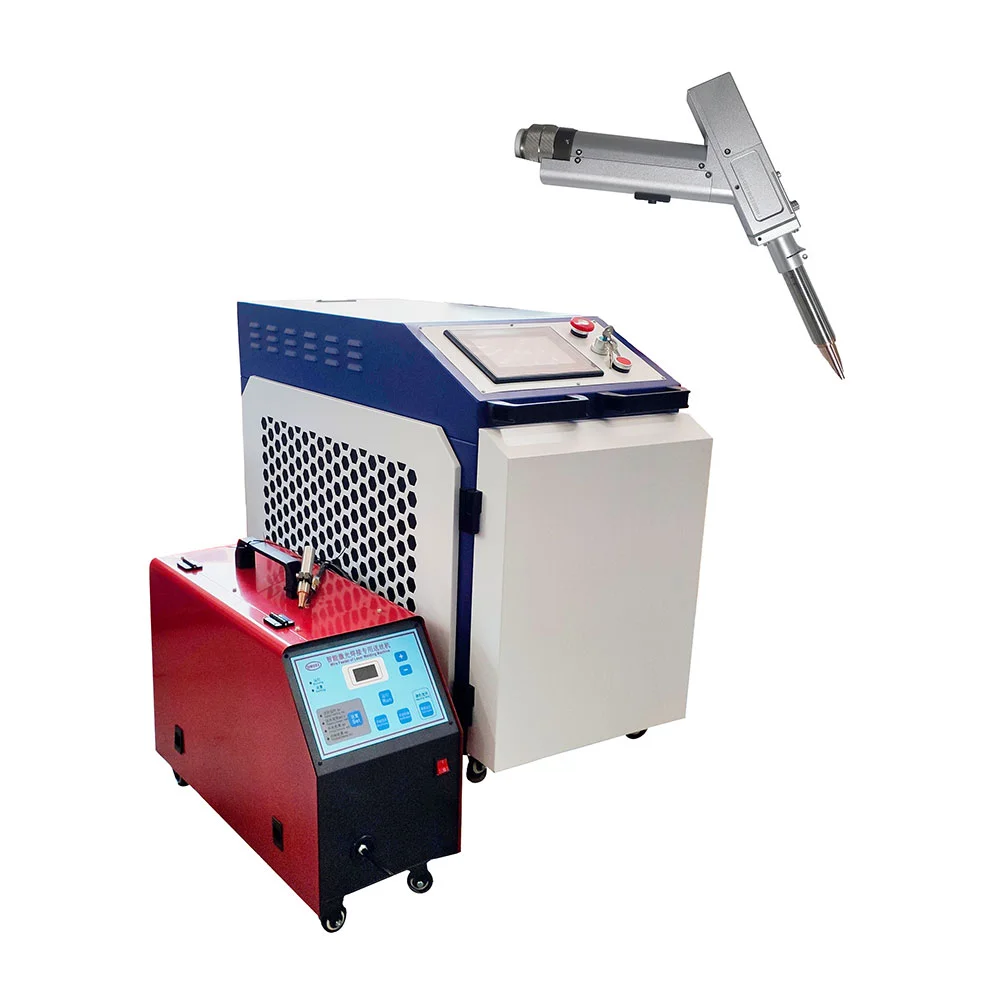
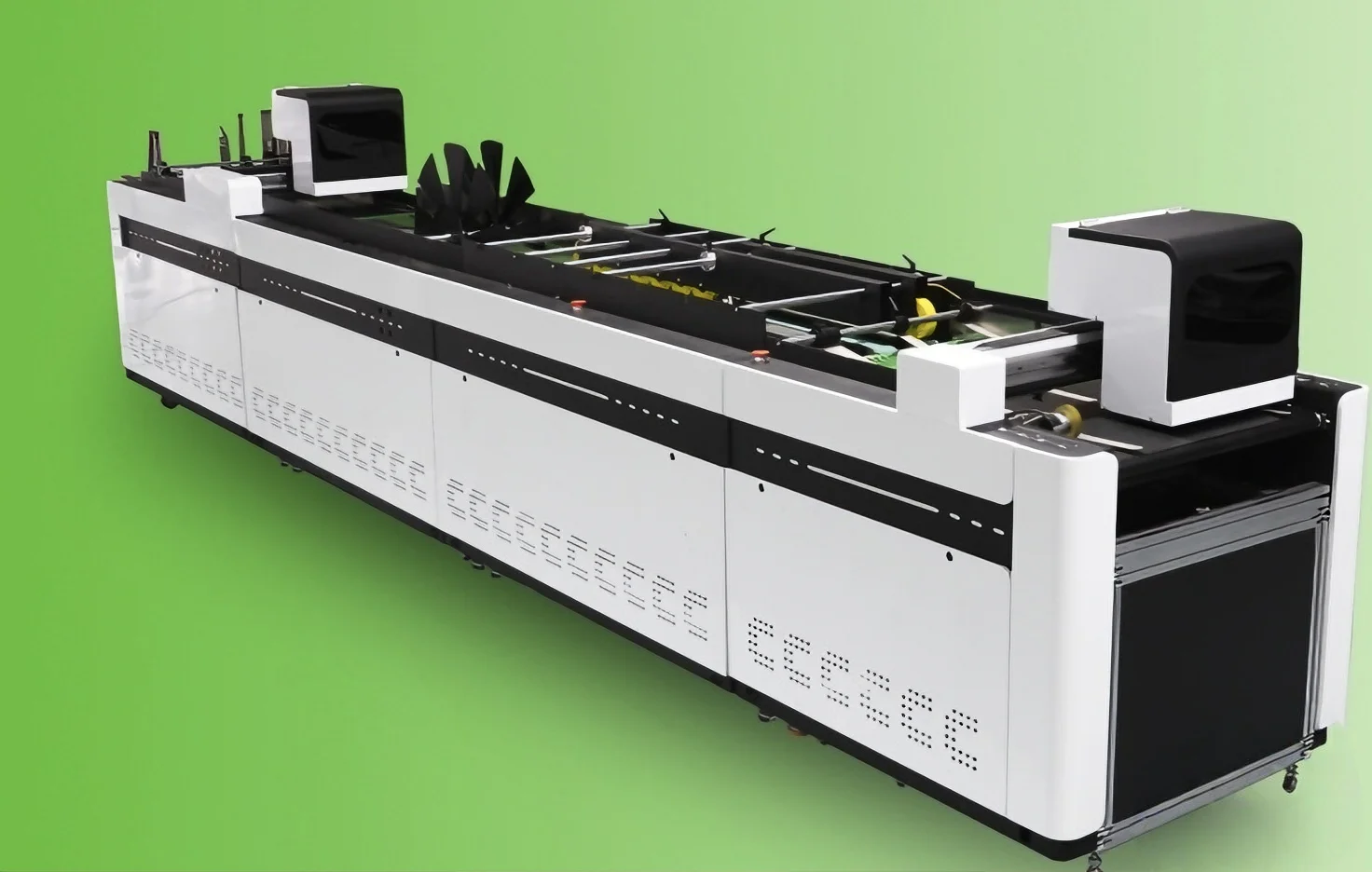
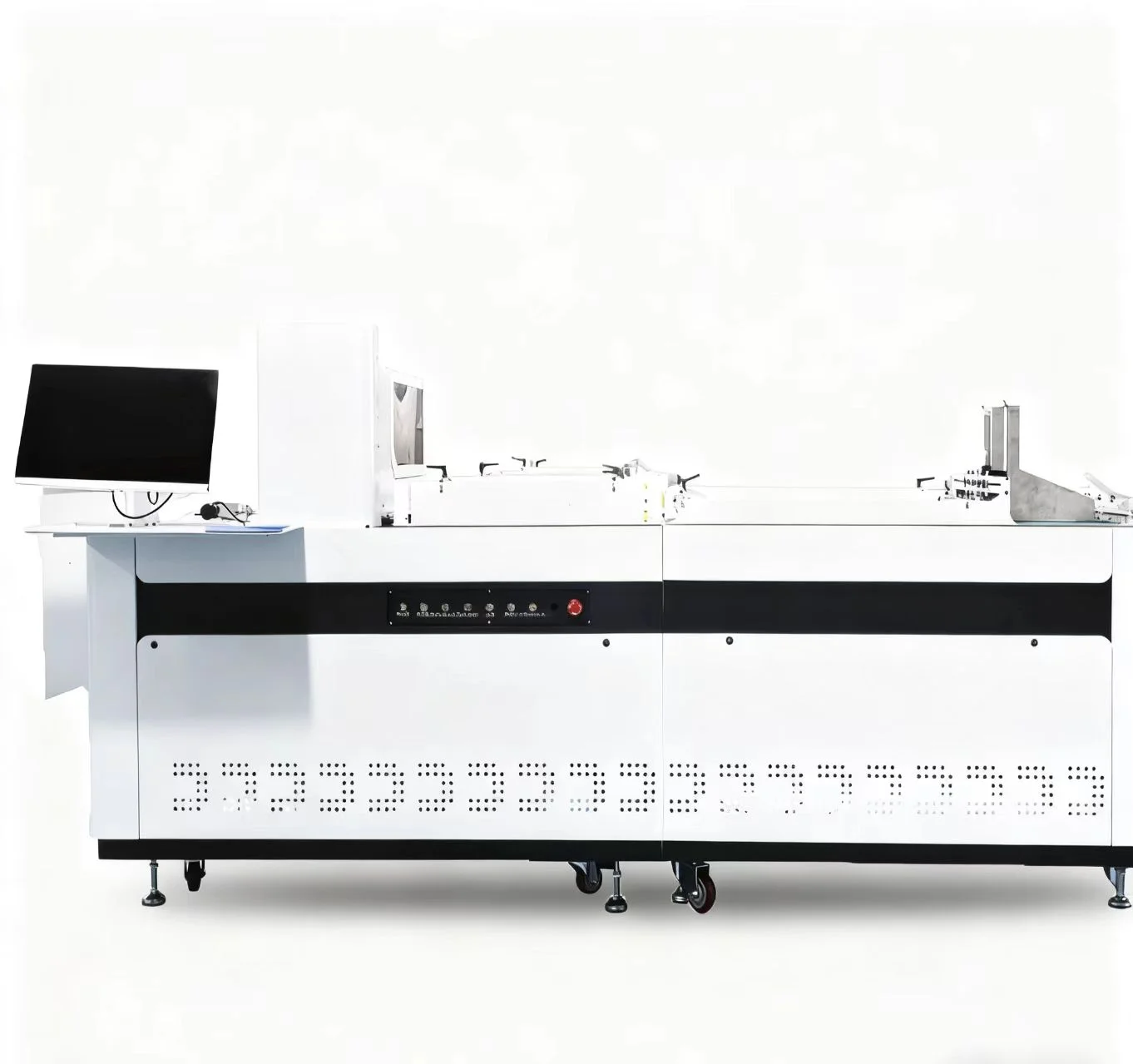
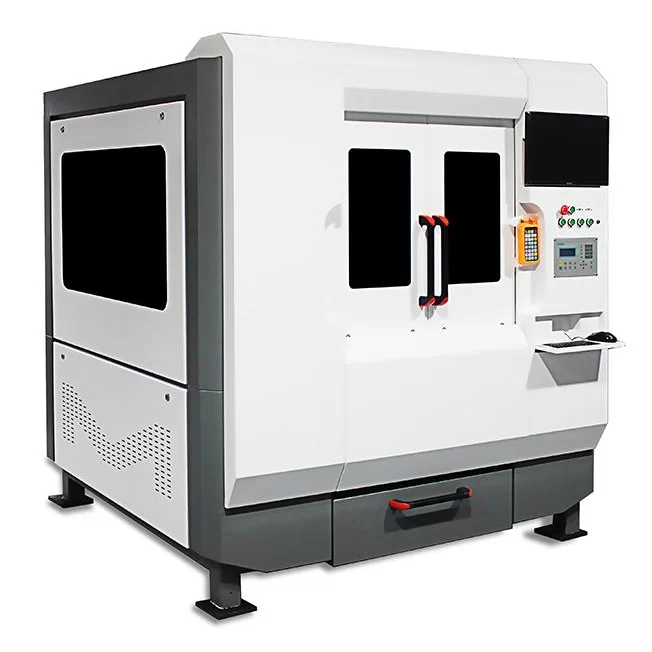
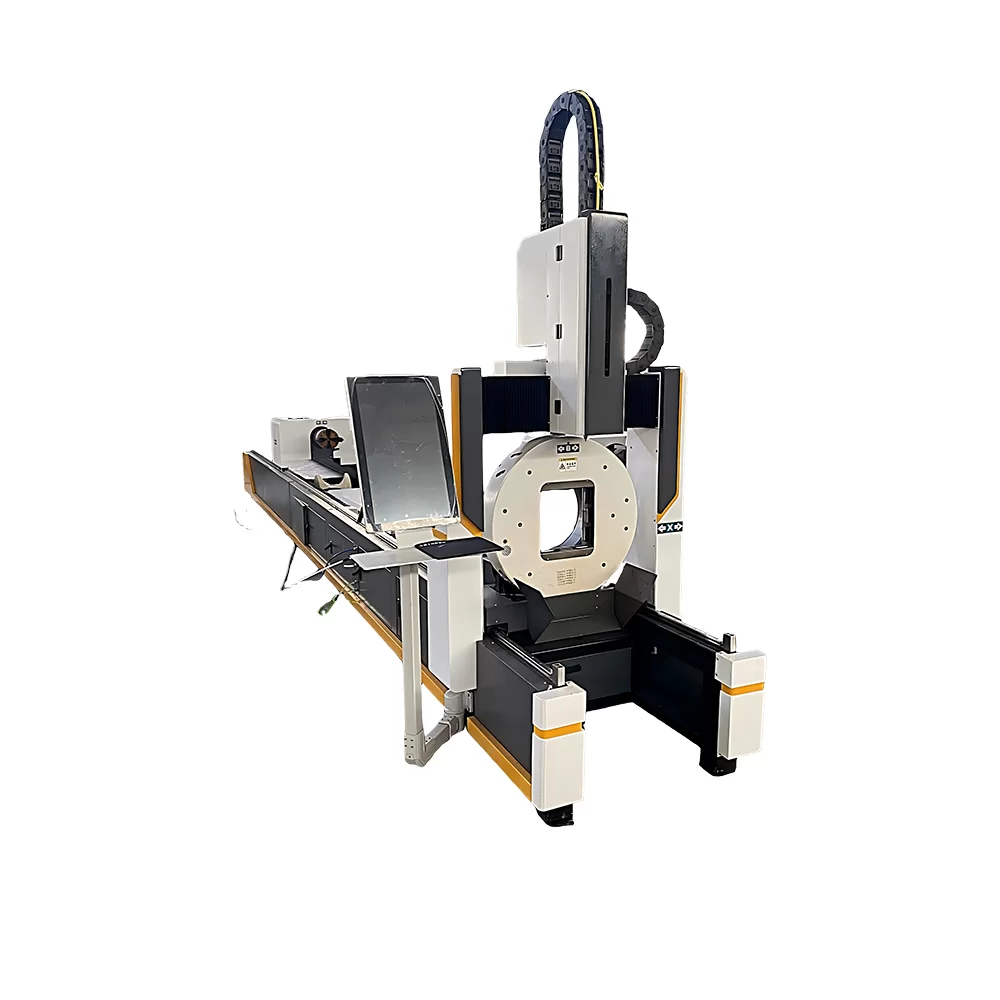
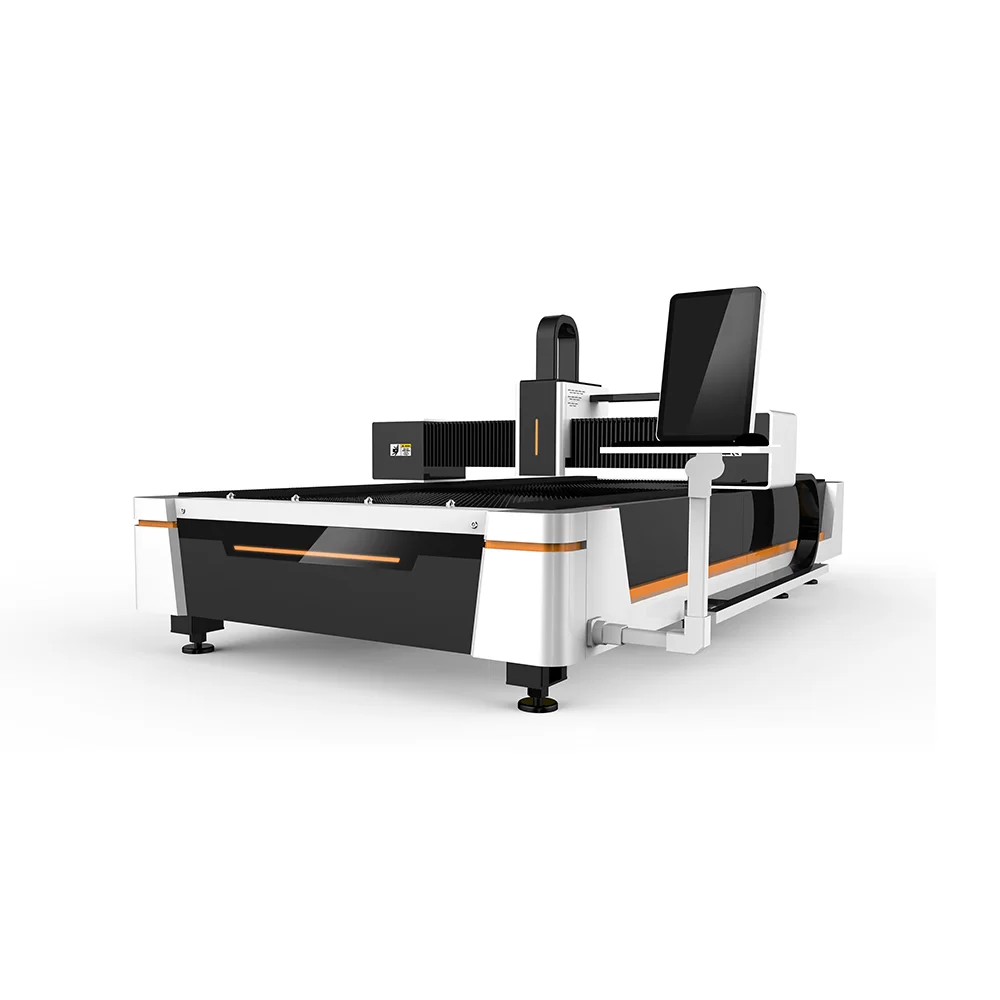
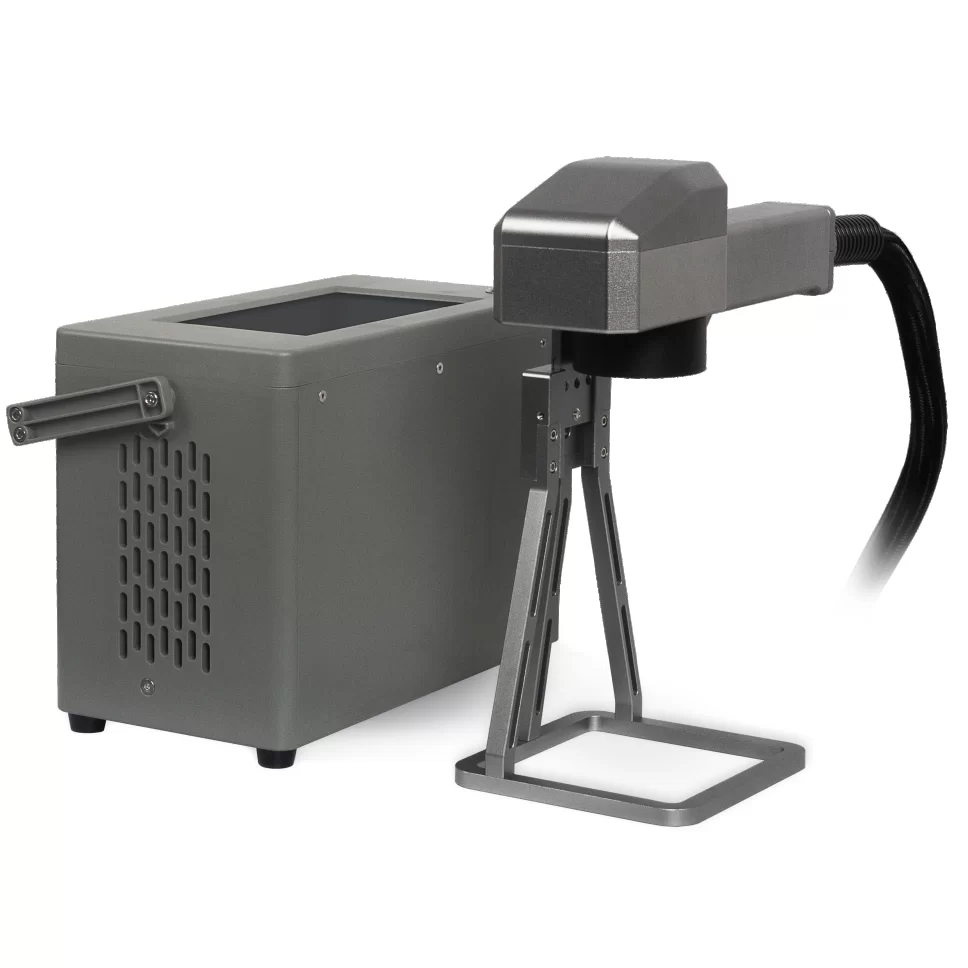
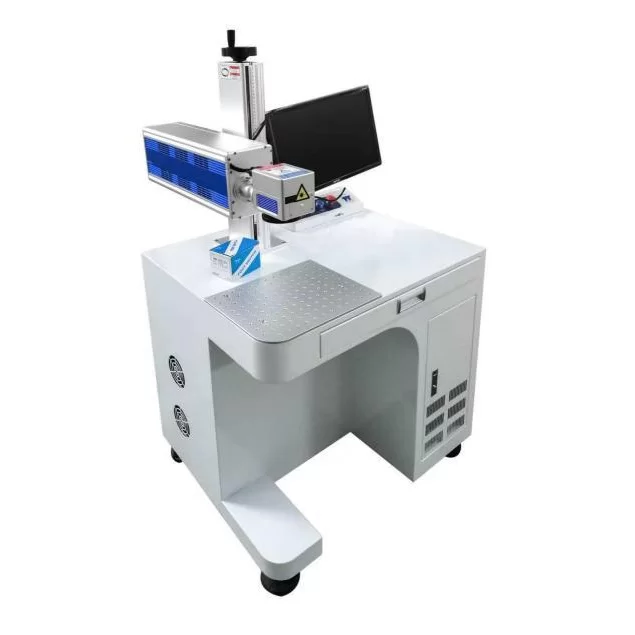
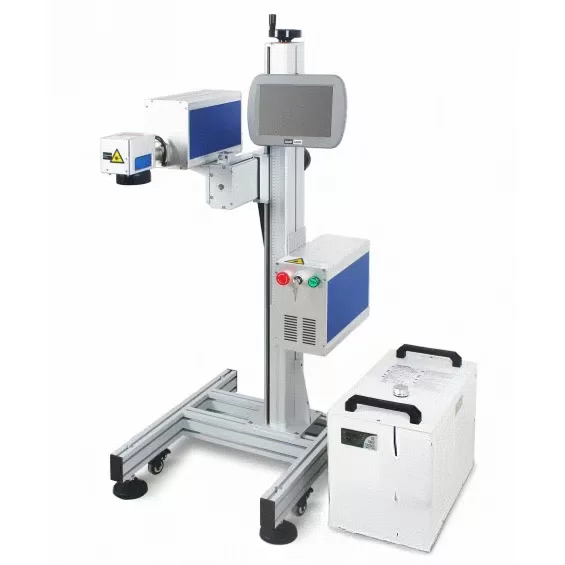
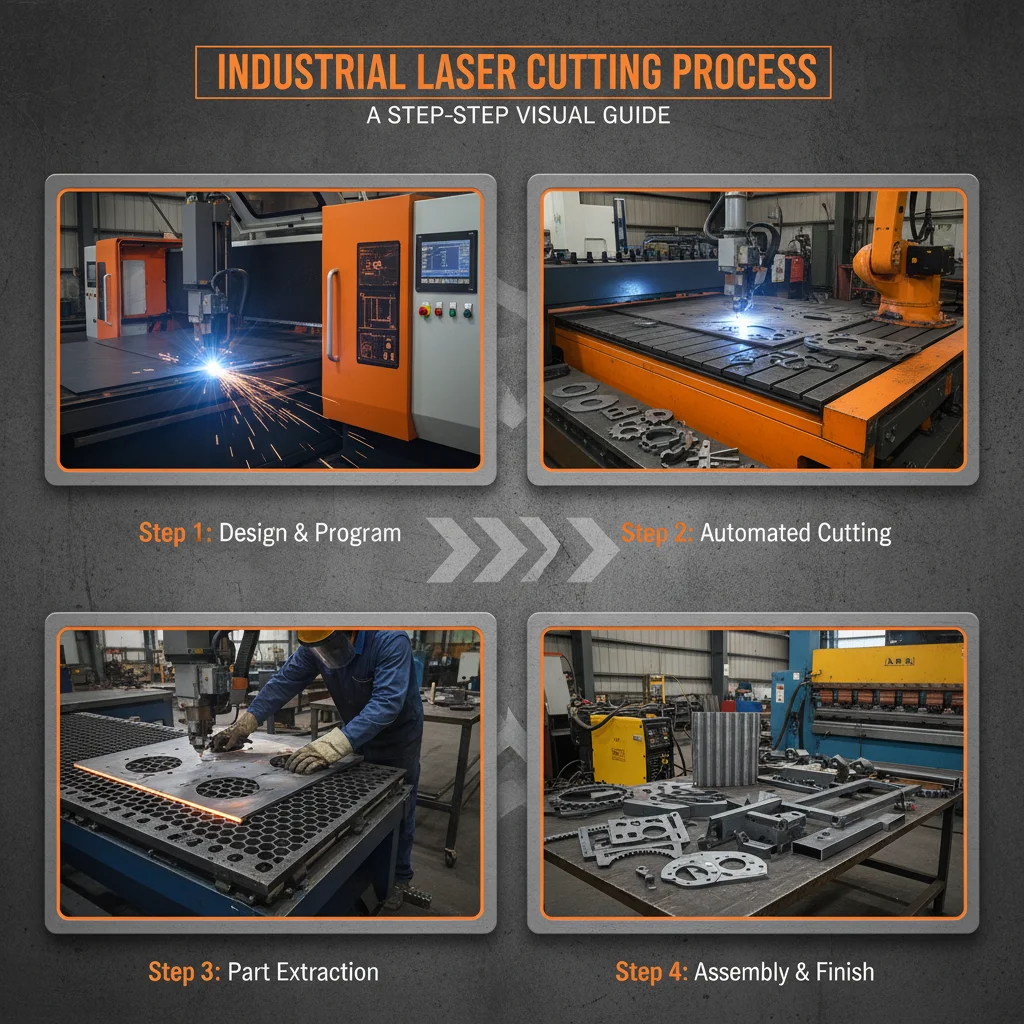
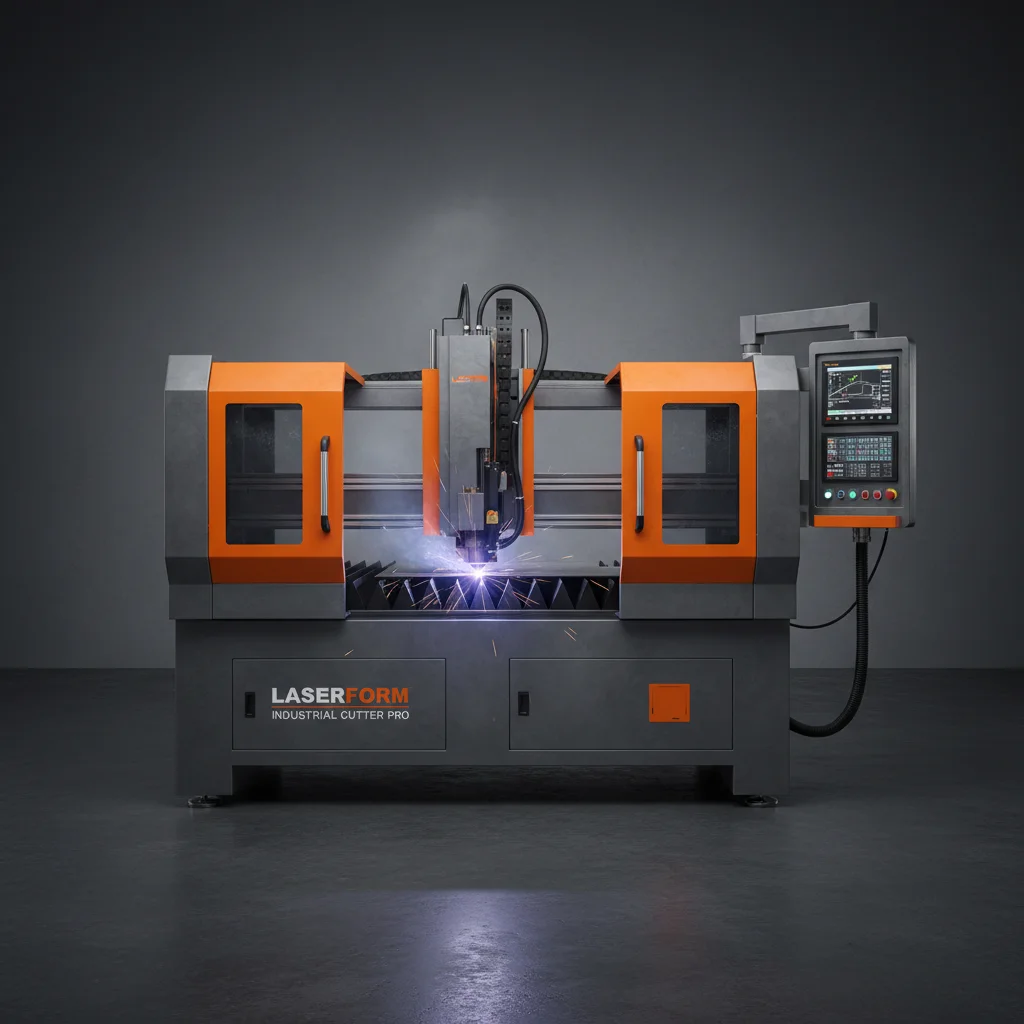
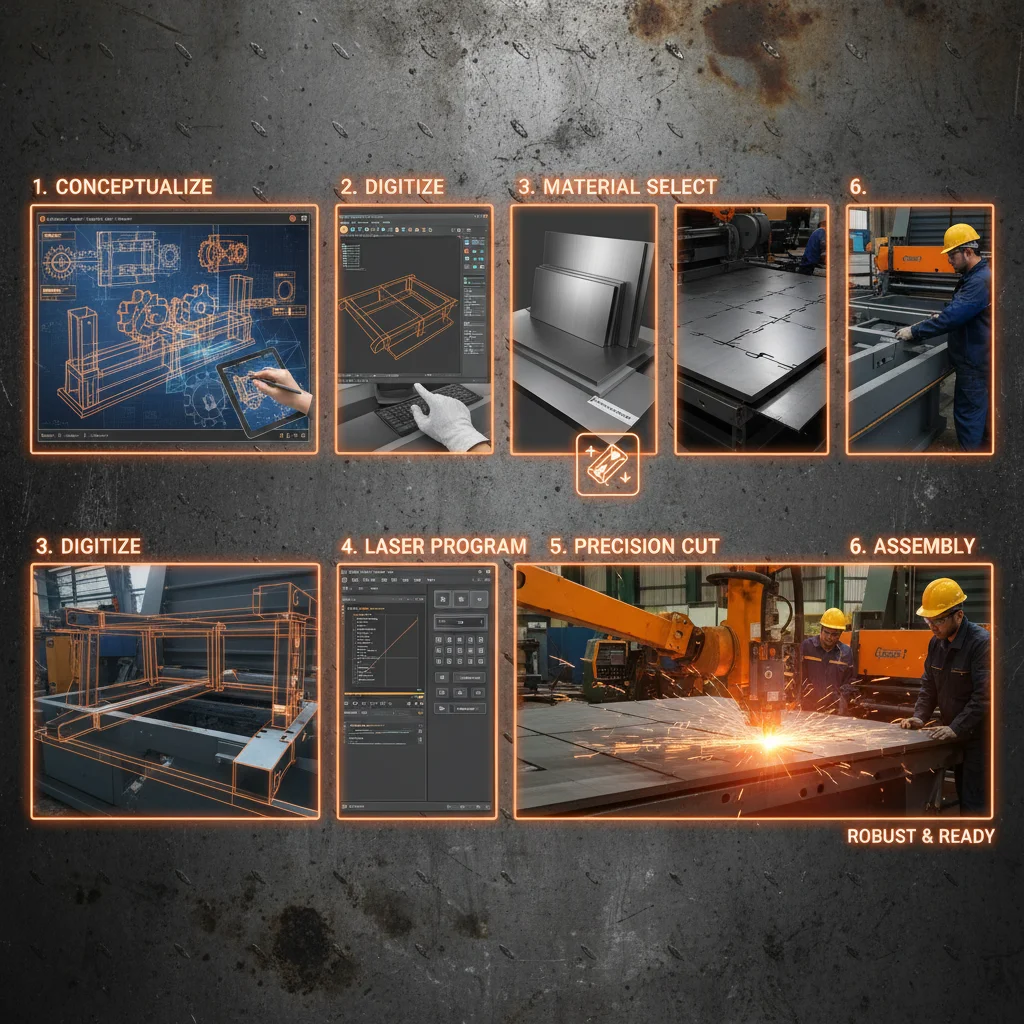
At its core, cnc and laser cutting refer to digitally guided methods for shaping materials. CNC, or Computer Numerical Control, involves automated machine tools controlled by programming codes to carve or mill components. Laser cutting, on the other hand, employs highly focused light beams to slice through metals, plastics, or fabrics with fine accuracy. Together, these techniques revolutionize manufacturing by enabling rapid prototyping, complex geometries, and minimal material waste — essential in modern industrial and humanitarian applications alike.
Both CNC and laser cutting machines operate with micrometer accuracy — vital for parts in aerospace or medical devices. This level of control means fewer defects and less rework, saving costs in the long run.
These machines can handle various materials, including metals, wood, plastics, and composites. Scaling production from a single prototype to bulk manufacturing is straightforward.
Laser cutting, especially, can complete jobs in minutes that once took hours, boosting turnaround times dramatically.
Integration with CAD/CAM software streamlines workflows and reduces manual intervention, enhancing repeatability and reducing workforce strain.
While initial investments may be high, the reduction in material waste and improved speed make these technologies cost-effective over time.
| Specification | CNC Milling Machine | Laser Cutting Machine |
|---|---|---|
| Material Range | Metals, plastics, wood | Thin metals, acrylic, fabric |
| Max Thickness | Up to 300mm | Up to 25mm (varies by material) |
| Precision | ±0.01 mm | ±0.02 mm |
| Cutting Speed | Variable, up to 500 mm/min | High, up to 2000 mm/min |
| Automation Level | High (CAM integration) | High (automated loading options) |
From the automotive hubs in Germany to industrial zones in Southeast Asia, cnc and laser cutting have broad reach. For instance, aerospace components require steel parts milled with extreme precision — think Boeing or Airbus contracts. Laser cutting thrives in electronics manufacturing, slicing circuit boards in Shanghai or Seoul with minimal deformation.
Humanitarian organizations also adopt these technologies. In post-disaster relief, 3D-printed shelters with laser-cut aluminum components can be dispatched swiftly. Remote industrial areas rely on on-demand spare parts created via CNC milling, reducing downtime significantly. Oddly enough, the environmental sector even uses laser cut materials for solar panel frames and wind turbines, a key sustainability intersection.
| Vendor | Machine Types | Typical Markets | Unique Strengths |
|---|---|---|---|
| TopStar Laser | Fiber & CO2 Laser Cutters | Automotive, Electronics, Healthcare | High precision, energy efficient |
| Haas Automation | CNC Milling & Turning Centers | General Manufacturing, Aerospace | User-friendly controls, robust build |
| TRUMPF | Laser Cutting, Punching | Sheet Metal, Industrial Engineering | Automation & Industry 4.0 integration |
You can't overstate the tangible benefits. Cost savings accrue from reduced material waste and lower labor costs, thanks to automation. Sustainability gets a boost—laser cutting burns through metals cleanly, minimizing scrap and emissions. From a social viewpoint, these technologies enhance worker safety by limiting manual cutting risks. Plus, there’s a certain trust and reliability embedded into products made this way; clients know that components will meet exact specs, every single time. And honestly, it feels like a leap toward smarter, more responsible manufacturing.
The future’s exciting here. We're seeing the integration of AI-driven machine learning to optimize cutting paths dynamically, reducing cycle times even further. Green energy-powered CNC and laser systems are emerging, aligning with global carbon neutrality goals. Additive manufacturing and laser cutting combined offer hybrid solutions for complex parts. Automation upgrades are enabling factories to run 24/7 with minimal human oversight — a development that frankly changes the game for supply chains worldwide.
Of course, there are hurdles. Costs for advanced CNC and laser machines can be prohibitive for smaller enterprises. Skilled operator shortages persist, despite increasing training programs. Material limitations also exist; for example, some reflective metals pose problems for laser cutters. Solutions include leasing models to ease cost burdens, augmented reality (AR) training for accelerated learning, and ongoing R&D into new laser wavelengths to tackle tricky materials.
CNC and laser cutting technologies stand at the confluence of precision, efficiency, and sustainability. They empower industries worldwide to innovate faster and produce smarter, creating lasting benefits. Whether you’re designing complex aerospace parts or crafting humanitarian aid equipment, these tools are game changers. Curious to see what solutions fit your needs? Visit our website: cnc and laser cutting to explore options, specs, and expert guidance.
It’s funny how a beam of light or a precision tool can shape entire industries — sometimes the future really is cutting-edge.