Shijiazhuang Topstar
International Trading Co., Ltd.


Get In Touch
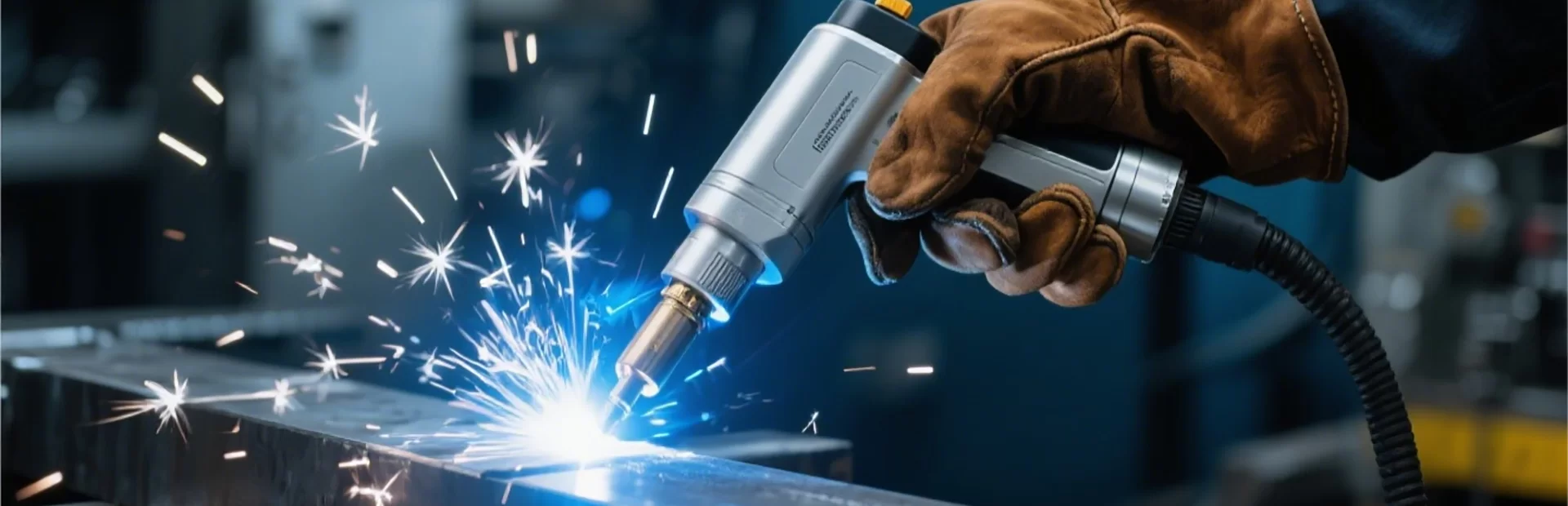
The high temperature generated by the electric current causes the contact area between the shelf beam and the side hook to partially melt, and fuse under pressure to form a firm connection, thus achieving welding and fixation of the two.
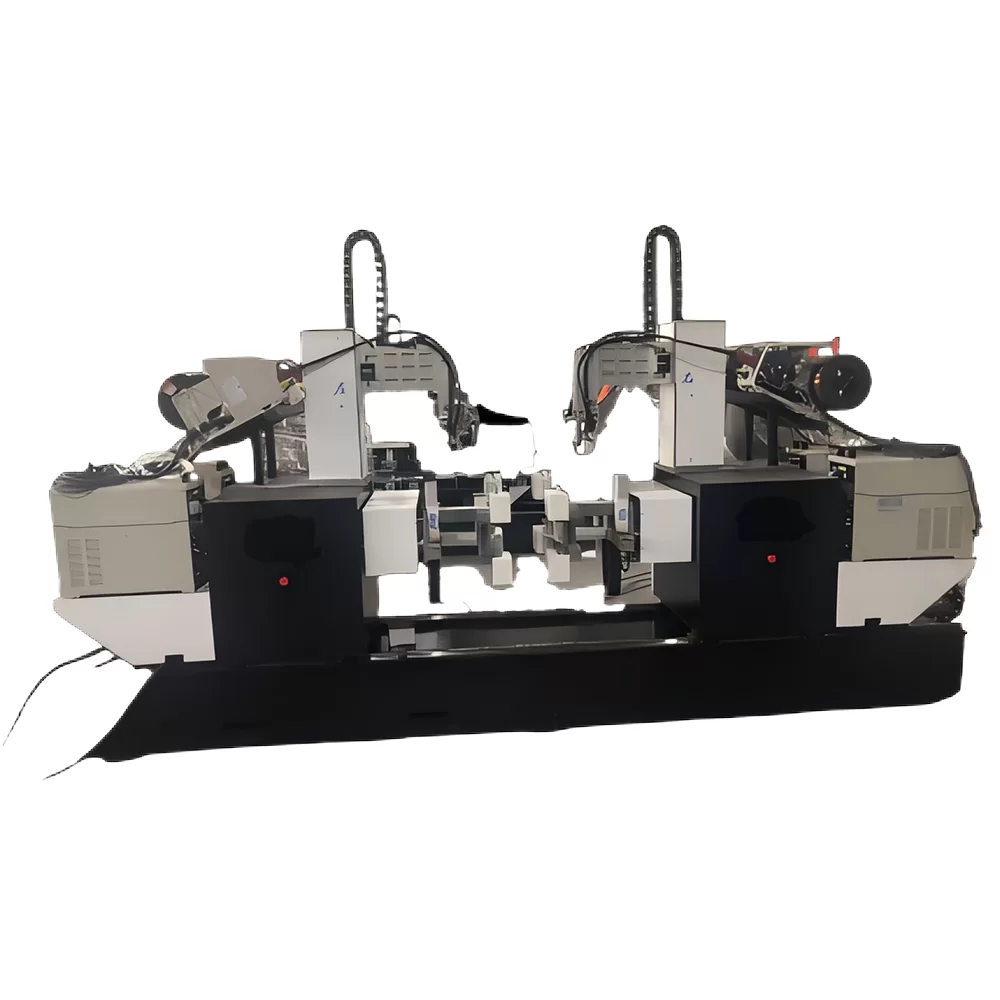
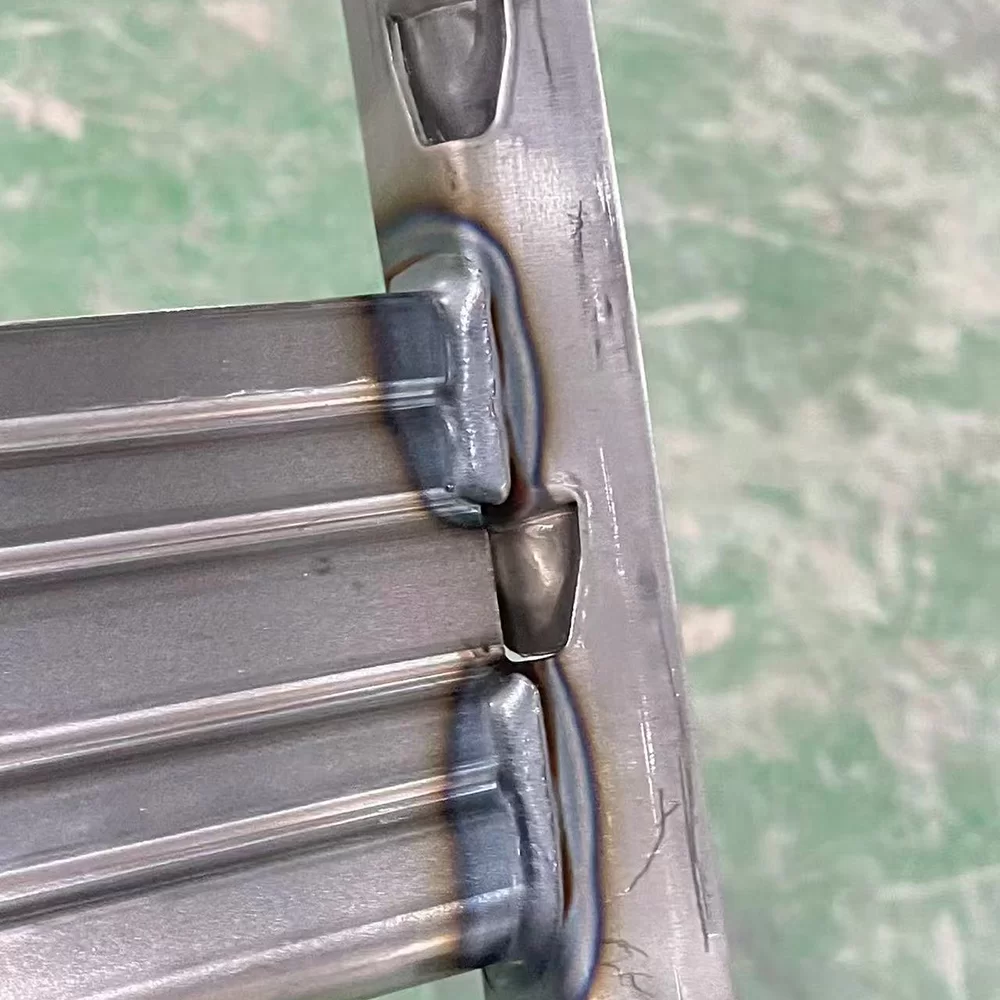
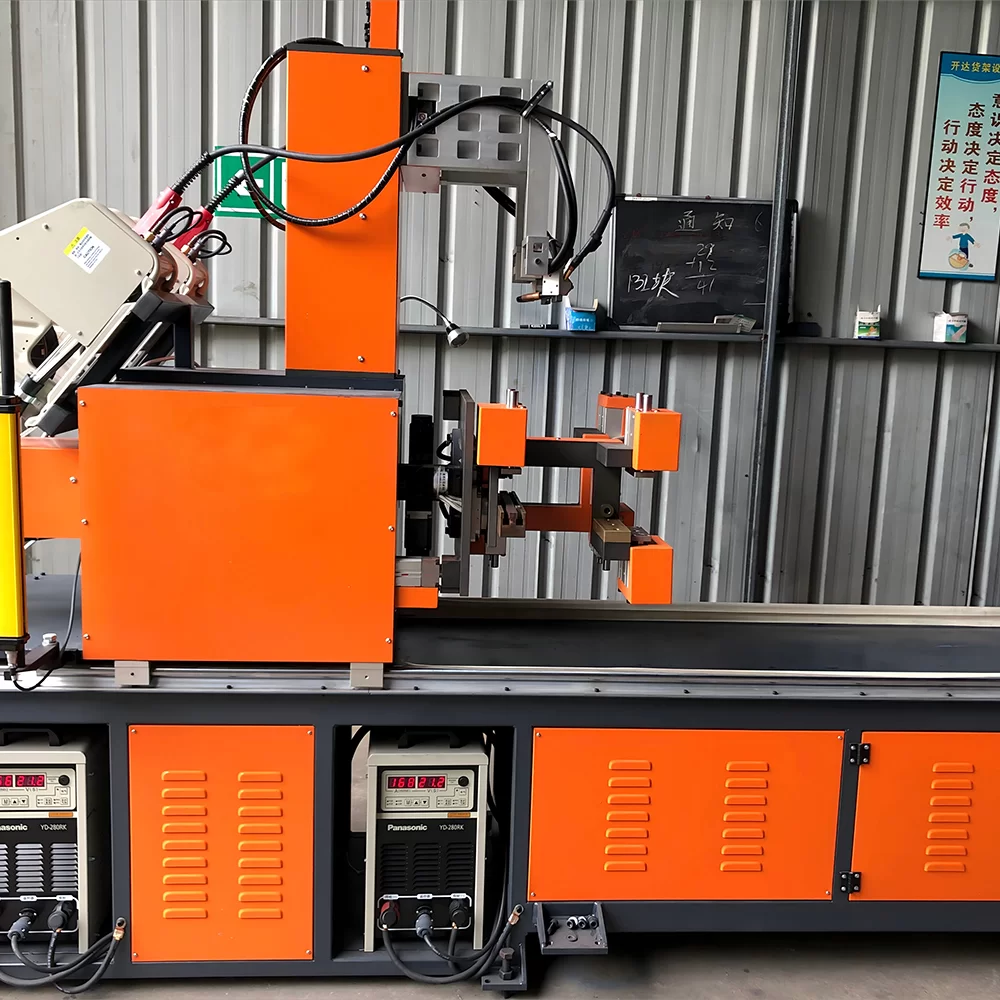
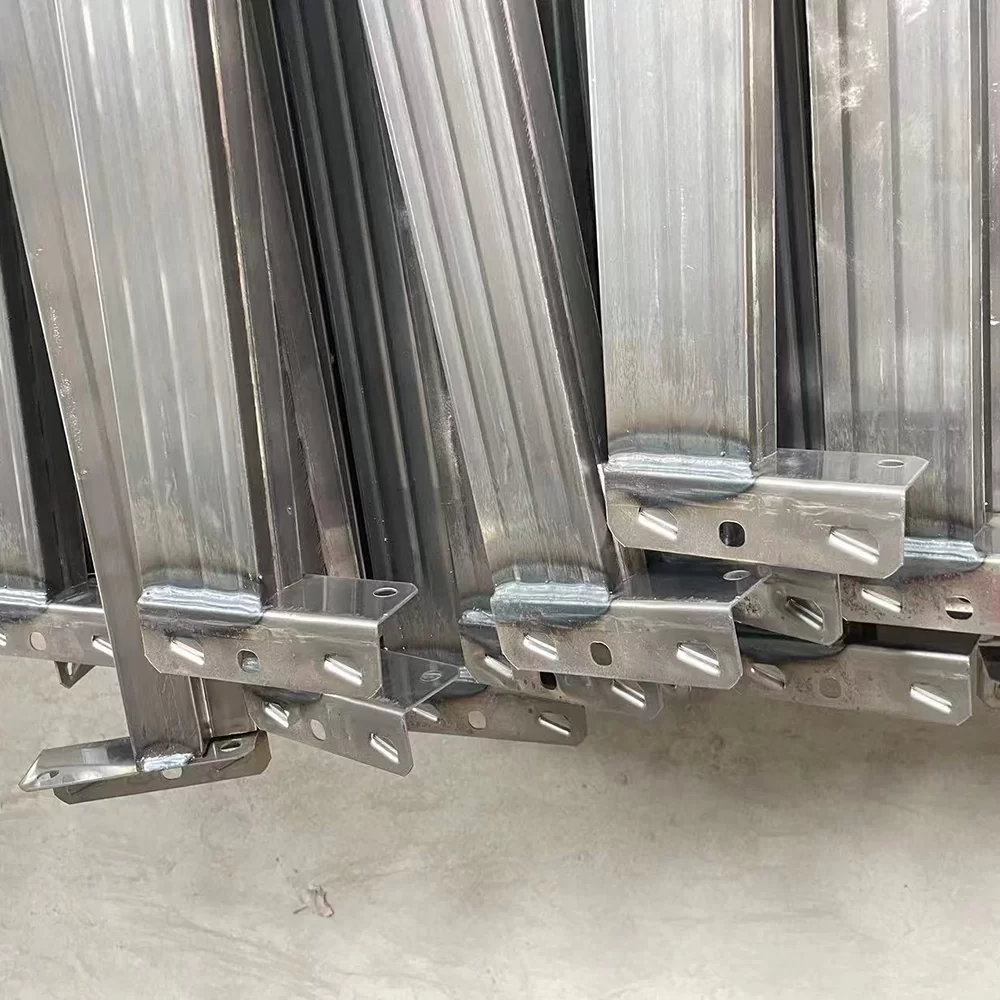
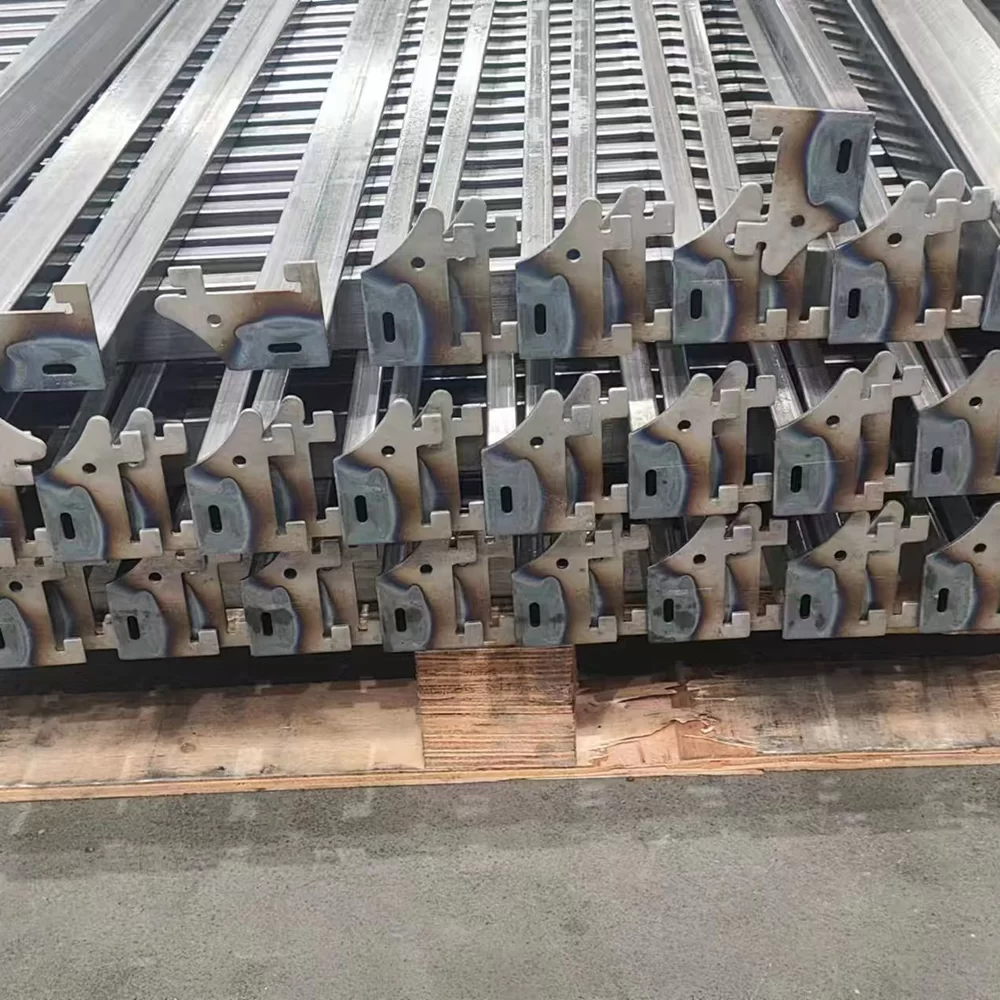
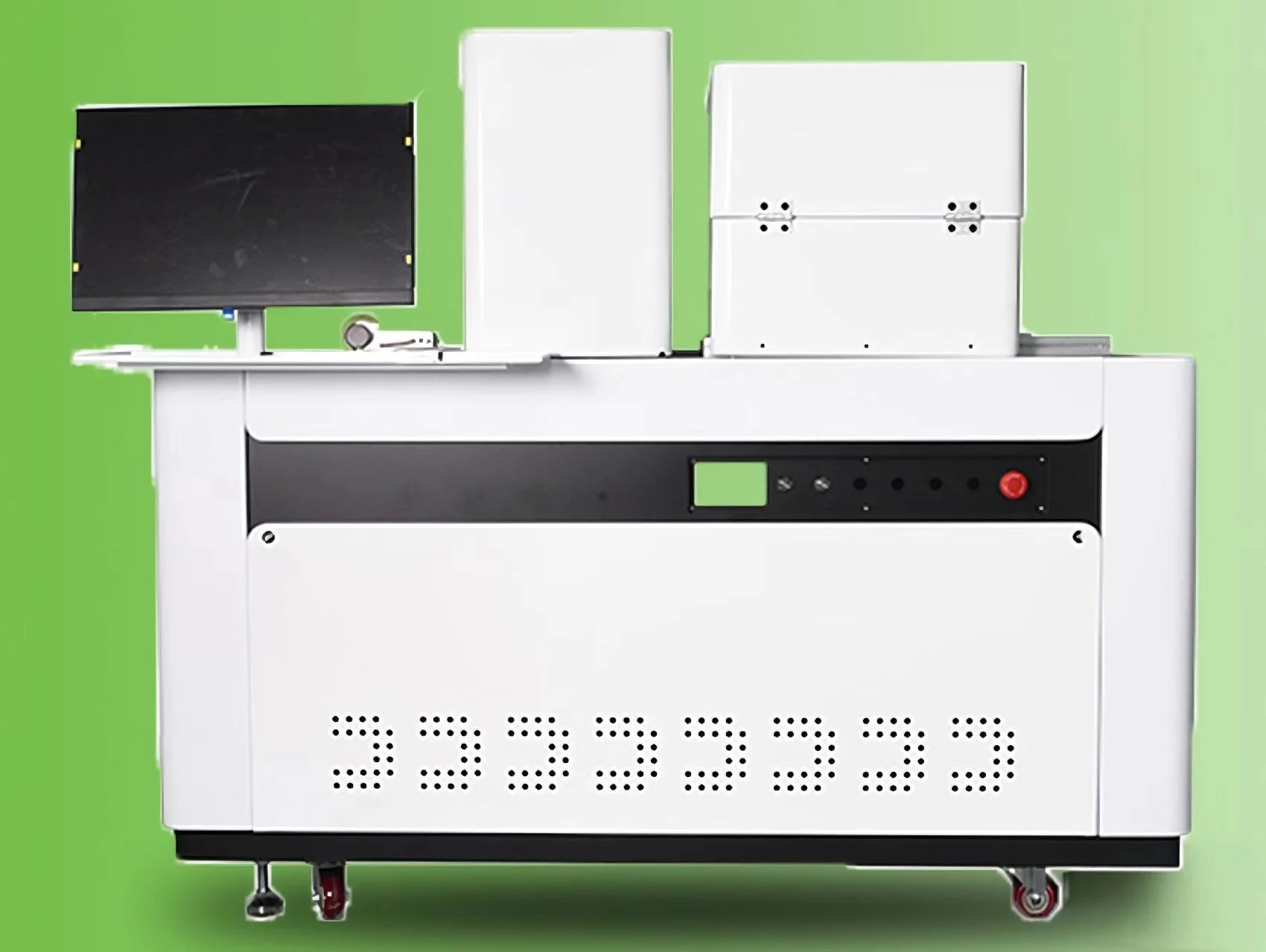
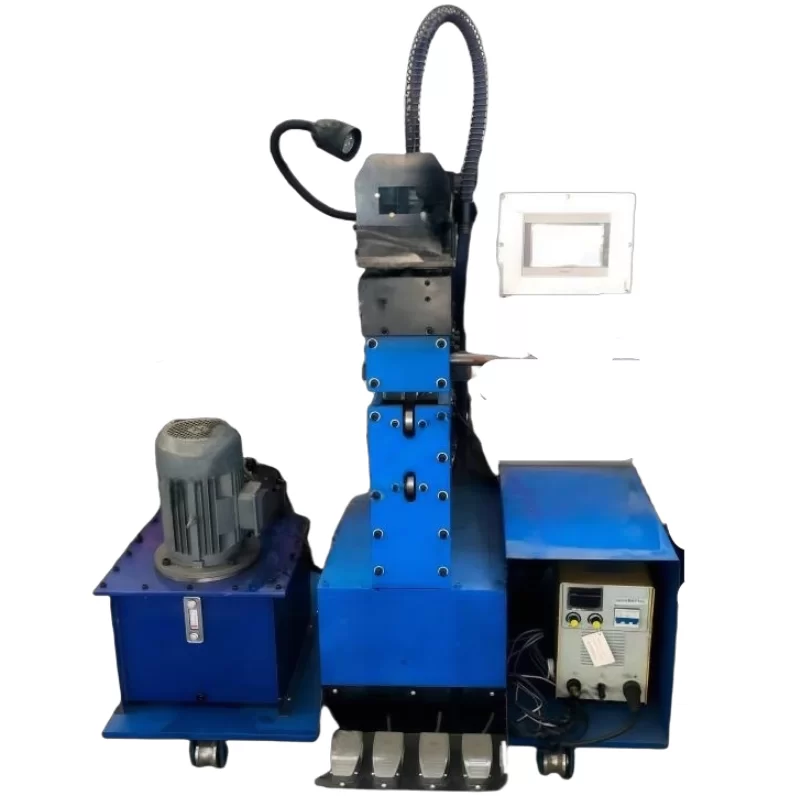
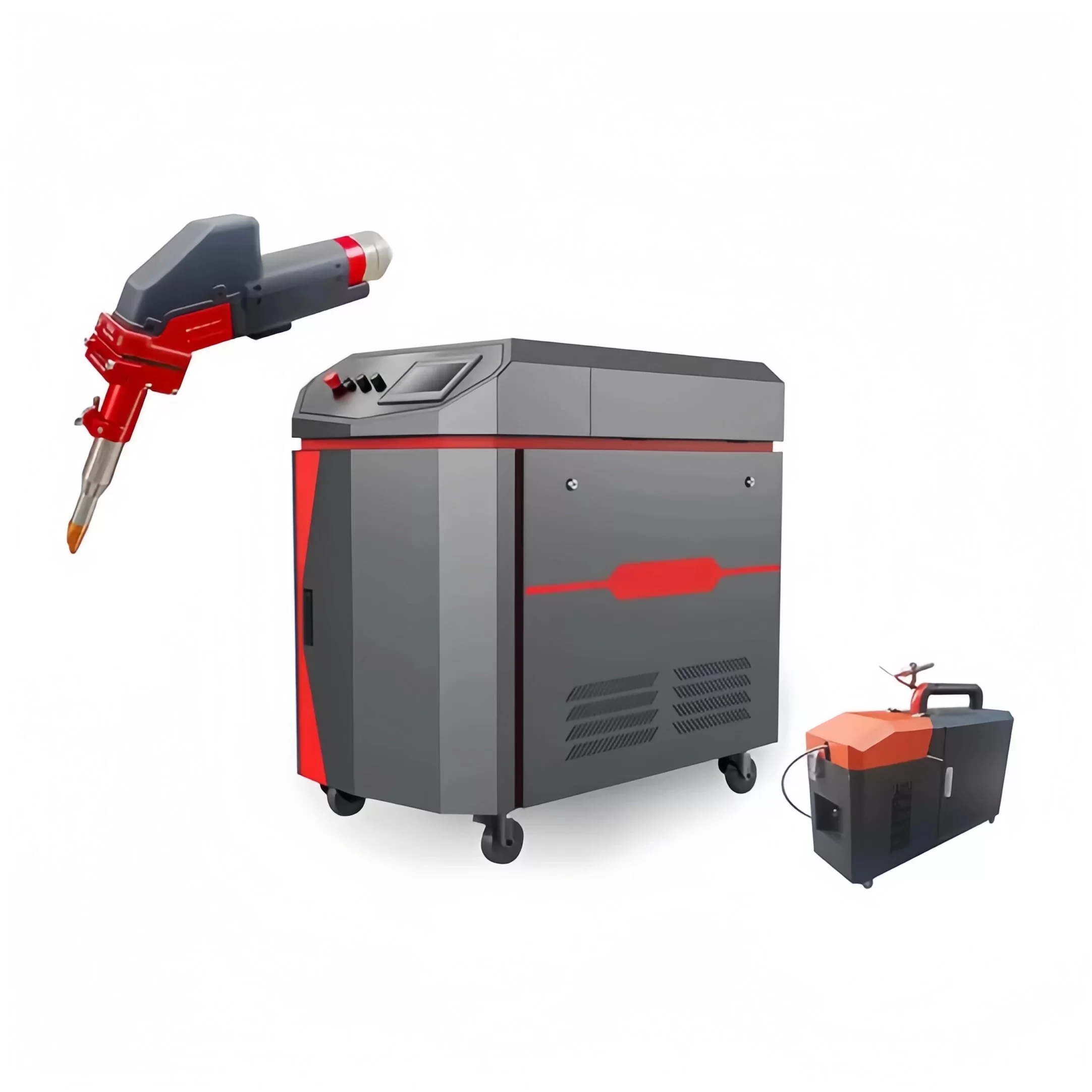
Welding machine for storage beam and side hook is a special equipment used for welding key components in shelf production. It is mainly used for the connection welding of shelf beams and side hooks. It has the characteristics of high efficiency and precision and is widely used in the field of storage shelf manufacturing.
1. The high degree of automation allows for quick completion of welding work. The output of one welding machine is usually equivalent to the output of several workers welding manually, enabling continuous and efficient production and reducing production time costs.
2. By precisely controlling welding parameters such as current, voltage and welding time, the quality and consistency of the welded joints are guaranteed, the welds are uniform and beautiful, and the welding quality is stable and is not affected by human emotions and differences in technical levels.
3. Usually controlled by PLC, the operator does not need to be proficient in welding technology. He can complete the welding task by simply setting the relevant data through the touch screen. The data can be saved and can be directly called up the next time the same model product is welded without re-entering.
4. There is no need for manual operation to hold the welding gun for a long time, which solves the problem of high labor intensity and easy fatigue of operators in manual welding and reduces the physical exertion of workers.
5. Safety devices and alarm systems, such as emergency stop buttons and protective shields, effectively isolate hazardous gases and sparks generated during welding, reducing the risk of operator injury. Some welders also feature a post-weld cooling system for added safety.
6. The system integrates multiple welding technologies to adapt to rack materials of different materials and thicknesses. By adjusting the fixture and welding parameters, it can meet the welding requirements of rack beams and lugs of different sizes and shapes.
7. The use of advanced welding technology and materials can reduce energy consumption and environmental pollution, meeting environmental protection requirements and sustainable development needs.
Welding machines for storage beam and side hook are mainly used in the production and manufacturing of storage shelves. Their core function is to achieve efficient and precise welding of shelf beams and side hooks.
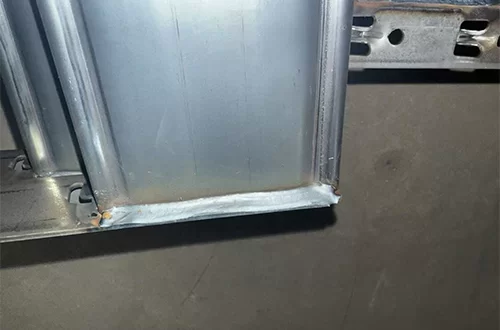
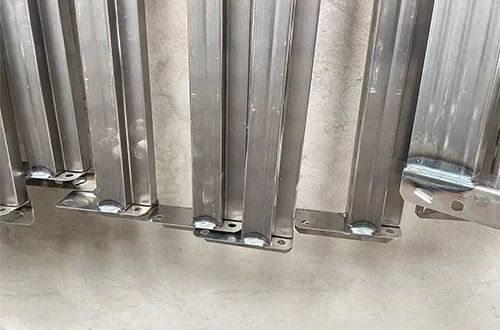
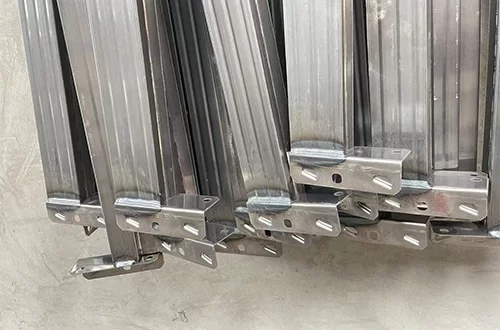
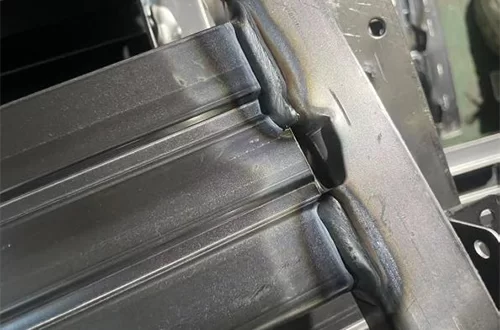
The manufacturing of modern storage systems requires joining components that can withstand immense structural loads. While traditional arc welding has served the industry for decades, the integration of laser technology into a welding machine for storage beam and side hook represents a significant leap forward in assembly science. To understand the laser beam welding (LBW) process, one must look at the physics of light-to-heat conversion and how it specifically applies to the geometry of shelf beams and their accompanying side hooks (connectors).
The Physics of the Laser Beam
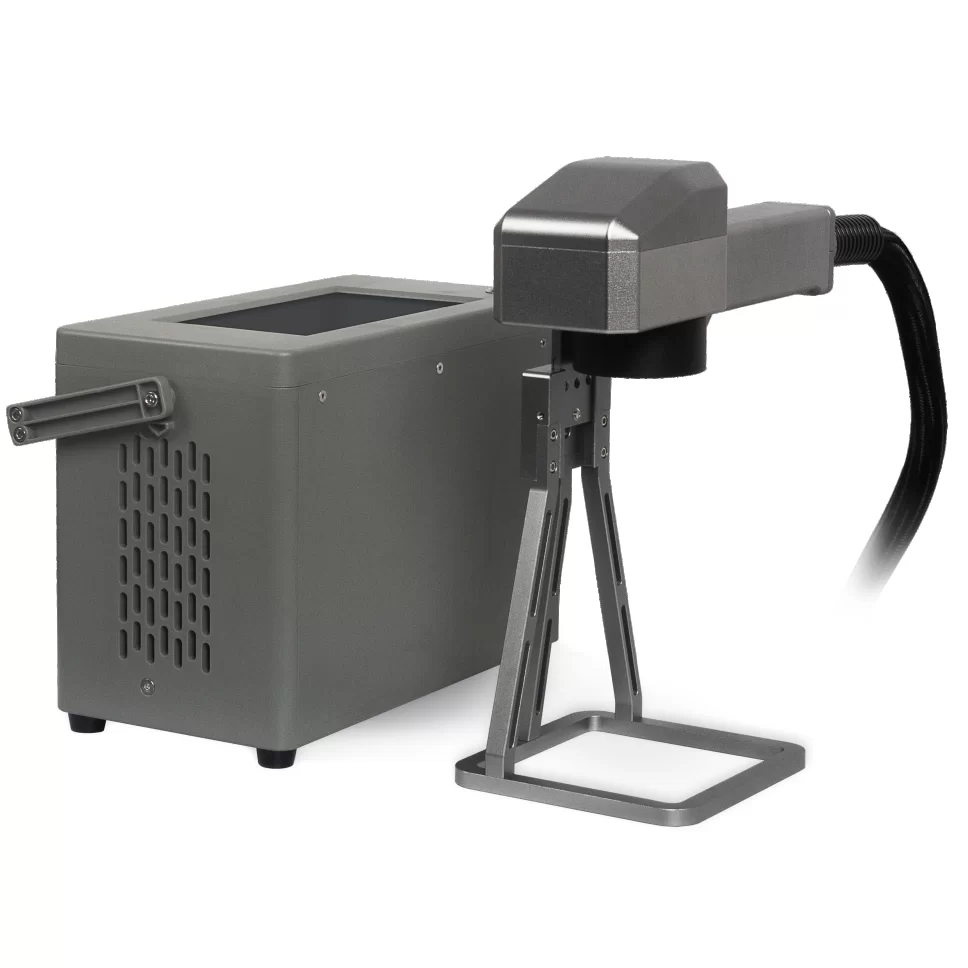
Laser beam welding is a ""power density"" process. Unlike traditional methods that use an electrical arc to melt metal, a laser uses a concentrated beam of coherent light. In a typical laser beam welder for sale today, a fiber laser source generates a beam with a wavelength usually around 1070nm. This light is delivered through a flexible fiber optic cable to the welding head, where high-precision lenses focus the energy into a spot as small as 0.1mm to 0.5mm in diameter.
When this high-intensity light hits the surface of the beam or hook, the metal atoms absorb the photonic energy and begin to vibrate, generating heat almost instantaneously. The process transitions from ""conduction mode"" to ""keyhole mode."" In keyhole welding, the laser actually vaporizes a small amount of metal, creating a thin cavity of metal vapor surrounded by molten metal. This allows the laser energy to penetrate deep into the joint, creating a weld that is much deeper than it is wide.
Precise Parameter Control
A core feature of the side hook welding machine is its ability to manage parameters such as current, voltage, and welding time—or in the case of laser systems, Power and Frequency. Because the laser spot is so small, there is no room for error.
Power Density: If the power is too low, the laser will reflect off the racking material. If it is too high, it can blow through the thin-walled storage beam.
Wobble Technology: Many modern storage beam welders use ""beam oscillation."" By moving the laser spot in a high-frequency circular or zig-zag pattern, the machine can bridge small gaps that naturally occur between the beam and the side hook, ensuring a robust and uniform weld bead.
The production of pallet racking is a high-volume industrial activity where consistency is just as important as speed. A comprehensive storage beam welding solution must address the entire workflow: from the feeding of the raw roll-formed beams to the precise attachment of the side hooks (connectors) that allow the beam to lock into the upright frames. Utilizing a specialized storage beam welding machine is the industry standard for achieving these goals.
Automation and Throughput
The most significant advantage of an automated solution is the high degree of automation that allows for 24/7 production. In a manual setup, a welder must pick up the side hook, align it with the end of the beam, clamp it, and then perform the weld. This process is slow and prone to human error.
A dedicated beam welding machine typically utilizes a dual-station design. While the robotic or automated arms are welding the hooks on one beam, the operator (or a secondary automated system) is loading the next beam into the fixture. This ""parallel processing"" ensures that the output of one machine far exceeds that of several workers welding manually. For a pallet racking manufacturer, this means a dramatic reduction in the ""cost per weld"" and a much faster time-to-market.
Safety and Ergonomics in the Factory
Industrial welding produces intense ultraviolet light, sparks, and toxic fumes. A professional welding machine for storage beam and side hook integrates protective shields and emergency stop buttons to create a safe work environment. Because the machine handles the long-term holding of the welding torch, the operator is freed from high labor intensity. This shift from ""manual labor"" to ""equipment monitoring"" fulfills corporate social responsibility goals by reducing worker fatigue and the long-term health risks associated with manual welding.
Selecting the right equipment for a rack manufacturing facility is a strategic decision that affects capacity for years. It is not just about the price, but about versatility, technology, and long-term reliability. When evaluating a welding machine for storage beam and side hook, several technical factors must be considered to ensure the equipment matches your specific production needs.
Compatibility with Materials and Dimensions
The first step is to assess the range of products you produce. Are your beams made of standard carbon steel, or do you work with galvanized materials? Is the wall thickness consistent, or do you produce heavy-duty ""H-beams"" for cantilever racking?
A high-quality storage beam welding machine must be integrated with multiple welding technologies to adapt to different materials. For example, if you produce heavy-duty structural racking, you might need a machine that can function as an h beam welding machine with high penetration capabilities. Conversely, for standard light-duty shelving, a machine optimized for speed and thin-gauge materials would be more efficient. Ensure the fixtures are adjustable so they can meet the welding requirements of rack beams and lugs of different sizes and shapes.
Safety Systems and After-Sales Support
Safety should never be an afterthought. When looking at a welding machine for storage beam and side hook, inspect the safety devices and alarm systems. Does it have a fully enclosed welding cabinet? Is there a fume extraction system to protect the air quality in your shop?
Furthermore, consider the long-term maintenance. Industrial equipment operates in a harsh environment; you need a supplier that offers robust after-sales support and readily available spare parts. Advanced features like a post-weld cooling system or remote diagnostics can significantly reduce downtime. Finally, consider the energy efficiency of the unit. Modern laser or inverter-based welders can reduce energy consumption, meeting sustainable development needs while lowering monthly utility costs.