Shijiazhuang Topstar
International Trading Co., Ltd.


Get In Touch
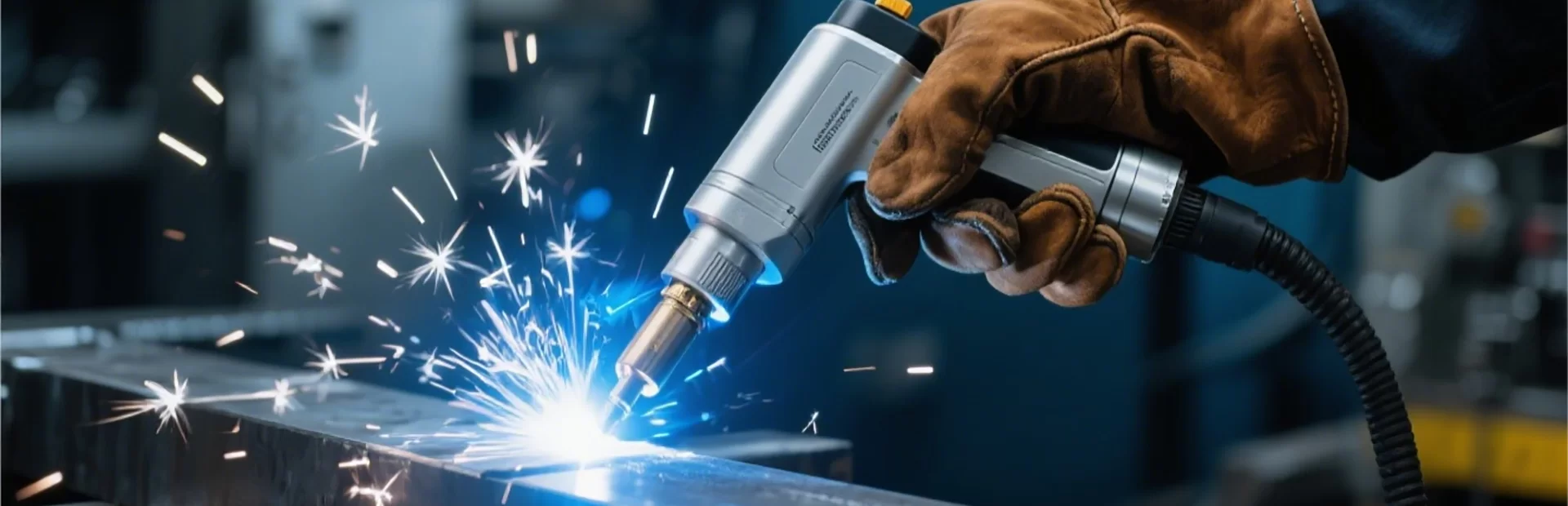
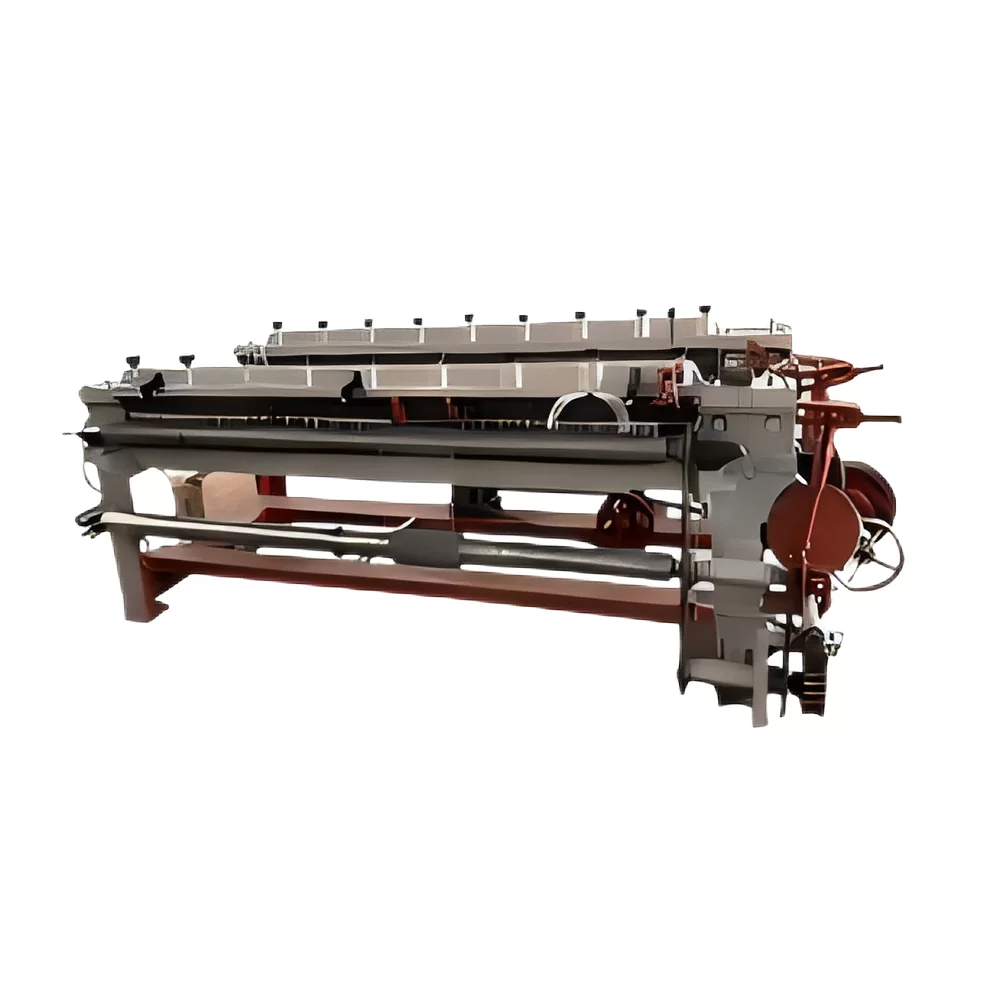
The chain link making machine efficiently converts metal wire into chain link mesh with a specific structure through the coordinated movement of the mechanical structure. It is an important equipment in the production of metal mesh products.
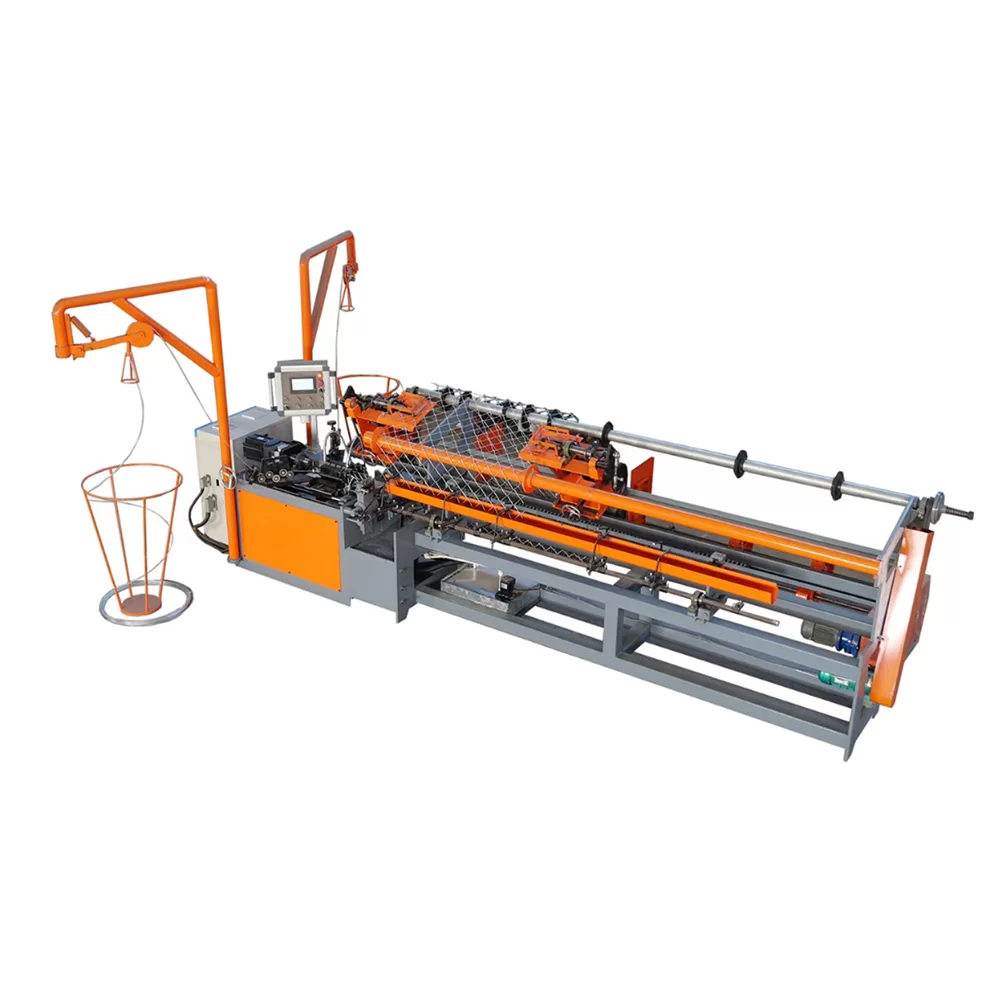
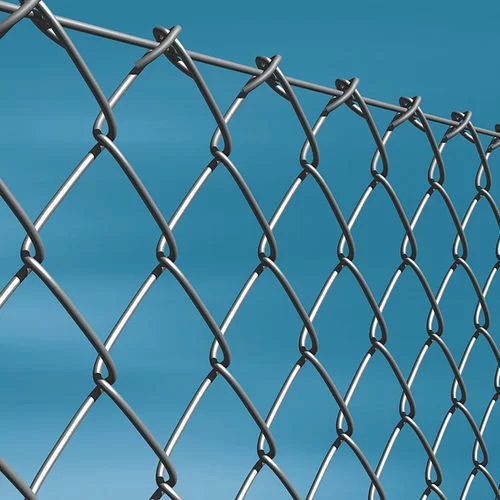
The chain link making machine's operating principle enables continuous production with a high degree of automation, making it suitable for producing coal mine support nets, stadium fencing, and aquaculture nets. The resulting mesh possesses excellent elasticity and impact resistance, a characteristic closely related to the structural properties of the diamond-shaped mesh—the mesh dissipates stress through deformation when subjected to force, making it less susceptible to tearing.
1.Chain link fence machines mostly adopt fully automatic or semi-automatic production modes, which can achieve continuous operation from feeding, weaving, cutting of raw materials (metal wire) to winding of finished products and reduce manual intervention.
2.Equipped with a PLC control system, parameters (such as mesh size, mesh width, wire diameter, etc.) can be set through the touch screen. Production can be automatically completed after one-click start, reducing dependence on operator skills.
3.Compared with traditional hand weaving, the chain link fence machine has a faster weaving speed, generally producing several meters to more than ten meters per minute (depending on the mesh size and wire diameter), which is suitable for large-scale batch production.
4.The equipment operates stably and is not prone to fluctuations in product quality due to manual fatigue, ensuring continuous and efficient output.
5.Mechanical weaving can ensure uniform mesh and smooth mesh surface, avoiding problems such as skewed mesh and uneven tightness that are common in manual weaving.
6.The tension of the metal wire is precisely controlled during the weaving process to reduce wire breakage and leakage, and improve the overall strength and service life of the product.
7.The equipment has a reasonable structure design and an intuitive operation interface, and workers can start work after simple training.
8.Key components (such as braiding wheels and wire feeding mechanisms) are made of wear-resistant materials with a low failure rate. Daily maintenance mainly includes cleaning, lubrication and replacement of wearing parts, and the maintenance cost is low.
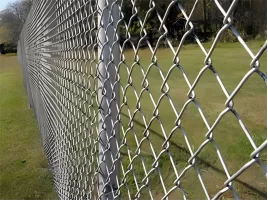
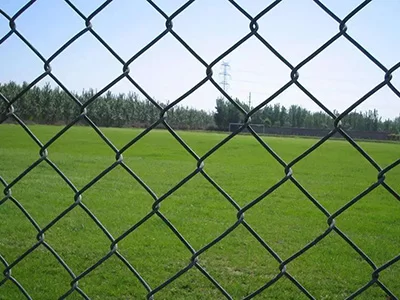
9.Since it can produce chain link fences of different specifications, the chain link fence machine's products can be used in a variety of scenarios such as road/railway guardrails, stadium fences, zoo fences, breeding cages, mining support nets, etc., and its scope of application covers construction, transportation, agriculture, sports and other fields.
The primary function of a chain link fence machine is to weave and twist metal wires using automated or semi-automated processes, creating diamond-shaped or other mesh structures. This machine efficiently and consistently produces chain link fences of varying specifications, providing mesh products for applications such as protection, aquaculture, construction, and decoration.

Wire diameter | 1.6mm-4.0mm |
Mesh size | 30mmx30mm-100mmx100mm |
Width | 4m |
Motor | 1.Main motor:1.5KW |
Voltage | According to your need |
Output | 100-120 Square Meters/h |
Control System | PLC automatic controller |
Dimension of the machine | Main machine:1.75×0.9x1m, |
Weight | 2.2Ton |
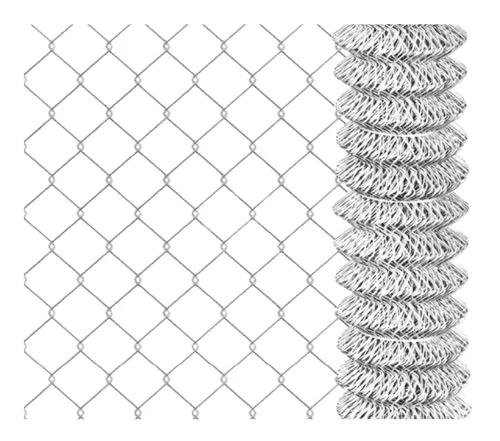
In the competitive landscape of modern industrial fencing production, the transition from manual weaving to high-speed automation is no longer a luxury but a necessity. A competitive fully automatic chain link fence machine price often reflects its status as a high-return investment for fence factories aiming to dominate the market in road, railway, and stadium guardrail production. Unlike traditional semi-automatic equipment, a fully automatic system integrates every stage of the manufacturing process—from wire payoff and straightening to the complex spiral weaving, cutting, and automatic rolling of the finished mesh.
The heart of a modern factory’s production line is the PLC (Programmable Logic Control) system. This electronic "brain" allows factory managers to input precise parameters such as mesh size (e.g., 50mm x 50mm), mesh width (up to 4 meters), and wire diameter (typically ranging from 2.0mm to 4.5mm). Once these parameters are set via an intuitive touch screen, the chain link manufacturing machine can operate with "one-click" simplicity. This level of automation ensures that the mesh remains uniform and the surface smooth, eliminating the common human errors of skewed weaving or uneven tension that plague manual or low-end mechanical processes.
For a high-volume factory, the goal is to maximize output while minimizing labor overhead. A fully automatic machine requires only one operator to monitor multiple units, as the machine handles the wire feeding, double-wire weaving (which doubles the production speed compared to single-wire versions), and the automatic "knuckling" or "twisting" of the mesh edges. This edge-finishing process is critical; knuckled edges are safer for sports fencing, while twisted/barbed edges are preferred for high-security mining or prison support nets.
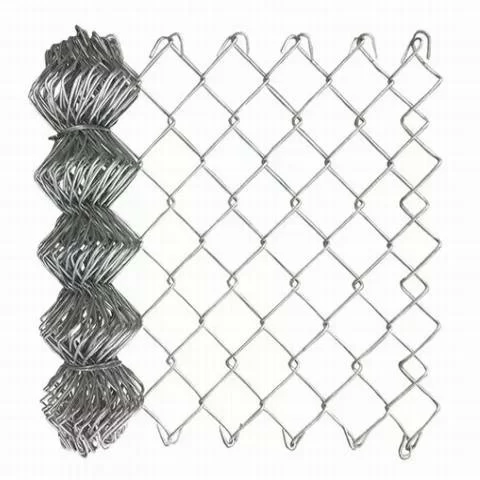
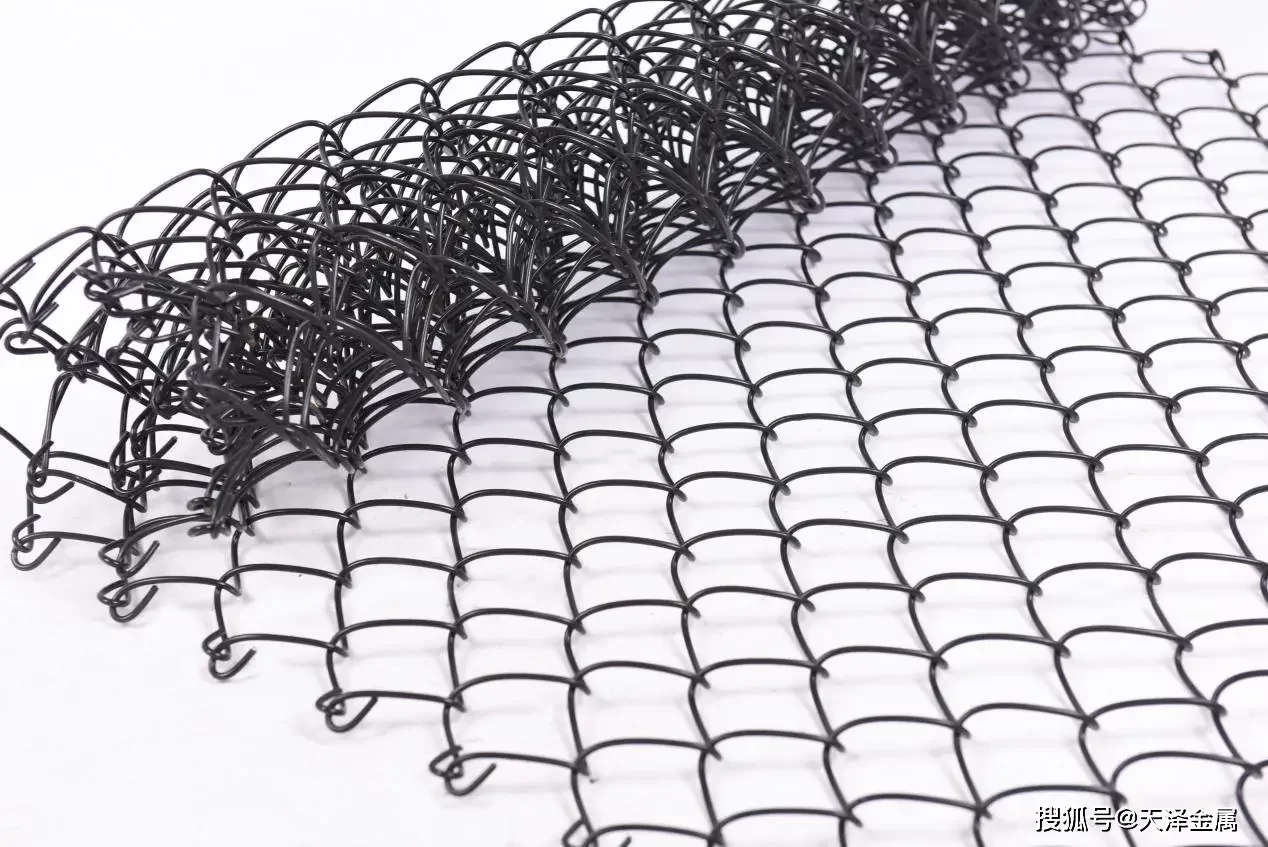
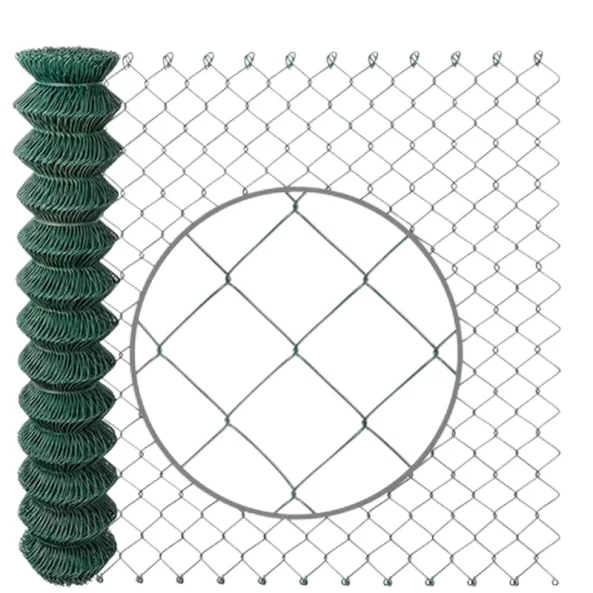
The structural properties of the diamond-shaped mesh produced by these machines are vital for demanding applications. Because the mesh is designed to dissipate stress through deformation, it possesses excellent elasticity and impact resistance. This makes the product highly sought after for coal mine support nets, where the mesh must withstand shifting earth pressures without tearing. By investing in a chain link fence making machine, factories can produce a product that is not only flexible but also durable enough for zoo enclosures and heavy-duty industrial barriers.
When evaluating the potential of a chain link fence machine for sale, the primary metric of concern for any entrepreneur is production capacity. Capacity is not just a measure of "meters per hour," but a complex calculation of wire speed, mesh density, and machine uptime. Modern high-efficiency machines are designed to produce significant volumes of mesh daily, depending on the wire gauge and the size of the diamond openings.
The weaving speed of a high-performance chain link fencing making machine is generally between several meters to more than ten meters per minute. However, the thickness of the wire plays a significant role. Thinner wires (2.0mm–2.5mm) allow the weaving mandrel to spin at higher speeds, whereas thicker galvanized or PVC-coated wires require more torque and slightly slower speeds to ensure the spiral is formed accurately. The high efficiency of the machine is achieved through the coordinated movement of the wire feeding mechanism and the braiding wheel, which must synchronize perfectly to avoid "leakage" or wire breakage.
To achieve the highest possible production capacity, manufacturers have turned to double-wire weaving technology. In this setup, two wires are fed into the machine simultaneously and woven into the existing mesh. This effectively doubles the output without significantly increasing the machine's footprint. Additionally, the inclusion of an automatic rolling machine at the end of the line allows the finished fence to be compressed and wound into tight, uniform rolls ready for shipping. This reduces downtime, as the machine does not need to stop frequently for manual roll removal.
Furthermore, the stability of the equipment is a key factor in capacity. A fully automatic chain link fence machine price that reflects high-quality components usually accounts for heavy-duty frames and wear-resistant materials that prevent fluctuations in product quality due to manual fatigue or mechanical vibration. By maintaining a constant tension on the metal wire through precision sensors, the machine avoids the micro-stoppages that occur when wire gets tangled or snaps.
To ensure the longevity of a chain link manufacturing machine, a rigorous maintenance schedule is essential. While modern machines are built with wear-resistant materials and intuitive operation interfaces, the nature of working with high-tension metal wire means that certain parts will experience friction and stress. A well-maintained machine not only lasts longer but also maintains the precision required for top-tier fencing products.
The most critical aspect of daily maintenance is lubrication. The braiding wheels, wire feeding mechanisms, and cutting blades are under constant motion. Operators should apply high-quality lubricant to all moving joints and transmission chains at the start of every shift. This reduces the friction that leads to overheating and premature part failure. Additionally, cleaning is paramount; metal shavings and dust can accumulate in the PLC cabinet or around the sensors, leading to electrical shorts or inaccurate readings.
Any reputable automatic chain link fencing machine manufacturer will provide a list of "wearing parts" that need periodic replacement. These typically include:
·
The Weaving Mandrel/Pipe: The core component that shapes the wire into a spiral. Constant friction eventually wears down the surface, which can affect the diamond shape.
Cutting Blades: To ensure smooth, burr-free cuts, the blades must remain sharp. Dull blades cause the wire to deform, leading to jams.
Wire Straightening Rollers: These ensure the wire enters the machine without kinks. If they become grooved, the wire will not feed smoothly.
The use of PLC control systems significantly simplifies troubleshooting. Modern machines can display error codes on the touch screen, allowing operators to identify exactly where a problem lies—whether it is a wire jam, a motor overload, or a sensor misalignment. By following the manufacturer's guidelines for simple training, even workers with basic skills can perform maintenance tasks. Keeping a stock of key components on-hand and performing a deep-clean overhaul every month will ensure that the equipment remains a reliable asset for years to come.