Shijiazhuang Topstar
International Trading Co., Ltd.


Get In Touch
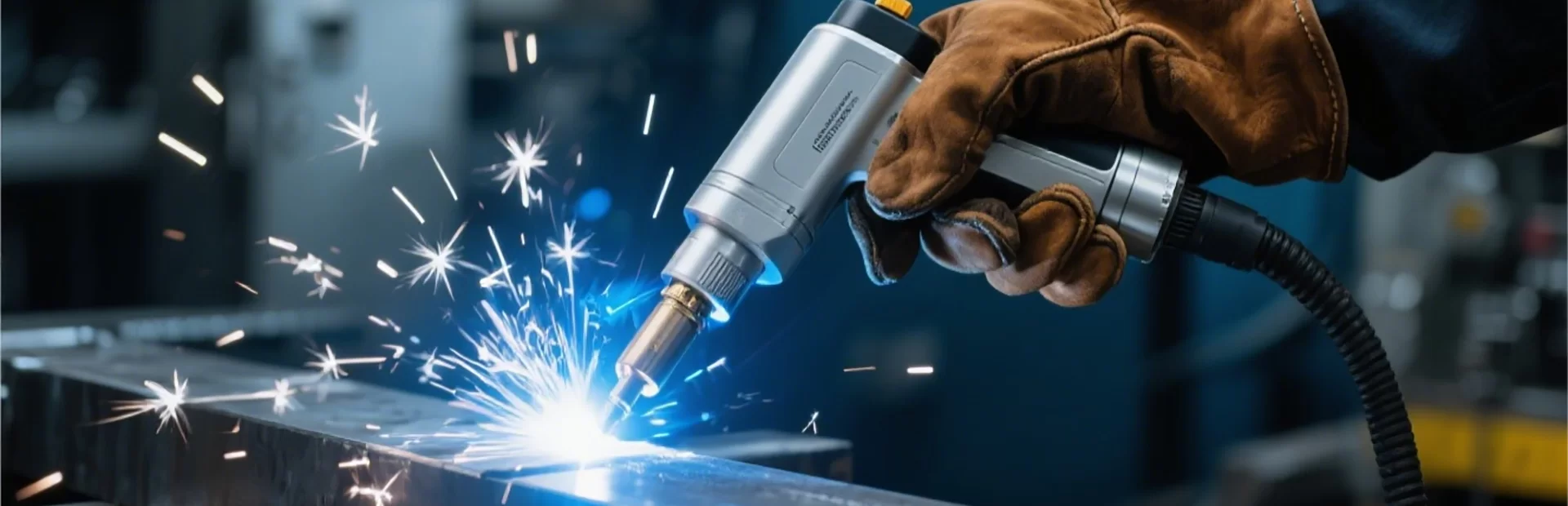
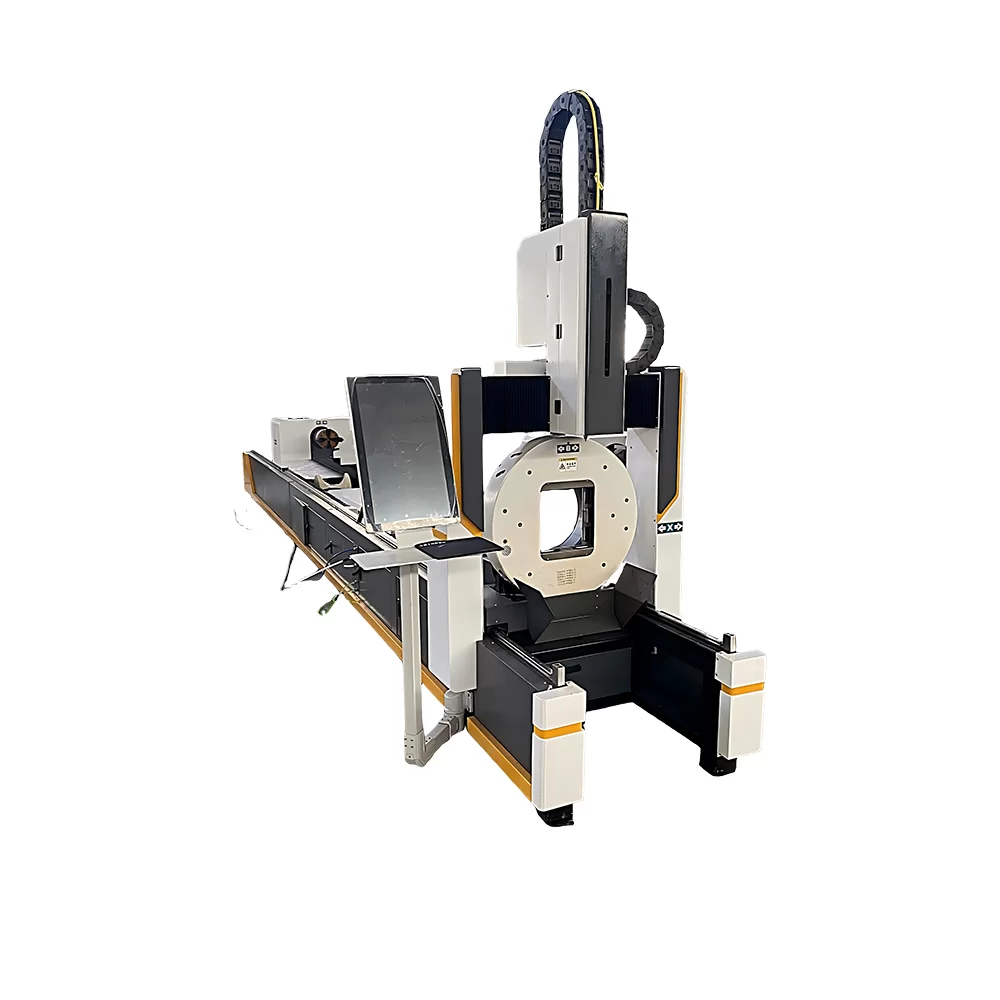
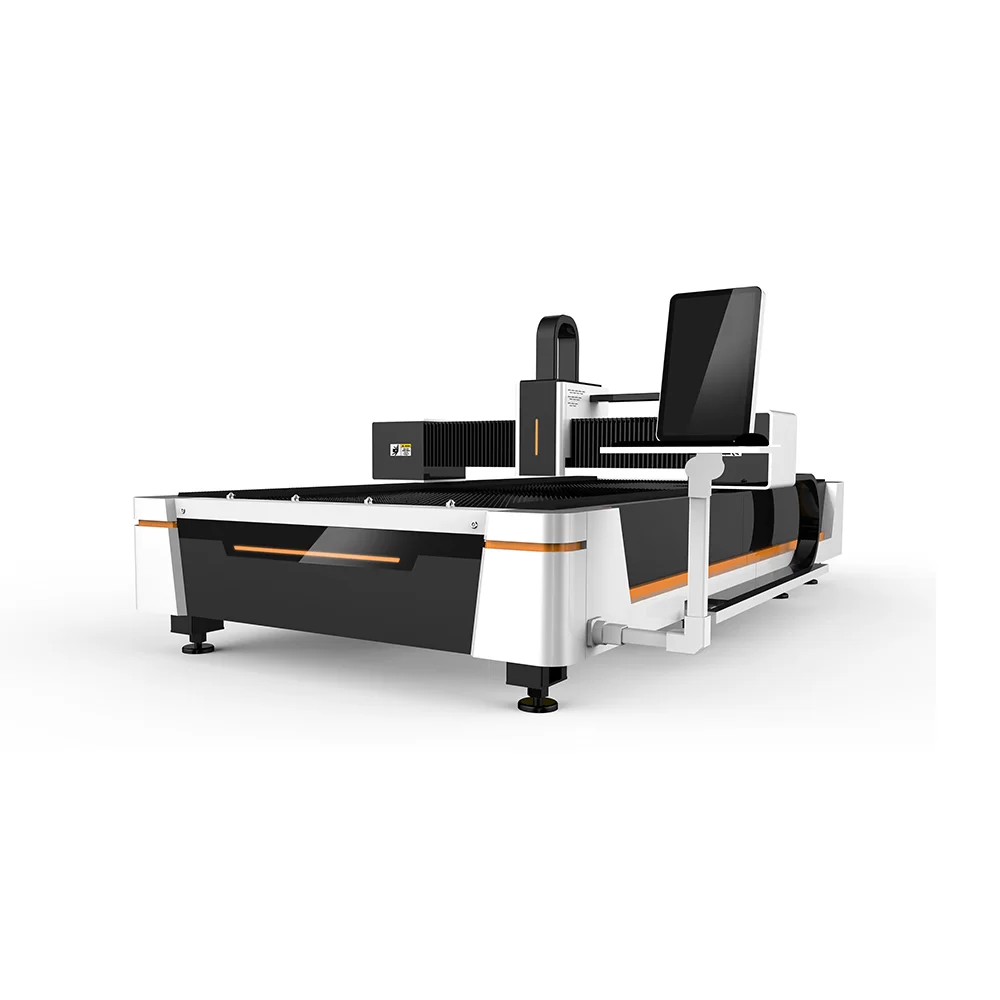
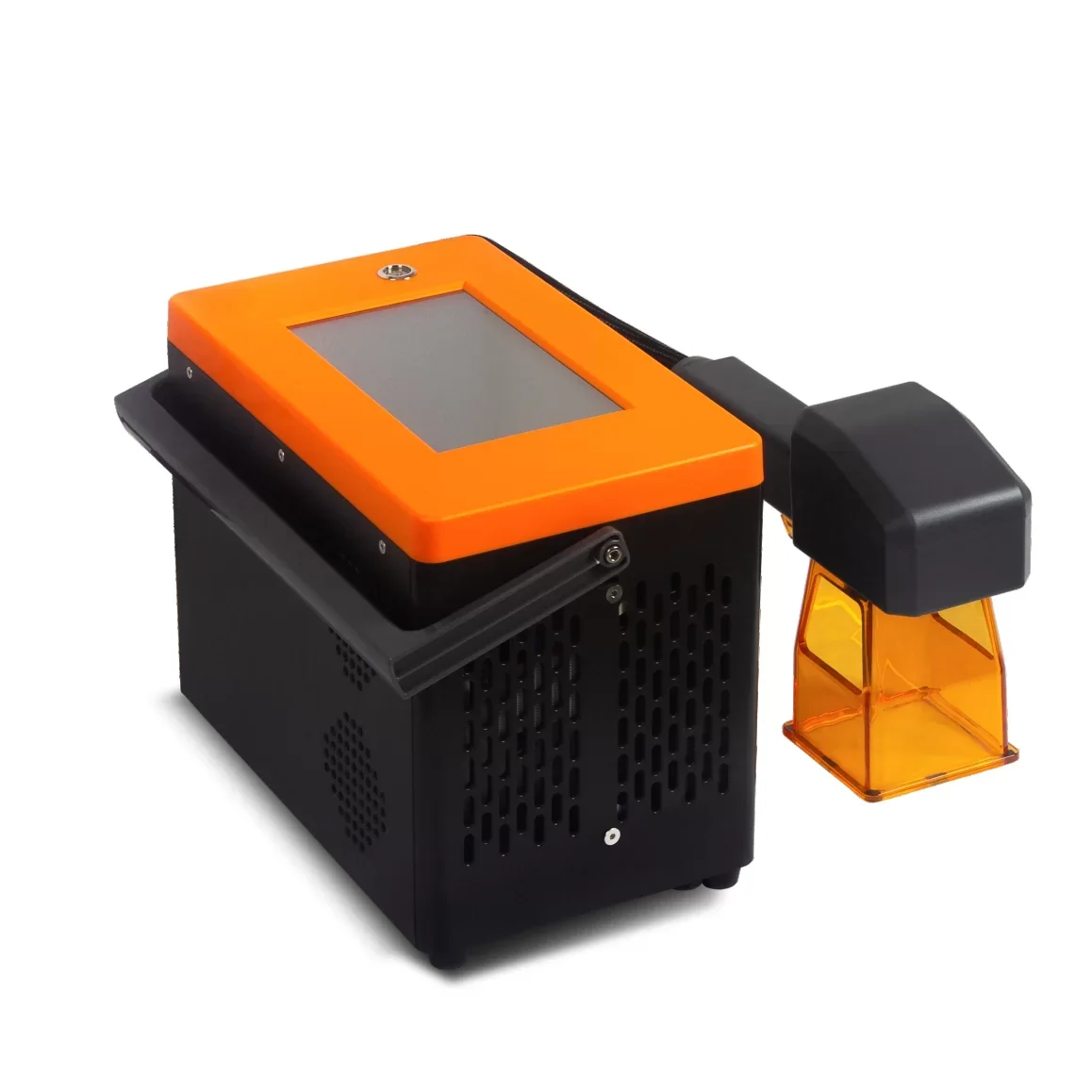
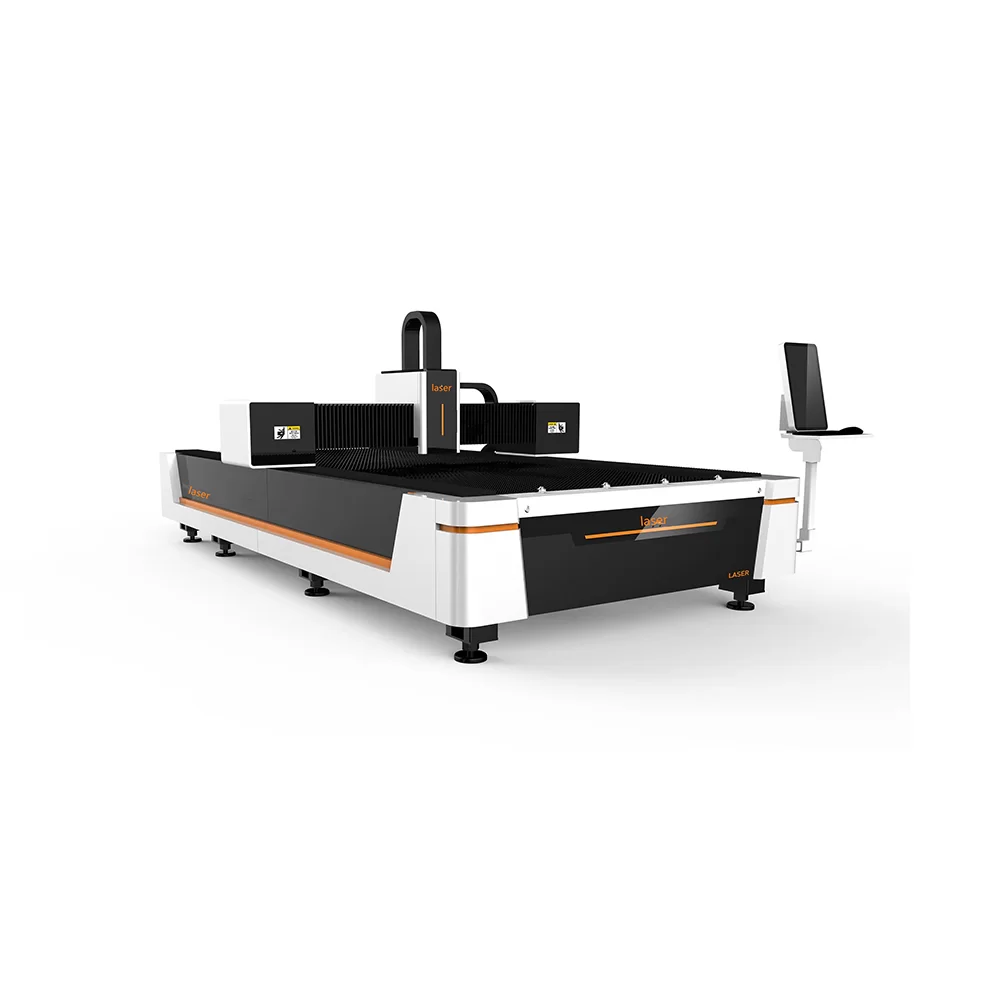
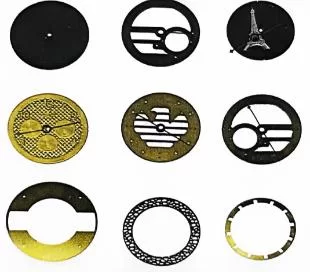
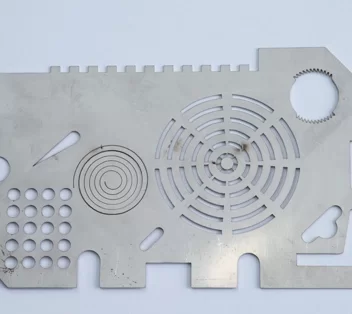
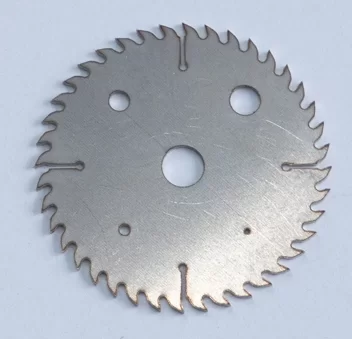
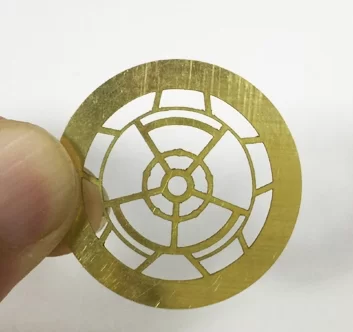
Precision laser cutting machine utilizes a high-energy-density, precision laser beam as a "tool" to perform high-precision cutting on various materials. Its core advantages lie in its precision and flexibility.
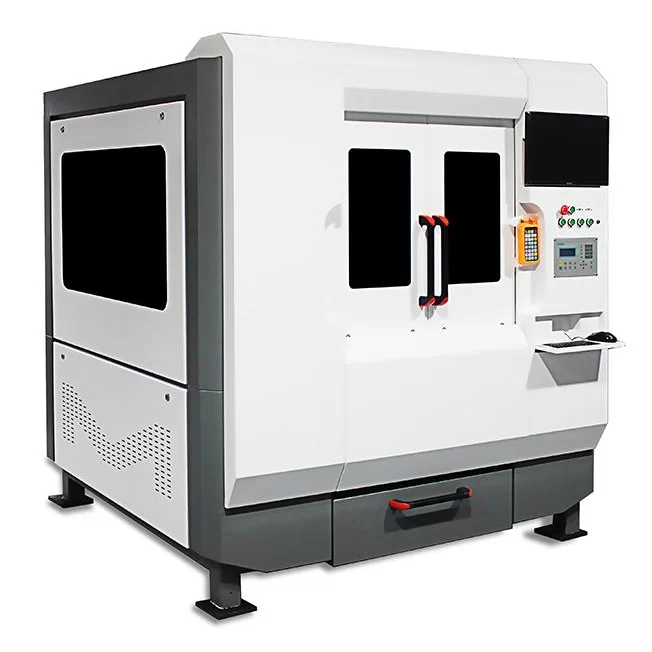
Precision laser cutting machines are core equipment for high-precision and high-flexibility material processing in modern manufacturing. Their essence is to use a high-energy-density focused laser beam to replace traditional mechanical tools, and to complete cutting through the physical/chemical interaction between the laser and the material (such as vaporization, melting, and peeling).
1.Flexible & Efficient: Changing the program instantly switches cutting patterns, achieving cutting speeds of over 10m/min on 1mm stainless steel, suitable for a wide range of products and mass production.
2.Wide Material Compatibility: Capable of cutting metals, non-metals, and specialty materials (sapphire, carbon fiber, etc.), breaking through the limitations of traditional machining. No Tool Wear: Lasers experience no physical wear, and annual maintenance costs are only 1/3 to 1/2 of those of traditional equipment.
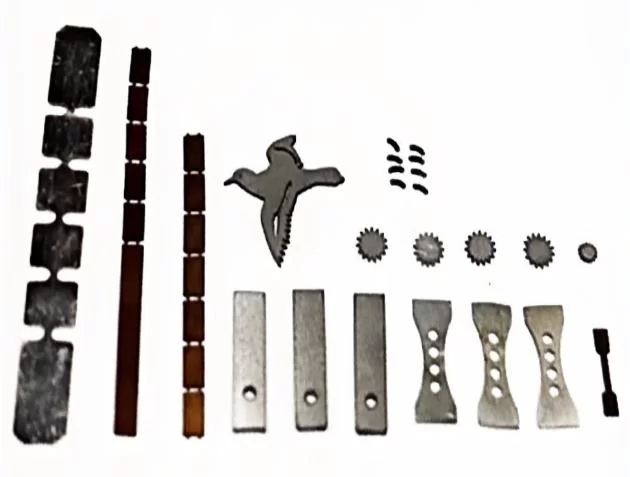
3.Capable of processing complex structures: Capable of cutting 0.01mm micro-holes, 0.02mm fine slits, and 3D special-shaped parts, pushing the boundaries of design.
Precision laser cutting machines are widely used in electronic information, medical equipment, automobile manufacturing, aerospace, consumer electronics, jewelry, packaging, photovoltaics and other fields, and are used for cutting and processing various high-precision materials.
Model series | MCT-6060 | ||||
model | MCT-6060-1000 | MCT-6060-1500 | MCT-6060-2000 | MCT-6060-3000 | MCT-6060-6000 |
Output power | 1000w | 1500w | 2000w | 3000w | 6000w |
type | continuous | ||||
Cutting product accuracy | 0.03 | ||||
Minimum hole diameter for cutting through holes | 0.1mm | ||||
Processing materials | Aluminum, copper, stainless steel metal materials | ||||
Effective cutting size | 600mm*600mm | ||||
Fixing method | Pneumatic clamping and fixture support | ||||
Drive system | linear motors | ||||
Positioning accuracy | +/-0.008mm | ||||
Repeatability | 0.008mm | ||||
CCD alignment accuracy | 10um | ||||
Cutting gas source | Air, nitrogen, oxygen | ||||
Cutting line width and fluctuation | 1.2KW | ||||
Cutting surface | Smooth, no burrs, no black edges | ||||
Machine warranty period | 1 year (excluding wearing parts) | ||||
weight | 1700Kg | ||||
Cutting speed | Stainless steel: 4MM (air) Aluminum plate: 2MM (air) Copper plate: 1.5MM (air) | Stainless steel: 6MM (air) Aluminum plate: 3MM (air) Copper plate: 3MM (air) | Stainless steel: 8MM (air) Aluminum plate: 5MM (air) Copper plate: 5MM (air) | Stainless steel: 10MM (air) Aluminum plate: 6MM (air) Copper plate: 6MM (air) | Stainless steel: 10MM (air) Aluminum plate: 8MM (air) Copper plate: 8MM (air) |
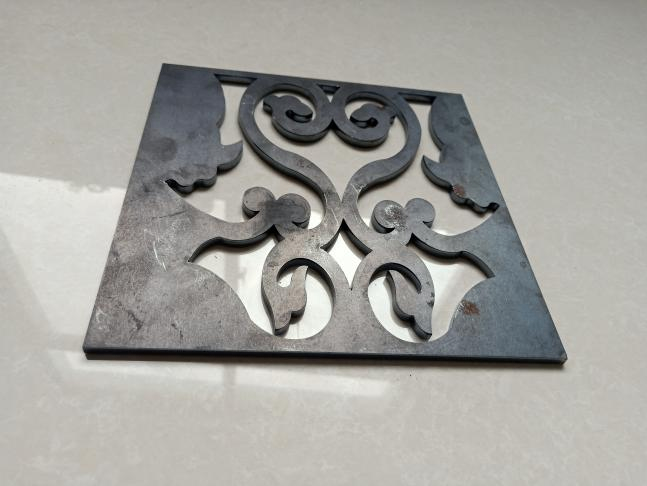
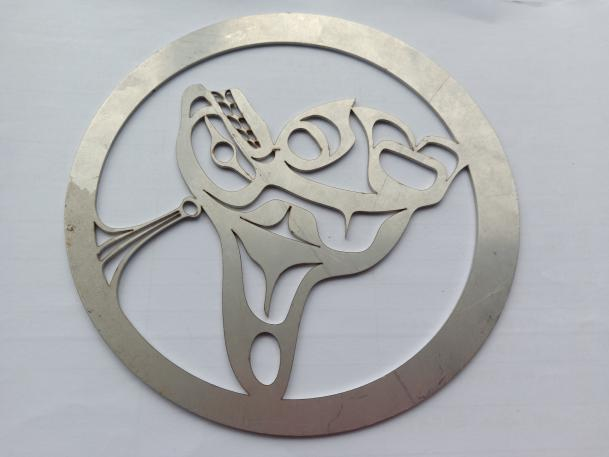
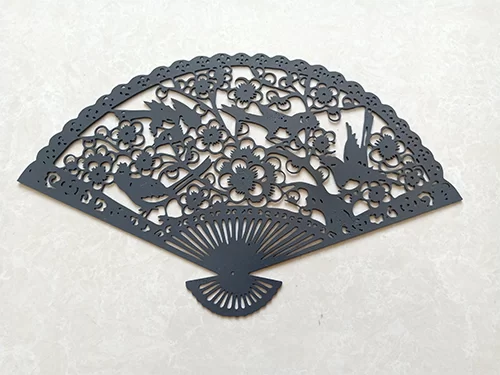
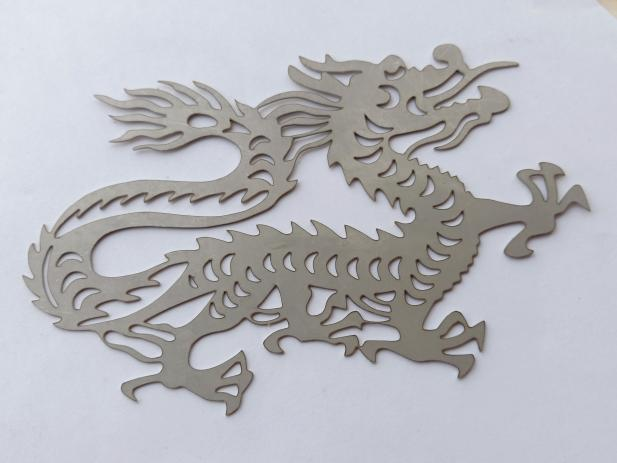
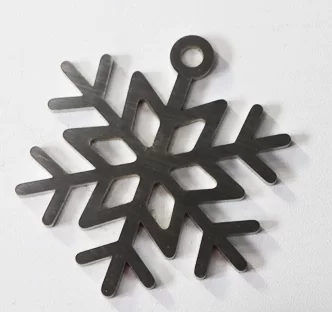
A precision laser cutting machine represents the pinnacle of modern manufacturing technology, merging advanced photonics with high-speed CNC (Computer Numerical Control) systems. Unlike traditional mechanical cutting, which relies on physical contact and force, laser cutting is a non-contact thermal process. It utilizes a highly concentrated beam of light to melt, burn, or vaporize material with extreme accuracy.
To understand how it works, we must look at the hardware. A standard industrial laser cutting machine consists of three primary systems:
The Laser Source: This is the heart of the machine, where photons are generated. Common sources include Fiber lasers (ideal for metals) and CO2 lasers (ideal for non-metals).
The Beam Delivery System: A series of mirrors or fiber optic cables that direct the beam to the cutting head.
The Cutting Head: This houses the focusing lens and the gas nozzle. The lens concentrates the beam into a tiny focal point, often as small as 0.01mm.
The process begins with the generation of a laser beam. In a fiber laser, the light is amplified within glass fibers doped with rare-earth elements. This beam is then collimated (made parallel) and sent to the cutting head.
As the beam exits the nozzle, it is focused into a high-energy-density spot. When this spot hits the material surface, the energy is absorbed, causing the temperature to rise instantaneously. Depending on the material and the desired finish, the machine uses different methods to complete the cut:
Vaporization Cutting: The laser heats the material to its boiling point, creating a hole. This is used for materials that do not melt, like wood or certain plastics.
Fusion Cutting (Melt and Blow): The laser melts the material, and a high-pressure stream of inert gas (usually Nitrogen) blows the molten metal out of the kerf.
Flame Cutting: Used primarily for thick carbon steel, where Oxygen is used as the assist gas. The Oxygen reacts with the heated metal, creating an exothermic reaction that adds energy to the cutting process.
The "precision" in a precision laser cutting machine refers to its ability to maintain incredibly tight tolerances, often within ±0.005mm. This is achieved through high-resolution linear motors and sophisticated software that compensates for heat-affected zones (HAZ). Because there is no mechanical pressure, the material does not warp or deform, allowing for the creation of intricate patterns that would be impossible with a saw or a drill.
The automotive industry has been one of the largest adopters of high precision laser cutting technology. As manufacturers shift toward Electric Vehicles (EVs) and lightweight designs to improve fuel efficiency, the need for processing high-strength materials has skyrocketed.
Modern cars use "Hot Formed Steel" for safety-critical components like B-pillars and roof rails. This material is incredibly hard—so hard that traditional stamping dies wear out rapidly. A laser metal cutting machine solves this by using light to slice through the hardened steel without any tool wear. This allows manufacturers to trim complex 3D shapes after the parts have been pressed into their final form.
The rise of EVs has introduced new challenges, particularly in battery manufacturing. Precision lasers are used to cut:
Battery Electrodes: Cutting copper and aluminum foils at high speeds without burrs is essential to prevent short circuits.
Busbars: These thick copper conductors require clean, precise cuts to ensure optimal electrical conductivity.
Cooling Plates: Complex aluminum channels that regulate battery temperature are often fabricated using laser cutting and welding.
In the "Just-in-Time" world of automotive assembly, flexibility is king. Traditional tooling can take months to design and manufacture. In contrast, a precision laser cutting machine is software-driven. If a design engineer changes the shape of a bracket, the operator simply updates the CAD file, and the machine begins cutting the new design immediately. This eliminates "tooling lag" and allows for mass customization, where different car models can run on the same assembly line with minimal downtime.
In the medical field, the margin for error is zero. Devices often interact with human tissue and blood, requiring surfaces that are perfectly smooth and dimensions that are microscopic. Precision laser cutting has become the gold standard for producing these life-saving tools.
One of the most iconic uses of this technology is the production of vascular stents. These are tiny, mesh-like tubes inserted into arteries. They are usually cut from Nitinol (a shape-memory alloy) or stainless steel tubing.
Micro-scale Accuracy: The struts of a stent can be thinner than a human hair. A precision laser cutting machine can create these intricate geometries with kerf widths as fnarrow as 20 microns.
Minimal Thermal Damage: Using "Ultra-fast" lasers (femtosecond or picosecond lasers), the material is vaporized so quickly that heat doesn't have time to spread. This prevents the "Heat Affected Zone" from making the metal brittle, which is vital for a device that must flex inside a beating heart.
Beyond stents, lasers are used to manufacture:
Orthopedic Implants: Bone screws and plates with complex textures that encourage bone ingrowth.
Endoscopic Tools: Tiny grippers and scissors used in minimally invasive surgeries.
Needles and Cannulas: Creating ultra-sharp points and side-port holes for drug delivery.
Because laser cutting is a non-contact process, there is no risk of cross-contamination from dull or dirty mechanical tools. Furthermore, the precision of the cut reduces the need for secondary finishing processes like grinding or polishing, which can introduce chemicals or debris. For medical manufacturers, this streamlines the path to regulatory approval and ensures that every part produced is identical to the last.