Shijiazhuang Topstar
International Trading Co., Ltd.


Get In Touch
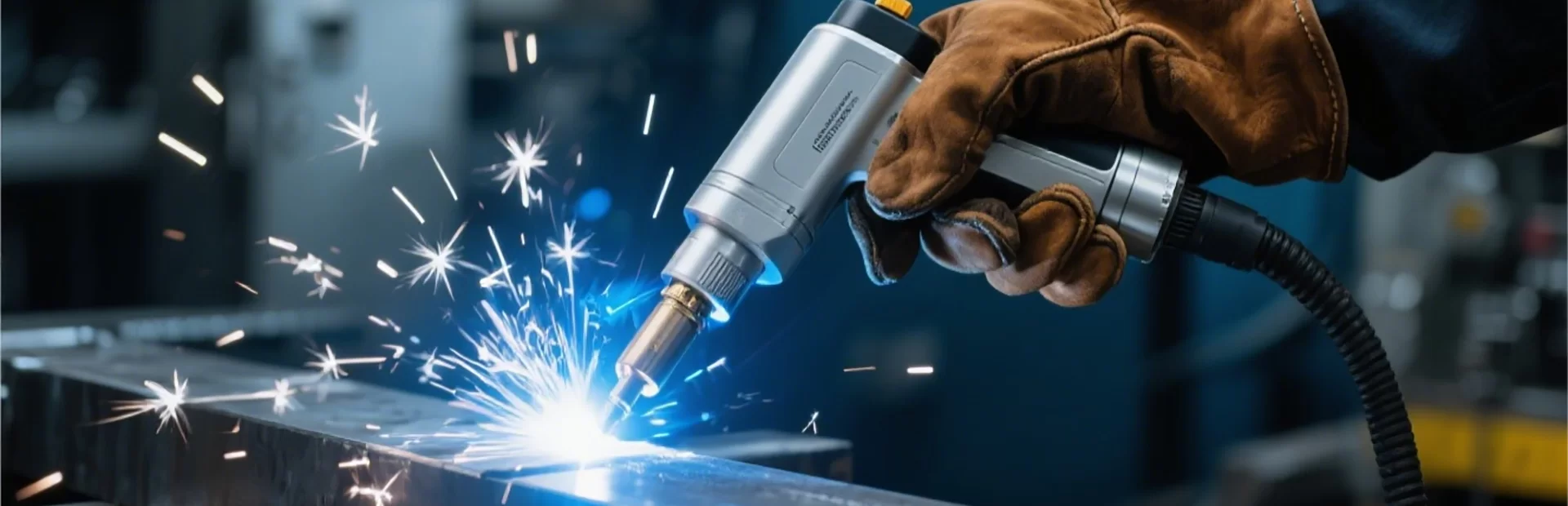
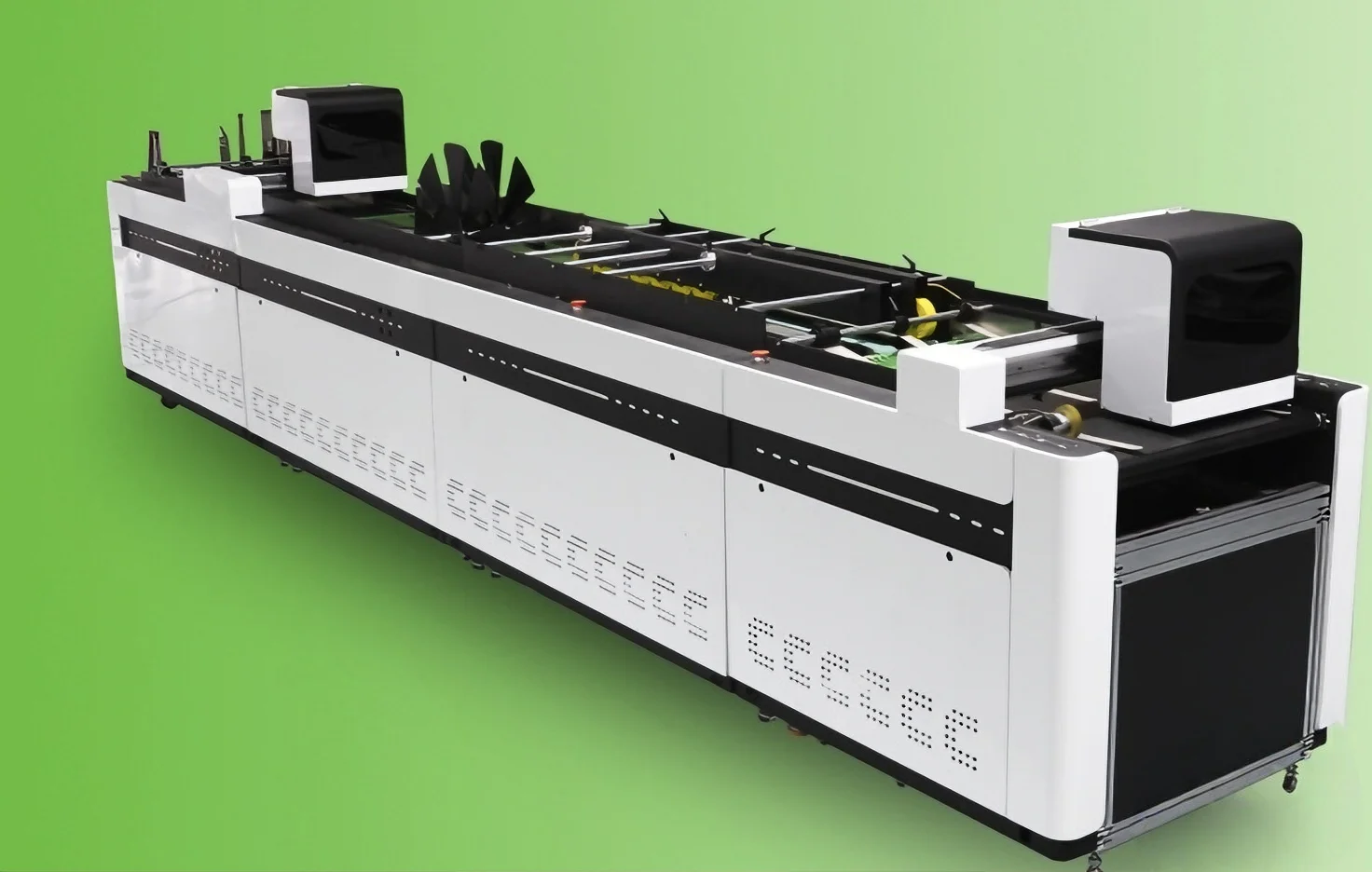
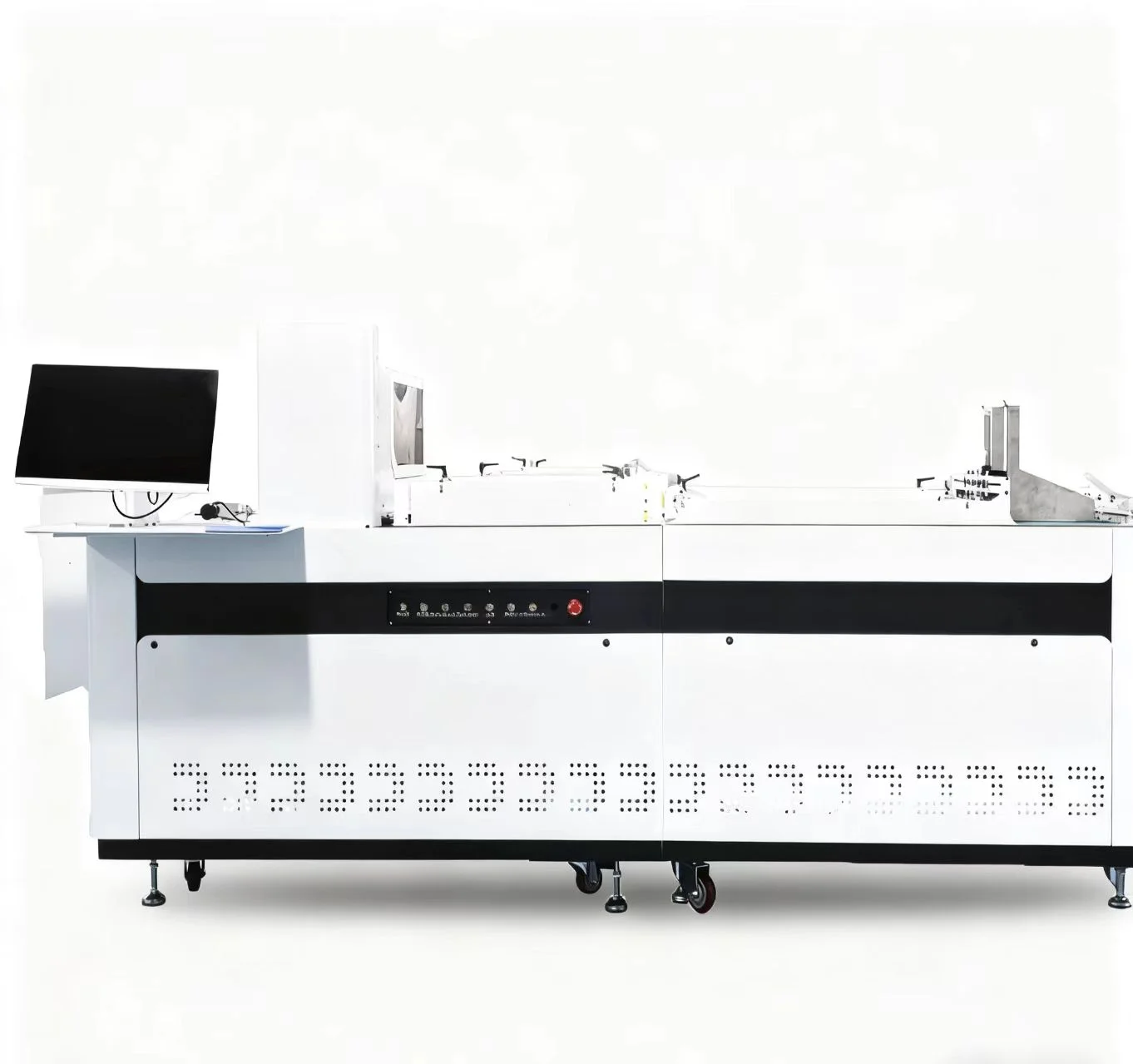
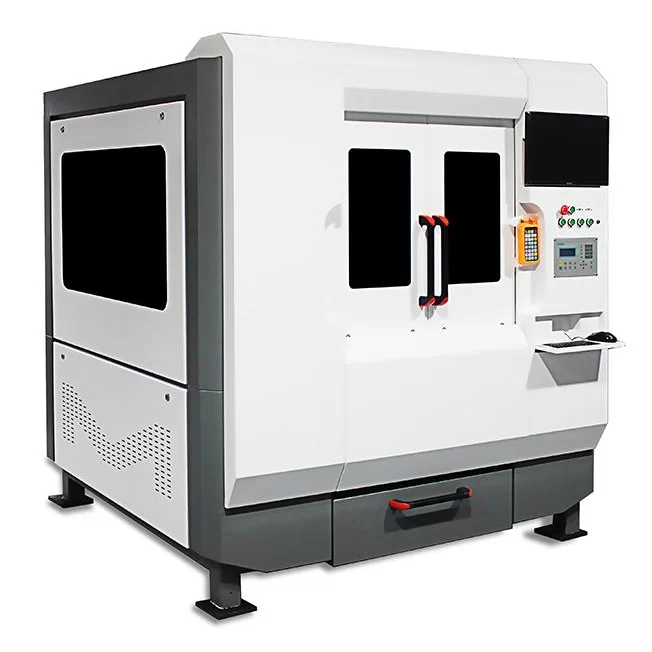
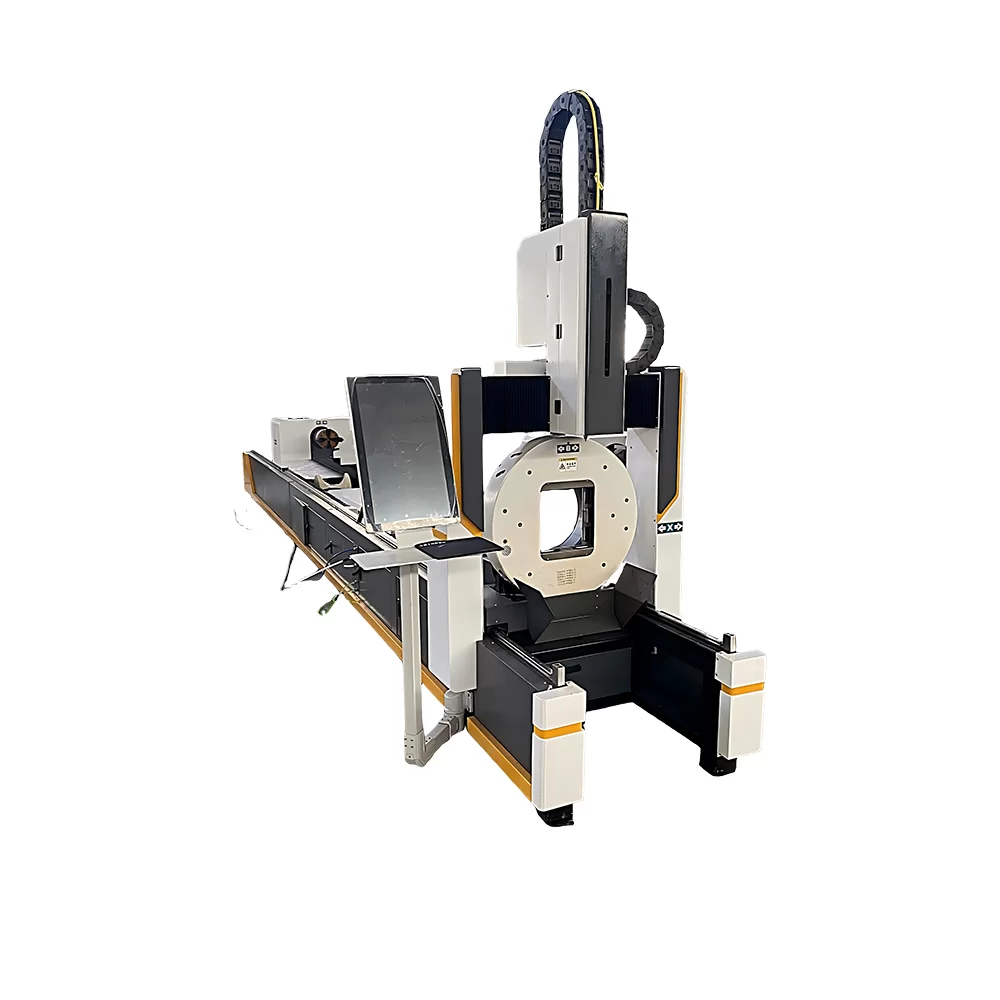
In the world of manufacturing and industrial design, precision and efficiency aren't just goals—they're demands. The laser profile cutting machine has emerged as a pivotal tool addressing these exact needs. Whether you're sculpting intricate steel parts or fabricating custom aluminum frames, this technology has transformed how we approach cutting profiles, saving time, costs, and reducing waste globally.
According to recent data from the International Organization for Standardization (ISO), industrial automation is growing at a steady pace, with laser-based technologies being a leading force behind enhanced production. The World Bank reports that manufacturers using advanced cutting technologies have reduced material waste by up to 25% in the last five years. Yet, many industries still face challenges like minimizing operational downtime and improving cutting precision for complex designs.
Here, the laser profile cutting machine stands as a solution, marrying speed with precision. It’s especially critical in today's fast-paced supply chains, where delays or inaccuracies can cost millions—and the environment—quite dearly.
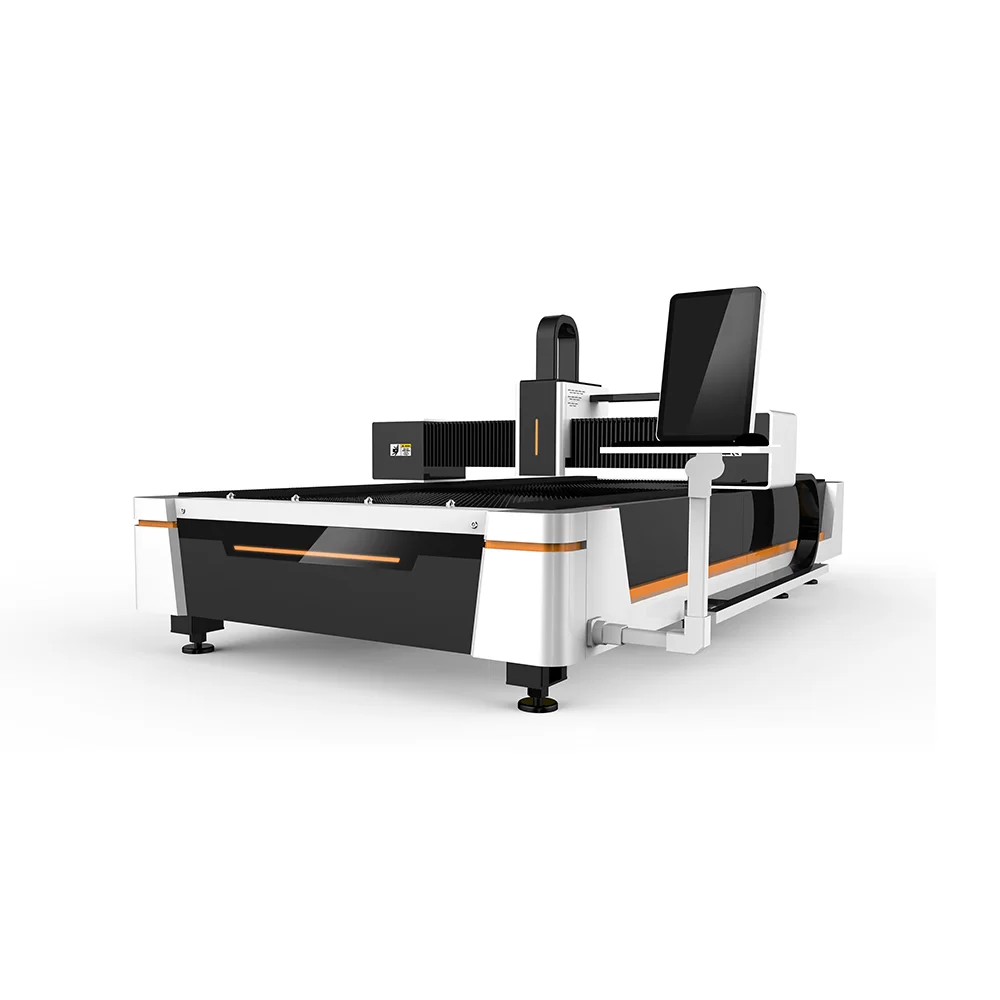
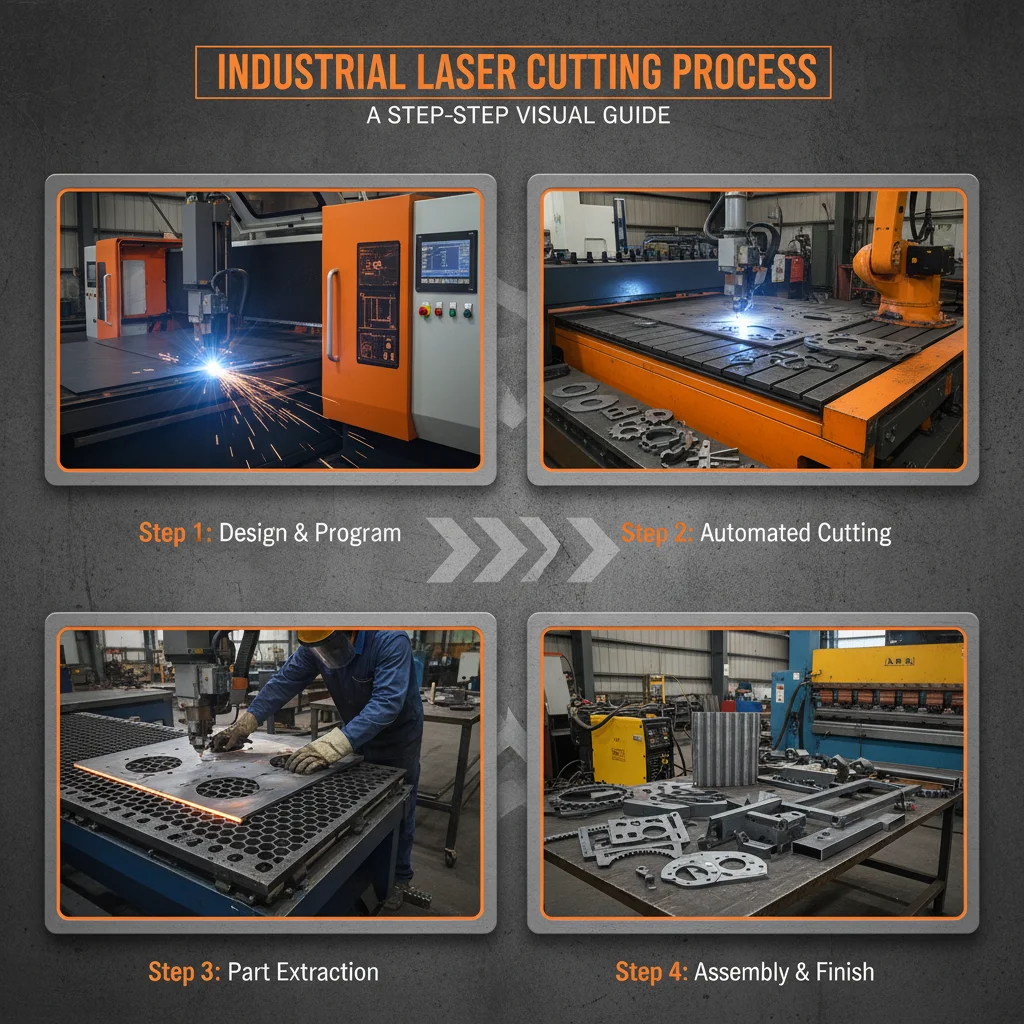
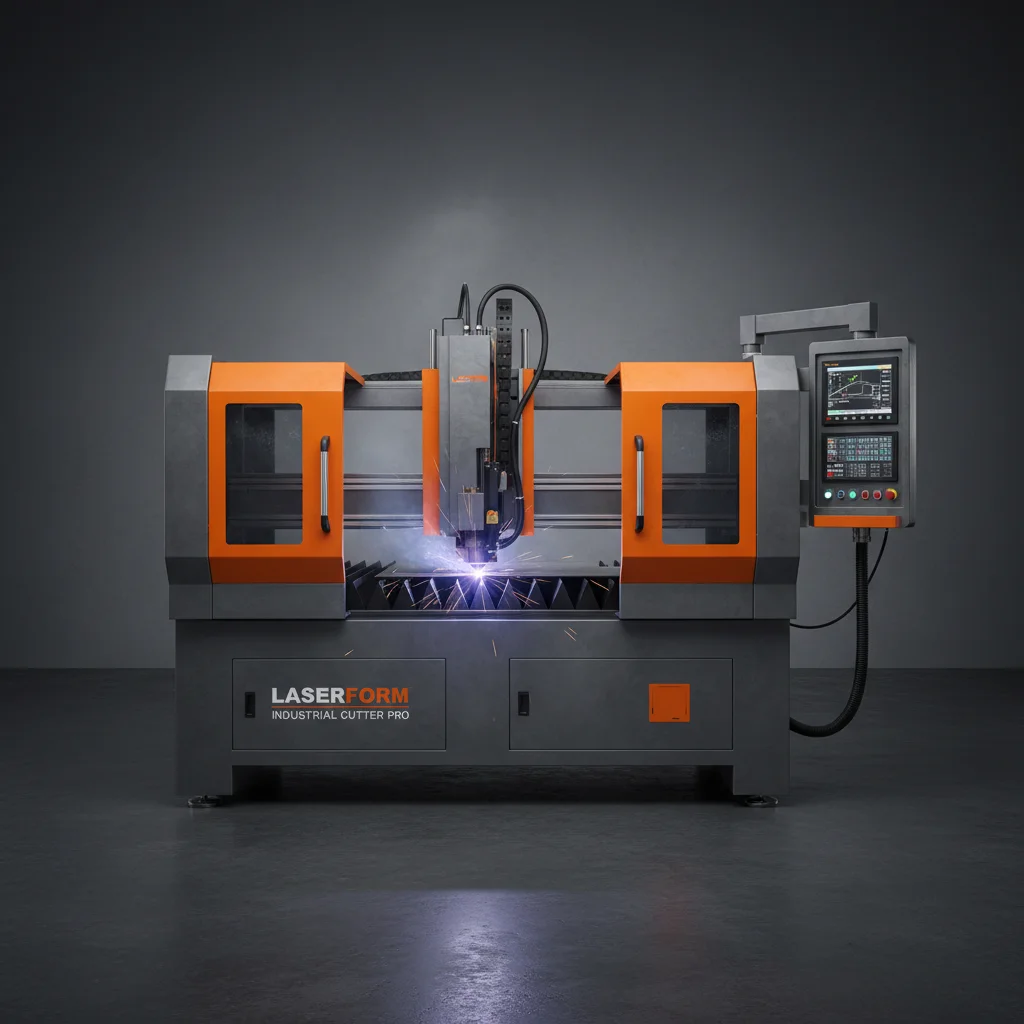
So, what exactly is a laser profile cutting machine? Simply put, it’s a CNC-driven device that uses a focused laser beam to cut or engrave profiles of metal, plastic, and other materials with exceptional accuracy—right down to fractions of a millimeter. Unlike traditional mechanical tools, this machine offers non-contact cutting, which means less wear and tear and excellent edge quality.
This technology is intrinsically linked to modern industrial demands—from automotive and aerospace components to architectural metalworks—and even to humanitarian needs, like producing parts for emergency infrastructure swiftly and reliably.
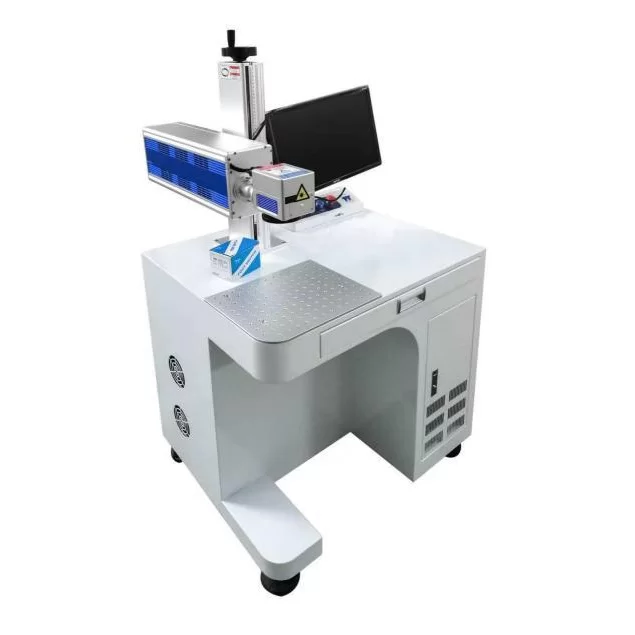
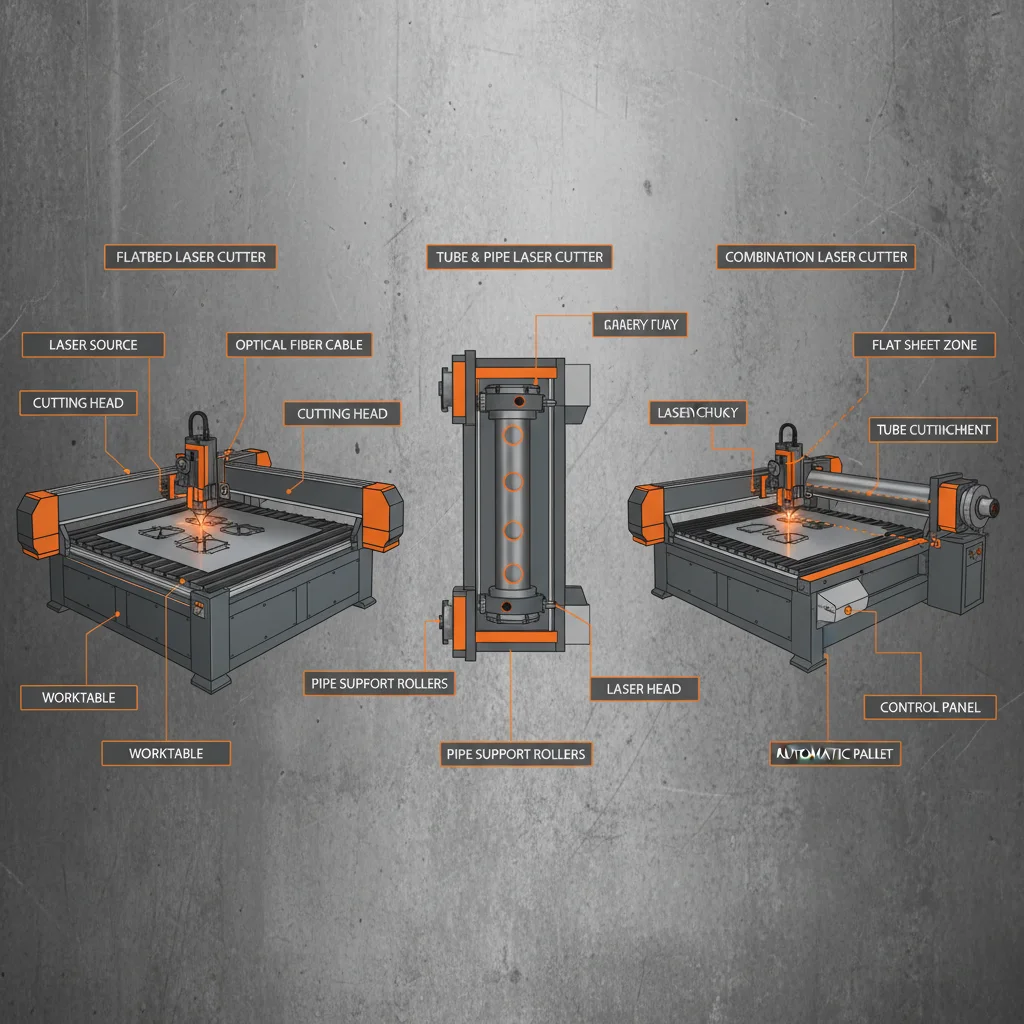
The heart of any laser profile cutting system is its laser source—common types include fiber, CO2, and disk lasers. Fiber lasers, for instance, are celebrated for fine detail and high energy efficiency. The system’s CNC controls enable cuts following digital designs with pinpoint exactness. This matters, say, for aerospace parts requiring meticulous tolerances to ensure safety.
Durability isn’t just about the machine lasting long; it’s about consistent performance over years, often under challenging conditions. Lasers handle a variety of metals like stainless steel, aluminum, and titanium, as well as composites. Some machines have protective systems reducing dust and debris interference.
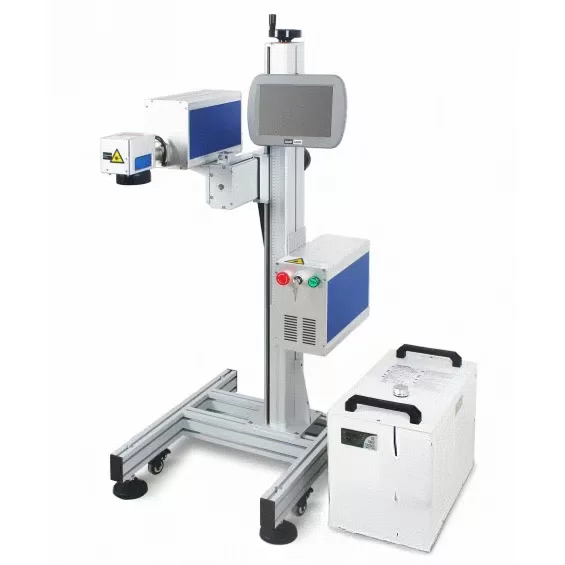
Operators love machines that can scale from small batch jobs to industrial mass production. Many modern laser profile cutters integrate with factory automation and robotics, supporting unmanned shifts and real-time monitoring of production processes. It’s a cornerstone of Industry 4.0.
Laser cutting tends to be more energy-efficient compared to plasma or mechanical cutting, leading to smaller carbon footprints. Plus, less material waste also means a more sustainable operation. With the global push for green manufacturing, this factor is becoming a decisive buying criterion.
Laser profile cutting machines combine high precision, durability, automation, and sustainability, making them a top choice across industries aiming for efficient and eco-friendly production.
These machines are everywhere, often quietly powering industries behind the scenes. In Europe’s automotive sector, cutting-edge laser profile cutters produce lightweight chassis components engineered to maximize fuel efficiency.
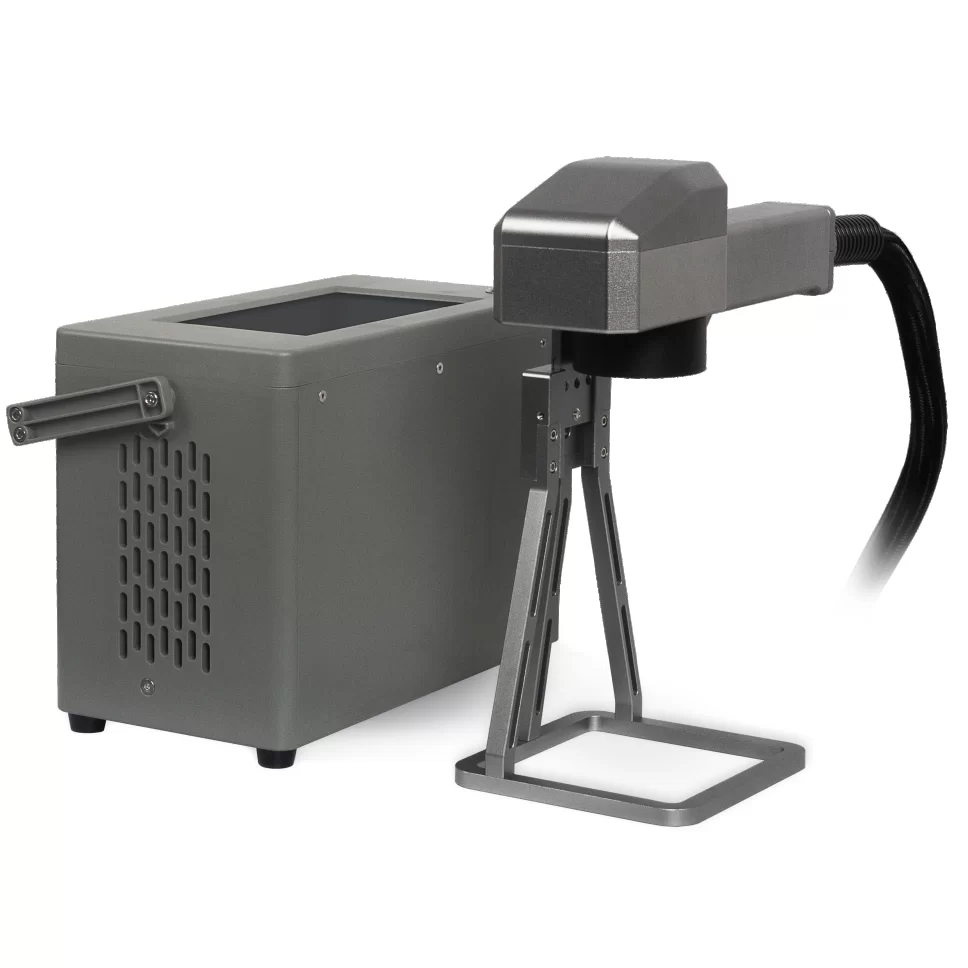
Meanwhile, Asia’s booming electronics manufacturing sees lasers shaping tiny but critical metal parts for smartphones. Oddly enough, even in remote infrastructure projects—for example, in parts of Africa—portable laser cutting units help produce structural elements faster than traditional methods.
Humanitarian organizations sometimes rely on laser profile cutting machines to fabricate customized components for fast-deployment housing after natural disasters. Their accuracy ensures structural integrity, while speed ensures rapid rebuilding.
In many ways, trusting a reliable laser system feels like an investment in not only precision but also in the dignity of craftsmanship and the safety of the end consumers.
| Specification | Details |
|---|---|
| Laser Type | Fiber Laser 3000W |
| Max Cutting Thickness (Steel) | 20 mm |
| Cutting Area | 3000 mm x 1500 mm |
| Accuracy | ±0.02 mm |
| Power Supply | 400V, 50/60 Hz |
| Automation Features | CNC control, Software integration, Auto loading system |
| Vendor | Laser Type | Max Thickness | Automation | Energy Efficiency | Price Range |
|---|---|---|---|---|---|
| TopStar Laser | Fiber Laser | 20 mm | Full CNC, Auto Loading | High (15 kWh/day) | $$$ |
| Acme Cutting | CO2 Laser | 18 mm | Partial Automation | Moderate (25 kWh/day) | $$ |
| SafeCut Tech | Disk Laser | 22 mm | Full Automation | High (14 kWh/day) | $$$$ |
Looking forward, the laser profile cutting machine is evolving rapidly. Green energy initiatives are pushing manufacturers to reduce electricity consumption even further while improving laser power. There's also a growing integration of artificial intelligence, helping machines optimize cutting paths in real-time to reduce cycle times and enhance accuracy.
Plus, materials science advancements are expanding the range of cuttable materials—including new composites used in electric vehicles and renewable energy sectors. laser profile cutting machine manufacturers are also innovating modular designs for easier upgrades and maintenance access.
It’s not all smooth sailing. Some challenges include the upfront investment costs, ongoing maintenance, and operator skill requirements. In dusty or extreme environments, machines can lose efficiency due to contamination. The good news? Experts recommend regular predictive maintenance protocols and sealed designs to mitigate these issues.
Training and easy-to-use interfaces are also increasingly prioritized—developers know that a machine is only as good as the operator running it.
A1: Unlike mechanical cutters that physically touch material, laser cutters use a focused beam of light for non-contact cutting. This reduces tool wear and achieves higher precision, especially critical for complex or delicate shapes.
A2: Most machines handle metals like stainless steel, aluminum, and titanium, along with some plastics and composites—depending on the laser power and system specifications.
A3: Generally yes. Lasers tend to consume less energy than plasma or mechanical cutters and produce less waste due to accuracy. However, choosing energy-efficient models and green energy sources enhances benefits.
A4: Small shops gain from precision, scalability, and reduced manual labor. Some vendors offer compact or modular machines tailored to smaller production volumes.
A5: Definitely. Leading manufacturers ship globally and provide remote support, making it feasible for enterprises worldwide to access state-of-the-art equipment.
The laser profile cutting machine isn’t just another industrial tool; it’s a gateway to innovation, precision, and sustainability in manufacturing. Its mix of speed, accuracy, and eco-conscious operation creates long-term value for businesses worldwide. If you’re considering upgrading your facility or starting fresh with advanced cutting tech, take a closer look at what laser profile cutters can do for you.
Visit our website to explore the latest machines and expert support tailored to your needs.
Frankly, it feels like laser cutting technology has a bright future—both literally and figuratively. With ongoing research and development, we’ll see these machines getting smarter, greener, and even more indispensable across industries.