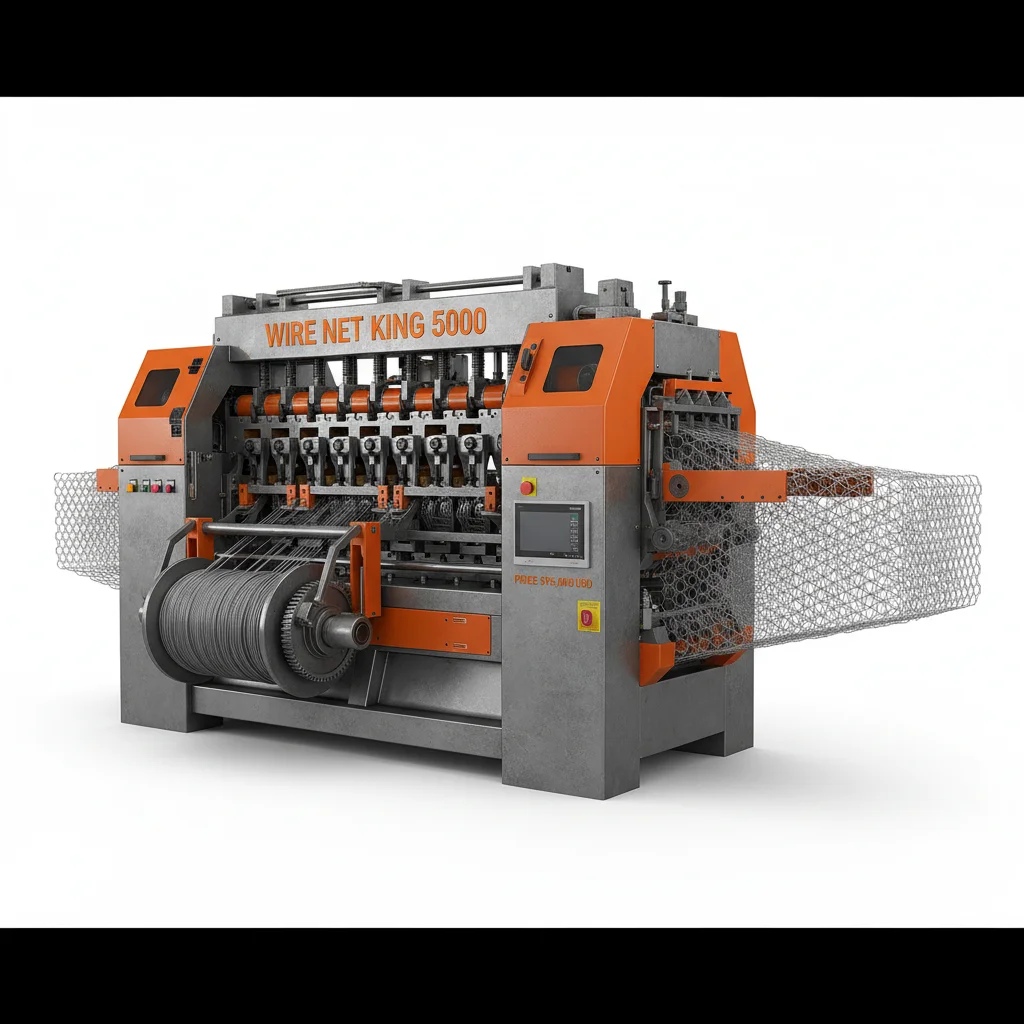
Different types of welding equipment are foundational to modern infrastructure, manufacturing, and countless other industries. From the towering structures of skyscrapers to the intricate components of automobiles, welding provides the essential joining process. Understanding the diverse range of equipment available – from the portable convenience of stick welders to the precision of laser welding machines – is crucial for professionals and hobbyists alike. The global demand for skilled welders and advanced welding technologies is consistently high, driven by continuous construction, repair, and innovation across sectors.
The economic impact of welding is substantial. The United Nations estimates that infrastructure development requires significant welding expertise, and the World Bank frequently funds projects reliant on robust welding standards. ISO standards for welding quality play a critical role in international trade and project safety. However, challenges persist, including a shortage of qualified welders in many regions and the need for more sustainable welding processes to minimize environmental impact. Choosing the right equipment is therefore paramount.
The continuous evolution of different types of welding equipment addresses these challenges, offering solutions for increased efficiency, improved weld quality, and reduced environmental footprint. This comprehensive guide will explore the core types of welding equipment, their applications, advantages, and future trends, helping you navigate this critical field.
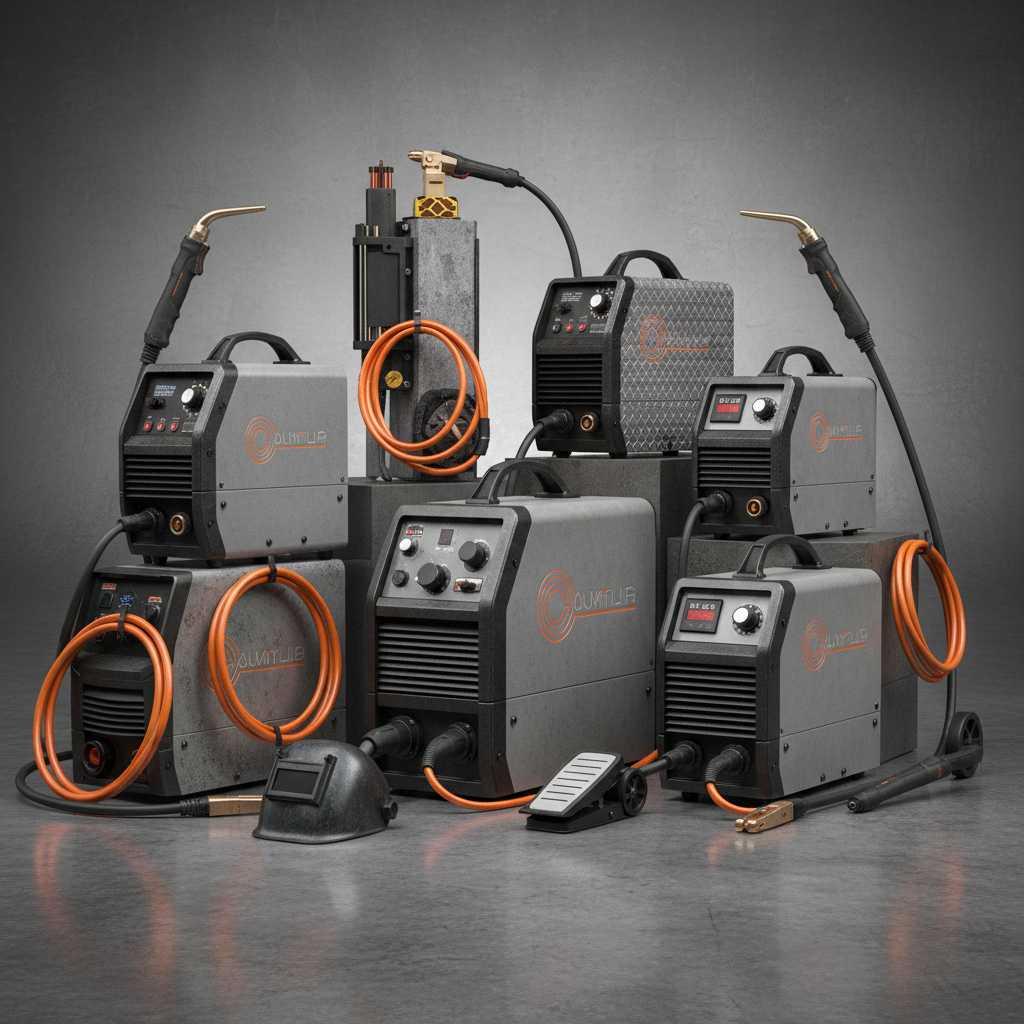
The Core Concepts of different types of welding equipment
At its heart, welding is a fabrication process that joins materials, usually metals or thermoplastics, by causing coalescence. Different types of welding equipment achieve this in various ways, utilizing heat, pressure, or a combination of both. Understanding the fundamental principles behind each method – such as the electric arc in shielded metal arc welding (SMAW) or the focused energy beam in laser beam welding (LBW) – is vital for selecting the appropriate tool for a given job. different types of welding equipment offers a wide selection.
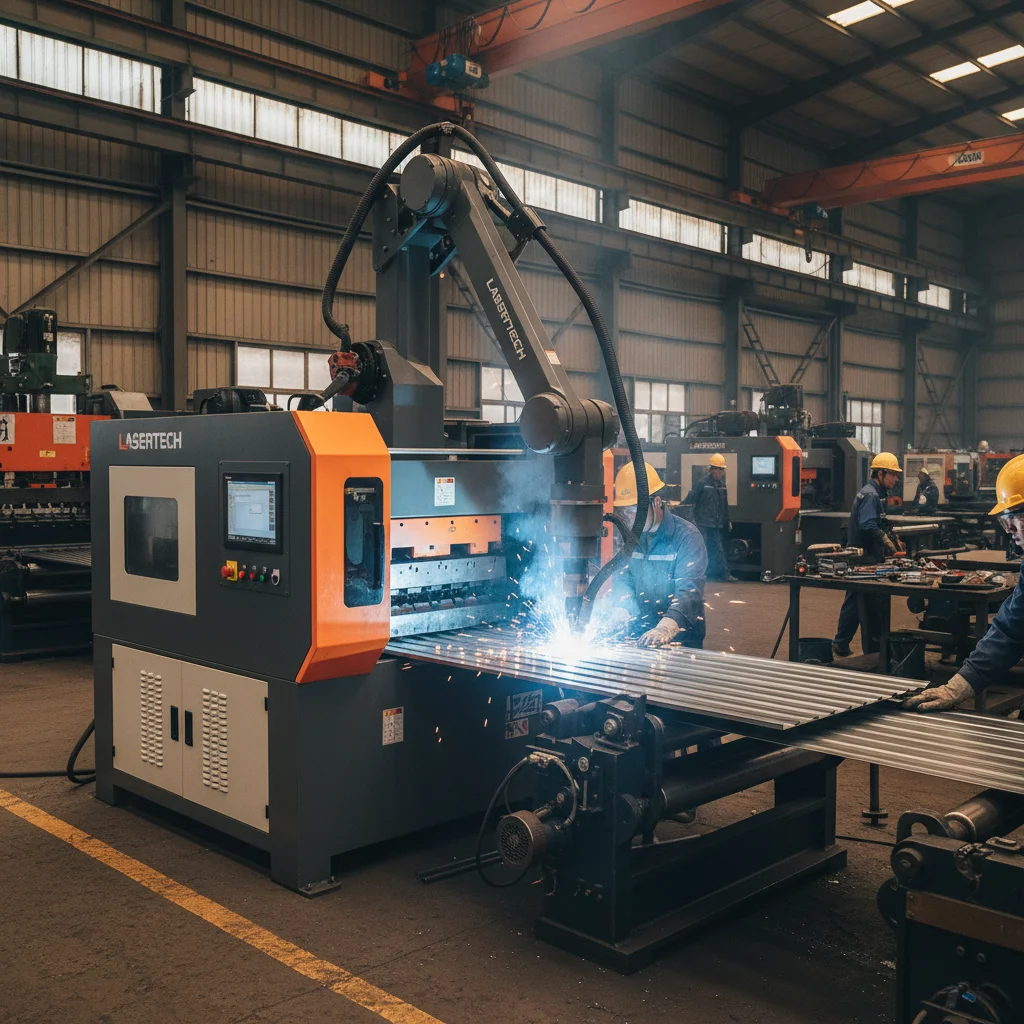
The choice of welding equipment also depends on factors like the type of material being joined, the desired weld quality, the production volume, and the accessibility of the welding location. For instance, a construction site might favor the portability and lower cost of stick welding, while a high-precision manufacturing facility might opt for the automation and control offered by robotic welding systems.
Global Relevance and Market Overview
The welding industry is a global powerhouse, underpinning construction, automotive, aerospace, energy, and numerous other sectors. According to recent market reports, the global welding equipment market is projected to reach significant growth in the coming years, driven by infrastructure investments in emerging economies and the increasing demand for automation in developed countries. North America and Europe currently represent major markets, but Asia-Pacific is experiencing the fastest growth due to rapid industrialization.
However, the industry faces challenges. A skills gap in welding is becoming increasingly apparent, particularly in developed nations, as experienced welders retire and fewer young people enter the field. This shortage drives up labor costs and can impede project timelines. Furthermore, the environmental impact of welding processes – including fume emissions and energy consumption – is under increasing scrutiny, leading to a demand for more sustainable welding technologies.
Addressing these issues requires investment in welder training programs, the adoption of cleaner welding processes, and the development of more efficient and user-friendly welding equipment. Different types of welding equipment contribute to overcoming such challenges. The demand for highly specialized welding equipment, such as those used in pipeline construction or underwater welding, also continues to grow.
Defining different types of welding equipment
Different types of welding equipment encompass a diverse array of tools and techniques. Essentially, welding equipment facilitates the fusion of materials. Some methods, like Shielded Metal Arc Welding (SMAW), commonly known as stick welding, utilize a consumable electrode covered in flux to create the arc and provide shielding gas. Others, like Gas Metal Arc Welding (GMAW), also known as MIG welding, use a continuous wire electrode and an external shielding gas.
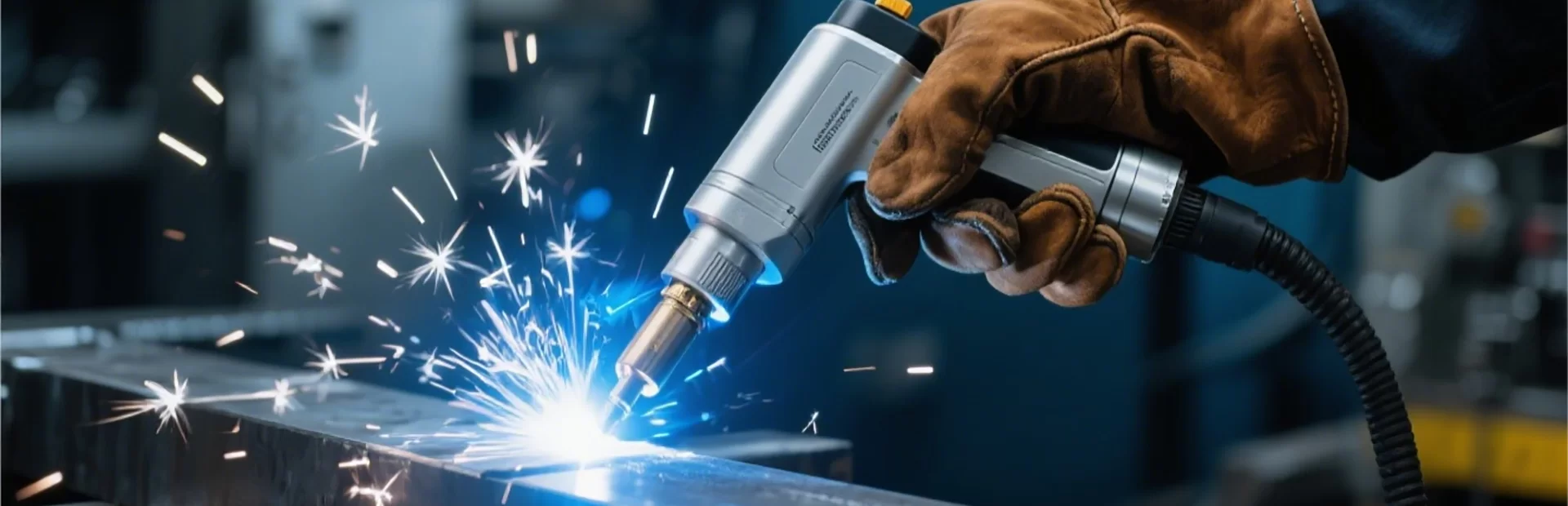
Beyond these common processes, specialized equipment caters to specific needs. Gas Tungsten Arc Welding (GTAW), or TIG welding, provides exceptional precision and control, making it ideal for intricate work. Submerged Arc Welding (SAW) offers high deposition rates for thick materials. Laser Beam Welding (LBW) and Electron Beam Welding (EBW) utilize highly focused energy beams for extremely precise and deep welds. different types of welding equipment includes options for both portable and industrial needs.
The choice of equipment isn't just about the welding process; it’s also about the power source, the control systems, and the ancillary equipment like gas cylinders, safety gear, and fume extraction systems. Modern welding equipment often incorporates digital controls, programmable settings, and remote monitoring capabilities, enhancing efficiency and weld quality.
Key Performance Indicators of Welding Equipment
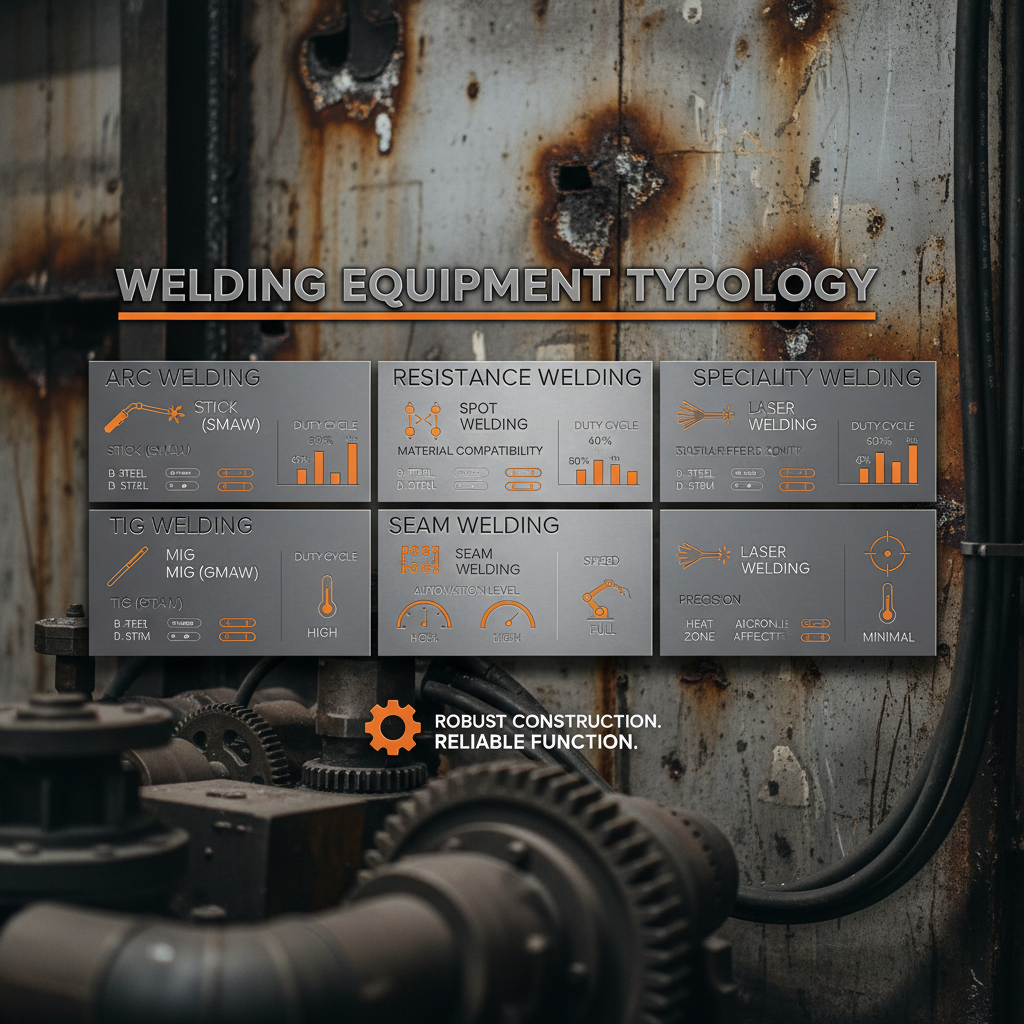
Evaluating different types of welding equipment requires considering several key performance indicators (KPIs). First, Duty Cycle indicates the percentage of time a welder can operate at a given amperage without overheating. A higher duty cycle is crucial for production welding. Second, Amperage Range defines the thickness of material the welder can effectively join; wider ranges provide greater versatility.
Third, Weld Quality is assessed through parameters like penetration depth, weld bead appearance, and absence of defects. Certain processes, like TIG welding, generally offer superior weld quality but at a slower pace. Finally, Energy Efficiency and Operational Costs contribute to the overall economic viability; newer inverter-based machines often consume less power and require less maintenance.
Comparative Performance of different types of welding equipment
Applications Across Industries and Regions
Different types of welding equipment find application across a remarkably diverse range of industries. In the construction sector, SMAW and FCAW (Flux Cored Arc Welding) are commonly used for structural steel erection and pipeline welding. The automotive industry relies heavily on GMAW and resistance welding for body panel assembly. Aerospace utilizes GTAW and LBW for critical components requiring high precision and strength.
Geographically, demand varies. Developing countries with large-scale infrastructure projects, such as China and India, exhibit high demand for all types of welding equipment. Europe and North America focus on automation and advanced welding technologies for high-precision manufacturing. Regions with significant oil and gas industries, like the Middle East, require specialized equipment for pipeline construction and repair.
Advantages and Long-Term Value Proposition
Investing in the correct different types of welding equipment yields significant long-term benefits. Improved weld quality reduces the risk of failures, enhancing safety and extending the lifespan of structures and products. Increased efficiency translates to lower labor costs and faster project completion times. Automation capabilities enhance productivity and reduce the need for highly skilled (and often expensive) welders.
Furthermore, adopting more sustainable welding technologies – such as those that minimize fume emissions or reduce energy consumption – contributes to a more environmentally responsible operation and can lower operating costs over time. The reliability of well-maintained welding equipment minimizes downtime and ensures consistent production output.
Emerging Trends and Future Innovations
The future of welding is characterized by several key trends. Robotic welding is becoming increasingly sophisticated, with advancements in artificial intelligence (AI) enabling robots to adapt to complex geometries and varying welding conditions. Additive manufacturing, or 3D printing with metals, is gaining traction, offering the ability to create complex parts with minimal material waste.
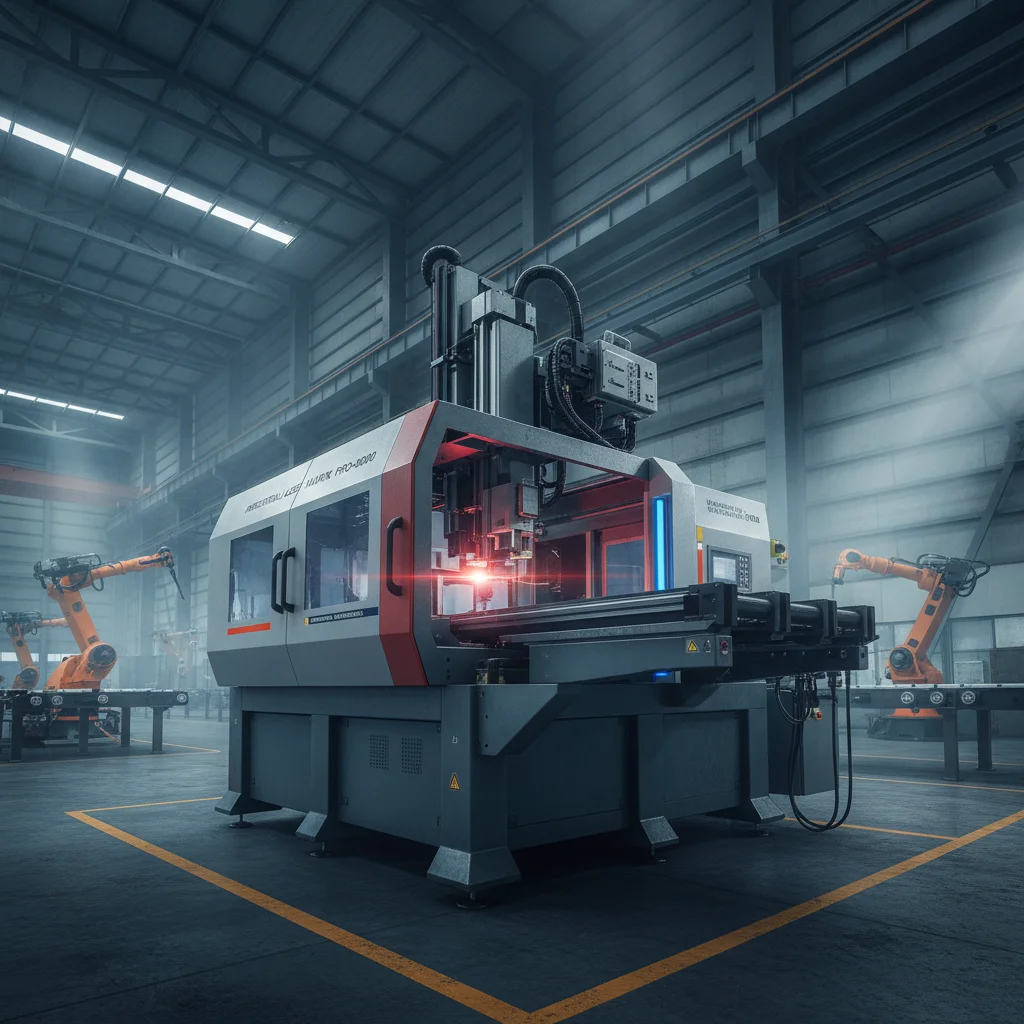
Laser welding and electron beam welding are also experiencing innovation, with developments in beam control and power sources leading to higher precision and faster welding speeds. Furthermore, research is focused on developing more environmentally friendly welding processes, such as using alternative shielding gases and reducing energy consumption. These advancements promise to transform the field of different types of welding equipment.
The integration of digital technologies, such as data analytics and remote monitoring, is also becoming more prevalent, allowing for predictive maintenance, improved quality control, and optimized welding parameters.
Summary of Key Attributes of Welding Equipment
| Welding Process |
Material Suitability |
Skill Level Required |
Typical Applications |
| SMAW (Stick) |
Steel, Cast Iron |
Moderate |
Construction, Repair, Maintenance |
| GMAW (MIG) |
Steel, Aluminum, Stainless Steel |
Beginner to Moderate |
Automotive, Manufacturing, Fabrication |
| GTAW (TIG) |
All Metals |
High |
Aerospace, Precision Welding, Exotic Metals |
| SAW |
Thick Steel Sections |
Moderate |
Shipbuilding, Pressure Vessels, Pipelines |
| LBW |
All Metals |
High |
Aerospace, Automotive, Medical Devices |
| FCAW |
Steel |
Moderate |
Heavy Fabrication, Construction |
FAQS
For beginners, MIG (GMAW) welding is often recommended due to its relatively ease of use and versatility. It requires less skill than stick or TIG welding and provides good results on a variety of materials. The wire feed system simplifies the process, and the availability of instructional resources is plentiful. While not as portable as stick welding, a basic MIG welder is a great starting point for learning the fundamentals.
The cost of different types of welding equipment varies dramatically. A basic stick welder can be found for around $300-$500, while a mid-range MIG welder might cost $800-$1500. TIG welders generally start around $1000 and can exceed $5000 for professional-grade machines. Laser and electron beam welding equipment are significantly more expensive, often costing tens or hundreds of thousands of dollars.
Welding involves inherent risks. Always wear a welding helmet with the appropriate shade lens to protect your eyes from the intense arc light. Wear fire-resistant clothing, gloves, and boots to protect your skin from burns and sparks. Ensure adequate ventilation to avoid inhaling fumes. Use a fume extractor if working indoors. Be aware of flammable materials in the vicinity and take precautions to prevent fires.
Regular maintenance is crucial for ensuring the longevity and performance of welding equipment. This includes cleaning the machine, checking and replacing consumables (electrodes, wire, nozzles), inspecting hoses and cables for damage, and lubricating moving parts. Following the manufacturer's recommendations for maintenance is essential.
Selecting the right equipment depends on the material you're welding, the thickness of the material, the desired weld quality, and your skill level. Consider the environment in which you'll be welding (indoors, outdoors, confined space). Research different welding processes and their capabilities. Consult with experienced welders or welding equipment suppliers for advice.
Welding can generate fumes, noise, and energy consumption. To minimize environmental impact, use fume extractors, choose energy-efficient equipment, and explore alternative shielding gases with lower global warming potential. Proper waste disposal of consumables is also important. Consider welding processes that produce less waste and emissions.
Conclusion
In conclusion, understanding different types of welding equipment is paramount for success in a wide array of industries. From the basic principles of arc welding to the advanced capabilities of laser beam welding, each process offers unique advantages and caters to specific applications. The choice of equipment depends on factors like material type, weld quality requirements, production volume, and operator skill level. Continuous innovation and the adoption of sustainable practices are shaping the future of the welding industry.
Looking ahead, advancements in automation, additive manufacturing, and digital technologies will further transform the field. Investing in welder training, adopting cleaner welding processes, and embracing these new technologies are essential for ensuring a skilled workforce, sustainable operations, and continued innovation. Visit our website at www.topstarlaser.com to explore our range of welding solutions and expert advice.