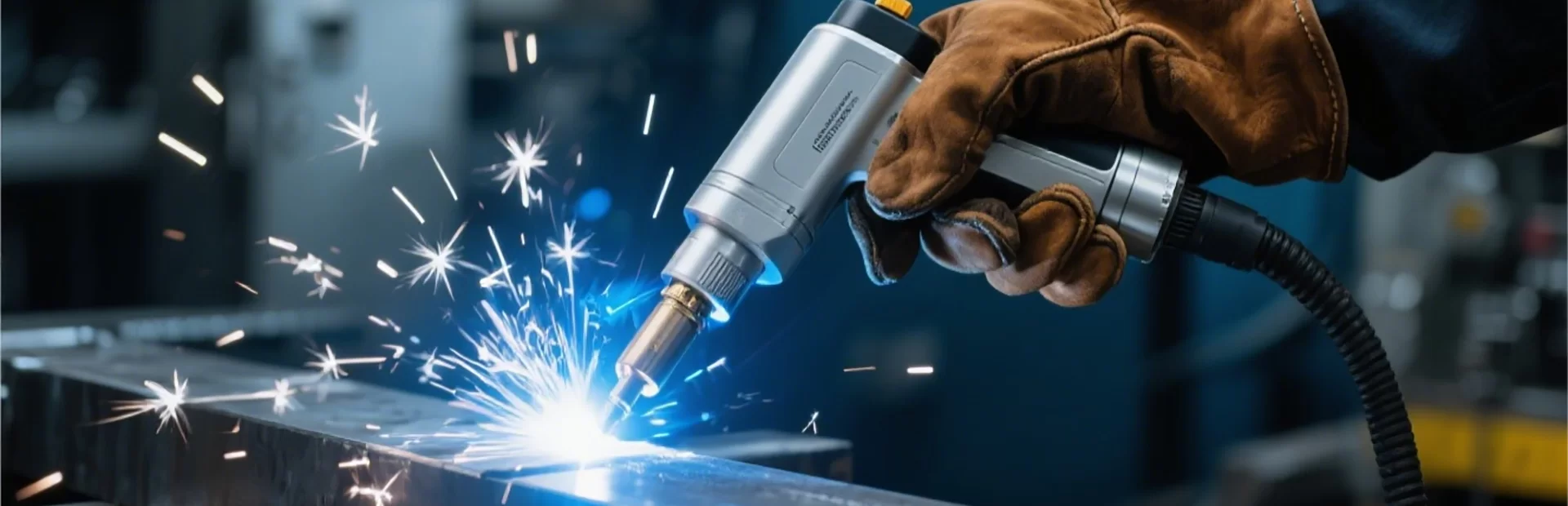
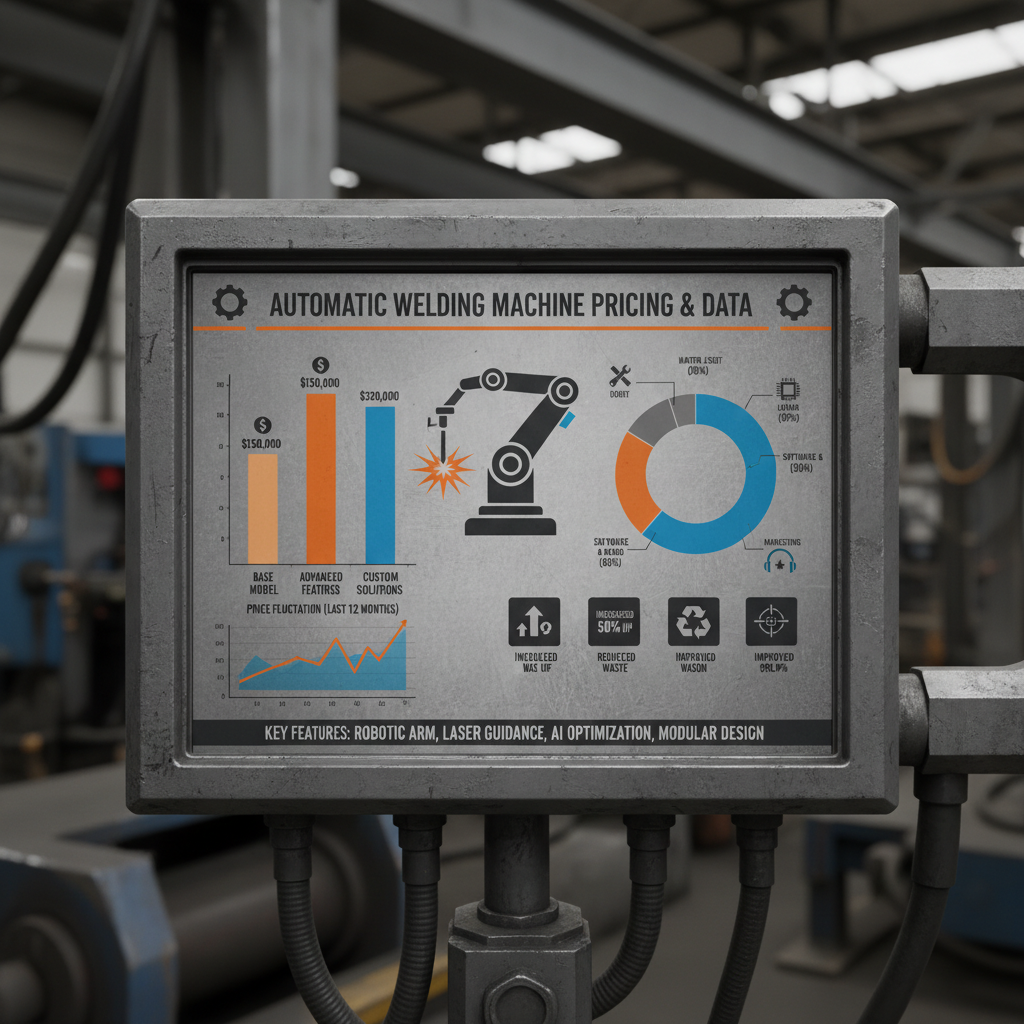
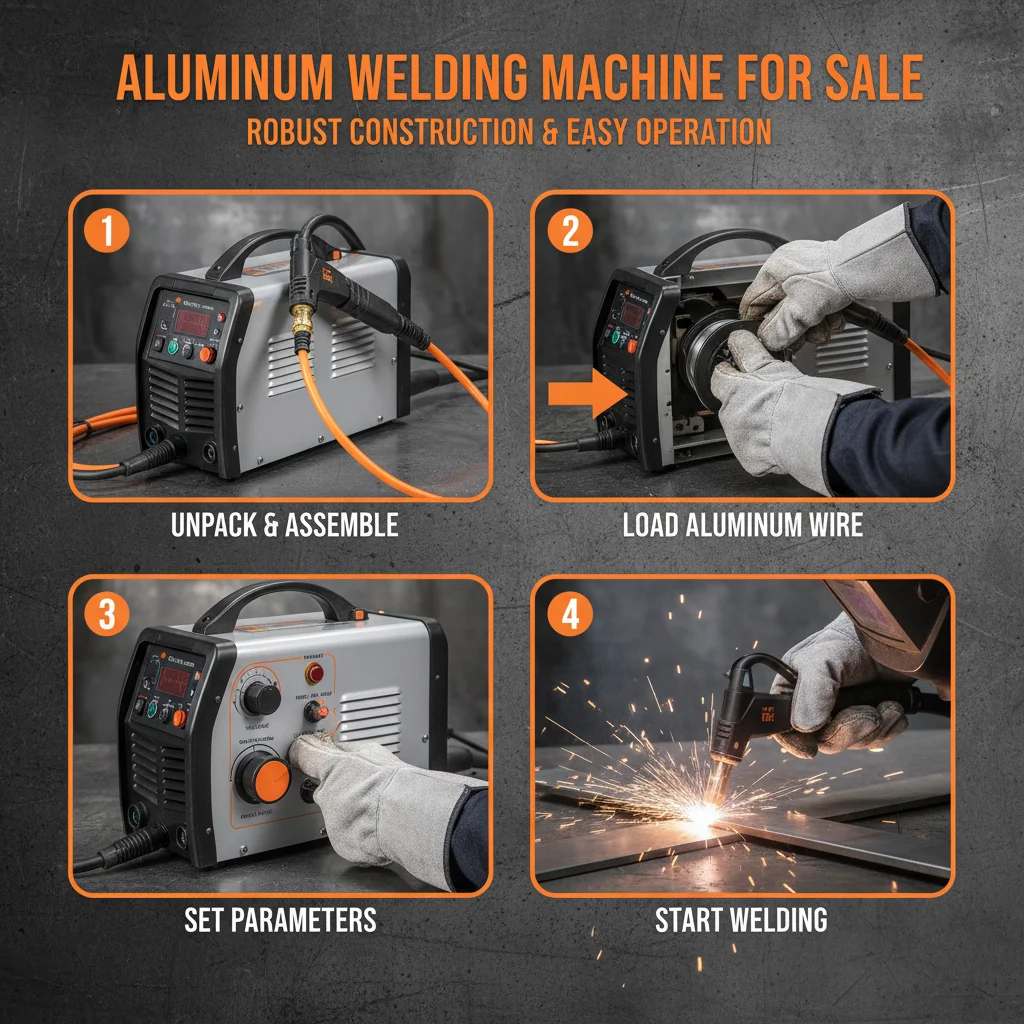
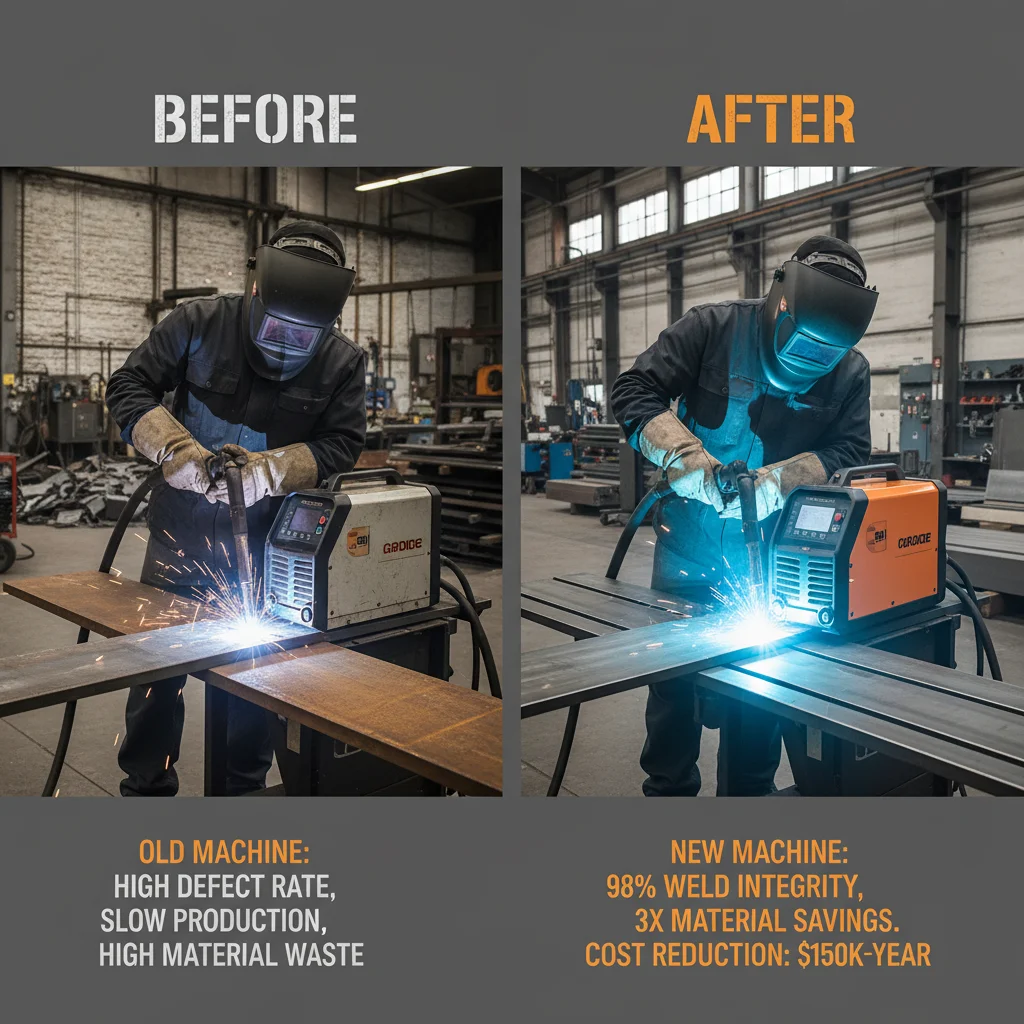
The global demand for efficient and reliable welding solutions is constantly increasing, driving innovation in automatic welding machine technology. Understanding the automatic welding machine price is crucial for businesses across various sectors, from manufacturing and construction to automotive and aerospace. The price point directly impacts project budgets, return on investment, and overall production efficiency. Accurate assessment of these costs allows for informed decision-making, optimizing workflows and maximizing profitability.
The automatic welding machine price isn’t a singular figure but varies considerably based on features, automation levels, and application-specific requirements. Fluctuations in raw material costs, labor expenses, and technological advancements also contribute to the pricing dynamics. This complexity necessitates a thorough understanding of market trends and vendor capabilities.
Choosing the right automatic welding machine is an investment that can significantly improve weld quality, reduce production time, and minimize human error. However, a miscalculated budget or choosing an unsuitable machine can lead to delays, increased costs, and compromised product integrity. Therefore, carefully evaluating the automatic welding machine price is paramount for success.
The Significance of Automatic Welding Machine Price
The automatic welding machine price is a critical factor for businesses aiming to enhance their welding operations. It's not simply about acquiring the cheapest option; it’s about achieving the best value for the investment. A well-chosen machine can provide a rapid return on investment through increased productivity, reduced material waste, and improved weld quality.
Understanding the nuances of pricing allows companies to strategically plan their capital expenditure and optimize their production processes. The initial investment is only one piece of the puzzle; ongoing maintenance, operational costs, and potential repair expenses must also be factored into the total cost of ownership.
Defining Automatic Welding Machine Price
The automatic welding machine price represents the total cost associated with purchasing and implementing a machine capable of performing welding tasks with minimal human intervention. This price encompasses the cost of the machine itself, as well as any included software, tooling, and initial training. However, it’s crucial to consider additional expenses such as installation, shipping, and potential customization.
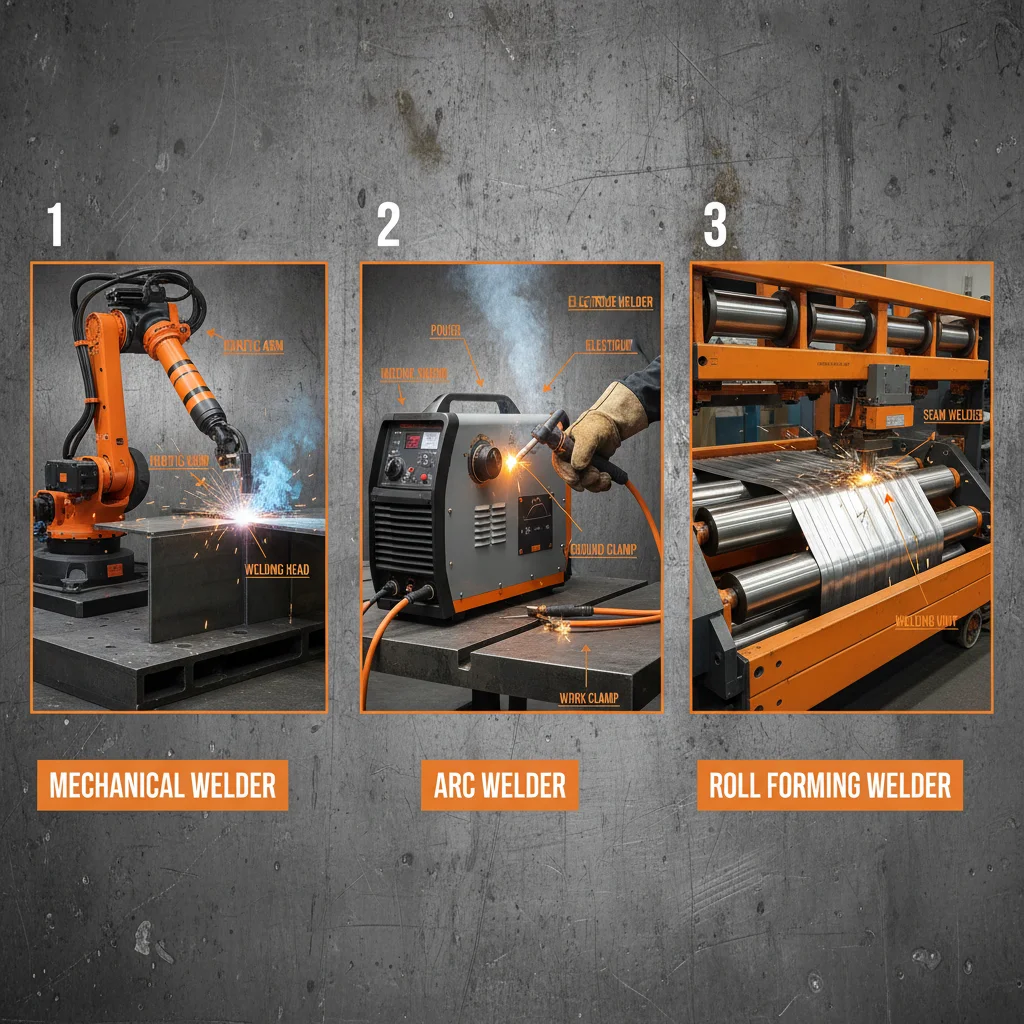
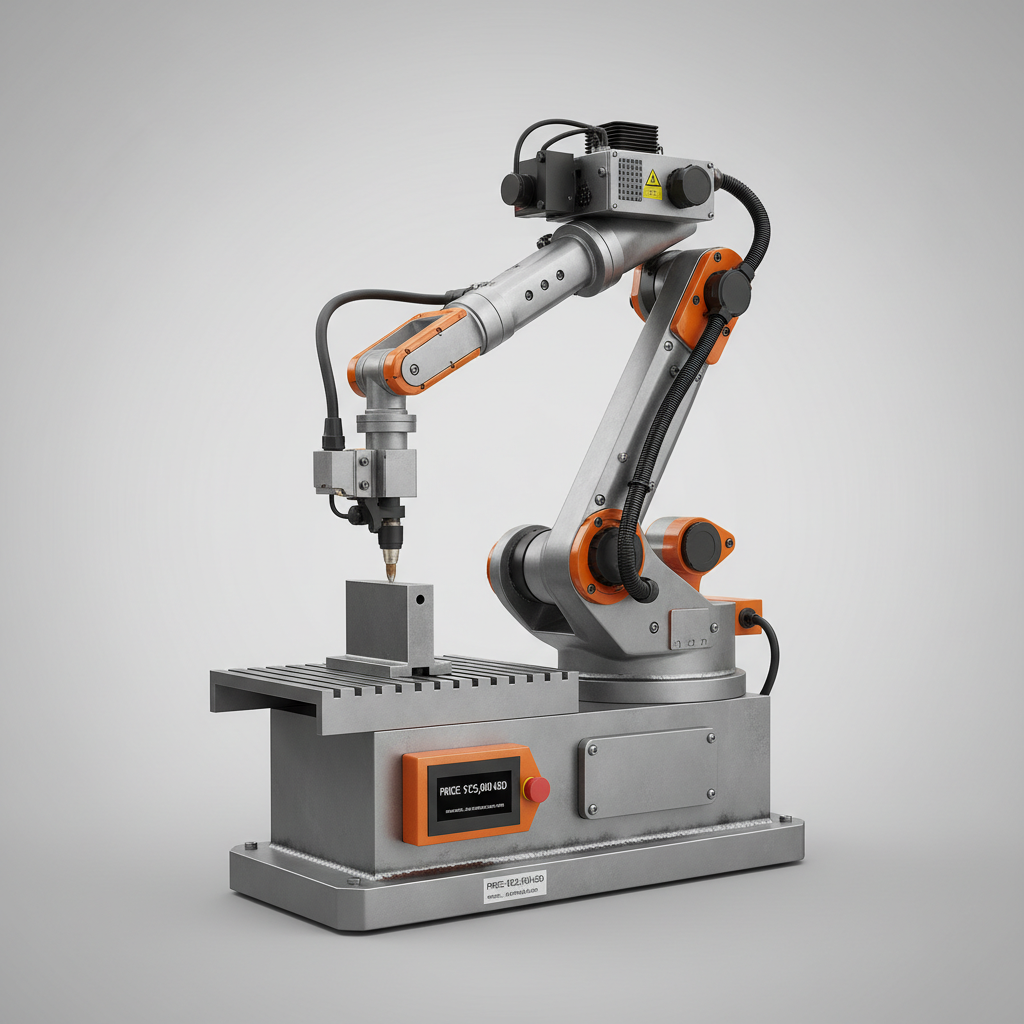
Different types of automatic welding machines—robotic welders, submerged arc welders, and seam trackers—all have varying price ranges. The complexity of the machine, its degree of automation, and its capabilities contribute significantly to the overall cost. Furthermore, the brand reputation and after-sales support also play a role.
Essentially, the price reflects the machine’s capacity to improve welding efficiency, enhance quality, and reduce labor costs, contributing to a long-term return on investment for the user.
Core Factors Influencing Automatic Welding Machine Price
Several key factors determine the automatic welding machine price. Firstly, the level of automation significantly impacts the cost, with fully robotic systems typically being more expensive than semi-automatic models. Secondly, the welding process type (MIG, TIG, SAW) influences pricing, as some processes require more complex and specialized equipment.
The machine’s capabilities, such as its welding range, material compatibility, and ability to handle complex geometries, also affect the price. Moreover, the manufacturer's brand reputation, the availability of after-sales service, and the inclusion of advanced features (like real-time monitoring and data analytics) all contribute to the overall cost.
Finally, the machine's power requirements, size, and portability can impact the price. Larger, more powerful machines with wider welding ranges naturally command a higher price tag compared to smaller, more specialized models. Customization options, such as specific tooling or programming tailored to unique applications, will also increase the total cost.
Global Applications and the Impact of Price
Automatic welding machines are vital across numerous industries worldwide. In the automotive sector, they ensure precise and consistent welds for vehicle chassis and body panels, impacting both safety and production efficiency. The automatic welding machine price is a major consideration for automotive manufacturers seeking to minimize production costs.
In the construction industry, automated welding is used for structural steel fabrication, bridge construction, and pipeline welding. The demand for robust and reliable welding solutions in these applications drives the need for higher-priced, heavy-duty machines. In aerospace, where precision and quality are paramount, advanced automatic welding systems are employed for critical components, justifying a higher price point.
Globally, regions with strong manufacturing bases, such as China, Germany, and the United States, represent significant markets for automatic welding machines. The specific automatic welding machine price accepted varies depending on regional economic conditions and industry standards.
Price Comparison by Welding Method
Advantages and Long-Term Value Proposition
Investing in an automatic welding machine offers several significant advantages. First, it dramatically increases welding speed and throughput, resulting in higher production volumes. Secondly, it enhances weld quality and consistency, reducing defects and rework. The automatic welding machine price can be justified by these improvements in efficiency and quality.
Furthermore, automation reduces labor costs and minimizes the risk of human error, leading to long-term cost savings. The reliability and durability of modern automatic welding machines also contribute to a lower total cost of ownership, even with a higher initial investment.
Future Trends Affecting Automatic Welding Machine Price
Several emerging trends are poised to impact the automatic welding machine price in the coming years. The integration of artificial intelligence (AI) and machine learning (ML) is enabling the development of self-optimizing welding systems that can adapt to varying conditions and materials. These advanced features will likely command a premium price.
The increasing demand for lightweight materials, such as aluminum and titanium, is driving the need for specialized welding equipment capable of handling these alloys. The development of more energy-efficient welding processes and the incorporation of sustainable materials will also influence pricing trends.
Challenges and Solutions in Price Optimization
One of the main challenges in optimizing the automatic welding machine price is balancing initial investment with long-term operational costs. Businesses must carefully assess their specific needs and production requirements to determine the most cost-effective solution.
Another challenge is the complexity of integrating automatic welding machines into existing production lines. Proper training and support are essential to ensure a smooth transition and maximize the benefits of automation.
Solutions include exploring financing options, leasing agreements, and used equipment markets to reduce upfront costs. Collaborating with experienced vendors and seeking expert guidance can also help businesses make informed decisions and optimize their welding processes.
Summary of Key Price Considerations for Automatic Welding Machines
| Machine Type |
Automation Level |
Application Specificity |
Vendor Support & Warranty |
| Robotic Arm Welder |
Fully Automated |
High Precision Automotive |
5 Years, Comprehensive |
| Submerged Arc Welder |
Semi-Automated |
Heavy Steel Construction |
2 Years, Limited |
| TIG Welder with Tracker |
Assisted Automation |
Aerospace Component Welding |
3 Years, Parts Only |
| MIG Welder - Entry Level |
Basic Automation |
General Fabrication |
1 Year, Manufacturer Defect |
| Laser Beam Welding System |
Fully Automated |
Precision Medical Devices |
7 Years, Full Coverage |
| Friction Stir Welding Machine |
Advanced Automation |
Aluminum Alloy Welding |
4 Years, Priority Support |
FAQS
Several factors impact the automatic welding machine price, including the level of automation (fully robotic vs. semi-automatic), the type of welding process employed (MIG, TIG, SAW), the machine's capabilities (welding range, material compatibility), and the vendor’s brand reputation and support services. Advanced features like AI integration and real-time monitoring also drive up the cost. Ultimately, the best price considers not just the initial investment but also long-term operational and maintenance expenses.
Calculating ROI involves comparing the investment cost (machine price, installation, training) to the projected savings and increased revenue. Consider factors like reduced labor costs, decreased material waste, improved weld quality (leading to fewer defects and rework), and increased production throughput. Analyze potential time savings and their monetary value to arrive at a realistic ROI projection.
Beyond the initial automatic welding machine price, ongoing costs include maintenance (preventative and reactive), replacement parts (electrodes, nozzles, wires), energy consumption, and potential software updates or licensing fees. Regular maintenance is crucial to ensure the machine's longevity and minimize downtime.
Fully automatic machines, typically robotic welders, are significantly more expensive than semi-automatic options. This price difference reflects their advanced capabilities, including autonomous operation, higher precision, and greater versatility. Semi-automatic machines still require operator input but offer increased efficiency compared to manual welding.
Yes, several financing options are available, including loans, leases, and manufacturer-sponsored programs. Leasing can provide a lower upfront cost and allows businesses to upgrade their equipment more frequently. Carefully compare the terms and conditions of different financing options to find the most suitable solution.
Larger, more complex welding projects typically require more sophisticated and expensive automatic welding machines. Factors like material thickness, weld length, and the need for specialized welding techniques (e.g., orbital welding) all influence the price. Smaller projects with simpler requirements may be adequately addressed with less expensive, entry-level machines.
Conclusion
In conclusion, the automatic welding machine price is a complex equation involving a multitude of factors. Understanding these factors – from the level of automation and welding process to vendor support and long-term operational costs – is crucial for making an informed investment. Selecting the right machine isn't simply about minimizing upfront expenditure; it's about maximizing long-term value through increased efficiency, improved quality, and reduced operational expenses.
As technology continues to advance, we can expect to see further innovations in automatic welding, potentially leading to more affordable and versatile solutions. Investing in automatic welding technology is a strategic move that can position businesses for success in a competitive global market. We encourage you to explore the options available and visit our website to learn more: www.topstarlaser.com