Shijiazhuang Topstar
International Trading Co., Ltd.


Get In Touch
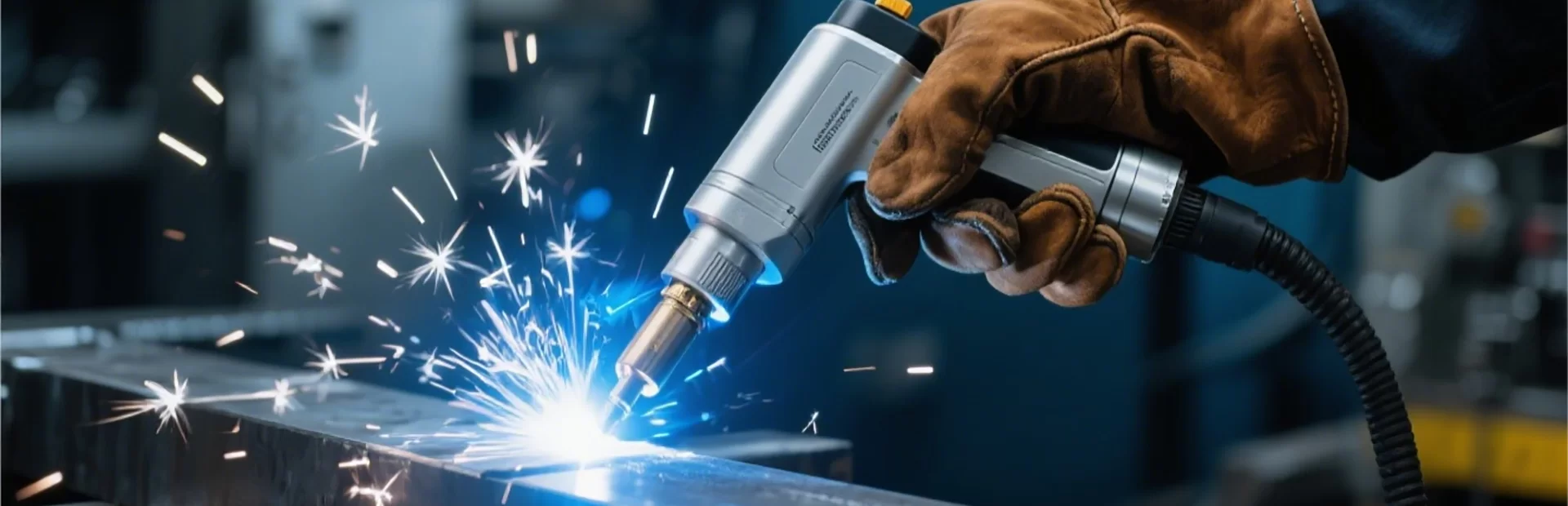
You know, it wasn't that long ago that welding conjured images of sparks flying, intense heat, and a highly skilled artisan hunched over a workpiece. And while that craftsmanship still exists and is hugely valued, the manufacturing floor is undergoing a quiet, yet profound, revolution. We're talking about the rise of robotic laser welding, a technology that's redefining precision, speed, and consistency in ways we could only dream of a couple of decades back. It's truly fascinating to witness, honestly.
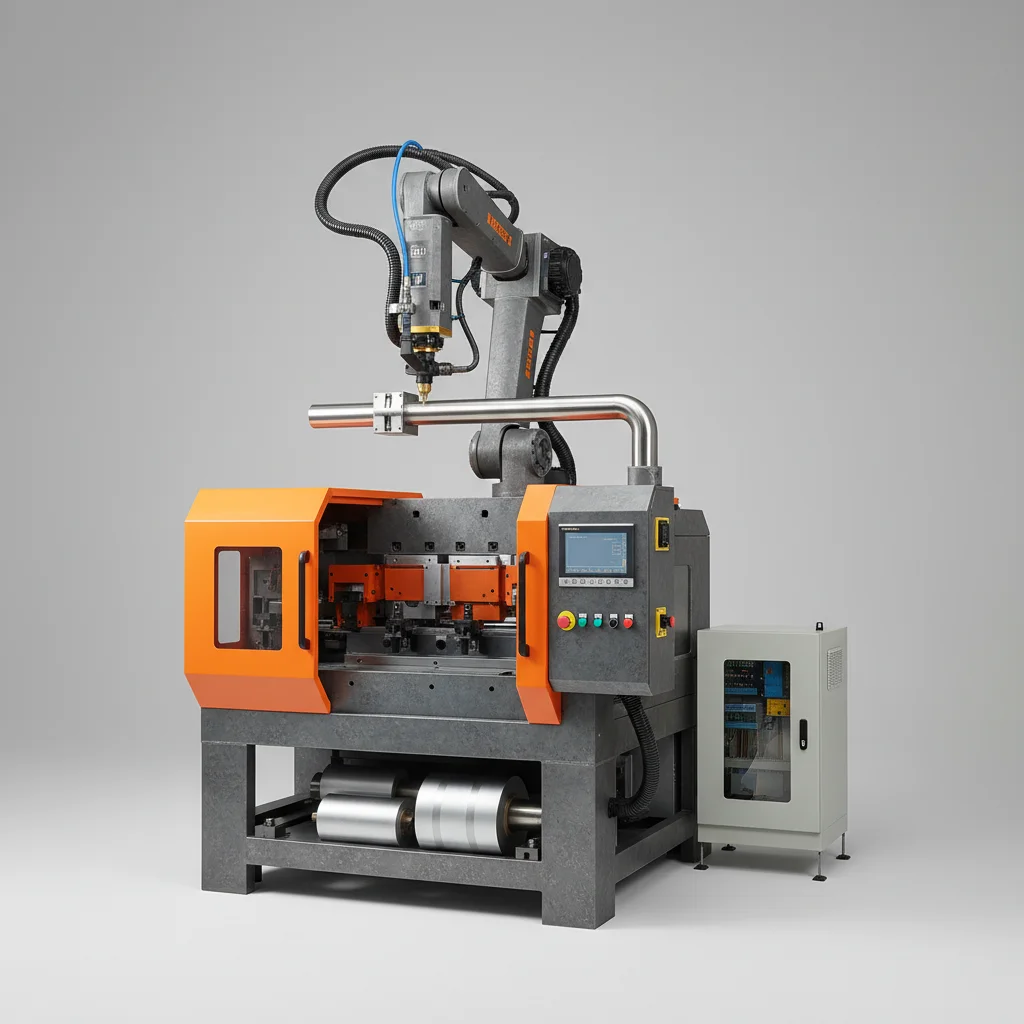
At its core, a robot laser welding machine is a marvel of modern engineering. Imagine a multi-jointed industrial robotic welding arm, incredibly flexible and precise, with a sophisticated welding tool – often a laser-powered one – attached to its end. This system, controlled by intricate computer programming, can perform welding tasks automatically, repeatably, and with a level of accuracy that human hands simply cannot match over extended periods. It's not just about speed; it's about unwavering quality, every single time.
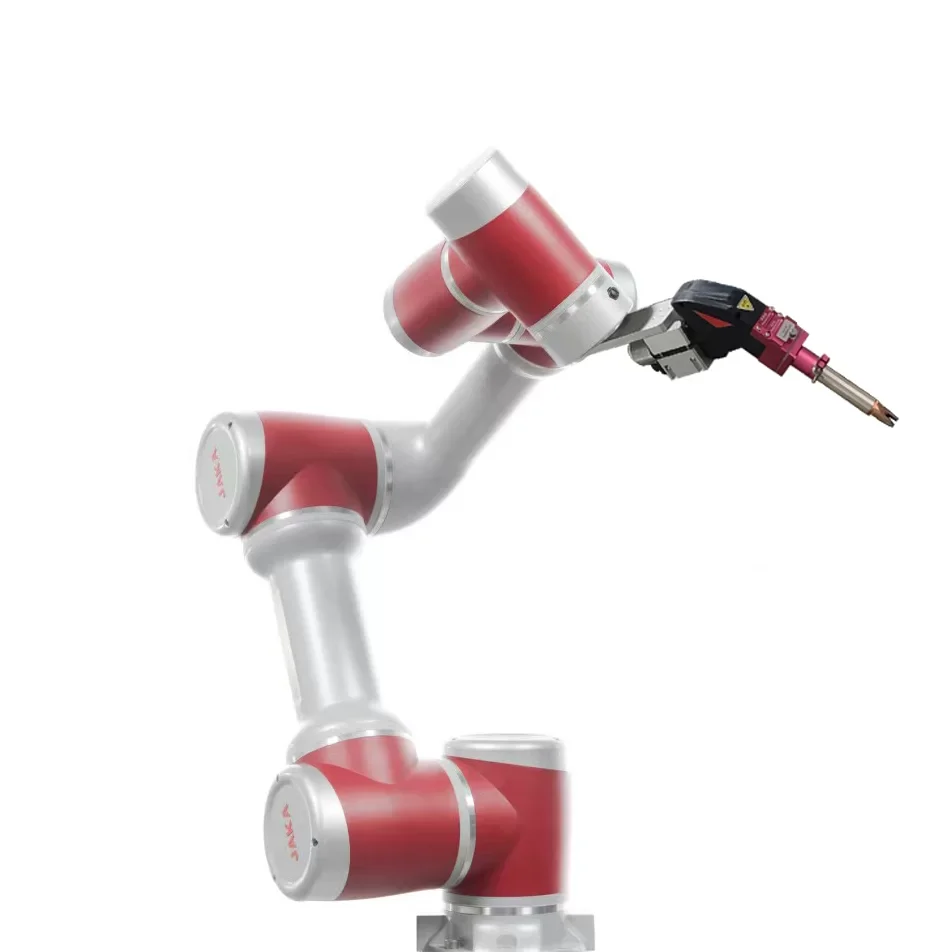
Many customers I've spoken with in the industry confirm that these flexible arms, working at fixed workstations, are absolutely indispensable. Especially when you're dealing with complex three-dimensional paths and aiming for high output with impeccable consistency, manual methods just don't cut it anymore. That's where the robot laser welding machine really shines.
The reasons for adopting this technology are quite compelling, if you ask me. Let's break down some of the key benefits:
· Unmatched Production Efficiency and Stability: These machines can work 24/7. Seriously. No coffee breaks, no fatigue. The welding speed stays constant, dramatically boosting productivity. Plus, without human variables, production cycles become predictable, simplifying your entire line management.
· Consistently Superior Welding Quality: This is a big one. The precise, repetitive movements of the robotic welding arm eliminate the inconsistencies that come with manual skill variations. Every weld is uniform, strong, and aesthetically pleasing – critical for quality control.
· Phenomenal Flexibility and Versatility: This is where it gets really smart. By simply swapping out fixtures and reprogramming, the same robotic setup can quickly adapt to different products. Ideal for those high-mix, low-volume production models that are increasingly common these days.
· Significant Long-Term Cost Reduction: While the upfront investment for a robotic laser welding system might seem substantial, the long-term savings are remarkable. Think less need for highly skilled manual welders, lower labor and management costs, and significantly reduced rework and scrap rates. It all adds up!
· Improved Working Environment: This isn't just a bonus; it's a critical factor. Workers are freed from exposure to hazardous welding fumes, intense light, and high temperatures, allowing them to focus on higher-value tasks like monitoring and maintenance. Good for the company, good for the people.
The reach of robotic laser welding is surprisingly broad. Here are some of the industries where it's truly making an impact:
· Automotive Manufacturing: The biggest user, hands down. From body-in-white lines to chassis and exhaust pipes, robots handle nearly all welding.
· Construction Machinery: Welding large, high-strength structural components for excavators and cranes.
· Rail Transportation: Critical for welding frames and skins of high-speed trains and subway cars, where reliability is paramount.
· Aerospace: Engine components and aircraft structures require incredible precision and quality, making this an ideal fit.
· Metal Furniture & Home Appliances: Mass production of consistent, high-quality items.
· Shipbuilding: While challenging due to scale, it's gaining traction for segmented welding.
When we talk about the technical aspects, it's not just about the robot itself. It's a whole system. Typically, materials like various grades of steel, aluminum, and even some exotic alloys are processed. The method often involves fiber laser welding, known for its deep penetration and minimal heat-affected zone. Testing standards? You bet! Think ISO 9001 for quality management, specific industry standards like AWS D17.1 for aerospace or relevant automotive standards. Service life for a well-maintained system can easily exceed a decade, with consumables being the main replacement items. Customization is also a big deal; vendors can tailor software, end-effectors, and cell layouts to specific production needs.
Here's a look at what you might expect from a typical robot laser welding machine:
Product Specifications: Robot Arm Welding System | |
Feature | Specification |
Robot Arm Type | Multi-jointed Industrial Robot (e.g., 6-axis) |
Reach (Working Radius) | ≈ 1300mm to 2000mm (depends on model) |
Repeatability | ±0.03mm (real-world use may vary slightly) |
Welding Method | Fiber Laser Welding (e.g., 1000W - 6000W) |
Control System | Integrated PLC & CNC controller |
Power Consumption | Around 15-30 kW (operating) |
Certifications | CE, ISO 9001 (system dependent) |
When it comes to investing in a robotic welding arm, choosing the right vendor is paramount. It's not just about the machine; it's about support, integration, and future-proofing. Here's a simplified look at what factors you might weigh:
Vendor Comparison Factors for Robotic Welding Systems | |
Factor | Considerations |
Robot Brand/Model | Reputation, global support, specific features (payload, reach) |
Laser Source | Power, beam quality, reliability, brand recognition (e.g., IPG, Raycus) |
Software & Programming | Ease of use, offline programming capabilities, simulation tools |
Integration & Support | Turnkey solutions, training, local service network, response time |
Customization Options | Ability to tailor cell design, fixtures, safety features |
Cost (Initial & TCO) | Upfront price vs. long-term operating costs, consumables |
From personal experience, seeing a robotic laser welding cell in action is quite something. It's quiet, efficient, and almost mesmerizing in its precision. The trends are clear: demand for higher quality, faster production, and safer working conditions will only push this technology further. We'll likely see more advanced AI integration, enhanced sensor feedback for real-time adjustments, and even more compact, agile robotic solutions. It's an exciting time to be involved in manufacturing, that's for sure.
1. International Organization for Standardization (ISO) - ISO 9001
2. American Welding Society (AWS)
3. The Robot Report - Robotics Industry News