Shijiazhuang Topstar
International Trading Co., Ltd.


Get In Touch
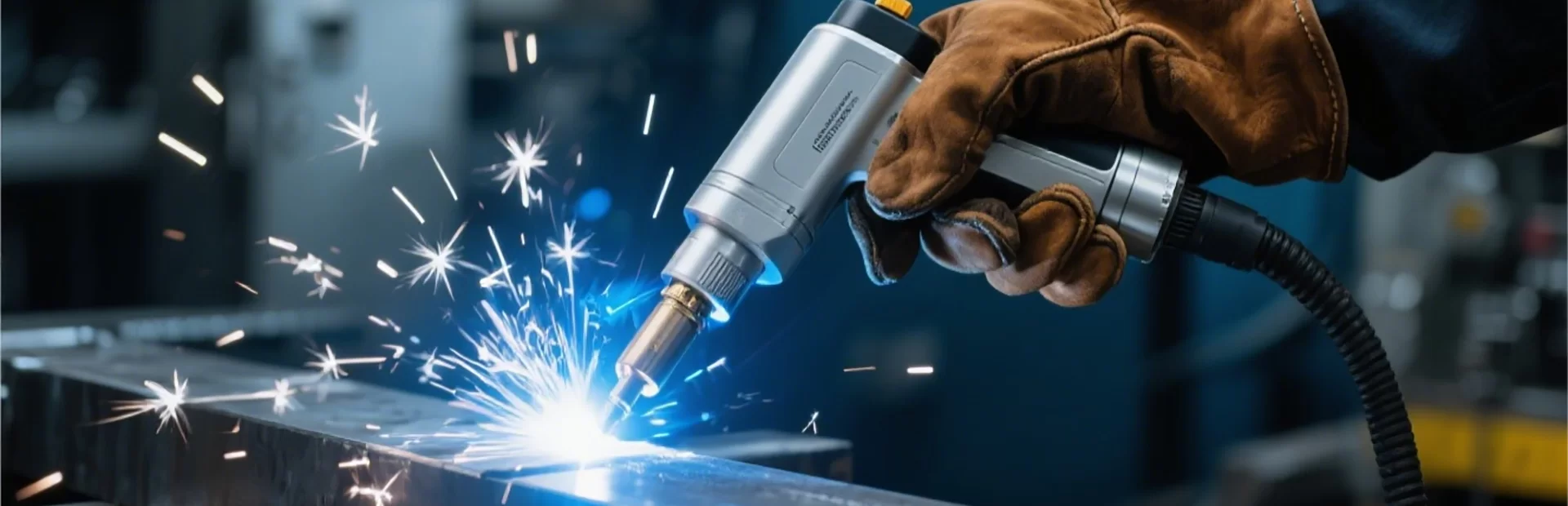
The laser cutting process has revolutionized manufacturing across numerous industries. From intricate designs to high-precision components, laser cutting offers unparalleled accuracy and efficiency. This article will provide an in-depth look at the laser cutting process, its applications, advantages, and considerations for optimal results. Whether you're exploring laser cutting for your business or simply seeking to understand this fascinating technology, this guide will provide a comprehensive overview. Topstar Laser is dedicated to providing cutting-edge laser solutions to meet your specific needs.
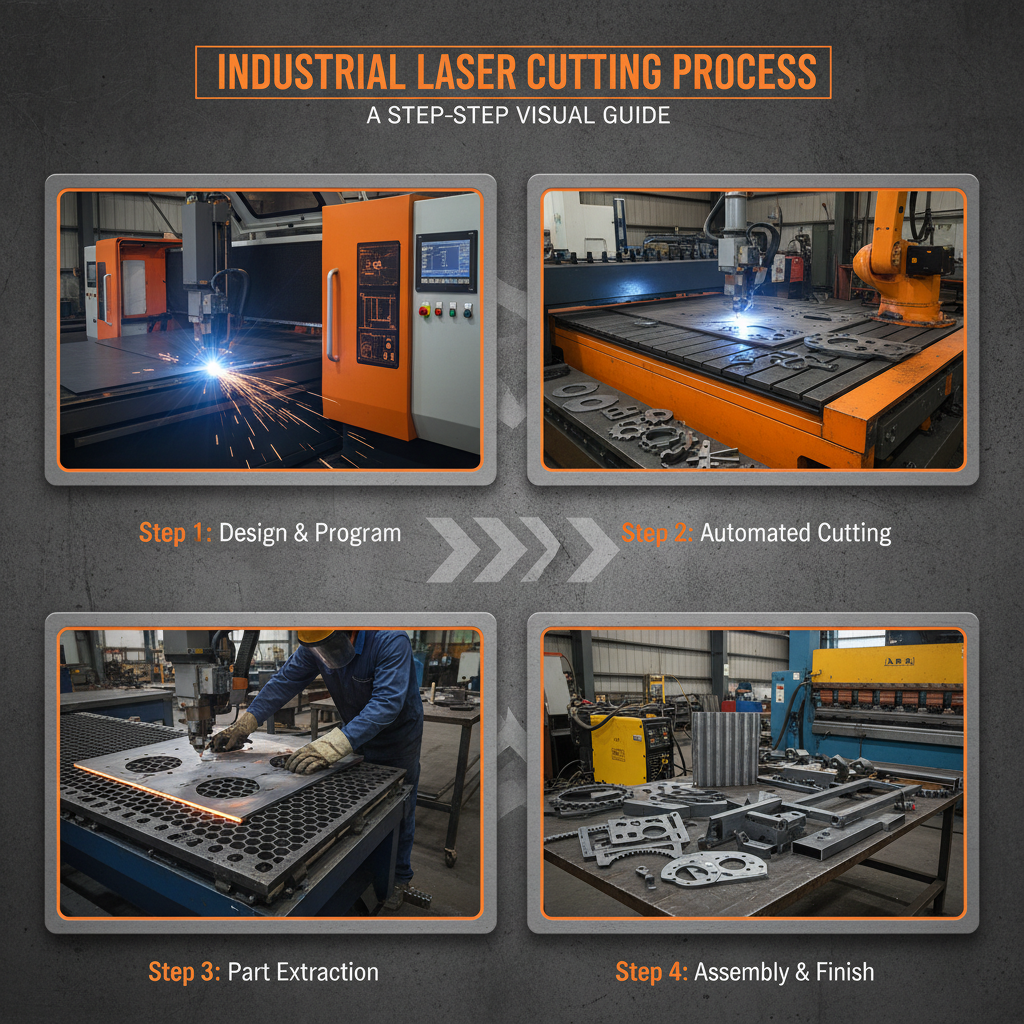
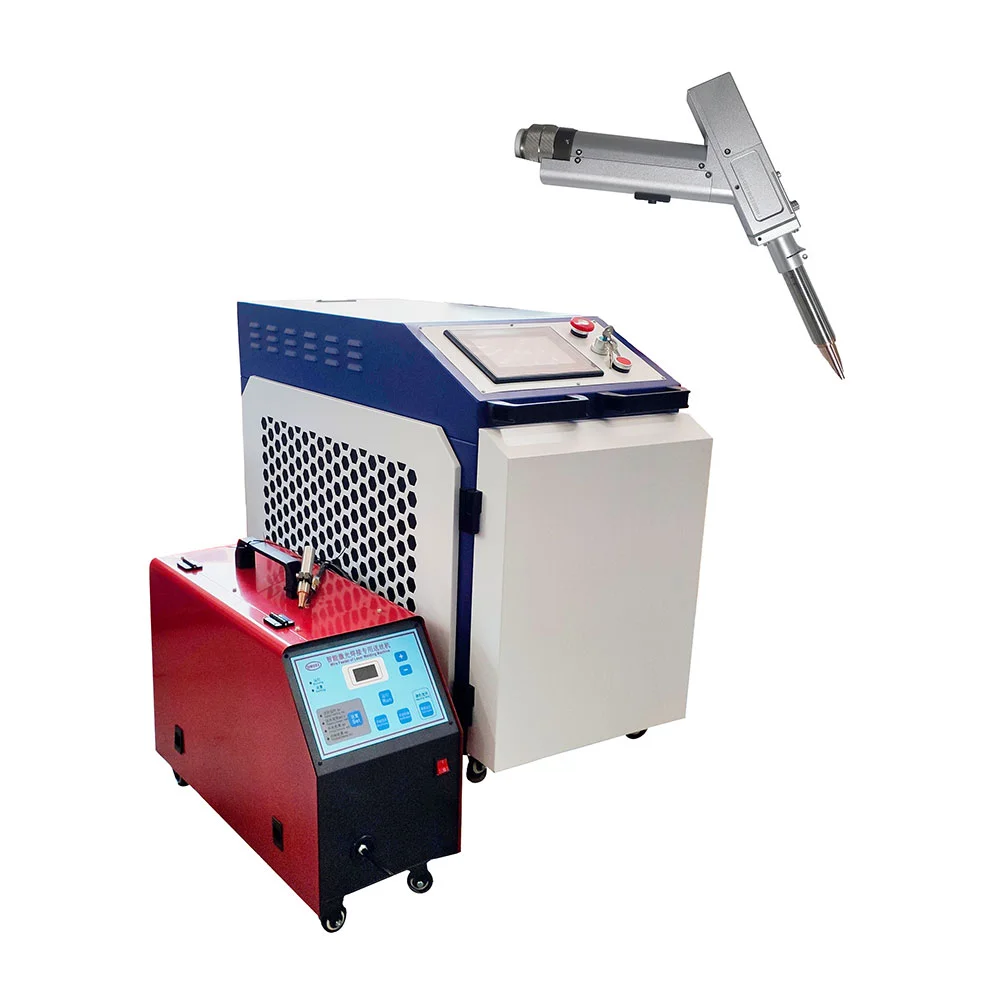
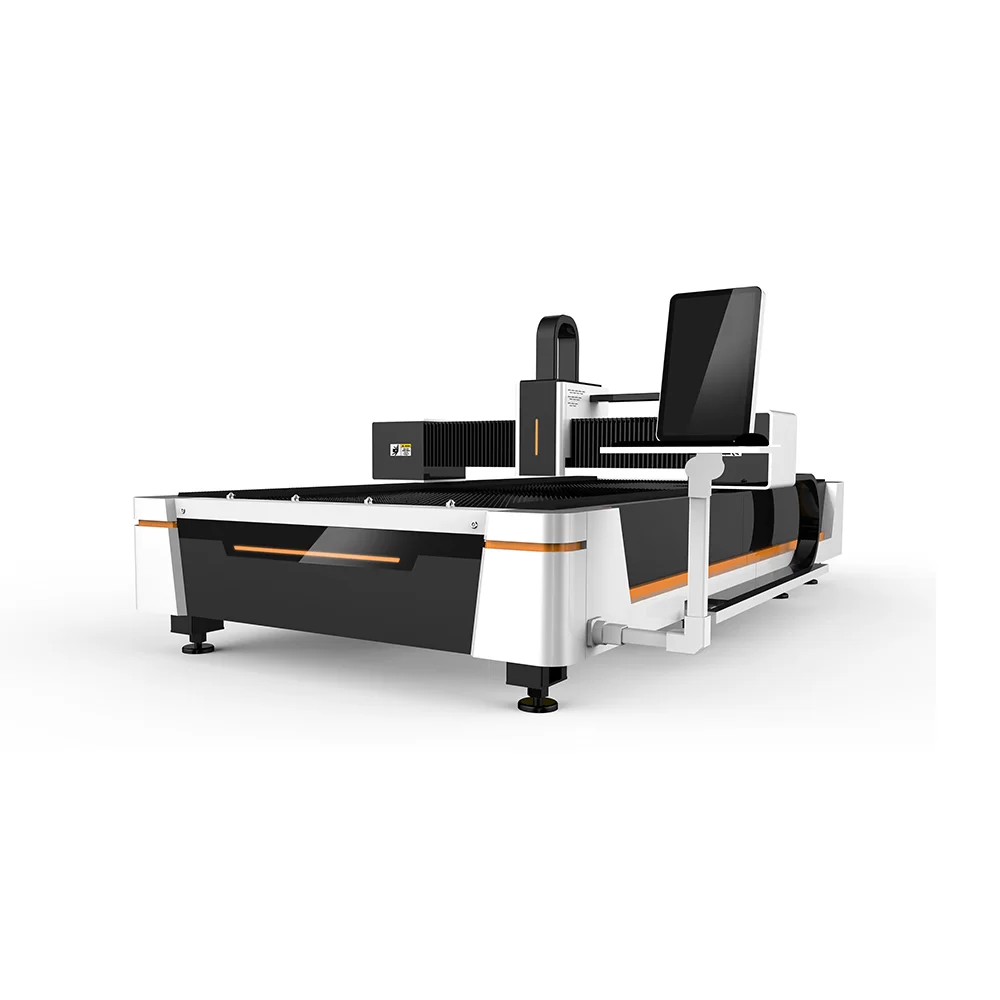
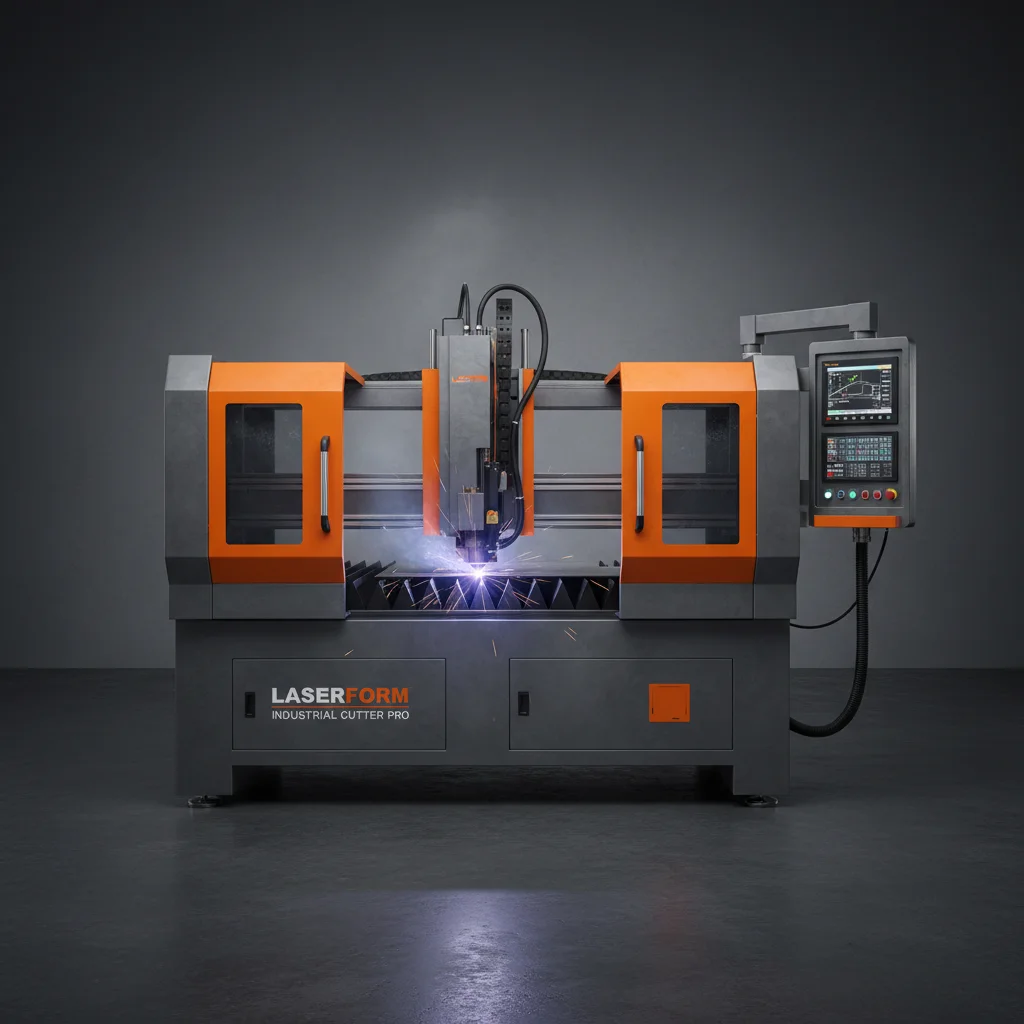
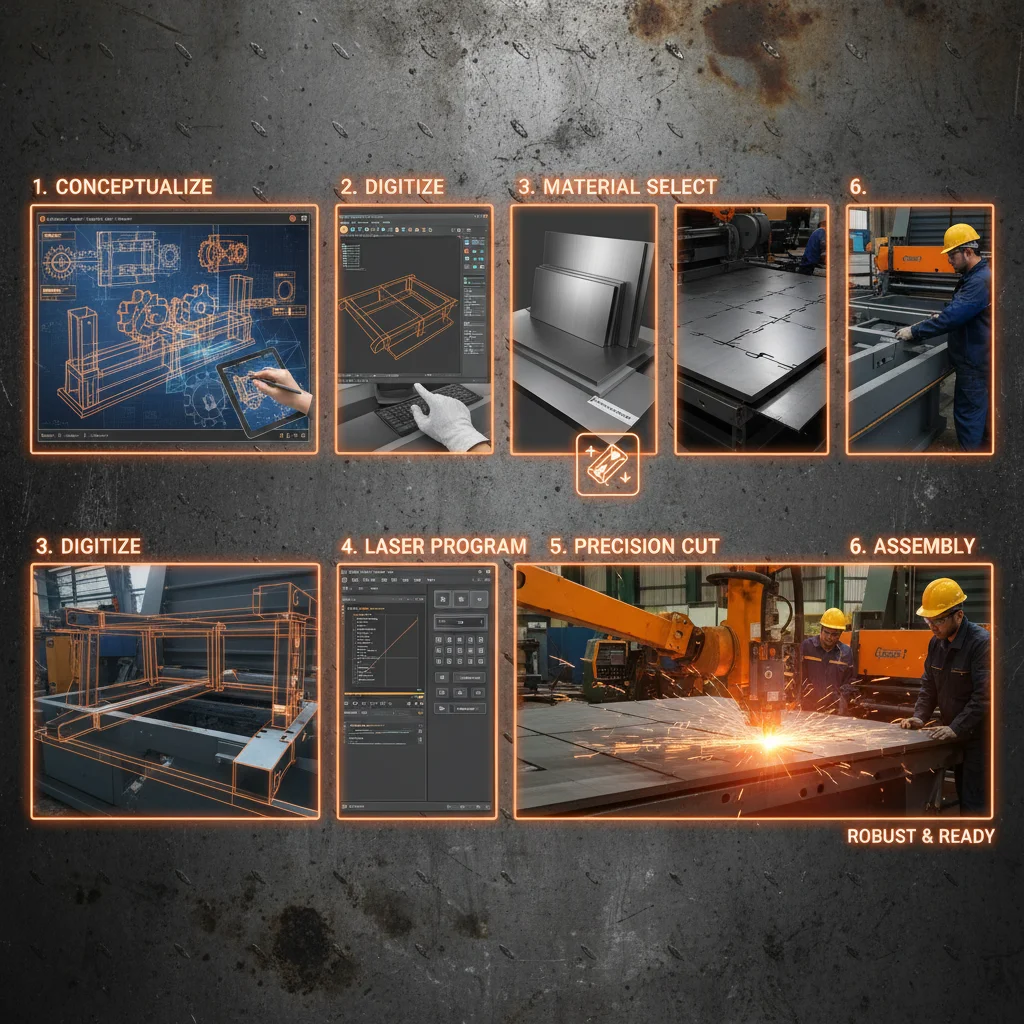
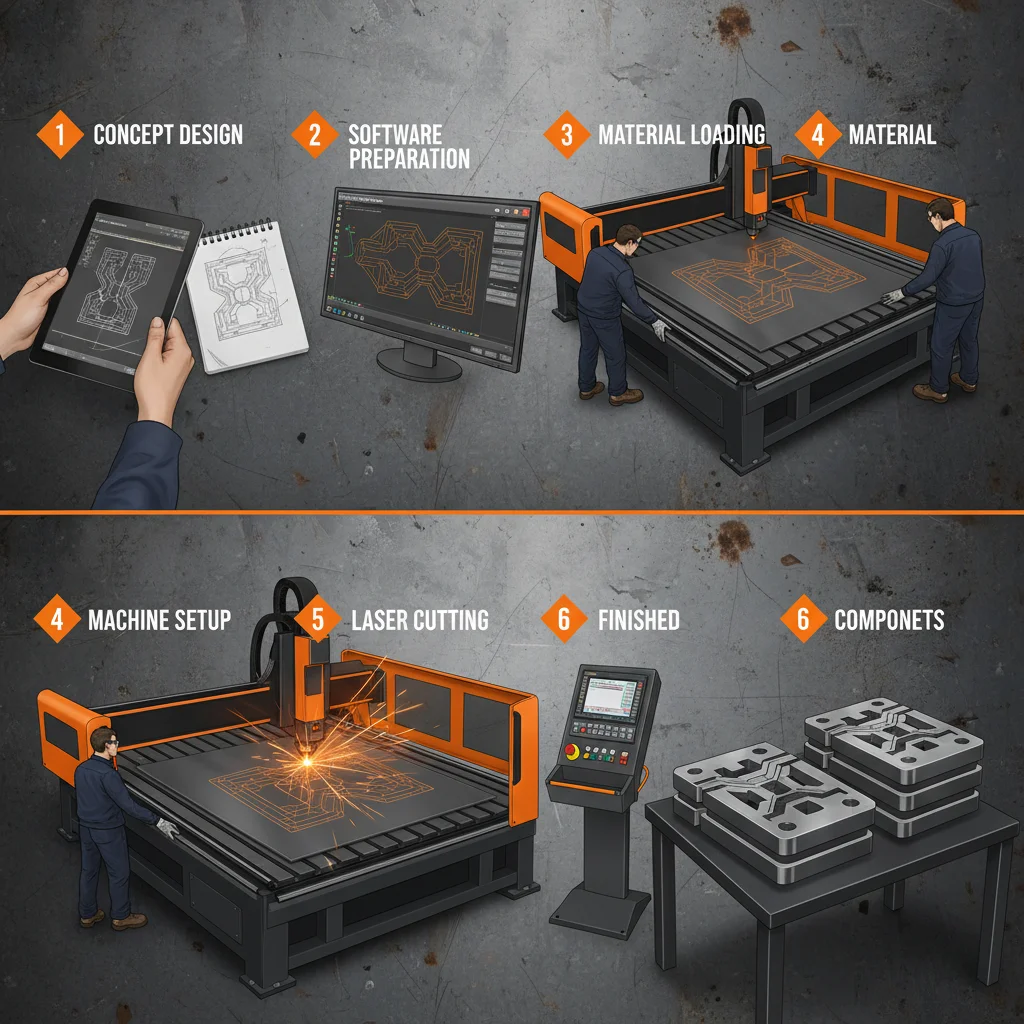
At its core, the laser cutting process utilizes a highly focused laser beam to precisely cut through materials. The laser beam works by vaporizing, melting, or burning away material, creating a clean and accurate cut. The process begins with a design created in a CAD (Computer-Aided Design) software. This design is then imported into the laser cutting machine's control system. The machine precisely directs the laser beam along the design path, resulting in the desired cut shape. Different laser types are used depending on the material being cut – CO2 lasers are common for organic materials, while fiber lasers excel at cutting metals. The precision of the laser beam allows for intricate designs and tight tolerances.
Key Highlights: The process begins with a design created in CAD software and then imported into the laser cutting machine's control system, ensuring precision and accuracy.
A wide range of materials can be effectively cut using laser technology. Some of the most common include:
The choice of laser type and settings will depend on the specific material being cut to achieve optimal results. Topstar Laser machines are designed to handle diverse material types with ease.
Compared to traditional cutting methods like sawing, milling, or punching, laser cutting offers numerous advantages. Laser cutting provides significantly higher precision, allowing for intricate designs and tight tolerances. It's also a non-contact process, meaning there’s no physical tool pressing against the material, reducing the risk of distortion or damage. Furthermore, laser cutting is generally faster and more efficient, especially for complex shapes. Traditional methods often require secondary finishing processes, whereas laser cutting often produces clean edges that require minimal or no post-processing.
Comparison of Cutting Methods:
• Precision: Laser Cutting (High) vs. Traditional (Moderate to Low)
• Speed: Laser Cutting (Fast) vs. Traditional (Slower)
• Material Versatility: Laser Cutting (Wide Range) vs. Traditional (Limited)
• Post-Processing: Laser Cutting (Minimal) vs. Traditional (Often Required)
The laser cutting process finds applications in a vast array of industries, including:
| Industry | Applications |
|---|---|
| Aerospace | Cutting turbine blades, structural components |
| Automotive | Creating prototypes, cutting interior parts |
| Medical | Manufacturing surgical instruments, implants |
| Signage | Creating custom signs, displays |
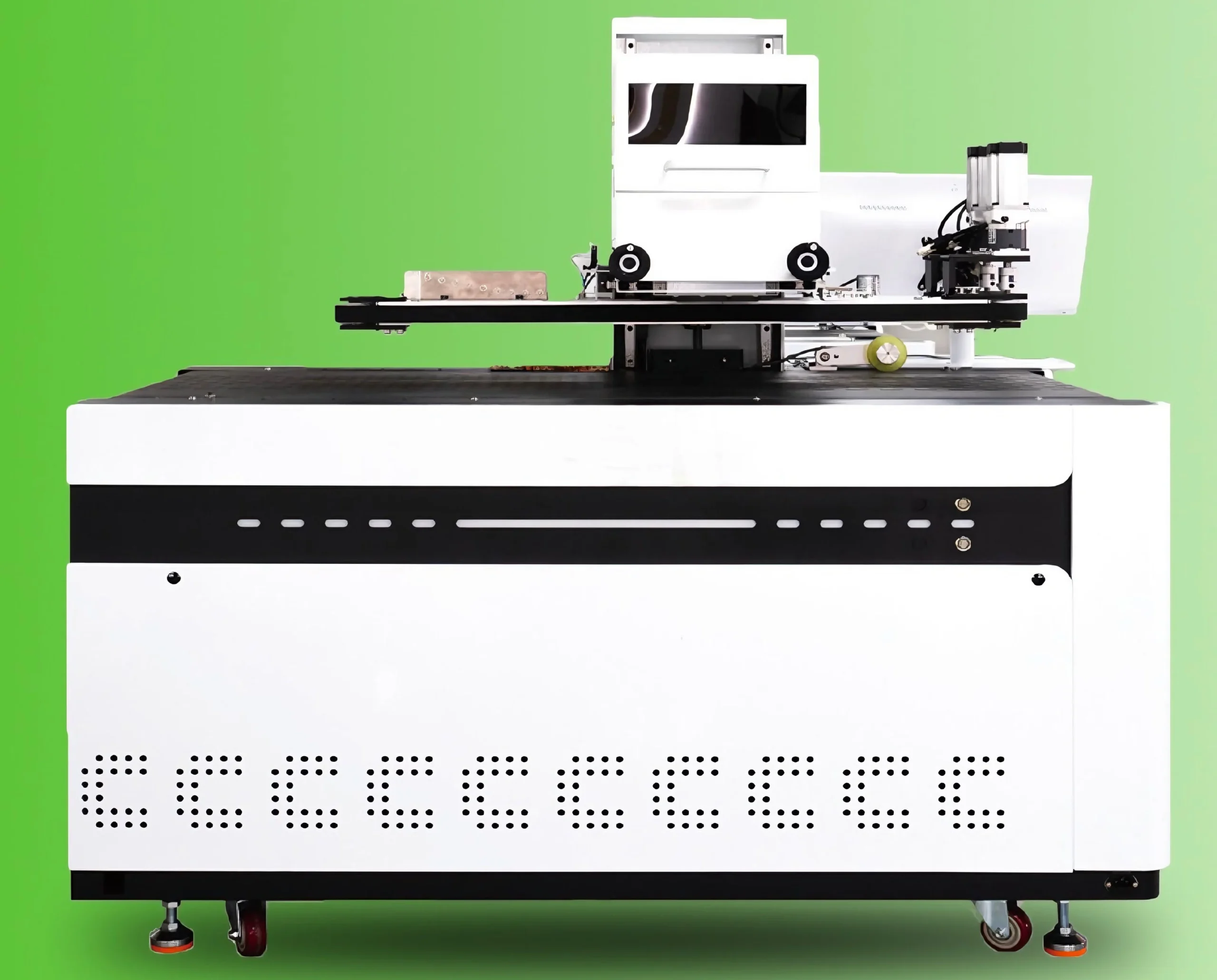
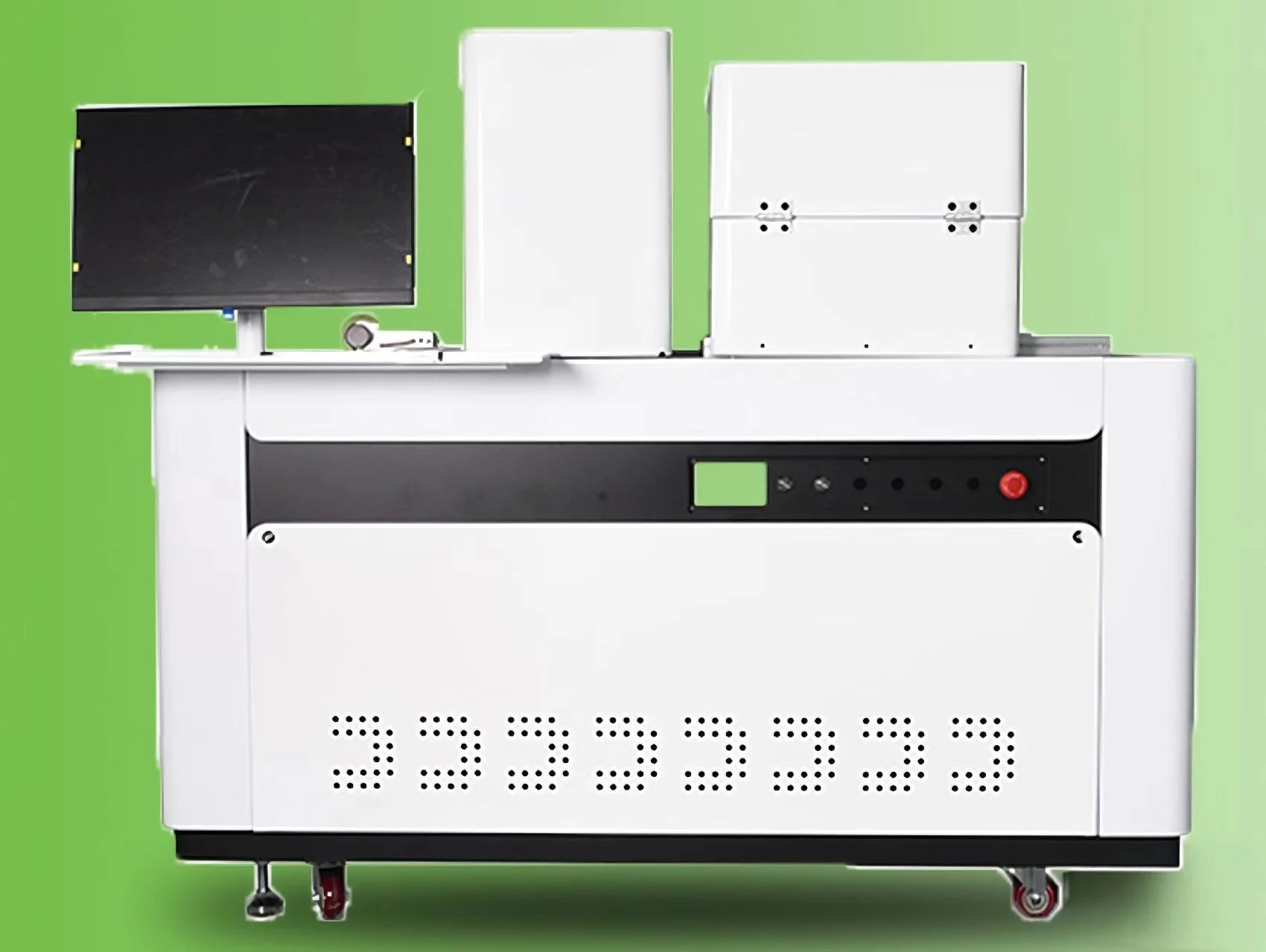
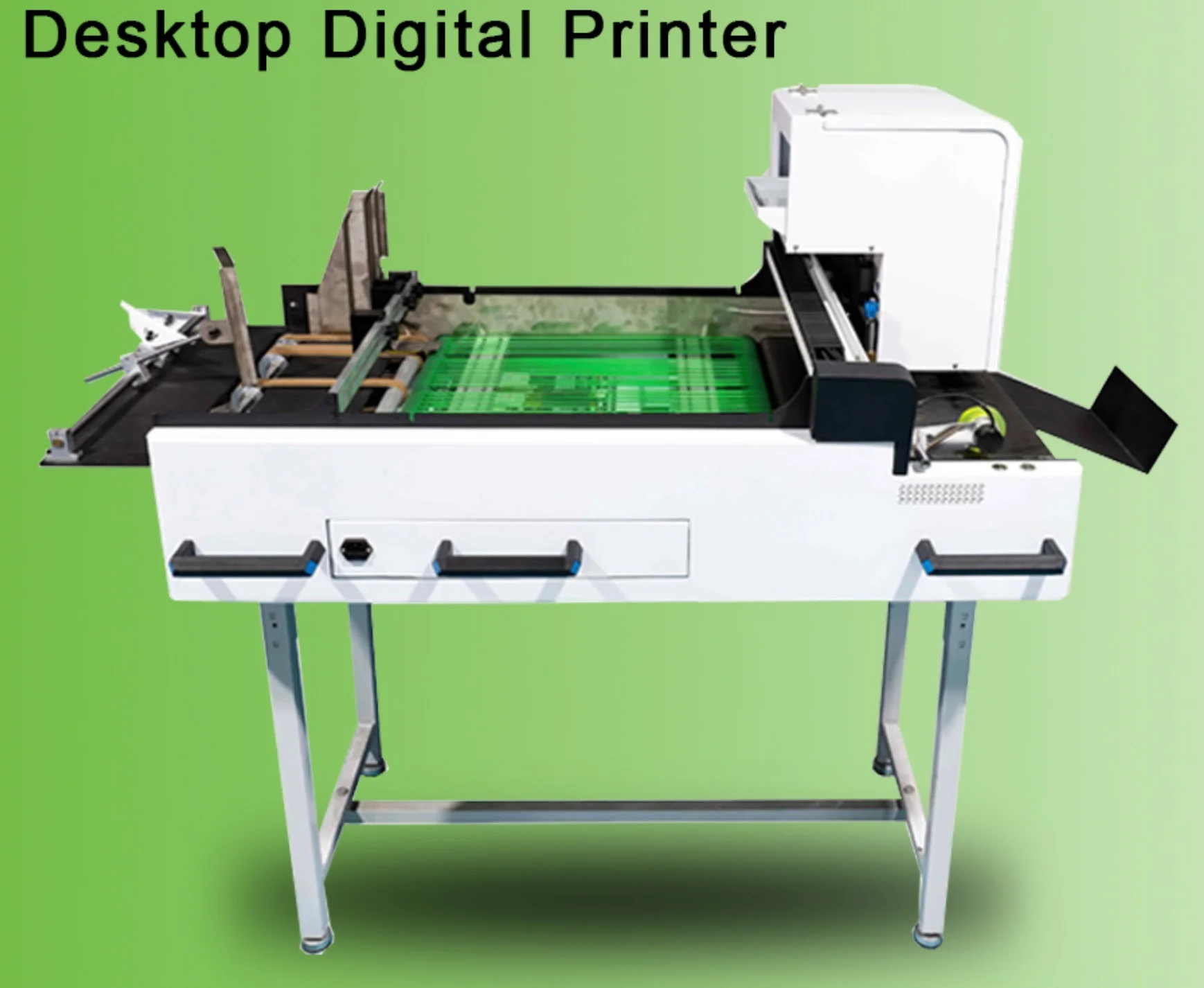
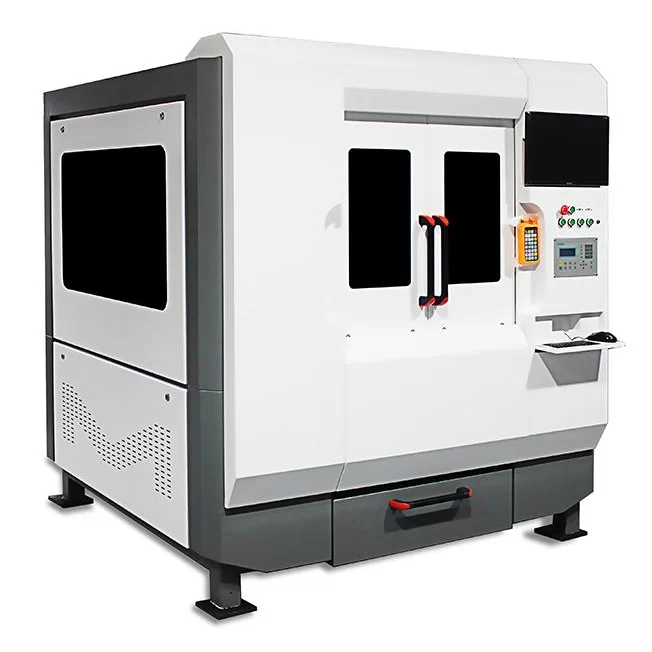
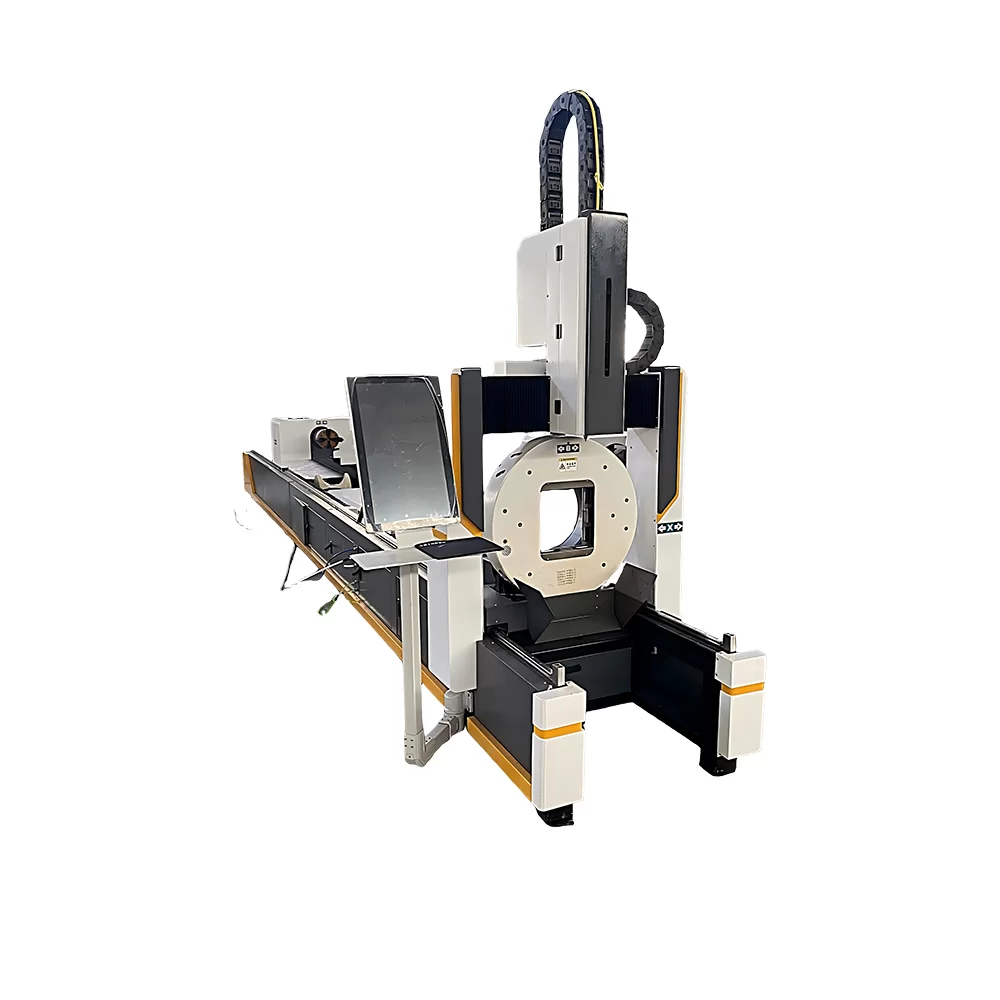
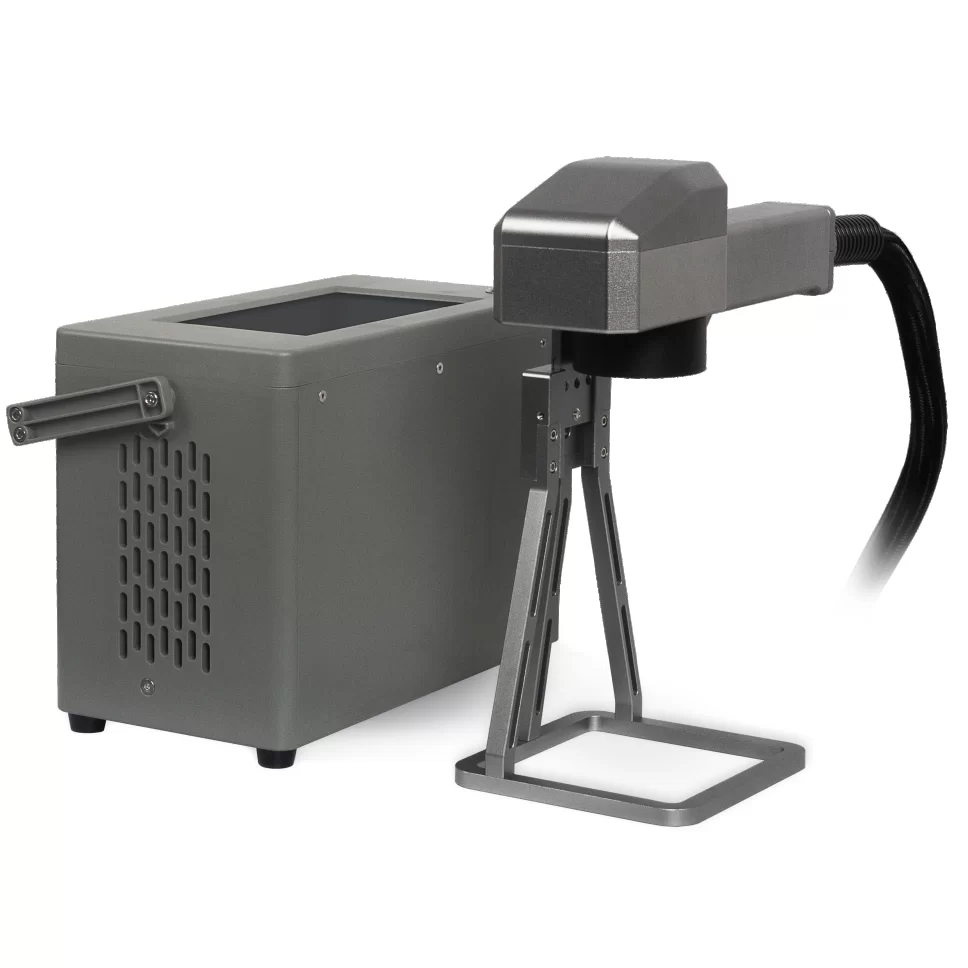
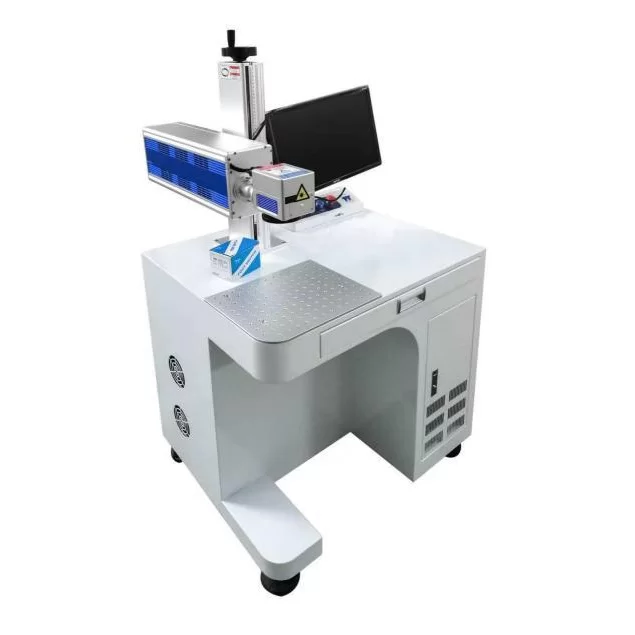
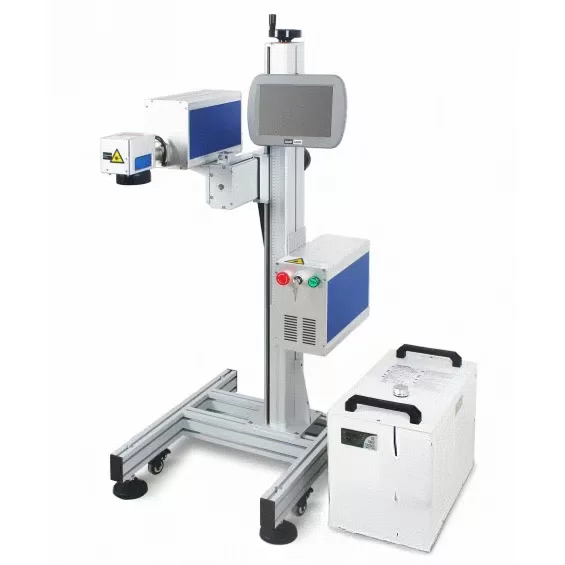
Selecting the appropriate laser cutting machine is crucial for achieving optimal performance and ROI. Factors to consider include the materials you plan to cut, the desired cutting speed and precision, the size of the work area required, and your budget. Topstar Laser offers a comprehensive range of laser cutting machines to suit various applications and budgets. Our expert team can help you assess your needs and recommend the perfect solution.
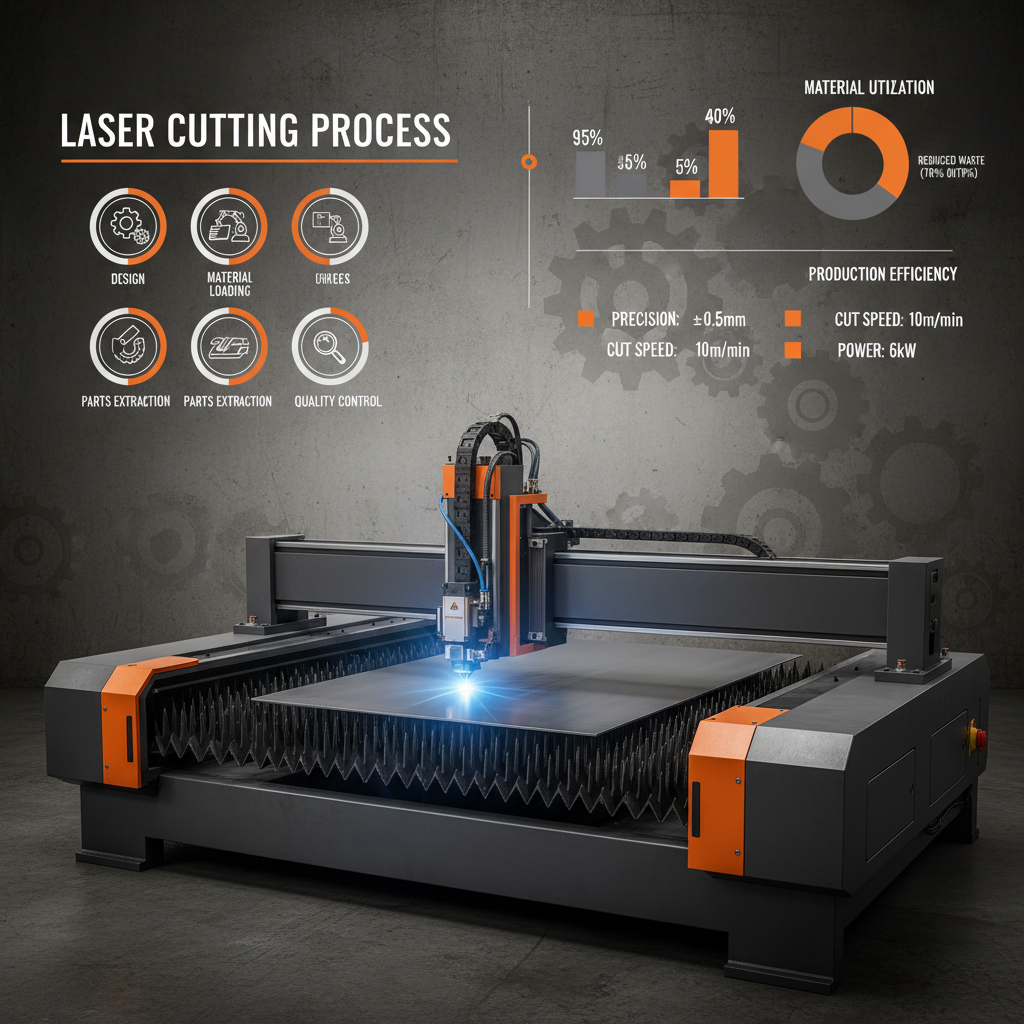
The laser cutting process is a transformative technology that continues to evolve and expand its capabilities. Its precision, versatility, and efficiency make it an indispensable tool for businesses across a wide spectrum of industries. Topstar Laser is committed to driving innovation in laser technology and providing our customers with the solutions they need to succeed.
Safety is paramount when operating a laser cutting machine. Always wear appropriate eye protection (laser safety glasses) to shield your eyes from the laser beam. Ensure the machine is properly enclosed to prevent stray laser radiation. Never leave the machine unattended while it's running. Implement proper ventilation to remove fumes and particulate matter generated during the cutting process. Regularly inspect the machine for any malfunctions or damage. Following these guidelines is crucial for a safe working environment.
Cutting speed varies significantly depending on the material type, thickness, and laser power. For example, cutting thin acrylic might take a few inches per minute, while cutting thicker steel could be considerably slower, around 0.5-1 inch per minute. Wood cutting speeds typically fall in between. The machine's control software allows you to adjust parameters like laser power, speed, and frequency to optimize cutting performance for each material.
Laser cutting machines require regular maintenance to ensure optimal performance and longevity. This includes cleaning the lenses and mirrors to maintain beam quality, inspecting and cleaning the gas assist system, lubricating moving parts, and periodically checking the alignment of the laser beam. Following the manufacturer's recommended maintenance schedule is essential.
Yes, laser cutting machines can also be used for engraving. By reducing the laser power and adjusting the settings, the laser beam can etch designs onto various materials, creating permanent markings. Engraving is commonly used for personalization, marking products with logos, or creating detailed artwork.