Shijiazhuang Topstar
International Trading Co., Ltd.


Get In Touch
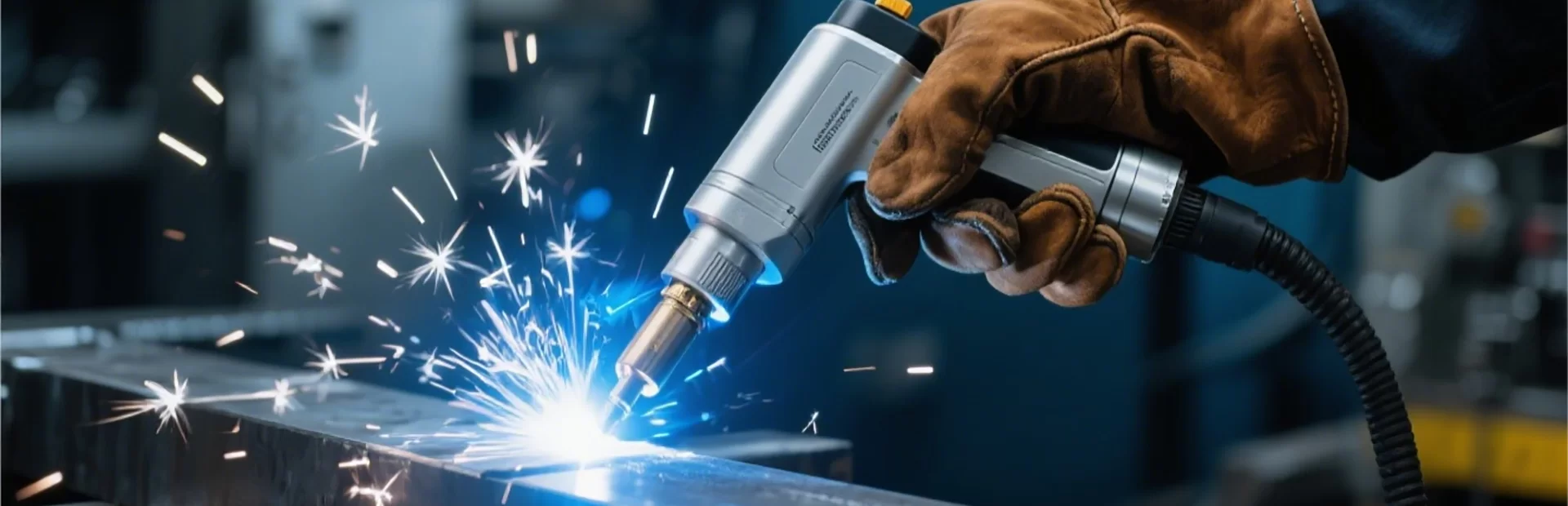
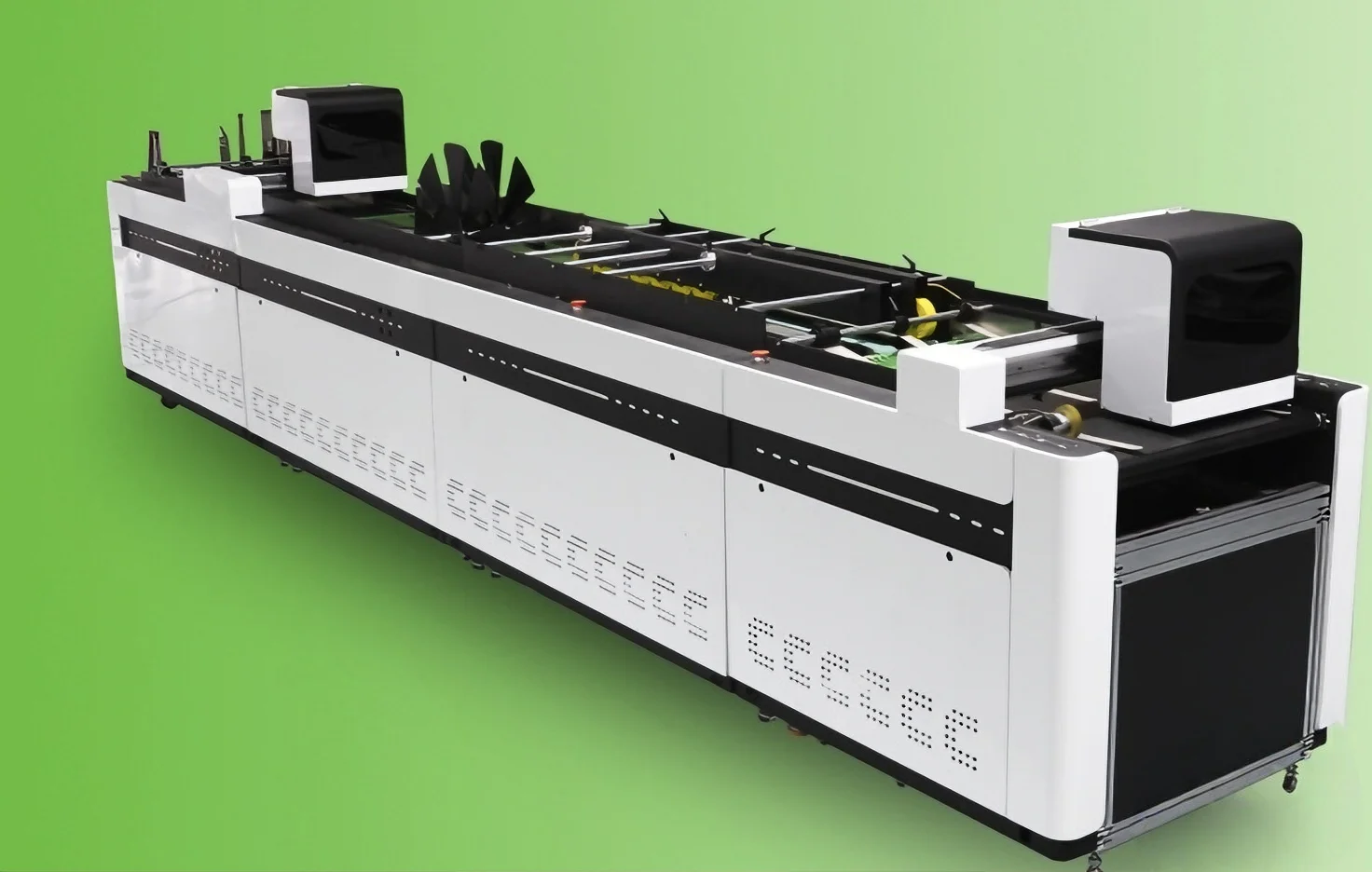
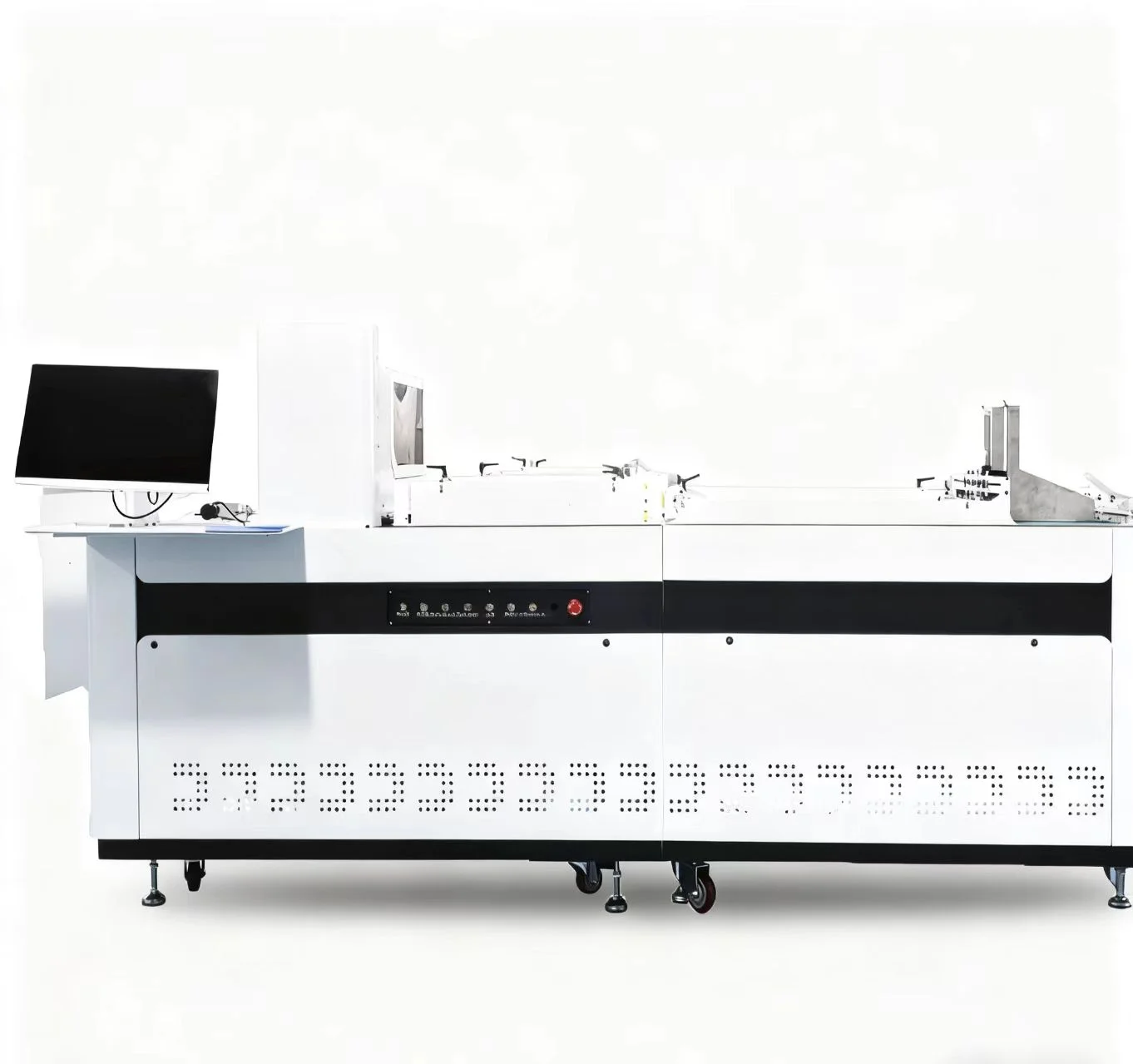
In the modern manufacturing landscape, precision is the cornerstone of quality. Choosing the right types of sheet metal laser cutting machine can be the difference between a streamlined production line and a costly bottleneck. Whether you are working with thin aluminum sheets or thick carbon steel plates, understanding the nuances of laser technology allows businesses to optimize their material usage and reduce lead times. From the high-speed efficiency of fiber lasers to the versatility of CO2 systems, this guide explores the primary options available to help you make an informed investment for your facility.
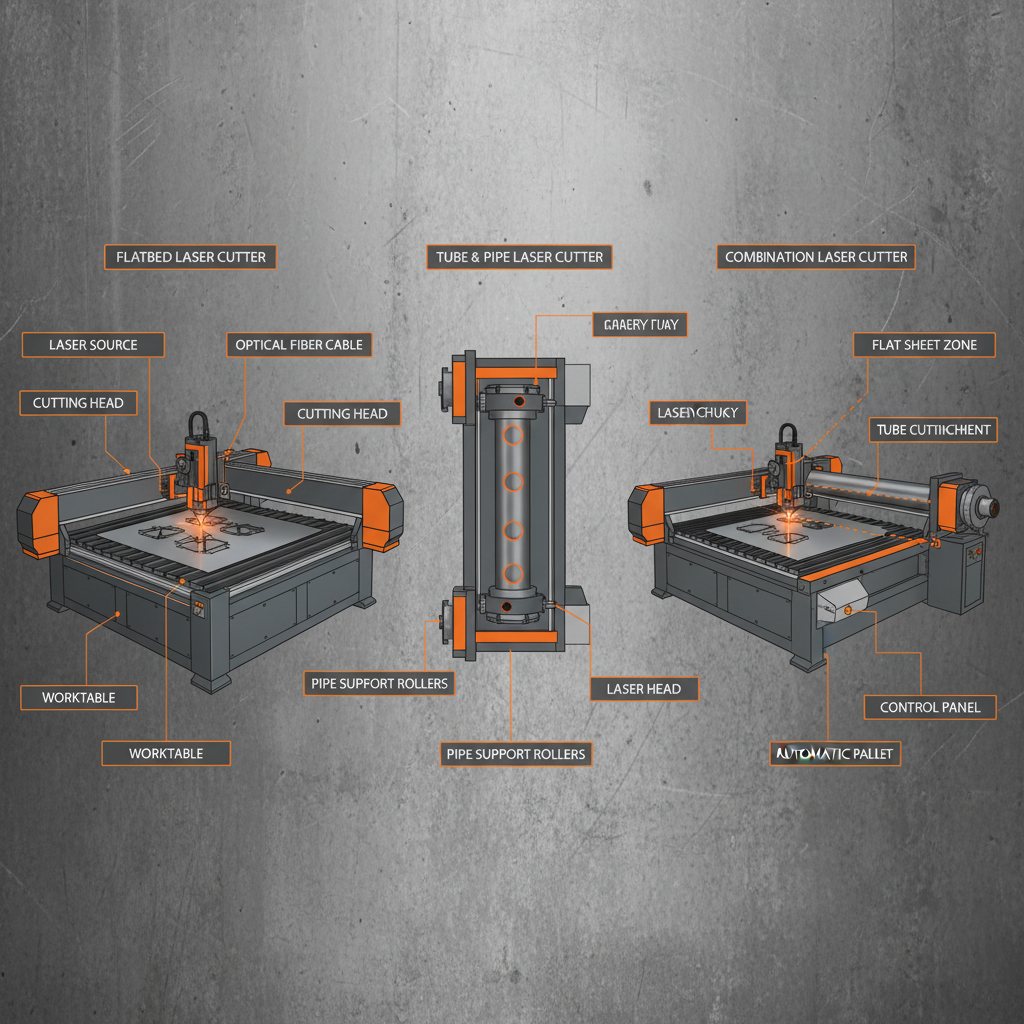
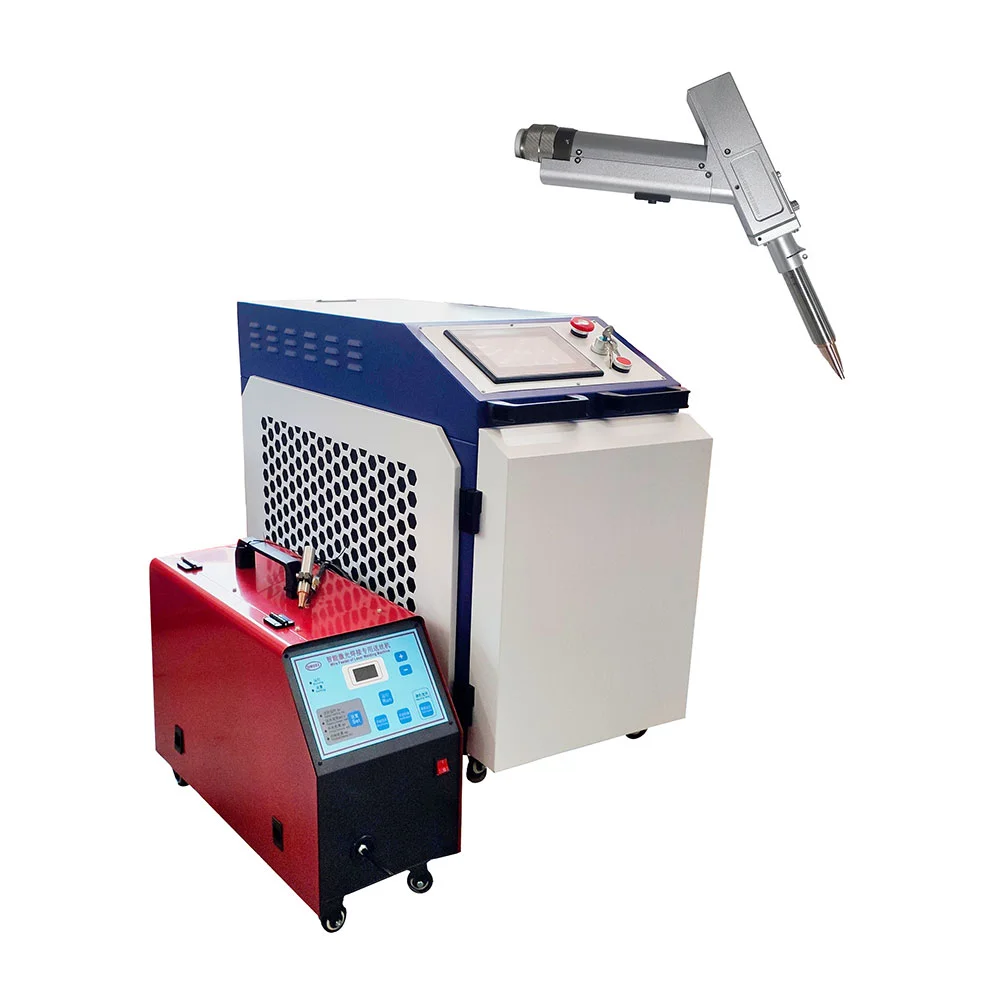
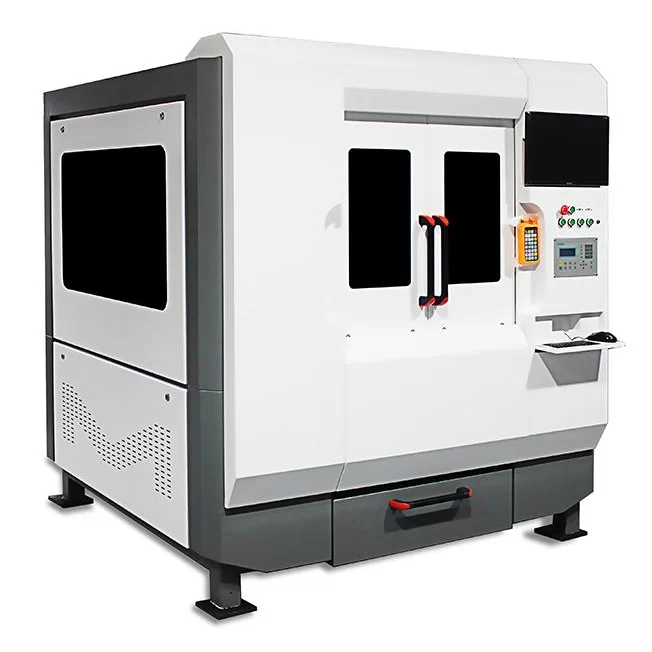
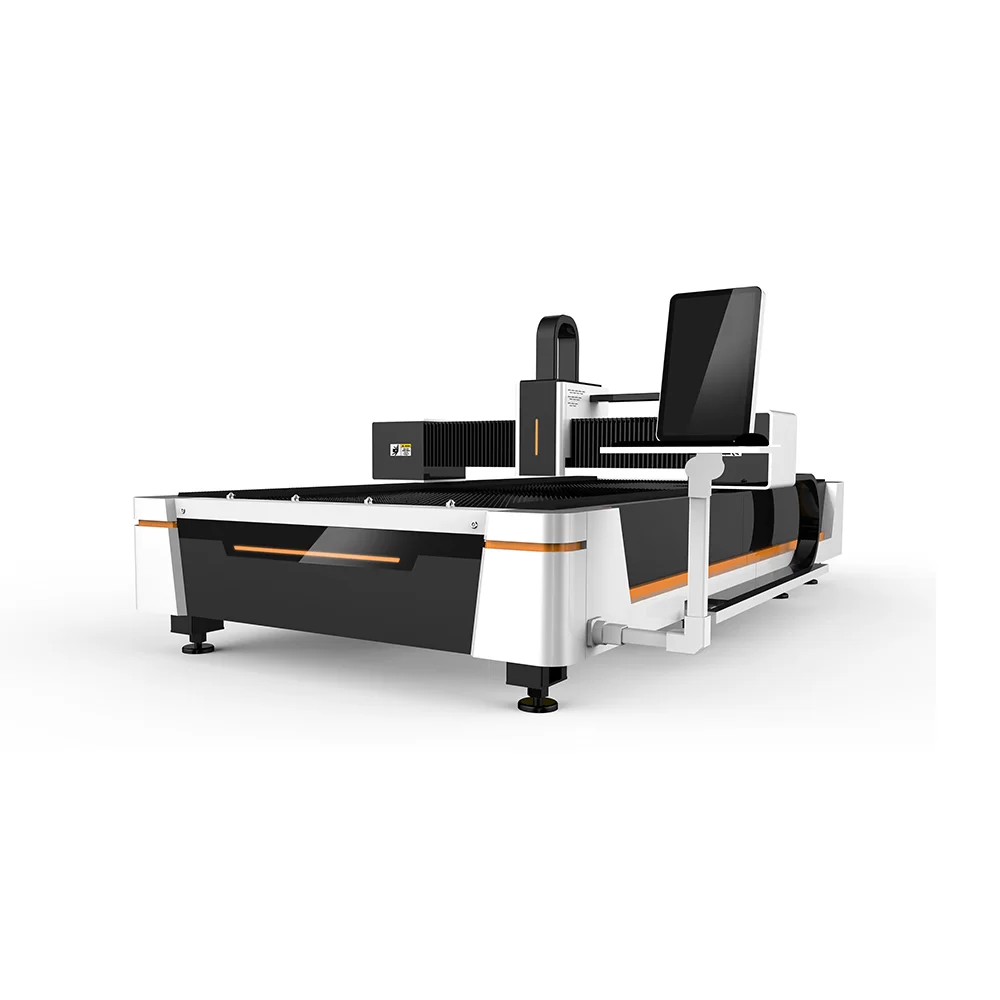
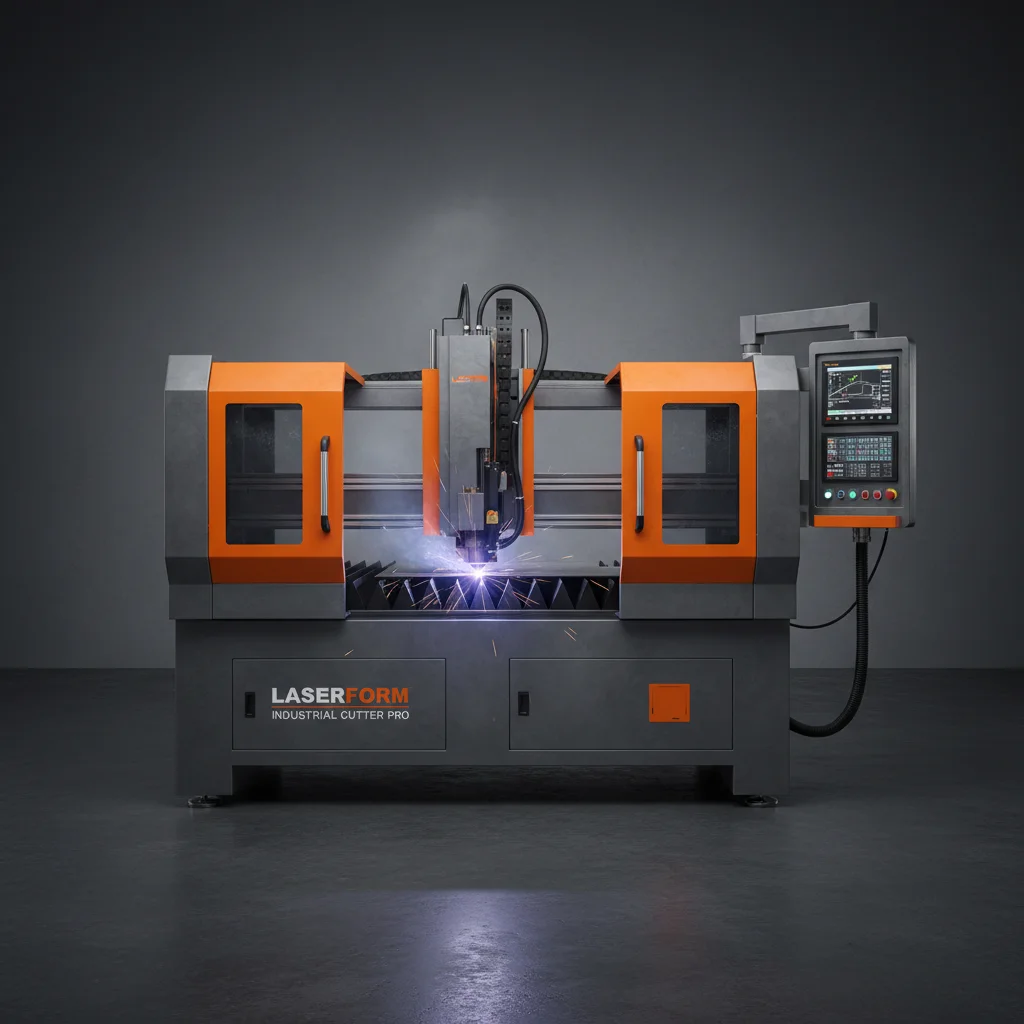
Fiber laser machines have revolutionized the metal fabrication industry. By using an optical fiber doped with rare-earth elements, these machines generate a high-intensity beam that is exceptionally efficient. They are particularly praised for their high cutting speeds on thin to medium materials and lower operational costs compared to older technologies. Because the beam is delivered via fiber, there is no need for complex mirror alignments, making them highly reliable for 24/7 industrial operations. For those seeking a balance of speed and precision, fiber lasers are the premier choice among the various types of sheet metal laser cutting machine.
Pro Tip: Fiber lasers are ideal for reflective metals like brass and copper, which often cause dangerous back-reflections in CO2 systems.
While fiber lasers dominate the metal market, CO2 lasers remain relevant due to their versatility. These machines use a gas mixture (usually carbon dioxide) to create the laser beam. While they are generally slower on thin metals, they excel in cutting non-metals like acrylic and wood, as well as providing a very smooth finish on thick stainless steel. However, the maintenance requirements are higher due to the mirror systems and gas refills. When evaluating types of sheet metal laser cutting machine, CO2 options are typically selected by shops that handle a hybrid of organic and metallic materials.
Selecting the right machine requires a data-driven approach. The primary differences lie in energy efficiency, maintenance, and material compatibility. Fiber lasers convert electricity to light more efficiently, leading to significantly lower power bills. In contrast, CO2 lasers require more frequent calibration of their optical paths. The following table provides a detailed breakdown of how these types of sheet metal laser cutting machine compare in real-world scenarios.
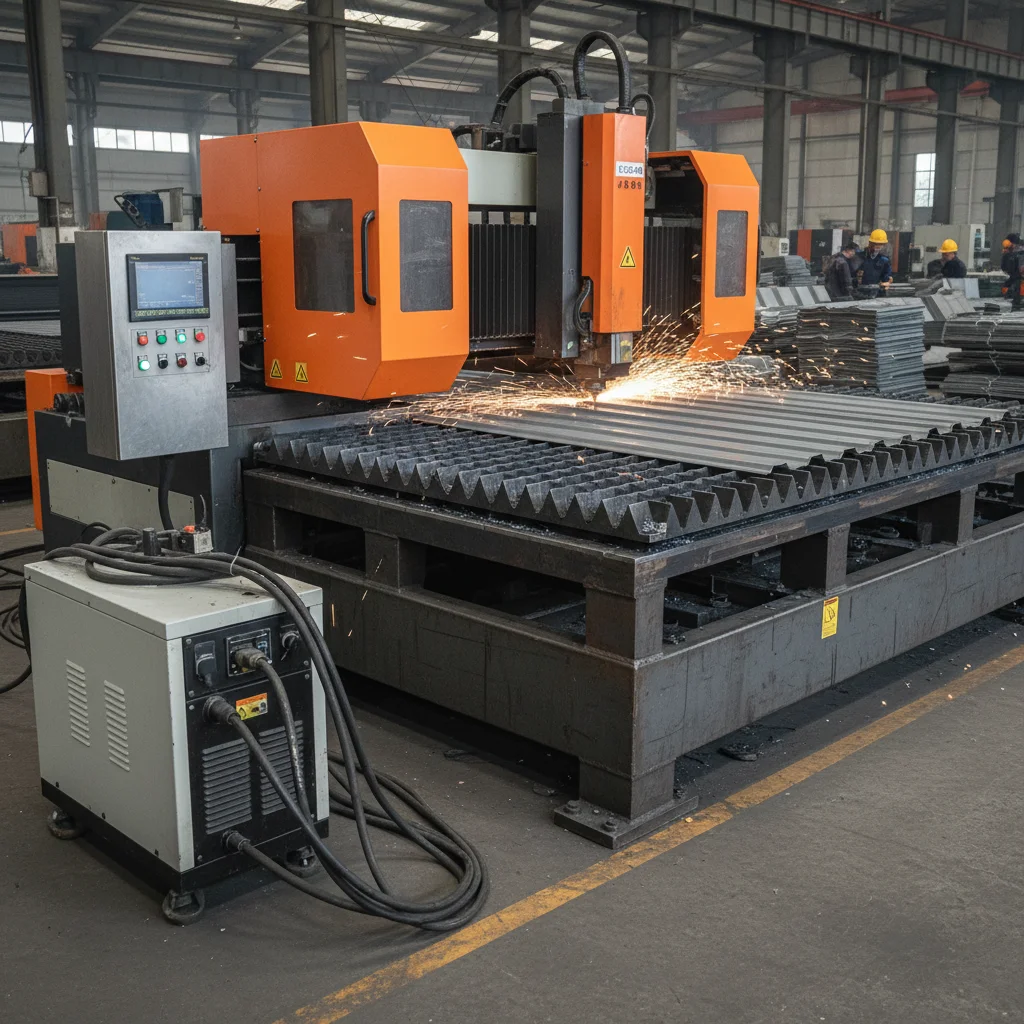
Not all machines within the same category are equal. The wattage of the laser source determines the maximum thickness of the metal that can be cut. For example, a 1kW machine is perfect for precision thin sheets, whereas a 20kW machine can slice through heavy industrial plates. When exploring types of sheet metal laser cutting machine, it is vital to match the power to your most common material thickness to avoid overpaying for unused capacity or struggling with slow cutting speeds.
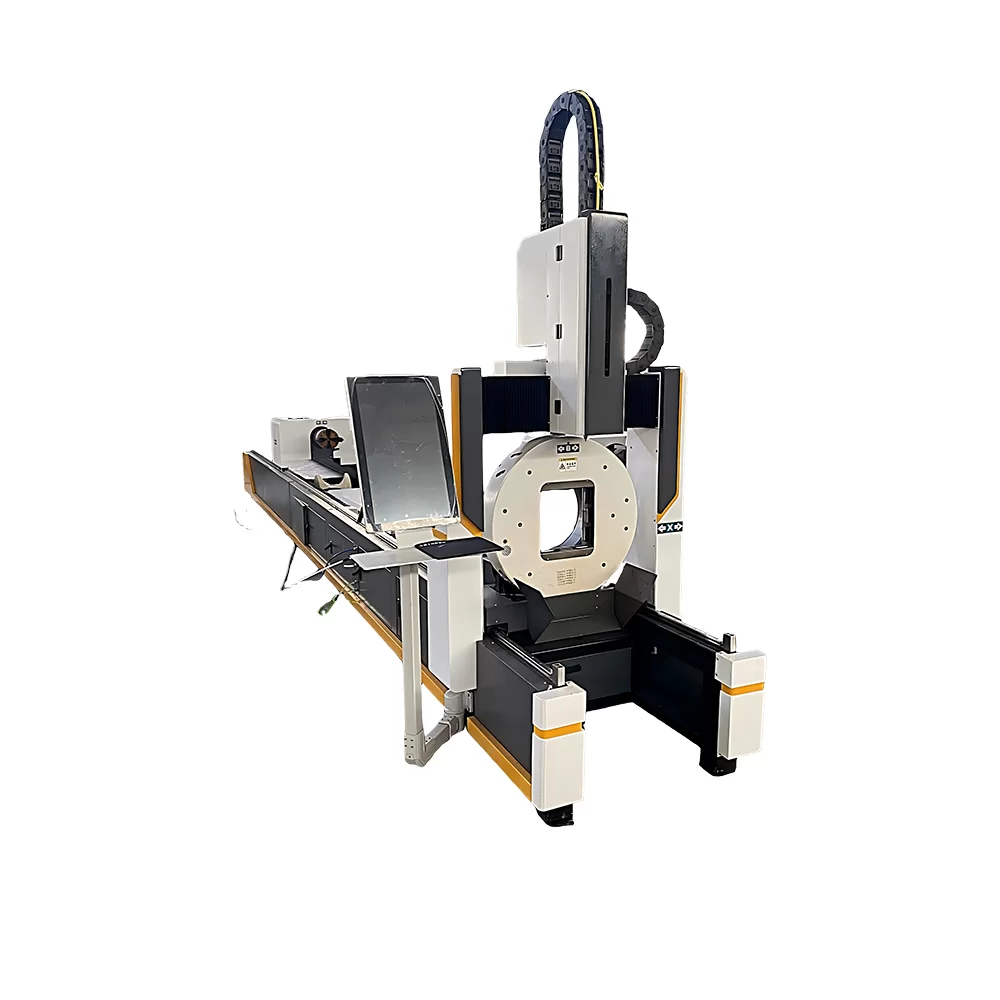
Beyond the laser type, the physical structure of the machine—such as the gantry design, the guiding rails, and the CNC control system—impacts the final quality. A high-quality machine should offer a high acceleration rate and a stable bed to prevent vibrations during high-speed movement. Below is a typical specification table for professional-grade types of sheet metal laser cutting machine found in modern fabrication shops.
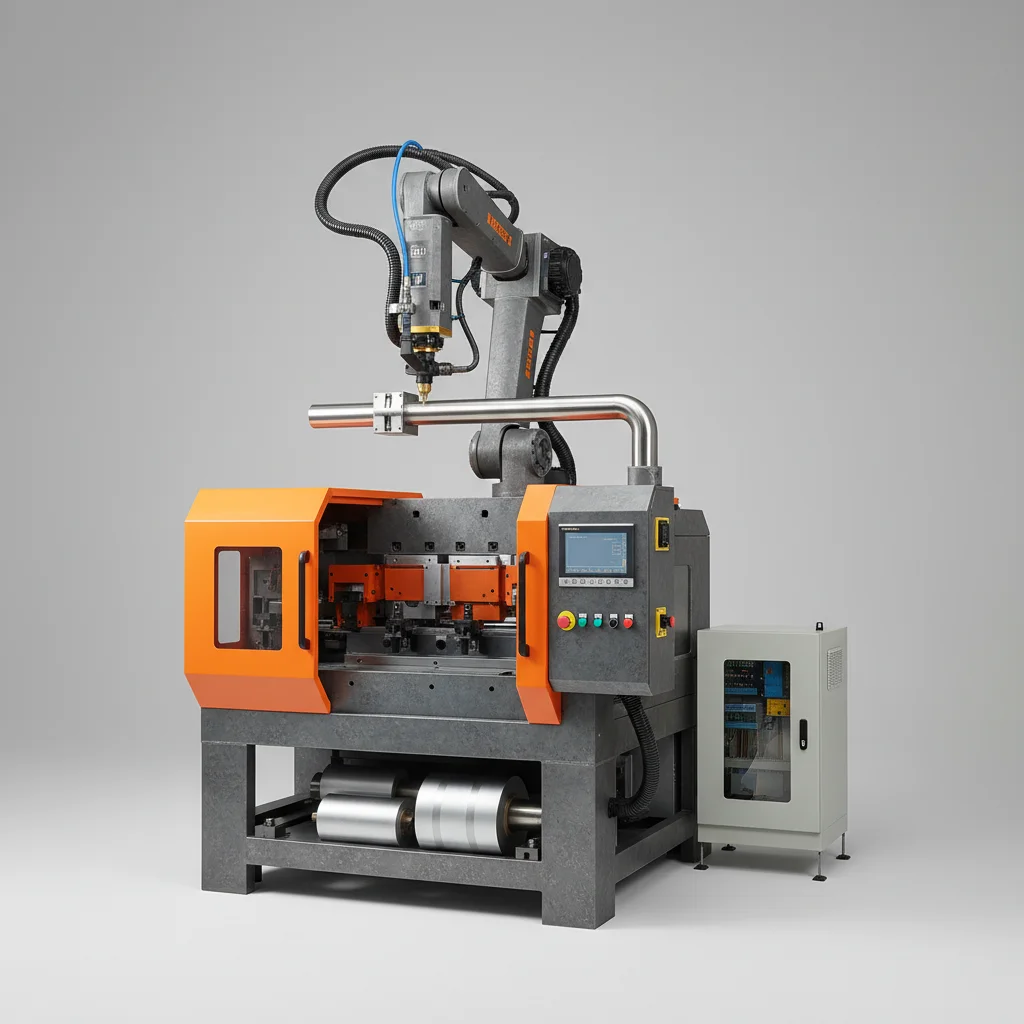
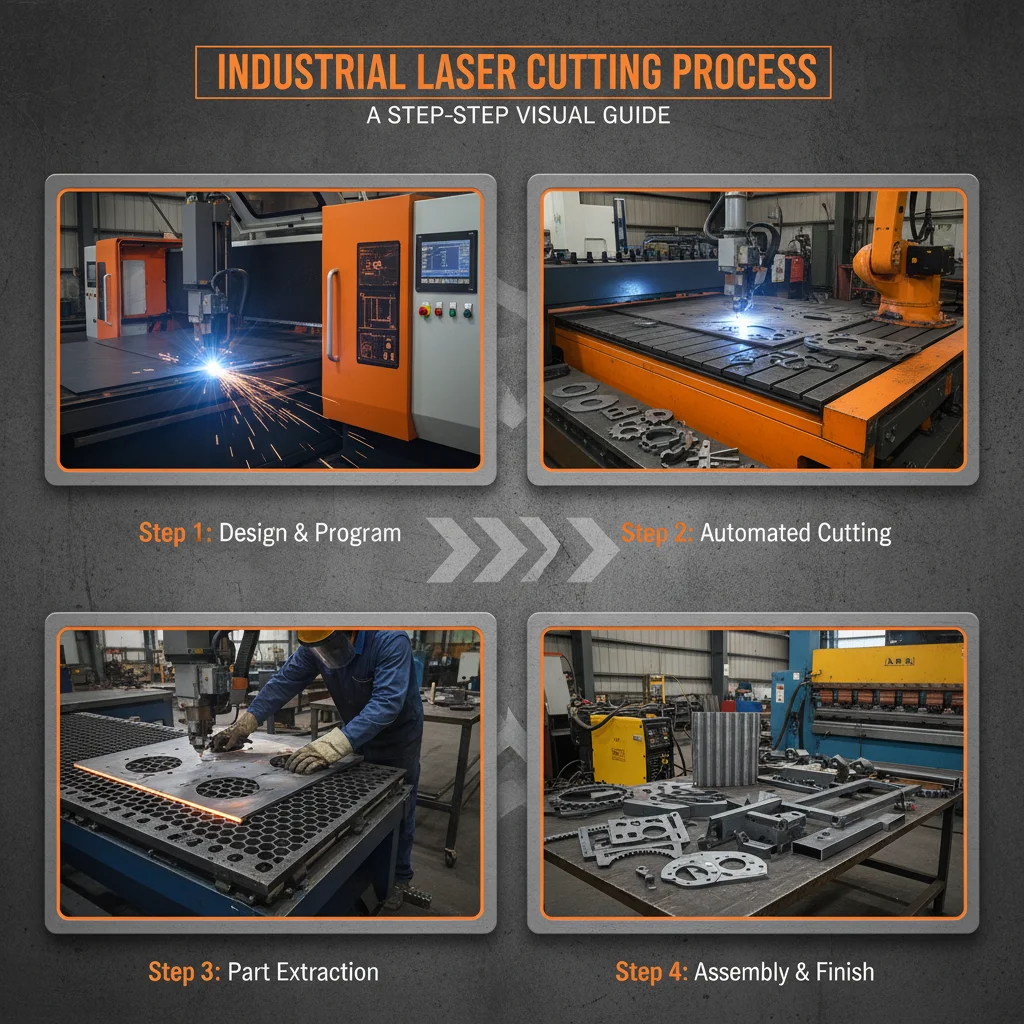
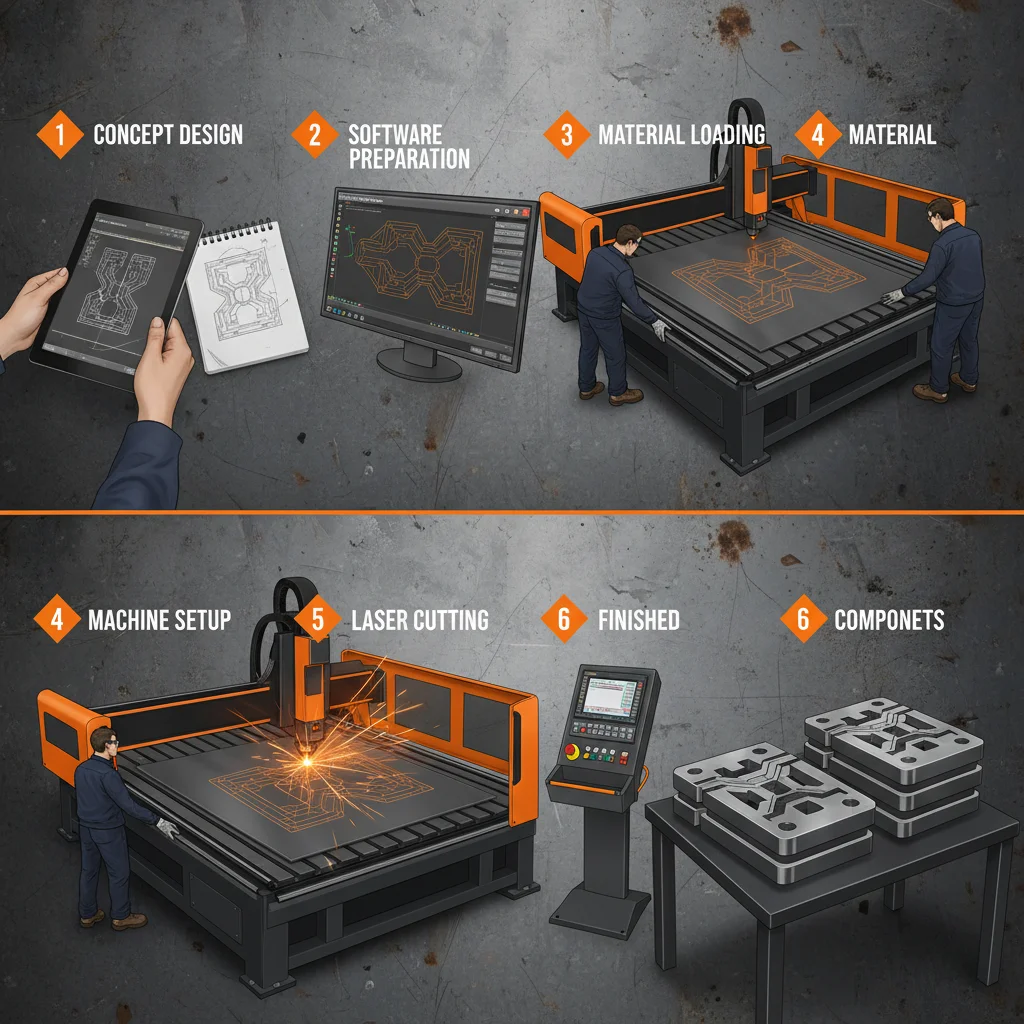
The evolution of types of sheet metal laser cutting machine is moving toward full automation. We are seeing the integration of automatic loading and unloading systems, which remove the need for manual labor to swap sheets. Furthermore, AI-driven nesting software is maximizing material yield by calculating the most efficient layout of parts, drastically reducing waste. As the industry pushes toward "Industry 4.0," these machines are becoming smarter, more energy-efficient, and more autonomous than ever before.
Investing in the right types of sheet metal laser cutting machine is a strategic decision that impacts your production capacity and bottom line. While fiber lasers offer unmatched speed and efficiency for metalwork, CO2 lasers provide a versatile alternative for mixed-material shops. By analyzing your material thickness, required precision, and budget, you can select a machine that ensures long-term growth. For high-performance industrial solutions, Topstar Laser provides the technology needed to stay competitive in today's global market.
For most industrial applications, fiber lasers are superior for stainless steel, especially for thinner gauges, due to their incredible speed and lower cost of operation. However, if you are cutting very thick stainless steel and require an extremely polished, high-quality edge without any dross, some specialized CO2 lasers are still preferred. For 90% of modern fabrication shops, the efficiency of a fiber laser makes it the better investment.
Power selection depends entirely on the thickness of the material you intend to cut. A 1kW to 3kW machine is ideal for thin sheets (up to 6-10mm). If your primary business involves heavy plate fabrication (12mm to 25mm+), you will need a machine in the 6kW to 20kW range. Over-specifying power can lead to unnecessary costs, while under-specifying will result in slow production speeds and poor cut quality. Always consult with a specialist at Topstar Laser to match power to your specific project needs.
Fiber lasers have significantly lower maintenance costs because they lack the mirrors and gas tubes found in CO2 machines. Ongoing costs for fiber lasers mainly include electricity, assist gases (oxygen, nitrogen, or air), and the periodic replacement of consumables like nozzles and protective windows. CO2 machines require more frequent mirror alignment and gas refills. Generally, the Total Cost of Ownership (TCO) is much lower for fiber laser systems over a 5-year period.
Yes, most professional laser cutting machines can handle a variety of metals, including carbon steel, stainless steel, aluminum, brass, and copper. However, the "assist gas" used must be changed depending on the material. For example, oxygen is typically used for carbon steel to accelerate the burn, while nitrogen is used for stainless steel and aluminum to prevent oxidation and ensure a clean, silver edge. Modern CNC controllers allow you to save presets for each material to make these transitions seamless.