Shijiazhuang Topstar
International Trading Co., Ltd.


Get In Touch
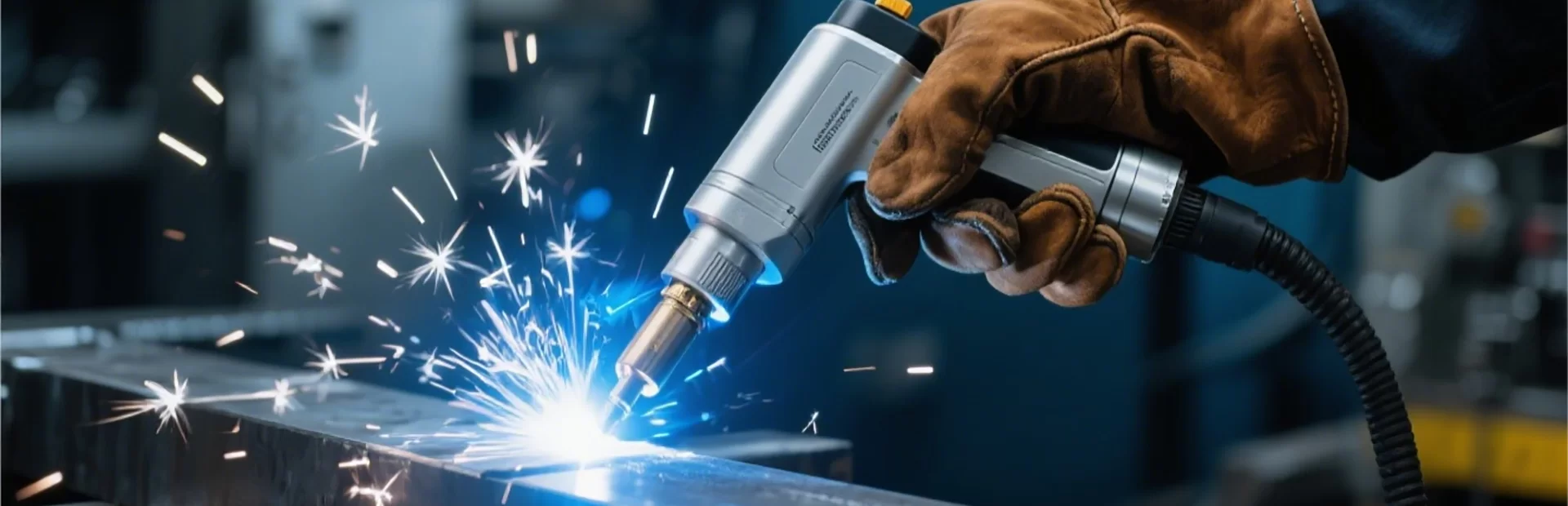
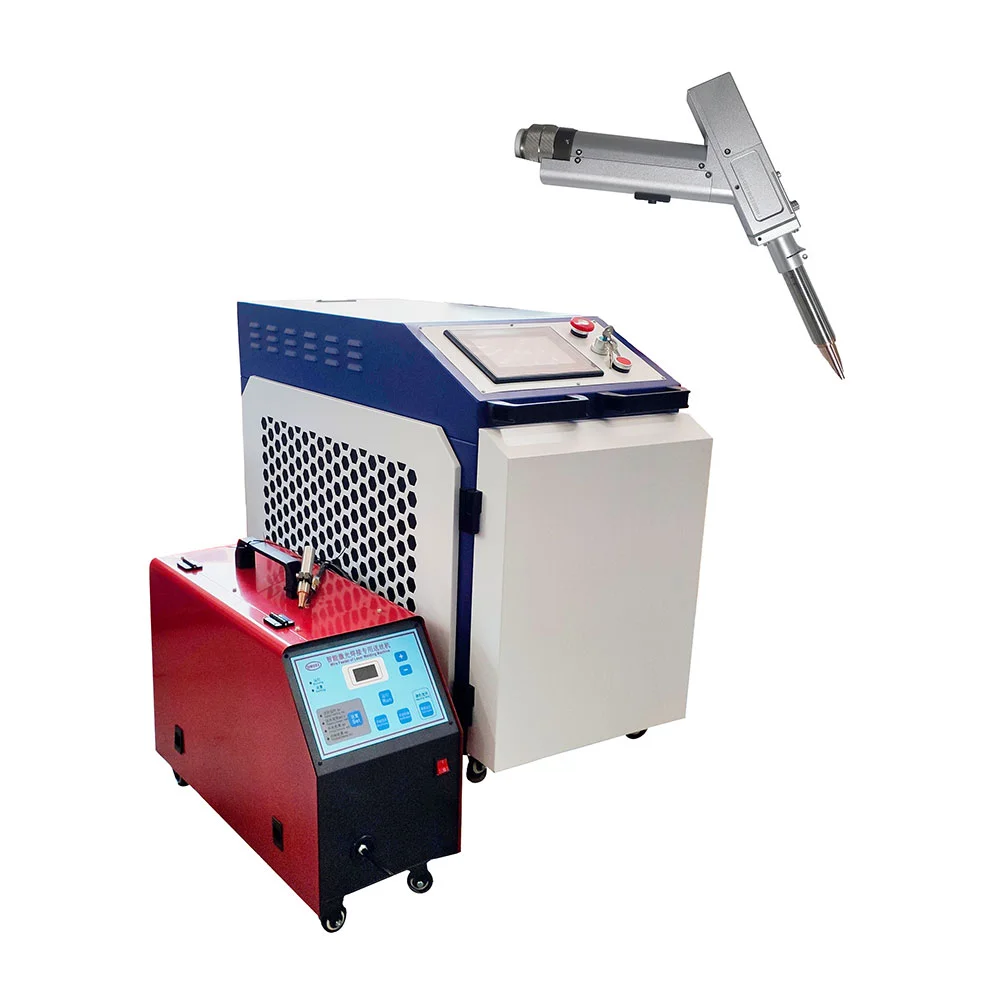
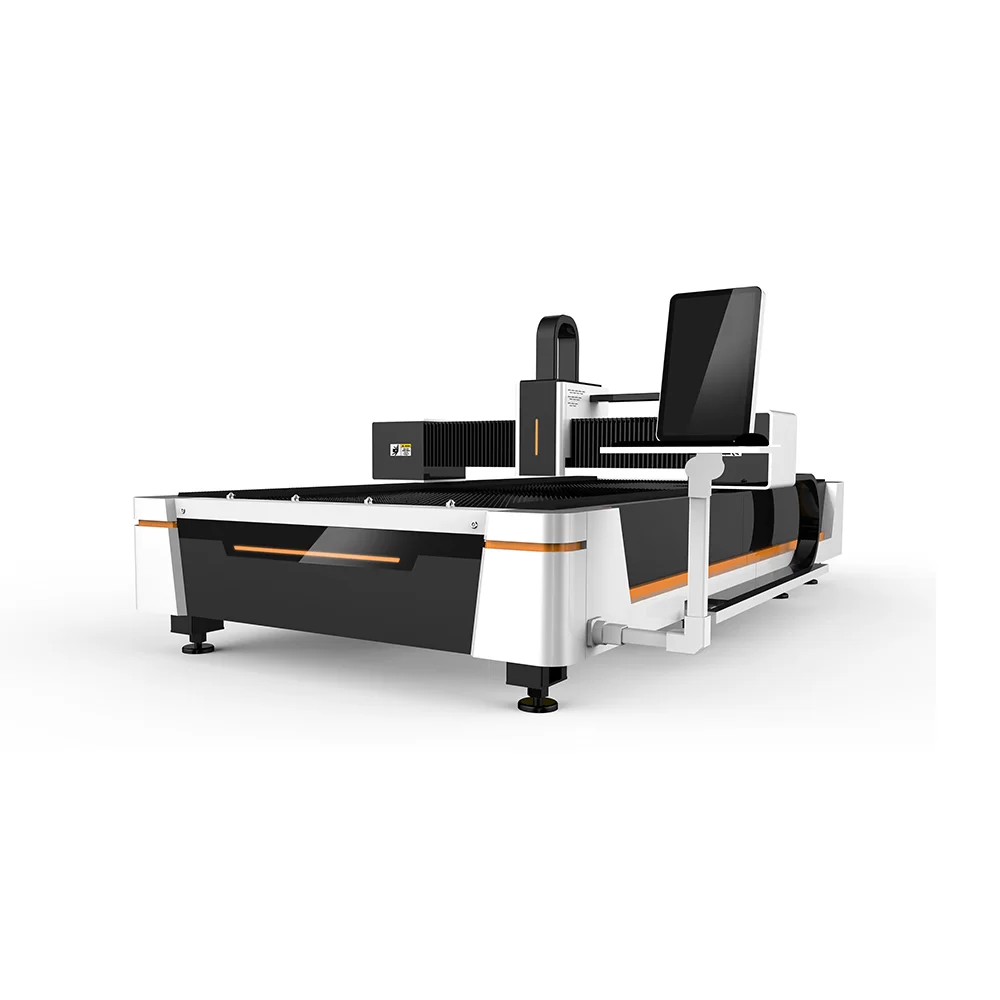
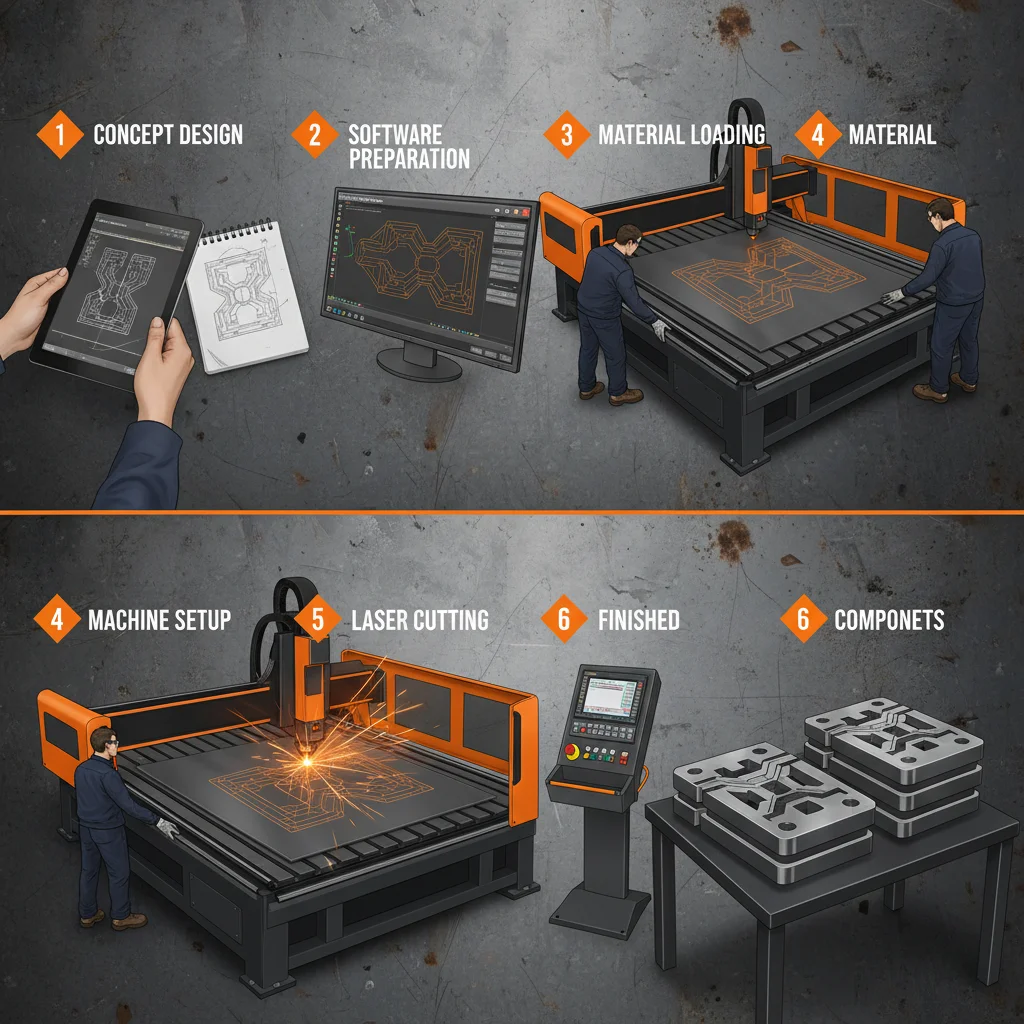
In today's rapidly evolving manufacturing landscape, precision and efficiency are paramount. A laser cutting tool is no longer a luxury, but a necessity for businesses seeking to gain a competitive edge. From intricate designs to high-volume production, the right laser cutter can revolutionize your capabilities. This article explores the key considerations when selecting a laser cutting tool, covering different types, applications, and the factors that contribute to optimal performance. We will help you understand how to choose the best solution for your unique needs and drive growth for your business.
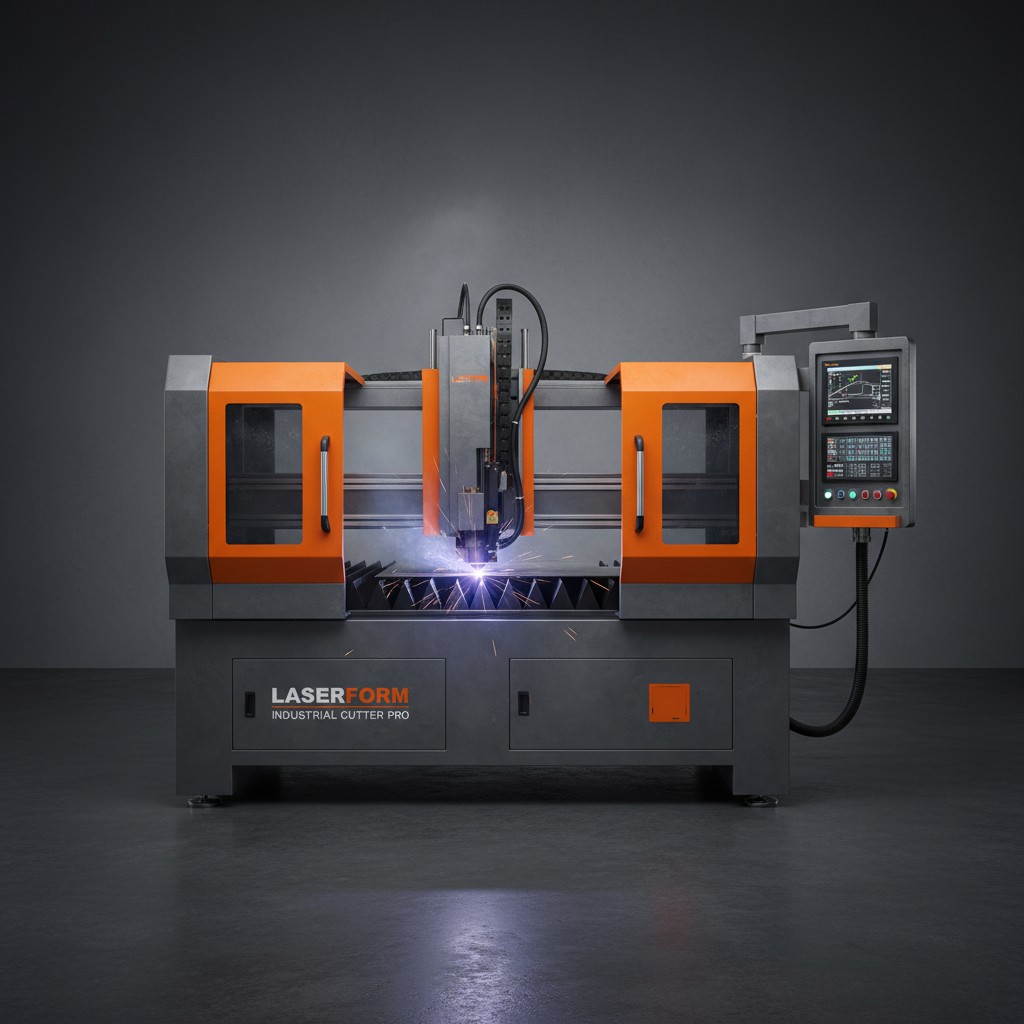
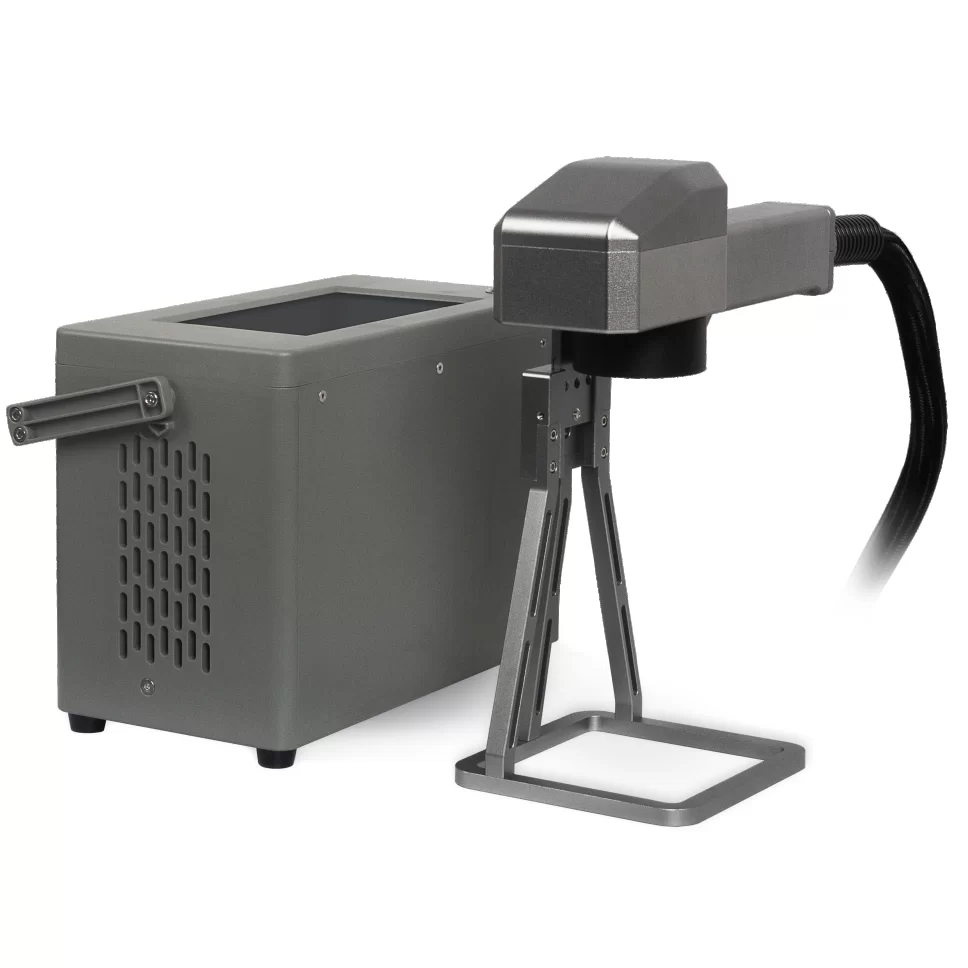
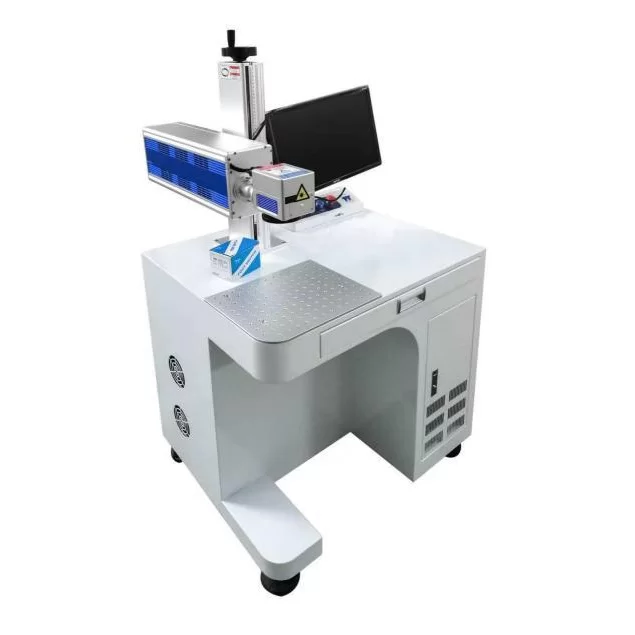
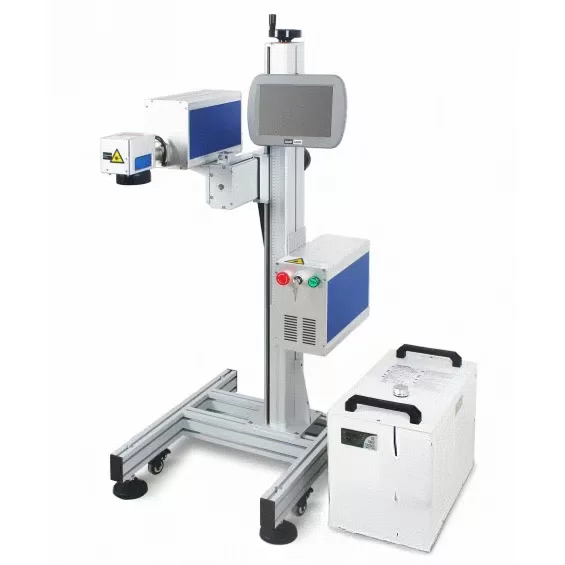
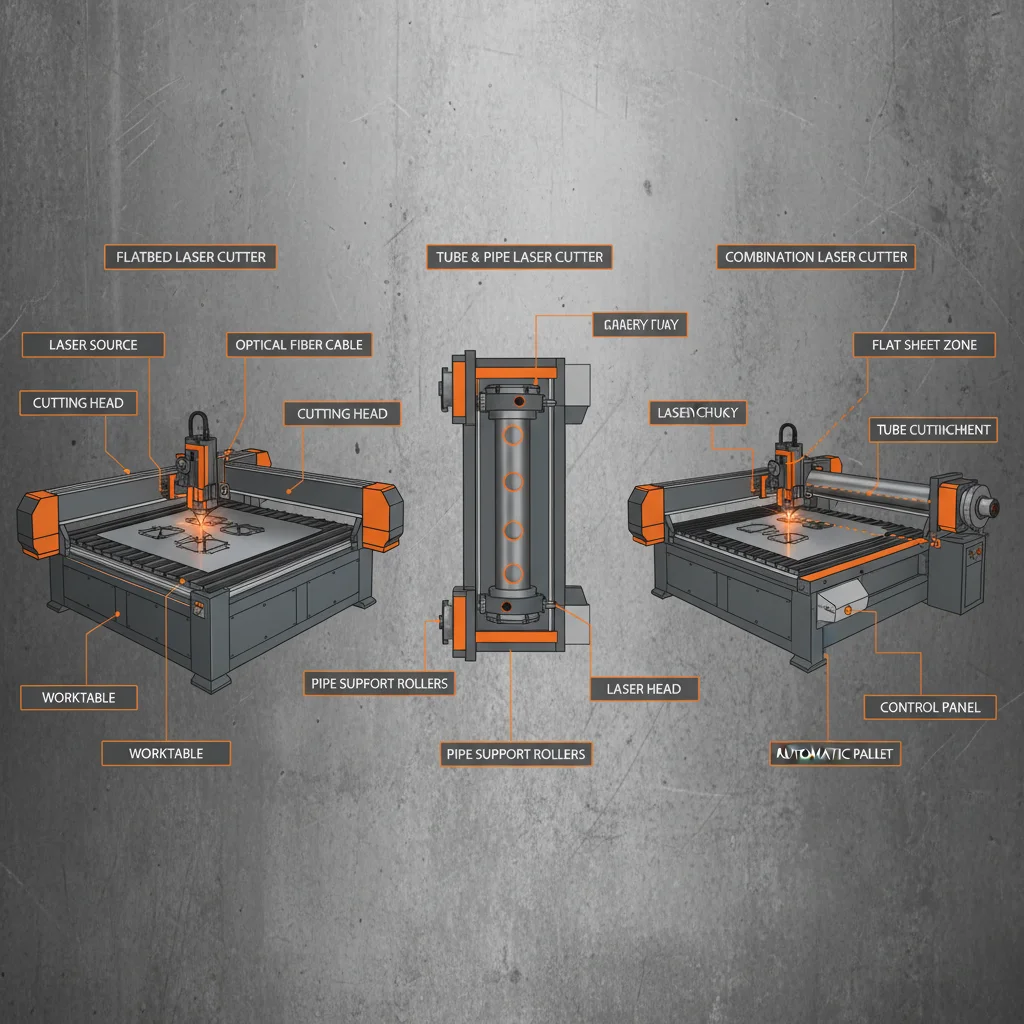
Laser cutting tools aren’t one-size-fits-all. They vary significantly based on the laser source used. The most common types include CO2 lasers, fiber lasers, and Nd:YAG lasers. CO2 lasers are versatile and effective for cutting and engraving organic materials like wood, acrylic, and fabric. Fiber lasers excel at processing metals with high speed and precision. Nd:YAG lasers are suitable for a broader range of materials, including metals and ceramics, but generally offer lower power and speed compared to fiber lasers. Understanding these differences is crucial for selecting a tool that matches your material processing requirements. Topstar Laser offers a comprehensive range of laser cutting solutions to cater to diverse needs.
Key Takeaway: The choice of laser source directly impacts the materials you can process, the speed of cutting, and the overall efficiency of your operation.
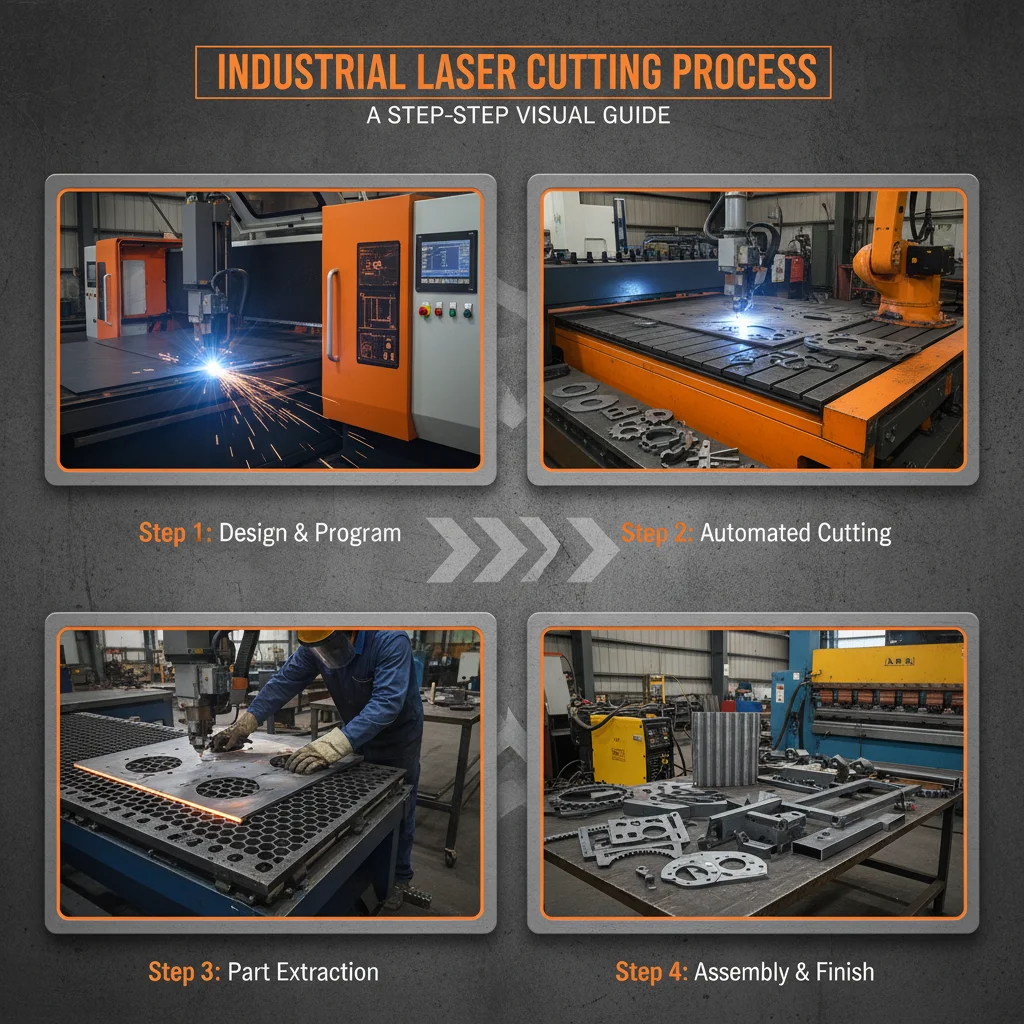
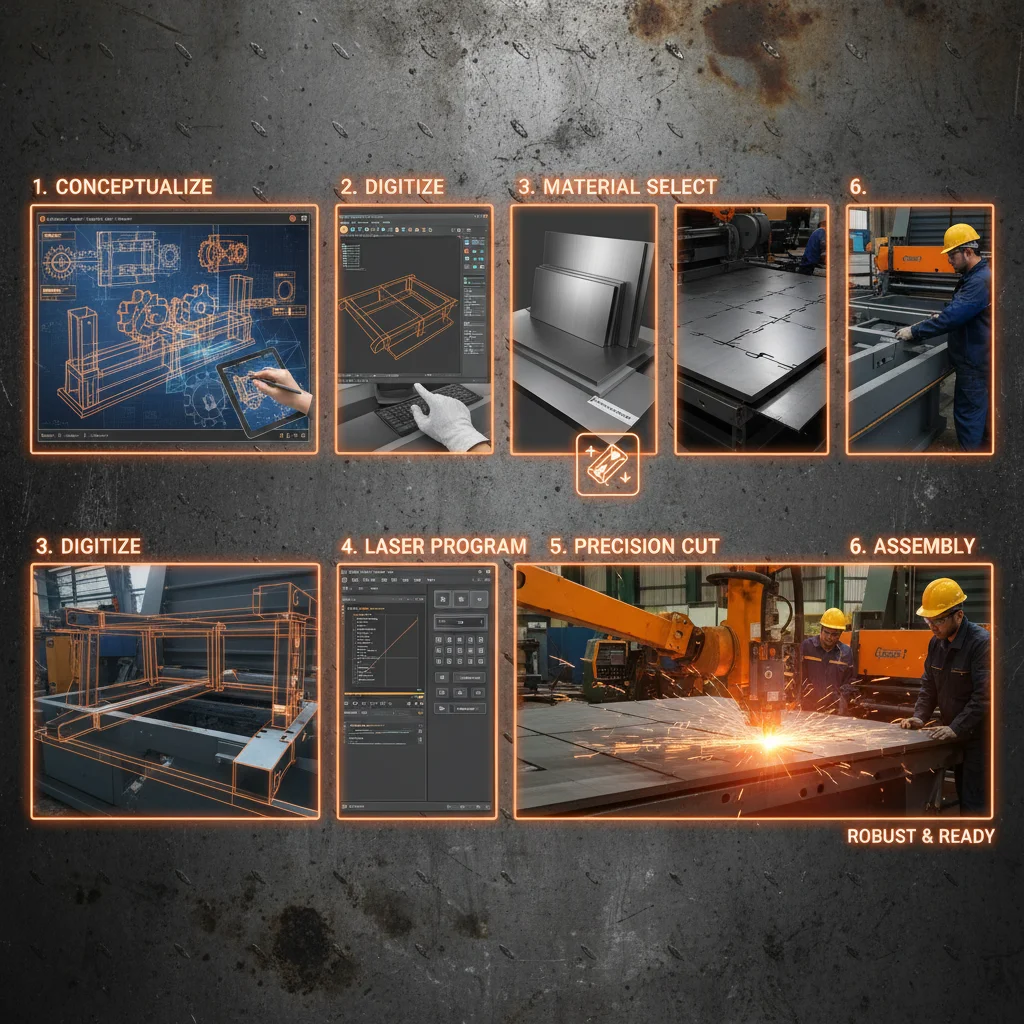
The applications of laser cutting tools are vast and span numerous industries. In manufacturing, they are used for creating precision parts, prototypes, and complex designs. The aerospace industry utilizes laser cutting for fabricating lightweight components with tight tolerances. The automotive sector employs laser cutters for producing interior parts, molds, and tooling. The fashion and textile industries benefit from laser cutting's ability to create intricate patterns and designs on fabrics. Furthermore, in the signage and advertising industries, laser cutters are indispensable for producing high-quality signs, displays, and promotional materials. The versatility of these tools ensures a return on investment across a wide array of applications.
Industry Applications:
• Manufacturing: Precision parts, prototyping
• Aerospace: Lightweight components
• Automotive: Interior parts, tooling
• Fashion & Textile: Intricate fabric designs
• Signage & Advertising: High-quality signs and displays
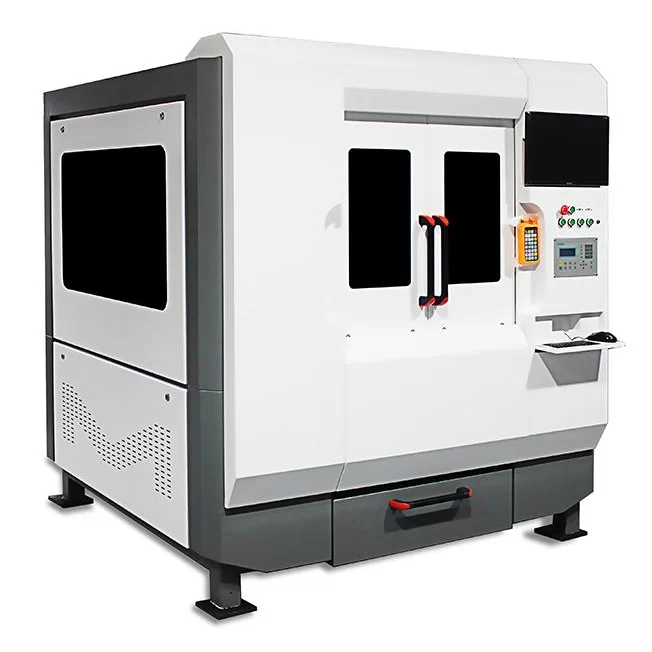
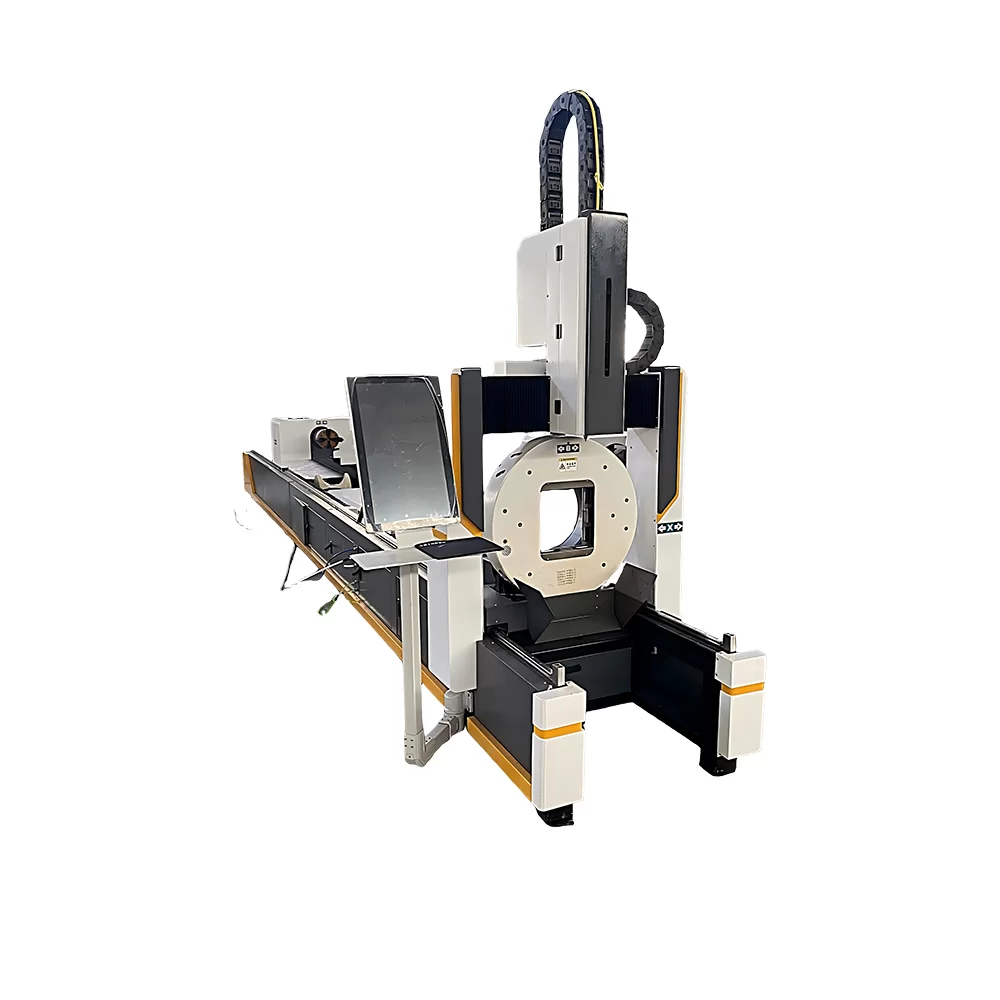
Choosing between different models can be challenging. Factors like laser power, work area size, cutting speed, and software compatibility all play a crucial role. Here’s a comparison of some popular options:
Beyond the technical specifications, consider factors like budget, maintenance requirements, and software compatibility. A higher initial investment might translate to lower long-term costs due to increased efficiency and reduced downtime. Regular maintenance is crucial for ensuring optimal performance and extending the lifespan of the tool. Also, ensure the software is user-friendly and compatible with your existing design workflow. Topstar Laser provides comprehensive support and training to ensure a smooth integration process.
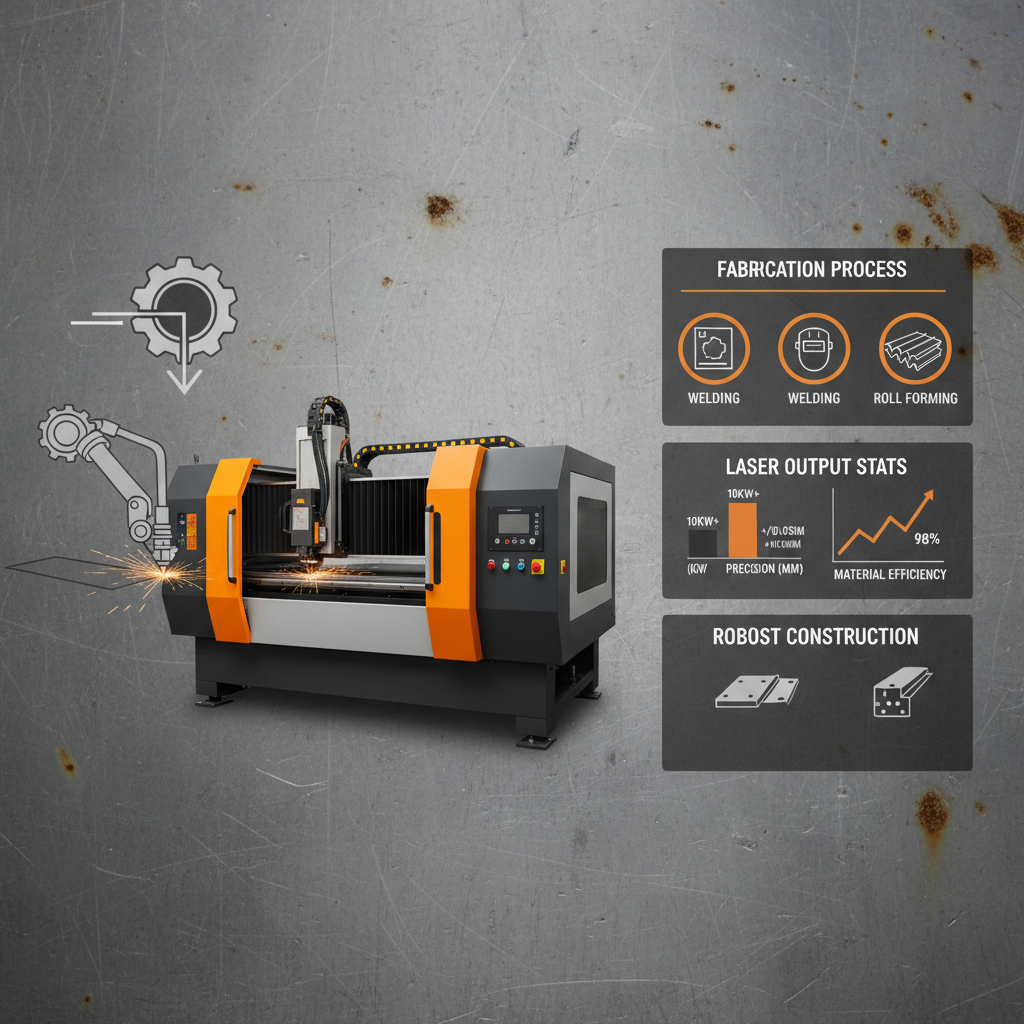
All Topstar Laser cutting tools adhere to stringent safety standards, including IEC 60825-1 for laser safety. Key specifications include laser wavelength, beam quality, and maximum cutting thickness. Understanding these parameters is vital for ensuring safe and efficient operation. We prioritize safety and provide comprehensive training on operating procedures and safety protocols.
Investing in a laser cutting tool is a strategic decision that can significantly enhance your business capabilities. By carefully considering your needs, understanding the different types of tools available, and prioritizing safety, you can unlock new levels of precision, efficiency, and profitability. Topstar Laser is your trusted partner in navigating this process.
The range of materials a laser cutting tool can process depends heavily on the laser type. CO2 lasers are excellent for wood, acrylic, fabric, paper, and some plastics. Fiber lasers are primarily used for metals like steel, stainless steel, aluminum, and brass. Nd:YAG lasers can handle a broader range, including metals, ceramics, and some plastics, but typically with lower speed and power compared to fiber lasers. Topstar Laser offers tools tailored to specific material types, ensuring optimal results.
Regular maintenance is crucial for optimal performance. This includes cleaning the lenses and mirrors, checking the laser alignment, inspecting the gas assist system (if applicable), and ensuring proper cooling. The frequency of maintenance depends on usage. Topstar Laser provides detailed maintenance manuals and support services to assist you.
Safety is paramount. Always wear appropriate eye protection (laser safety glasses) designed for the specific laser wavelength. Ensure the machine is enclosed and properly vented to prevent exposure to fumes and laser radiation. Never leave the machine unattended during operation. Follow all safety guidelines provided in the manufacturer's manual and receive proper training before operating the tool. Topstar Laser prioritizes safety and provides comprehensive training programs.