Shijiazhuang Topstar
International Trading Co., Ltd.


Get In Touch
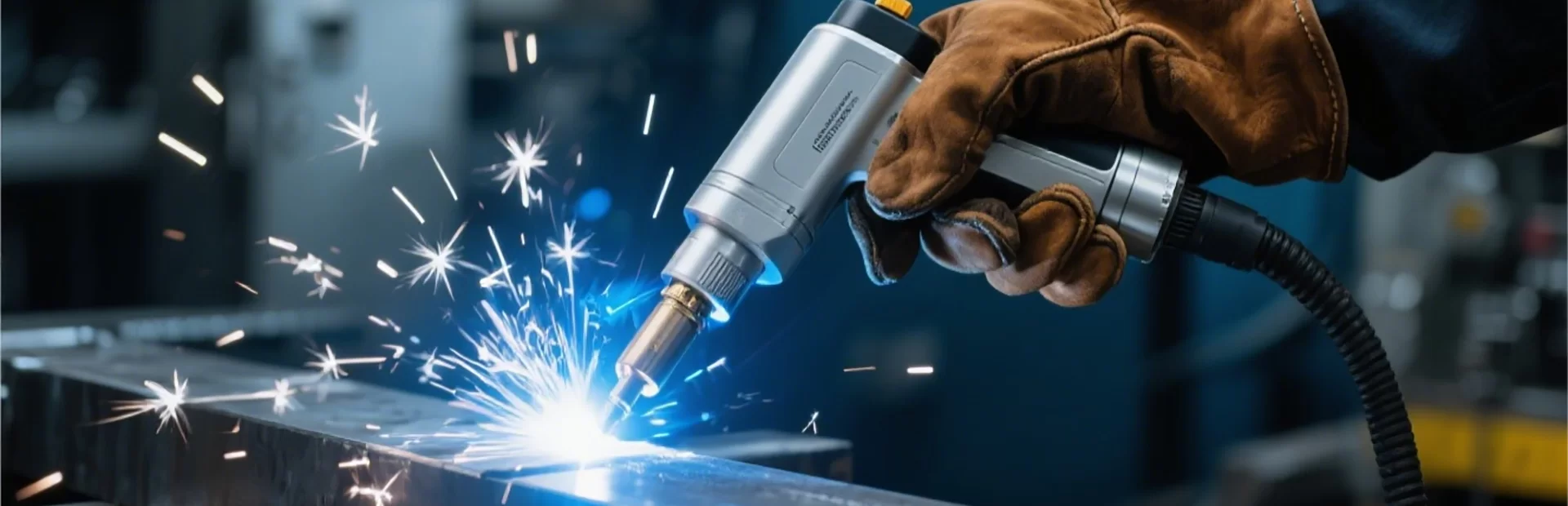
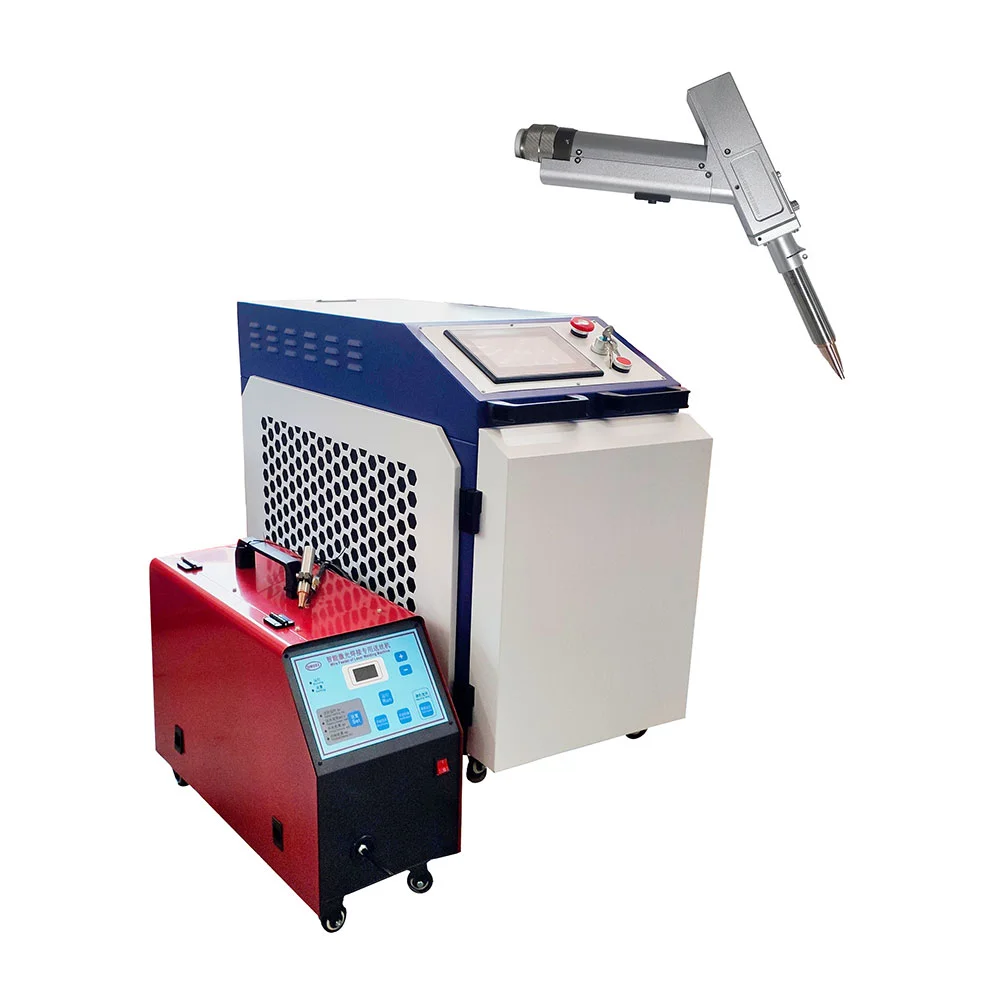
Remember the days when laser marking meant hauling your items to a bulky, stationary machine? Well, those days are, for many applications, thankfully behind us! The industry, much like everything else these days, is constantly evolving, and one of the most exciting shifts we've seen is the rise of the portable laser marker. It's truly a game-changer, opening up new possibilities for businesses across the board.
In fact, the demand for on-site, flexible marking solutions has skyrocketed. Think about it: large industrial components, installations in remote locations, or even just high-volume production lines where moving every single piece to a fixed marking station is simply impractical or too time-consuming. This is where the handheld laser marking machine steps in, offering unparalleled convenience and efficiency. Many customers say it's completely transformed their workflow, allowing them to mark directly where the material is, which, to be honest, just makes a lot of sense.
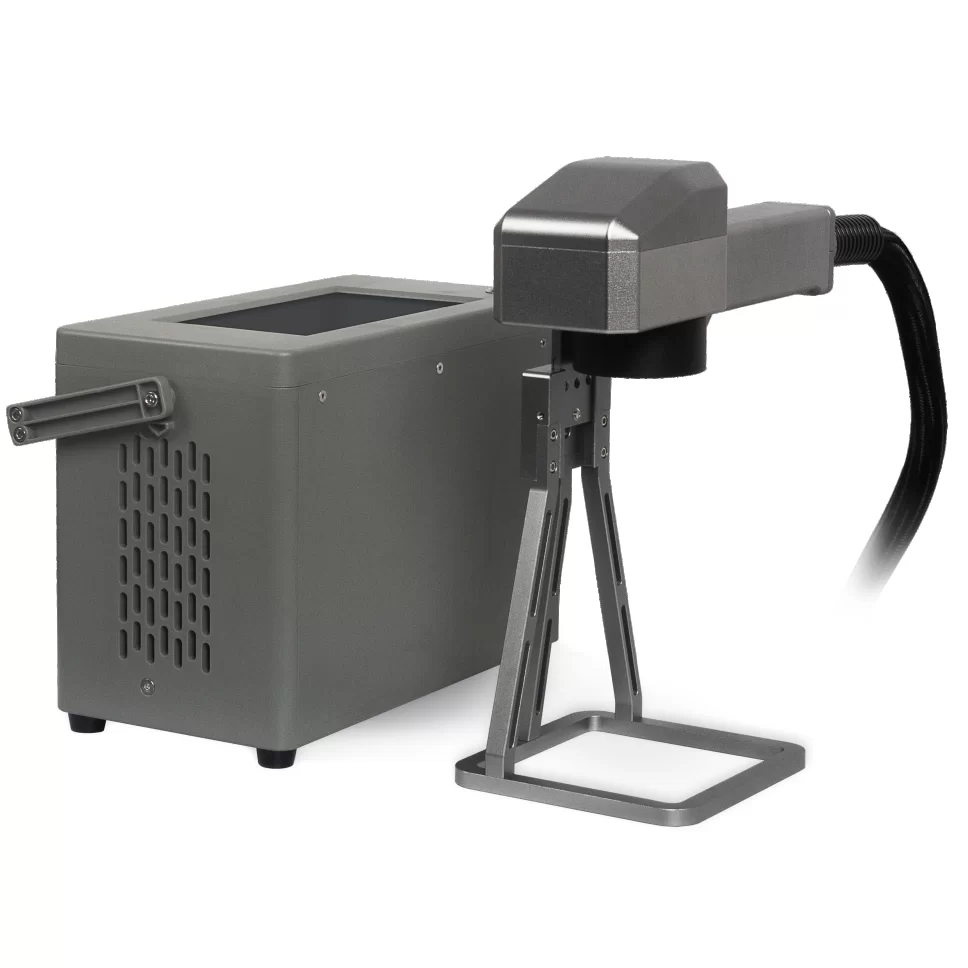
At its core, a handheld laser marking machine operates on a fairly straightforward principle. It focuses a high-energy laser beam onto the material's surface through a handheld unit. This intense beam causes either a physical change (like ablation or engraving) or a chemical change, resulting in a permanent, high-contrast mark. The process is precise, controlled by software, and surprisingly quick.
Materials? Well, that's where the versatility really shines. These machines can handle both metals – think stainless steel, aluminum, copper, titanium – and a wide array of non-metals such as various plastics, wood, ceramics, and even some composites. The mark formed is wear-resistant and durable, meaning no more fading ink or messy labels.
· Unmatched Portability: This is the big one. Lightweight and easy to carry, a portable laser marker doesn't need to be fixed in one spot. You can take it to the workpiece, not the other way around. Ideal for large equipment, on-site repairs, or inventory management.
· High-Volume & Material Versatility: No need for multiple machines! These units handle a broad spectrum of materials, from the hardest metals to delicate plastics, without requiring equipment changes.
· Cost-Effective & Eco-Friendly: With no consumables (like ink or labels) and only electricity needed, the long-term operational costs are remarkably low. Plus, it's a cleaner process, which is always a bonus for environmental impact.
· User-Friendly Operation: Parameter adjustments are usually straightforward, making these machines accessible even for novice users after a short training period. I've seen operators pick it up in an afternoon, actually.
The flexibility of a handheld laser marking machine truly opens up diverse applications. Imagine marking large automotive parts directly on the assembly line, serializing heavy machinery in a shipyard, or adding branding to custom-made wooden furniture right in the workshop. It's perfect for:
· Manufacturing & Fabrication: Adding batch numbers, serial codes, logos, and QR codes to metal components, tools, and equipment.
· Automotive & Aerospace: Marking VINs, component traceability codes, or maintenance instructions on large, assembled parts.
· Medical Devices: Creating UDI (Unique Device Identification) marks on instruments and implants for traceability, adhering to strict standards like ISO 13485.
· Oil & Gas: Marking pipes, valves, and other infrastructure components on-site, often in challenging environments.
· Jewelry & Craft: Personalizing items with intricate designs or serial numbers.
Surprisingly, even small businesses find immense value in a portable laser marker for custom jobs or branding, where traditional methods might be too expensive or inflexible.
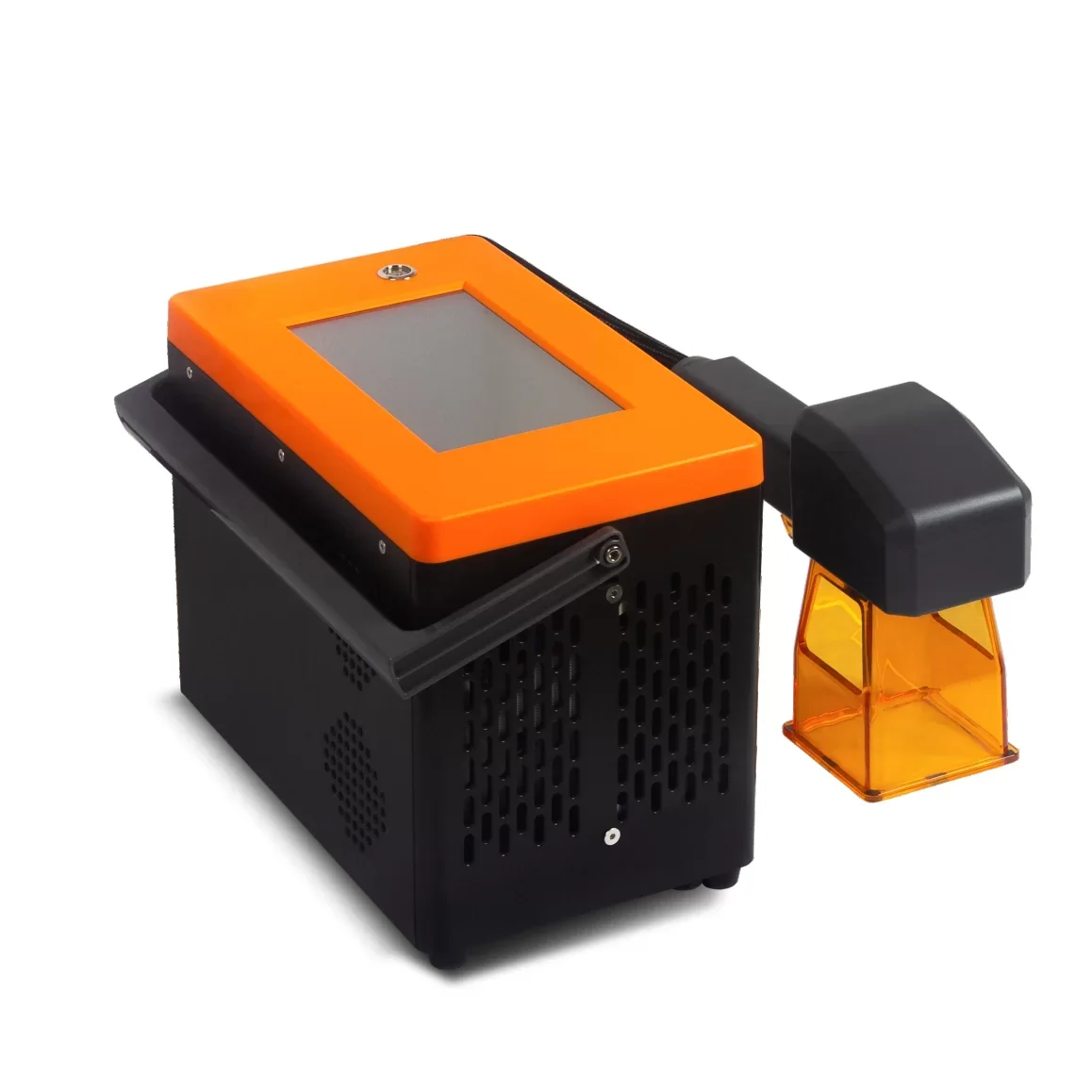
When evaluating a handheld laser marking machine, understanding the key specifications is crucial. Here's a general idea of what to look for:
Feature | Specification (Typical) |
Laser Type | Fiber Laser (e.g., JPT MOPA, Raycus) |
Laser Power | 20W, 30W, 50W (Higher for deeper engraving) |
Marking Area | ≈110x110mm to 300x300mm (depending on lens) |
Marking Speed | Up to 7000-12000mm/s |
Cooling System | Air Cooling |
Weight | Around 10-25 kg (depending on model/battery) |
Service Life (Laser Source) | >100,000 hours (real-world use may vary) |
Selecting the right portable laser marker isn't just about specs; it's also about finding a reliable vendor. You'll want to consider factors like customer support, warranty, training availability, and the potential for customization to fit unique operational needs. For instance, some vendors offer custom fixtures or software integrations. Here's a quick look at what one might compare:
Feature | Vendor A (e.g., Established Brand) | Vendor B (e.g., Specialized OEM) |
Price Point | Higher | Competitive |
Warranty (Standard) | 2 Years | 1 Year |
Training & Support | Extensive global network | Online/Regional support |
Customization Options | Moderate | High (specific software/fixtures) |
Certifications (e.g., CE, FDA) | Usually comprehensive | Market-specific |
A quality handheld laser marking machine is built to last. Manufacturers often adhere to stringent international testing standards, like ISO 9001 for quality management and CE certifications for European market compliance. This ensures reliability and a long service life for components like the laser source, which can often exceed 100,000 hours of operation. Trust me, you want a machine that's been put through its paces.
The advent of the portable laser marker has undeniably revolutionized how industries approach identification and traceability. Its flexibility, efficiency, and cost-effectiveness make it an indispensable tool for modern manufacturing and logistics. If you're looking to streamline your marking processes and gain unparalleled on-site capability, it seems that a handheld laser solution is definitely worth a serious look.
1. Smith, J. (2022). The Evolution of Industrial Marking Technologies: From Ink to Laser. Journal of Manufacturing Engineering, 15(3), 123-138.
2. International Organization for Standardization. (2023). ISO 9001:2015 Quality management systems – Requirements. Retrieved from www.iso.org
3. European Commission. (2021). CE Marking: An Overview for Businesses. Retrieved from ec.europa.eu/growth/single-market/ce-marking