Shijiazhuang Topstar
International Trading Co., Ltd.


Get In Touch
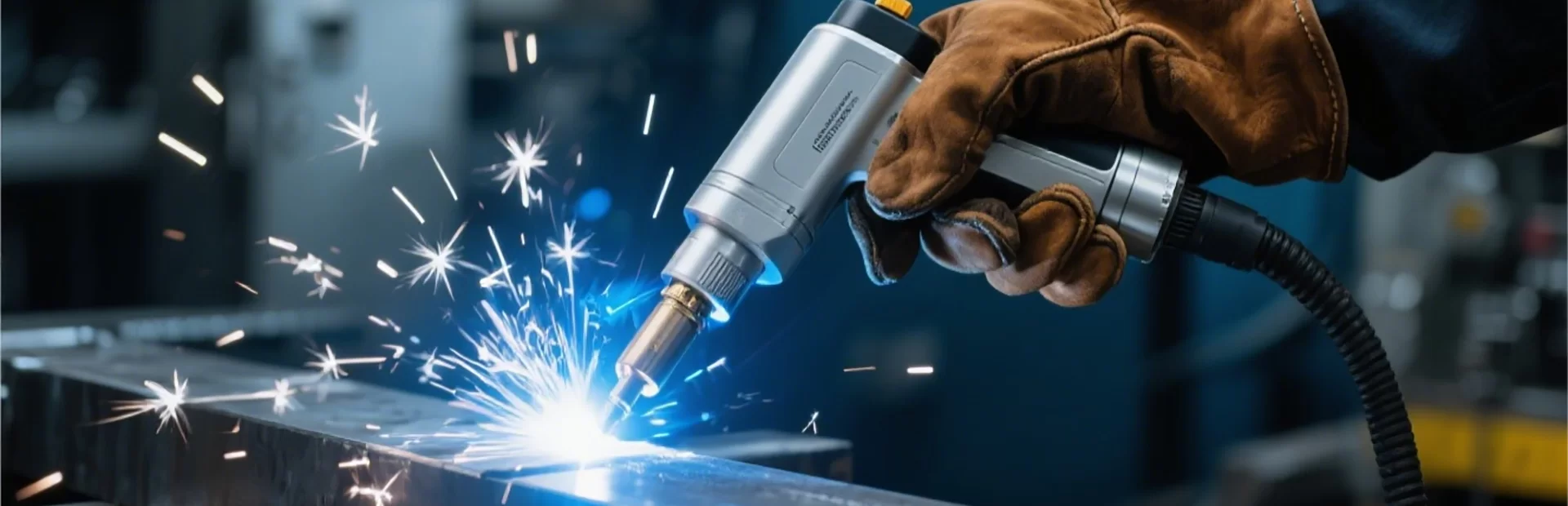
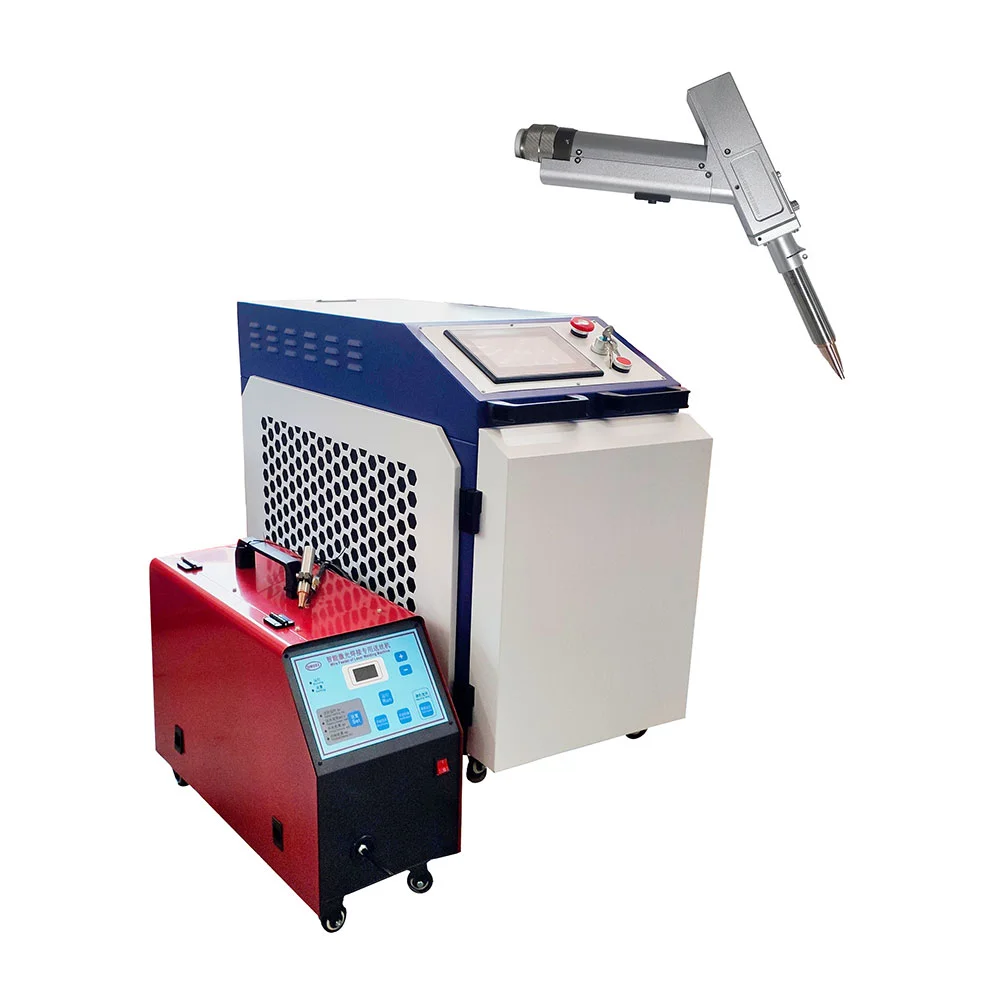
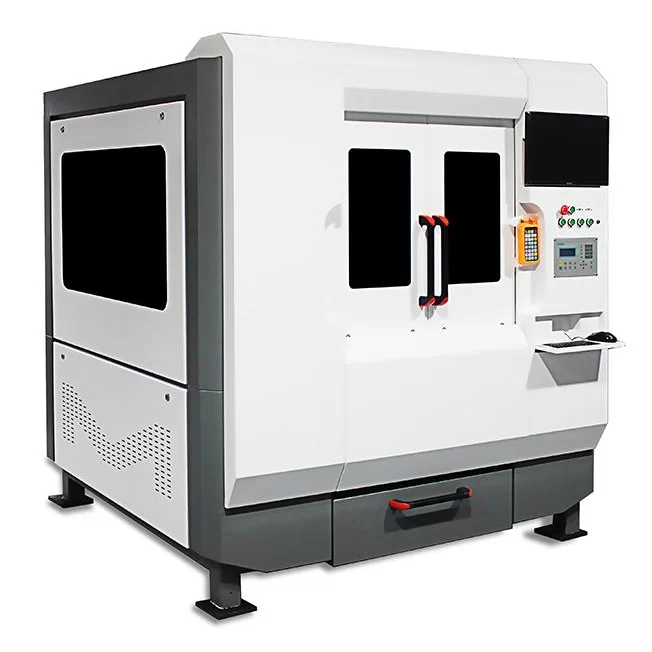
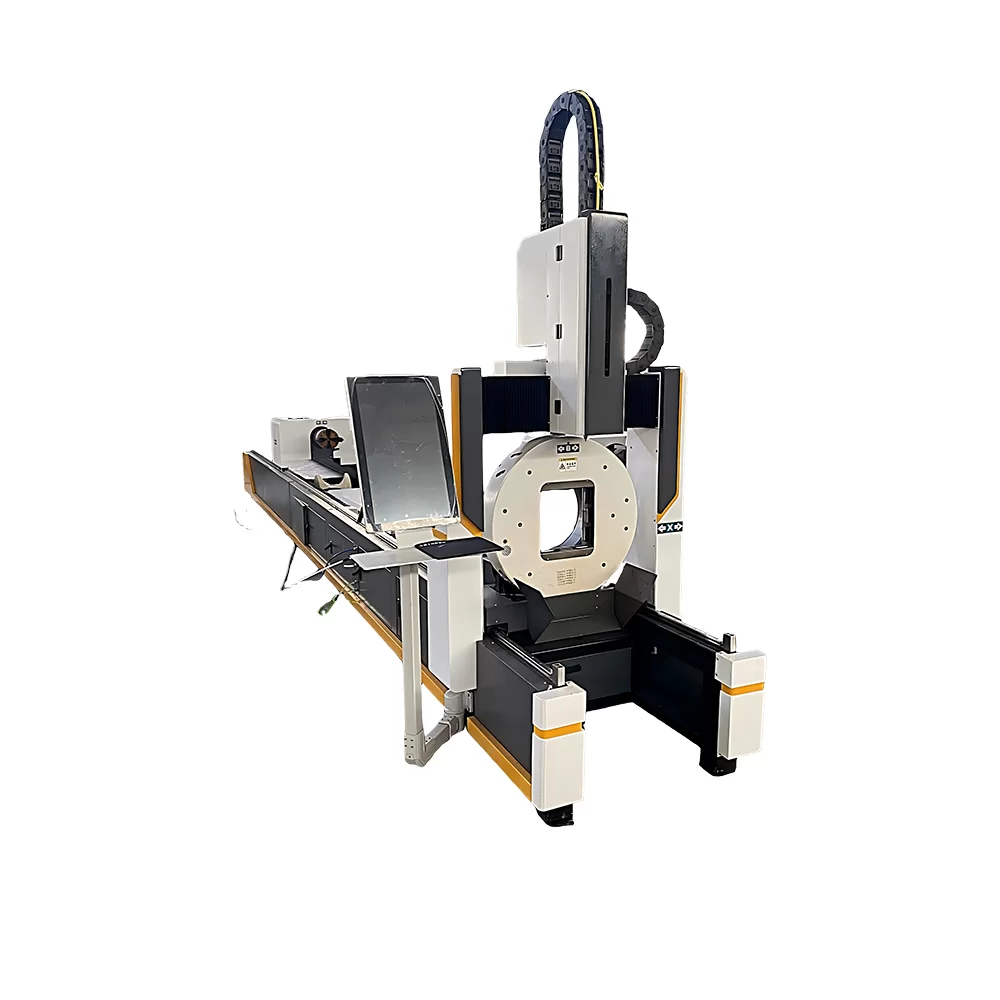
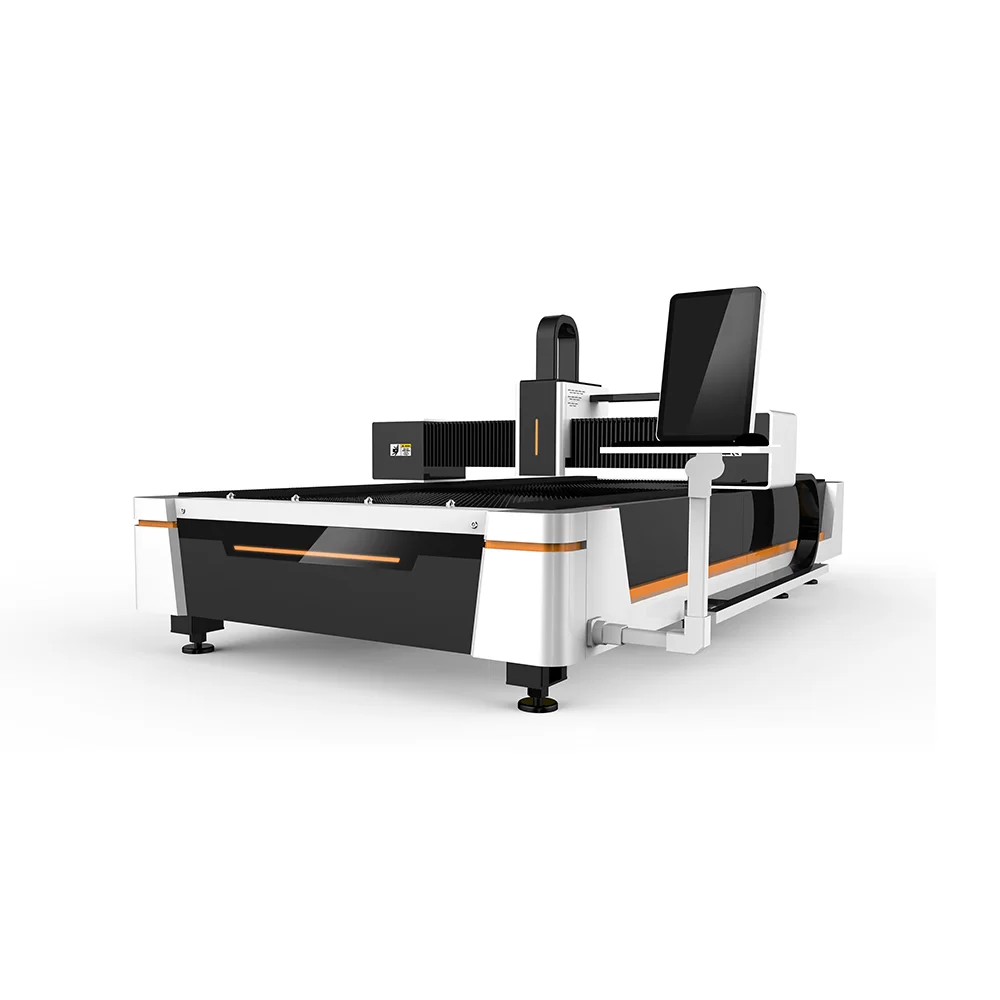
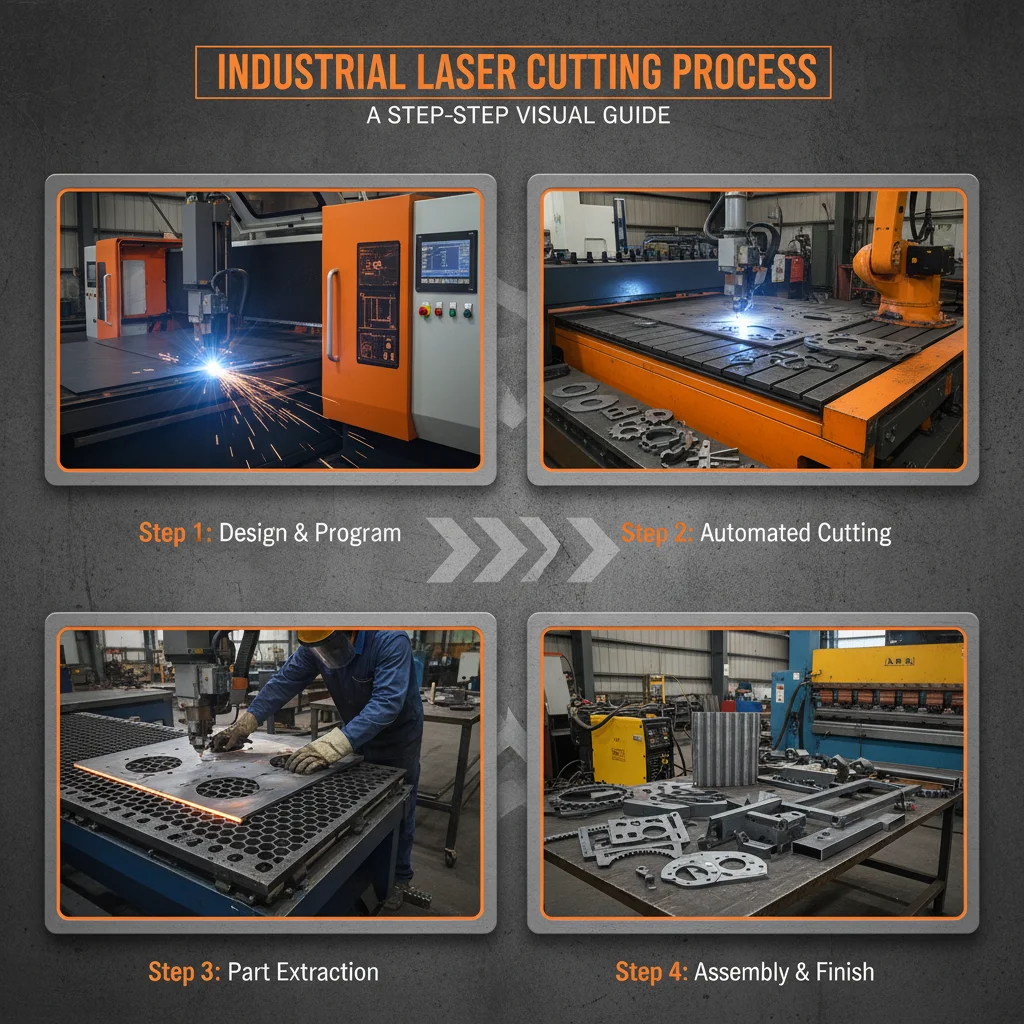
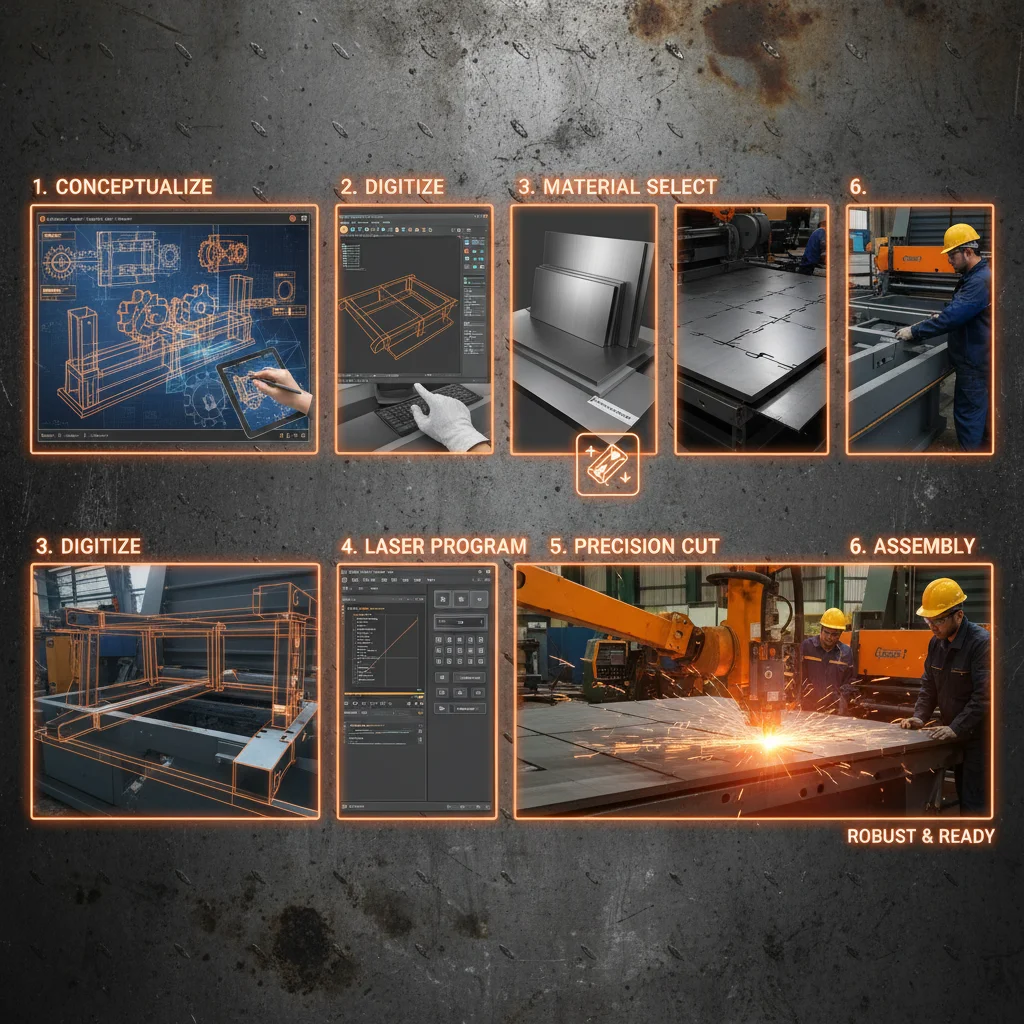
Having spent over a decade navigating the twists and turns of industrial equipment, the steel laser cutting machine stands out as one of those quietly powerful tools that seem straightforward but hide a lot of engineering finesse underneath. I suppose if you’ve ever seen one in action, you know it’s almost mesmerizing—like slicing through metal with a beam of pure precision and heat. Yet, oddly enough, it’s the details behind the scenes that really seal the deal.
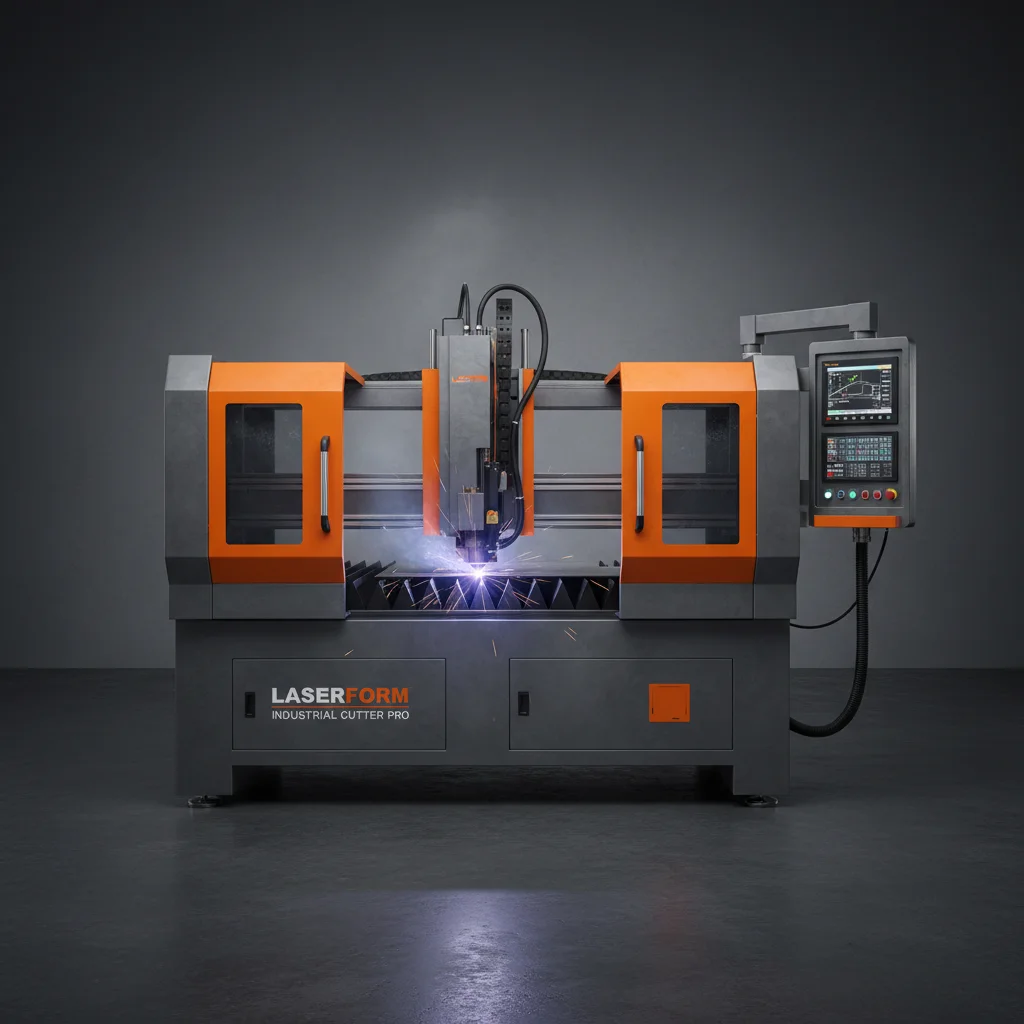
In real terms, laser cutting machines for steel have evolved a lot since the early days of CO2 lasers. Fiber lasers nowadays dominate the scene for their efficiency and speed, and frankly, it’s no surprise why. The power density, reduced maintenance, and lower energy consumption make them a go-to in many factories. Just walking on a shop floor, the hum of a laser cutter feels like the heartbeat of a modern metalworking operation.
Many engineers I’ve exchanged notes with emphasize how customization options for these machines can make or break productivity. You’re not buying just a cutter; you’re investing in a system that needs to gel with your specific production volumes and steel grades. Whether you’re working with mild steel, stainless, or even some tougher alloys, having the right laser wattage, cutting area, and precision parameters tailored to your needs changes everything.
And speaking of parameters, here’s a quick rundown of what you typically see in a reliable steel laser cutting machine model:
| Specification | Details |
|---|---|
| Laser Type | Fiber Laser |
| Power Range | 1500W – 6000W |
| Max Cutting Thickness (Steel) | Up to 25 mm |
| Working Area | 3000 mm × 1500 mm (typical) |
| Positioning Accuracy | ±0.03 mm |
| Control System | CNC with offline programming |
Now, beyond specs, the real test is how it handles in the wild. I remember one client who had a particularly tricky batch of thick stainless steel plates. Their orders were tight, and mistakes cost money. Switching to a fiber laser cutter with a 4000W power rating transformed their workflow — cleaner cuts, fewer burrs, and faster turnaround. That made a lasting impression on me about just how much these machines impact operational efficiency.
Of course, not all laser cutting vendors are created equal, so choosing one requires a nuanced look at a few critical factors. Cost often draws eyes first, but reliability, spare parts availability, after-sales support, and even the software ecosystem weigh heavily in long-term satisfaction. I threw together a quick comparison of three typical vendor profiles here, based on recurring trends I've seen over the years:
| Vendor | Price Range | Support & Service | Customization Options | Software Ease of Use |
|---|---|---|---|---|
| Vendor A (Top Star Laser) | $$$ (Mid-High) | 24/7 global support, fast parts shipping | Highly flexible, modular setups | Intuitive interface, frequent updates |
| Vendor B | $$ (Mid-Range) | Business hours support, regional coverage | Standard configurations, limited upgrades | Basic software, somewhat clunky |
| Vendor C | $ (Budget) | Minimal support, slow response times | Few customization options | Outdated software, no updates |
Knowing the ins and outs of these machines from both hands-on experience and talking shop with operators gives you perspective no glossy brochure can replicate. For instance, the best machines tend to feel almost “alive” during cutting — the steady roar of the fiber laser and smooth travel of the gantry letting you know everything’s in sync. And while it’s tempting to focus on maximum power, I’ve found that precision often trumps brute force. A cleaner cut saves hours in finishing.
One last thing from the trenches: keep in mind maintenance routines. Laser cutting isn’t “set it and forget it.” Mirrors and lenses need regular cleaning, software tweaks happen, and occasionally you replace consumables. Factoring this in upfront means fewer surprises down the line—and frankly, less downtime.
If you are exploring options for a steel laser cutting machine, take your time. Visit shops, ask operators what really matters to them, and don’t skip on after-sales service. This machine won’t just be a tool; it becomes part of your operation’s rhythm. And that’s something you feel more than you measure.
In short: a great steel laser cutting machine is more than specs on paper — it’s an investment in precision, reliability, and the kind of craftsmanship that keeps factories humming.