Shijiazhuang Topstar
International Trading Co., Ltd.


Get In Touch
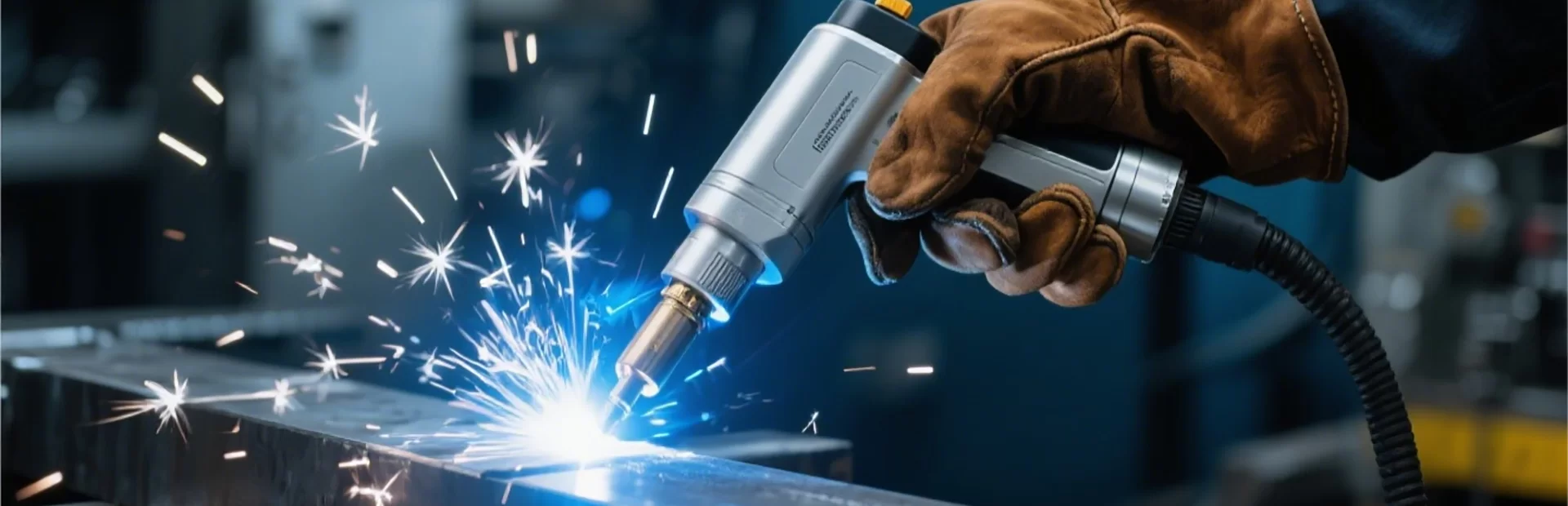
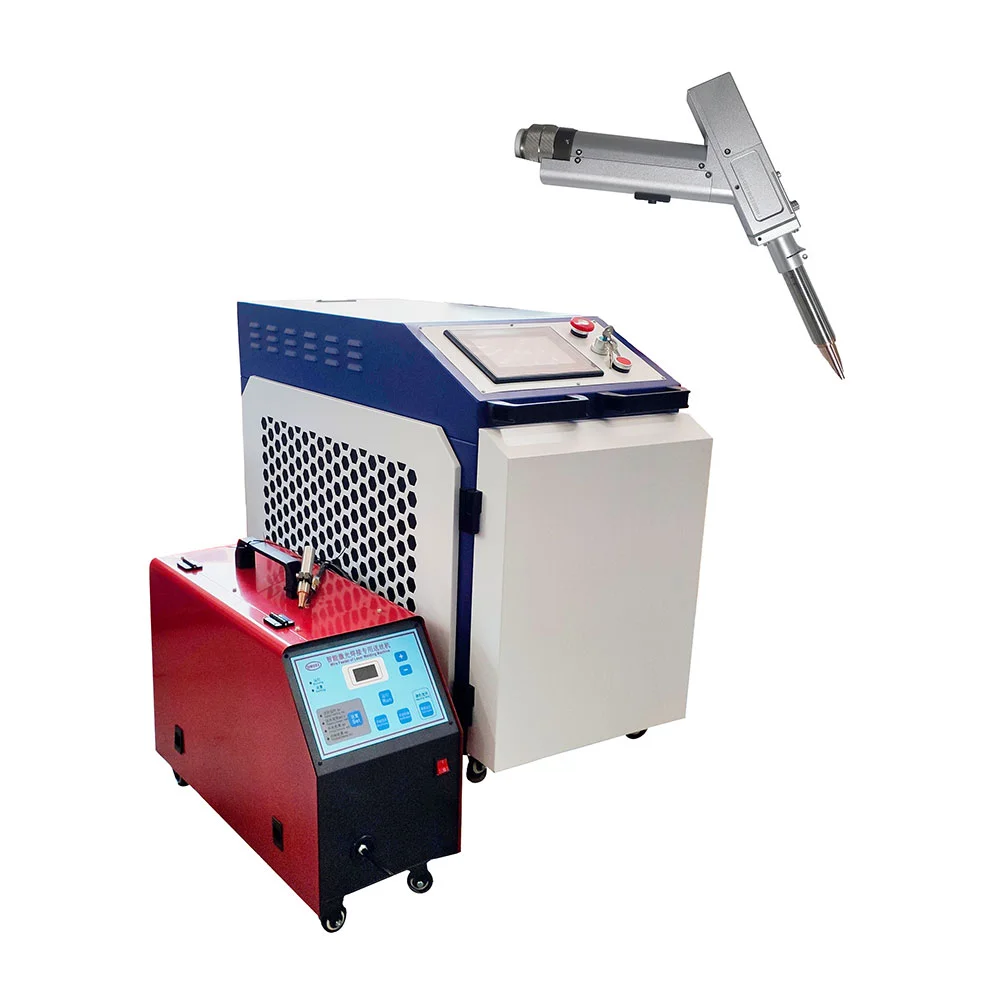
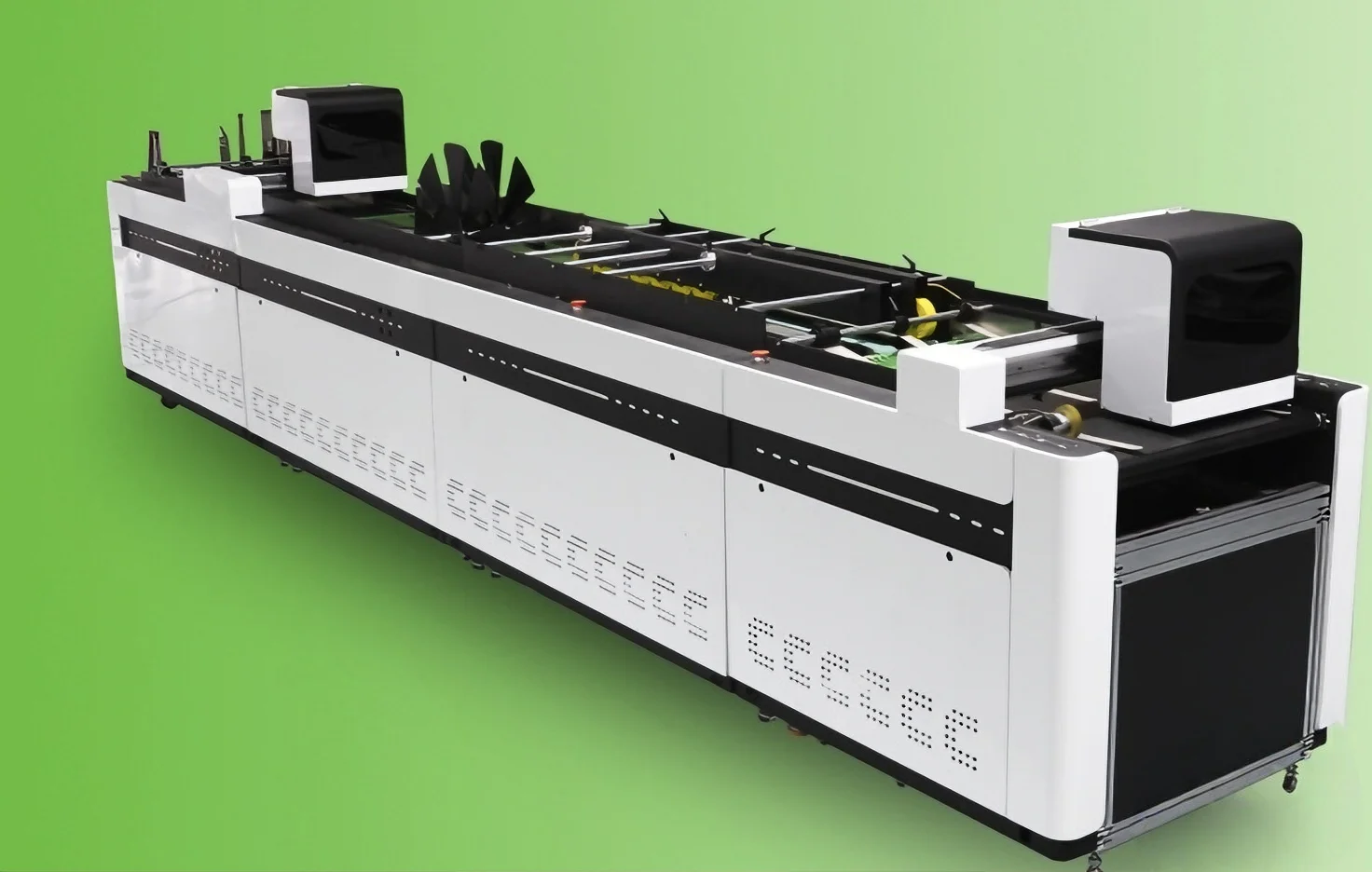
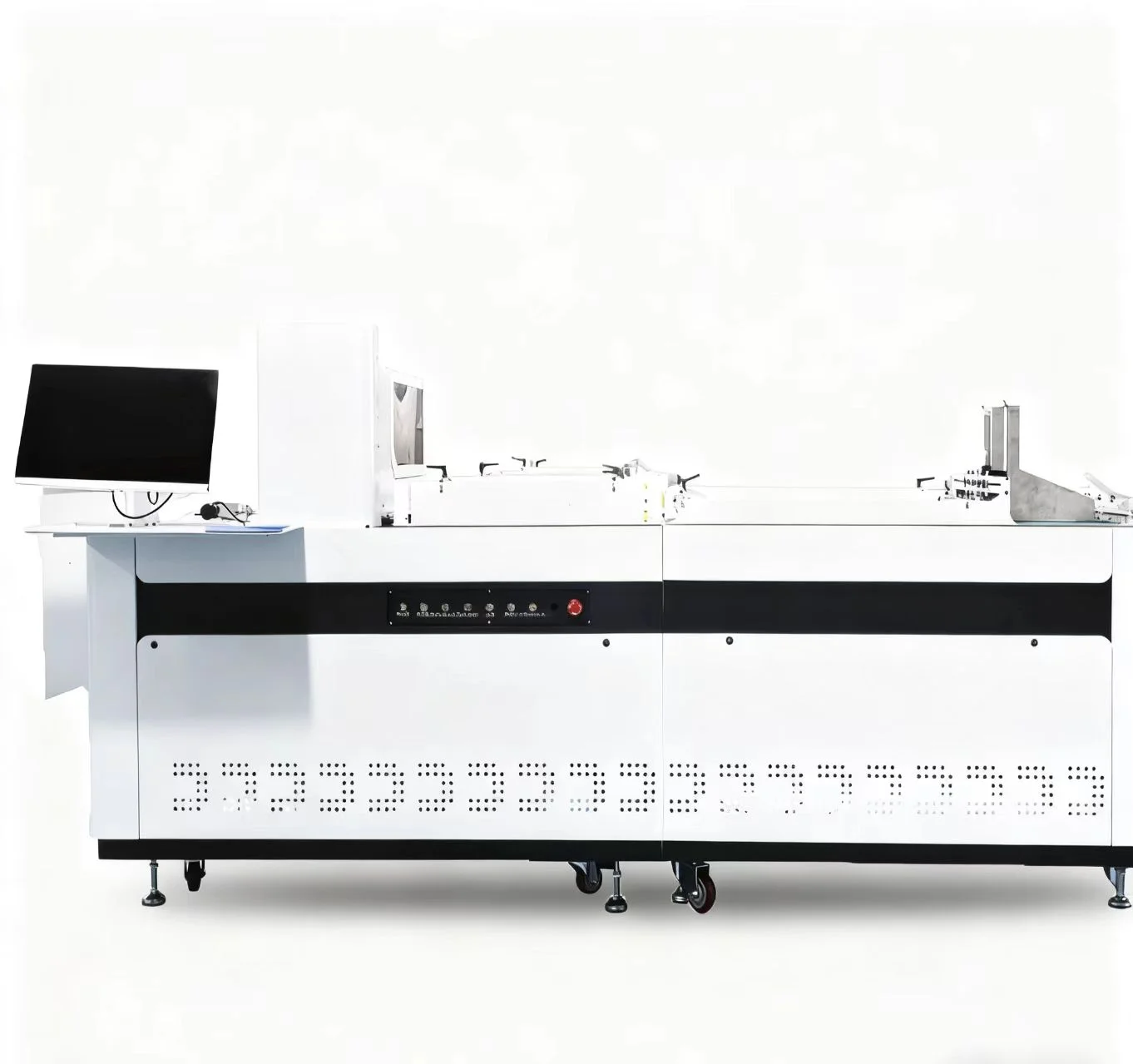
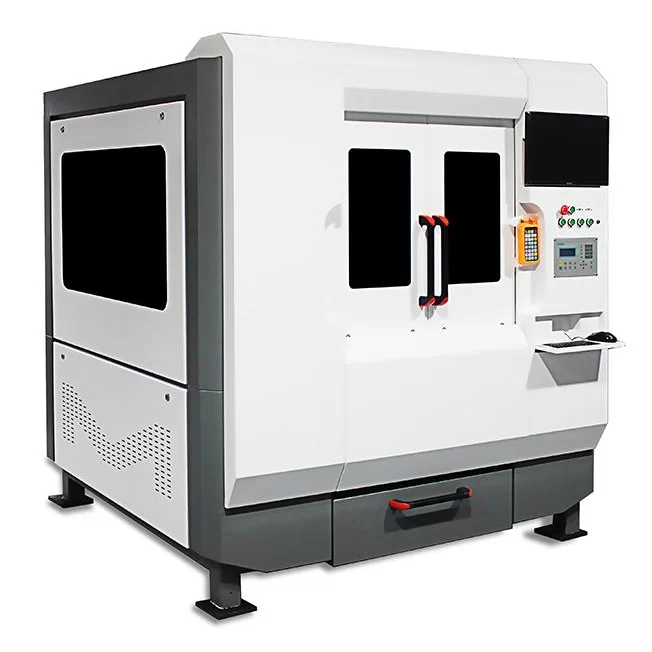
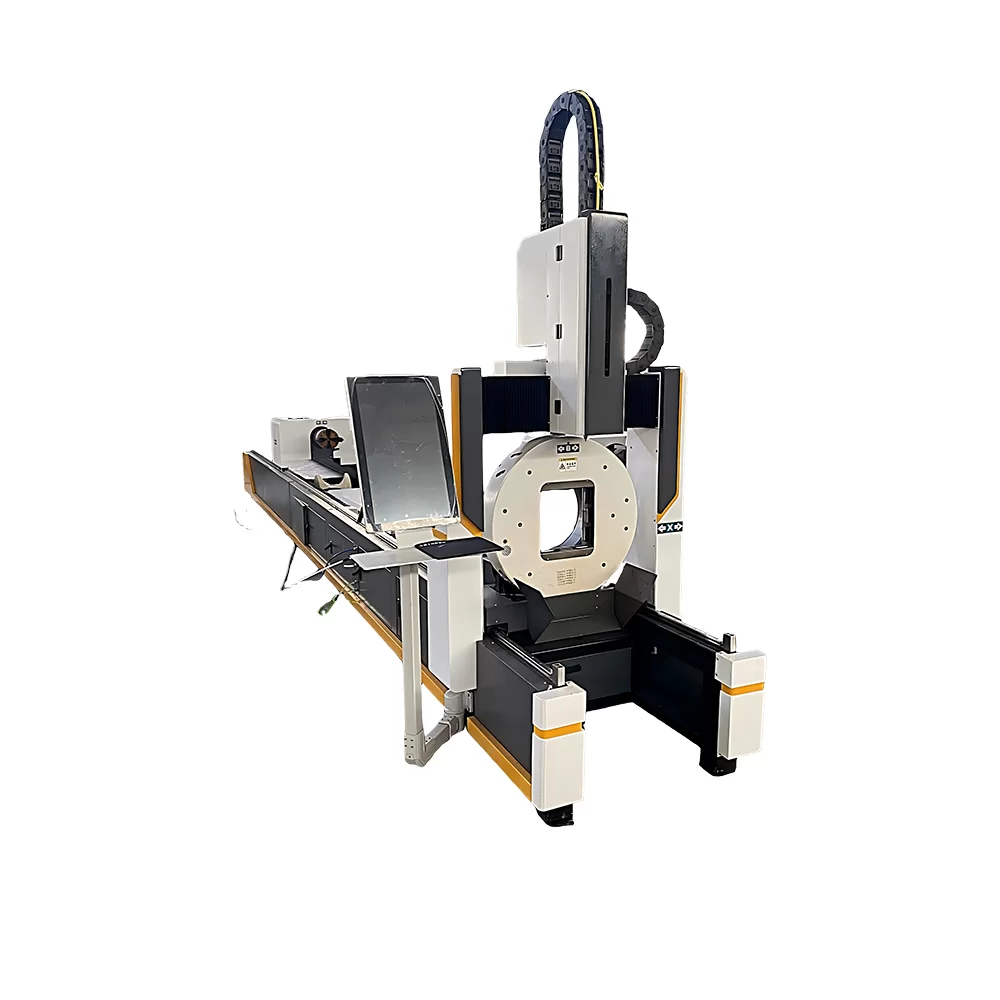
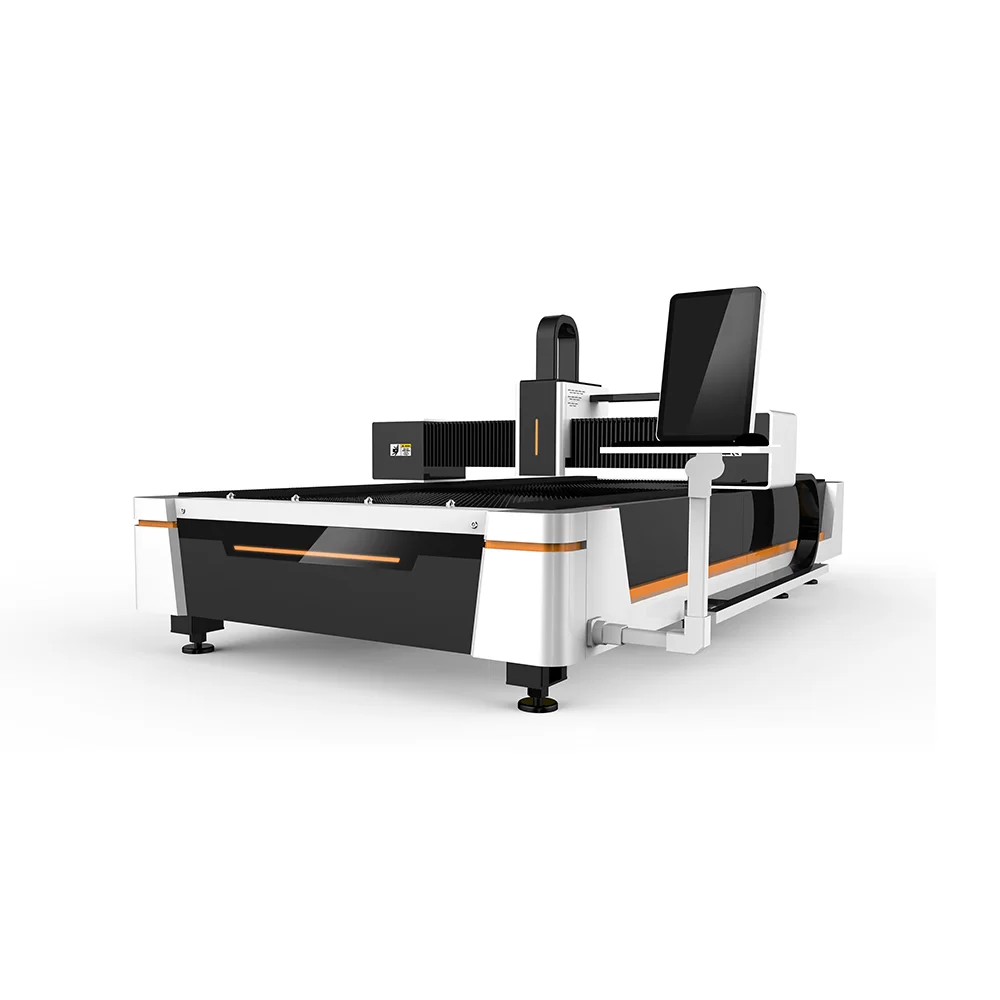
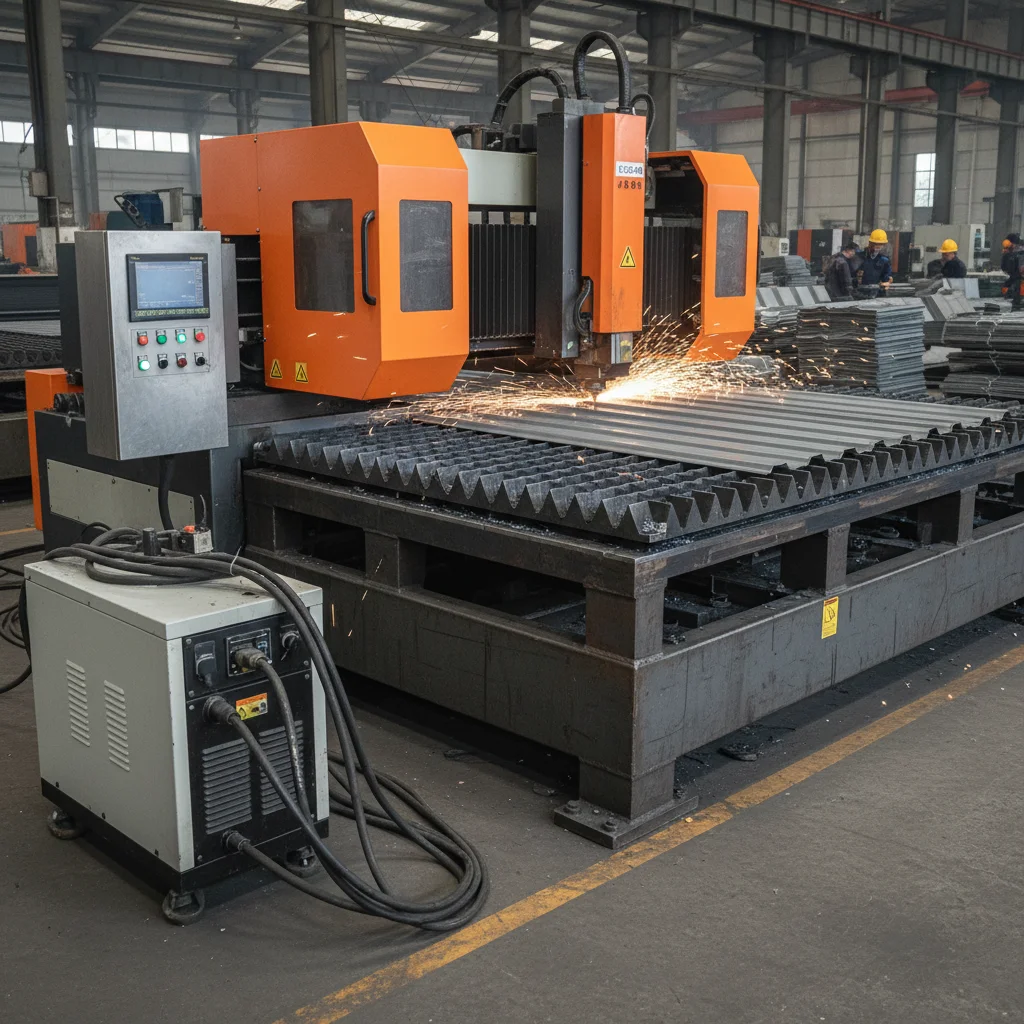
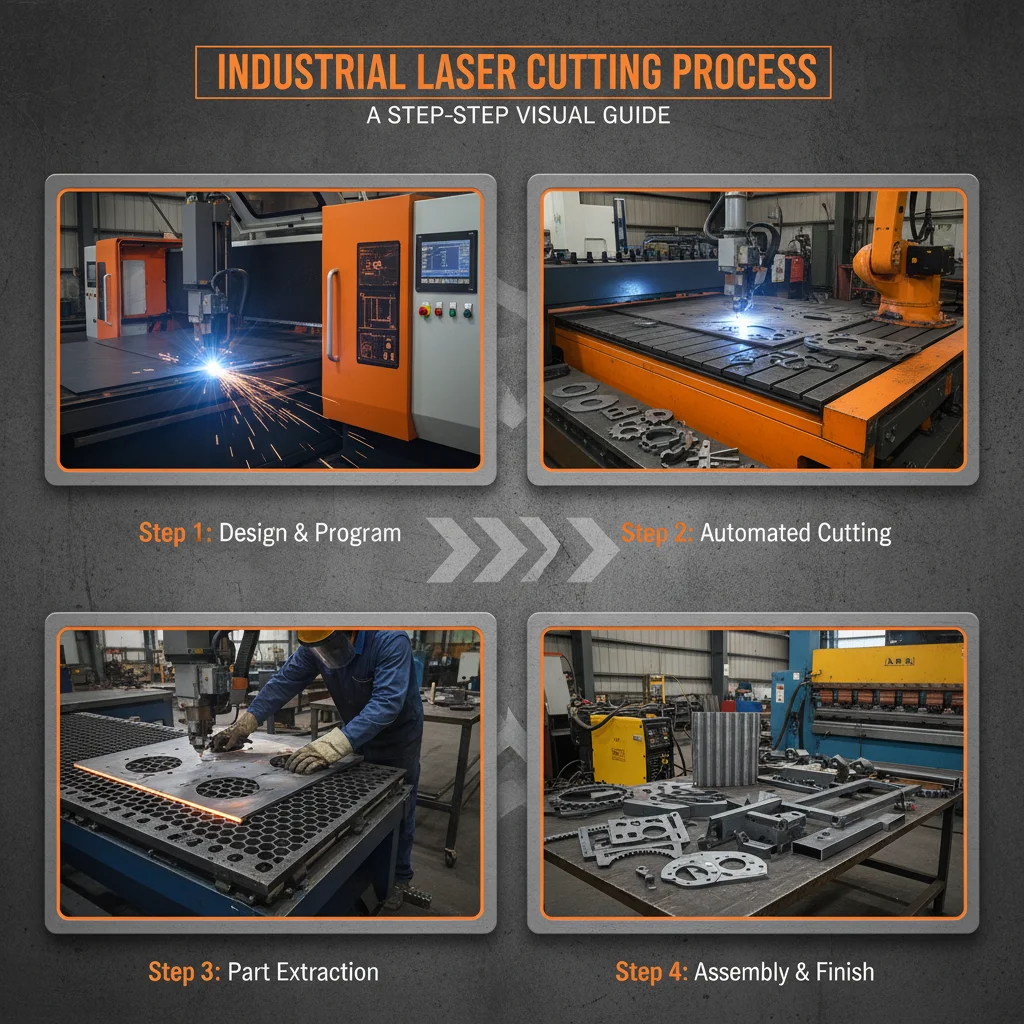
Having spent more than a decade in the industrial equipment sector, I’ve seen metal cutting technology evolve at a pace that sometimes feels relentless. Metal cutting fiber laser systems have quickly gained traction—not just because they’re the new shiny thing, but because they truly transform how we work with metals. Frankly, there’s something fascinating about how these lasers slice through steel and aluminum with microscopic accuracy and speed that seemed impossible two decades ago.
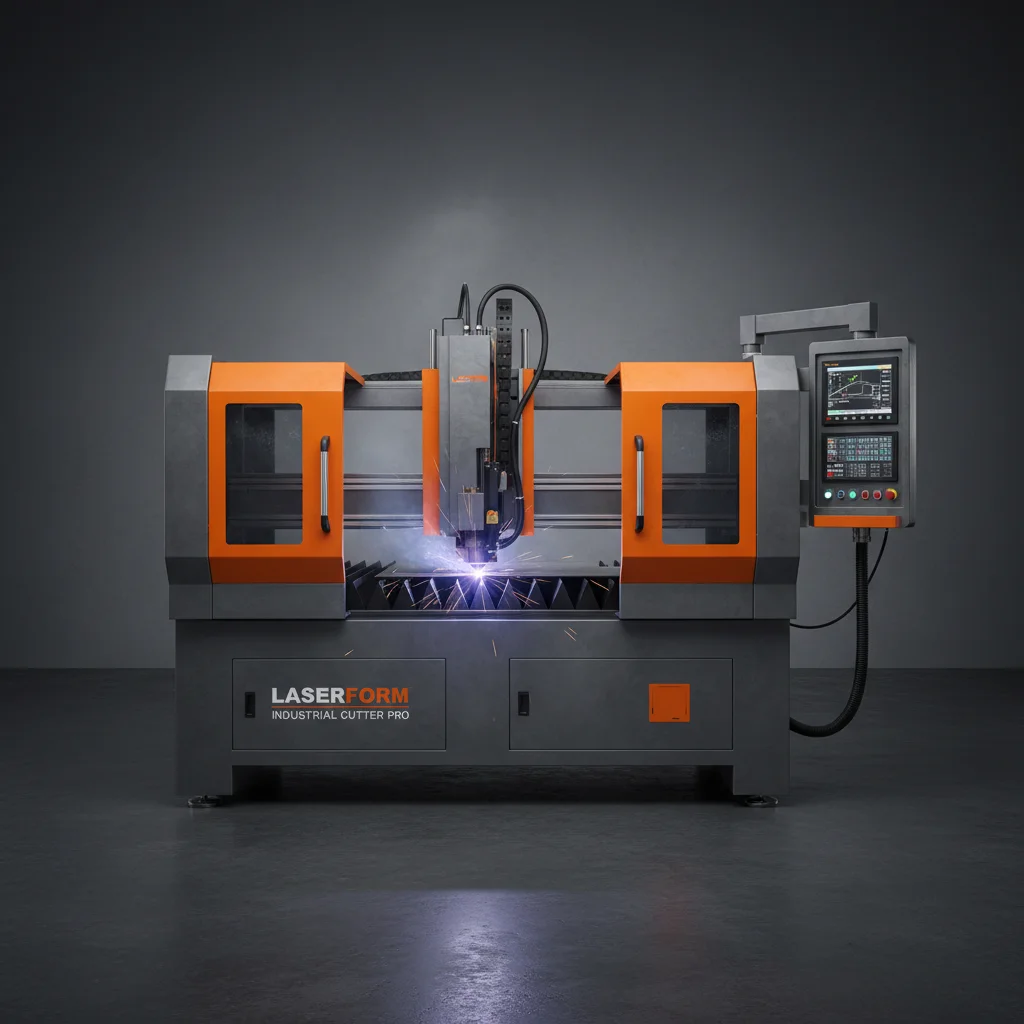
In real terms, these systems rely on fiber laser technology — which basically means a laser generated in a fiber-optic cable rather than a traditional gas medium. That difference boosts energy efficiency, reduces maintenance headaches, and lengthens overall system lifespan. Many engineers I know say the ease of use and customization capabilities are worth the investment—they’ve seen tangible improvements on shop floors that were once cluttered with slower, less precise tools.
Oddly enough, some operators still favor CO2 lasers in certain niche applications, but metal cutting fiber lasers tend to dominate thanks to finer beam quality and superior cutting speeds, especially on reflective metals like copper or brass. A favorite anecdote? A customer we worked with recently used a fiber laser to cut intricate stainless steel components for the aerospace sector—what was once a time-consuming manual job got automated with unmatched consistency.
| Specification | Details |
|---|---|
| Laser Power | 500W to 12kW (Common ranges) |
| Cutting Thickness | Up to 25 mm mild steel, 12 mm stainless steel |
| Max Cutting Speed | Up to 30 m/min for thin sheets |
| Beam Quality (M²) | |
| Cooling System | Closed loop water cooling |
| Control Interface | CNC with touchscreen support |
Material choices are important, and with fiber lasers, you can often cut metals that cause headaches in older systems. Because of the laser’s wavelength (around 1 micron), it’s efficiently absorbed by metal surfaces, giving cleaner edges and less slag than older laser types. I noticed that the customization options available are quite broad—from cutting table sizes to integrated part handling systems—making these machines adaptable to everything from tiny job shops to full-scale manufacturing lines.
| Vendor | Power Output | Cutting Accuracy | Automation Options | Warranty & Support |
|---|---|---|---|---|
| Topstar Laser | 500W - 12kW | ±0.03 mm | Advanced robotic integration | 3 years standard + remote support |
| Vendor B | 1kW - 10kW | ±0.05 mm | Basic automation kits | 2 years standard |
| Vendor C | 750W - 8kW | ±0.04 mm | Modular automation available | 1 year + premium package |
One impression I’d like to share about selecting a fiber laser setup: it’s often the after-sales support and service availability that make or break the operator’s long-term success. I recall a customer who switched to Topstar Laser due to their responsive remote support and detailed training sessions—that hands-on assistance helped them get over the initial learning curve quicker than expected.
Of course, no machine is a silver bullet, and it's always wise to carefully assess your specific materials, thickness requirements, and throughput before jumping in. But if you ask me, investing in a metal cutting fiber laser these days is kind of a no-brainer for manufacturers looking to future-proof their operations.
At the end of the day, it’s the kind of tool that lets you cut faster, cleaner, and with less fuss than you might have thought possible. And if you listen closely on some shop floors, you’ll hear the quiet hum of these lasers—proof that modern industrial craft has an exciting edge.
Reflection: The technology that felt exotic just a few years ago is now becoming the backbone of modern metal fabrication, and frankly—it’s thrilling to witness.