Shijiazhuang Topstar
International Trading Co., Ltd.


Get In Touch
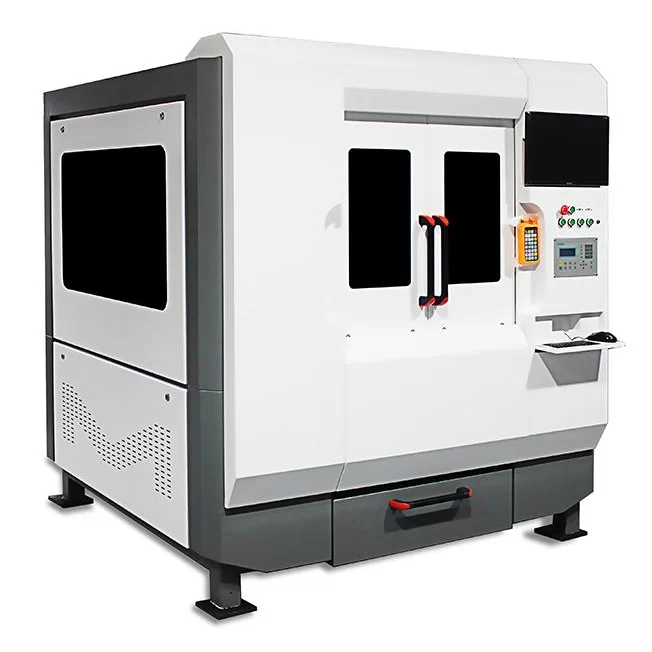
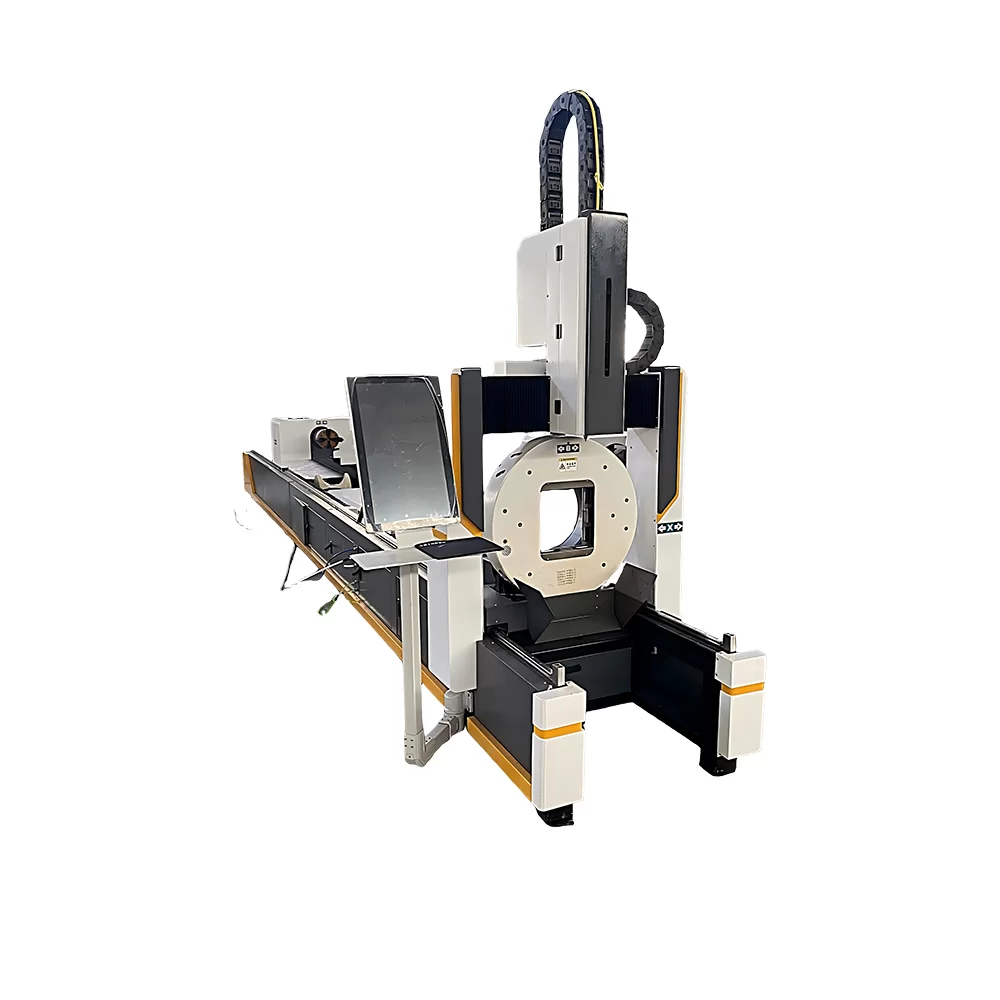
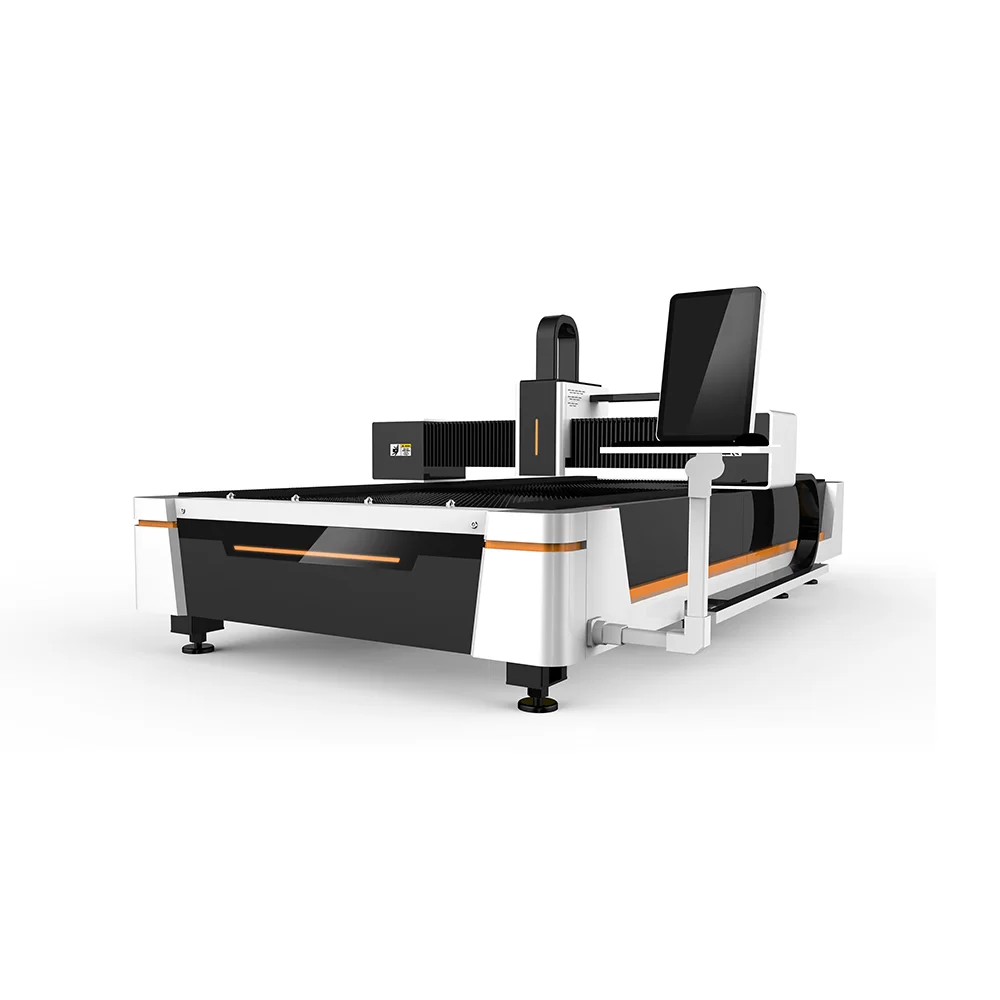
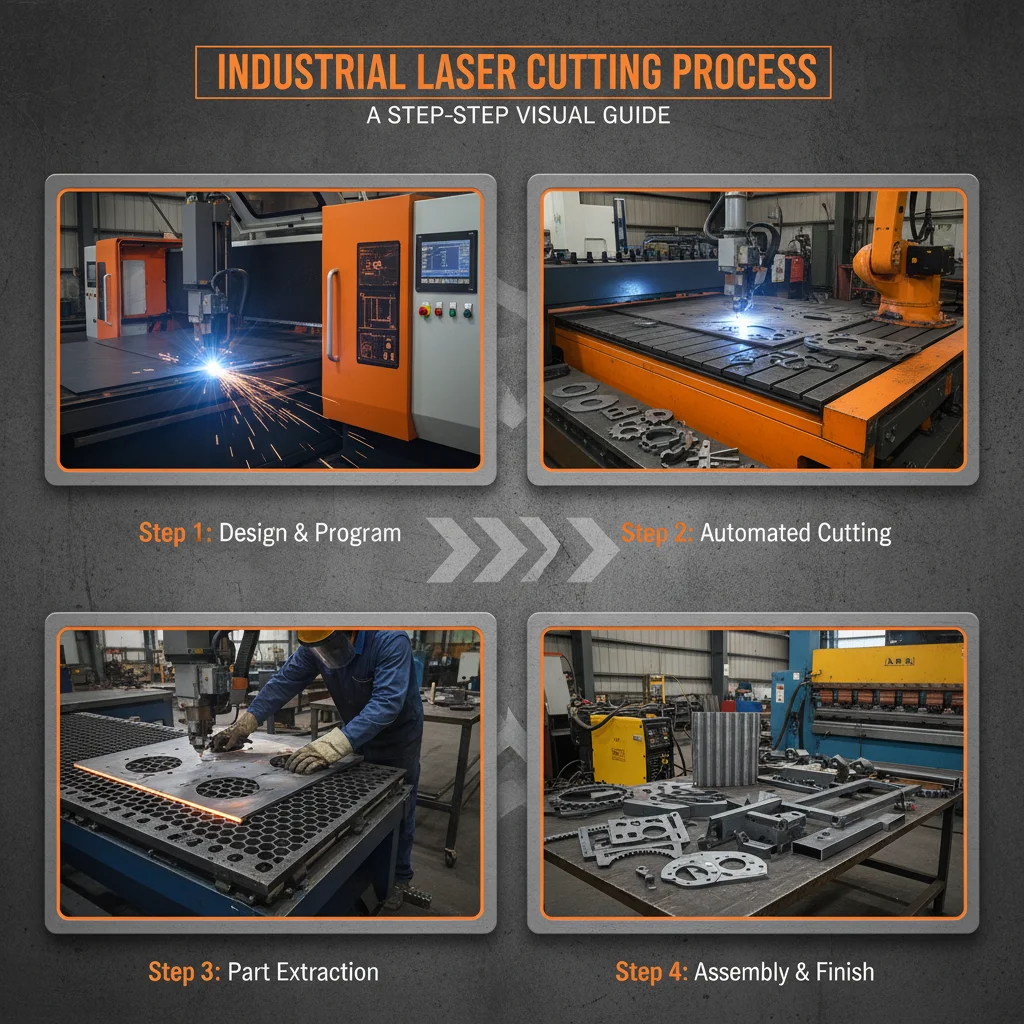
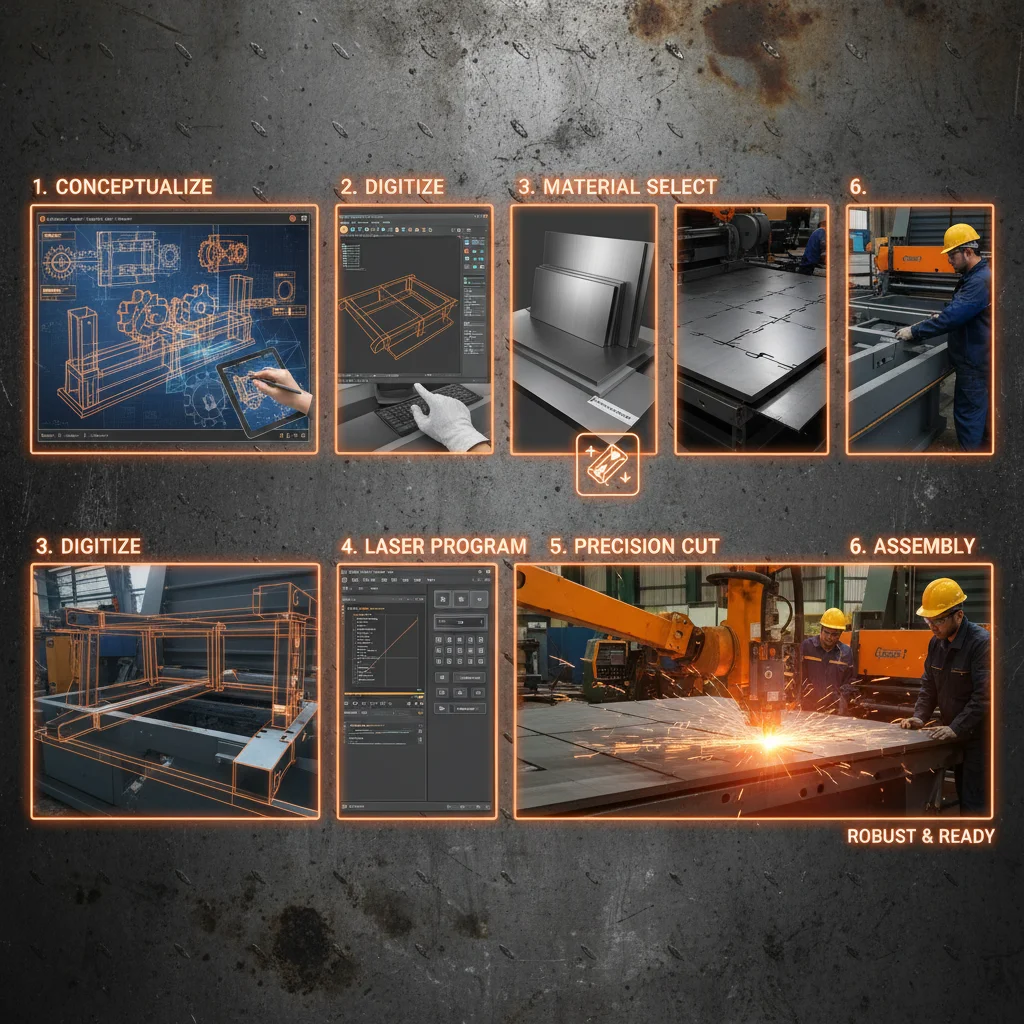
When we talk about cnc laser cut steel, we're diving into a manufacturing process that combines advanced automation with laser precision to cut steel sheets into intricate parts and shapes. It matters not just in factories churning out car parts or appliances, but also in global infrastructure, medical devices, and even humanitarian equipment. The appeal? Efficiency, consistency, and the ability to achieve complex designs with minimal waste.
Steel remains one of the foundational materials worldwide — according to the World Steel Association, global crude steel production topped 1.9 billion metric tons in recent years. But how we shape steel has evolved dramatically. CNC (Computer Numerical Control) laser cutting addresses major challenges: speed, precision, and waste reduction. Especially when rapid prototyping or mass production requires tight tolerances, this method is a game-changer.
Oddly enough, this technology also indirectly supports sustainable goals by optimizing material use, which aligns with ISO environmental standards. In industries where every gram and every millimeter counts, being waste-conscious is no small matter.
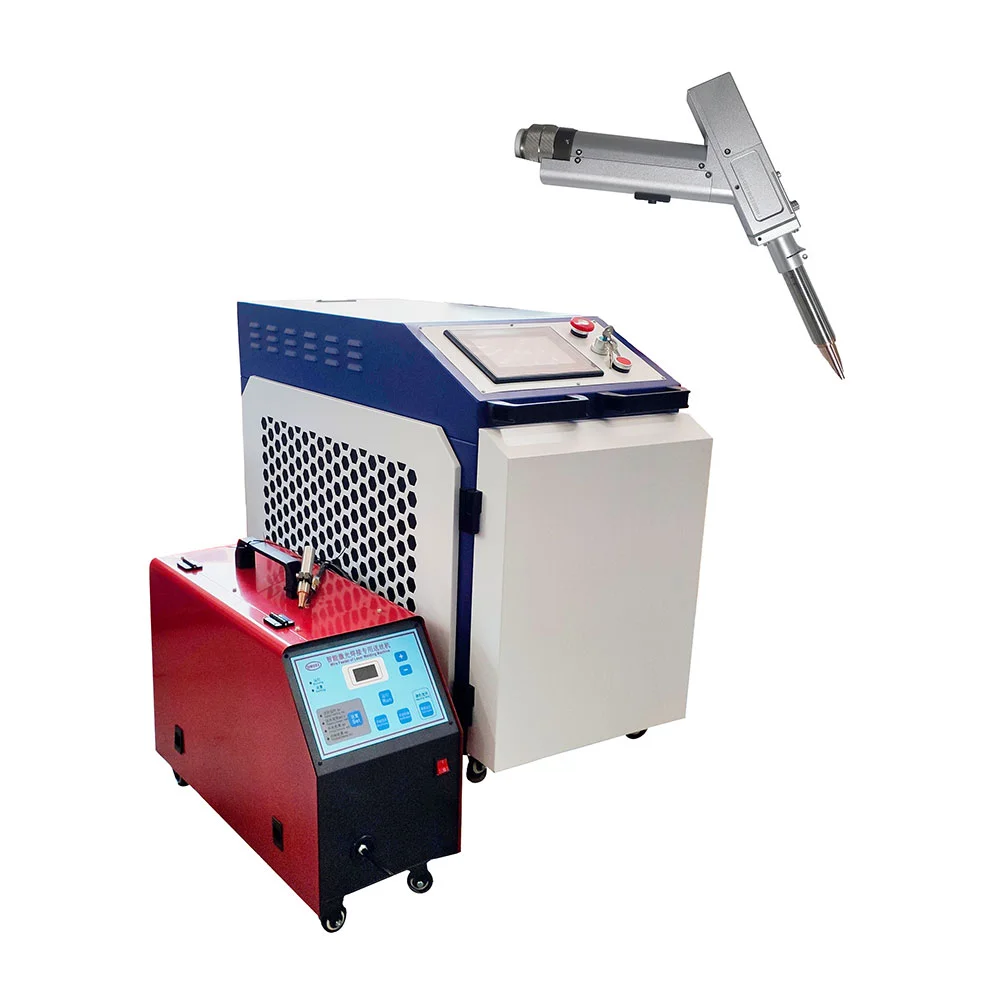
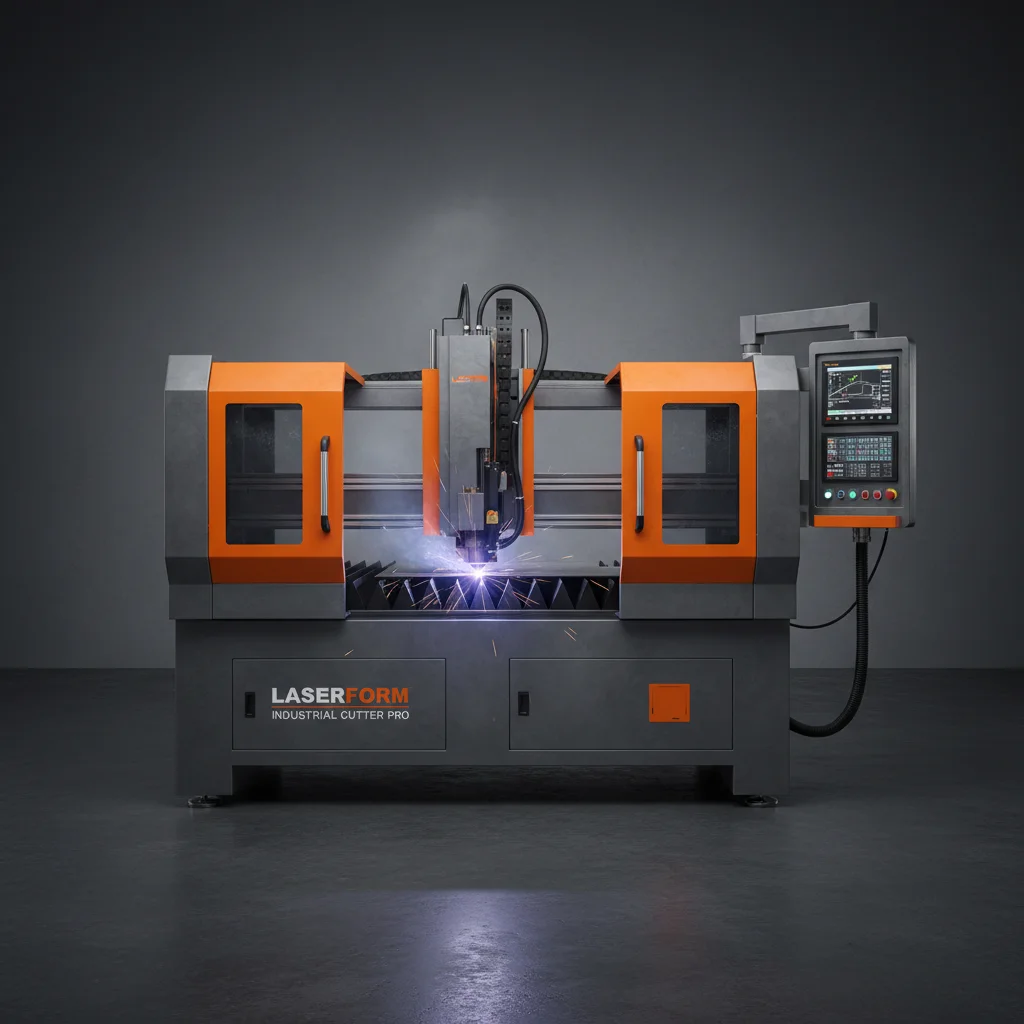
Put simply, CNC laser cut steel is steel sheet or plate processed by a computer-guided laser beam, cutting the metal to exact dimensions or complex shapes. The CNC system translates a digital design into precise commands, while the laser uses focused light to melt or vaporize the steel in thin lines.
This process differs markedly from traditional cutting methods like shearing or plasma cutting — it delivers cleaner edges, less mechanical stress, and higher reproducibility. You can think of it as the industrial equivalent of using a scalpel instead of a utility knife.
Beyond manufacturing gadgets or precision components, it serves wider needs — from durable housing modules in disaster zones to robust infrastructure parts that endure tough environments.
The CNC machinery interprets designs with tenths of a millimeter accuracy. This accuracy matters when parts must fit snugly with minimal tolerance, reducing the need for post-processing.
CNC laser cutting can handle a range of steel types (carbon steel, stainless steel, alloy steel) and thicknesses — from delicate 0.5mm sheets to heavier plates over 20mm. This versatility broadens its application.
The laser cuts quickly along programmed paths without tool wear, increasing throughput and lowering downtime. For manufacturers, this translates into faster lead times.
The narrow laser beam width means cutting lines produce minimal kerf (waste). The edges are typically clean, reducing finishing work.
These systems easily switch between single prototypes and large production runs — critical in industries where rapid design iterations meet volume manufacturing.
CAD/CAM software integration means it's straightforward to modify designs on the fly, test new concepts, or optimize layouts for material utilization.
| Specification | Detail |
|---|---|
| Laser Type | Fiber or CO2 laser |
| Thickness Range | 0.5mm to 25mm |
| Tolerance | ±0.1mm to ±0.3mm depending on thickness |
| Max Sheet Size | Up to 2500mm x 1250mm |
| Cutting Speed | Up to 20m/min (varies with thickness) |
| Material Types | Carbon steel, stainless steel, alloy steel |
For instance, in post-disaster regions, agencies rely on cnc laser cut steel components for modular building kits because of their quick assembly and durability under harsh conditions. In industrial zones with limited fabrication facilities, the precise cut steel allows for onsite assembly with minimal tools and expertise.
Frankly, the benefits go beyond just clean cuts:
There's also a sense of trust — clients can count on the repeatability of the outputs, which is crucial when producing critical infrastructure or safety equipment. It feels like an advancement that finally connects high tech with real-world problem solving.
We're starting to see integration of AI and machine learning to optimize cutting paths and reduce energy consumption further. Fiber lasers continue to grow in popularity due to their higher power efficiency and lower maintenance versus older CO2 lasers.
Green manufacturing policies encourage low-emission production, driving research into recycling steel scrap and using renewable energy in laser cutting plants. Digital twins of manufacturing lines enable virtual testing before physical runs, minimizing costly errors.
Despite all the advantages, CNC laser cutting faces hurdles like high initial investment and the need for skilled operators. Some thick or highly reflective steels remain tricky without advanced parameter tuning. Also, over-dependence on automation risks system downtimes impacting production schedules.
Experts recommend robust training programs, predictive maintenance using IoT sensors, and hybrid cutting techniques combining laser with mechanical tools for challenging materials. Gradual adoption can help companies avoid big upfront costs.
| Vendor | Laser Type | Max Thickness | Typical Industries | Sustainability Practices |
|---|---|---|---|---|
| Topstar Laser | Fiber Laser | 20mm | Automotive, Medical, Construction | Energy-efficient plants, scrap recycling |
| LaserTech Systems | CO2 Laser | 25mm | Aerospace, Heavy Machinery | ISO 14001 certified, digital waste tracking |
| PrecisionCut Ltd. | Fiber Laser | 15mm | Electronics, SMEs | Solar-powered facilities, low-emission policies |
To sum up, cnc laser cut steel offers remarkable benefits in precision manufacturing, sustainability, and innovation. Whether you’re developing high-performance machinery or constructing emergency shelters, this technology blends speed and quality like few others. For companies serious about quality and efficiency, exploring CNC laser cutting solutions is a smart move.
Curious to see how it can elevate your projects? Visit our website: https://www.topstarlaser.com and discover cutting-edge options tailored to your needs.
It's interesting how a beam of light turns raw steel into the backbone of modern precision — a reminder that innovation often hides in the details.