Shijiazhuang Topstar
International Trading Co., Ltd.


Get In Touch
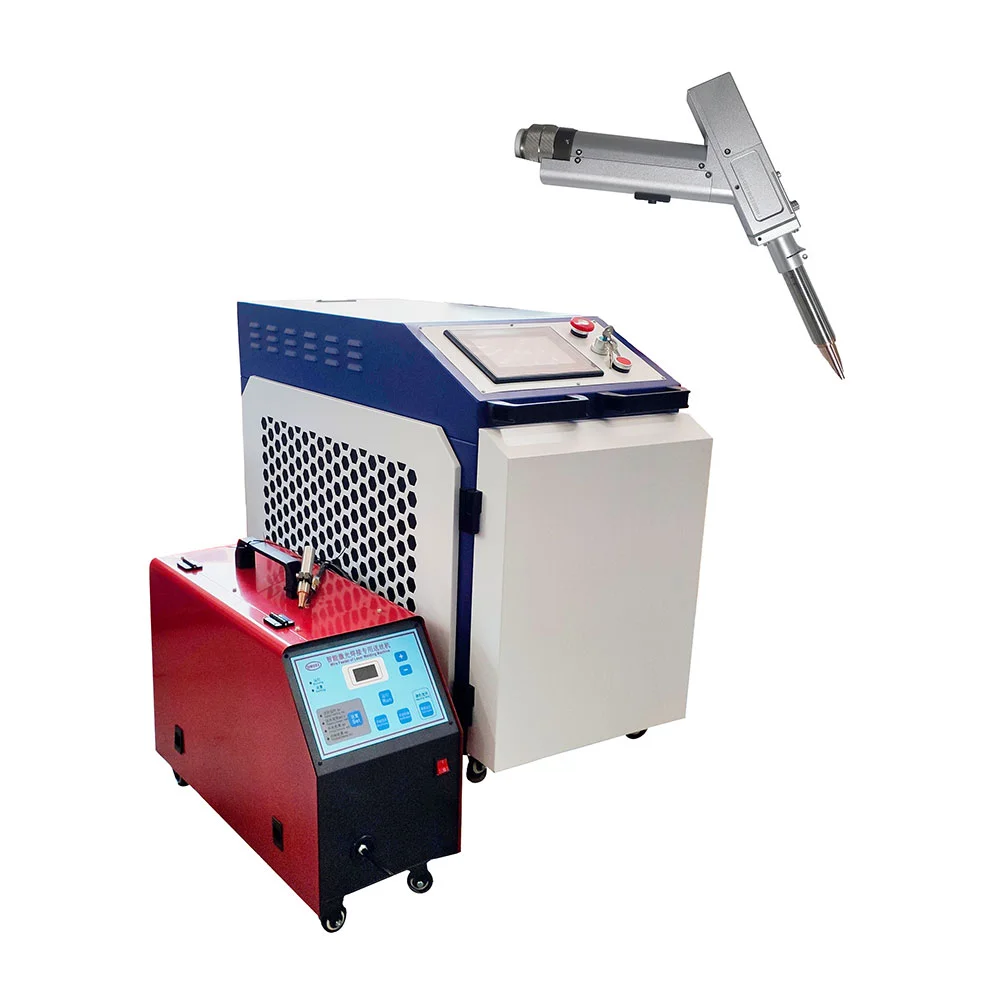
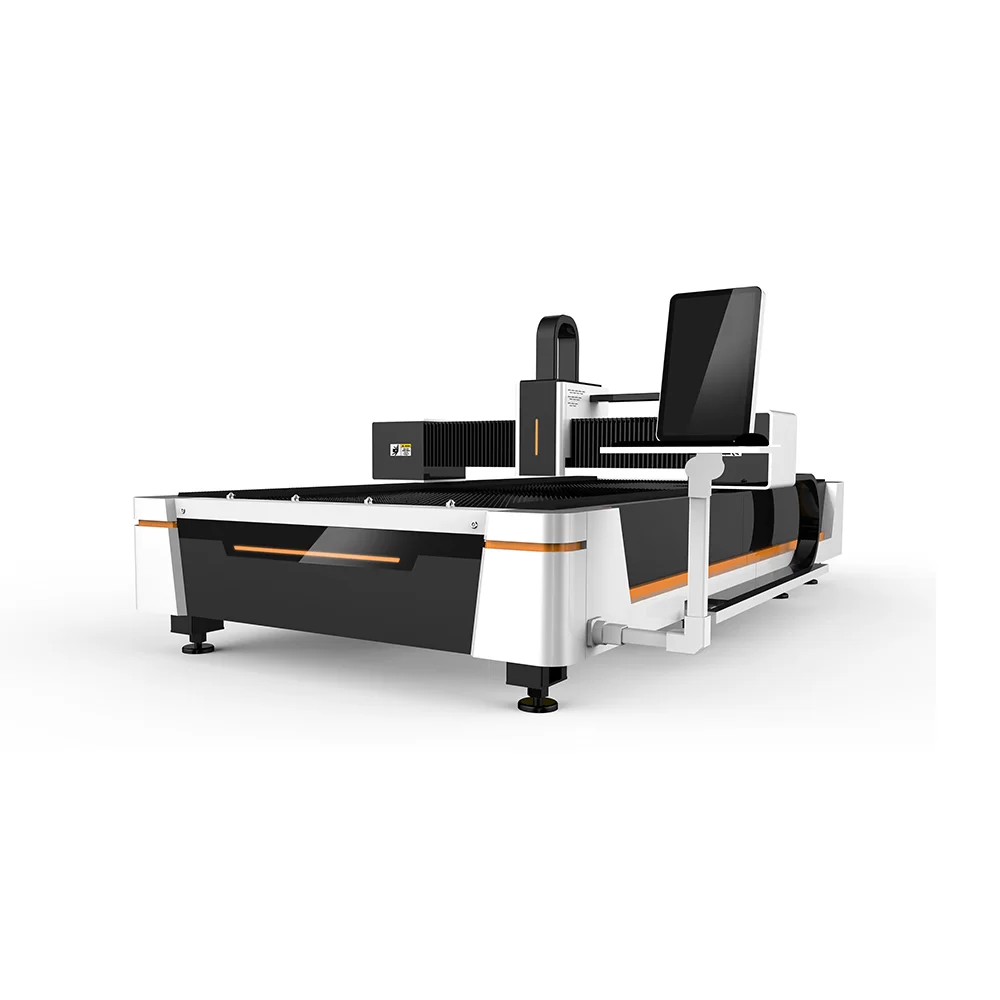
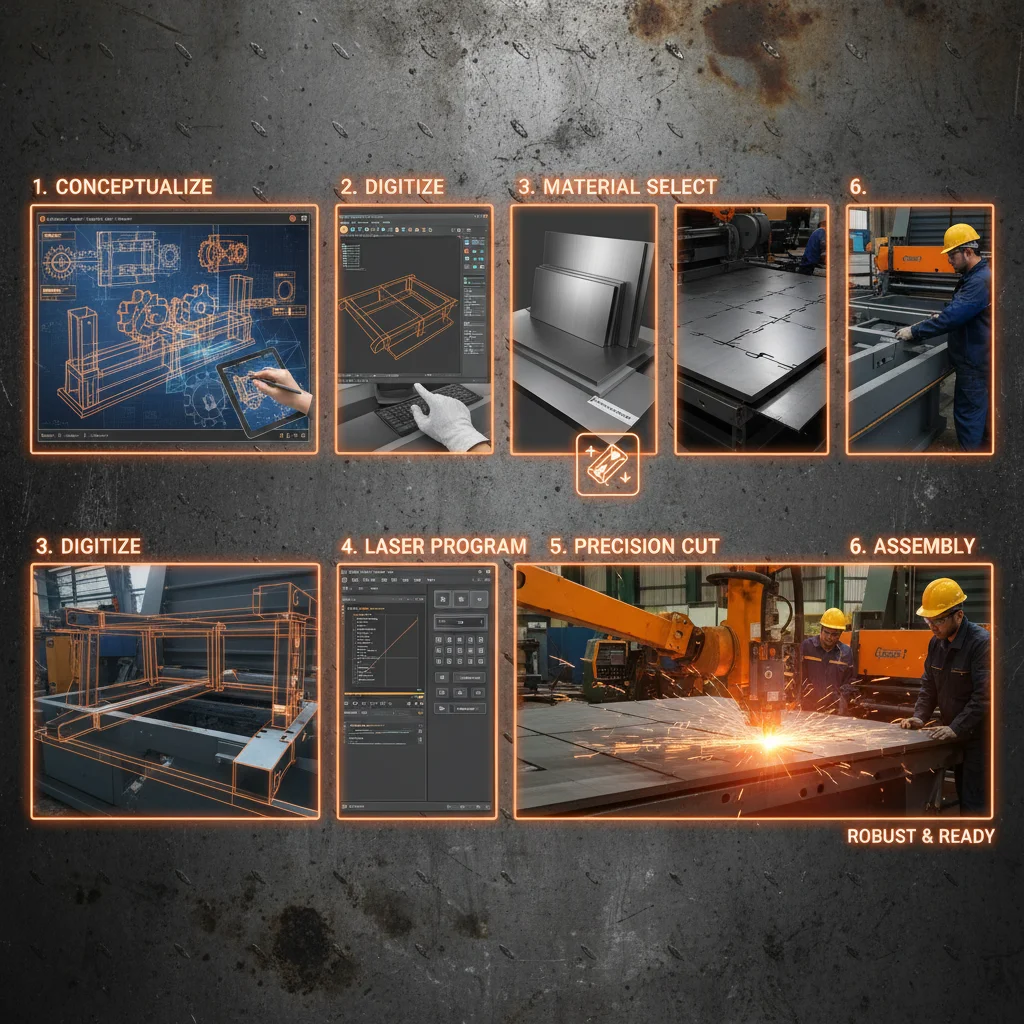
Fibre optic laser cutting has quietly revolutionized industries worldwide, from aerospace to medical device production. But what exactly is it, and why should anyone outside a factory floor care? Well, this technology offers unprecedented precision and speed in cutting metals and composites, reducing waste, and boosting efficiency—a trifecta vital in today’s economy where resources are tight and demands high. In global terms, embracing fibre optic laser cutting means advancing manufacturing capabilities to meet both commercial and humanitarian needs, like building safer infrastructure or lightweight transport components.
The manufacturing sector drives about 16% of the global GDP, according to the World Bank, with rapid digitization shaking up traditional methods. Fibre optic laser cutting fits right into the Fourth Industrial Revolution, promising to streamline metal fabrication and complex assembly processes. Fibre optic laser cutting technologies help solve persistent challenges like reducing material waste and improving production speed without sacrificing quality—critical factors in a world where resource scarcity and sustainability targets (like ISO 14001) are increasingly prioritized.
For example, the aviation industry, notorious for its material precision demands and cost sensitivity, widely uses fibre laser cutting for cutting titanium alloys. This is a leap beyond older CO2 laser systems. Oddly enough, what seems like a niche tech deeply influences numerous sectors, from automotive to electronics.
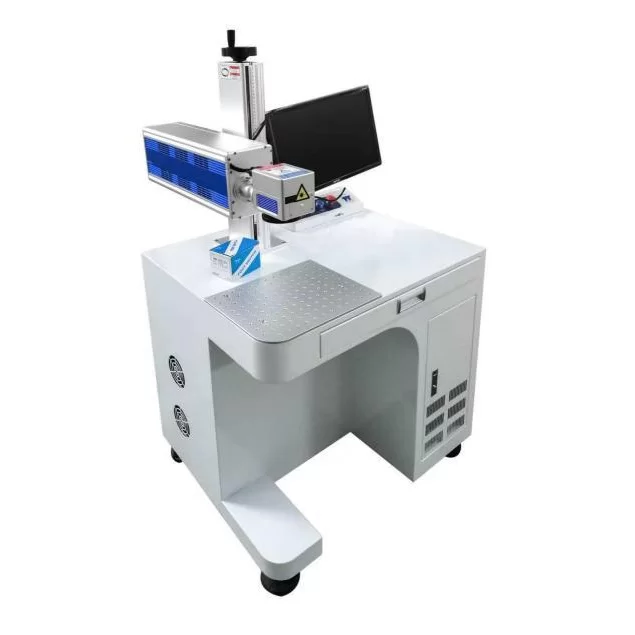
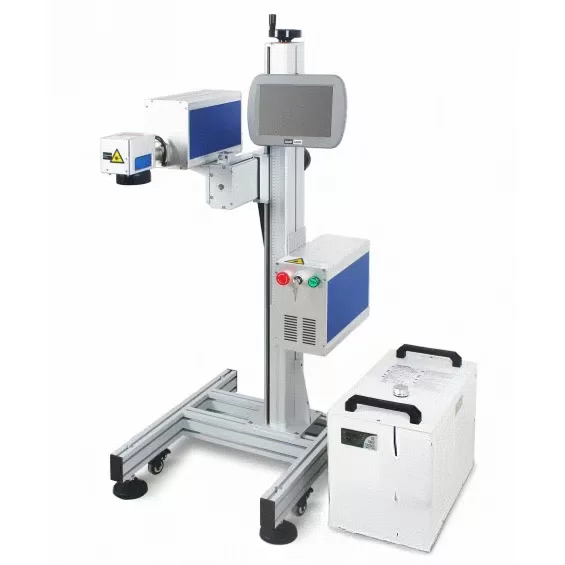
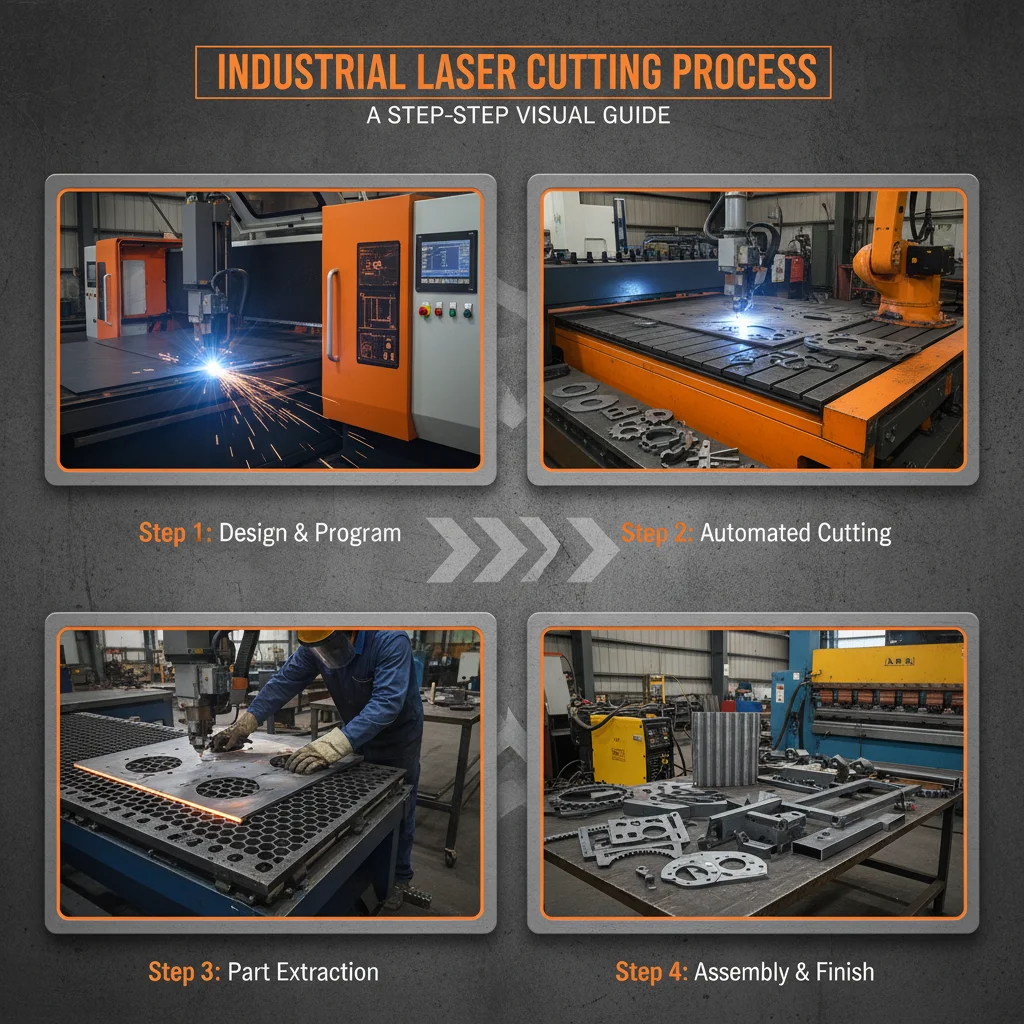
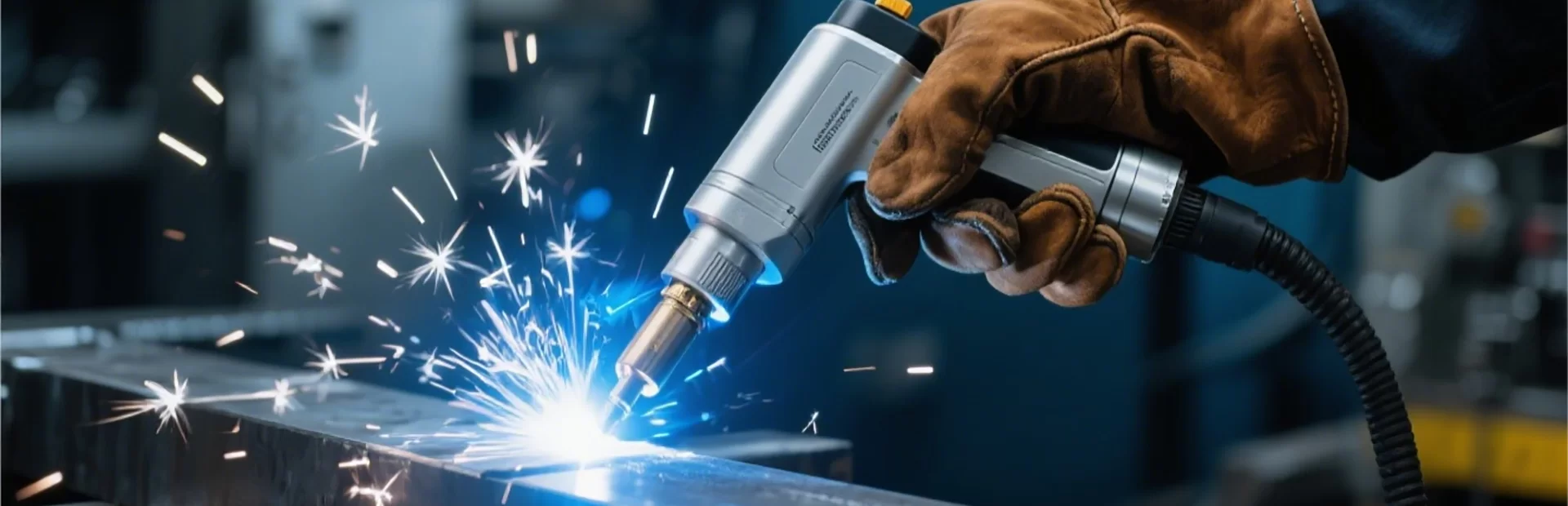
At its simplest, fibre optic laser cutting is a process that directs a highly concentrated beam of light, delivered through fiber optic cables, to precisely slice through metals or composites. The light’s wavelength and power density allow it to melt or vaporize material with minimal thermal distortion. This means cleaner edges and less post-processing. It’s kind of like using a tiny, super-hot, and ultra-focused knife that traces your design with absolute accuracy.
Industrially, it’s integral to modern manufacturing where tolerances matter—think electronics casings or surgical instruments—where a microscopic error can mean failure or risk. Humanitarian applications aren’t far behind. Imagine rapid production of medical equipment or modular shelters needing exact parts to ensure safety and comfort.
Fibre lasers produce a beam with a very small spot size and excellent beam quality, meaning cuts are sharper and more detailed. This is why industries like aerospace can trust these machines when fabricating critical components.
Compared to traditional CO2 lasers, fibre lasers are faster and consume less energy. This scalability attracts manufacturers keen on reducing cycle times and energy costs.
The fibre optic delivery means fewer moving parts and less downtime. Users often report fewer alignments and longer intervals between maintenance sessions.
Though initial investments might be steep, the operation costs plummet over time—less power, fewer consumables, and less scrap material contribute to overall savings.
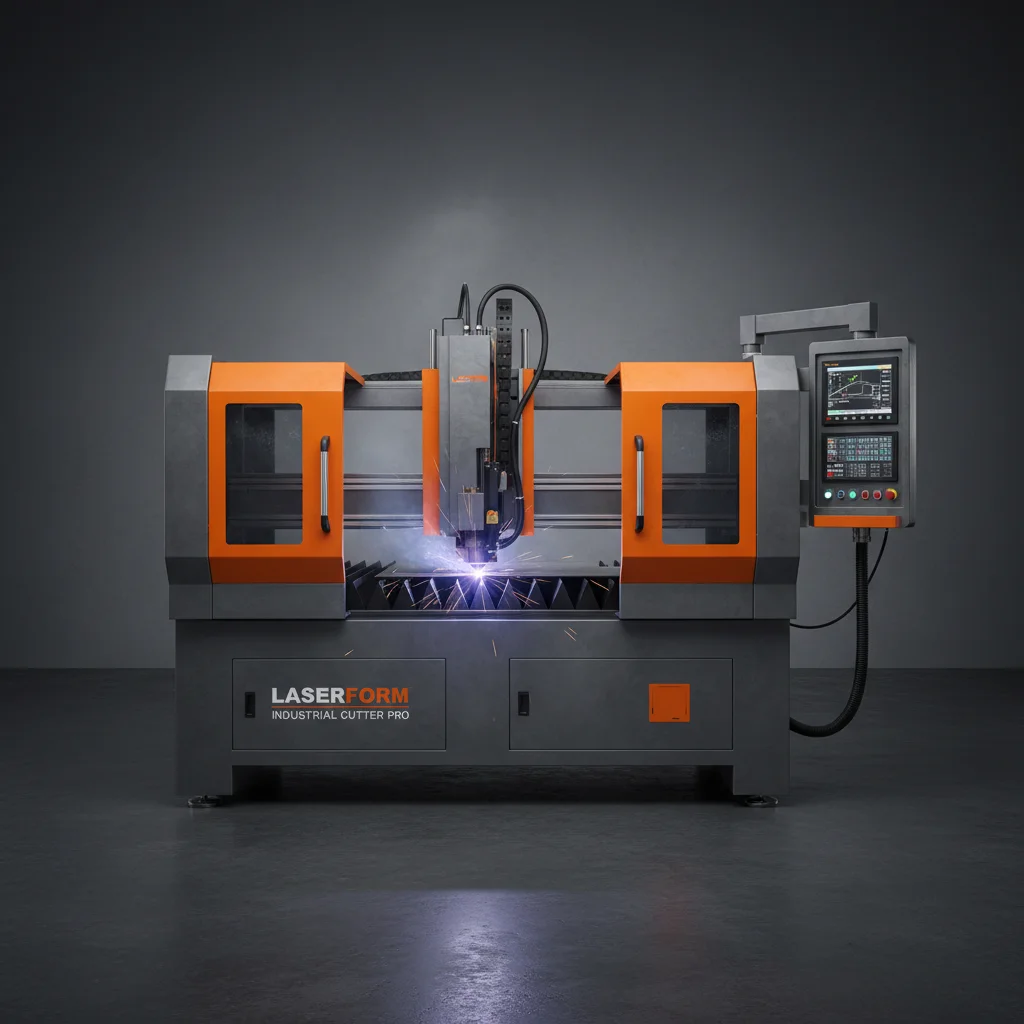
Fibre optic laser cutting machines handle a variety of metals—stainless steel, aluminum, copper—and thicknesses, enabling diverse applications from heavy-duty manufacturing to precision electronics.
Across the globe, industries reap the benefits. In Germany’s automotive sector, fibre optic laser cutters enable rapid prototyping and high-volume production of chassis components. In Japan, electronics manufacturers rely on these lasers for intricate PCB panel cutting.
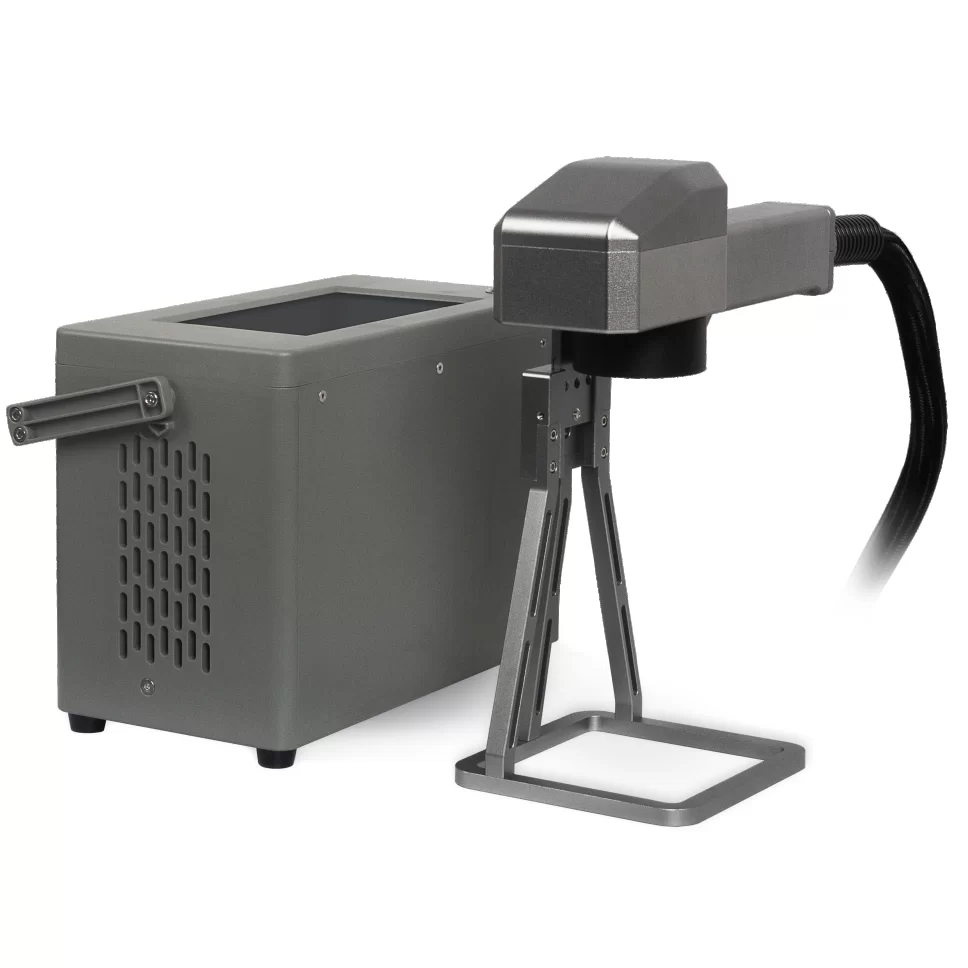
In humanitarian contexts, NGOs use portable fibre optic laser cutters to fabricate spare parts for water purification devices or lightweight structural elements, accelerating disaster relief efforts. For instance, in post-earthquake rebuilding in Nepal, fiber laser tech helped produce high-quality steel connectors locally, reducing reliance on slow imports.
Plus, in remote industrial zones like Canada’s north, where supply chain delays are common, onsite laser cutting reduces downtime significantly.
It’s sort of like investing in a self-sustaining, evolving system rather than short-term fixes.
| Specification | Details |
|---|---|
| Laser Power | 1 kW to 10 kW |
| Wavelength | 1070 nm |
| Material Compatibility | Steel, Aluminum, Copper, Titanium |
| Cutting Thickness | Up to 20 mm (depending on power) |
| Cutting Speed | Up to 40 m/min |
| Energy Consumption | 0.5 - 1.5 kW operational |
| Brand | Max Power | Cutting Speed | Price Range | Ideal For |
|---|---|---|---|---|
| TopStar Laser | 10 kW | 40 m/min | $$$ (High) | Heavy Industry, Aerospace |
| FiberCutter Pro | 6 kW | 30 m/min | $$ (Mid) | Automotive, Electronics |
| CutMaster Laser | 4 kW | 25 m/min | $ (Entry) | Small Workshops, Startups |
The next few years promise exciting developments. Integration with AI-powered automation will allow these cutters to self-optimize based on material properties and geometry in real time. Green energy integration, like solar-powered manufacturing hubs, could slash emissions associated with laser cutting further. Fibre optic laser cutting systems also might expand capabilities to handle even more exotic materials, important for emerging industries like electric vehicle batteries.
Modular, mobile laser systems for field use are also gaining traction—imagine fabricating or repairing parts onsite rather than waiting for factory turnaround. Innovation is definitely not slowing down.
Of course, fibre optic laser cutting isn’t flawless. Initial equipment costs can be a barrier, especially for smaller businesses or NGOs. Skilled operators are needed to maximize benefits, which sometimes requires specialized training.
Additionally, cutting highly reflective metals like copper still poses challenges due to beam reflection—although improved laser sources and beam shaping tech are increasingly mitigating this. Experts suggest a hybrid approach combining fibre and other laser types for especially tricky jobs.
In real terms, fibre optic laser cutting is far more than just a fancy machining technique — it’s a pivotal tool for advancing precision, efficiency, and sustainability in manufacturing globally. Whether it’s enabling rapid recovery after a disaster or crafting components for next-gen vehicles, this technology carries long-term value for businesses and societies alike.
For those interested in exploring fibre optic laser cutting solutions or industry-leading products, I warmly encourage you to visit our website: TopStar Laser. It’s the place to learn how this cutting-edge tech can empower your production capabilities.
Mini takeaway: Fibre optic laser cutting merges remarkable technical precision with broad global impact—pretty neat when you think about it.