Shijiazhuang Topstar
International Trading Co., Ltd.


Get In Touch
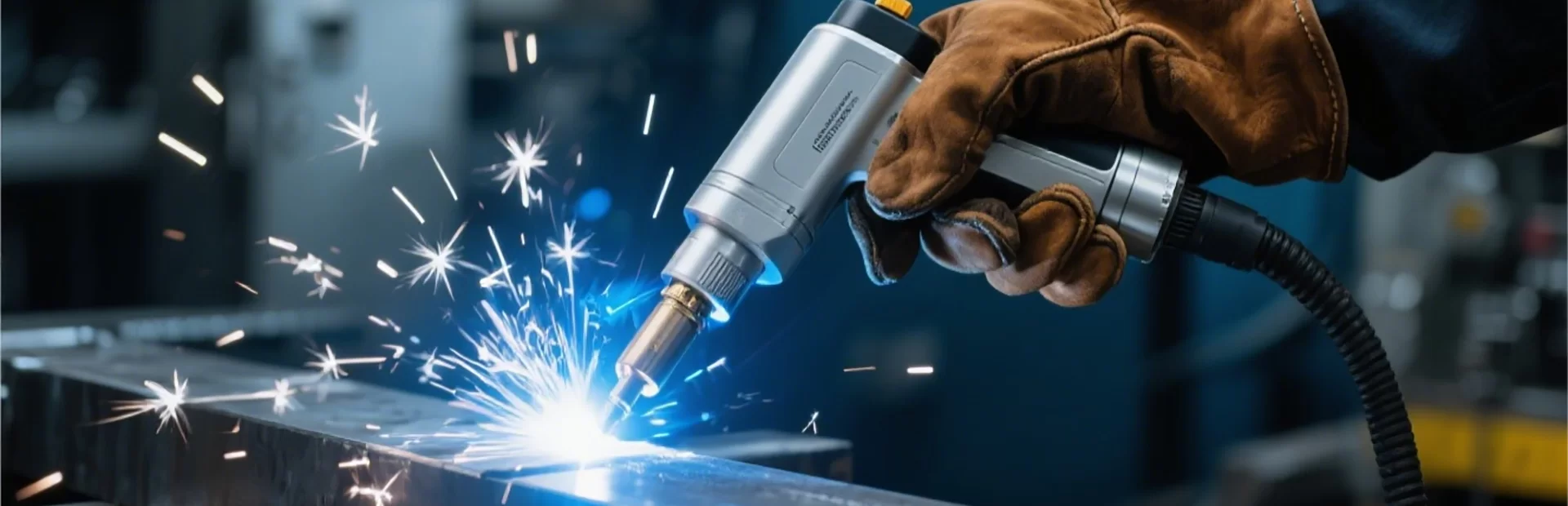
The jewelry industry has always been a blend of timeless artistry and cutting-edge technology. From the ancient techniques of hand-engraving to the modern era of 3D printing, jewelers have constantly sought tools that offer greater detail and customization. Today, the most significant leap forward in this sector is the integration of the fiber laser marking machine.
For those working with gold, silver, platinum, and brass, precision is not just a preference—it is a requirement. Traditional mechanical engraving methods often involve physical contact that can stress delicate prongs or leave jagged edges. A fiber laser marking machine solves these issues by using a non-contact, high-energy beam to create permanent, high-contrast marks with surgical accuracy.
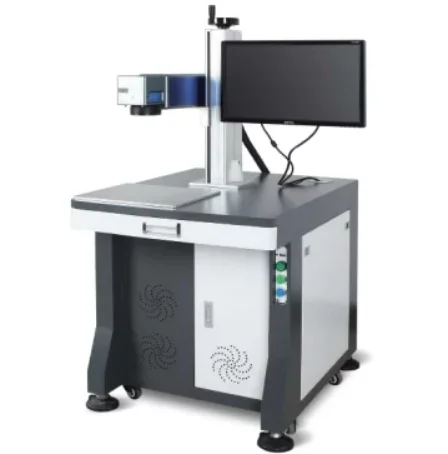
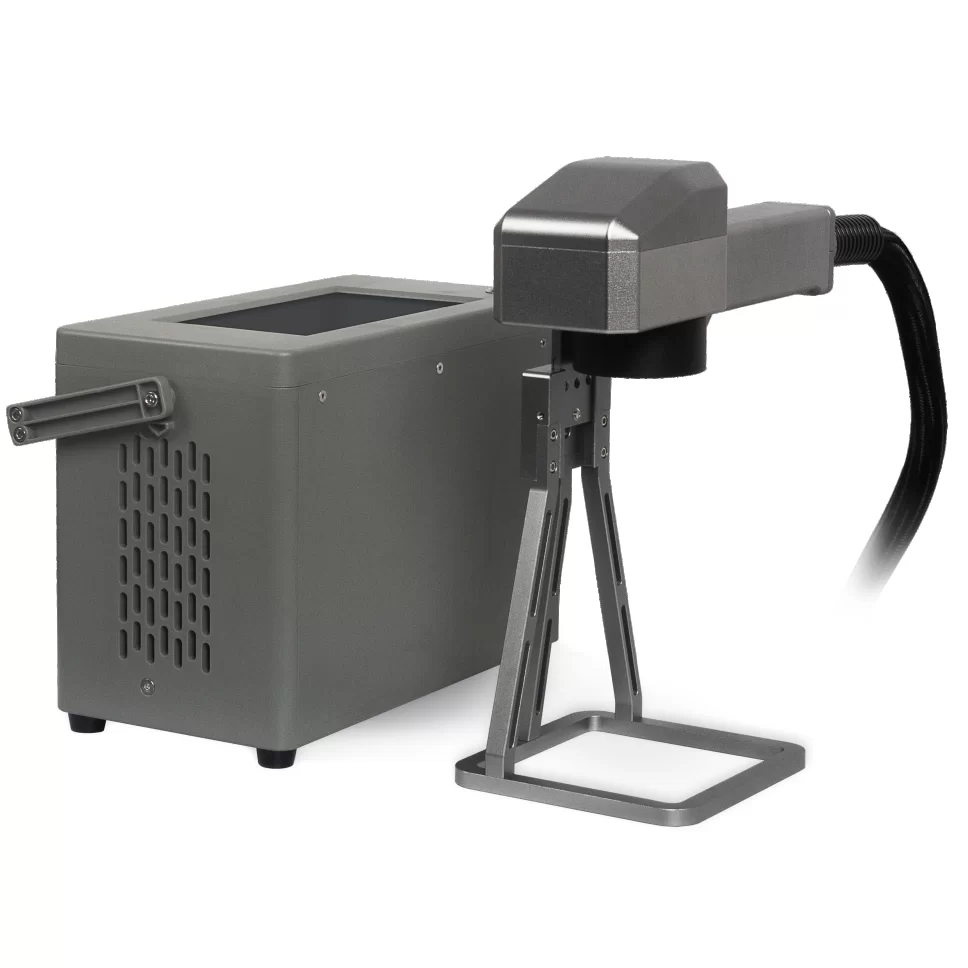
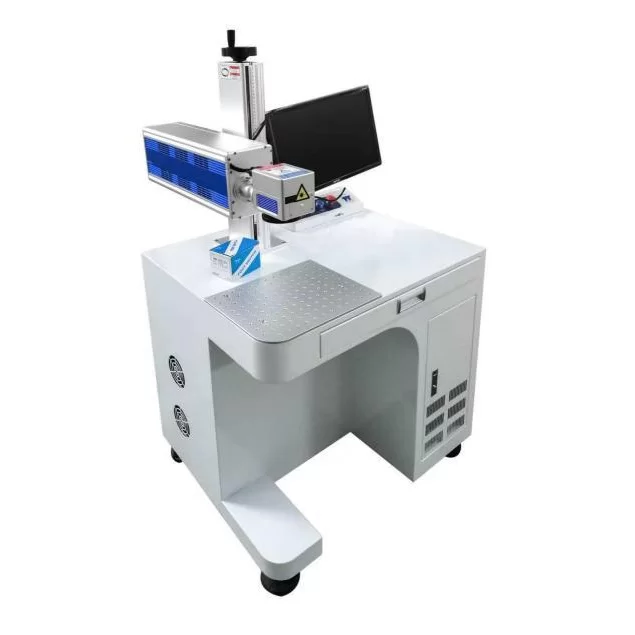
In the world of jewelry design, space is often at a premium. Most independent designers and boutique shops operate out of compact studios where every square inch counts. This has led to the immense popularity of the desktop fiber laser.
Unlike the massive laser systems used in automotive or heavy machinery plants, a desktop fiber laser is engineered for the jeweler’s workbench. Despite its smaller footprint, it maintains the same industrial-grade beam quality and reliability. It allows a jeweler to perform intricate internal ring engravings, hallmark stamping, and even thin metal cutting without needing a dedicated industrial facility.
The "plug-and-play" nature of the modern desktop fiber laser means that artists can focus on their designs rather than complex machine maintenance. These systems are typically air-cooled and feature solid-state technology, meaning there are no lamps to change or mirrors to realign constantly. For a small business, this reliability ensures that production never grinds to a halt.
When working with precious metals, the depth of the mark is often as important as the clarity. Whether it is a deep 3D relief on a signet ring or a standard "14K" hallmark, power matters. This is why the 30W fiber laser marking machine has become the "sweet spot" for jewelry professionals.
While a 20W unit is excellent for surface marking, a 30W fiber laser marking machine provides the additional "punch" needed for deep engraving and even light cutting.
Deep Relief: For custom coins or high-end men’s jewelry, the 30W source can remove material layer by layer to create a tactile, three-dimensional effect.
Speed: The higher wattage allows for faster processing times. In a busy retail environment, being able to engrave a customer’s wedding band in 30 seconds instead of two minutes makes a massive difference in customer satisfaction.
Silver is notoriously reflective and can be difficult for some lasers to mark. However, the pulse frequency of a 30W fiber laser marking machine can be tuned to create a "dark" or "black" mark on silver and white gold without the use of chemical additives. This permanent, high-contrast finish is ideal for serial numbers, QR codes, or intricate floral patterns.
Modern consumers crave personalization. They want their jewelry to tell a story—be it a fingerprint, a handwritten note, or a soundwave of a loved one's voice. The versatility of a fiber laser marking machine makes these complex requests simple to execute.
The beam diameter of a fiber laser is measured in microns. This allows for micro-engraving that is invisible to the naked eye but perfectly clear under a jeweler’s loupe. This is a powerful anti-counterfeiting tool, allowing brands to hide microscopic logos or serial numbers on the girdle of a gemstone or the inner shank of a ring.
One of the most popular trends in the gift market is photo jewelry. A desktop fiber laser can reproduce high-resolution photographs onto gold or stainless steel charms. By adjusting the grayscale parameters in the software, the laser creates a photographic likeness that is durable and will never fade or peel, unlike printed alternatives.
While we primarily think of jewelry as precious metals, modern designers are increasingly experimenting with alternative materials. The fiber laser marking machine is exceptionally versatile across a wide spectrum of substrates:
Titanium and Stainless Steel: Popular in men’s wedding bands, these hard metals are difficult to engrave by hand but are "buttered" by a 30W fiber laser marking machine. The laser can even produce a range of colors on titanium through a process called "color marking" or heat tinting.
Brass and Copper: Often used in costume jewelry or as base metals, these materials respond beautifully to the high-frequency pulses of a fiber laser.
Tungsten Carbide: Known for its extreme hardness, tungsten is nearly impossible to engrave traditionally. A fiber laser handles it with ease, creating clean, crisp marks that won't wear down.
Investing in a desktop fiber laser isn't just about adding a new capability; it’s about optimizing the entire production cycle.
Precious metal dust (lemel) is expensive. Traditional engraving and cutting methods can result in significant material loss. Because laser marking is a sublimation process (turning solid metal directly into gas) or a displacement process, there is less physical "scrap," and most modern systems can be fitted with dust extraction units to reclaim any precious metal particles.
In mass production, consistency is king. Once a design is programmed into the fiber laser marking machine software, the 1st piece and the 1,000th piece will be identical. This eliminates the human error associated with hand-stamping or manual engraving, where one slip of the tool can ruin an expensive piece of jewelry.
When you are ready to transition to laser technology, there are several factors to consider beyond the price tag.
Most jewelers use design software like RhinoGold, JewelCAD, or even Adobe Illustrator. Ensure that your fiber laser marking machine supports standard vector formats (PLT, DXF, AI) and high-resolution bitmaps.
For a jeweler, a rotary axis is a non-negotiable accessory. This device allows the desktop fiber laser to rotate a ring or a bangle while marking, ensuring the design is engraved seamlessly around the entire circumference without distortion.
Since fiber lasers operate at a 1064nm wavelength (invisible to the eye), safety is paramount. High-quality 30W fiber laser marking machine units often come in "Class 1" enclosed cabinets, which protect the operator from reflected light. If using an "open" desktop system, specialized laser safety goggles are mandatory.
The jewelry industry is moving toward a future defined by hyper-personalization and rapid production. In this landscape, the fiber laser marking machine is no longer a luxury—it is a fundamental tool for success.
Whether you are a master goldsmith looking to add intricate hallmarks with a 30W fiber laser marking machine, or a boutique designer using a desktop fiber laser to create one-of-a-kind photo pendants, the benefits are undeniable. By offering unparalleled precision, speed, and versatility, fiber laser technology allows jewelers to push the boundaries of their creativity and deliver products that truly resonate with the modern consumer.
As we look ahead, the continued miniaturization and falling costs of this technology mean that the "laser-powered workshop" will soon be the standard for jewelry excellence worldwide.