Shijiazhuang Topstar
International Trading Co., Ltd.


Get In Touch
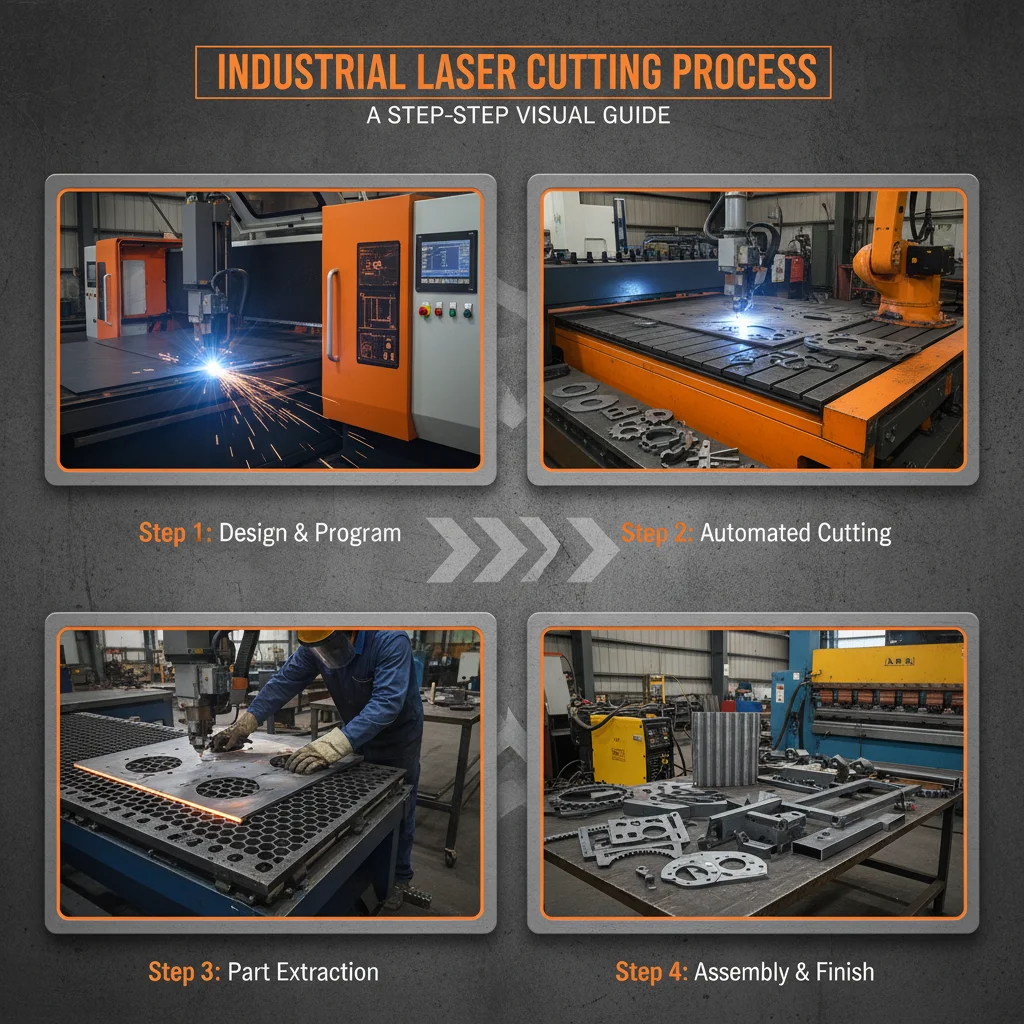
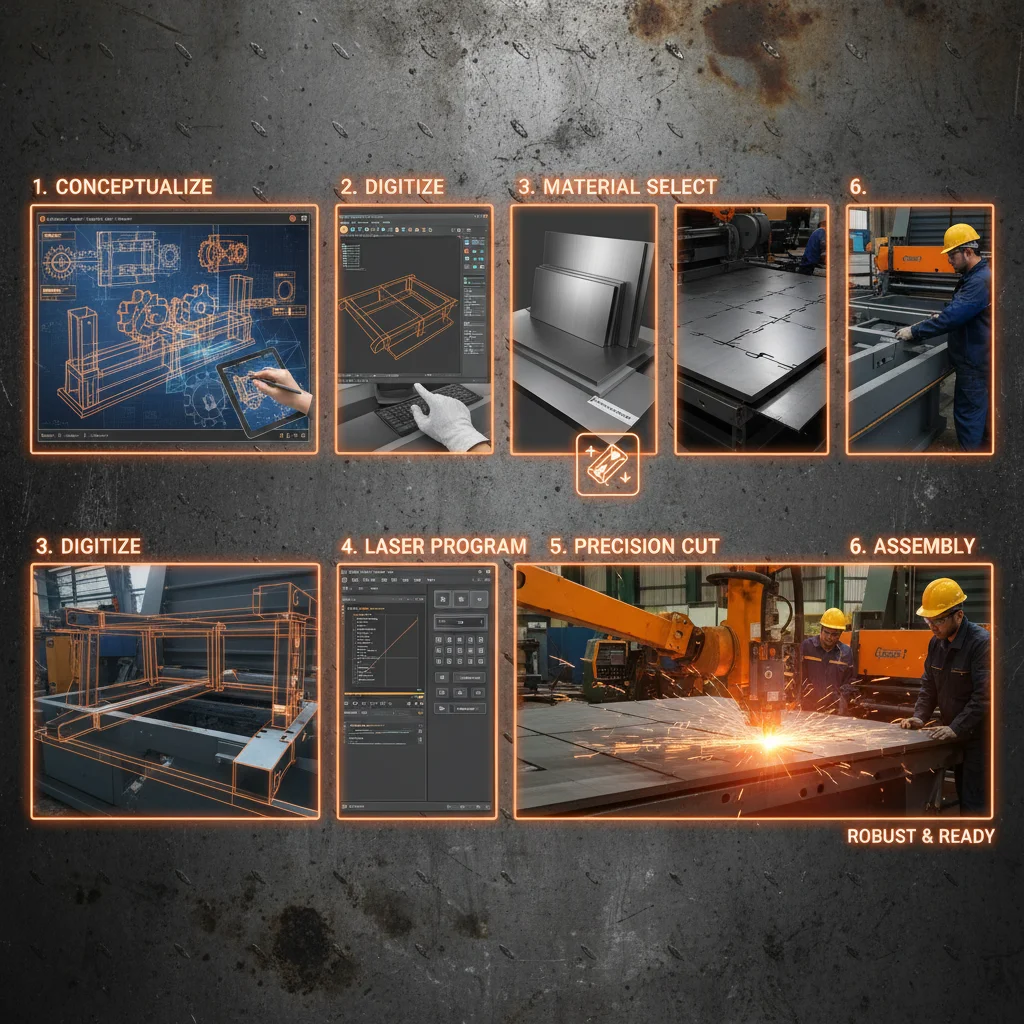
In today's manufacturing landscape, CNC laser cutting design has become an indispensable process. Its precision, versatility, and efficiency offer unparalleled benefits for a wide range of industries. This article provides an in-depth exploration of CNC laser cutting design, covering its principles, applications, design considerations, and future trends. Whether you're a seasoned engineer or new to the field, this guide will equip you with the knowledge to optimize your laser cutting projects and unlock the full potential of this powerful technology. We will delve into the process, materials, and best practices to ensure you achieve optimal results.
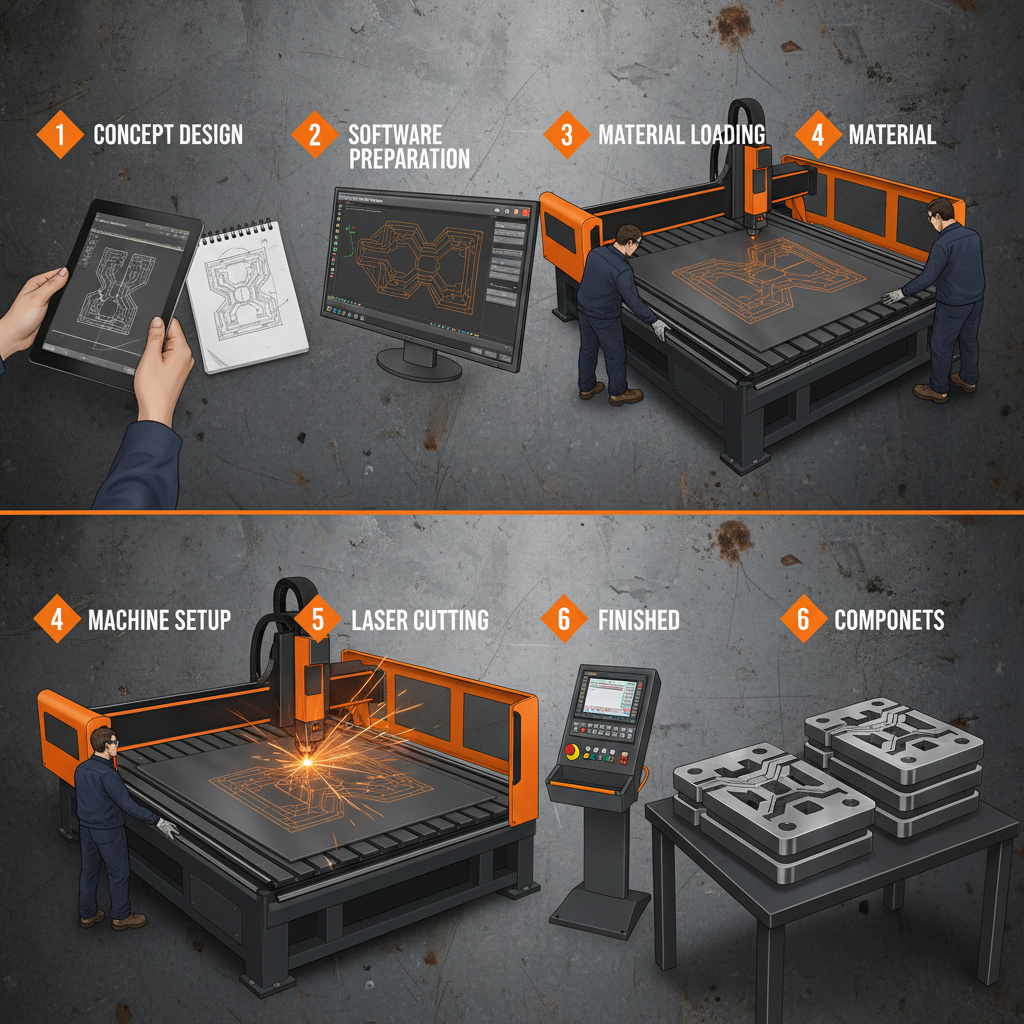
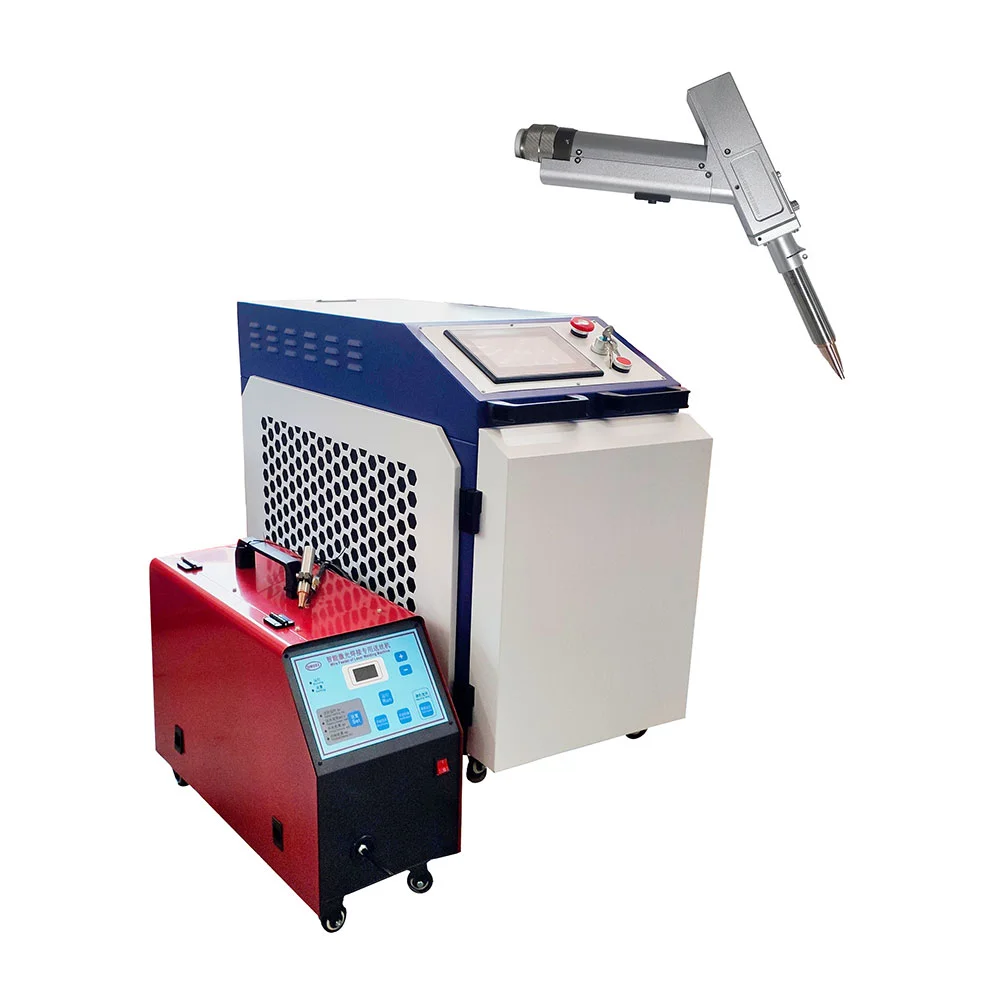
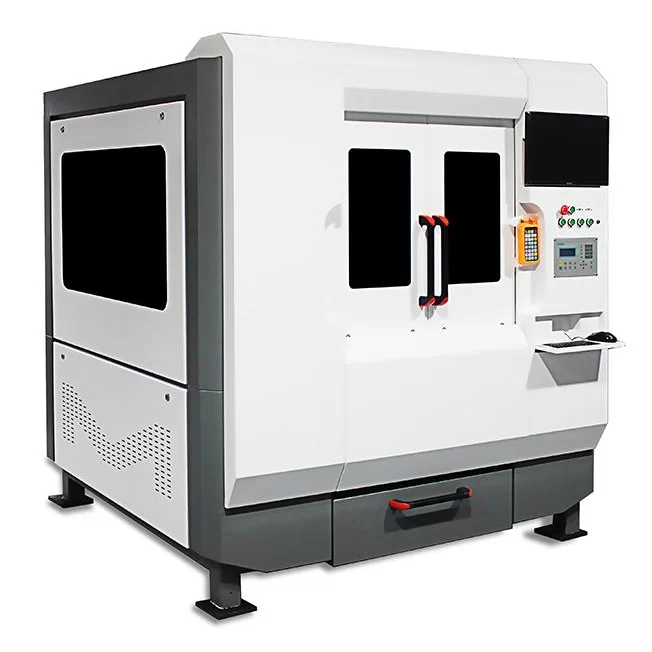
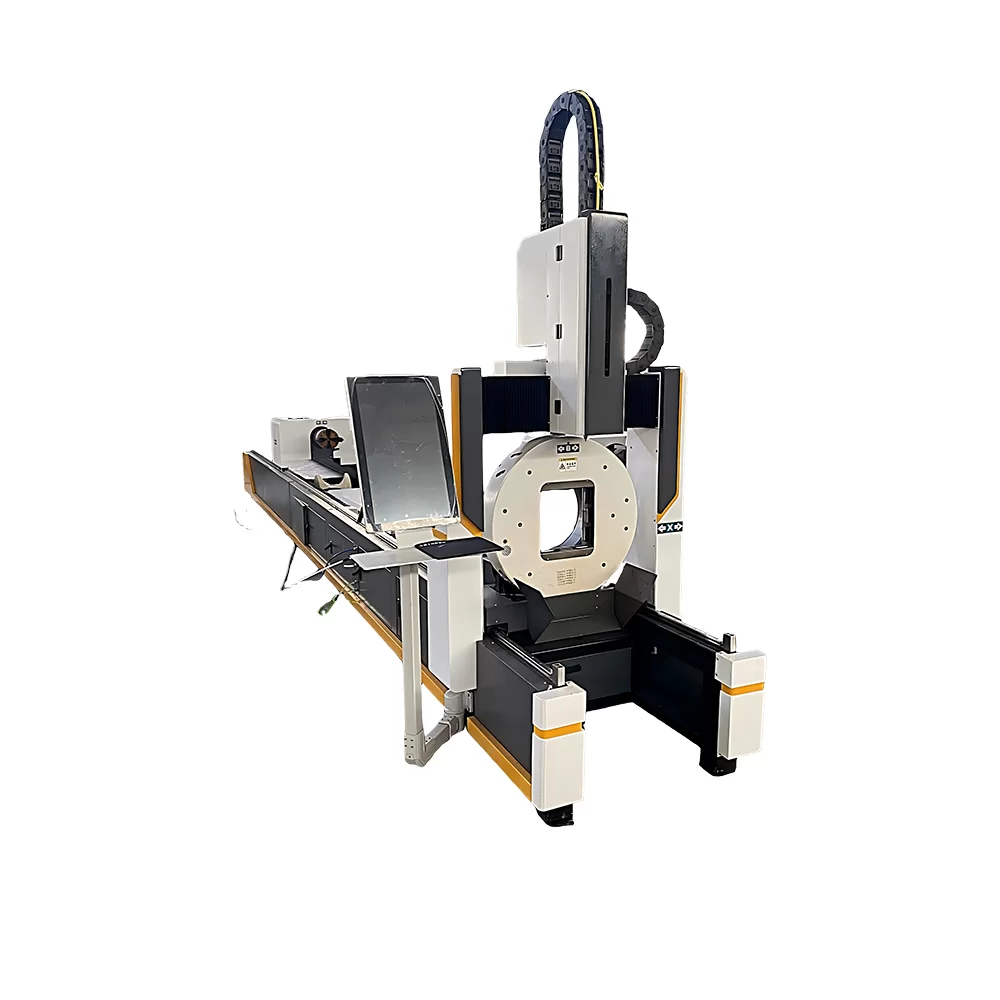
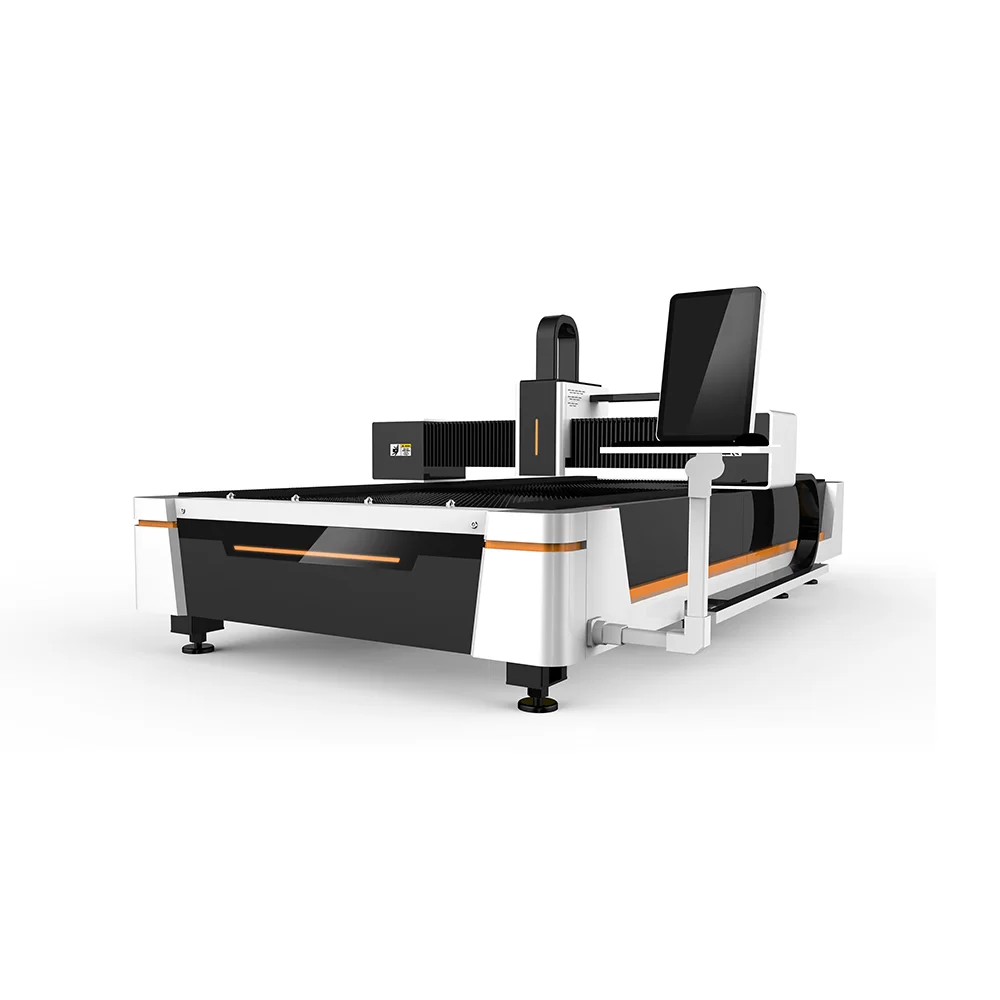
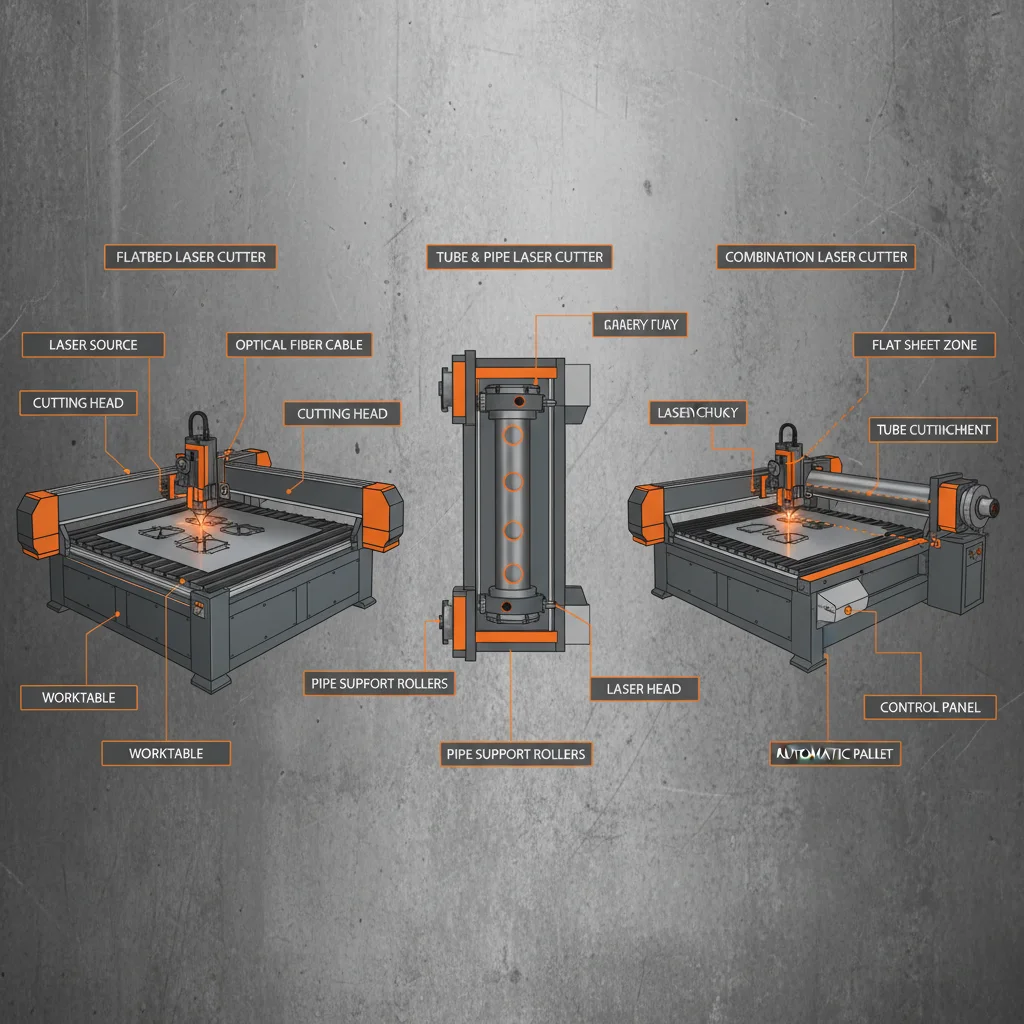
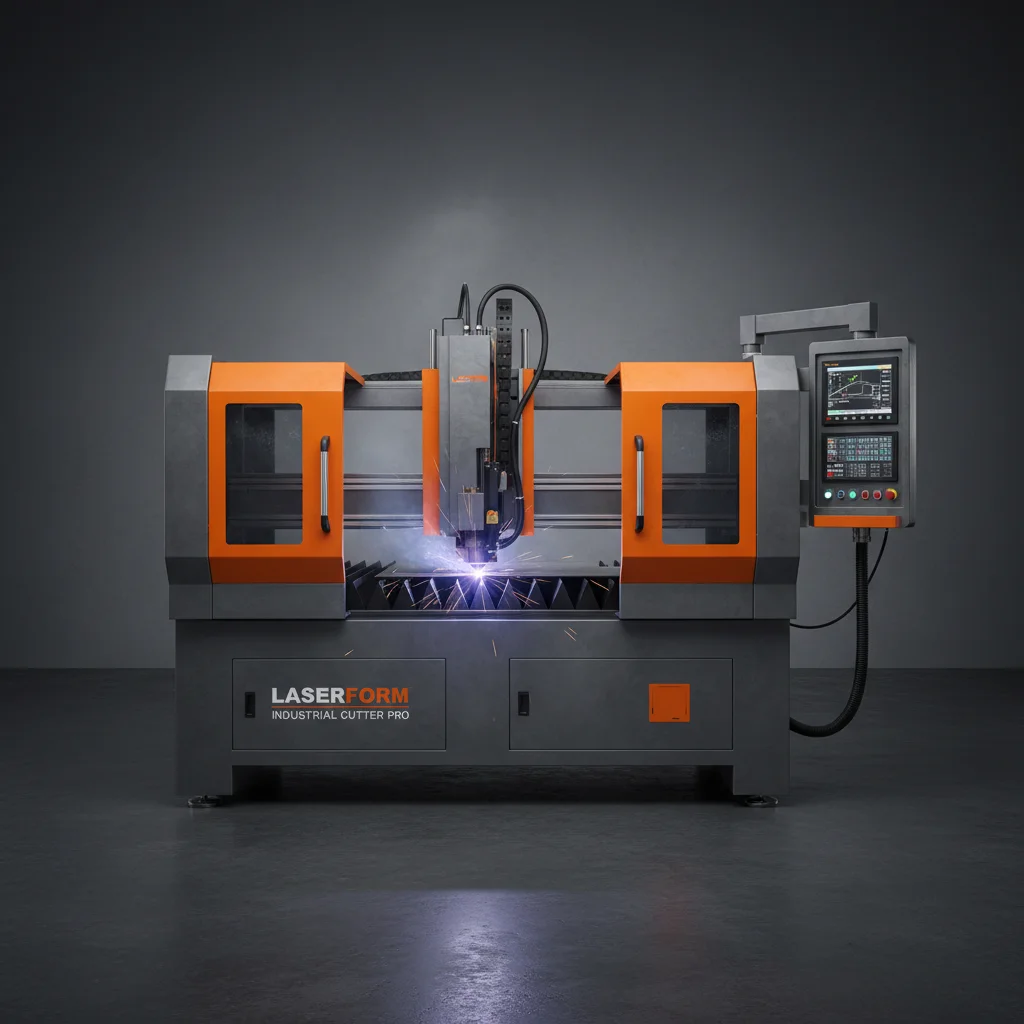
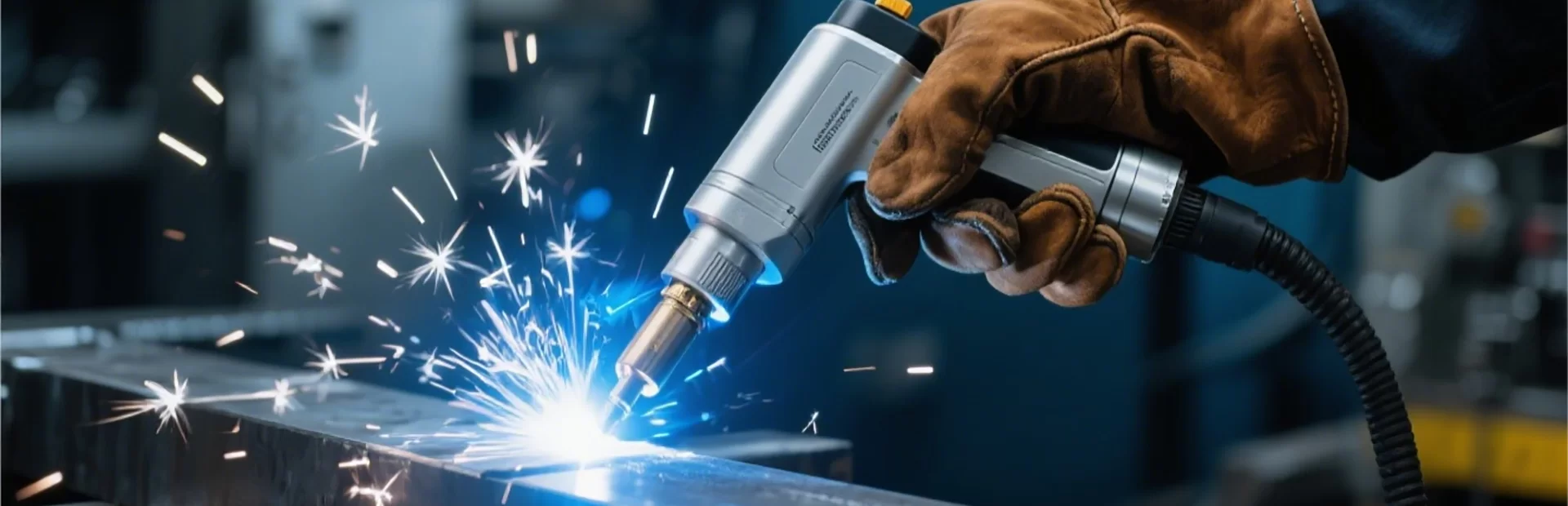
CNC (Computer Numerical Control) laser cutting is a subtractive manufacturing process that uses a laser to precisely cut materials. A high-powered laser beam vaporizes, melts, or burns away material, following a pre-programmed design. The process offers exceptional accuracy, repeatability, and the ability to create intricate designs. Different types of lasers are used depending on the material – CO2 lasers are common for cutting non-metals, while fiber lasers excel at cutting metals. The key components include the laser source, a CNC control system, and optics that focus the laser beam. Topstar Laser specializes in providing cutting-edge CNC laser cutting solutions tailored to diverse industry needs.
Key Benefits: High precision, fast cutting speeds, minimal material waste, ability to cut complex shapes, versatility with various materials.
The versatility of CNC laser cutting extends to a broad spectrum of materials. Commonly cut materials include: metals (steel, stainless steel, aluminum), acrylics, wood, fabrics, plastics, and paper. The selection of the appropriate laser power and settings is crucial for achieving optimal results with different materials. For instance, thicker metals require higher laser power and slower cutting speeds. Understanding material properties like reflectivity and thermal conductivity is paramount for successful laser cutting. Topstar Laser's engineers can assist in determining the optimal settings for specific materials.
Material Compatibility:
• Metals: Steel, Stainless Steel, Aluminum, Brass
• Non-metals: Acrylic, Wood, Fabric, Plastics
• Paper & Cardboard: For prototyping and detailed designs
Effective CNC laser cutting design requires careful consideration of several factors. These include material thickness, kerf width (the width of the laser cut), and feature size. Minimizing sharp internal corners can prevent stress concentration and improve part durability. Bridging small holes or gaps can also enhance structural integrity. Consideration must also be given to material grain direction to optimize cut quality. Proper nesting of parts is crucial for maximizing material utilization and reducing waste. Utilizing CAD/CAM software specifically designed for laser cutting significantly streamlines the design process and ensures accuracy.
The applications of CNC laser cutting are incredibly diverse. Industries like automotive, aerospace, medical, and electronics rely on this technology for prototyping, production, and custom fabrication. Examples include creating intricate metal parts for engines, producing precise plastic components for medical devices, and cutting fabric for apparel. The speed and precision of laser cutting also make it ideal for producing signage, displays, and architectural models. The ability to cut complex shapes and designs opens up possibilities for innovative product development across various sectors. Topstar Laser serves a broad customer base across these industries.
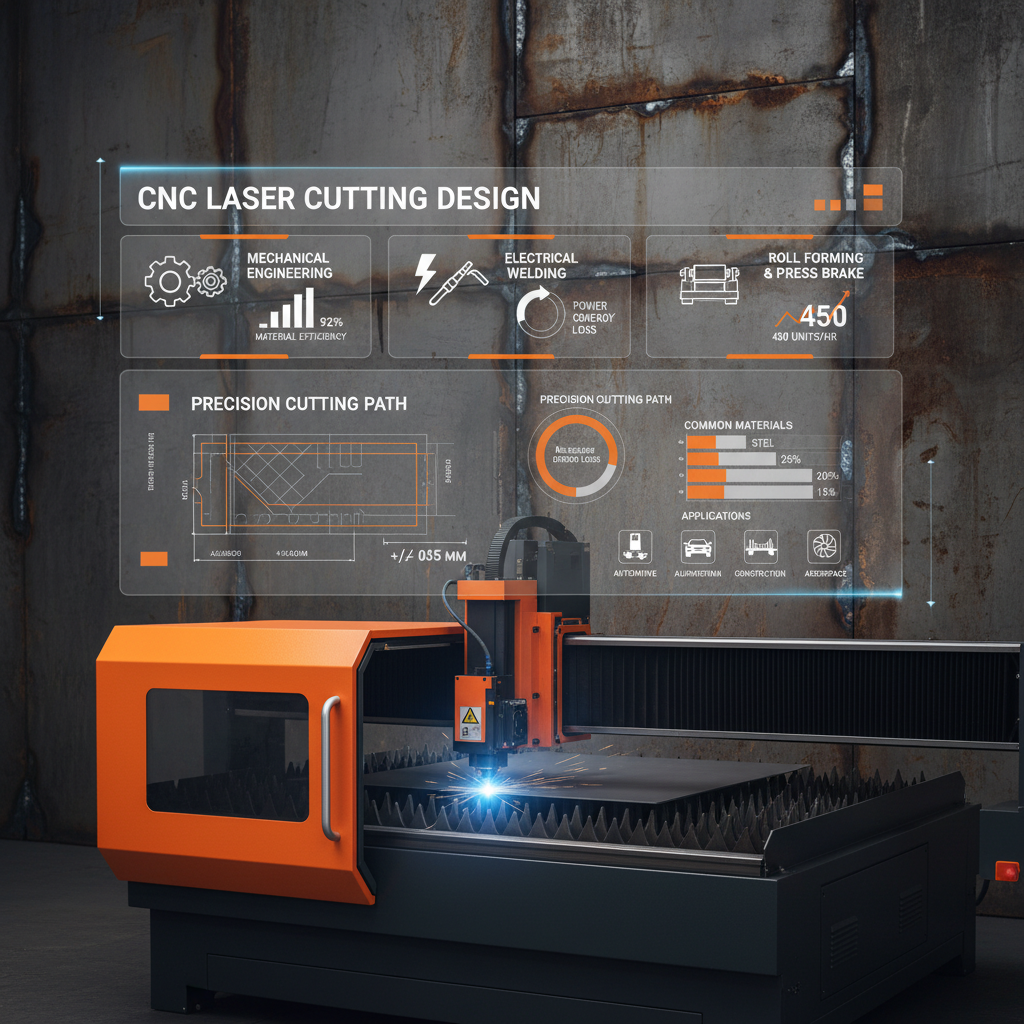
The field of CNC laser cutting is constantly evolving. Emerging trends include the use of advanced laser sources like ultra-short pulse lasers for cutting delicate materials with minimal heat-affected zones. Integration with AI and machine learning is enabling intelligent process optimization and automated defect detection. 3D laser cutting is gaining traction, allowing for the creation of complex three-dimensional shapes. Furthermore, the demand for sustainable manufacturing practices is driving the development of laser cutting techniques that minimize material waste and energy consumption. Topstar Laser is committed to staying at the forefront of these technological advancements.
CNC laser cutting design represents a powerful combination of precision, versatility, and efficiency. By understanding the principles, applications, and emerging trends in this technology, businesses can unlock new levels of innovation and competitiveness. Topstar Laser is dedicated to providing cutting-edge solutions and expert support to help you maximize the potential of CNC laser cutting.
Commonly accepted file formats include vector graphics formats such as AI, EPS, SVG, and DXF. These formats define the cutting path as lines and curves. Raster images (like JPG or PNG) can also be used, but they are often converted to vector format for optimal results. The specific software used by the laser cutting service provider will determine the exact compatibility. Ensure your design is clean and properly scaled before submitting it. Topstar Laser accepts a wide range of industry-standard file formats and provides support for file preparation.
Design preparation involves several key steps. First, ensure your design is vector-based. Second, convert text to outlines to prevent font compatibility issues. Third, confirm that all lines and shapes are closed to avoid incomplete cuts. Fourth, consider kerf width and compensate accordingly. Finally, organize your design for efficient nesting. Using appropriate color coding to designate cuts, scores, or engravings can also simplify the process. Topstar Laser provides detailed design guidelines to help customers prepare their files effectively.
Kerf refers to the width of the material removed by the laser beam during cutting. It's a crucial factor to consider in design because it affects the final dimensions of the cut part. Ignoring kerf can result in inaccurate cuts and parts that don’t fit together properly. Kerf width varies depending on the material, laser power, and cutting speed. Most CAD/CAM software allows for kerf compensation, automatically adjusting the design to account for material removal. Topstar Laser can provide accurate kerf measurements for different materials to ensure precise cutting.
Common issues include burning, warping, and incomplete cuts. Burning can be minimized by optimizing laser power and cutting speed. Warping can be reduced by using appropriate support structures or adjusting the cutting sequence. Incomplete cuts are often caused by insufficient laser power or a dull lens. Regular maintenance of the laser system and careful material selection are key to preventing these problems. Topstar Laser’s experienced technicians can diagnose and resolve any laser cutting issues.