Shijiazhuang Topstar
International Trading Co., Ltd.


Get In Touch
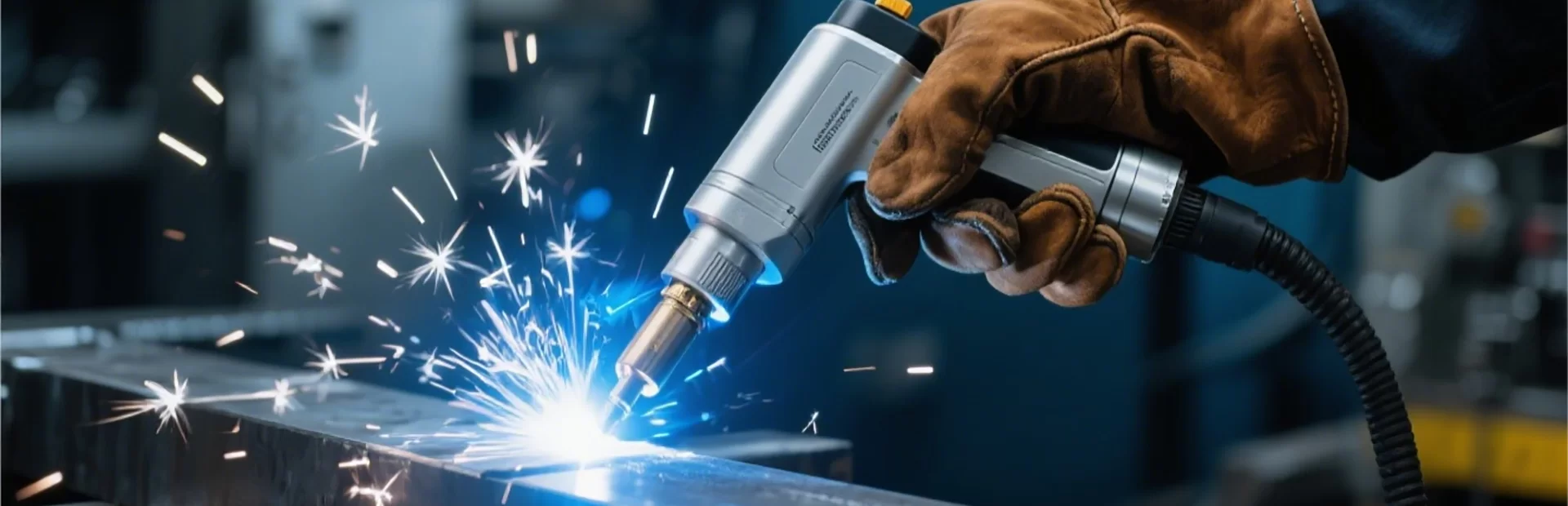
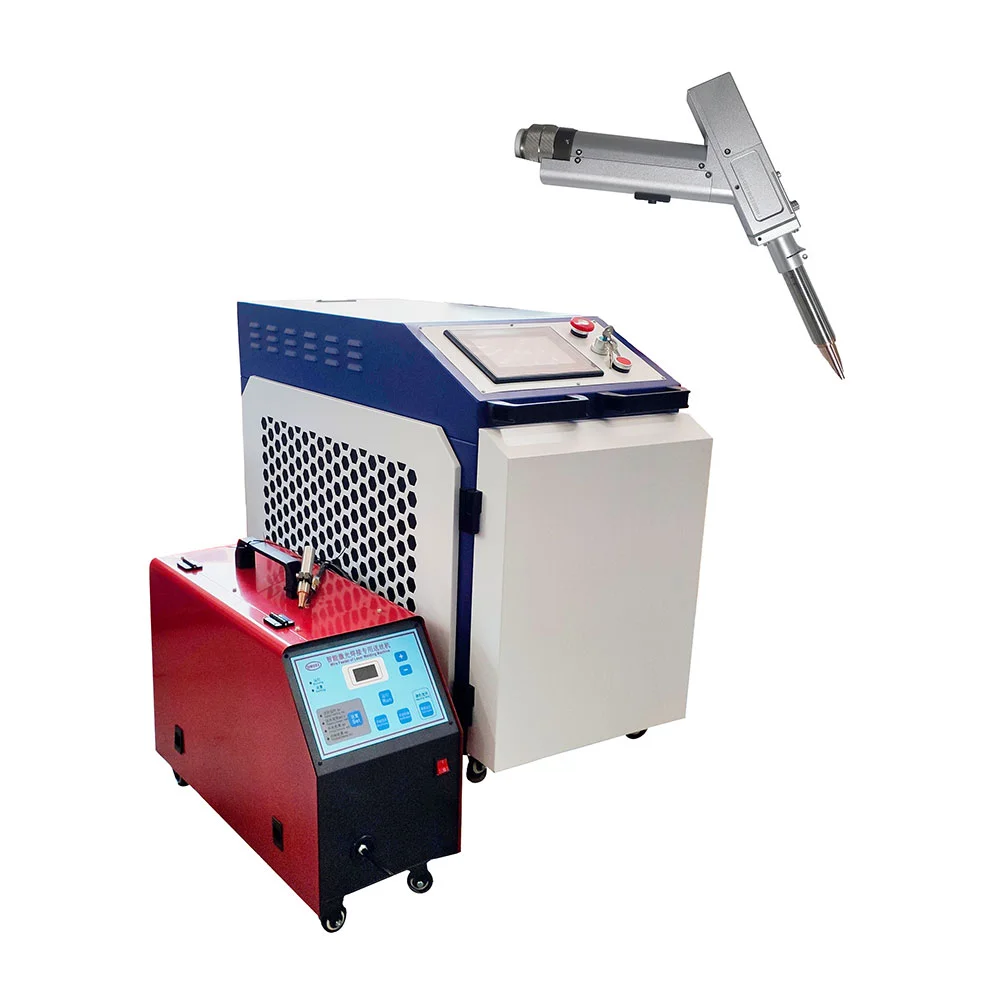
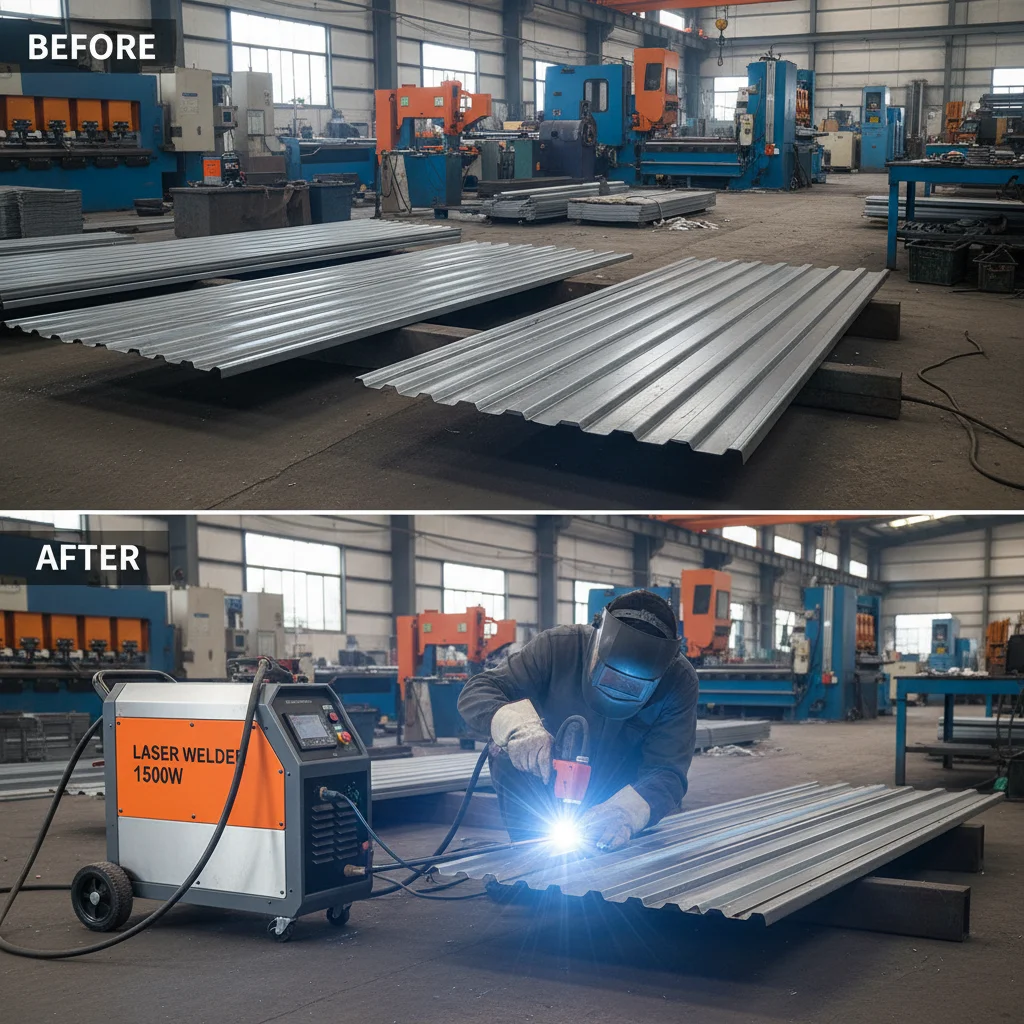
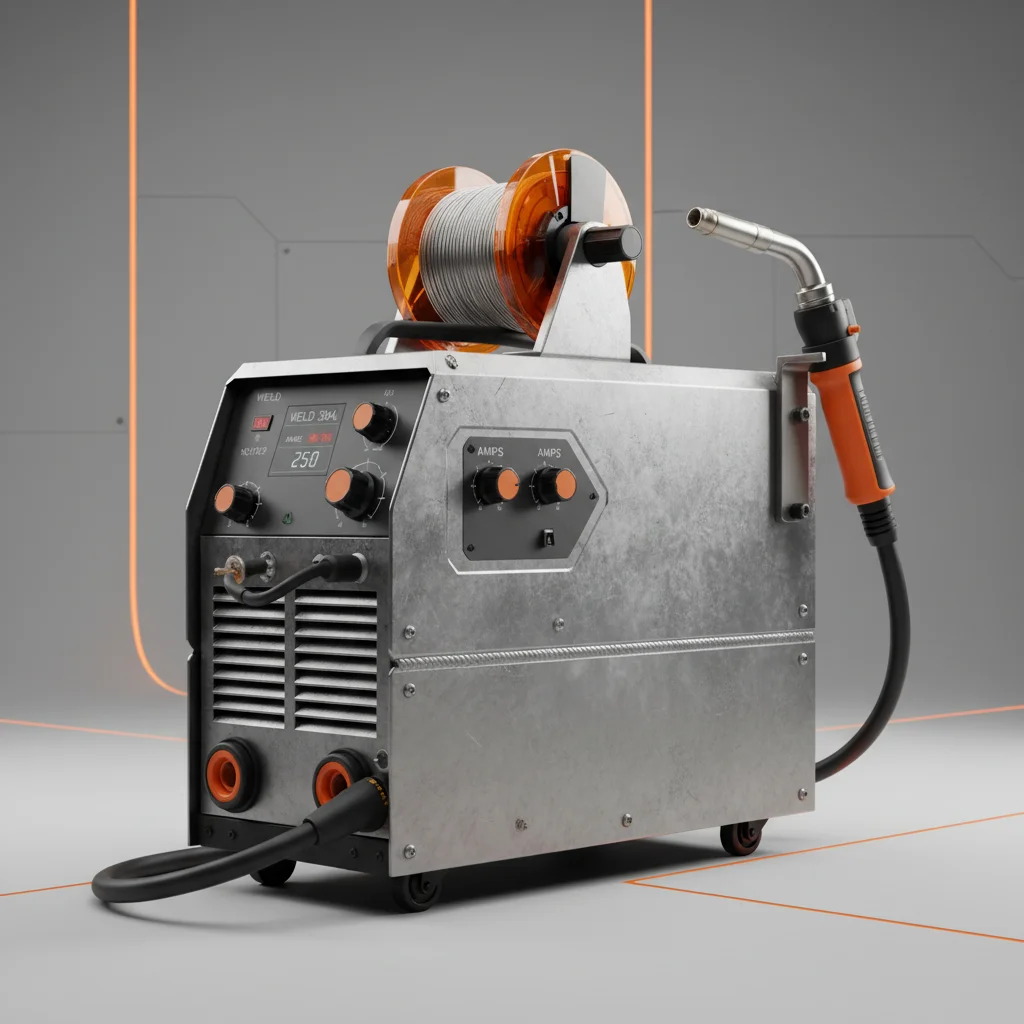
Alright, let's talk about something truly exciting that's been making waves in manufacturing and workshops alike. If you're still wrestling with traditional TIG or MIG setups, honestly, you might be missing out on a real game-changer. I'm talking about the handheld laser welding machine – yes, you heard that right. It’s exactly what it sounds like, and trust me, it’s far more than just a fancy gadget.
For years, the industry yearned for a welding solution that combined precision, speed, and ease of use without the steep learning curve. And now, surprisingly, we have it right in our hands. Many customers say it feels like using a high-tech glue gun for metal, but with industrial-grade strength and accuracy. It’s certainly changing how many small to medium-sized businesses approach fabrication.
You know, the welding world has always been a bit… traditional. But with rising labor costs and the constant push for faster production cycles, innovation was inevitable. The emergence of the hand held laser welding machine represents a significant leap. It’s not just about speed; it's about accessibility. Imagine producing flawless welds without needing years of dedicated practice or costly certifications. It sounds almost too good to be true, doesn't it? But, in fact, it’s rapidly becoming the new standard for certain applications.
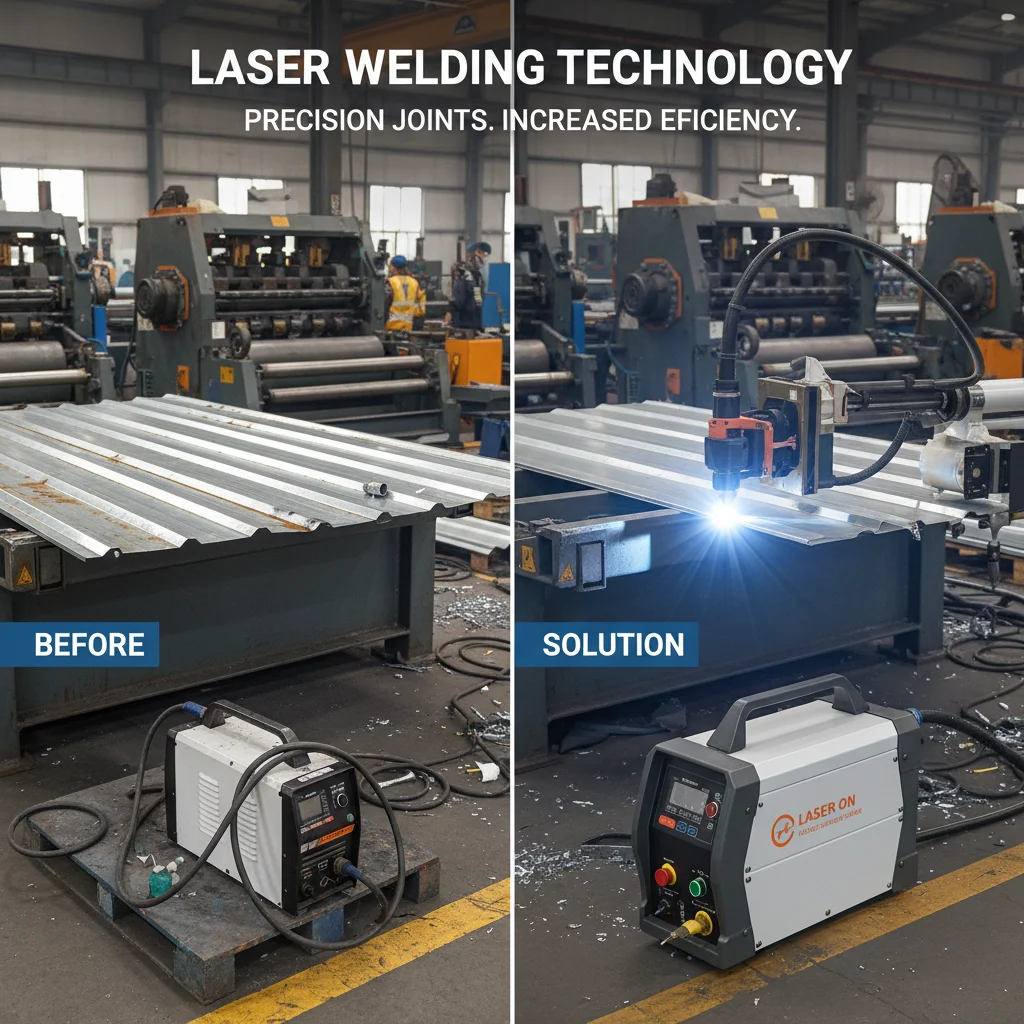
This technology really solves some of the trickiest on-site welding challenges, especially for large workpieces or complex structures that are difficult to maneuver. The flexibility of a hand laser welding machine simply opens up new possibilities.
At its core, a hand held metal laser welding machine utilizes a high-energy laser beam to precisely melt metal. This isn't your grandfather's arc welder, folks. The focused energy allows for incredibly clean, minimal-spatter welds with a very small heat-affected zone. This means less warping and distortion on your material, which is a huge deal, especially when working with thinner gauges or sensitive alloys. From what I’ve seen, the precision is truly remarkable.
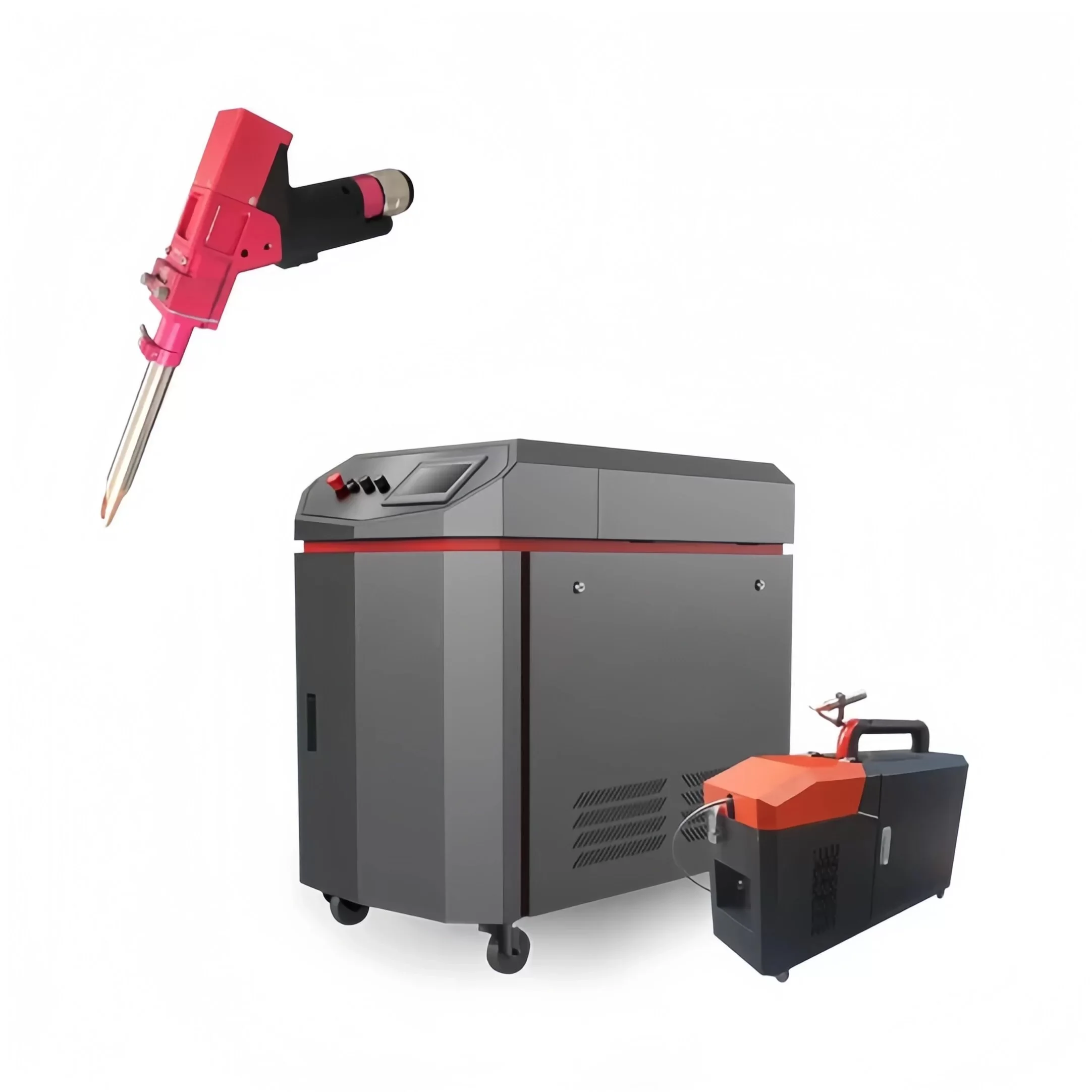
· Blazing Speed: We're talking 2-10 times faster than traditional methods. Imagine the throughput! This alone can significantly cut labor costs, especially for a handheld laser welder for sale.
· Effortless Operation: This is a big one. As mentioned, no certification needed. Novices can produce beautiful, consistent welds surprisingly quickly. It really democratizes access to high-quality welding.
· Flawless Finishes: Minimal spatter, smooth seams, and often, little to no post-weld polishing required. That's a huge time-saver right there.
· Precision & Tolerance: Modern laser heads have overcome the old "small spot" disadvantage. They now offer a wider tolerance range, making it easier to achieve optimal weld formation even on slightly imperfect joints.
· Strong, Stable Welds: The precise heat input ensures strong metallurgical bonds, resulting in secure welds with no ugly scars.
These machines aren't just for show; they're incredibly versatile. They excel in welding common industrial metals like stainless steel (a favorite, actually!), aluminum alloy, carbon steel, and galvanized steel. Think about industries such as:
§ Kitchenware and appliances
§ Automotive components (repair and light fabrication)
§ Sheet metal fabrication
§ Custom metal art and prototypes
§ Medical device manufacturing (where precision is paramount)
The process is straightforward: prepare your material (cleanliness is key, as with any welding), position the torch, and activate the laser. The beam precisely melts the joint, and in seconds, you have a solid weld. For quality assurance, samples are often subjected to tensile strength tests or visual inspection under microscopy, ensuring compliance with standards like ISO 9606 for welder qualification or AWS D1.1 for structural welding codes, depending on the application. Service life, of course, varies with usage and maintenance, but the welds themselves, when done correctly, are incredibly durable.
Feature | Detail |
Laser Power | 1000W - 3000W (real-world use may vary) |
Wavelength | 1080nm ± 5nm |
Fiber Cable Length | ≈ 10m - 15m (for flexibility) |
Welding Speed | Up to 120 mm/s (material dependent) |
Cooling Method | Integrated Water Cooling |
Power Requirements | AC220V/AC380V (around 50/60Hz) |
When you're eyeing a handheld laser welder for sale, it's not just about the upfront cost. Think about long-term support, too. Reputable vendors offer:
· Robust After-Sales Service: This is crucial. Downtime costs money.
· Training & Support: Even though they're easy to use, proper training maximizes efficiency.
· Power Options: Do they offer various power levels (1000W, 1500W, 2000W, even 3000W) to match your specific needs?
· Ergonomics & Safety: Is the torch comfortable to hold? Are there adequate safety interlocks and eye protection included?
Feature/Vendor Type | Established Brands | Newer Market Entrants |
Product Range | Often wider, more specialized options | Focused on core popular models |
Technical Support | Generally comprehensive, globally available | Varies greatly, check reviews carefully |
Pricing | Typically higher, reflecting R&D and brand | More competitive, entry-level friendly |
Customization | More options for bespoke configurations | Limited, mostly standard packages |
Honestly, watching a skilled (or even semi-skilled) operator create perfect seams with a hand held laser welding machine is quite satisfying. It truly feels like the next evolution in metal fabrication, offering unprecedented efficiency and quality to a broader audience. Whether you're a small fabrication shop, an artist, or simply looking to upgrade your capabilities, investigating a handheld laser welding machine is definitely worth your time. The productivity gains and improved weld quality are, frankly, hard to argue with.
The certifications for operators might still catch up formally, but the practical ease of use is already a testament to their design. And from what I hear from technicians, maintenance is often simpler too, due to fewer consumables and robust solid-state laser sources.
1. American Welding Society (AWS) - For general welding standards and practices.
2. International Organization for Standardization (ISO) - Welding Standards - Information on quality management and welder qualification.
3. Laser Focus World - Industry insights on laser technology and applications.