Shijiazhuang Topstar
International Trading Co., Ltd.


Get In Touch
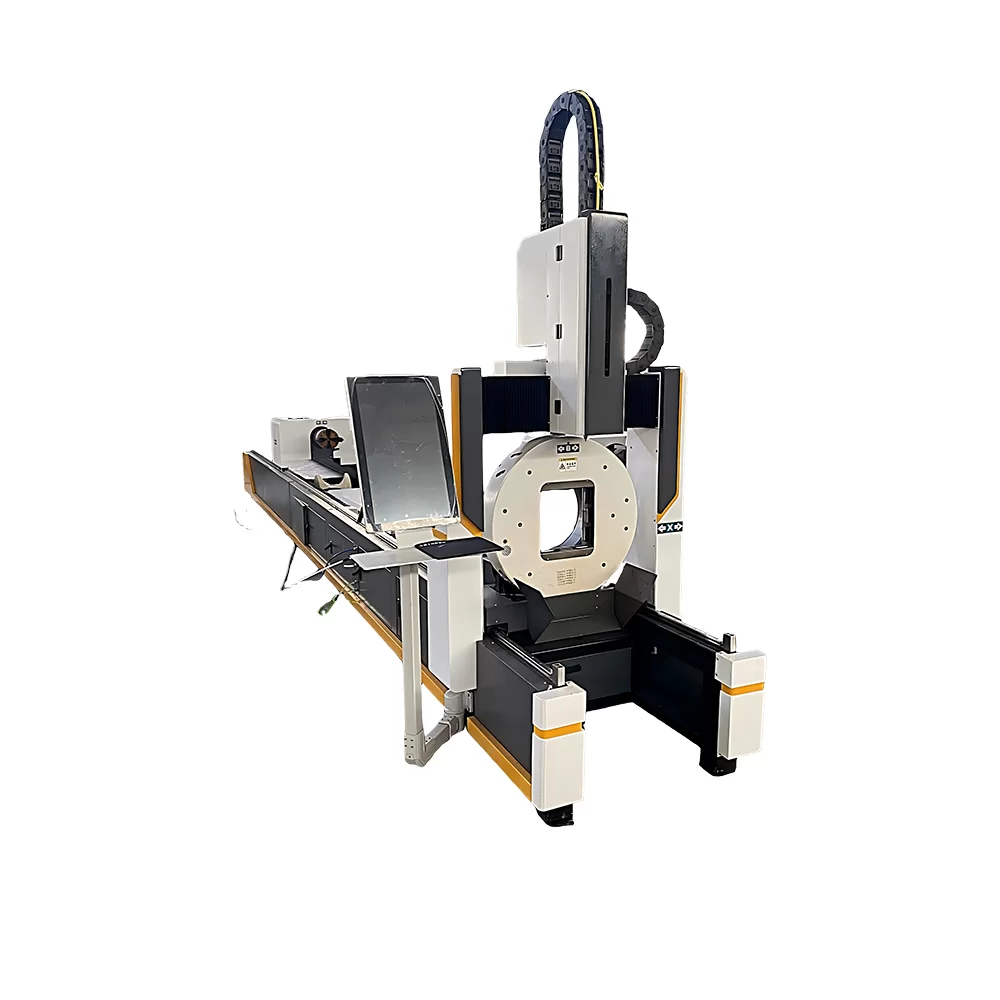
In the relentless pursuit of manufacturing excellence, the advent of sophisticated automation technologies has redefined the possibilities for material processing. Among these innovations, the CNC tube laser cutting machine stands as a monumental leap forward, fundamentally altering how industries approach the fabrication of tubular components. This technology, blending Computer Numerical Control (CNC) precision with the unparalleled cutting power of lasers, offers a paradigm shift from traditional methods like sawing, drilling, and punching. Its impact resonates across numerous sectors, from automotive and aerospace to furniture and construction, where the demand for intricate, high-precision, and cost-effective tube processing solutions continues to escalate. The global market for laser cutting machines, driven largely by advancements in fiber laser technology and the increasing adoption of automation, is projected to grow significantly, reflecting a burgeoning industrial reliance on these precise systems. For instance, recent industry reports indicate a compound annual growth rate (CAGR) of over 7% for the laser cutting machine market, with tube cutting applications being a key driver. This growth underscores a widespread recognition of the technology's inherent advantages: superior accuracy, unparalleled speed, and exceptional material utilization. Manufacturers are increasingly realizing that embracing a CNC tube laser cutting machine is not merely an upgrade but a strategic investment that unlocks new levels of productivity, design freedom, and competitive advantage in a fiercely competitive global landscape. This introductory segment delves into the fundamental shift this technology represents, setting the stage for a comprehensive exploration of its technical prowess, economic benefits, and diverse applications.
The technical superiority of a CNC tube laser cutting machine is multifaceted, stemming from its ability to deliver unmatched precision, speed, and versatility. At its core, the technology employs a focused laser beam, often generated by a fiber or CO2 source, to vaporize or melt material along a programmed path. This non-contact process eliminates tool wear, reduces material distortion, and ensures consistent quality from the first cut to the last. One of the most significant advantages is its unparalleled precision and accuracy. CNC control systems guide the laser head with micron-level exactitude, enabling the creation of intricate geometries, small holes, and sharp contours that are simply impossible or prohibitively expensive with conventional methods. This precision is critical for industries where tight tolerances are paramount, such as medical device manufacturing or aerospace components.
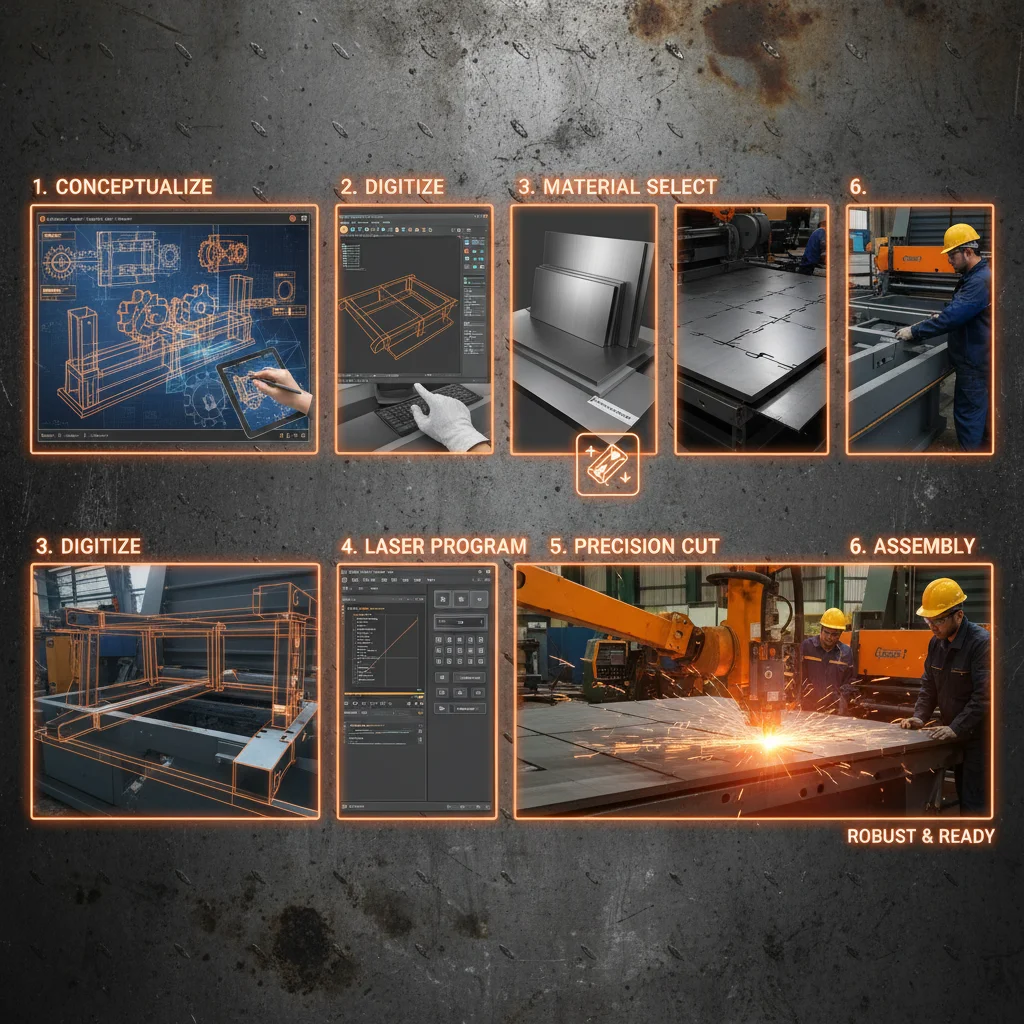
Furthermore, the machine offers exceptional versatility. It can process a wide array of materials, including stainless steel, carbon steel, aluminum, brass, and copper, accommodating various tube shapes – round, square, rectangular, oval, and even open profiles. The ability to perform multiple operations – cutting, notching, slotting, drilling, and marking – in a single setup drastically streamlines production workflows. Advanced machines often feature dynamic focusing systems that automatically adjust the laser beam for optimal cutting performance across different material thicknesses and types. The integrated CAD/CAM software allows designers to create complex tube layouts, and the CNC system translates these designs directly into precise cutting paths. This seamless digital workflow minimizes human error and significantly accelerates the prototyping and production cycles.
Another key technical highlight is the machine's efficiency in material utilization. Sophisticated nesting software optimizes the placement of multiple parts on a single tube length, leading to significant reductions in material waste – often reducing scrap rates by 15-20% compared to traditional cutting methods. The high cutting speeds, coupled with automated loading and unloading systems, translate into remarkable throughput, making large-volume production both feasible and economically viable. Moreover, the minimal heat-affected zone (HAZ) produced by laser cutting preserves the material's structural integrity and metallurgical properties, reducing the need for secondary finishing operations. This combination of precision, versatility, efficiency, and material integrity positions CNC tube laser cutting as an indispensable technology for modern manufacturing.
The true value of a CNC tube laser cutting machine becomes strikingly evident when examining its performance through a quantitative lens. Beyond anecdotal improvements, the tangible metrics reveal a significant return on investment and a competitive edge. One of the most compelling data points is the dramatic increase in processing speed. For instance, a high-power fiber laser system can cut steel tubes at speeds up to 120 meters per minute for thinner gauges, a rate that dwarfs mechanical sawing or drilling operations, which might achieve only 5-10 meters per minute for comparable tasks. This translates directly into higher throughput, allowing manufacturers to meet demanding production schedules and scale operations more efficiently. For a medium-sized fabrication shop, this could mean an increase in daily part production by as much as 300-400% for specific tube components, radically reducing lead times.
Cost reduction is another critical quantitative impact. While the initial investment in a laser cutting machine can be substantial, the operational savings are profound. Material waste reduction, driven by advanced nesting algorithms and minimal kerf width, often results in savings of 15-25% on raw material costs. Furthermore, the elimination of multiple processing steps and tools associated with traditional methods significantly reduces labor costs and consumable expenses. A study comparing conventional tube processing with laser cutting revealed that the cost per part could decrease by 20-40% for complex components, primarily due to reduced labor, faster processing, and fewer post-processing requirements. Maintenance costs are also optimized, as the non-contact laser process eliminates tool wear and frequent replacements. Modern fiber lasers boast an impressive mean time between failures (MTBF) of tens of thousands of hours, ensuring high uptime and predictable maintenance schedules. Energy efficiency is another factor; advanced fiber lasers are considerably more energy-efficient than older CO2 lasers, consuming up to 50% less power for equivalent cutting tasks. This confluence of speed, material efficiency, labor savings, and reduced operational costs provides a robust economic argument for integrating laser tube cutting technology into modern manufacturing workflows, yielding a rapid and substantial return on investment for forward-thinking enterprises.
The market for CNC tube laser cutting machines is dynamic, featuring a range of manufacturers each offering distinct advantages in terms of technology, features, and support. Choosing the right partner requires a thorough understanding of these differentiators, aligning machine capabilities with specific production needs and budget constraints. Below is a comparative overview of hypothetical manufacturer profiles, illustrating the key metrics and features that differentiate offerings in the marketplace:
Feature/Manufacturer Category | Global Innovator (e.g., Brand A) | Specialized Performer (e.g., Brand B) | Value-Oriented Solution (e.g., Brand C) |
Laser Power Range (kW) | 3kW - 20kW+ | 2kW - 12kW | 1kW - 6kW |
Max Tube Diameter (mm) | 250mm - 400mm | 220mm - 320mm | 180mm - 250mm |
Cutting Speed (m/min, for 2mm mild steel) | Up to 120 m/min | Up to 90 m/min | Up to 60 m/min |
Automation Level | Fully Automated (Bundle Loader, Unloader, Robotic Integration) | Semi-Automated (Bundle Loader option, Manual Unloading) | Manual Loading/Unloading, Basic Automation options |
Key Differentiators | Proprietary AI-driven software, 3D cutting capabilities, Smart factory integration, Global service network, High-power options. | Optimized for specific tube types/materials, Excellent cut quality for thinner gauges, Responsive regional support, User-friendly interface. | Competitive pricing, Robust entry-level models, Good for standard tube profiles, Essential features for small to medium shops. |
Typical Price Range (USD) | $400,000 - $1,500,000+ | $250,000 - $700,000 | $100,000 - $350,000 |
Service & Support | 24/7 Global, extensive training, predictive maintenance. | Strong regional, comprehensive training, quick response times. | Standard warranty, local dealer support, online resources. |
This table illustrates how manufacturers strategically position their products to cater to different segments of the market. Global Innovators often lead with cutting-edge technology, pushing boundaries in automation and power, suitable for large enterprises with diverse, high-volume needs. Specialized Performers focus on optimizing specific aspects, perhaps offering superior results for certain materials or niche applications, appealing to businesses with precise requirements. Value-Oriented Solutions provide accessible entry points into laser tube cutting, ideal for smaller shops or those with more standard production demands. Prospective buyers must evaluate their specific production volume, material types, part complexity, available budget, and desired level of automation and support to make an informed decision that maximizes long-term operational efficiency and profitability.
The true power of modern CNC tube laser cutting technology extends beyond its standard capabilities; it lies in its remarkable adaptability and the vast potential for customization. Recognizing that no two manufacturing operations are identical, leading manufacturers and integrators offer bespoke solutions meticulously engineered to meet the unique demands of diverse industrial applications. This tailored approach ensures that businesses not only acquire a high-performance machine but also a seamlessly integrated production system optimized for their specific workflow and output requirements.
Customization often begins with the laser source itself. Depending on the materials to be processed and the desired cutting speed, customers can specify fiber laser powers ranging from 1kW for light-gauge metals to 20kW or more for heavy-duty, high-speed cutting of thick-walled tubes. This choice directly impacts throughput and the types of materials that can be efficiently processed. Beyond power, the machine’s axis configuration can be adapted, with options for 3-axis, 4-axis, 5-axis, and even 6-axis systems, enabling complex 3D cutting, beveling, and intricate joint preparations essential for advanced architectural structures or automotive chassis components. Material handling systems are another critical area for customization. Options range from basic manual loading systems for low-volume production to fully automated bundle loaders that can feed multiple tubes continuously, dramatically increasing uptime and reducing labor costs. Integrated robotic unloading and sorting systems further enhance automation, facilitating seamless integration into larger automated production lines.
Software customization plays a pivotal role. Specialized CAD/CAM modules can be developed or integrated to handle proprietary design formats, optimize nesting for unusual tube geometries, or provide advanced diagnostics and predictive maintenance features. User interfaces can also be adapted to specific operator skill levels or language requirements. Furthermore, safety features and environmental controls can be tailored, including advanced fume extraction systems, laser safety enclosures, and interlocks that comply with specific regional regulations. For businesses operating within stringent quality frameworks, bespoke quality control integrations, such as in-line measurement systems or part inspection cameras, can be incorporated. The availability of custom fixturing, specialized chucks for irregular profiles, and integration with existing ERP/MES systems further exemplifies how a standard CNC tube laser cutting machine can be transformed into a highly specialized, high-performance asset, delivering maximum efficiency and precision for any industrial challenge.
The versatility and precision of CNC tube laser cutting machines have made them indispensable across a startling array of industries, each leveraging the technology to solve unique fabrication challenges and open new avenues for design and production. The ability to perform complex cuts on various tube profiles with unparalleled accuracy translates into tangible benefits, driving innovation and efficiency.
In the automotive industry, tube laser cutting is critical for manufacturing lightweight chassis components, exhaust systems, roll cages, and structural elements. For instance, automotive manufacturers use these machines to create intricate tube structures for electric vehicle battery enclosures, where precision and strength are paramount. The ability to cut complex joints and features directly onto tubes reduces welding and assembly time, leading to stronger, lighter, and more cost-effective vehicles. Similarly, the aerospace sector utilizes the technology for intricate tubing in hydraulic systems, landing gear components, and structural frameworks where material integrity and absolute precision are non-negotiable, often working with high-strength alloys like titanium and Inconel.
The furniture design and manufacturing industry has been revolutionized by tube laser cutting. Designers can now conceive highly aesthetic and structurally sound pieces, such as chairs, tables, and shelving units, with elaborate patterns and joinery that would be impossible with traditional methods. The clean cuts and precise fits allow for minimalist designs and simplified assembly. In architecture and construction, the machines are employed for creating bespoke structural elements, railings, balustrades, and complex façade supports. For example, a landmark building might feature an intricate tube trellis cut with laser precision, showcasing both artistic design and structural integrity.
Beyond these, the fitness equipment industry benefits from the rapid and accurate production of robust frames for treadmills, ellipticals, and weight machines, ensuring safety and durability. The oil and gas sector uses laser-cut tubes for specialized connectors and piping where precise fits are essential to prevent leaks and ensure operational safety in harsh environments. Even the medical device industry, requiring the utmost precision for components like patient transfer frames, surgical equipment stands, and diagnostic machine housings, relies on the clean, burr-free cuts offered by tube laser technology. These diverse applications underscore the machine's transformative potential, enabling industries to push the boundaries of design, optimize production processes, and deliver higher quality products to the market.
As industries continue to evolve at an unprecedented pace, driven by demand for greater efficiency, precision, and customization, the strategic importance of investing in a CNC tube laser cutting machine becomes increasingly evident. This is not merely an acquisition of equipment; it is a foundational investment in future capabilities, market competitiveness, and sustainable growth. The data consistently demonstrates that companies integrating this advanced technology experience profound transformations in their operational metrics and overall market position. For example, firms often report a reduction in product development cycles by up to 25%, allowing them to bring innovative designs to market faster than competitors. This agility is invaluable in rapidly changing consumer and industrial landscapes.
Beyond the immediate gains in speed and precision, the long-term strategic value of a CNC tube laser cutting machine lies in its ability to unlock new design possibilities and enhance product quality. Engineers and designers are no longer constrained by the limitations of traditional fabrication methods. They can conceptualize intricate geometries, optimize material usage, and integrate multiple functions into single components, leading to superior product performance and reduced assembly complexities. This expanded design freedom directly translates into a stronger competitive edge, enabling companies to differentiate their offerings and capture new market segments. Furthermore, the inherent repeatability and accuracy of laser cutting significantly reduce waste and rework, contributing to a more sustainable manufacturing process and improved profit margins.
In an era increasingly focused on Industry 4.0 and smart manufacturing, a CNC tube laser cutting machine serves as a critical node in a connected production ecosystem. Its integration with CAD/CAM software, automated loading/unloading systems, and enterprise resource planning (ERP) systems facilitates seamless data flow, enabling real-time monitoring, predictive maintenance, and optimized resource allocation. This level of connectivity and automation is not just about efficiency; it's about building a resilient, adaptable manufacturing infrastructure capable of responding swiftly to market fluctuations and evolving customer demands. Ultimately, choosing to invest in a CNC tube laser cutting machine is a proactive decision to future-proof a manufacturing operation, ensuring it remains at the forefront of technological capability and commercial viability for decades to come. It signifies a commitment to excellence, innovation, and unwavering customer satisfaction, solidifying a company's position as a leader in its respective field.
A1: Modern CNC tube laser cutting machines are incredibly versatile and can process a wide variety of tube shapes including round, square, rectangular, oval, and other custom open or closed profiles. They are capable of handling various materials such as carbon steel, stainless steel, aluminum, brass, copper, and even some exotic alloys, making them suitable for diverse industrial applications.
A2: The maximum tube length and diameter vary significantly between models and manufacturers. Standard machines can typically handle tube lengths from 6 to 12 meters (20 to 40 feet) and diameters ranging from 10mm to 300mm (0.4 to 12 inches). Larger, specialized machines can accommodate even greater dimensions, sometimes up to 400mm (16 inches) in diameter and longer lengths with extended loading systems.
A3: CNC tube laser cutting offers superior precision, speed, and versatility compared to traditional methods. It can perform multiple operations (cutting, notching, drilling, slotting) in one setup, eliminate tool changes, reduce material waste through optimized nesting, and create complex geometries impossible with conventional tools. This results in higher quality parts, reduced labor, faster production, and lower per-part costs.
A4: Fiber laser sources offer several key benefits, including higher energy efficiency (lower operating costs), significantly faster cutting speeds for thinner materials, minimal maintenance requirements, a smaller footprint, and the ability to cut reflective materials like copper and brass more effectively than CO2 lasers. They also provide excellent beam quality for precise cuts and a longer lifespan.
A5: Yes, many advanced CNC tube laser cutting machines are equipped with 3D cutting capabilities. These typically feature a 5-axis or 6-axis cutting head that can rotate and tilt, allowing for precise bevel cutting, chamfering, and the creation of complex three-dimensional contours on the tube surface, which is crucial for intricate joints and structural components.
A6: CNC tube laser cutting machines are operated by integrated CAD/CAM (Computer-Aided Design/Computer-Aided Manufacturing) software. Users design parts in CAD, and the CAM software then generates the cutting paths and machine code. This software often includes features like nesting optimization, collision avoidance, and real-time process monitoring, ensuring efficient and error-free operation.
A7: Automation levels vary from semi-automatic to fully automatic. Entry-level machines might require manual loading and unloading. However, most professional-grade machines offer automated bundle loaders that feed multiple tubes, and some advanced systems include robotic unloaders, part sorting systems, and even integration with larger automated production lines, enabling continuous, lights-out operation.