Shijiazhuang Topstar
International Trading Co., Ltd.


Get In Touch
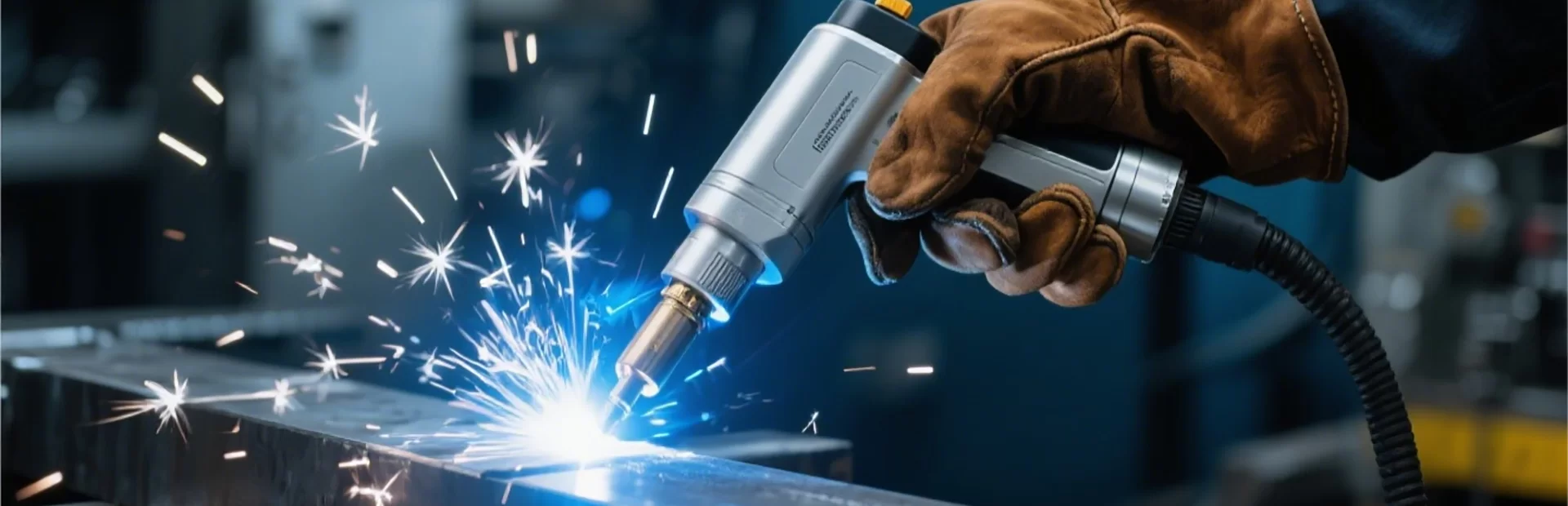
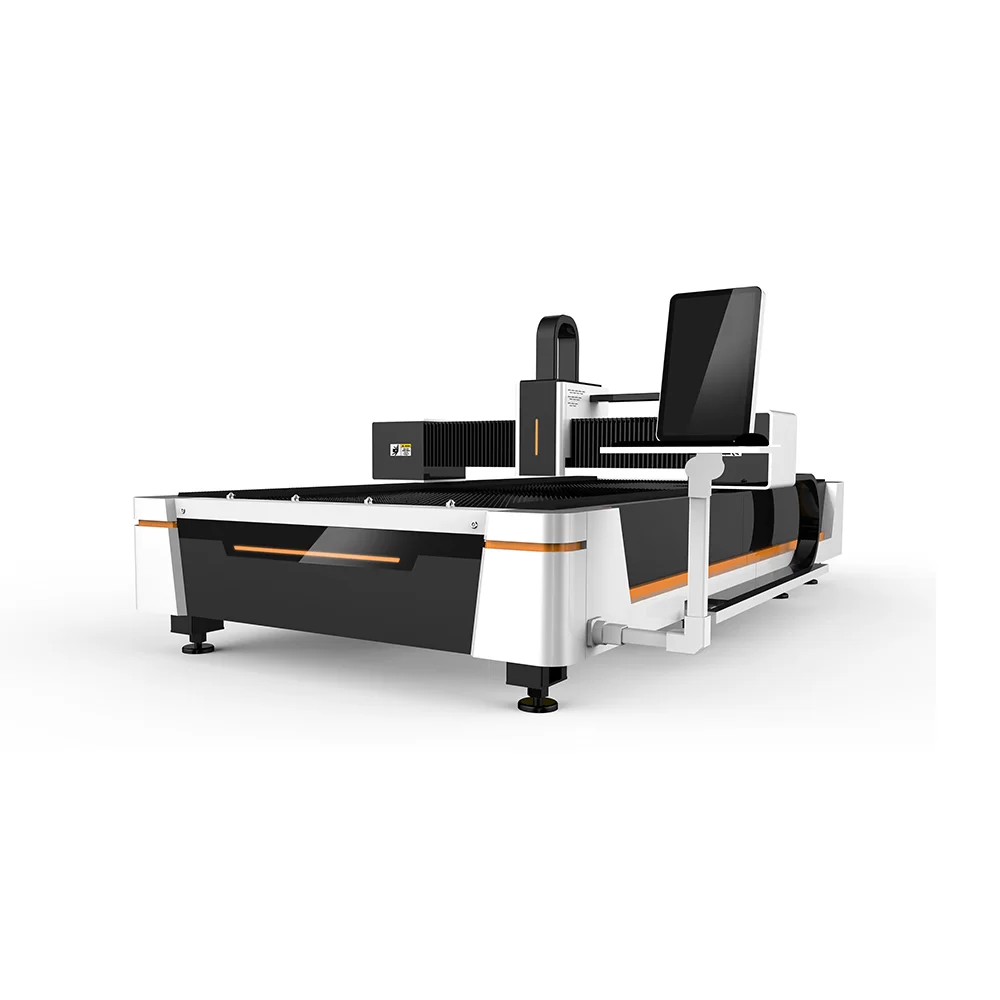
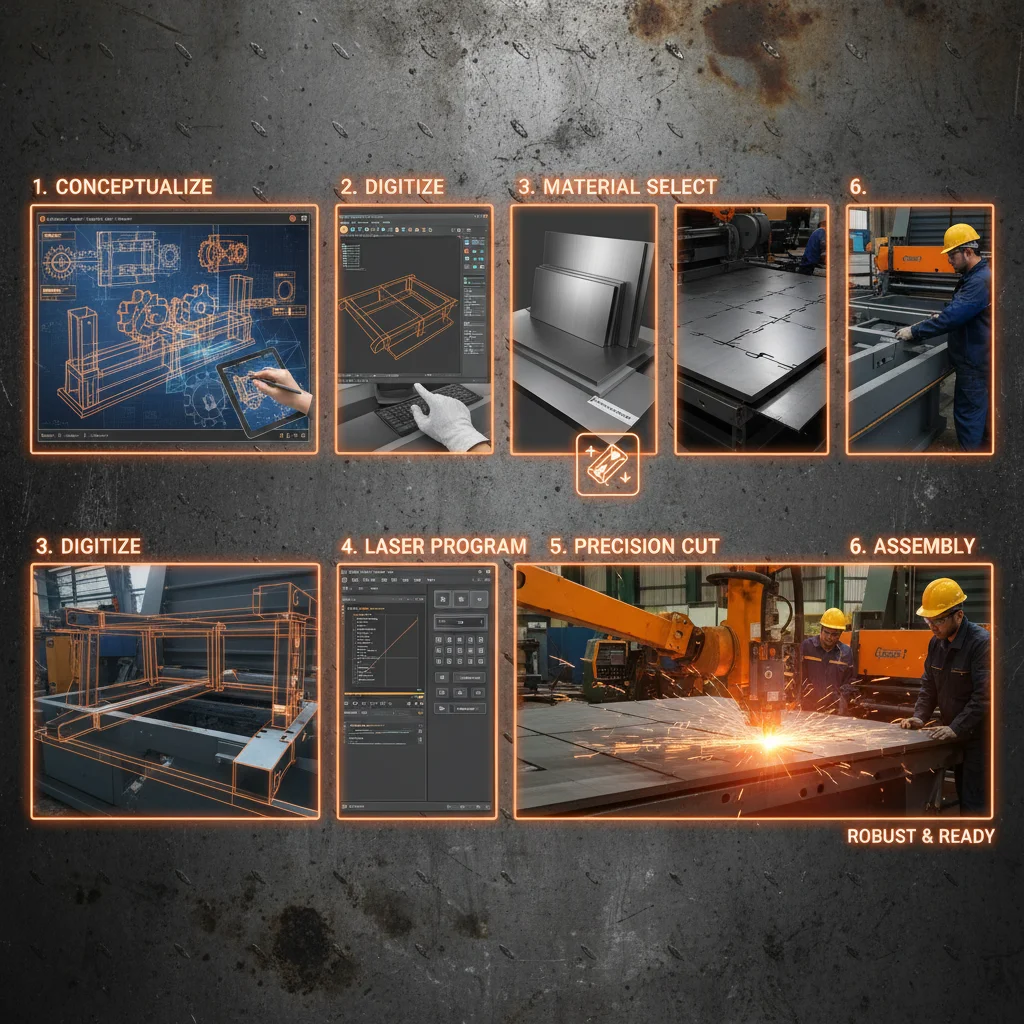
In the demanding landscape of modern manufacturing, precision, speed, and efficiency are paramount. Steel, a foundational material across countless industries, requires cutting solutions that can meet ever-tightening tolerances and increasingly complex designs. This is where the advanced fiber laser cutting machine for steel plate emerges as an indispensable tool, revolutionizing fabrication processes globally. Traditional cutting methods, while still in use, often struggle with the intricate geometries, narrow kerf widths, and minimal material waste that high-end production demands. Fiber laser technology, however, offers a non-contact process that delivers unparalleled accuracy and repeatability, drastically reducing post-processing requirements. Data from industry reports consistently highlights a significant shift towards fiber lasers, with market projections indicating a compound annual growth rate (CAGR) exceeding 10% for industrial laser systems, largely driven by their efficiency and versatility in metal processing. Companies investing in these cutting-edge systems report an average increase in production throughput by 30-50% and a reduction in material waste by up to 20% compared to conventional plasma or oxy-fuel cutting. This leap in performance translates directly into tangible economic benefits, including lower operational costs, faster turnaround times, and superior product quality, solidifying the fiber laser cutting machine's position as a cornerstone technology for competitive steel fabrication. Its ability to process various steel alloys, from mild steel to stainless steel and specialized high-strength steels, with consistent quality and speed, underscores its critical role in automotive, construction, energy, and general manufacturing sectors.
The inherent technical superiority of fiber laser technology positions it far ahead of many conventional cutting methods. At its core, a fiber laser generates its beam within optical fibers doped with rare-earth elements, offering a remarkably stable and high-quality beam profile. This focused beam energy translates into several critical advantages for steel plate cutting. Firstly, the extremely small spot size and high power density enable exceptionally fine cutting details and tight contours that are impossible with plasma or oxy-fuel. This precision minimizes the heat-affected zone (HAZ), a crucial factor for maintaining the metallurgical integrity and mechanical properties of the steel, thereby reducing warping or distortion. Secondly, fiber lasers boast superior energy efficiency, converting electrical power into laser light with efficiencies often exceeding 30%, significantly higher than CO2 lasers, which typically operate below 10%. This translates into substantial reductions in electricity consumption and lower operational expenses. Furthermore, fiber lasers are solid-state devices, meaning they have no moving parts or delicate optics to align, leading to significantly reduced maintenance requirements and extended service life. The beam delivery system, also through fiber optics, allows for greater flexibility in machine design and layout, enabling integration with advanced automation systems like robotic loading/unloading and lights-out manufacturing. With cutting speeds up to five times faster than traditional methods for thinner gauges of steel and remarkable consistency across various thicknesses, fiber lasers not only boost productivity but also enhance safety by eliminating open flames or hazardous gases, representing a comprehensive upgrade to steel processing capabilities.
Understanding the critical technical specifications of a laser cutting machine is paramount to selecting the right system for specific steel plate applications. At the forefront is laser power, typically measured in kilowatts (kW), which directly influences cutting speed and maximum material thickness. While a 3kW machine might efficiently cut up to 12mm mild steel, a 12kW system can effortlessly slice through 30mm or even 40mm steel at speeds unattainable by lower-power units. For instance, cutting 10mm mild steel, a 6kW fiber laser can achieve speeds around 3-4 meters per minute (m/min), whereas a 12kW system might push that to 7-8 m/min, demonstrating a dramatic improvement in throughput for high-volume operations. Maximum cutting thickness for different steel types (mild steel, stainless steel, galvanized steel) is another vital parameter, often varying based on laser power and assist gas used. Cutting speed, measured in m/min, is influenced by power, material type, thickness, and desired edge quality. Higher speeds naturally lead to increased productivity. Accuracy and repeatability, often expressed in millimeters (e.g., ±0.03mm position accuracy and ±0.02mm repeatability), dictate the precision of the cut parts and their consistency across batches, critical for interlocking components or assemblies. Table size (e.g., 3000x1500mm, 6000x2000mm) determines the maximum sheet dimensions that can be processed, impacting material handling logistics. Acceleration rates of the gantry system (e.g., 1.5G to 2G) indicate how quickly the cutting head can change direction, particularly important for intricate designs with many curves and sharp corners, contributing significantly to overall cycle time. Additionally, advanced features like automatic nozzle changers, active cutting head compensation, and integrated dust extraction systems contribute to operational efficiency, part quality, and machine longevity, making a comprehensive evaluation of these specifications indispensable for any potential investment.
Choosing the right laser cutting machine for steel plate is a strategic decision that demands careful consideration of various manufacturers, each offering distinct advantages in terms of technology, features, and support. The global market is populated by industry giants and innovative niche players, all striving to deliver superior performance and reliability. Evaluating manufacturers goes beyond mere specifications; it encompasses after-sales service, spare parts availability, software capabilities, and overall cost of ownership. While some manufacturers excel in high-power, large-format solutions catering to heavy industry, others specialize in compact, high-precision systems for delicate applications. A thorough comparison often reveals trade-offs between initial investment, operational efficiency, and long-term support. For instance, companies known for pioneering advanced beam shaping technologies might offer unparalleled edge quality on thicker steels, but potentially at a premium price point. Conversely, emerging manufacturers might offer competitive pricing for solid performance, though their support network might be less extensive. The integration of advanced features such as automatic material loading and unloading systems, intelligent cutting databases, and real-time monitoring software also varies significantly across brands, profoundly impacting automation levels and labor requirements. Understanding these distinctions is crucial for aligning the machine’s capabilities with specific production demands and future growth strategies. Below is a comparative table illustrating key aspects of representative manufacturers, providing a foundational overview for potential buyers to begin their detailed evaluation process.
Manufacturer | Typical Power Range (kW) | Max. Mild Steel Thickness (mm) | Key Features/Differentiators | Automation Integration |
Trumpf | 3kW - 30kW | Up to 40mm | High precision, robust build, extensive software suite (TruTops), industry leader in innovation. | Full automation (LoadMaster, SheetMaster), storage systems. |
Bystronic | 2kW - 20kW | Up to 30mm | Focus on user-friendliness (ByVision Cut), high-speed cutting, excellent reliability. | Flexible automation solutions (ByTrans, BySort), modular systems. |
Amada | 3kW - 15kW | Up to 25mm | Integrated punching/laser combo machines, focus on Japanese precision and service. | Material towers, robotic integration. |
HSG Laser | 1kW - 30kW+ | Up to 40mm | Cost-effective, wide range of models, high-power solutions, rapid market expansion. | Pallet changers, basic automation, options for full automation. |
Mazak Optonics | 4kW - 15kW | Up to 25mm | Robust design, advanced processing techniques, focus on heavy-duty applications, global support. | Flexible automation cells (FMS), advanced material handling. |
Note: Specifications and prices are approximate and can vary significantly based on model, configuration, region, and market conditions. This table is for illustrative purposes only.
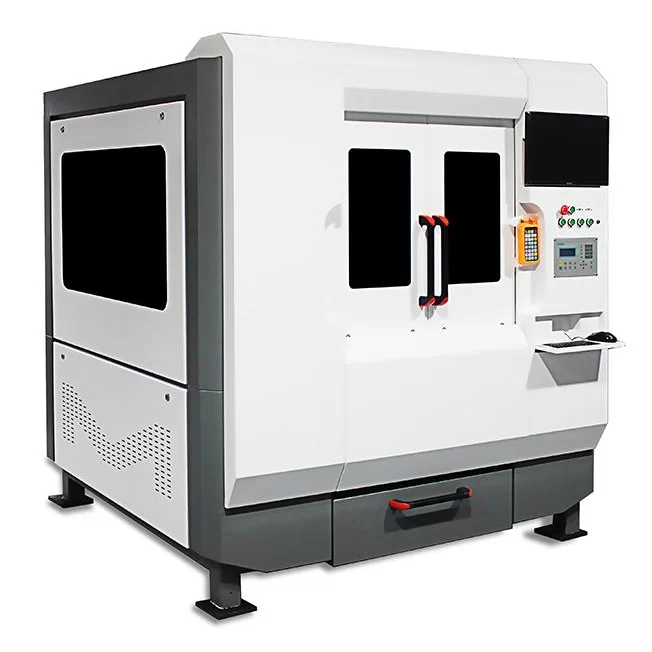
While standard laser cutting machines offer impressive capabilities, many industries require tailored solutions to perfectly integrate with their existing workflows and meet unique production demands. Customization plays a pivotal role in unlocking the full potential of this technology, extending beyond merely selecting power levels or table sizes. For manufacturers dealing with exceptionally large steel plates, specialized extra-large format machines (e.g., 12000x3000mm or even larger) are available, often paired with heavy-duty gantry systems and extended material handling solutions. Conversely, operations requiring precision cutting of smaller components at very high volumes might opt for compact machines integrated with robotic pick-and-place systems and sophisticated sorting mechanisms. The type of automation is another critical customization point: from basic pallet changers that swap raw and finished sheets, significantly reducing idle time, to fully automated material storage and retrieval systems (AS/RS) that feed multiple machines and manage inventory. Software integration is also key; advanced CAM/CAD systems can be customized to directly interface with specific ERP/MRP systems, streamlining order processing, material tracking, and production scheduling. Custom cutting heads for specialized applications, such as those with dynamic beam shaping for variable kerf widths or bevel cutting capabilities, can expand the machine's versatility. Furthermore, environmental controls, including specialized fume extraction and filtration systems for specific alloys, or enhanced cooling systems for continuous heavy-duty operation in challenging climates, can be integrated. These bespoke modifications ensure that the laser cutting solution not only performs optimally but also contributes maximally to operational efficiency, safety, and overall profitability, transforming a powerful tool into a perfectly integrated, high-performance system designed for specific business objectives.
The versatility and precision of advanced laser cutting technology have made it indispensable across a vast spectrum of industries, driving innovation and efficiency in countless real-world applications. In the automotive industry, laser cutting machines are crucial for producing lightweight, high-strength steel components for vehicle bodies and chassis. Their ability to cut complex shapes with tight tolerances ensures perfect fitment and structural integrity, contributing to both safety and fuel efficiency. Manufacturers leverage these machines to rapidly prototype new designs and produce high volumes of parts with consistent quality, significantly reducing time-to-market. For construction and architectural fabrication, laser-cut steel plates are used to create intricate facades, structural elements, bridge components, and decorative panels. The clean edges and lack of distortion achieved by lasers allow for aesthetic excellence and simplified assembly, leading to faster project completion times. In heavy machinery and agriculture, robust laser cutting machines process thick steel plates for frames, structural members, and specialized tools, ensuring durability and precise alignment for heavy-duty applications. Here, the minimal HAZ is particularly beneficial in preserving the material's strength. The energy sector, encompassing renewable energy (wind turbine components, solar panel frames) and traditional power generation, relies on laser cutting for precise and reliable fabrication of parts that must withstand extreme conditions. Even shipbuilding benefits from large-format laser cutters for intricate hull sections and internal structures, drastically improving accuracy and reducing the extensive post-weld grinding often associated with traditional methods. Across all these sectors, the common thread is a relentless pursuit of higher quality, faster production, and reduced costs, all of which are directly addressed by the transformative capabilities of modern laser cutting machines, illustrating their profound and pervasive impact on global manufacturing.
The strategic adoption of a high-performance laser cutting machine for steel plate is no longer merely an option but a critical imperative for manufacturers aiming to maintain a competitive edge in today's dynamic global market. The transformative capabilities, from unparalleled precision and speed to remarkable material efficiency and energy savings, collectively redefine what is achievable in steel fabrication. By leveraging advanced fiber laser technology, businesses can significantly reduce operational costs, accelerate production cycles, and deliver products with superior quality and intricate designs that were once considered impossible. The data consistently supports the tangible benefits: improved throughput, reduced waste, and enhanced part accuracy directly translate into higher profitability and increased customer satisfaction. Furthermore, the capacity for customization and seamless integration into existing or developing automated workflows ensures that these machines are not just standalone tools but foundational components of a sophisticated, future-ready manufacturing ecosystem. The investment in a premier laser cutting machine for steel plate is an investment in future growth, innovation, and sustainable competitive advantage. It empowers businesses to tackle increasingly complex projects, expand into new markets, and consistently exceed industry standards, solidifying their position at the forefront of modern manufacturing. As industries continue to evolve, the ability to rapidly and precisely process steel with such efficiency will remain a cornerstone of engineering excellence, making this technology an undeniable driver of progress and a testament to the power of intelligent industrial solutions.
1. What is a laser cutting machine for steel plate and how does it work?
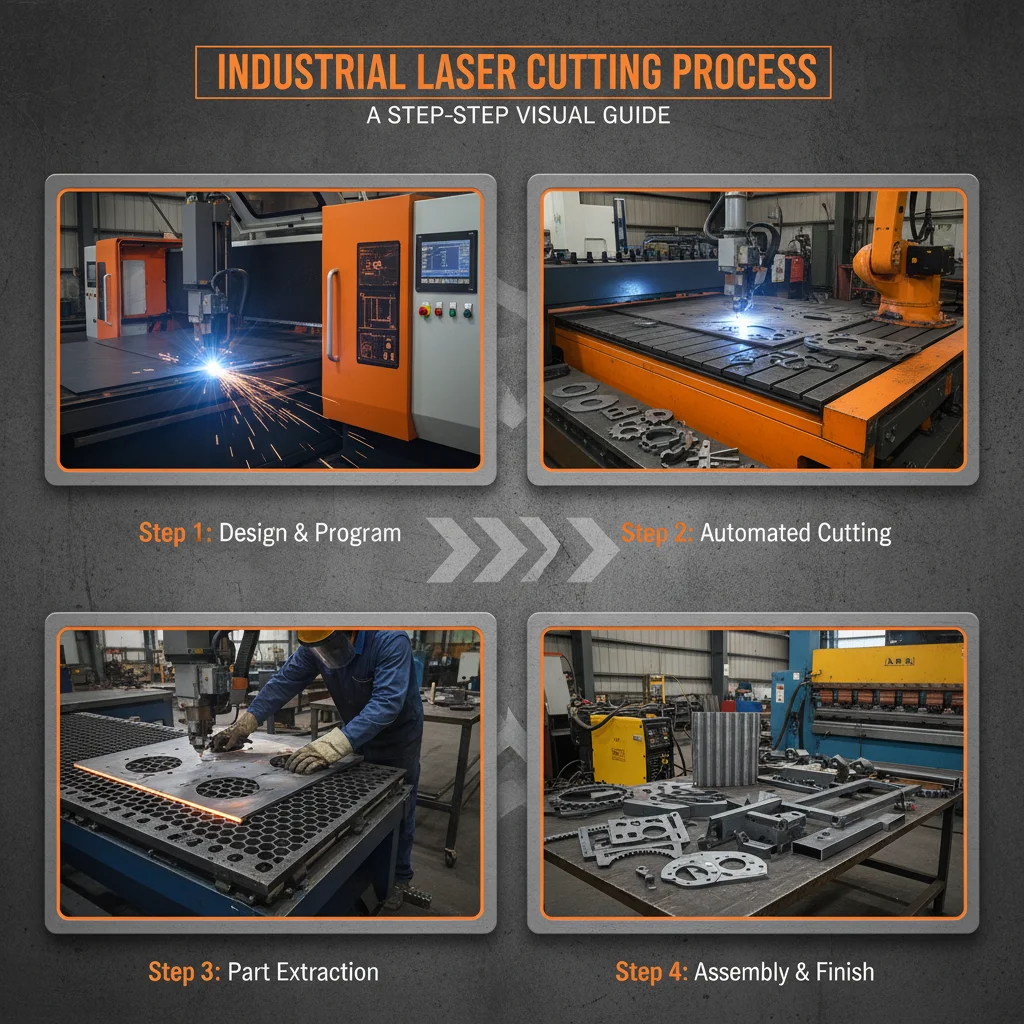
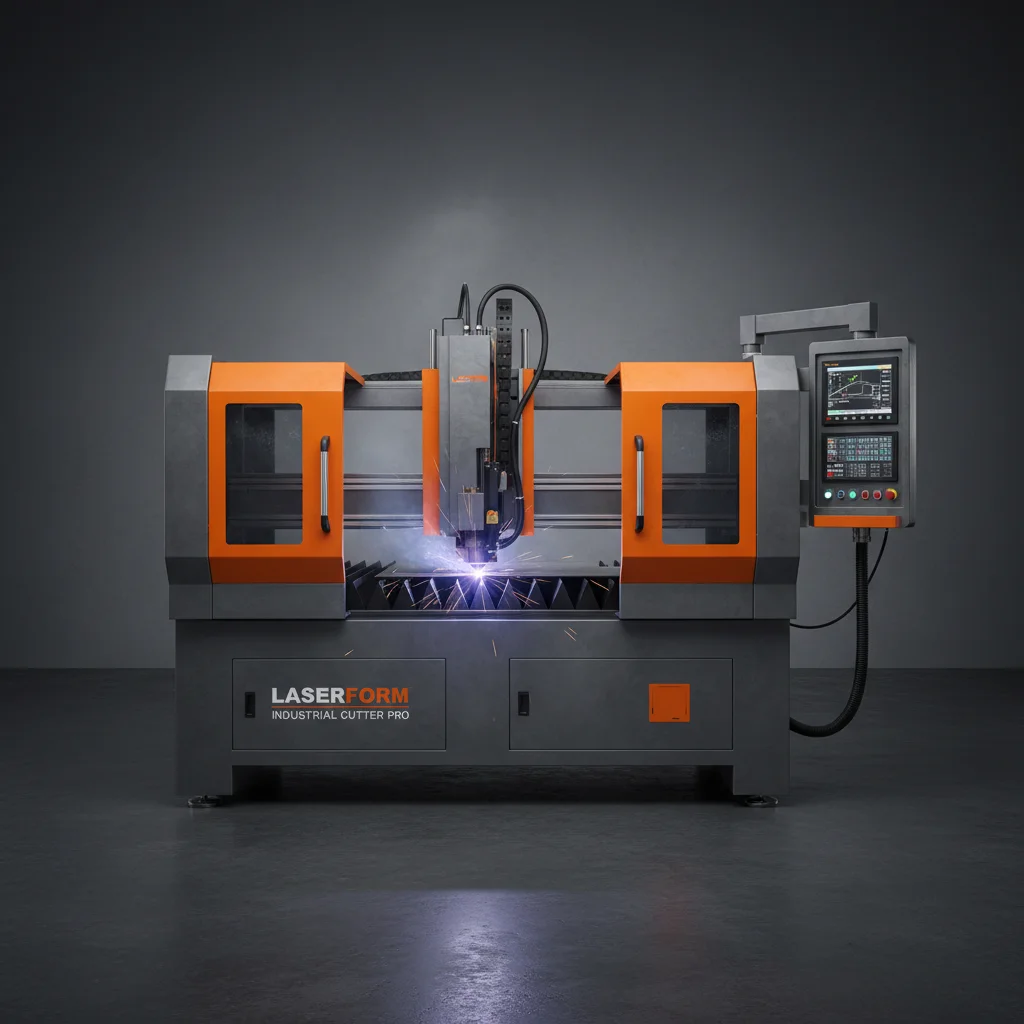
A laser cutting machine for steel plate uses a focused, high-power laser beam (typically a fiber laser) to melt, vaporize, or burn through steel. An assist gas (like oxygen or nitrogen) is simultaneously blown through the cut to expel molten material and create a clean, precise cut. The process is controlled by CNC (Computer Numerical Control) software, ensuring accuracy and repeatability.
2. What are the main advantages of using a fiber laser cutting machine for steel plate over traditional methods?
Fiber laser cutting offers superior precision, faster cutting speeds (especially for thinner gauges), a smaller heat-affected zone (HAZ), reduced material distortion, lower operational costs due to higher energy efficiency, minimal maintenance, and the ability to cut complex geometries with excellent edge quality without the need for extensive post-processing.
3. What types of steel can a fiber laser cutting machine process?
Fiber laser cutting machines are highly versatile and can efficiently process a wide range of steel types, including mild steel (carbon steel), stainless steel, galvanized steel, structural steel, and various high-strength low-alloy (HSLA) steels. The maximum thickness depends on the laser's power and the type of assist gas used.
4. What factors should I consider when choosing a laser cutting machine for steel plate?
Key factors include laser power (kW) for desired thickness and speed, maximum cutting dimensions (table size), accuracy and repeatability requirements, the types of steel and their thicknesses you'll be cutting, automation options (e.g., pallet changers), software compatibility, manufacturer reputation, after-sales support, and overall budget.
5. How does laser power affect the cutting of steel plate?
Higher laser power (e.g., 6kW vs. 12kW) directly translates to faster cutting speeds for a given thickness and the ability to cut significantly thicker steel plates. It also generally improves edge quality on thicker materials and allows for more aggressive cutting parameters, increasing overall throughput.
6. What is the typical lifespan and maintenance requirement for a fiber laser cutting machine for steel plate?
Fiber laser sources are known for their exceptionally long lifespan, often exceeding 100,000 operating hours. Maintenance requirements are significantly lower compared to CO2 lasers, primarily involving routine cleaning of optics, checking assist gas systems, and occasional calibration. There are no mirrors or delicate gas tubes to replace, reducing downtime and costs.
7. Can a laser cutting machine for steel plate be integrated into an automated manufacturing line?
Absolutely. Modern laser cutting machines are designed for seamless integration into automated manufacturing lines. This can include automated material loading and unloading systems (pallet changers, robotic systems), automatic nozzle changers, intelligent nesting software, and connectivity to factory management systems (ERP/MES) for streamlined production and monitoring.