Shijiazhuang Topstar
International Trading Co., Ltd.


Get In Touch
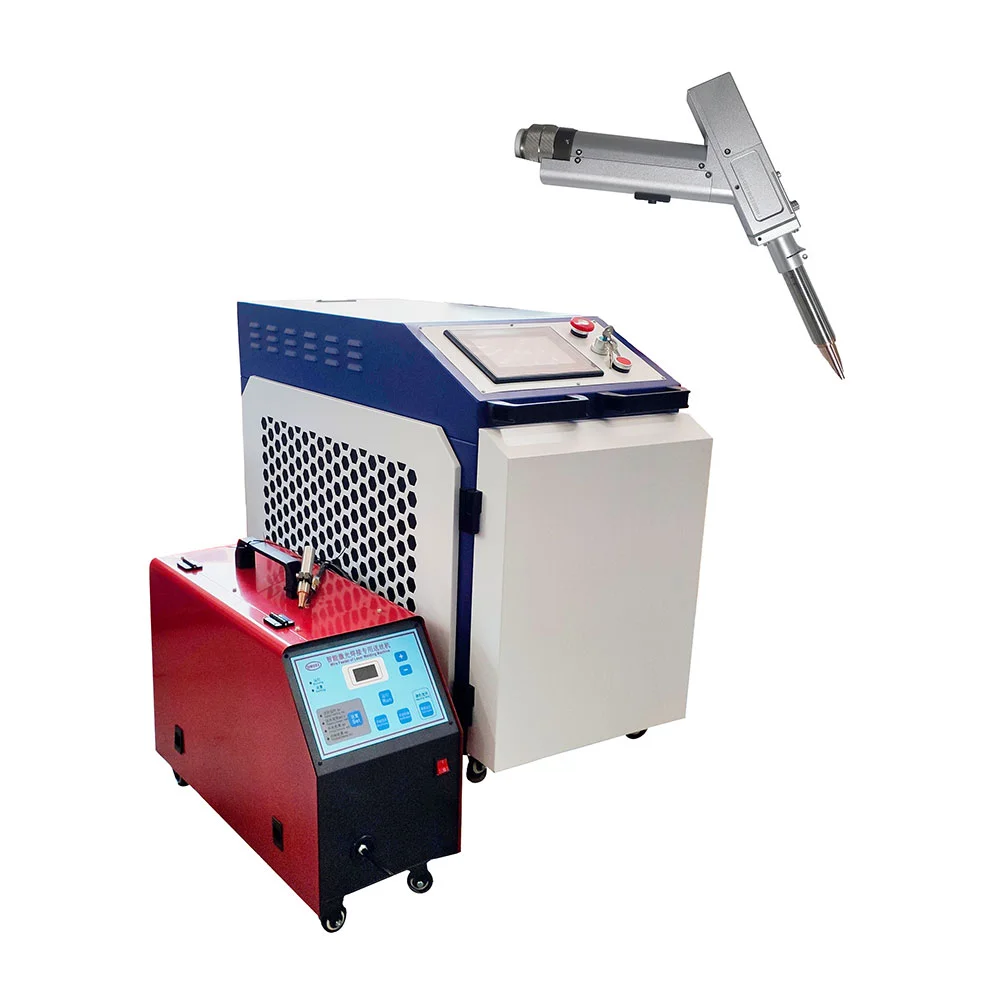
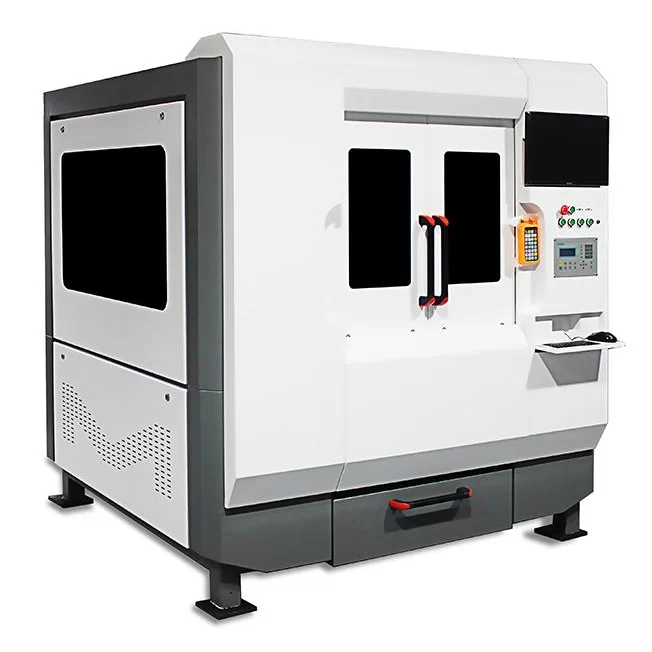
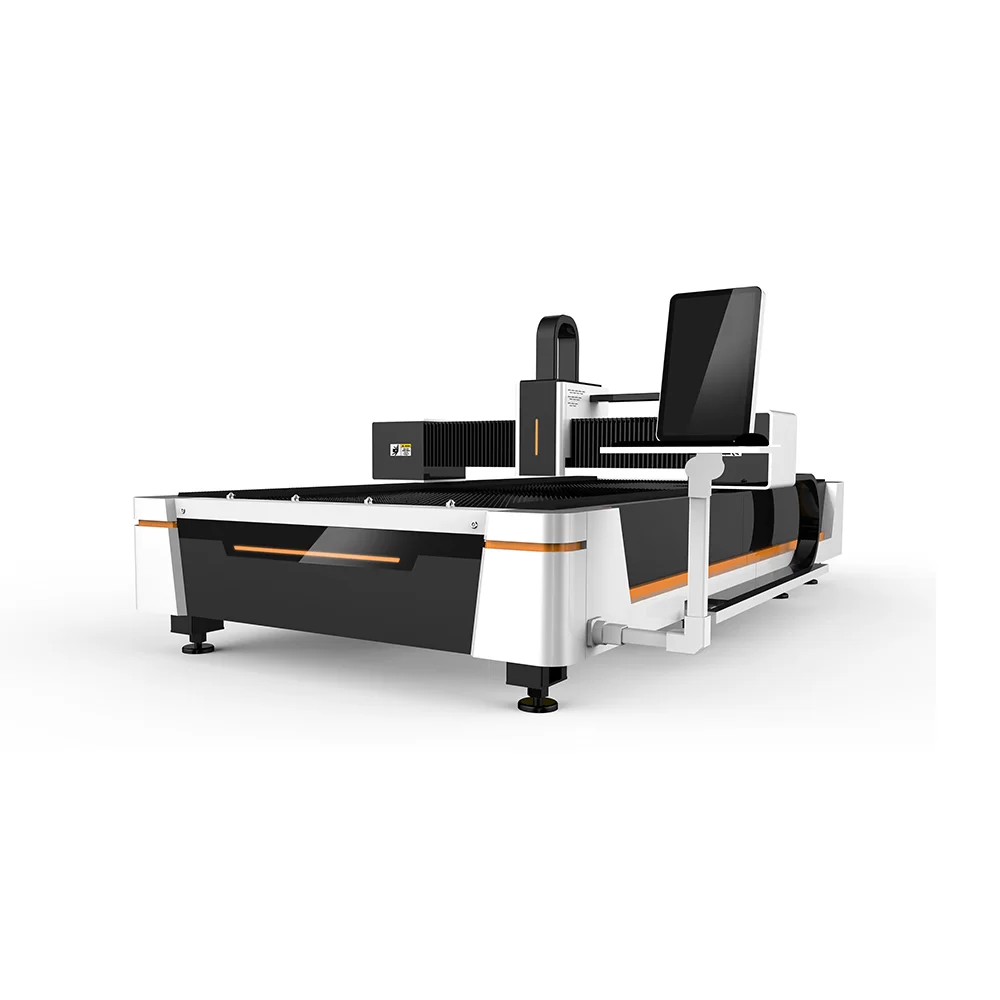
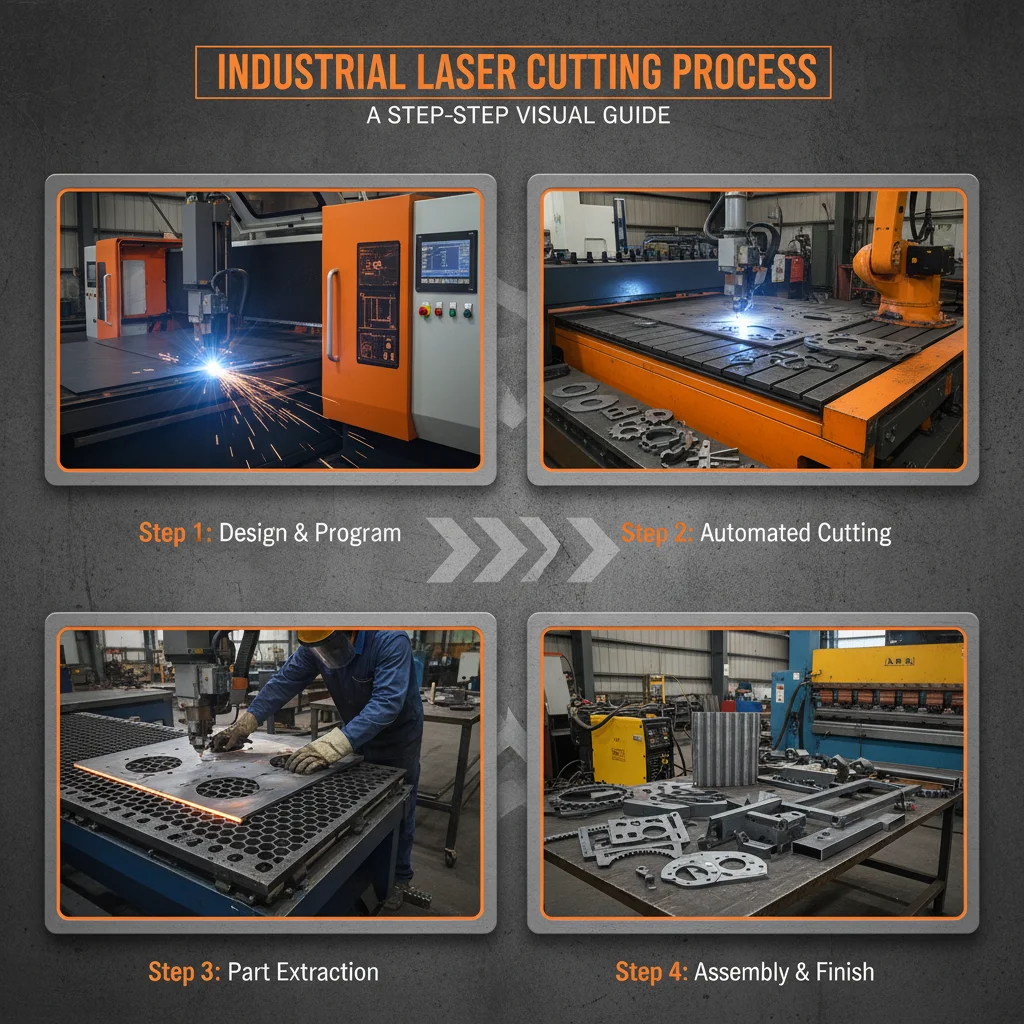
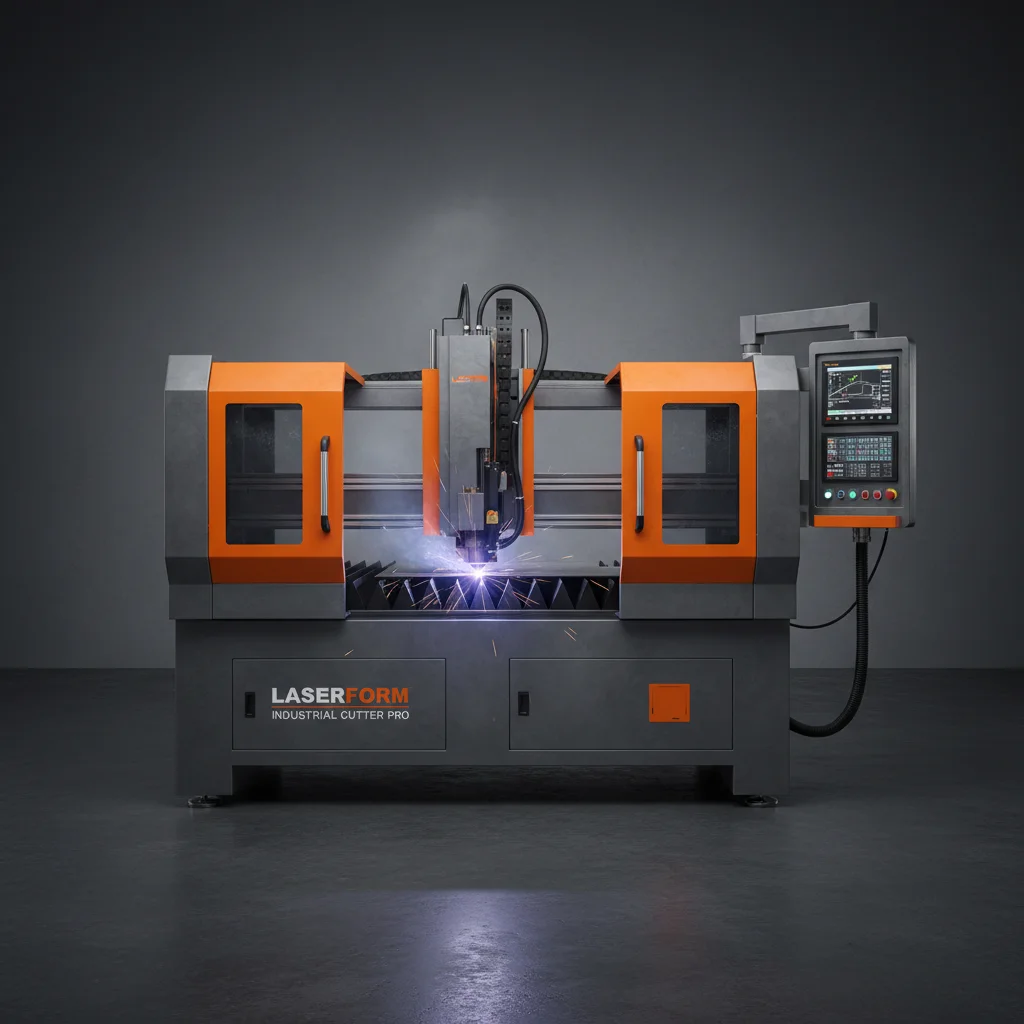
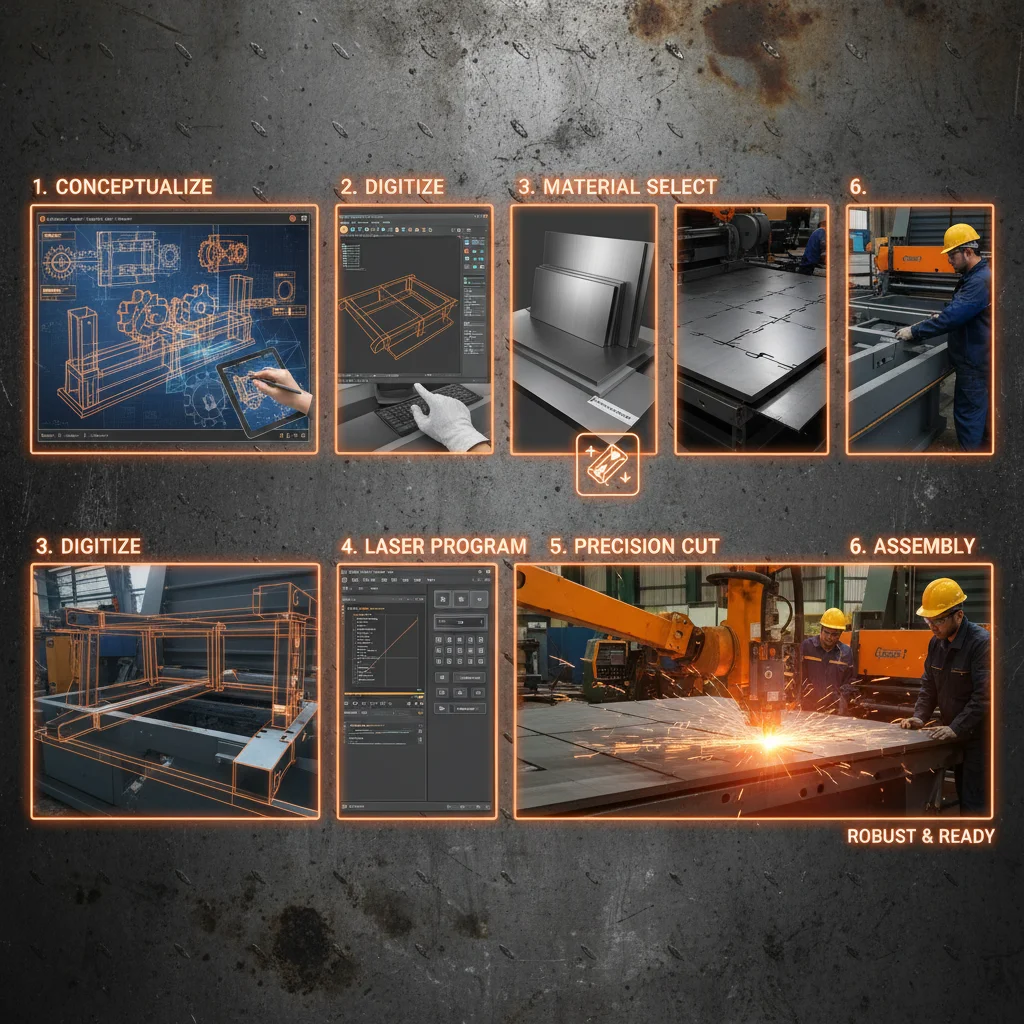
In the fiercely competitive landscape of modern manufacturing, the demand for unparalleled precision, speed, and versatility has never been more critical. At the heart of this industrial evolution lies the laser cutting machine for sheet metal, a technology that has fundamentally transformed how intricate components are produced. This sophisticated equipment is no longer merely an option but a strategic imperative for businesses aiming to optimize production workflows, reduce waste, and deliver superior quality products. From automotive chassis to intricate electronic casings and architectural facade elements, the ability to execute clean, accurate cuts with minimal material distortion is paramount. The journey from raw sheet metal to a finished, high-tolerance part is redefined by laser technology, offering a level of detail and repeatability that conventional methods often struggle to match. Its advent has not only streamlined existing processes but also unlocked new possibilities in design and engineering, allowing for complex geometries and fine features that were previously deemed unfeasible or prohibitively expensive. Understanding the profound impact and multifaceted benefits of this technology is key to appreciating its central role in driving manufacturing excellence.
The technical superiority of modern laser cutting systems for sheet metal stems from several core innovations. Foremost among these is the highly focused, coherent beam of light that serves as the cutting tool. Unlike mechanical methods, laser cutting involves no physical contact with the material, thereby eliminating tool wear and minimizing material deformation. This results in exceptionally clean, burr-free edges, often negating the need for secondary finishing processes, which can represent a significant bottleneck and cost center in traditional fabrication. Furthermore, the inherent flexibility of laser cutting allows for intricate geometries and tight tolerances that are virtually impossible to achieve with punching or shearing. The minimal heat-affected zone (HAZ) is another critical advantage, preserving the material’s structural integrity and preventing warping, especially important for thin gauges or high-strength alloys. Modern fiber laser systems, in particular, offer superior beam quality, higher energy efficiency (often exceeding 30% wall-plug efficiency compared to 8-10% for CO2 lasers), and significantly faster cutting speeds for various metals including stainless steel, aluminum, and copper. This combination of precision, material integrity, and speed translates directly into vastly improved operational efficiency and reduced production lead times, giving manufacturers a distinct competitive edge.
The adoption of advanced laser cutting technology for sheet metal is not merely an upgrade; it's an investment with a demonstrably high return. Data from numerous manufacturing operations consistently highlights substantial improvements across key performance indicators. For instance, companies often report a 25-40% reduction in material waste due to optimized nesting software that intelligently arranges parts on the sheet, maximizing yield. Cutting speeds can increase by as much as 3-5 times for thinner gauges of steel and aluminum compared to older CO2 or plasma systems, directly impacting throughput. This enhanced speed, coupled with automation features like automatic loading and unloading systems, can lead to a 50-70% increase in overall production capacity without a proportional increase in labor costs. Furthermore, the elimination of secondary deburring or finishing processes can slash post-processing labor by up to 30%. The inherent precision leads to a dramatic decrease in scrap rates from miscut parts, often reducing them to less than 1% for complex jobs. These aggregated efficiencies translate into a compelling economic argument: a typical payback period for a high-end fiber laser cutting machine can be as short as 18-36 months, driven by lower operational costs (energy, consumables), increased output, and a significant improvement in product quality that enhances market reputation and customer satisfaction. The long-term ROI is further bolstered by the ability to take on more complex, higher-margin projects.
Choosing the right laser cutting system requires a thorough evaluation of several critical factors, extending beyond mere cutting power. The ideal machine must align with specific production needs, material types, and future growth projections. Here’s a comparative overview of key aspects to consider when evaluating different manufacturers or models:
Feature/Consideration | Manufacturer A (High-End, Integrated) | Manufacturer B (Mid-Range, Modular) | Manufacturer C (Entry-Level, Focused) |
Laser Source & Power | Fiber Laser (6-20kW+), High Beam Quality | Fiber/CO2 Laser (4-12kW), Balanced Performance | Fiber Laser (1-4kW), Cost-Effective for Thins |
Work Area Dimensions | Large (3m x 1.5m to 6m x 2.5m+), Custom Sizes | Standard (3m x 1.5m to 4m x 2m) | Compact (2m x 1m to 3m x 1.5m) |
Automation Features | Full Pallet Changer, Automated Loading/Unloading, Robotic Sorting, Lights-Out Operation | Dual Pallet Changer, Basic Loading Assist | Manual Loading/Unloading |
Software & Control | Integrated CAD/CAM, Nesting, Production Monitoring, Remote Diagnostics, ERP/MES Integration | Standard CAD/CAM, Basic Nesting, Local Control Panel | Basic Cutting Software, Manual Parameter Adjustments |
Cutting Capabilities | High-speed, Thick & Thin Materials, Reflective Metals, Fine Feature Cutting | Good for a range of thicknesses, most common metals | Optimized for thin to medium-gauge steel and aluminum |
Service & Support | Global Network, 24/7 Remote/On-site, Comprehensive Training, Preventive Maintenance Contracts | Regional Service, Standard Warranty, Basic Training | Local Distributor Support, Limited Warranty |
Typical Investment Range | High ($500,000 - $2,000,000+) | Medium ($250,000 - $700,000) | Low ($80,000 - $300,000) |
Beyond these technical specifications, evaluating the manufacturer's reputation, the availability and cost of spare parts, energy efficiency, and compliance with local safety standards are equally vital for a sustainable, long-term investment. The decision should be a strategic balance between immediate needs, projected growth, and budget constraints.
A "one-size-fits-all" approach rarely delivers optimal results in advanced manufacturing. Recognizing this, leading suppliers of laser cutting technology offer extensive customization options to ensure the machine seamlessly integrates into specific production environments and workflows. This isn't just about choosing power and table size; it extends to sophisticated automation packages, material handling systems, and software integration. For high-volume operations, automated sheet loaders and unloaders, often paired with robotic sorting systems, can transform a laser cutter into a virtually autonomous production cell, enabling lights-out manufacturing shifts. Specialized nozzles, cutting gases, and optics can be configured for particular material types or thickness ranges, optimizing performance for unique applications. Software integration is another critical customization aspect, allowing the laser cutting system to communicate directly with existing ERP (Enterprise Resource Planning) and MES (Manufacturing Execution System) platforms. This seamless data exchange facilitates real-time production monitoring, inventory management, and predictive maintenance, enhancing overall operational intelligence. Furthermore, reputable manufacturers design their systems with an eye toward future upgradability, ensuring that as technology evolves or production demands shift, components like laser sources, control systems, or automation modules can be updated, thus extending the machine's operational lifespan and protecting the initial capital investment against obsolescence. This strategic foresight ensures the machine remains a competitive asset for years to come.
The versatility of laser cutting for sheet metal has cemented its position as an indispensable technology across a myriad of industries, each leveraging its precision and efficiency for distinct advantages. In the automotive industry, it is crucial for prototyping new vehicle components, cutting intricate dashboard parts, exhaust systems, and lightweight structural elements with high accuracy, contributing to fuel efficiency and safety. For aerospace manufacturers, where material integrity and exacting tolerances are paramount, laser cutting is used for fabricating turbine components, airframe parts from exotic alloys like Inconel and titanium, and complex bracketry, ensuring minimal material distortion and superior edge quality. The medical device sector relies on micro-laser cutting for producing tiny, highly precise components for surgical instruments, implants, and diagnostic equipment, where absolute accuracy and sterile, burr-free edges are non-negotiable. In the HVAC and architectural design fields, large-format laser cutting machines fabricate custom ductwork, decorative panels, facade elements, and intricate gates, allowing architects and designers unprecedented freedom in realizing complex aesthetic and functional visions. Even in electronics manufacturing, it aids in creating precise enclosures and shielding components from thin, conductive sheets. These diverse applications underscore how laser cutting technology is not confined to a single niche but acts as a foundational tool, enabling innovation and efficiency across the entire spectrum of modern manufacturing, from heavy industrial machinery to delicate consumer electronics.
The journey through the capabilities, advantages, and applications of the laser cutting machine for sheet metal reveals a clear truth: it is more than just a piece of equipment; it is a strategic asset. In an era where precision, speed, and cost-effectiveness dictate market leadership, the ability to rapidly produce high-quality components with minimal waste is a non-negotiable requirement. Businesses that embrace this technology gain a significant competitive edge, enabling them to respond swiftly to market demands, undertake more complex projects, and deliver products that consistently meet or exceed customer expectations. The investment transcends initial cost, translating into long-term savings through reduced material consumption, lower labor costs, diminished need for secondary operations, and enhanced product quality. As industries continue to evolve, demanding even greater flexibility and efficiency, the role of advanced laser cutting systems will only expand. For manufacturers looking to future-proof their operations, innovate their product lines, and maintain a robust position in the global marketplace, integrating a state-of-the-art laser cutting machine for sheet metal is not merely an option, but a foundational step towards sustained growth and excellence.
Q1: What types of metals can a laser cutting machine for sheet metal process?
A1: Modern fiber laser cutting machines are highly versatile and can efficiently cut a wide range of metals, including mild steel, stainless steel, aluminum, copper, brass, galvanized steel, and titanium. The specific maximum thickness depends on the laser's power (kW) and the material type.
Q2: What are the primary advantages of fiber lasers over CO2 lasers for sheet metal cutting?
A2: Fiber lasers offer several advantages for sheet metal, including higher energy efficiency (lower operating costs), significantly faster cutting speeds for thin to medium-gauge metals (especially reflective materials like copper and brass), better beam quality resulting in finer cuts, and reduced maintenance due to no moving parts or mirrors in the beam path.
Q3: How does laser cutting improve material utilization and reduce waste?
A3: Laser cutting systems integrate advanced nesting software that intelligently arranges parts on a single sheet of metal, minimizing the unused material between cuts. This optimized layout can significantly reduce material waste by 25-40% compared to traditional methods.
Q4: Is a laser cutting machine for sheet metal difficult to operate or maintain?
A4: While powerful, modern laser cutting machines are designed with user-friendly interfaces and advanced control systems. Operators typically require specialized training but can become proficient relatively quickly. Maintenance is generally lower than mechanical methods, often involving routine cleaning of optics and occasional replacement of consumables like nozzles and protective windows. Many systems also offer remote diagnostics for easier troubleshooting.
Q5: What are the typical safety considerations when operating a laser cutting machine for sheet metal?
A5: Safety is paramount. Key considerations include ensuring the machine has a fully enclosed cutting area to contain laser radiation, using appropriate personal protective equipment (PPE) like laser safety glasses, having proper ventilation to remove fumes, and implementing robust safety interlocks and emergency stop features. Compliance with international safety standards (e.g., CE, FDA) is crucial.
Q6: Can laser cutting machines handle complex and intricate designs?
A6: Absolutely. One of the greatest strengths of laser cutting is its ability to produce highly intricate and complex geometries with extreme precision and smooth edges. The focused beam can cut very small radii and fine details that would be challenging or impossible with other cutting methods, offering unparalleled design freedom.
Q7: What factors should I consider regarding automation when investing in a laser cutting machine for sheet metal?
A7: Consider your production volume, labor availability, and desired level of lights-out manufacturing. Automation options range from simple pallet changers for faster sheet loading/unloading to fully integrated systems with automated storage towers, robotic part sorting, and conveyor belts. These features significantly increase throughput and efficiency but also raise the initial investment.