Shijiazhuang Topstar
International Trading Co., Ltd.


Get In Touch
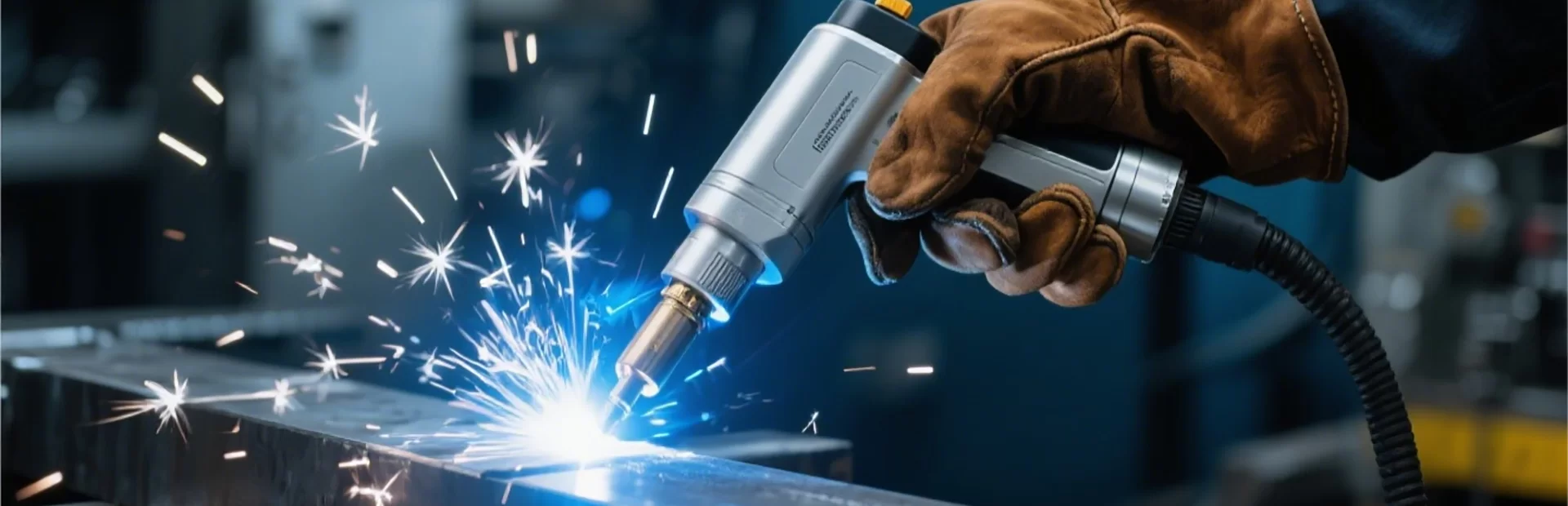
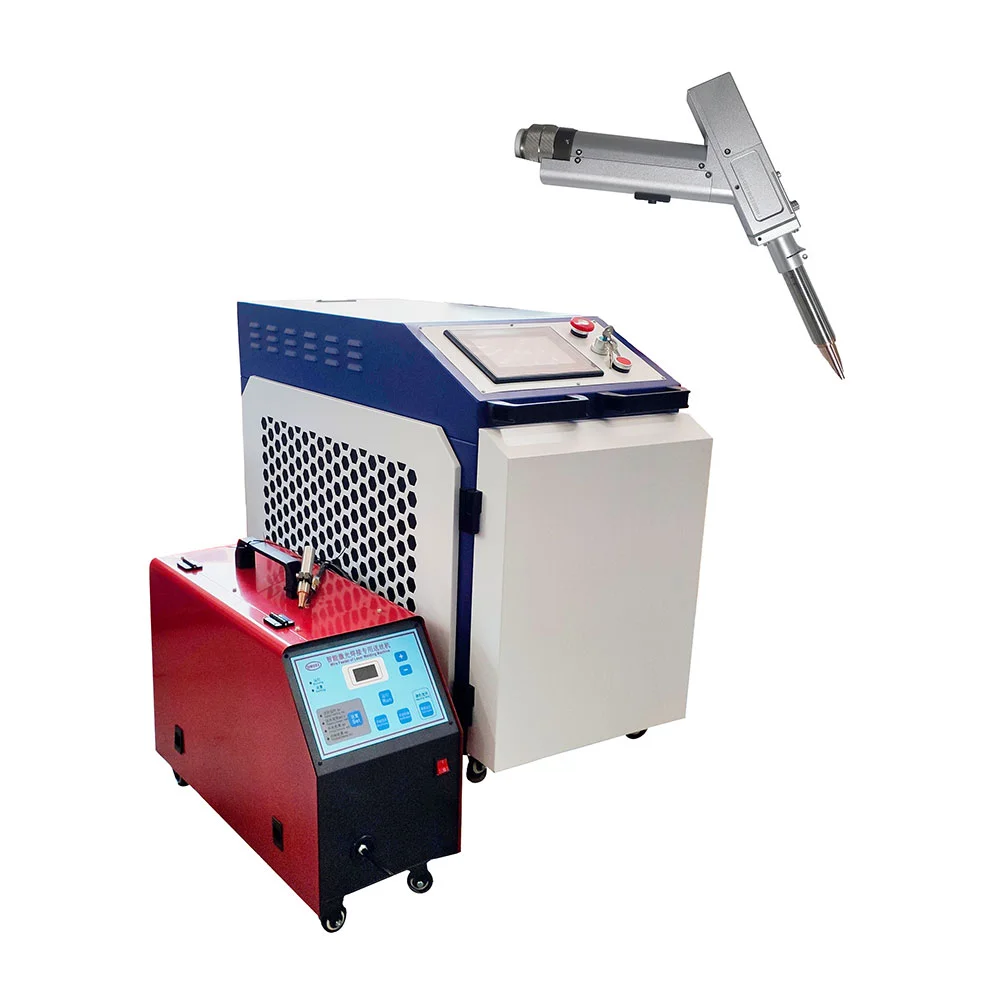
The automotive industry is undergoing a monumental shift. As manufacturers move toward lightweight materials, electric vehicle (EV) architectures, and higher safety standards, traditional welding methods are often found wanting. Enter the handheld laser welding machine, a disruptive technology that has transitioned from a niche tool to a production-line essential.
The automotive supply chain is under constant pressure to increase throughput while reducing defects. Traditional Arc or TIG welding, while reliable, introduces significant heat into the workpiece. In automotive manufacturing, where precision is measured in microns and material integrity is paramount, excessive heat is the enemy.
One of the primary reasons a shop might look for a handheld laser welder for sale is the desire to minimize thermal distortion. Automotive body panels and fuel system components are often made of thin-gauge materials. Traditional welding can cause "oil canning" or warping. Because a laser focuses high energy on a microscopic spot, the Heat Affected Zone (HAZ) is incredibly narrow. This ensures that the structural integrity of the automotive part remains intact without the need for extensive post-weld straightening.
In the premium automotive segment, aesthetics matter as much as structural soundess. Handheld laser welding produces a smooth, concentrated bead that often requires zero grinding or polishing. For manufacturers, this eliminates a secondary step in the production line, significantly lowering the cost per unit.
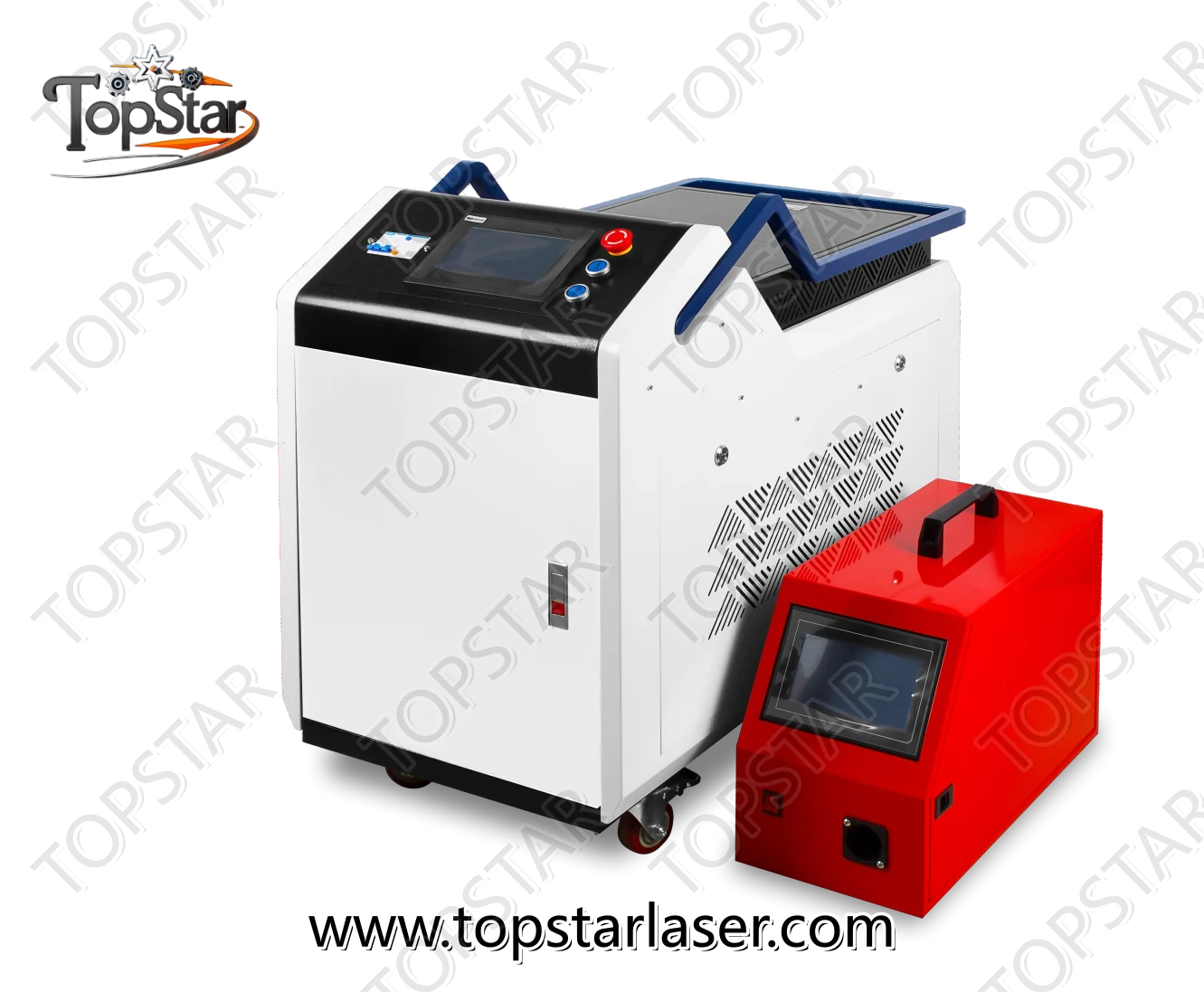
Not all laser welders are created equal. When selecting a handheld laser welding machine manufacturer, automotive engineers must look beyond the price tag. The automotive environment is rigorous, demanding high duty cycles and consistent beam stability.
Fiber Laser Source Reliability: The heart of the machine is the fiber laser source. Leading manufacturers often use sources from reputable brands like IPG, Raycus, or MAX, which offer lifespans of up to 100,000 hours.
Safety Protocols: Automotive plants have strict safety regulations. A top-tier handheld laser welding machine manufacturer will integrate safety features such as dual-contact sensors (ensuring the laser only fires when in contact with the metal) and integrated gas protection logic.
Wobble Head Technology: Modern handheld units utilize "wobble" welding heads. This allows the laser beam to move in various patterns (circles, lines, or figure-eights), which is crucial for filling gaps in automotive assemblies where part fit-up might not be 100% perfect.
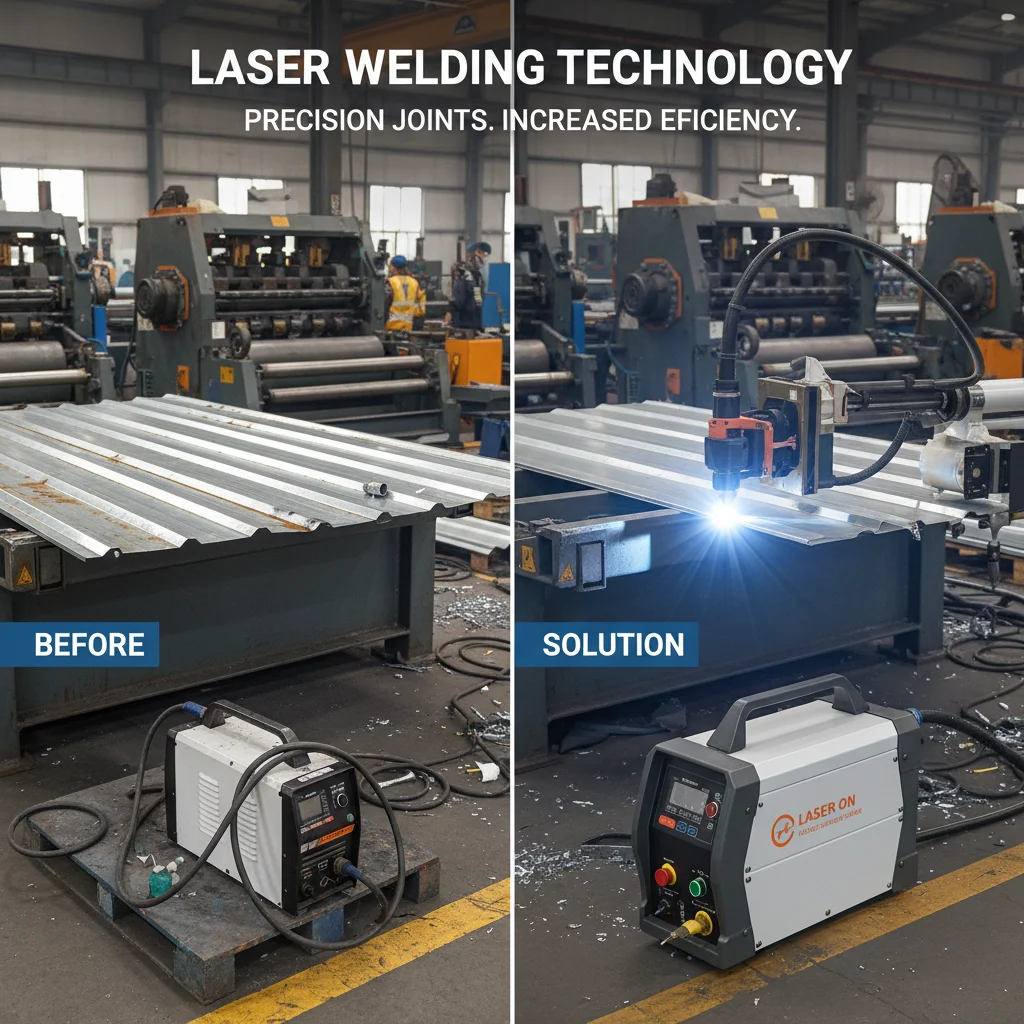
When we compare a handheld laser welding machine to traditional TIG (Tungsten Inert Gas) welding, the productivity gains are staggering. In most automotive applications, laser welding is 4 to 10 times faster than TIG welding.
The transition to EVs has introduced the need to weld dissimilar metals, such as copper to aluminum for battery busbars or high-strength steel to mild steel for chassis reinforcements. A high-quality handheld laser welding machine can handle these combinations with ease, providing a metallurgical bond that is both conductive and structurally sound.
Automotive parts are rarely flat. Exhaust manifolds, suspension components, and intricate engine brackets require welding in tight spaces. The ergonomic design of a modern handheld torch allows technicians to reach angles that would be impossible for a bulky robotic arm or a traditional TIG torch.
For many business owners, the decision to purchase comes down to the Bottom Line. While the initial investment in a handheld laser welder for sale may be higher than a high-end MIG welder, the Return on Investment (ROI) is usually realized within 6 to 12 months.
The "skills gap" is a major hurdle in the automotive industry. It takes years to master TIG welding. Conversely, a technician can be trained to use a handheld laser welding machine to a professional standard in just a few days. This democratization of high-quality welding allows shops to scale their production without waiting for "master" welders to become available.
Unlike MIG welding, which requires constant feeding of wire and replacement of tips, laser welding is a non-contact process. While shielding gas (Argon or Nitrogen) is still required, the overall consumable cost per foot of weld is significantly lower over the long term.
To understand the versatility of this tool, let's look at specific automotive components:
Exhaust Systems: Stainless steel exhaust pipes require airtight, corrosion-resistant welds. The laser's ability to produce deep penetration with a small bead is ideal for manifolds and mufflers.
Battery Enclosures: For the EV market, battery trays must be sealed perfectly to prevent moisture ingress. The speed and precision of a handheld laser welding machine make it the preferred choice for sealing aluminum housings.
Body-in-White (BiW) Repairs: In high-end collision repair, technicians use laser welders to replicate factory-strength welds on high-strength steels without compromising the metal's heat-treated properties.
If you are currently vetting a handheld laser welding machine manufacturer, your checklist should include more than just technical specs.
Expert Tip: Ask for a "Welding Procedure Specification" (WPS) sample. A professional manufacturer should be able to provide data on tensile strength and penetration depth for the specific automotive alloys you use.
Furthermore, ensure the manufacturer provides comprehensive training and local support. In a "just-in-time" automotive production environment, downtime is incredibly expensive. Having a manufacturer that offers rapid-response technical support and a ready supply of protective lenses and nozzles is critical.
The technology is not standing still. We are already seeing the integration of "Smart" features into the handheld laser welding machine. Future models will likely include:
Real-time Weld Monitoring: Sensors that alert the operator if the weld penetration is insufficient.
AI-Assisted Settings: The machine automatically adjusts power and frequency based on the material thickness detected by the nozzle.
Increased Portability: Smaller, air-cooled units that allow for even greater mobility around large automotive frames.
The automotive industry demands perfection, speed, and cost-efficiency. As we have explored, the handheld laser welding machine meets all these requirements, offering a leap forward in how we assemble and repair the vehicles of tomorrow.
Whether you are a small specialist shop looking for a handheld laser welder for sale to improve your custom builds, or a large-scale parts supplier evaluating a handheld laser welding machine manufacturer for a new production line, the evidence is clear: laser technology is the new gold standard. By reducing heat distortion, increasing production speed, and lowering the barrier to entry for high-quality welding, this technology is truly driving the future of automotive manufacturing.