Shijiazhuang Topstar
International Trading Co., Ltd.


Get In Touch
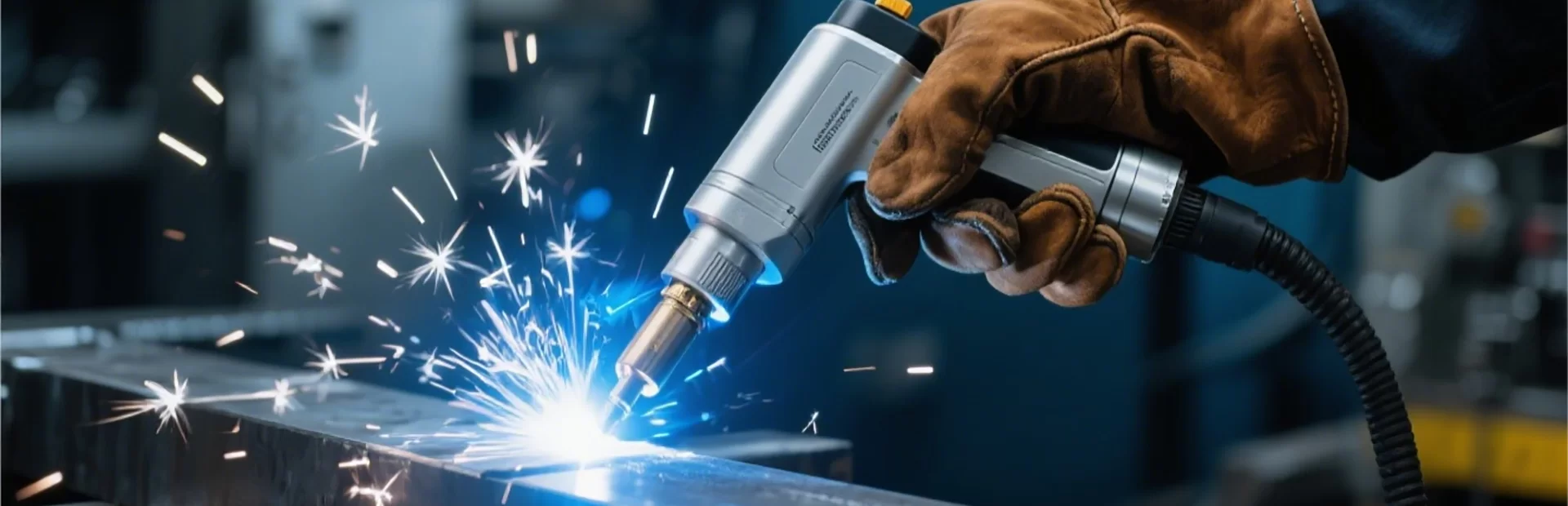
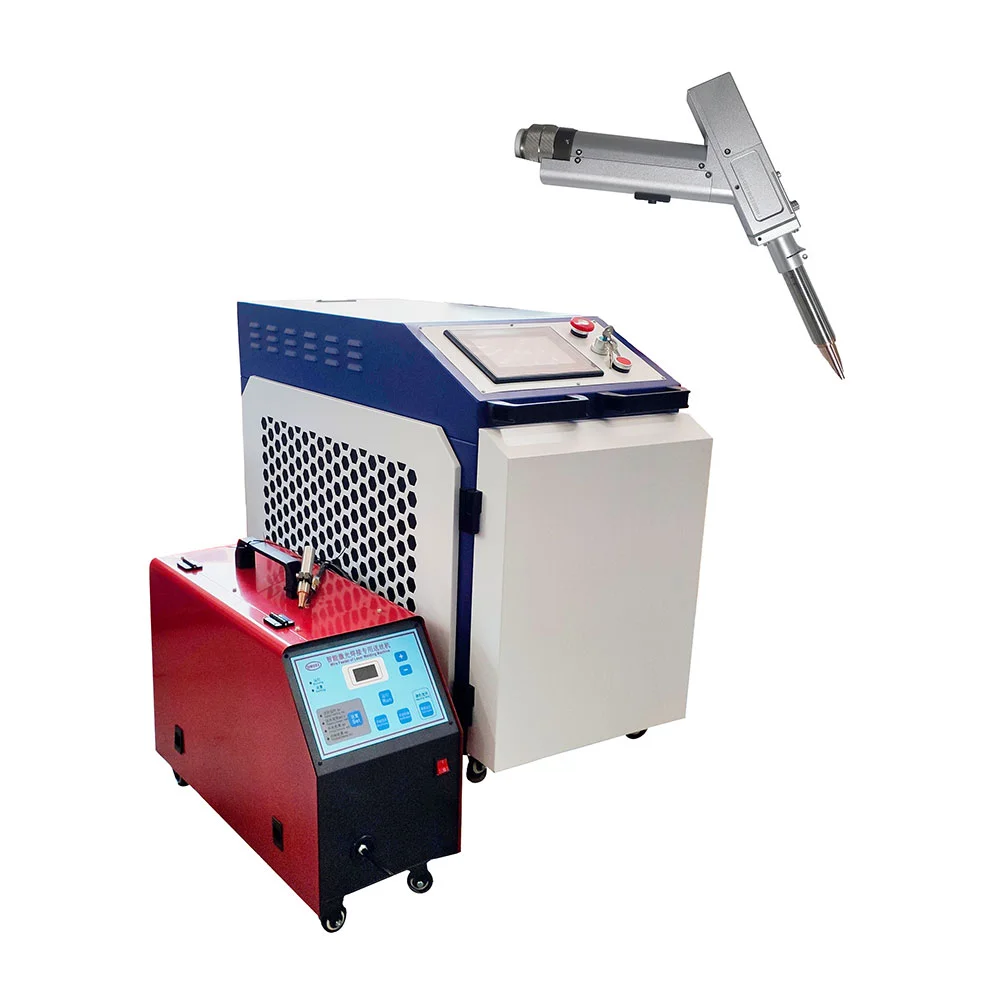
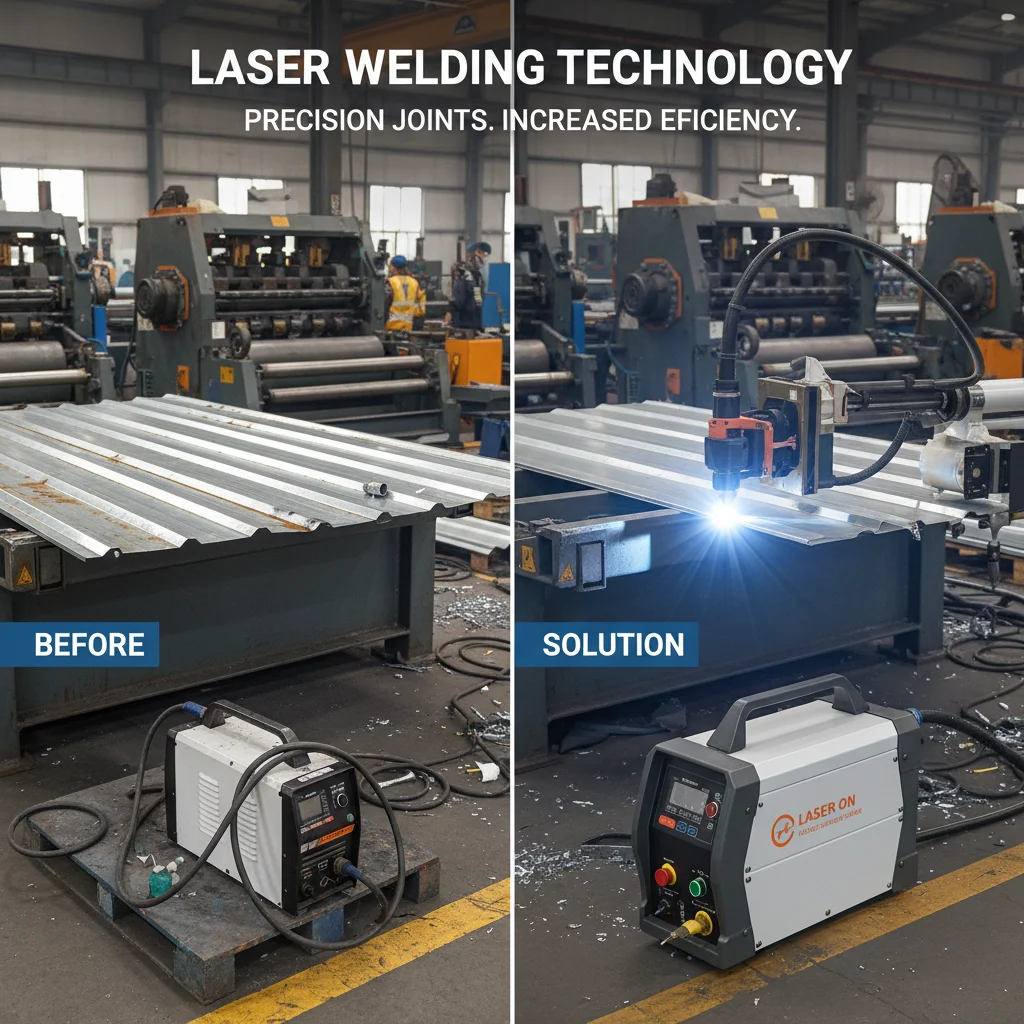
The kitchen equipment manufacturing industry is undergoing a significant transformation. As commercial and residential consumers demand higher standards for hygiene, durability, and aesthetics, traditional welding methods like TIG (Tungsten Inert Gas) and MIG (Metal Inert Gas) are struggling to keep pace. The solution that is rapidly becoming the industry standard is the portable laser welding machine.
In an environment where stainless steel is the dominant material, the ability to create seamless, strong, and visually perfect joints is a competitive necessity.
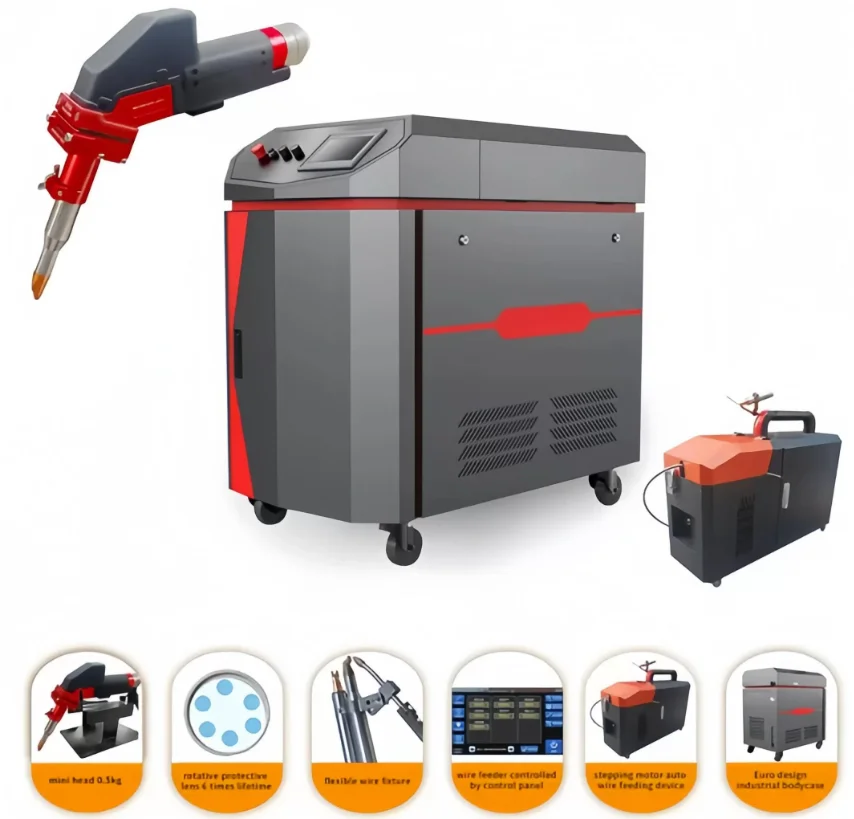
The primary material in kitchenware is stainless steel (often 304 or 316 grade), prized for its corrosion resistance and food safety properties. However, welding thin-gauge stainless steel with traditional methods is notoriously difficult. It often leads to warping, discoloration, and "burn-through." This is where the portable handheld laser welding machine shines.
Traditional arc welding generates a massive amount of heat that radiates far beyond the weld joint. This causes thin metal sheets—common in kitchen cabinets—to buckle or warp. A portable laser welding machine uses a highly concentrated fiber laser beam. The heat is so localized that the surrounding metal remains cool to the touch, virtually eliminating thermal deformation.
In high-end kitchen design, the weld must be invisible. Traditional welding leaves a heavy bead that requires hours of grinding and polishing. A lightweld handheld laser welding system produces a fine, clean bead that often requires no post-processing. For a manufacturer, this means the "grinding room" bottleneck is eliminated, significantly reducing labor costs and improving throughput.
Efficiency in kitchen equipment manufacturing is measured by the "cost per weld." When shops upgrade to a lightweld handheld laser welding system, they aren't just buying a tool; they are upgrading their entire workflow.
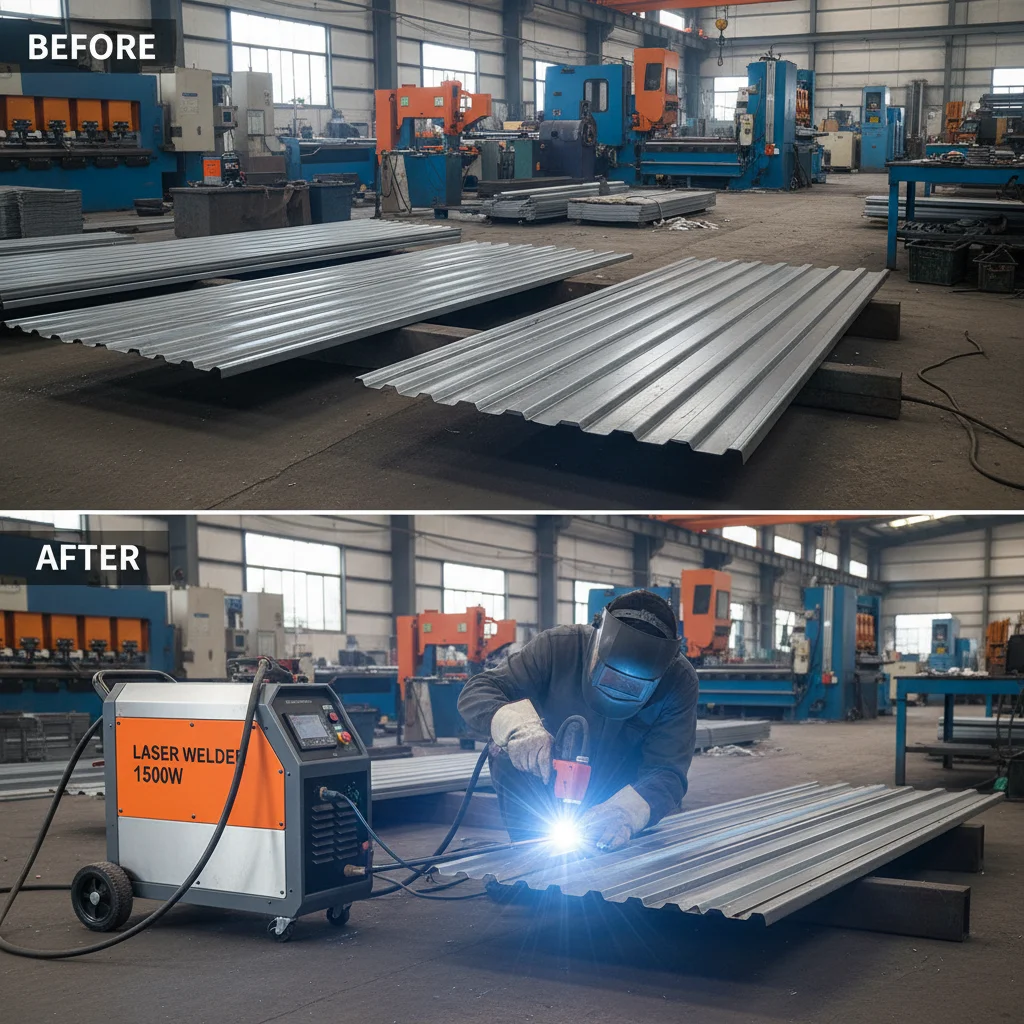
Laser welding is typically 4 to 10 times faster than traditional TIG welding. In a high-volume environment—such as the production of commercial refrigerator liners or steam tables—this speed translates directly to increased revenue. A task that once took an hour of meticulous TIG work can now be completed in ten minutes with a portable handheld laser welding machine.
The industry is currently facing a shortage of highly skilled TIG welders. TIG welding is an art form that takes years to master. Conversely, the lightweld handheld laser welding system is designed with an intuitive interface and "point-and-shoot" simplicity. A novice operator can be trained to produce high-quality, structurally sound welds in less than a day, allowing manufacturers to scale their workforce more flexibly.
Kitchen equipment often involves complex geometries—tight corners in sinks, intricate brackets in dishwashers, and long, continuous seams in ventilation hoods. A portable handheld laser welding machine offers the maneuverability needed to navigate these challenges.
Despite the narrowness of the laser beam, the penetration is deep. This is crucial for load-bearing kitchen equipment like industrial prep tables or heavy-duty shelving units. The laser creates a metallurgical bond that is often stronger than the parent material itself.
Modern kitchens often mix materials—copper accents on stainless steel hoods or aluminum components in appliance housing. Traditional welding struggles with the different melting points and reflectivity of these metals. Advanced portable laser welding machine units come with adjustable "wobble" parameters that allow the laser to successfully bridge gaps and fuse dissimilar metals that were previously considered "un-weldable" in a handheld configuration.
In the food service industry, hygiene is non-negotiable. Welds must be "sanitary," meaning they must be free of pits, cracks, or crevices where bacteria can grow.
The precision of a portable handheld laser welding machine ensures a dense, pore-free weld. This is vital for equipment like soup kettles or milk processing tanks where any microscopic gap can lead to contamination and failure of health inspections.
Traditional welding often requires "pickling" or chemical cleaning to remove the oxidation (rainbowing) caused by excessive heat. Because the lightweld handheld laser welding system uses precise gas shielding and controlled heat, the amount of oxidation is minimal. This reduces the manufacturer's reliance on harsh chemicals, making the factory a safer and more environmentally friendly workplace.
While the initial purchase price of a portable laser welding machine is higher than a standard TIG inverter, the Return on Investment (ROI) is remarkably fast in the kitchenware sector.
When choosing a portable laser welding machine, manufacturers must consider the longevity of the fiber laser source. Leading systems today are rated for 100,000 hours of operation. Since the process is non-contact, there is very little wear and tear on the machine itself.
Maintenance usually involves simple steps:
Protective Lens Replacement: Ensuring the lens is clean to maintain beam quality.
Coolant Management: For water-cooled units, ensuring the chiller is functioning correctly (though many modern lightweld handheld laser welding system units are now air-cooled for even greater portability).
Nozzle Care: Keeping the copper nozzle free of spatter.
The shift toward the portable laser welding machine is not just a trend; it is a fundamental evolution in manufacturing technology. For the kitchen equipment industry, where the balance between structural integrity and surgical cleanliness is paramount, laser welding offers an unbeatable advantage.
By integrating a portable handheld laser welding machine into the production line, manufacturers can produce better products, faster, and with lower labor costs. Whether you are fabricating a bespoke kitchen for a Michelin-star restaurant or mass-producing stainless steel components for a global appliance brand, the lightweld handheld laser welding system provides the precision and power needed to stay ahead of the competition.