Shijiazhuang Topstar
International Trading Co., Ltd.


Get In Touch
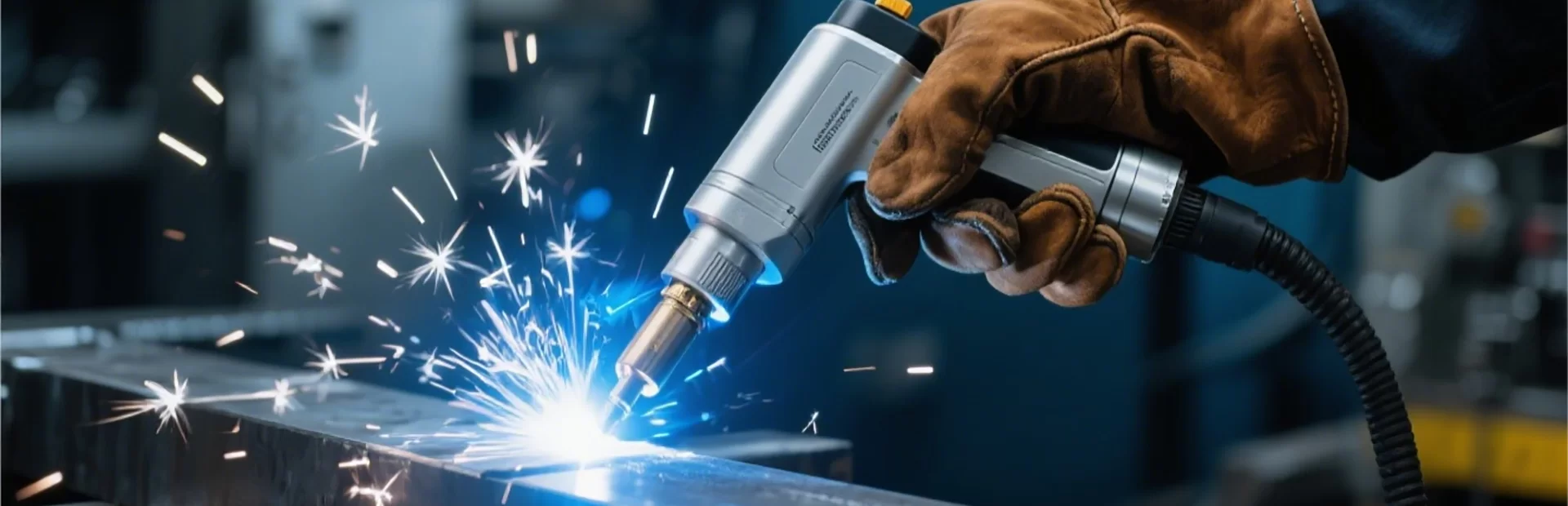
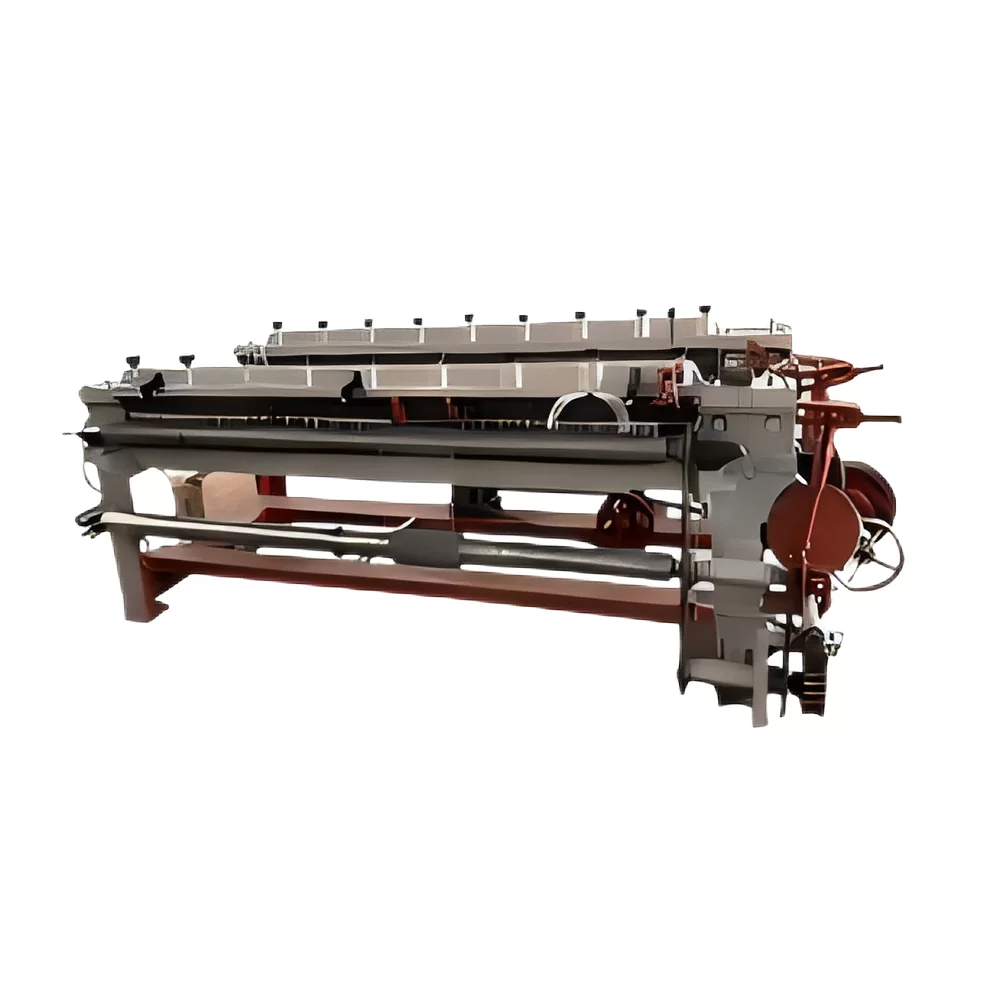
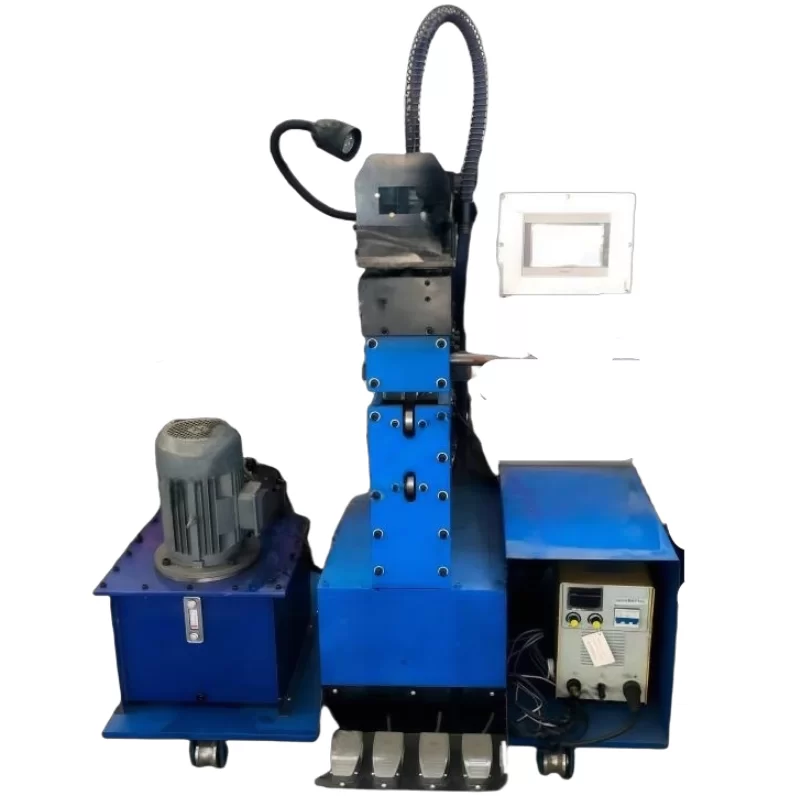
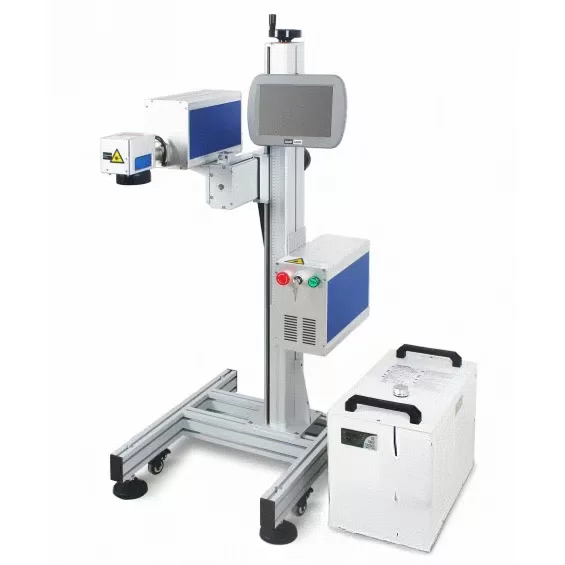
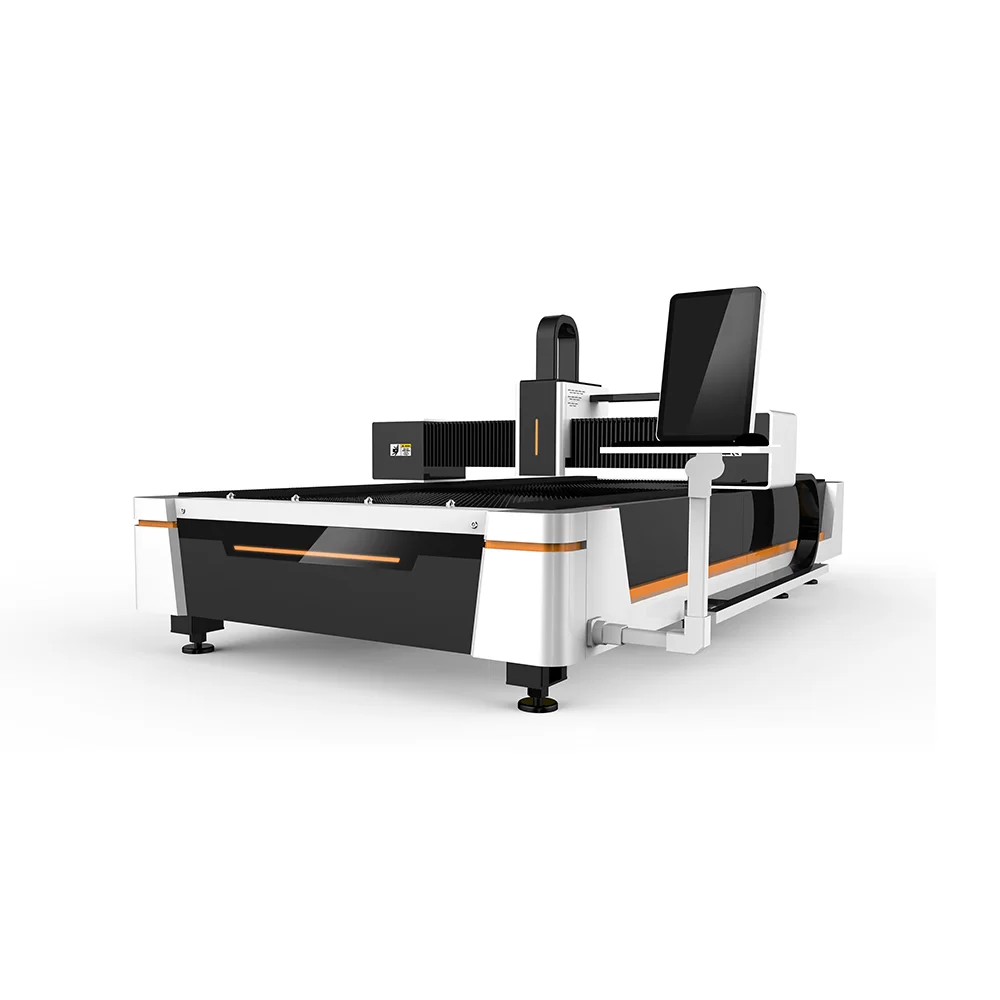
The automatic platform laser welding machine is a modern, high-end welding machine that integrates a high-precision laser source, a computer numerical control (CNC) motion system, and a vision positioning system. It uses a high-energy-density laser beam as a heat source, precisely applying it to the work piece joints to achieve instant melting and permanent connection.
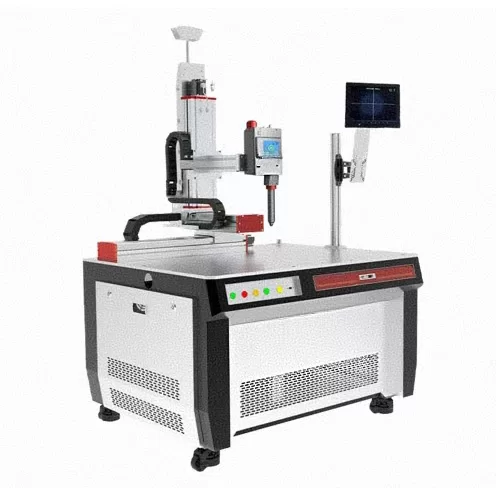
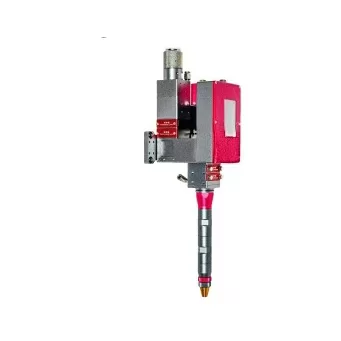
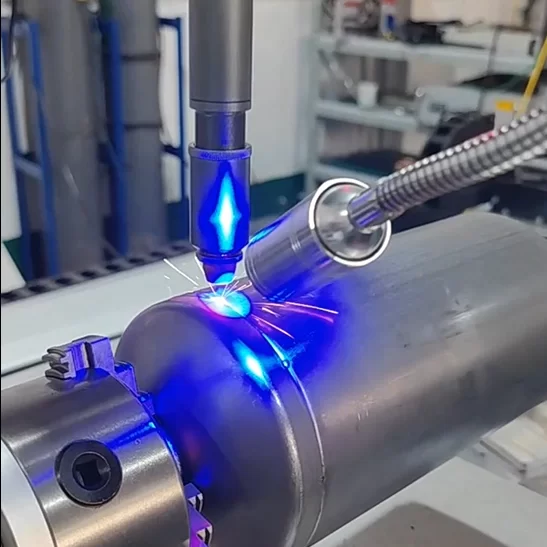
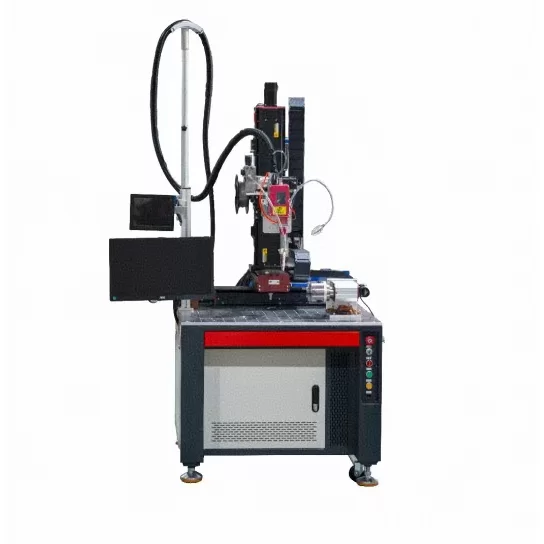
The automatic platform laser welding machine solves the accuracy, deformation and efficiency problems that are difficult to overcome by traditional welding methods by perfectly combining laser technology with CNC automation, and is increasingly becoming a standard configuration in modern factories..
1.Ultra-High Precision and Quality
The laser beam spot is small (down to micron level), resulting in a minimal heat-affected zone (HAZ), aesthetically pleasing welds with minimal deformation, enabling seamless welding of precision components.
2. High Efficiency and Automation
Welding speeds are fast, eliminating the need for filler wire. Combined with an automated platform, this system enables 24/7 continuous production, significantly improving productivity and reducing labor costs.
3.Excellent Process Flexibility
Software allows for easy adjustment of parameters such as welding path, power, and speed, enabling rapid adaptation to the production needs of diverse products. This makes it particularly suitable for flexible production of small batches and high-variety products.4. High efficiency and energy saving design
4. Powerful Welding Capabilities
Capable of welding high-melting-point, high-reflectivity metals (such as gold, silver, copper, and aluminum), and capable of dissimilar welding between different metals.
5.Non-Contact Processing
No mechanical stress, no tool wear, and minimal work piece contamination.
6.Data Traceability
Advanced equipment records and stores process parameters for each weld, facilitating quality tracking and production process control.
1. New Energy Vehicles
Welding of power battery cells, modules, and packages (such as battery casings, explosion-proof valves, terminals, etc.), and precision welding of motors and electronic control systems.
2. Consumer Electronics
Welding of mobile phone mid-plates, internal components, camera modules, earphones, precision sensors, and components.
3. Medical Devices
Pacemakers, endoscopes, surgical instruments, dental implants, etc., requiring sterile, contamination-free, and highly biocompatible welding.
4. Hardware & Appliances
Precision mold repair, kitchenware, eyeglass frames, jewelry, bathroom fixtures, etc.
5. Automotive Parts
Engine parts, sensors, filters, valves, transmission gears, etc.
Items | Specification | ||
Laser Power | 1500w | 2000w | 3000w |
Welding Range | 500mm*300mm*400mm | ||
Welding Seam Requirements | Autogenous Welding: ≤15% of plate thickness | ||
Net Weight | 550kg | 570kg | 600kg |
Device Dimensions | 970*800*1700mm | ||
Welding Thickness | ≤3mm | ≤5mm | ≤8mm |
Cooling Method | Water | ||
Operating Temperature Range | 0-40°C | ||
Total Power | 10kw | 15kw | 20kw |
Voltage/Frequency | 220V, 50/60Hz (optional upon prior notification) | ||
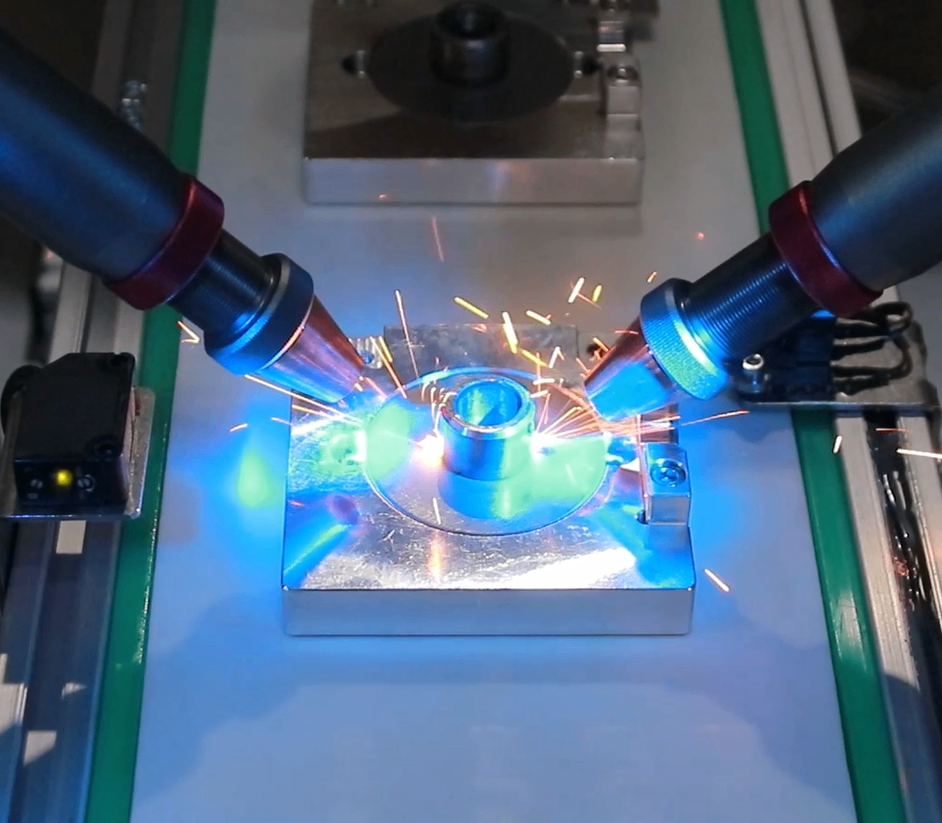
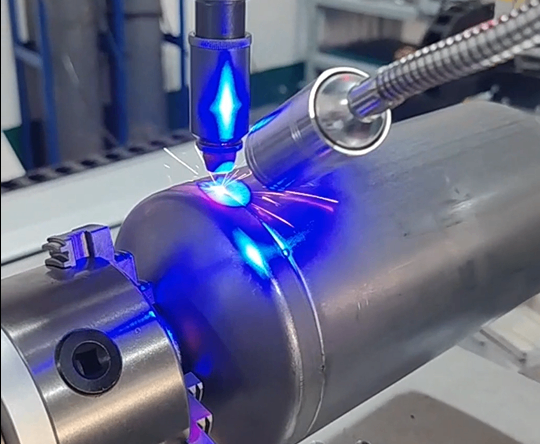
The demand for precision in modern manufacturing has reached unprecedented levels, driving the industry away from traditional thermal joining methods toward advanced photonic solutions. The automatic platform laser welding machine represents the pinnacle of this evolution, offering a level of control and accuracy that was previously impossible. Precision welding is not merely about making a small joint; it is about managing energy with such finesse that the surrounding material remains completely unaffected by the thermal process.
The Physics of Precision: Micron-Level Control
At the core of an automatic laser welding machine is the ability to focus energy into a spot size that can be as small as a few microns. This high energy density allows for a process known as ""keyhole welding,"" where the laser vaporizes a small amount of metal to create a deep, narrow cavity. Because the energy is so concentrated, the heat-affected zone (HAZ) is drastically reduced compared to TIG or MIG welding. In traditional welding, the broad arc spreads heat into the surrounding area, causing thermal expansion and subsequent contraction, which leads to warping and internal stresses.
With an automated laser welding machine, the cooling rate is exceptionally fast. This rapid solidification helps in maintaining the microstructural integrity of the base metal. For precision components used in aerospace or high-end instrumentation, this means that the mechanical properties of the part—such as hardness and tensile strength—are preserved right up to the edge of the weld seam.
CNC Automation and Repeatability
Precision is meaningless if it cannot be repeated across thousands of units. This is where the integration of CNC (Computer Numerical Control) automation becomes vital. A cnc automatic welding machine utilizes high-precision linear motors and ball screws to move the workpiece or the laser head with sub-millimeter repeatability.
The consumer electronics industry is characterized by two relentless trends: miniaturization and increased functional density. As smartphones, wearables, and earphones become smaller, the internal components become more crowded, leaving almost zero room for error in assembly. The automatic laser welding machine has become an indispensable tool in this sector, providing the non-contact, high-speed joining required for high-volume electronics production.
Miniaturization and Heat Sensitivity
Electronics components, such as camera modules, micro-sensors, and mobile phone mid-plates, are packed with heat-sensitive semiconductors and plastic insulators. Traditional soldering or arc welding generates too much ambient heat, which can melt internal plastic parts or destroy delicate integrated circuits.
An automatic platform laser welding machine solves this by utilizing ultra-short pulses of light. The energy is delivered so quickly that the metal reaches its melting point and solidifies before the heat has time to conduct into the sensitive internal electronics. This ""cold"" welding effect is the reason why laser technology is the standard for assembling mobile phone components, where the weld must be strong enough to withstand drops but gentle enough to protect high-resolution camera sensors.
Non-Contact Processing and Contamination Control
In electronics manufacturing, even a microscopic particle of dust or a tiny drop of solder flux can cause a short circuit or a mechanical failure. Since laser welding is a non-contact process, there is no physical ""tool"" touching the workpiece. There is no tool wear to worry about, and more importantly, no mechanical stress is applied to the component during the process.
Furthermore, because an automatic fiber laser welding machine often requires no filler wire, the risk of introducing foreign contaminants into the assembly is minimized. The process is clean and can be easily integrated into cleanroom environments (ISO Class 5 or higher), which is essential for the production of high-end consumer electronics and medical devices like endoscopes and pacemakers.
Selecting the correct laser power is perhaps the most critical decision when configuring an automatic platform laser welding machine. Power is not just a measure of ""strength""; it dictates the penetration depth, the welding speed, and the overall quality of the joint. Choosing a power level that is too low will result in ""cold"" welds with poor fusion, while too much power can lead to excessive spatter, burn-through, and a larger heat-affected zone.
Understanding Material Thickness and Penetration
The primary factor in power selection is the material being welded and its thickness. Generally, the relationship between power and penetration depth is linear up to a certain point.
Low Power (100W – 500W): These machines are typically used for ultra-thin materials, such as battery tabs, foil-to-tab connections in consumer electronics, and fine jewelry. They offer the highest level of precision for welds that are less than 0.5mm deep.
Medium Power (500W – 1500W): This is the ""sweet spot"" for most industrial applications. An automatic laser welding machine supplier will often recommend this range for stainless steel and carbon steel up to 3mm thick. It is ideal for automotive sensors, medical tools, and kitchenware.
High Power (2000W and above): Required for deep penetration welding of thick plates (over 4mm) or for materials with extremely high thermal conductivity like pure copper and aluminum alloys.
Material Reflectivity and Absorption
Different metals absorb laser light at different rates. Fiber lasers, which operate at a wavelength of approximately 1070nm, are absorbed very well by steel and nickel. However, materials like gold, silver, copper, and aluminum are highly reflective at this wavelength. When welding these metals, a higher initial power (or a specific pulse shape) is required to overcome the ""reflectivity barrier.""
Once the metal melts, its absorption rate increases dramatically. A sophisticated automated laser welding machine can be programmed to deliver a high-power ""spike"" to initiate the melt pool, followed by a lower power ""tail"" to maintain the weld. This prevents the ""over-drilling"" effect and produces a smooth, consistent bead on high-reflectivity materials.