Shijiazhuang Topstar
International Trading Co., Ltd.


Get In Touch
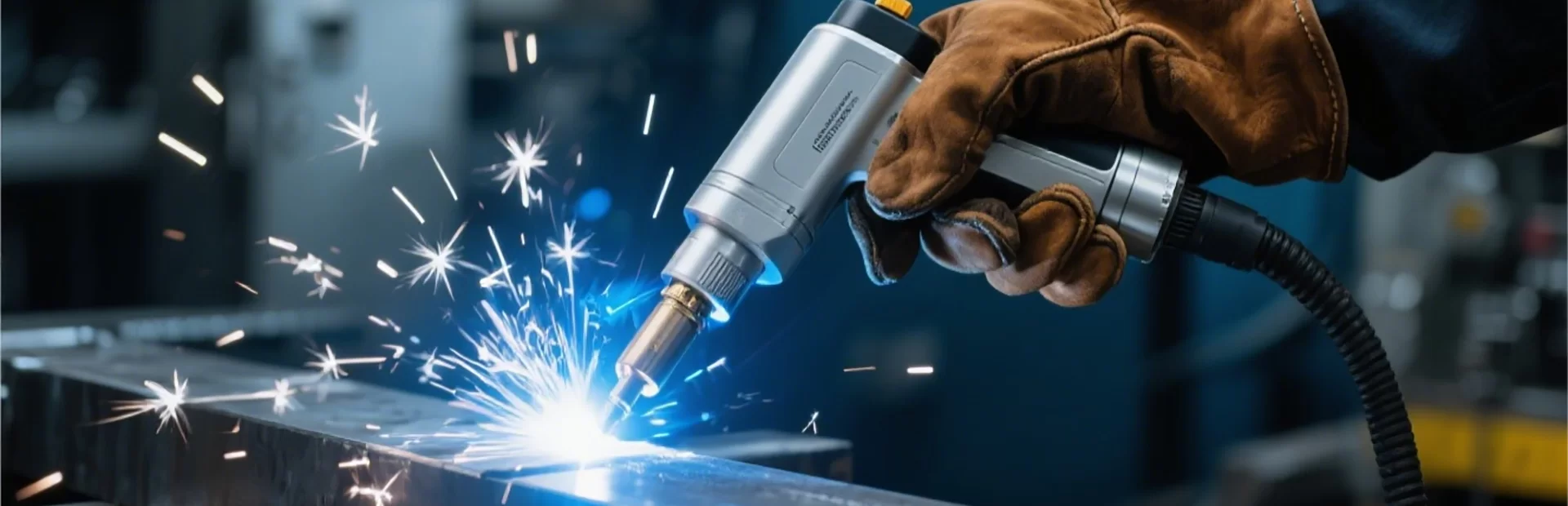
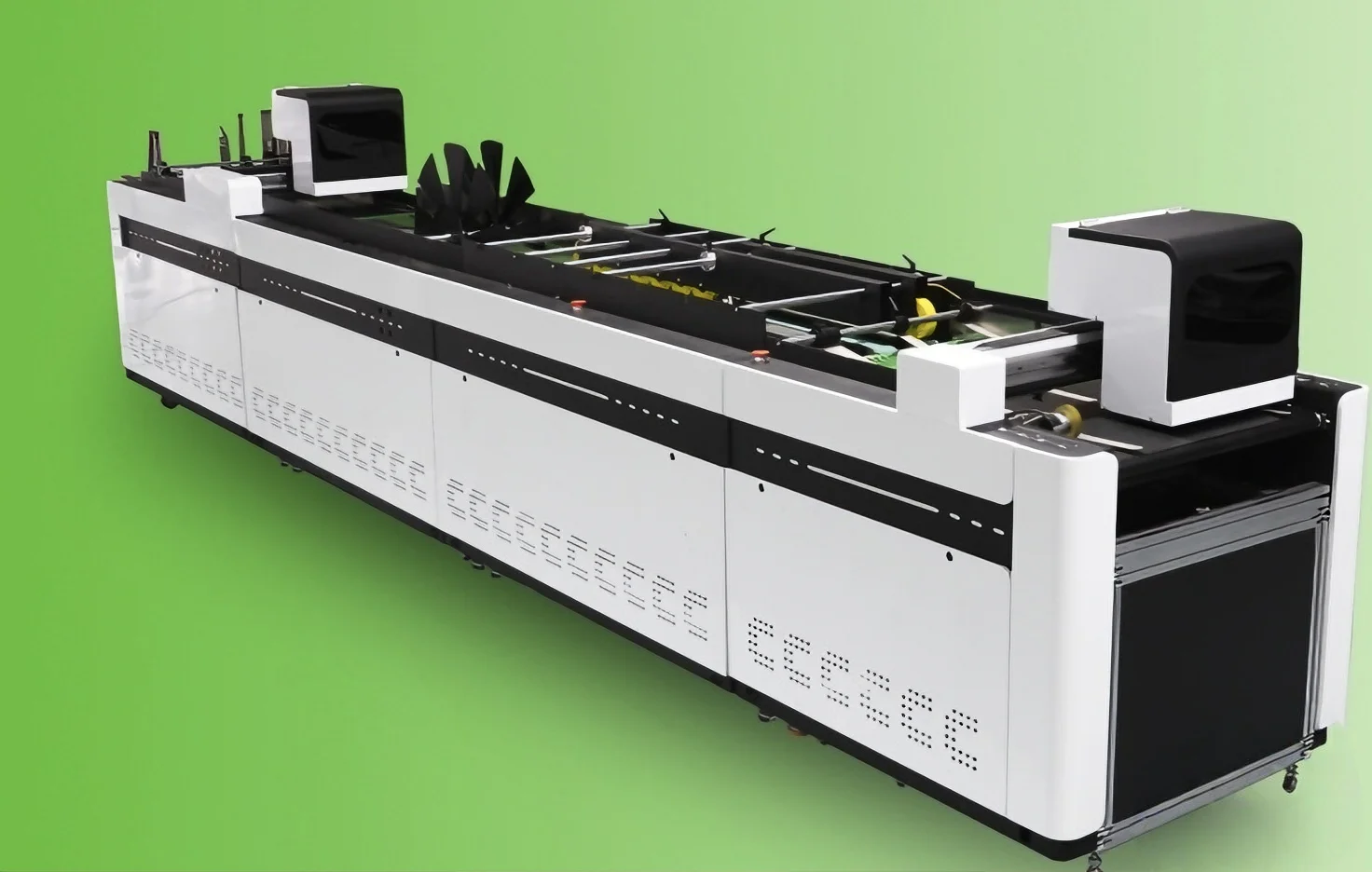
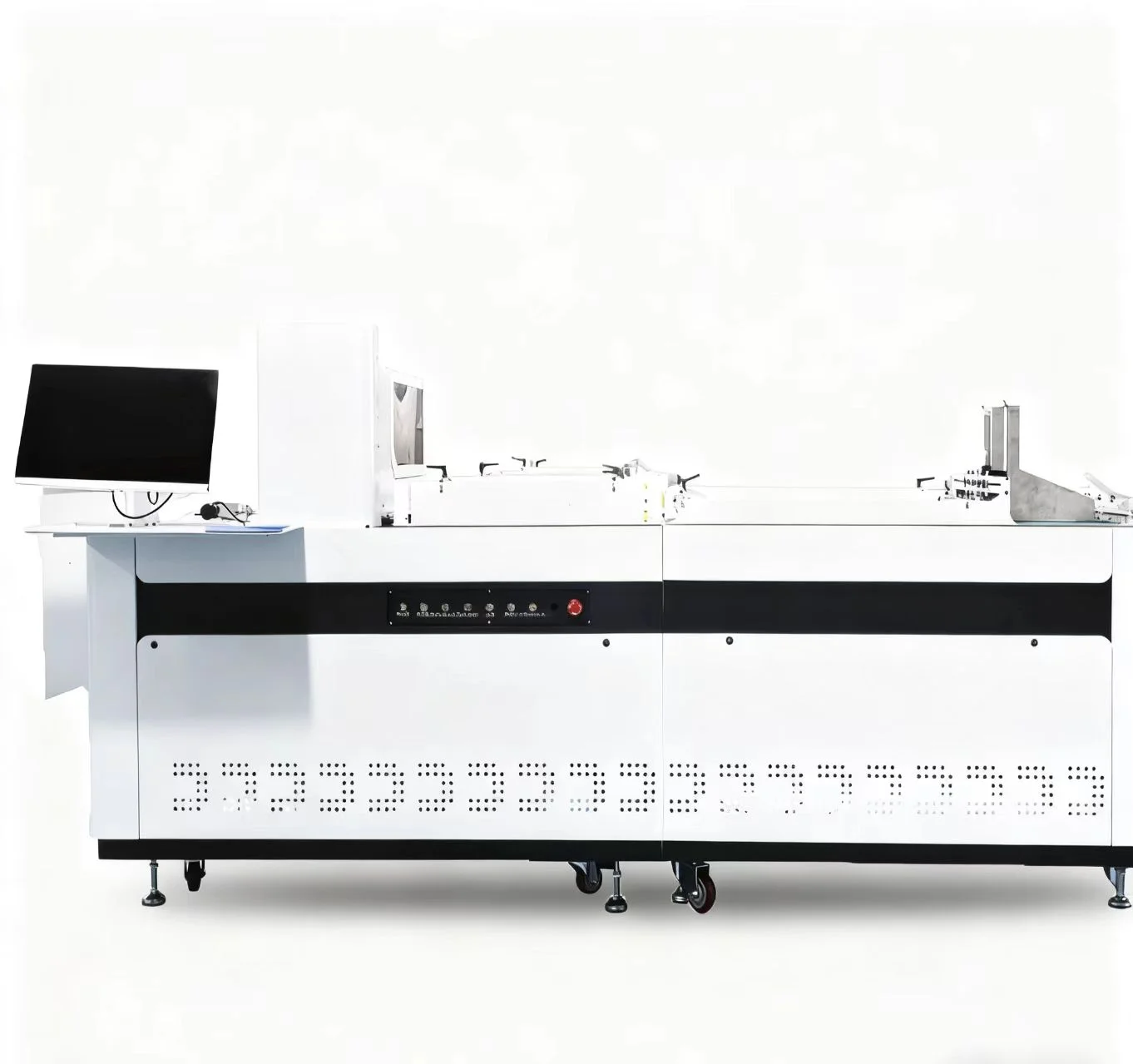
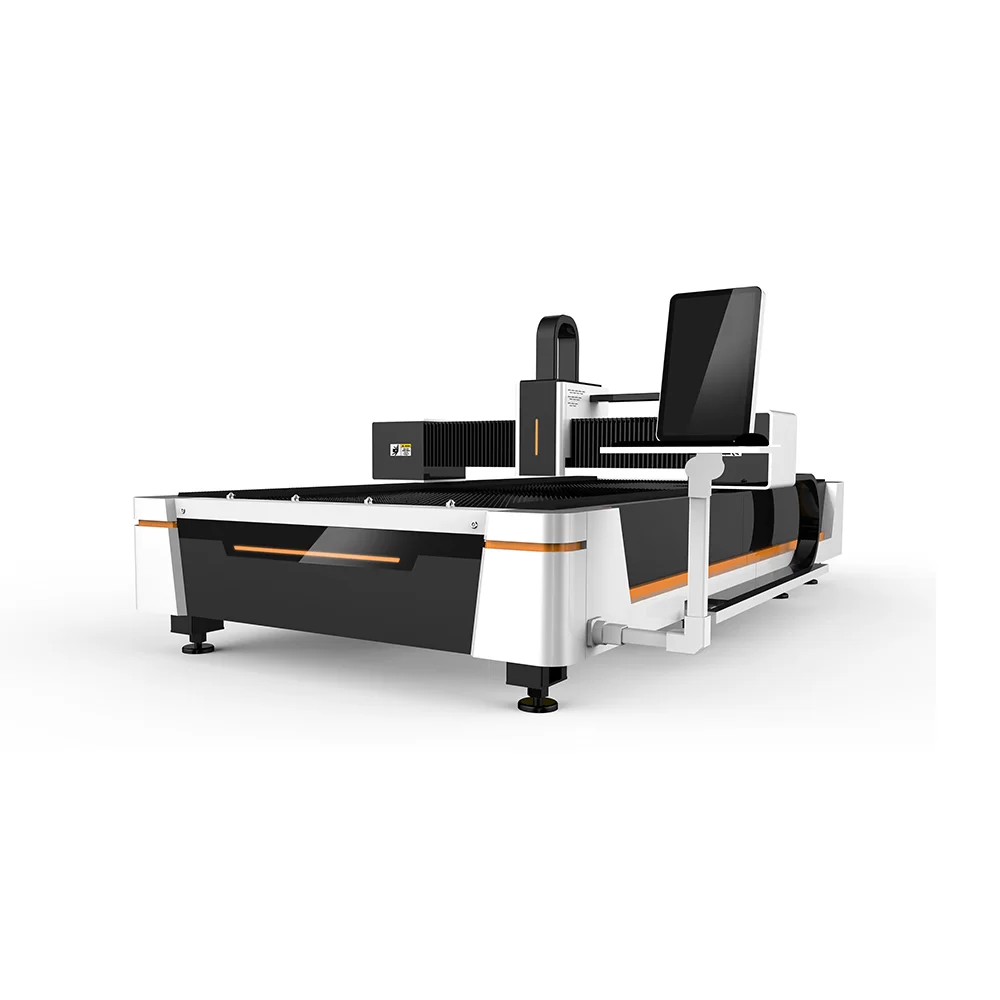
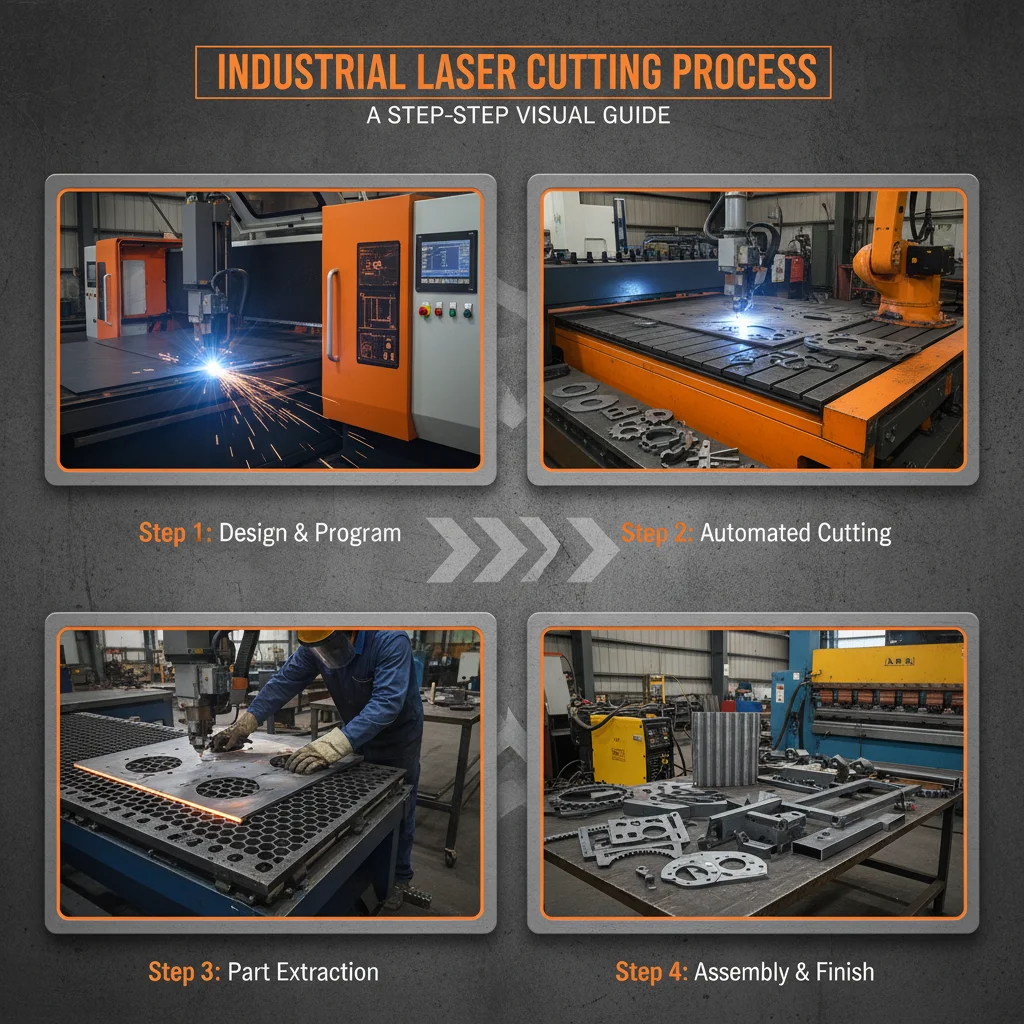
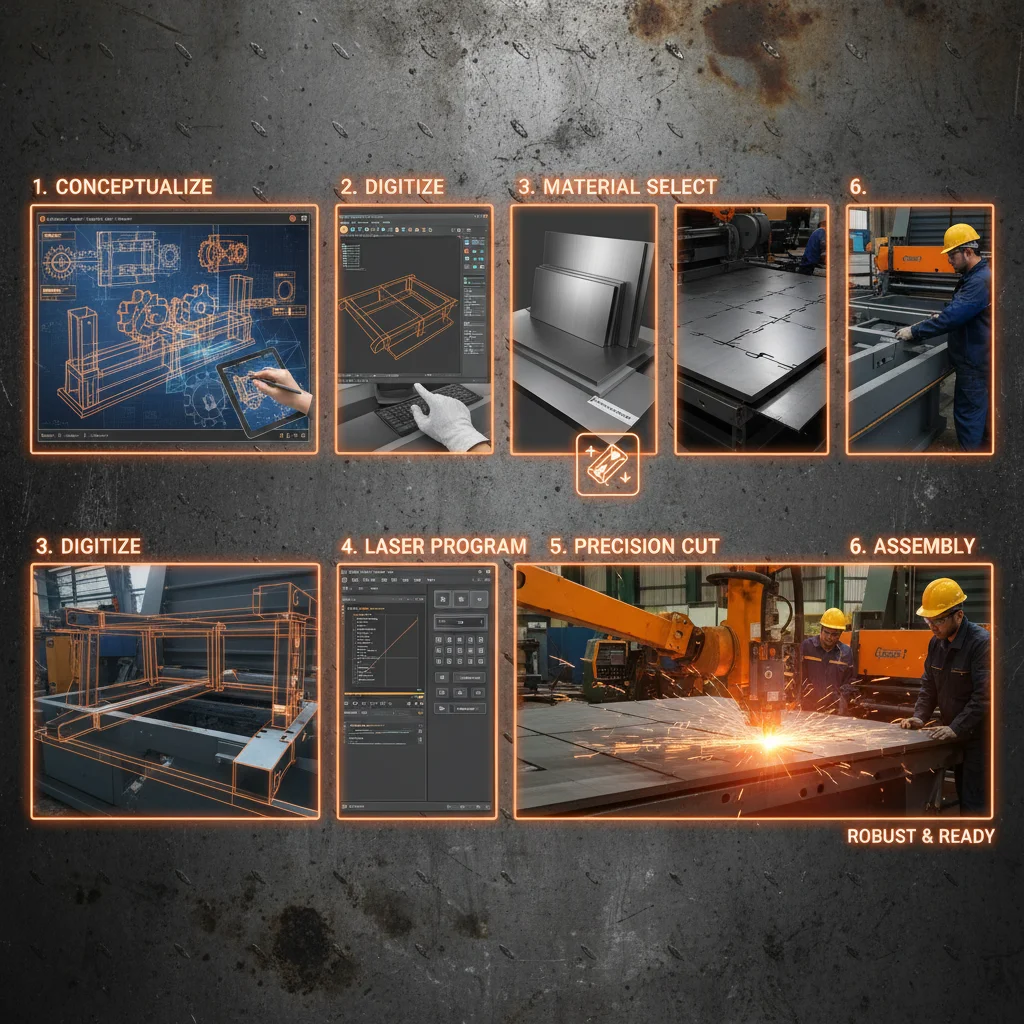
Having spent a good chunk of my career knee-deep in the industrial equipment world, I’ve seen firsthand how automated laser cutting has transformed manufacturing floors. It’s less just about the tech flash and more about the quietly radical boost in efficiency and repeatability these systems deliver — really impressive stuff. Oddly enough, despite the cutting-edge optics and lasers involved, the core appeal still feels surprisingly down-to-earth.
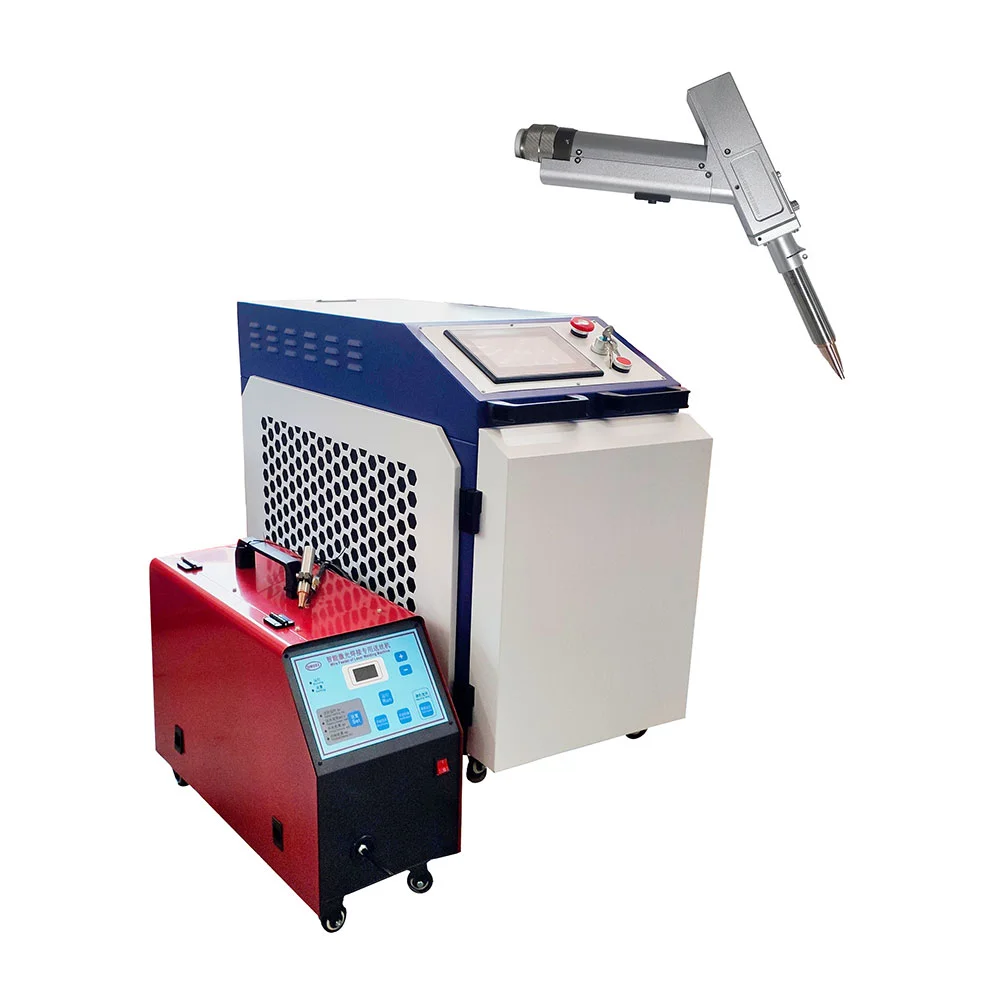
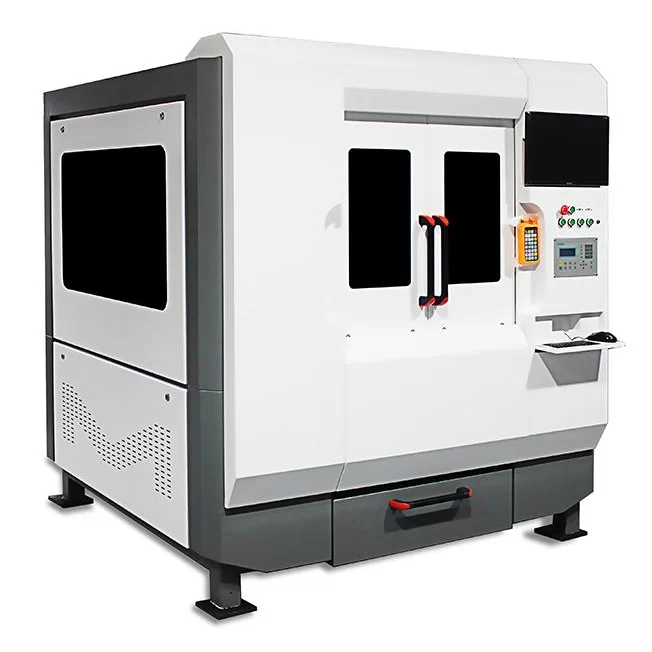
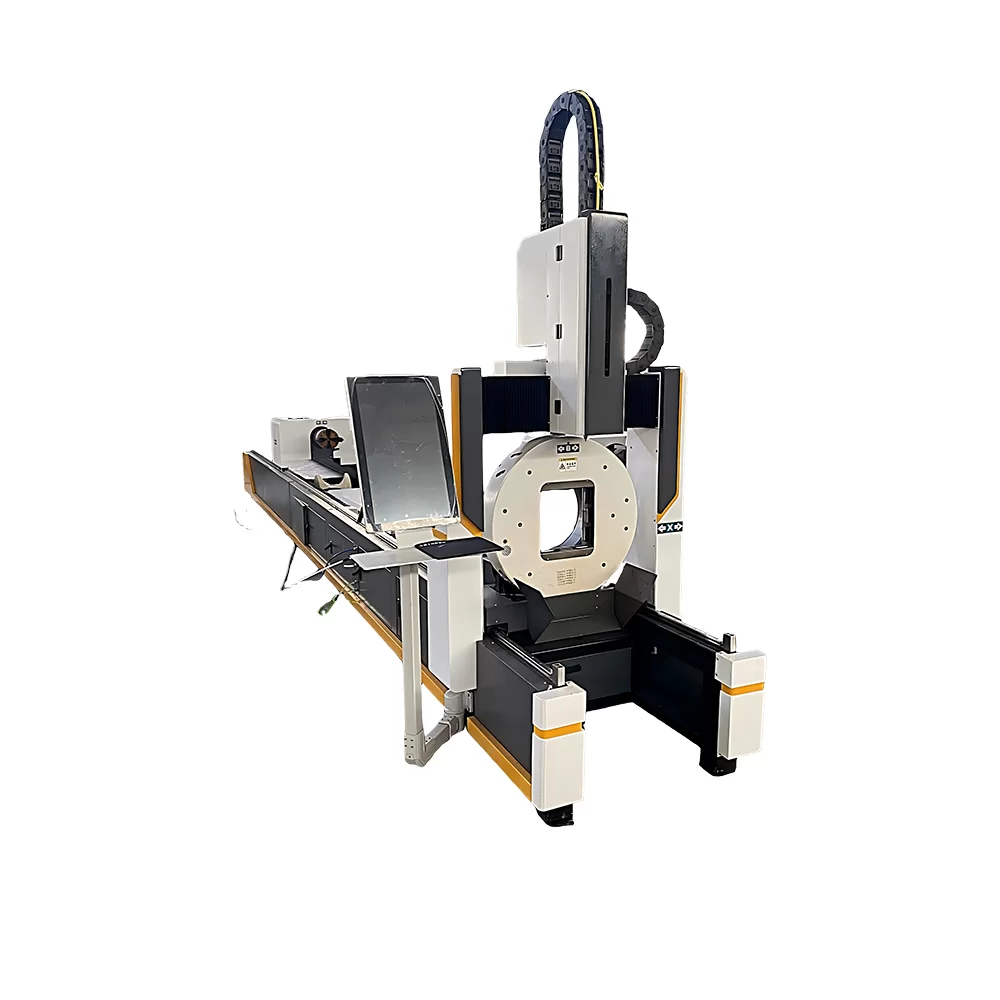
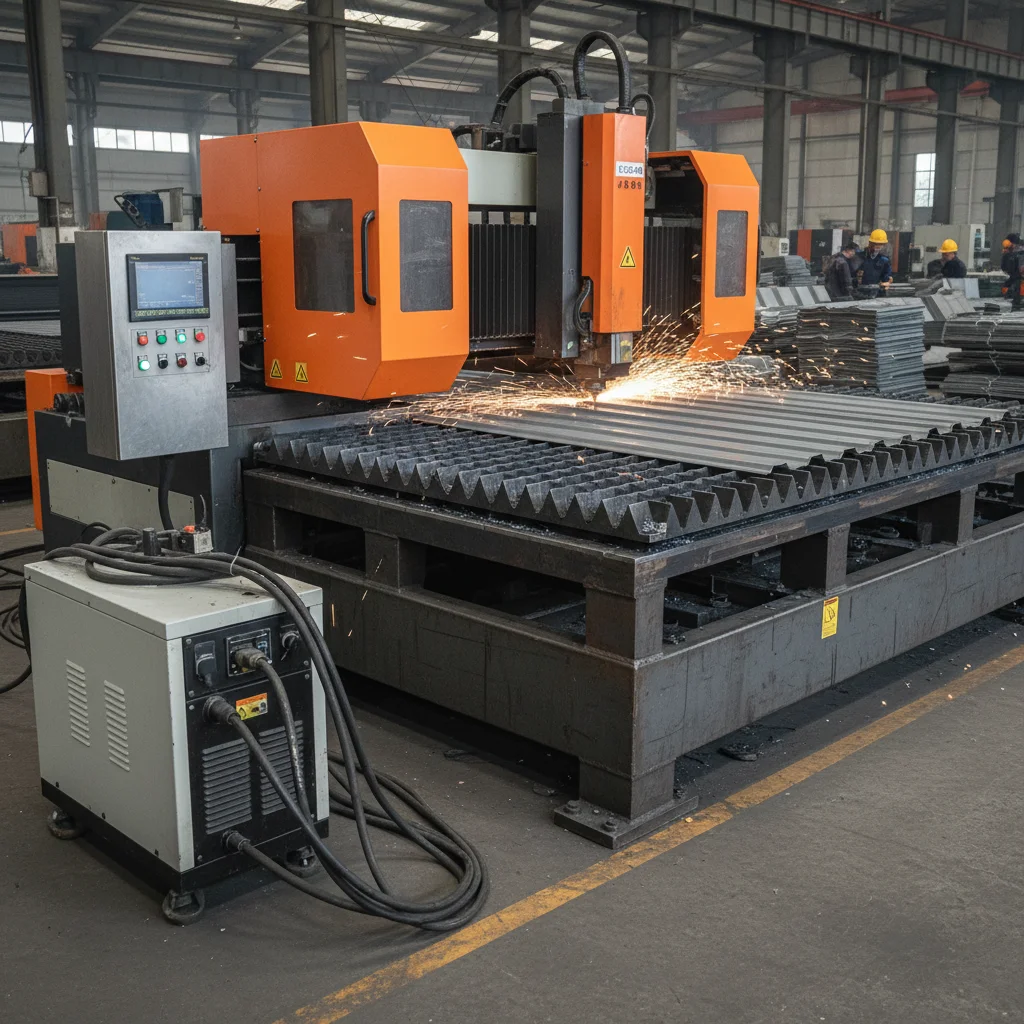
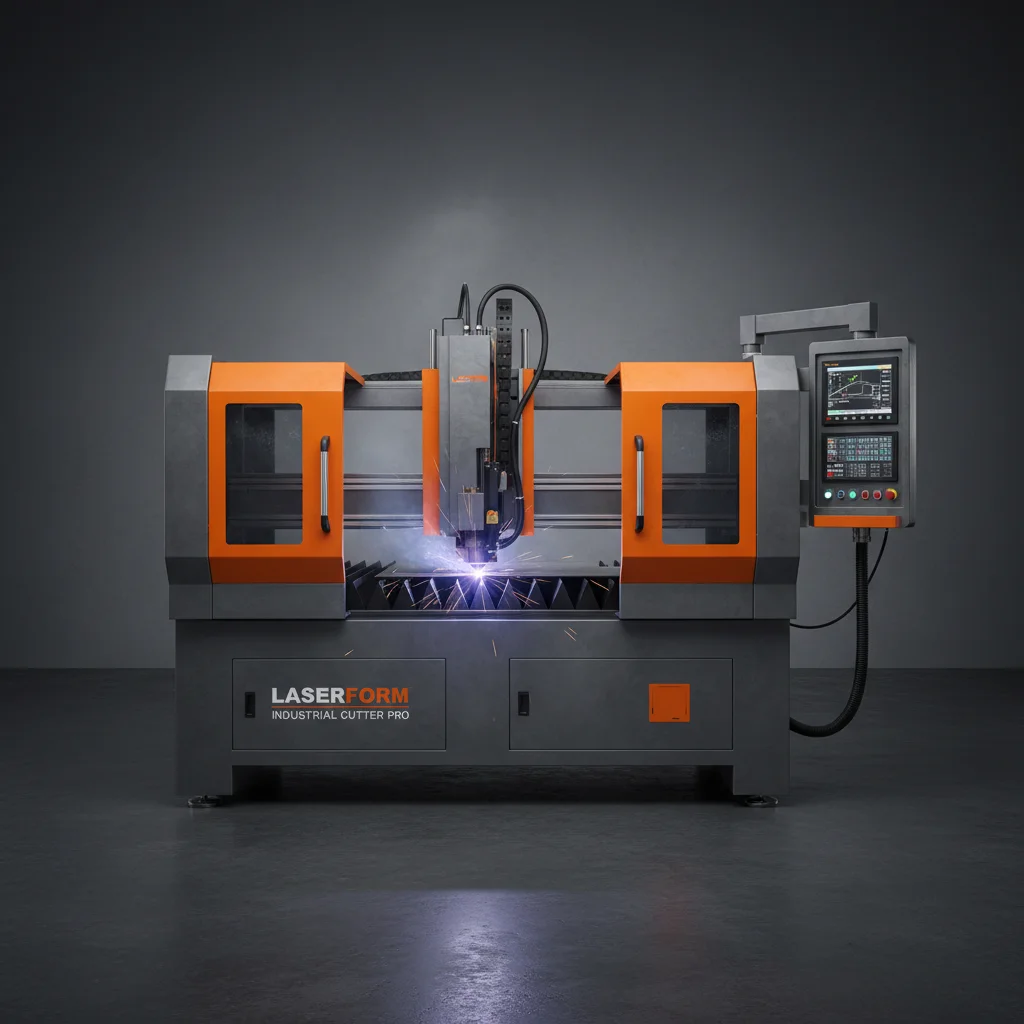
In real terms, automated laser cutting uses computer-controlled laser beams to slice through a range of materials like steel, aluminum, and even intricate composites. The system’s precision is measured in microns—far beyond what manual cutting could hope to achieve. What I’ve noticed over the years is this technology isn’t just for high-volume runs; it’s also brilliant for custom orders where accuracy and clean edges make all the difference.
Materials behave differently under laser, and this is where experience counts. Soft metals melt cleanly while thicker plates require optimized power settings to avoid warping. Many engineers I’ve talked with admit the learning curve was steeper than expected, but once they dialed in their parameters, throughput jumped substantially.
| Feature | Specification |
|---|---|
| Laser Type | Fiber Laser, 1000W - 4000W |
| Max Sheet Size | 3000 x 1500 mm |
| Cutting Thickness | Up to 25 mm (steel) / 30 mm (aluminum) |
| Positioning Accuracy | ±0.03 mm |
| Control System | CNC with programmable interface |
One thing I’m often asked is the difference between machines from various suppliers. Since these systems are pretty capital-intensive, making an informed choice is critical.
| Vendor | Typical Power Range | Automation Features | Price Level | Support & Training |
|---|---|---|---|---|
| Topstar Laser | 1000W - 4000W | Full automation + remote diagnostics | Mid-range | Comprehensive in-person & online |
| EuroCut Systems | 1500W - 3000W | Semi-automatic loading/unloading | Higher-end | On-site only |
| LaserCraft Pro | 800W - 2500W | Manual operation with CNC support | Budget | Limited online tutorials |
In my experience, choosing the right vendor isn’t just about specs. For instance, one client of mine needed to pivot quickly from automotive components to medical-grade sheet metal parts. Topstar’s flexible automation and strong training support made that transition much smoother than expected. It's the kind of detail that doesn't always show up on a spec sheet but matters hugely in practice.
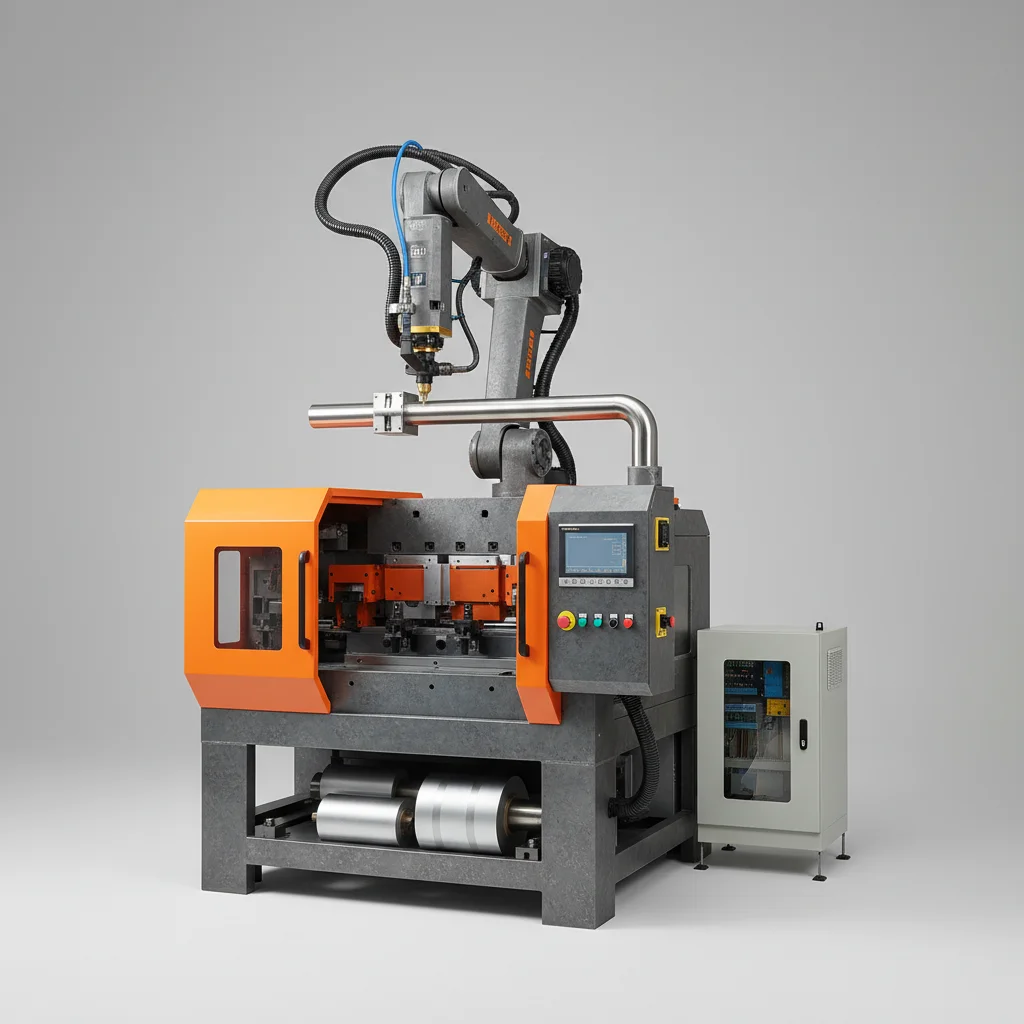
To touch on customization, these machines increasingly come with modular add-ons — like special nozzles for tricky metal alloys or integrated part-break systems—all aimed at reducing manual touches and scrap. I suppose that’s why many shop managers say automated laser cutting feels more like a partnership with their equipment rather than just buying a piece of hardware.
Finally, the quality of cut and speed gains go hand in hand. It’s not just about cutting faster; it’s about consistency, edge quality, and minimal burr — savings that compound over thousands of parts. Frankly, this is what convinced even the most skeptical operators on the floor.
Honestly, if you’re still on the fence about automating your laser cutting work, I’d recommend having a close look at how these systems integrate with your existing workflow. The hybrid approach of combining human oversight and automation often leads to the best results. Automation isn’t replacing craftsmanship; it’s enhancing it, one precise cut at a time.
To sum it up: automated laser cutting feels less like a futuristic novelty and more like an industrial mainstay — tested, reliable, and continuously evolving with real-world feedback.
References: