Shijiazhuang Topstar
International Trading Co., Ltd.


Get In Touch
The use of compressed air is so ubiquitous in modern society that it is often referred to as the "fourth utility," standing alongside electricity, water, and natural gas. From the simple act of inflating a bicycle tire to the complex automation of a semiconductor fabrication plant, the ability to store and release atmospheric energy is a cornerstone of mechanical engineering. As technology has advanced, the market has branched into highly specialized segments. Navigating this landscape requires an understanding of the fundamental mechanics, the electrical constraints of different environments, and the specialized gas applications that define high-tech manufacturing today. This article explores the critical nuances of pneumatic systems, focusing on the workhorse of the small shop, the electrical requirements of the user, and the sophisticated world of nitrogen generation.
In the hierarchy of pneumatic machinery, the single stage reciprocating air compressor remains the most enduring and recognizable design. Its popularity is rooted in a mechanical simplicity that has been refined over more than a century. At its core, this machine operates via a piston-and-cylinder arrangement that mimics the internal combustion engine in reverse. In a single-stage configuration, the air is drawn into a cylinder and compressed to its final pressure in a single stroke of the piston.
The primary advantage of the single stage reciprocating air compressor is its ability to provide high pressure in a compact, cost-effective package. Most of these units are designed to reach pressures between 125 and 150 PSI, which is the "sweet spot" for the vast majority of air tools found in automotive repair, woodworking, and construction. Because the air is compressed only once, the internal temperature of the cylinder rises significantly. To combat this, quality manufacturers equip these units with large cooling fins and heavy-duty fans to dissipate heat.
For the small business owner or the dedicated hobbyist, the reciprocating design offers a level of repairability that modern rotary or centrifugal compressors cannot match. Because the components—pistons, rings, valves, and gaskets—are standardized and accessible, a well-maintained unit can last for decades. This longevity, combined with the relatively low upfront cost compared to rotary screw technology, ensures that the single-stage reciprocating model will continue to be the backbone of workshops worldwide. It is the ideal solution for "intermittent duty" applications, where the compressor runs to fill a tank and then rests while the user operates their tools.
While mechanical specifications often dominate the conversation, the electrical requirements of a compressor are frequently the deciding factor for many buyers. In the United States and many other parts of the world, residential and light commercial buildings are limited to single-phase electrical power. This creates a specific demand for the single phase air compressor, a machine designed to operate within the limits of standard household or small-shop circuitry without requiring expensive industrial power upgrades.
A single phase air compressor typically utilizes a capacitor-start motor to overcome the initial resistance of the piston against the air pressure in the tank. These motors are generally limited to a maximum of about 5 to 7.5 horsepower. While this might seem modest compared to the massive 100+ horsepower engines found in factories, a 5 HP single-phase motor is capable of driving a substantial pump that can keep up with heavy-duty air sanders or multiple framing nailers.
The shift toward high-efficiency single-phase motors has allowed users to enjoy professional-grade performance in home garages. Furthermore, manufacturers have made great strides in "low-amp start" technology. This ensures that when the compressor kicks on, it doesn't cause a massive voltage drop that dims the lights or trips the circuit breakers of the building. For the mobile contractor or the residential woodworker, the single phase air compressor represents the perfect balance between high-output pneumatic power and the practical reality of available electrical infrastructure. It provides a "plug-and-play" professional solution that avoids the thousands of dollars in costs associated with installing three-phase industrial converters.
In the upper echelons of industrial manufacturing, the "air" being compressed is often not air at all. Many sensitive processes require an inert environment to prevent fire, oxidation, or contamination. This has led to the rapid rise of the nitrogen air compressor system. For decades, industries like food packaging, electronics assembly, and laser cutting relied on the delivery of high-pressure nitrogen cylinders. This was not only a logistical burden but also a significant recurring expense.
The modern nitrogen air compressor system changes the paradigm by allowing facilities to generate their own nitrogen on-demand. These systems typically consist of a high-quality air compressor paired with a nitrogen membrane or a Pressure Swing Adsorption (PSA) unit. The compressor forces ambient air through a specialized filtration media that separates the nitrogen molecules from the oxygen, CO2, and water vapor. The result is a continuous stream of dry, high-purity nitrogen gas.
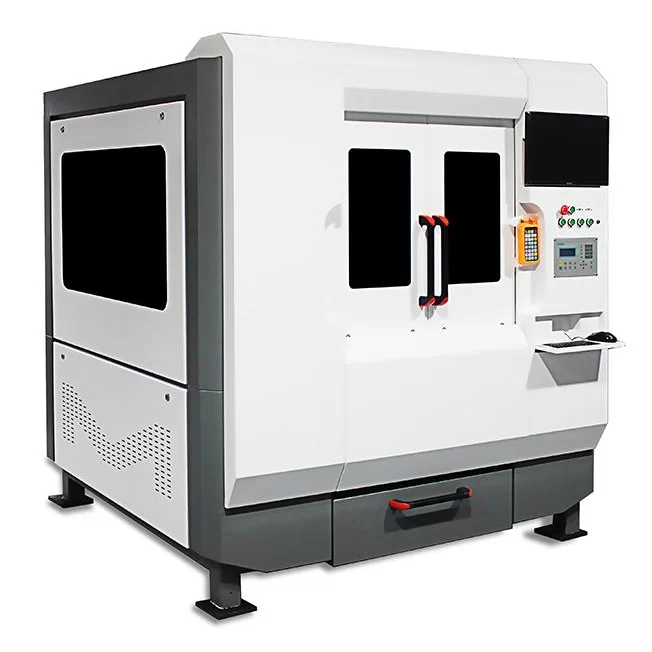
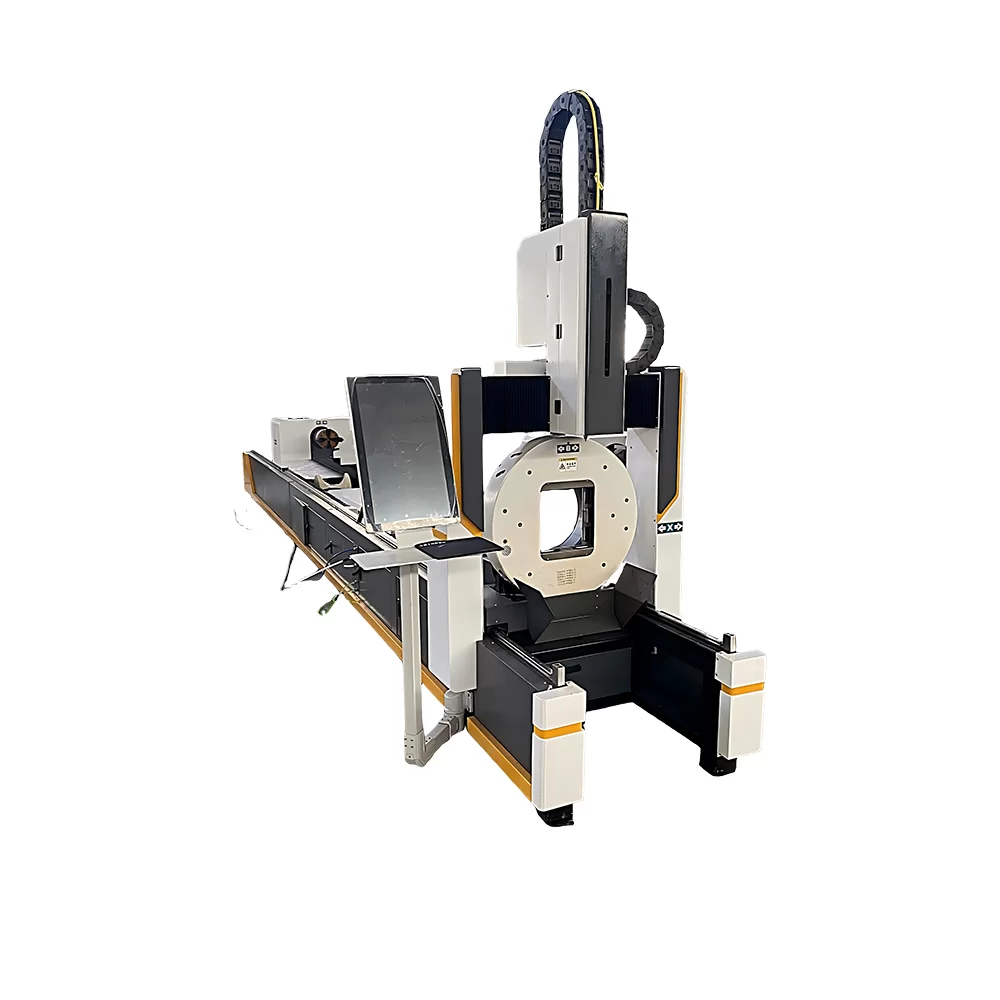
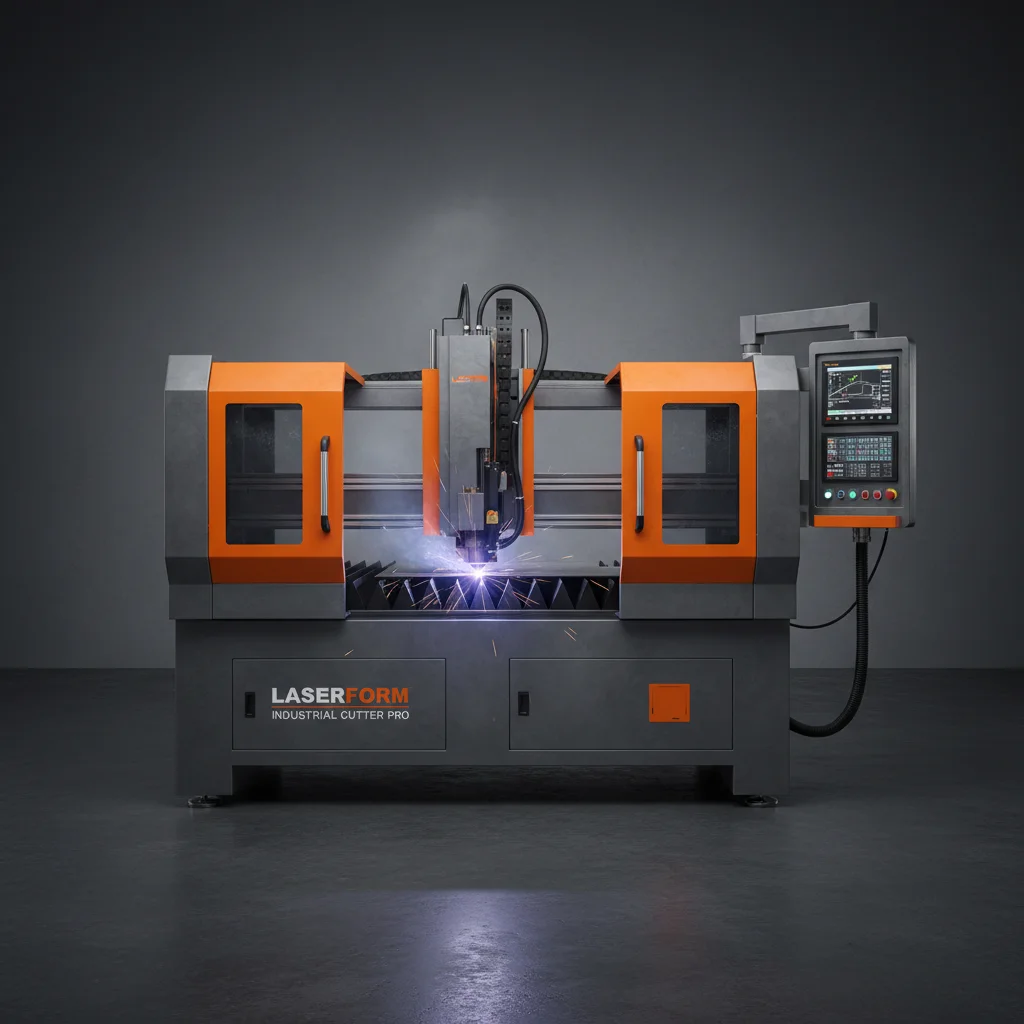
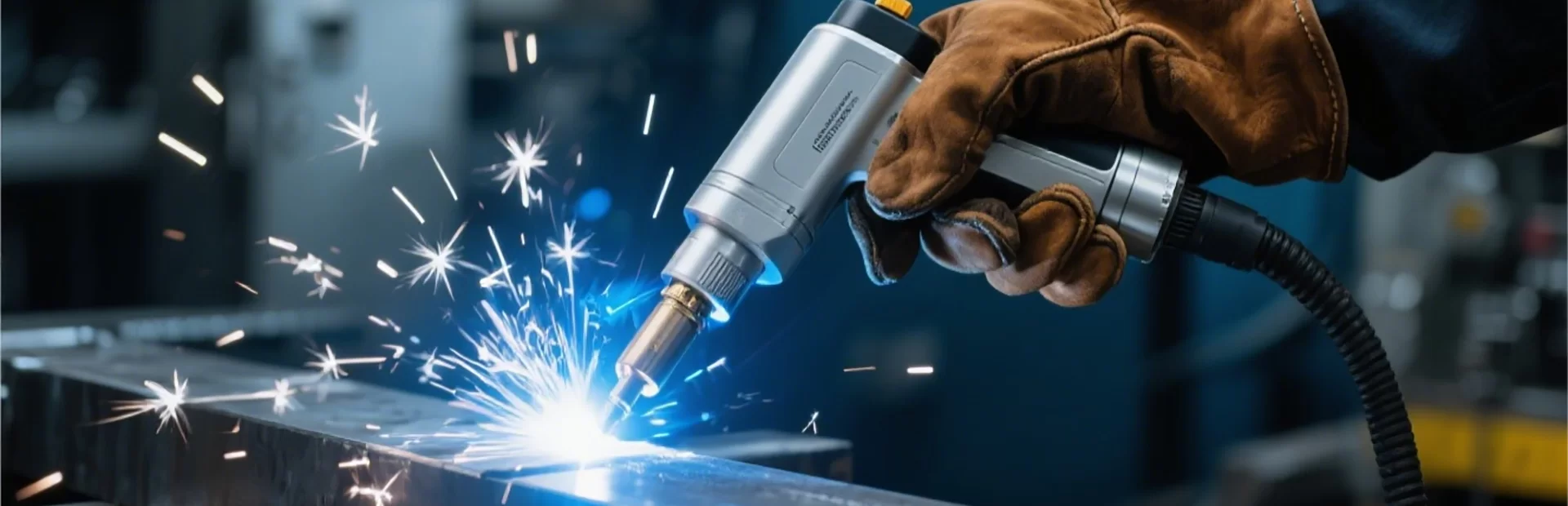
In the food industry, for example, a nitrogen air compressor is used for "nitrogen flushing." By replacing the oxygen in a bag of potato chips or a container of coffee with nitrogen, manufacturers can prevent spoilage and significantly extend the shelf life of the product without using chemical preservatives. In the world of high-precision manufacturing, such as fiber laser cutting, nitrogen is used as an assist gas to blow away molten metal and prevent the edges from oxidizing, resulting in a cleaner, more professional finish. By producing nitrogen on-site, companies can reduce their carbon footprint by eliminating heavy truck deliveries and lower their gas costs by up to 90%. It is a transformative technology that represents the peak of modern pneumatic application.