Shijiazhuang Topstar
International Trading Co., Ltd.


Get In Touch
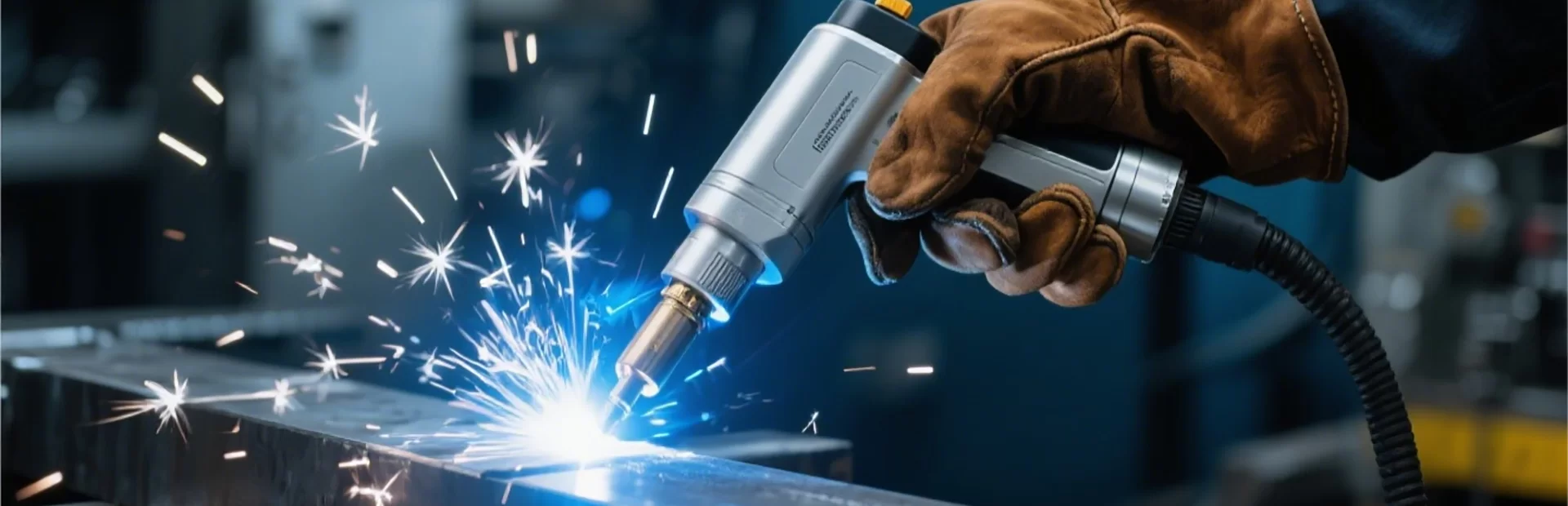
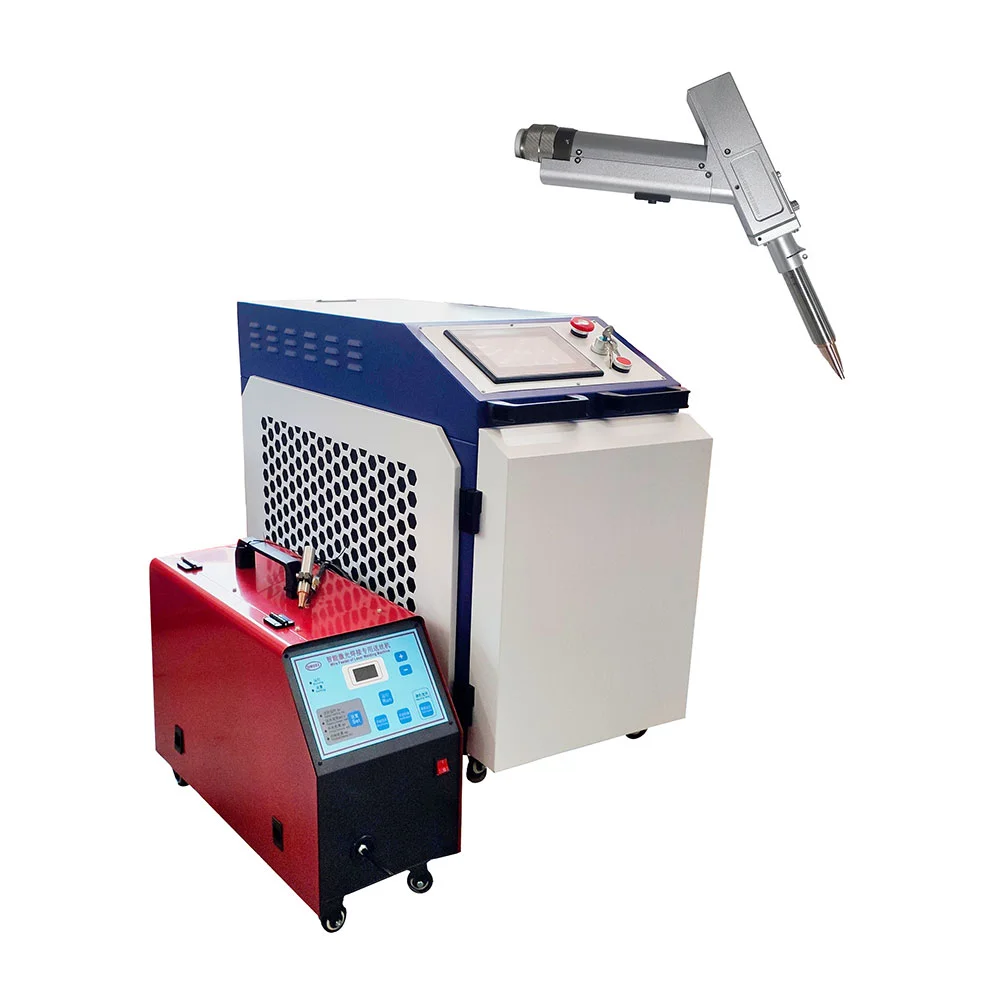
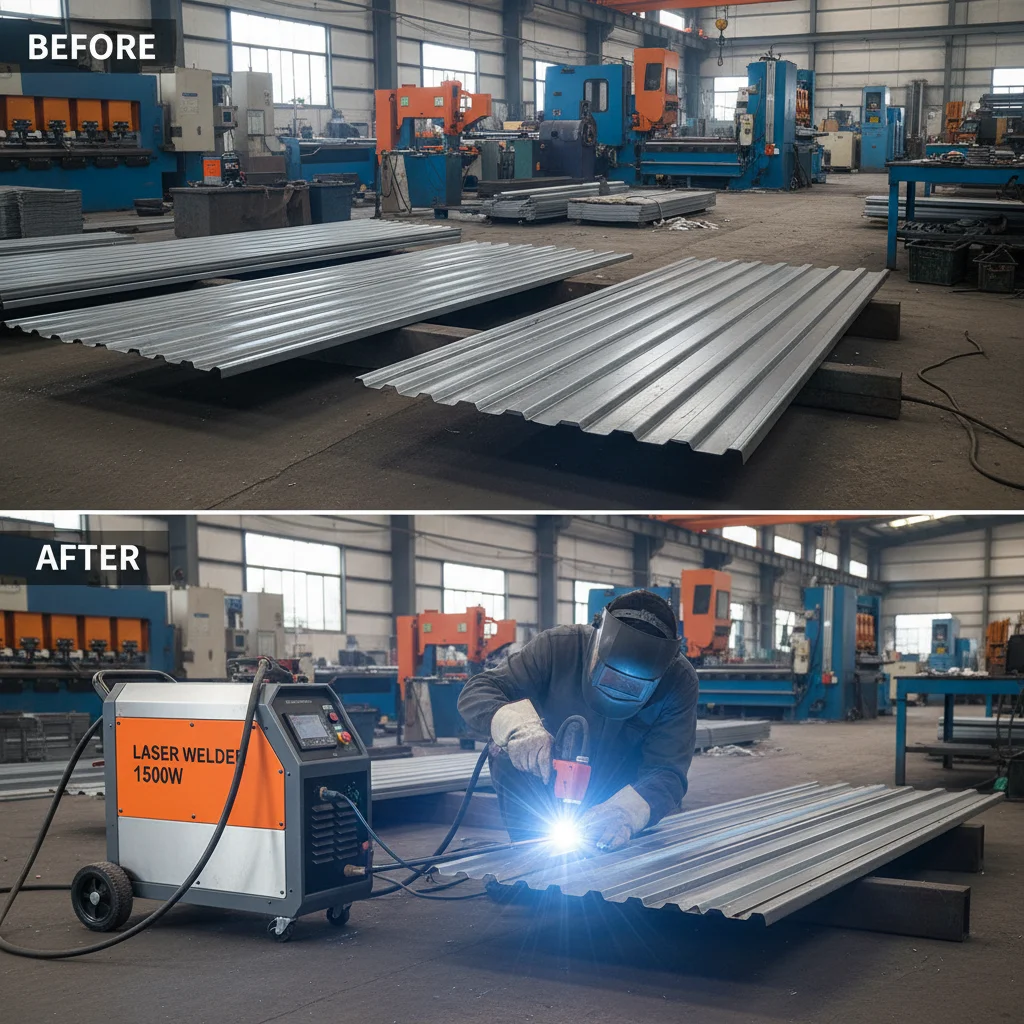
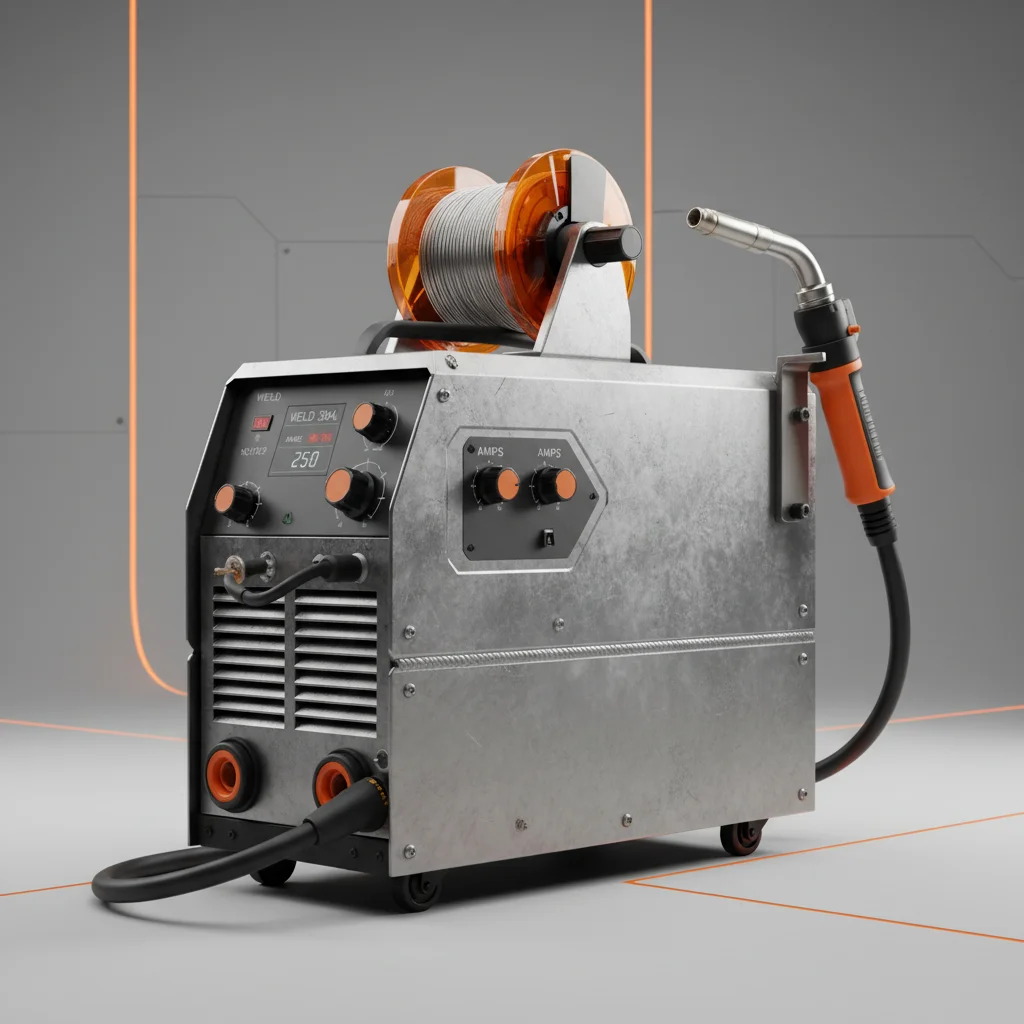
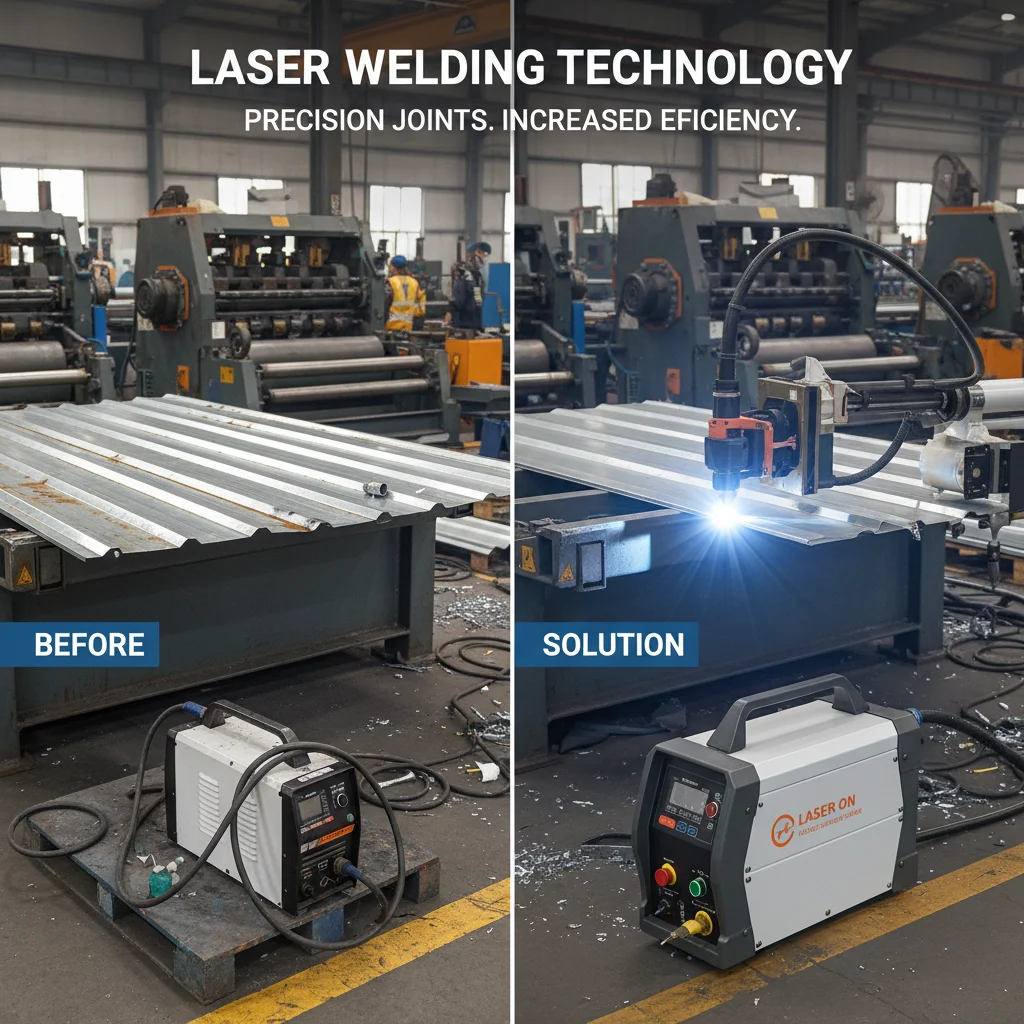
If you’ve watched fabrication shops over the past two years, you’ve seen the migration from TIG/MIG to portable lasers. The handheld laser welding machine, hand held laser welding machine, hand laser welding machine, hand held metal laser welding machine is no longer a novelty—it’s the welder people actually use in the field. To be honest, the speed-to-finish ratio is hard to ignore.
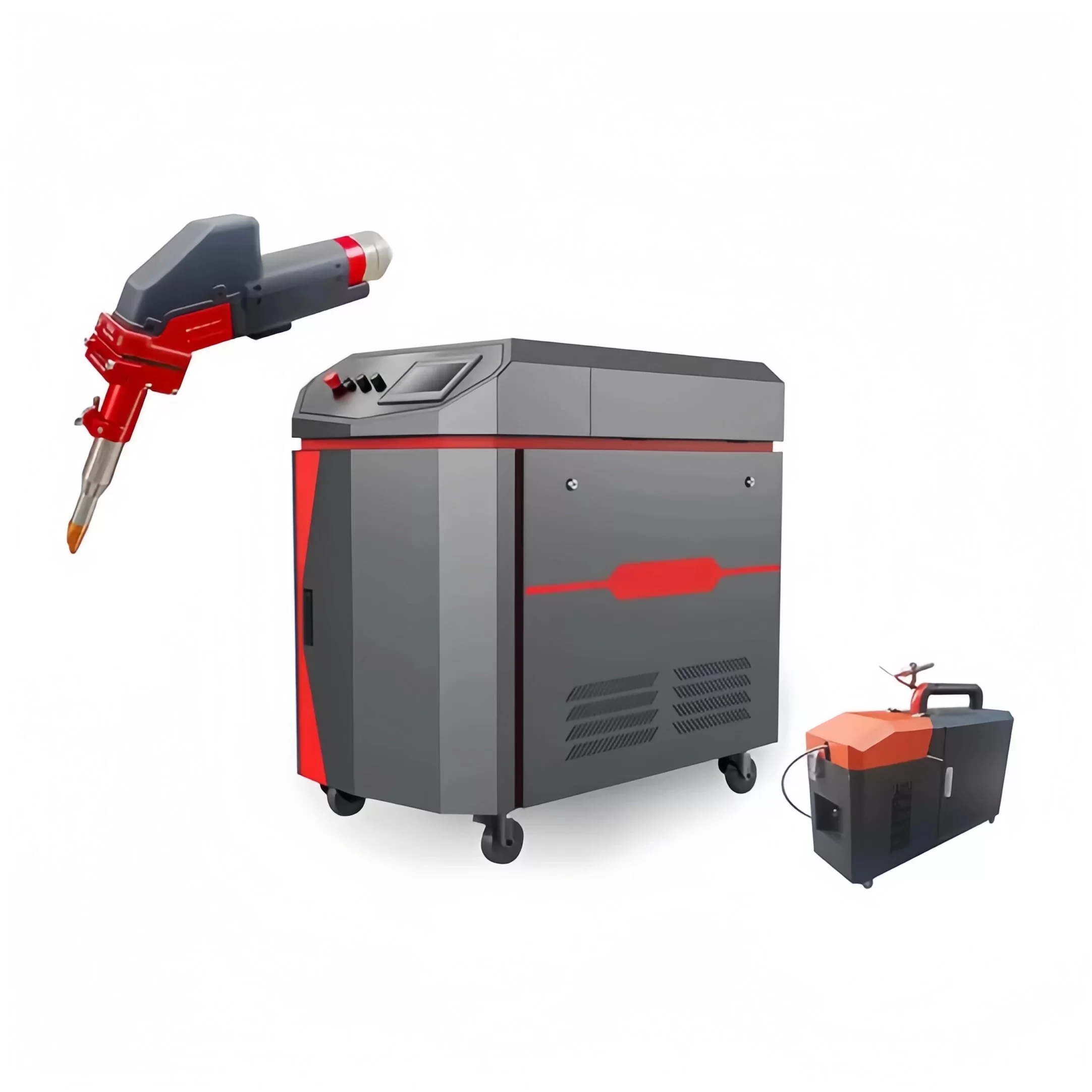
Shorter lead times, a tight labor market, and cleaner shop floors. A handheld laser welding machine cuts rework drastically—many customers say their post-polish time dropped by half. And portability matters: the head gets into corners that a bench system won’t. In fact, I’ve seen small job shops pick up stainless railing work they used to avoid because the seams now look... showroom-grade.
The unit is compact, fast, and surprisingly forgiving for new operators. Here’s a snapshot from real-world deployments.
Laser Type / Wavelength | Fiber laser, 1064–1080 nm |
Power Options | ≈1000 / 1500 / 2000 W (continuous) |
Welding Speed | Up to 2–10× faster than TIG/MIG (material/thickness dependent) |
Spot / Swing | 0.8–3.0 mm spot; 0–5 mm wobble swing |
Cooling | Integrated water chiller |
Shielding Gas | Argon or N2, ≈15–25 L/min |
Materials | Stainless, carbon steel, galvanized, aluminum alloys |
Service Life | Fiber source rated ≈100,000 h (typical) |
Safety / Compliance | Laser Class 4; CE; ISO 9001; IEC 60825-1 |
· Prep: degrease (acetone or IPA), abrade oxides (especially Al), fit-up ≤0.2–0.5 mm gap.
· Method: set power 800–1800 W (start low), swing 1–3 mm for gap tolerance, gas at 20 L/min.
· Passes: single pass for ≤3 mm SS; multipass or filler wire for thicker or Al joints.
· Testing: visual per ISO 17637; porosity/spatter vs EN ISO 13919-1 (Quality Level B/C); tensile to ASTM E8; bend per ASTM E290; leak checks to ISO 20485 where relevant.
· Expected life: optics maintenance every ≈500 h; chiller service semi-annually; laser source life typically measured in years of shop use.
In lab checks, butt weld tensile strength often lands at 0.85–0.95× base metal for SS, with porosity under ISO 13919-1 Level C when parameters are dialed in. Real-world use may vary with cleanliness and fit-up (always does).
· Kitchenware and sanitary hardware (SS304/316 sight-line seams)
· Auto body repair and EV battery trays (thin-gauge Al/galvanized)
· Railing, signage, enclosures, HVAC ducting
· On-site repair of large frames and complex geometries
A hand held laser welding machine is especially forgiving on mixed-thickness joints thanks to wobble. And yes, novices pick it up quickly—no certification hurdles, which is refreshing.
Vendor | Power Options | Weight ≈ | Warranty | Notes |
Topstar Laser | 1/1.5/2 kW | 120–150 kg (system) | 12–24 months | Easy UI; strong price-to-performance |
IPG LightWELD | 1/1.5/2 kW | ≈55–65 kg | 12–24 months | Premium source; robust ecosystem |
HSG / Others | 1–2 kW | 90–140 kg | 12 months | Good entry pricing; check local support |
My advice: prioritize service coverage and operator training over chasing the last 100 W of power.
· Nozzles: corner, fillet, and wire-fed tips
· Wire feeder: 0.8–1.2 mm for gaps or aluminum
· Safety: Class 4 PPE, interlocks, fume extraction
· Process presets: SS/CS/Al libraries; job-lock for new users
Stainless Fabricator (EU): switched to a hand laser welding machine for kitchen seams; cycle time down ≈45%, polishing reduced to light pass. Auto Repair (US): body shop uses a hand held metal laser welding machine on galvanized patch panels—less distortion, fewer burn-through incidents than MIG, which frankly surprised the foreman.
Meets IEC 60825-1 (laser safety). Quality validated against EN ISO 13919-1 for laser welds, with shop checks using ISO 17637 visual inspection and occasional NDT (dye penetrant, ASTM E165). If you’re hunting a handheld laser welder for sale, ask for sample weld coupons and parameter sheets; they tell the real story.
Bottom line: the learning curve is short, the welds are clean, and the ROI shows up in finishing time saved.
1. IEC 60825-1: Safety of Laser Products, Part 1 (International Electrotechnical Commission).
2. EN ISO 13919-1: Welding—Electron and laser beam welded joints—Quality levels.
3. ISO 17637: Non-destructive testing of welds—Visual testing of fusion-welded joints.
4. ASTM E8/E8M: Standard Test Methods for Tension Testing of Metallic Materials.
5. ASTM E290: Standard Test Methods for Bend Testing of Material for Ductility.