Shijiazhuang Topstar
International Trading Co., Ltd.


Get In Touch
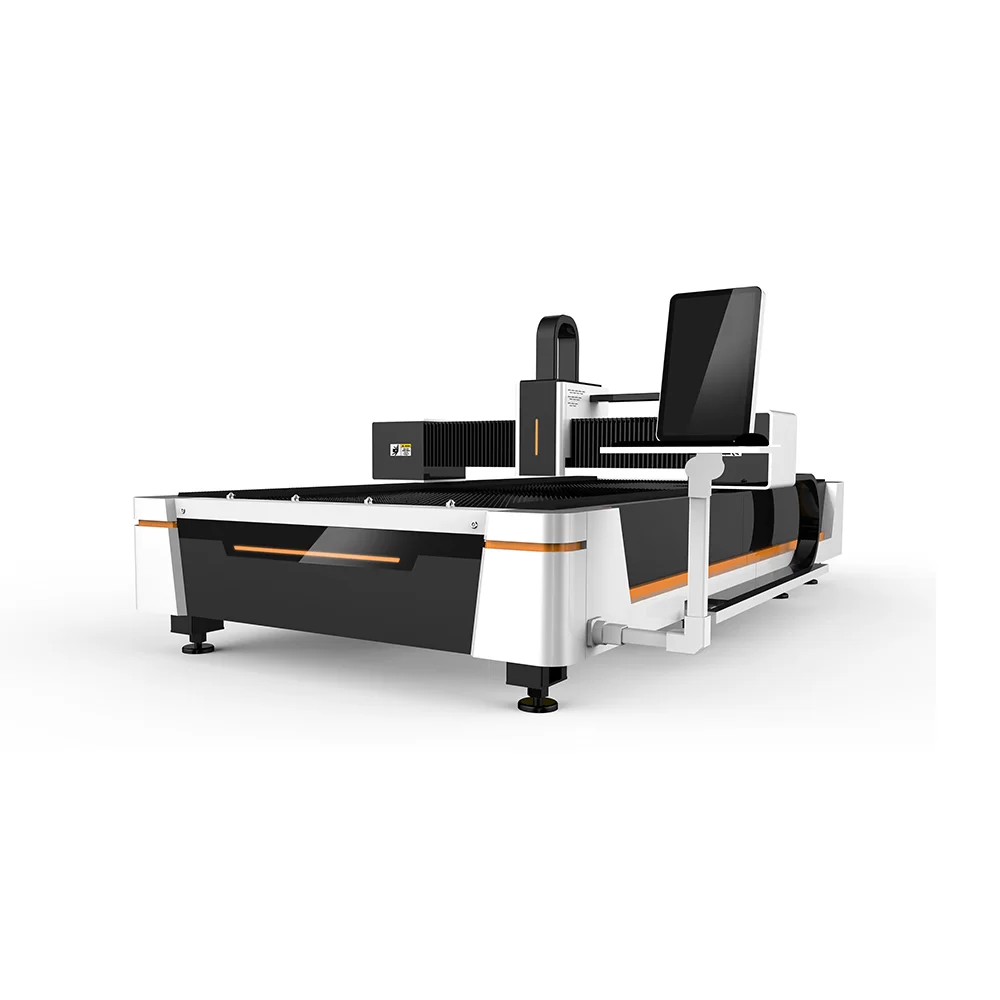
The world of manufacturing has seen remarkable advances in recent decades, with CNC laser cutting machines for metal standing out as one of the most transformative tools. These machines offer unparalleled precision and efficiency that underpin countless industrial applications, from aerospace to construction. But why should anyone outside the factory floor care?
Frankly, these machines are not just industrial workhorses; they're a critical part of the global push towards smarter, more sustainable production. Understanding their capabilities and scope touches on innovation, economic growth, and even humanitarian efforts where metal fabrication is required swiftly and accurately. Let’s dive into what makes these machines so important — and perhaps a little fascinating.
According to ISO standards and reports by the UN Industrial Development Organization, the demand for precision metal fabrication is rising fast worldwide — particularly in developing economies undergoing rapid industrialization. Metal components must be both stronger and lighter, often customized at scale. This is exactly where CNC laser cutting machines come into play.
One challenge many manufacturers face is balancing speed with accuracy. Traditional cutting methods can be slow, wasteful, and inconsistent. CNC laser cutting overcomes these hurdles, making production faster, cleaner, and more cost-effective. Plus, with metal industries responsible for a significant chunk of carbon emissions, using energy-efficient laser cutting technologies helps reduce environmental footprints, aligning manufacturing with global sustainability goals.
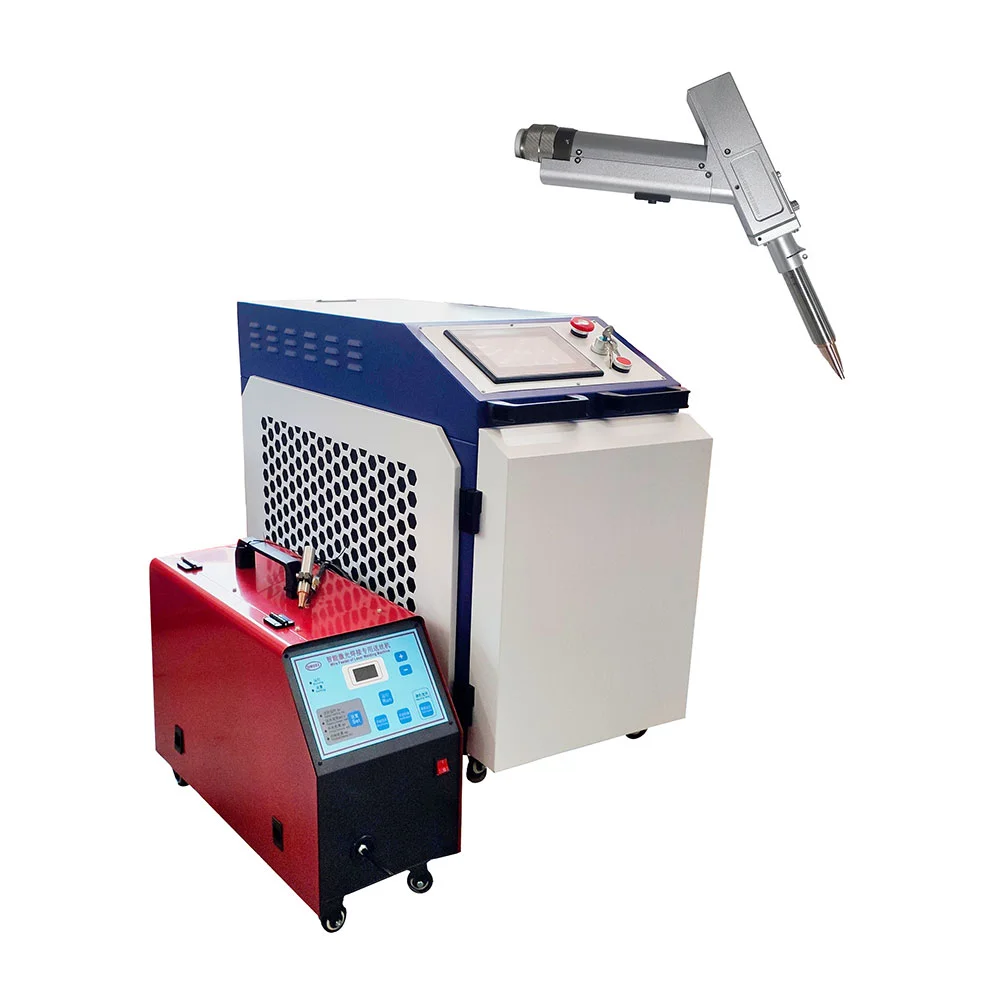
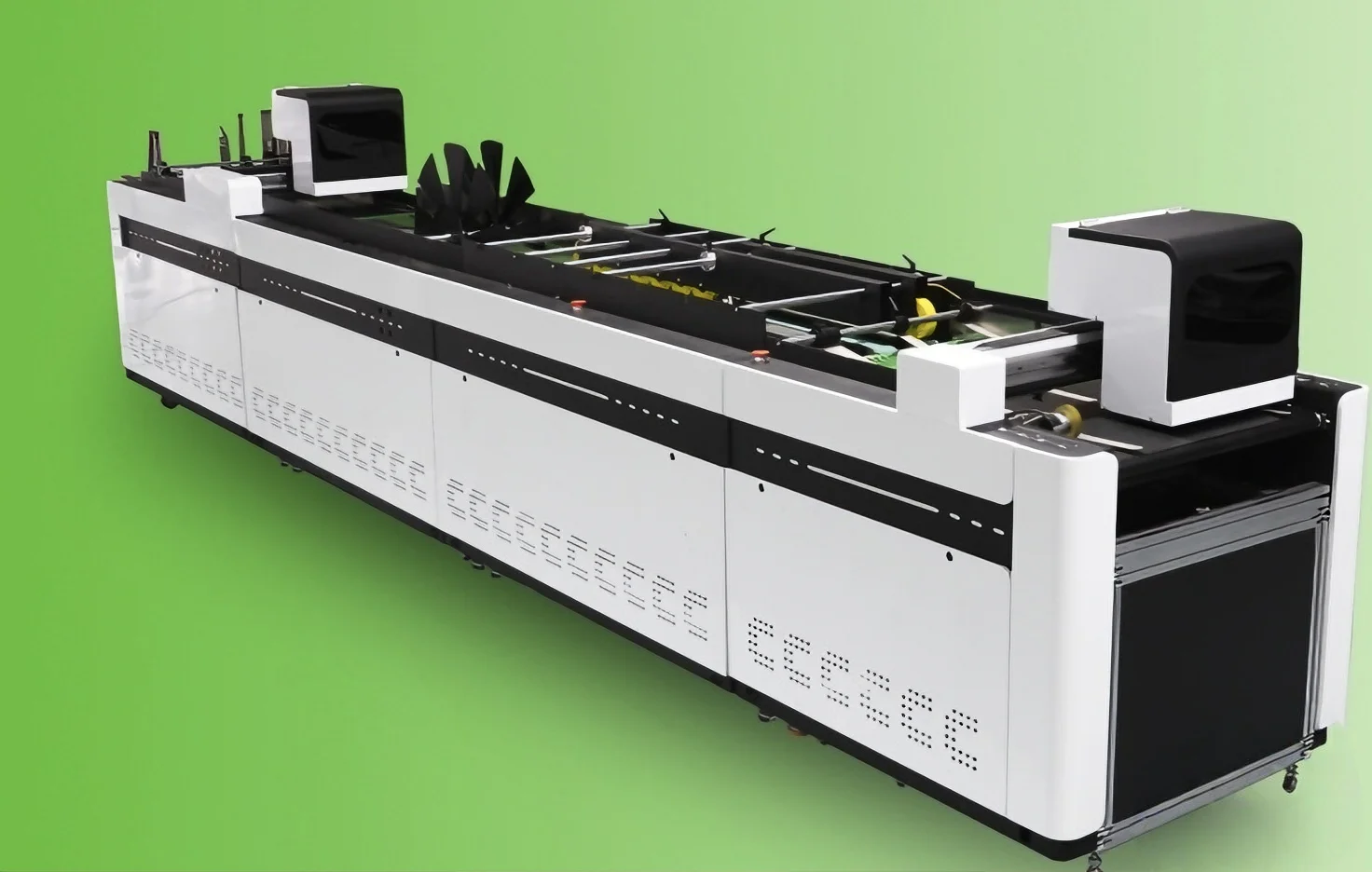
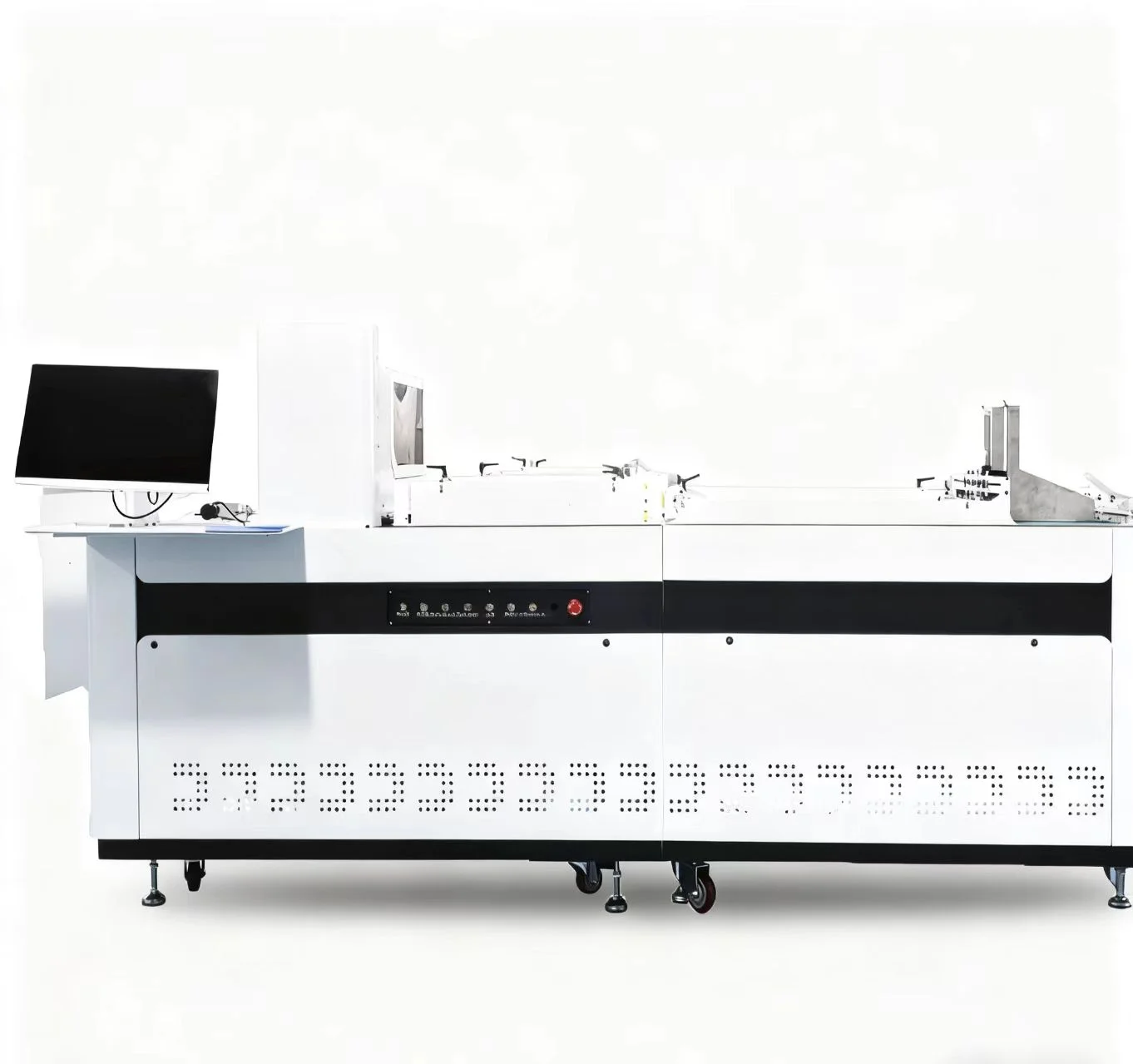
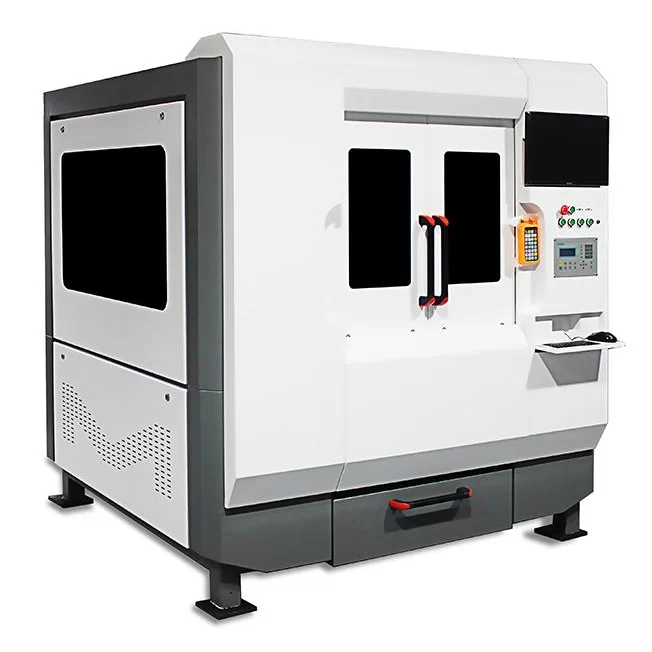
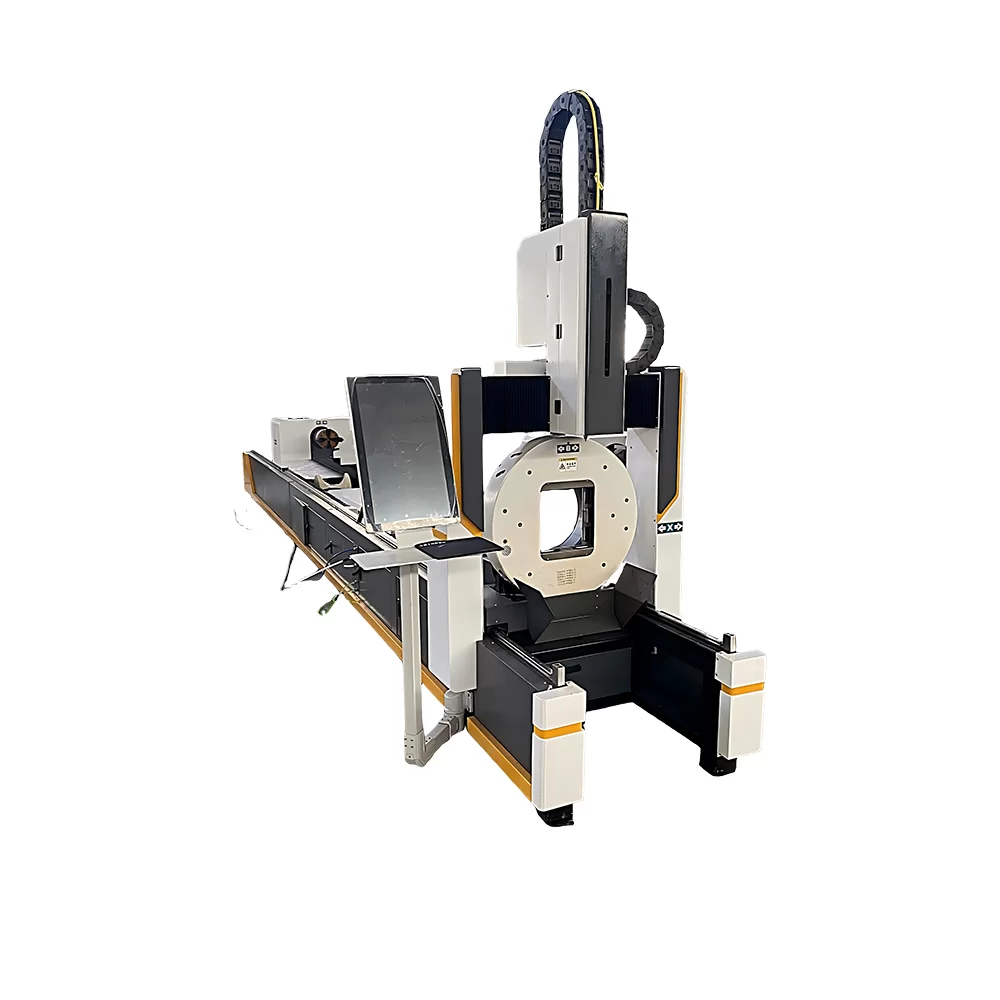
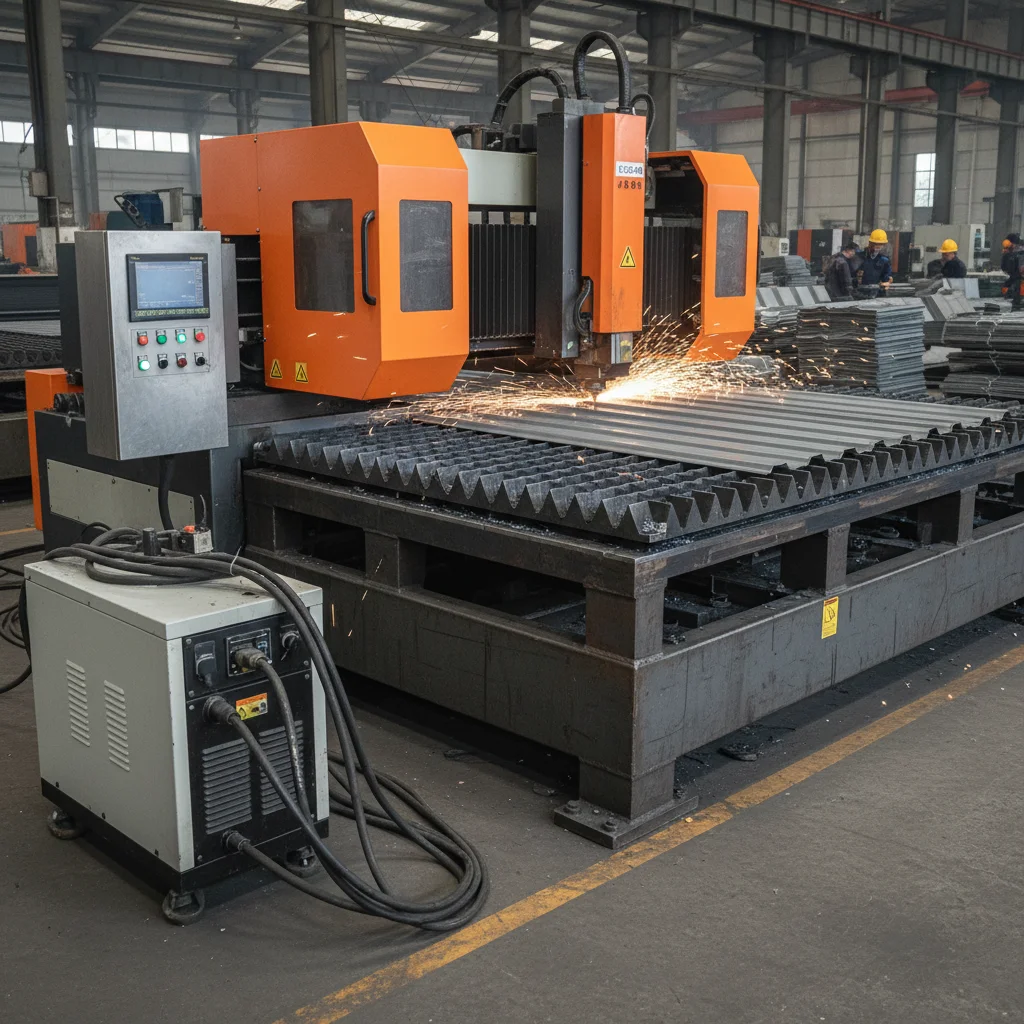
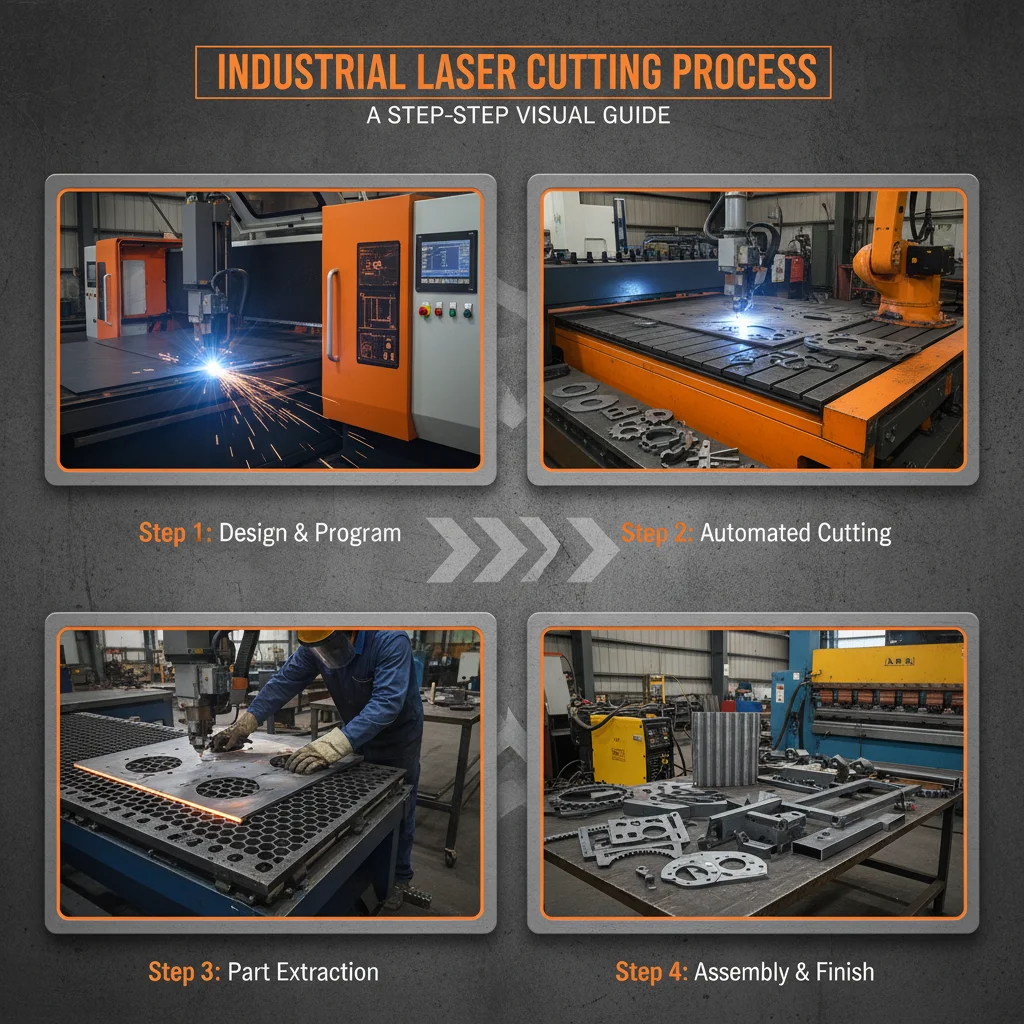
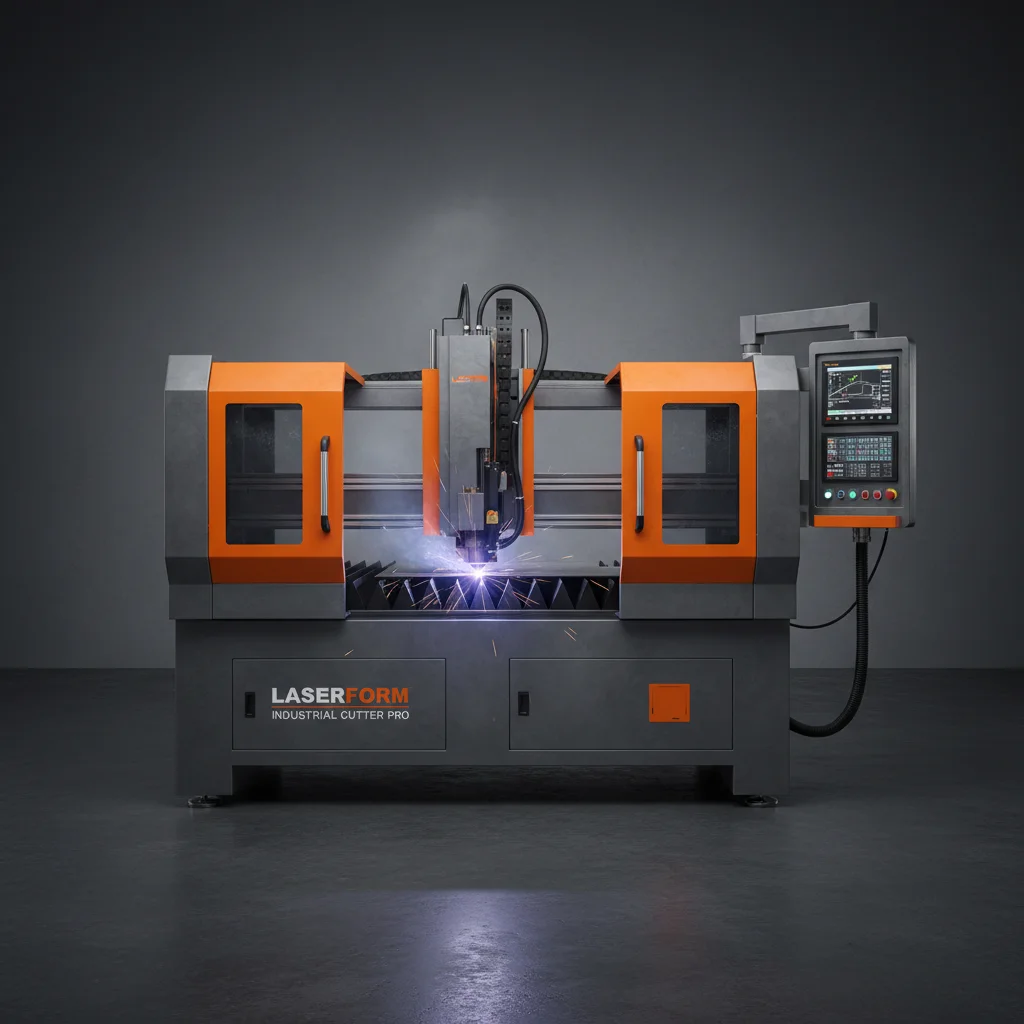
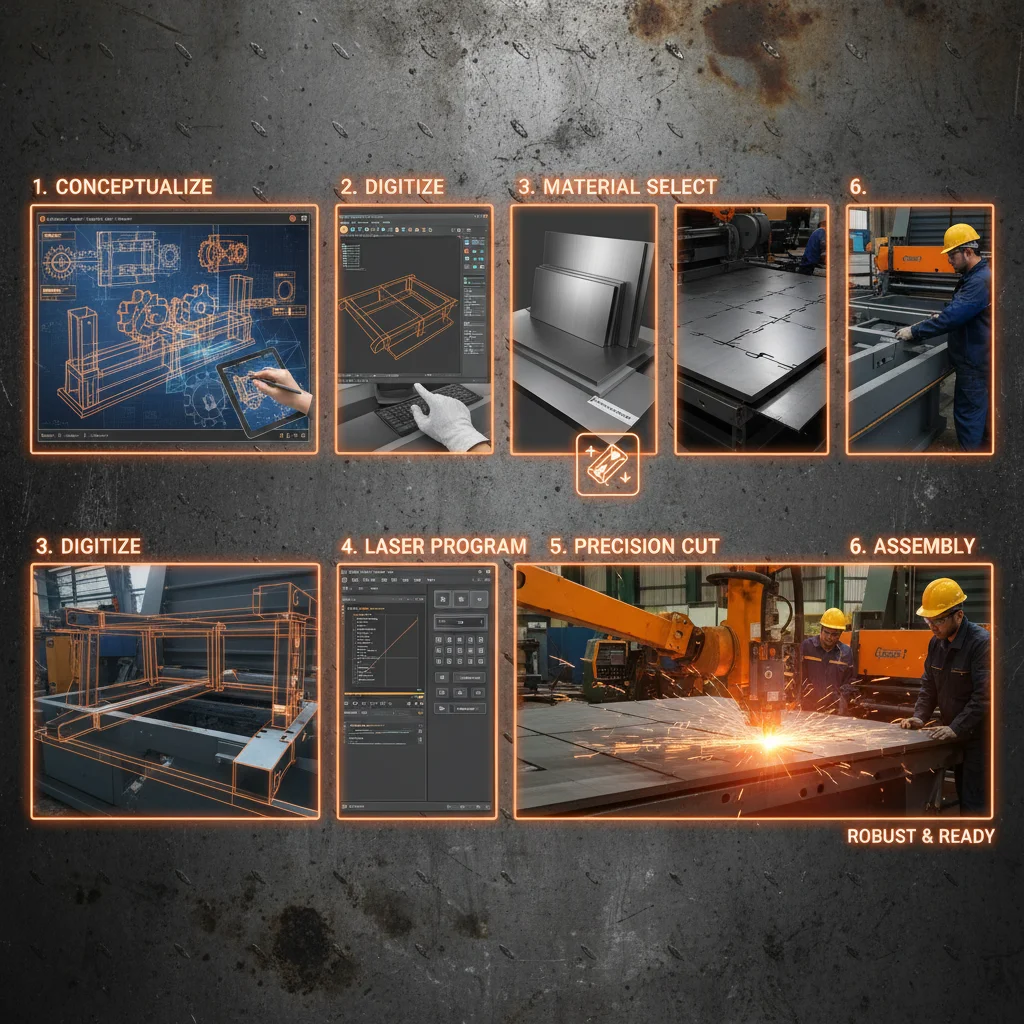
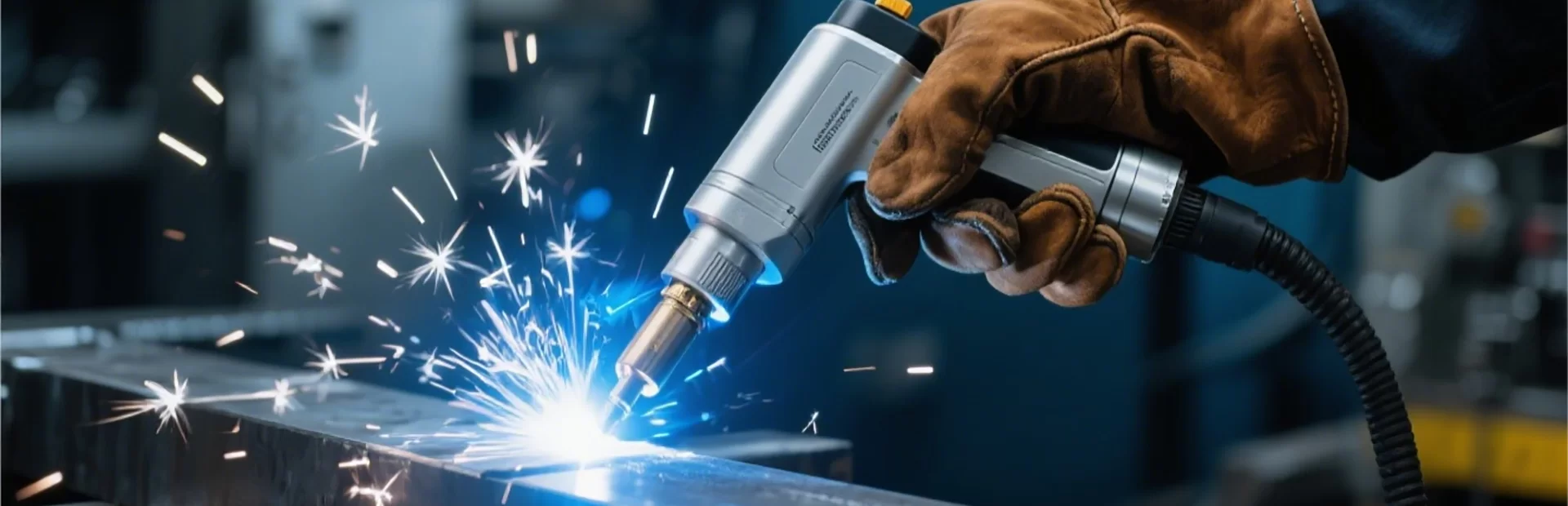
Simply put, a CNC (Computer Numerical Control) laser cutting machine for metal is a digitally controlled tool that uses a powerful laser beam to cut or engrave metal sheets with high precision. You tell the machine what to do using software, and the laser follows the instructions with incredible accuracy.
This is not just about making pretty shapes. These machines crunch the complex designs engineers dream up and turn raw metal into critical components for cars, medical equipment, or even spacecraft. The ability to automate and repeat these cuts with minimal human error revolutionizes modern manufacturing and logistical efficiency.
The laser beam focuses tightly to enable intricate cuts—down to fractions of a millimeter. This is essential for industries needing consistent quality across thousands of pieces.
These machines can work on diverse metals—stainless steel, aluminum, copper, to name a few—each requiring different power settings and nozzle types.
Automation allows rapid production without compromising quality. Whether it’s batch production or large volume runs, CNC laser cutting scales efficiently.
Less material is wasted due to precise cutting, saving raw material costs, and less cleanup reduces labor expenses.
Advanced CAD/CAM software integration means designs can be imported directly, streamlining production and allowing on-the-fly adjustments.
| Specification | Details |
|---|---|
| Laser Power | 500W to 6000W (fiber or CO2 lasers) |
| Cutting Speed | 10–40 m/min, depending on material thickness |
| Max Sheet Size | Up to 4000 x 2000 mm |
| Positioning Accuracy | ±0.02 mm |
| Supported Materials | Steel, Aluminum, Copper, Brass, Titanium |
| Software | Compatible with major CAD/CAM platforms |
Mini takeaway: The versatility and precision of CNC laser cutting machines make them indispensable in modern metal fabrication.
Pretty much every metal-intensive industry benefits from CNC laser cutting for metal: automotive manufacturing in Germany, electronics enclosures in South Korea, or construction components in the Middle East.
Oddly enough, even artisanal metalworkers use CNC machines alongside traditional methods to scale craft production without losing quality.
Why do businesses stubbornly adopt these machines despite significant investment? First, the long-term cost savings are no joke — less waste, less rework. Secondly, the sustainability angle isn’t just greenwashing: efficient cutting means less energy and material use. And there’s a social dimension, too—better-quality products mean improved safety and reliability, which in turn builds trust between manufacturers and consumers.
On an emotional note, engineers I spoke with often mentioned the “joy of precision” — the satisfying exactness only CNC laser cutting can provide. In a way, it fosters pride in craftsmanship amid automation’s rise.
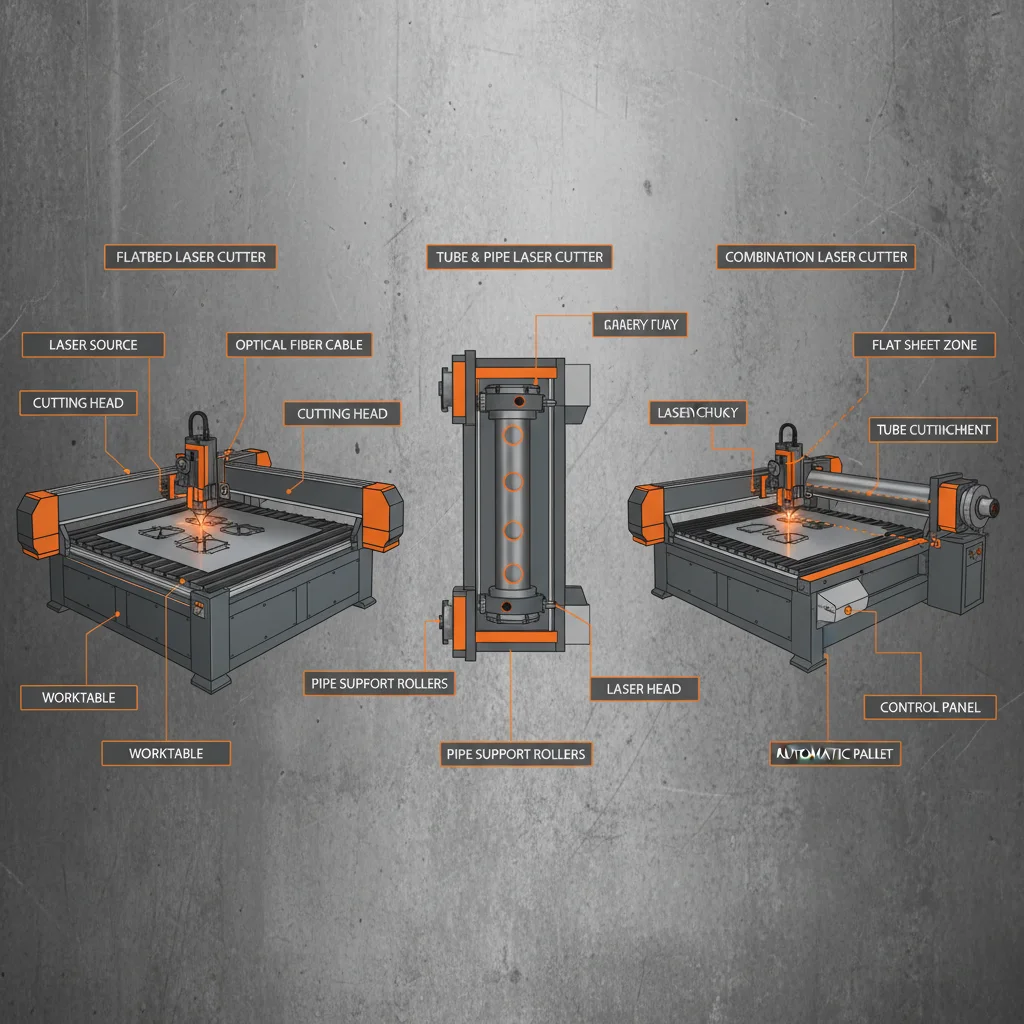
The industry is evolving fast. Expect stronger integration with AI and machine learning to optimize cutting paths dynamically, reducing energy even further. Green lasers with lower power consumption are trending, alongside hybrid systems combining fiber lasers and plasma cutters for greater flexibility.
Digital twins and IoT connectivity mean these machines will soon self-diagnose and adapt for preventive maintenance—cutting downtime drastically. And as factories embrace Industry 4.0, CNC laser cutting machines will be pillars of smart manufacturing.
Despite all the hype, CNC laser metal cutting machines are not without challenges. Initial costs can be steep, and operators require technical training to maximize productivity. Certain metals like highly reflective copper can be tricky to cut without specialized laser types.
However, manufacturers increasingly offer modular systems for easier upgrades and training programs. Combining CNC laser technology with CO2 lasers allows cutting a wider range of metals more effectively.
| Vendor | Laser Power Range | Max Sheet Size | Key Features | Price Range |
|---|---|---|---|---|
| TopStar Laser | 500W - 6000W | 4000x2000 mm | Fiber laser, CAD/CAM integration, energy-efficient | $$$ |
| LaserTech Pro | 1000W - 8000W | 3000x1500 mm | High-speed cutting, automated maintenance | $$$$ |
| MetalCut X | 750W - 4000W | 2000x1000 mm | Compact design, user-friendly interface | $$ |
Ultimately, CNC laser cutting machines for metal represent a leap forward in manufacturing — blending precision, speed, and sustainability. Whether you’re a seasoned engineer or a manager exploring new tooling options, these machines are worth your attention.
Interested in upgrading your production capabilities or exploring tailored solutions? Visit https://www.topstarlaser.com to discover a range of cutting-edge CNC laser cutting machines designed for modern metalworking challenges.
It feels like we’re at a crossroads where technology not only serves industry but also helps craft a more efficient and conscious manufacturing future.
Mini takeaway: CNC laser cutting transforms metal fabrication across industries — precision, sustainability, and scalability are its cornerstones.