Shijiazhuang Topstar
International Trading Co., Ltd.


Get In Touch
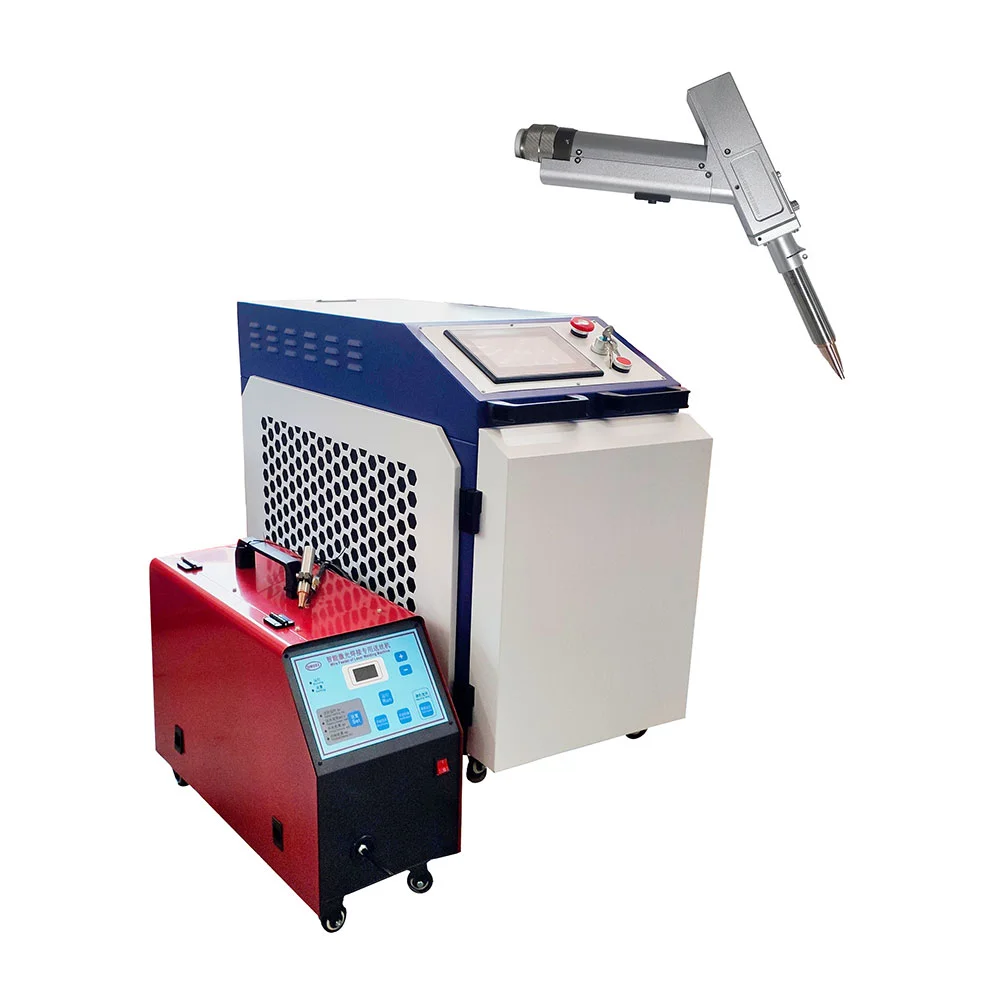
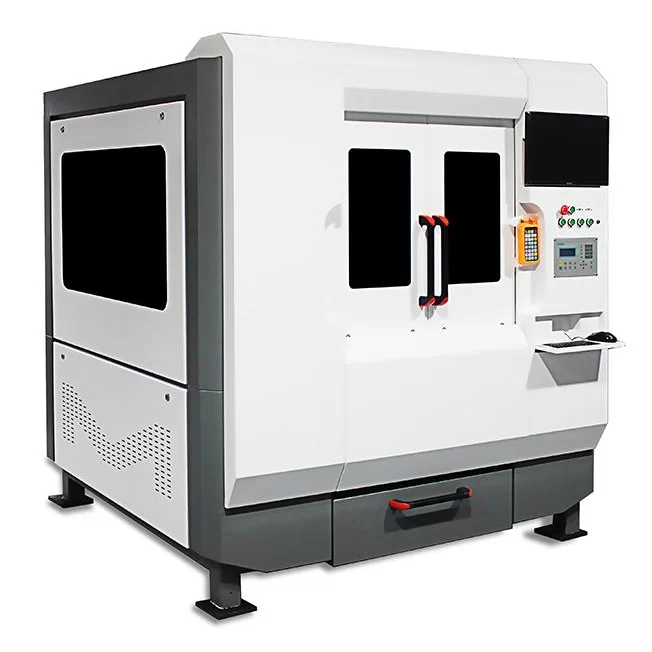
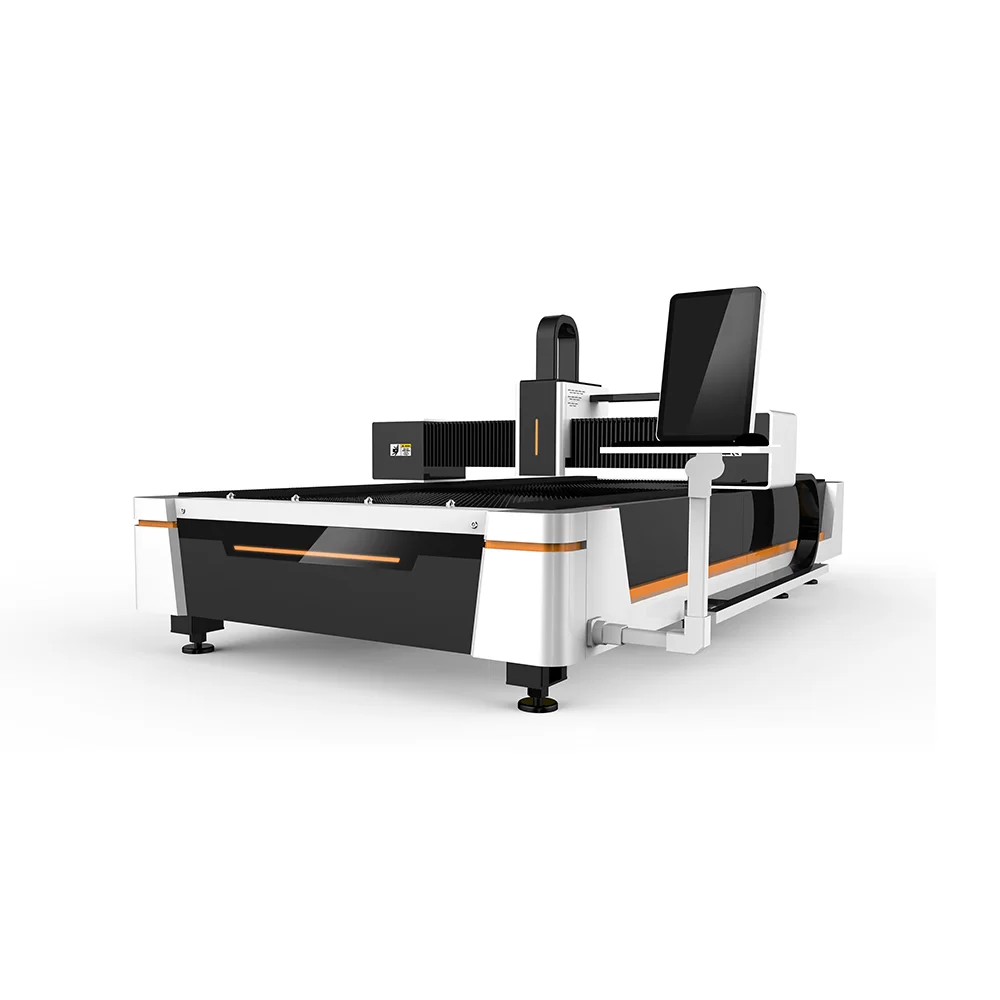
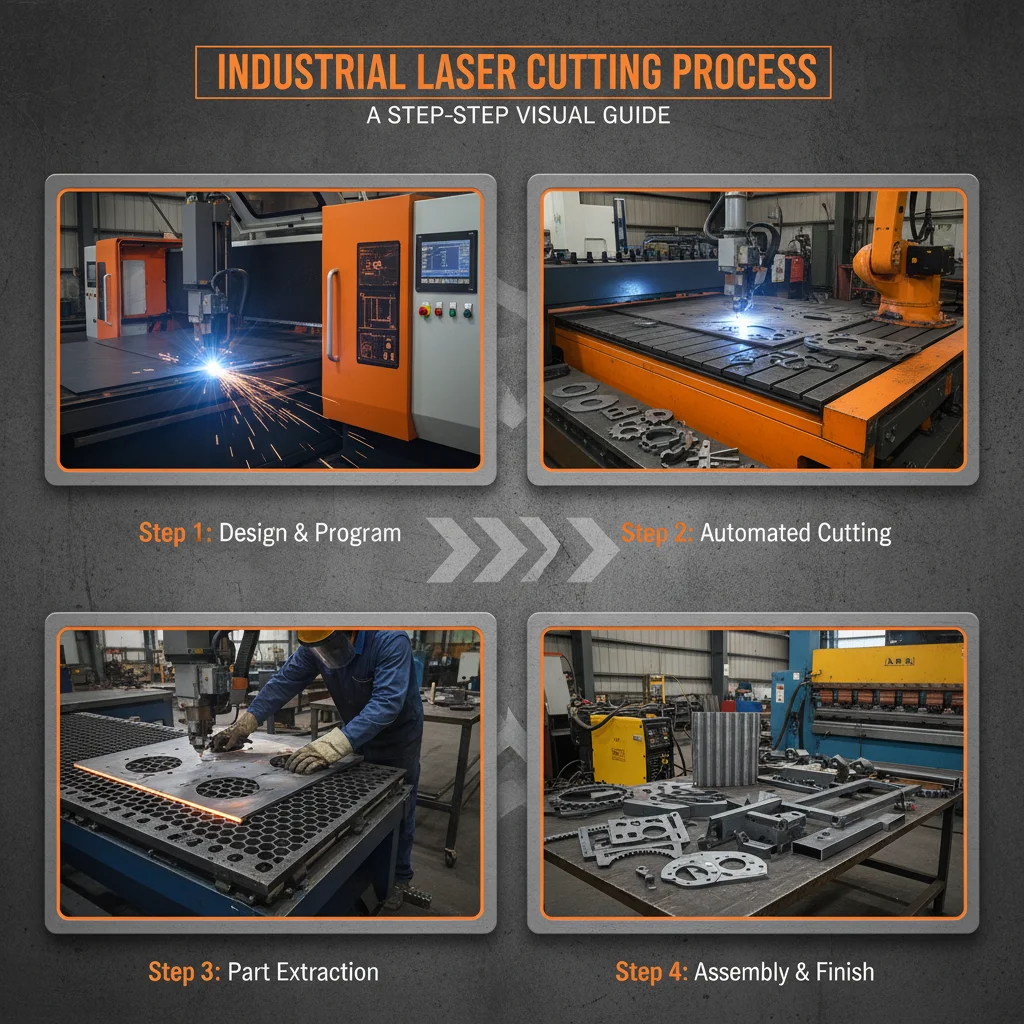
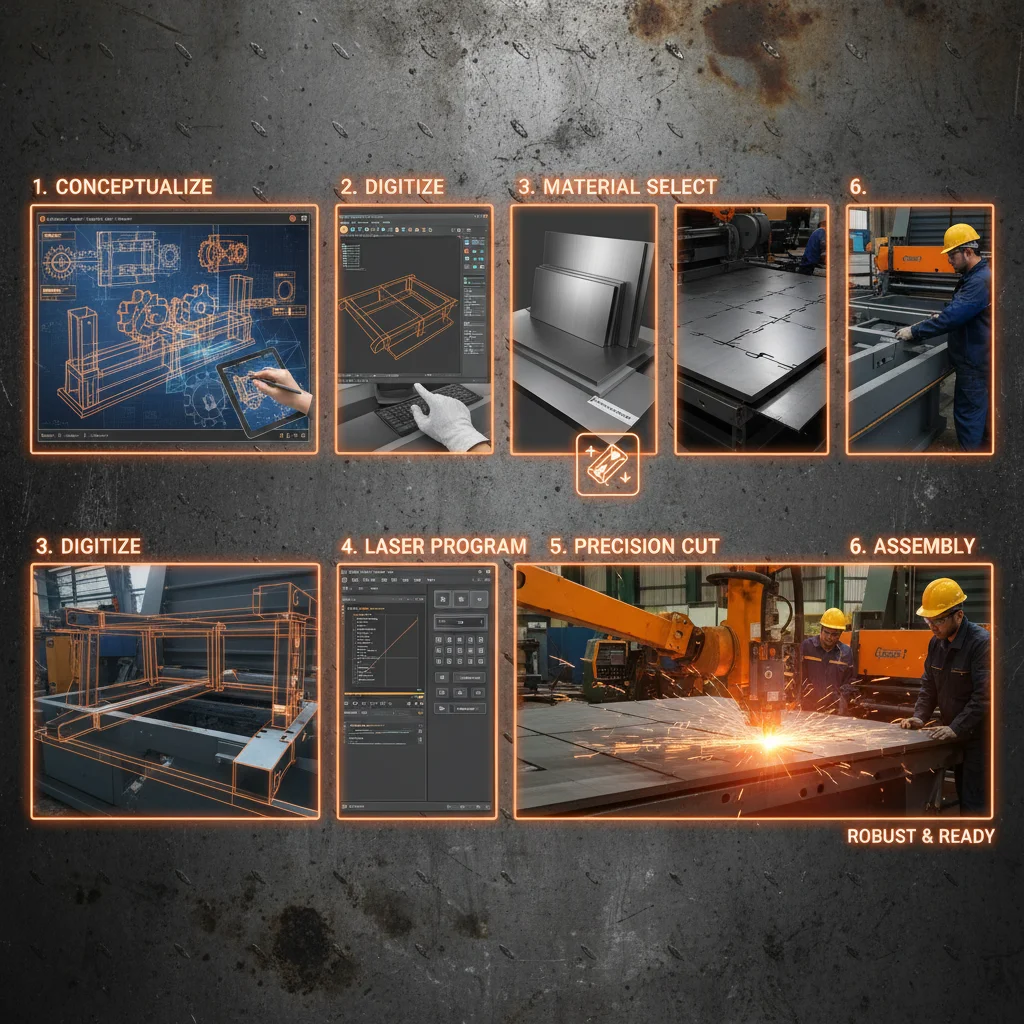
Having spent over a decade working directly with industrial cutting equipment, I can tell you one thing: the CO2 metal cutting laser remains a stalwart in metal fabrication shops worldwide. There’s just something about the way it combines precision, speed, and versatility that keeps it relevant despite newer technologies vying for attention.
Oddly enough, even with the rise of fiber lasers, CO2 lasers hold ground because of their ability to handle thicker and reflective metals in certain configurations. I personally noticed that when we upgraded one of our lines to a CO2 machine, the quality of cuts on stainless steel dramatically improved, especially on complex patterns. That smooth edge finish? Priceless.
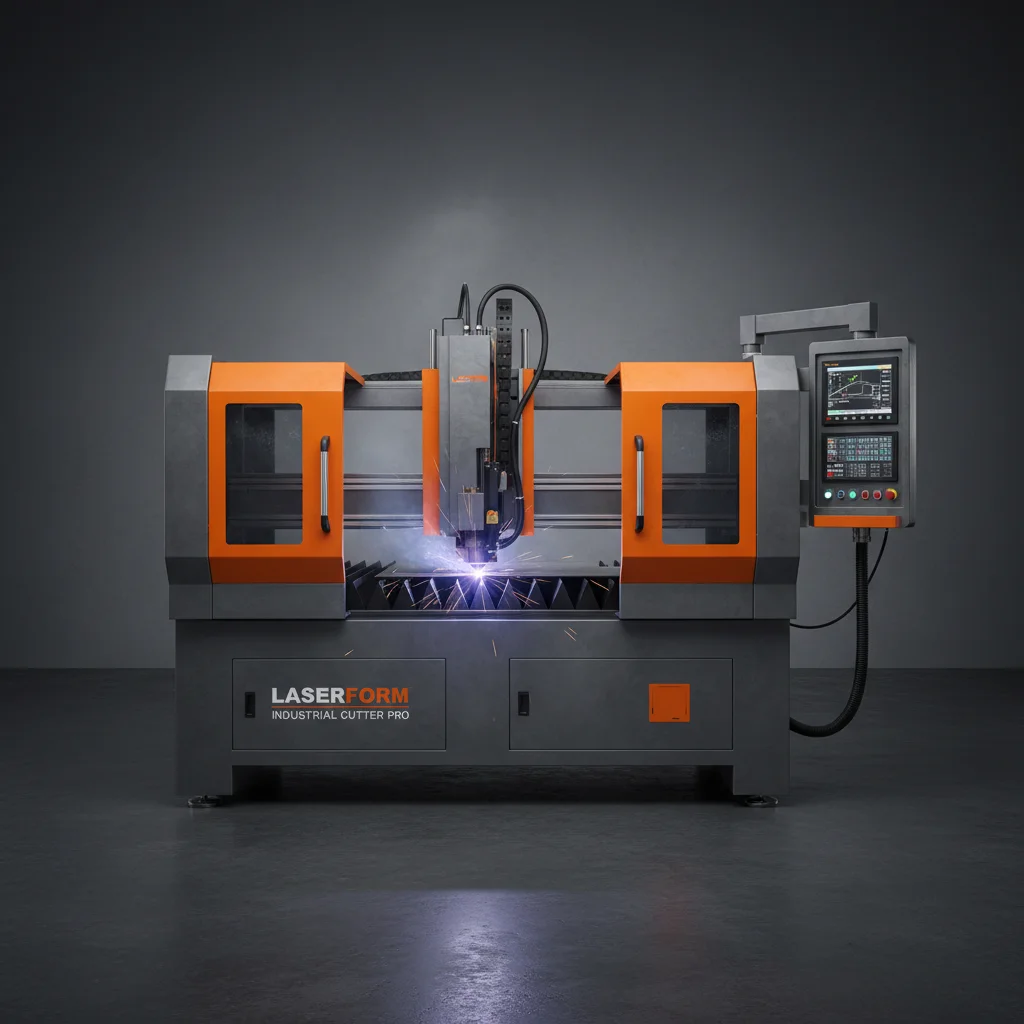
For those new to it, a CO2 metal cutting laser works by using a gas mixture—mostly carbon dioxide, nitrogen, and helium—to generate a high-powered infrared laser beam. This beam then melts, burns, or vaporizes metal with high precision. It’s a well-established technology, developed over decades, tried and tested in plants worldwide.
You’ll often hear engineers praise the CO2 laser for its adaptability. It’s basically great for cutting mild steel, aluminum, brass, and even some exotic alloys. Plus, CO2 lasers typically operate around a wavelength of 10.6 micrometers, which interacts particularly well with many metal surfaces.
And frankly, for businesses that require large-scale volumes, this tech offers faster throughput with stunning repeatability. The machines are customizable, allowing for various beam qualities, power levels (ranging roughly between 1000W and 6000W and beyond), and cutting bed sizes, depending on the manufacturer.
Here’s a quick look at the typical specs you might expect from a state-of-the-art CO2 metal cutting laser:
| Specification | Details |
|---|---|
| Laser Power | 1,000W to 6,000W+ |
| Wavelength | 10.6 µm |
| Cutting Thickness (Mild Steel) | Up to ~25mm |
| Cutting Speed | Up to 15000 mm/min (varies with thickness) |
| Working Area | 1,500 x 3,000 mm (customizable) |
| Cooling System | Water-cooled |
| Control System | CNC with CAD/CAM compatibility |
Of course, not every CO2 laser cutter is created equal. That’s why it’s worth sizing up multiple suppliers to see who meets your shop’s needs best.
| Vendor | Max Laser Power | Cutting Thickness | Custom Features | Price Range |
|---|---|---|---|---|
| Topstar Laser | 6,000W | Up to 25mm mild steel | Full CAD/CAM, smart cooling, automatic nozzle changer | $$$ |
| Vendor B | 4,000W | Up to 20mm mild steel | Standard CNC, basic cooling | $$ |
| Vendor C | 5,000W | Up to 22mm mild steel | Enhanced software integration, water and air cooling | $$$ |
When I first started consulting for small-to-mid factories, I saw many hesitate on investing in CO2 systems because fiber lasers were “the trend.” But after testing, it became clear that for certain metals and cut parameters, a CO2 metal cutting laser was kind of indispensable. In fact, many clients who bought from Topstar Laser reported longer uptime and much less surface discoloration on their finished products.
One engineer from a sheet metal manufacturer told me they cut down post-processing times by almost half thanks to the clean cuts from their new CO2 laser. It’s the sort of benefit that’s hard to quantify but impossible to ignore when it comes to operational efficiency.
Now, CO2 laser systems do require diligent maintenance — water cooling, gas supply, optics cleaning — but honestly, once your team is trained, it’s pretty straightforward. It feels like a dependable tool that, when used right, pays for itself many times over.
In real terms, if you’re weighing metal cutting options and your materials lean toward mild steel or thicker alloys, don’t write off CO2 lasers just yet. They’re proven, powerful, and oddly enough, kind of future-proof in their niche.
Feel free to explore more on the subject directly at Topstar Laser and get a sense of the portfolio they offer.
(And yes, being passionate about cutting tech is weirdly satisfying… but I suppose that’s just the engineer in me.)
The CO2 metal cutting laser remains a cornerstone for durable, precise metal cutting — especially when precision meets thicker metals. If you haven't experienced it firsthand, consider a trial or demo.