Shijiazhuang Topstar
International Trading Co., Ltd.


Get In Touch
The world of manufacturing and fabrication is evolving at a breakneck pace, and right at its cutting edge — quite literally — is the industrial cutting laser. This technology matters globally, not just because it dramatically reshapes production efficiency, but because it opens doors to innovation, sustainability, and precision that conventional methods just can’t match. Grasping the basics of industrial cutting lasers gives manufacturers—and anyone curious about technology—a glimpse into how things are made today and what’s coming next.
Industries worldwide have been adopting industrial cutting laser technology, accelerating growth and reducing waste. According to the International Organization for Standardization (ISO), the global manufacturing sector accounts for roughly 16% of GDP in many advanced economies, with laser cutting representing a significant slice of the toolkits employed. The World Bank notes improved manufacturing productivity has always been linked to technological adoption, and industrial cutting lasers are front runners in that race.
The challenge is clear: how do manufacturers worldwide increase precision, reduce human error, and maintain environmental responsibility? Conventionally, cutting metal and other materials involved mechanical tools prone to wear and tear — not ideal for the tight tolerances complex modern products demand. Enter industrial cutting lasers: precise, scalable, and surprisingly versatile solutions.
Mini takeaway: Industrial cutting lasers are a global game changer in making industrial processes faster, cleaner, and more precise.
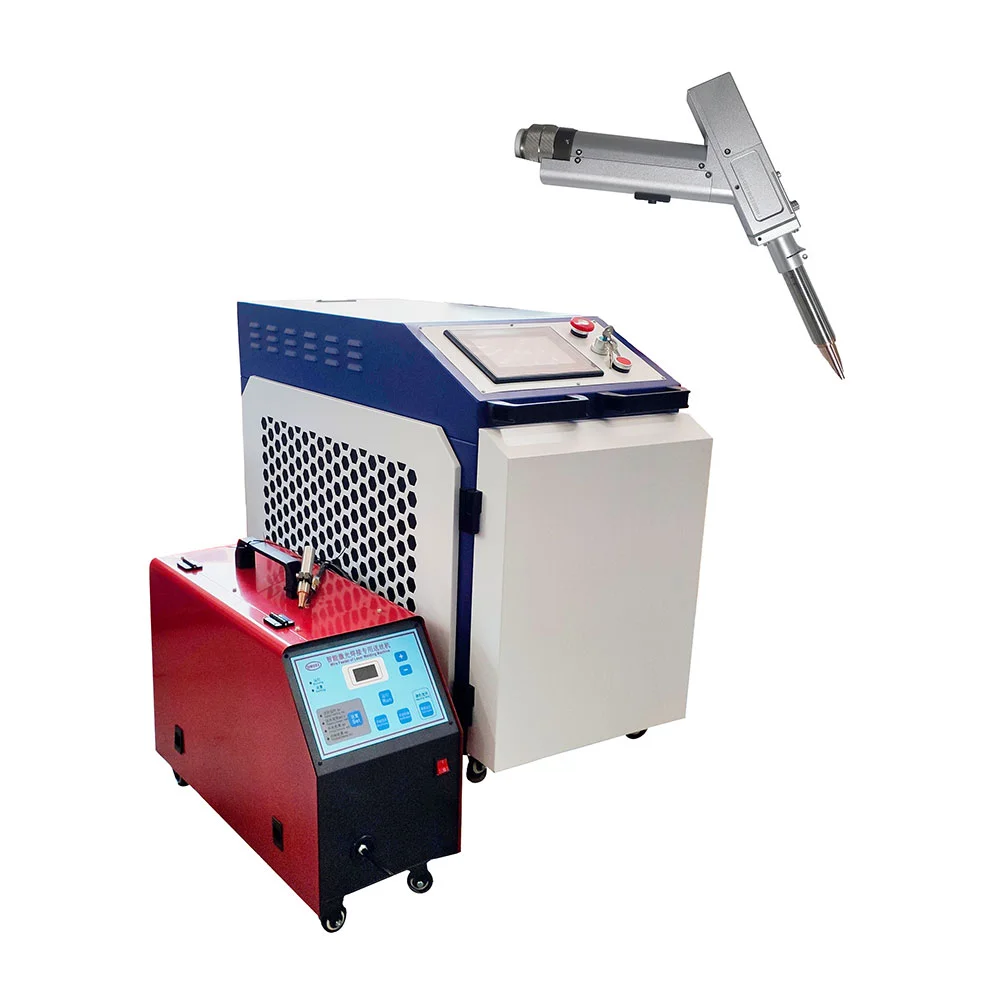
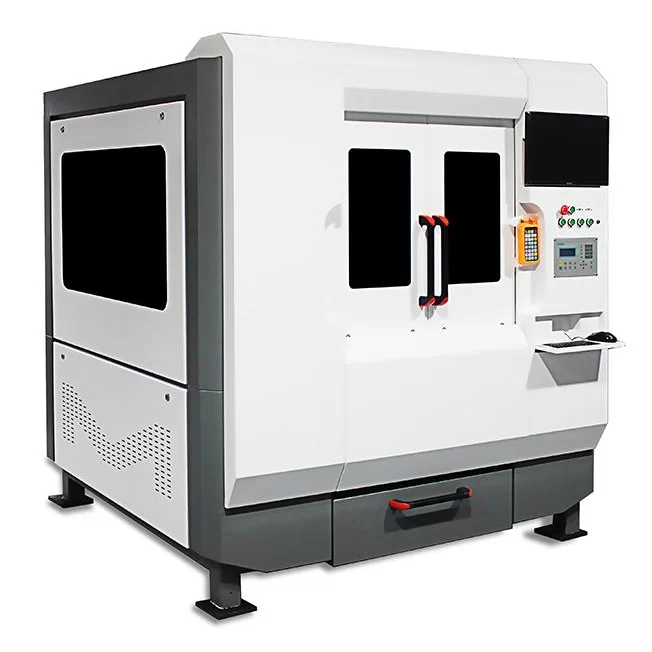
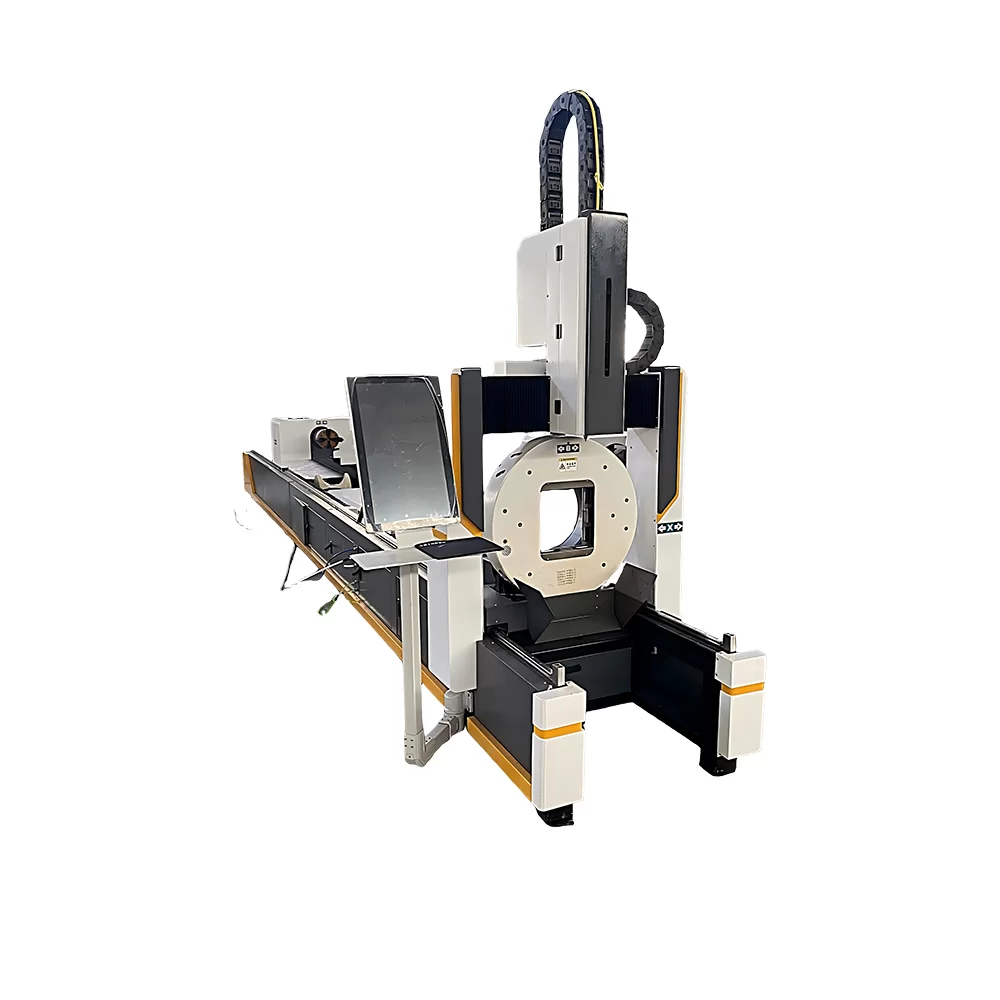
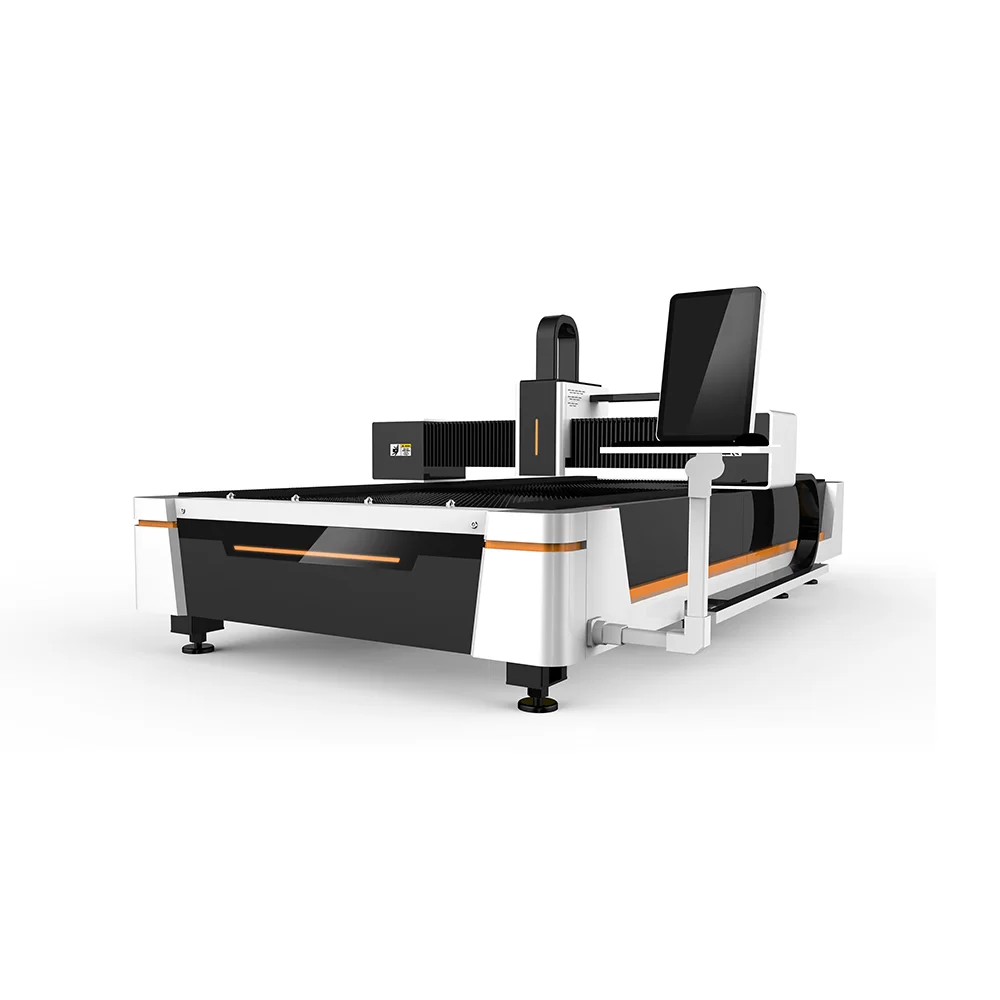
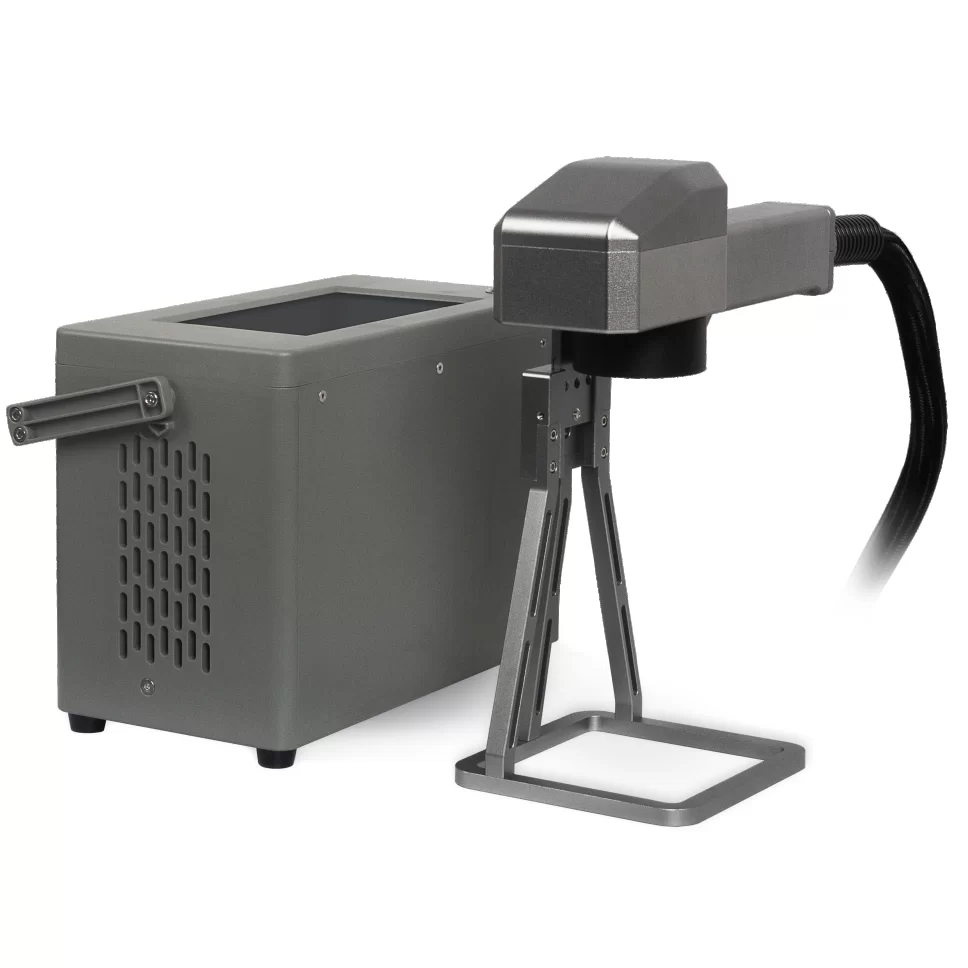
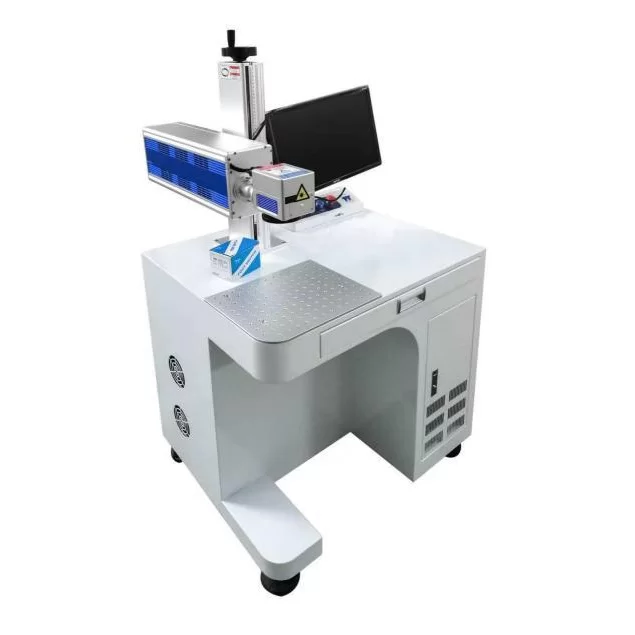
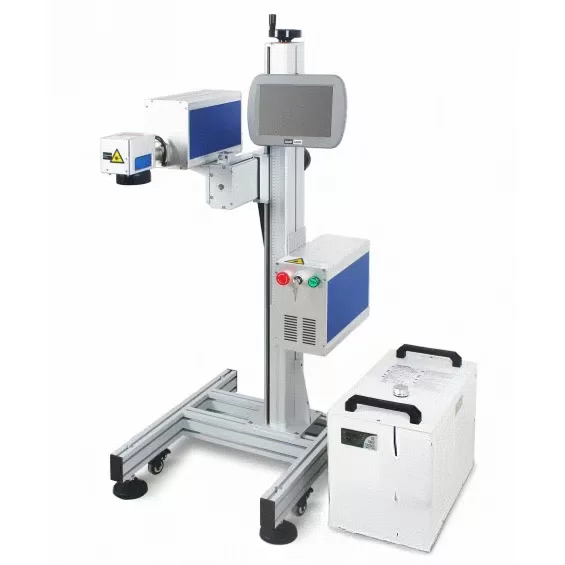
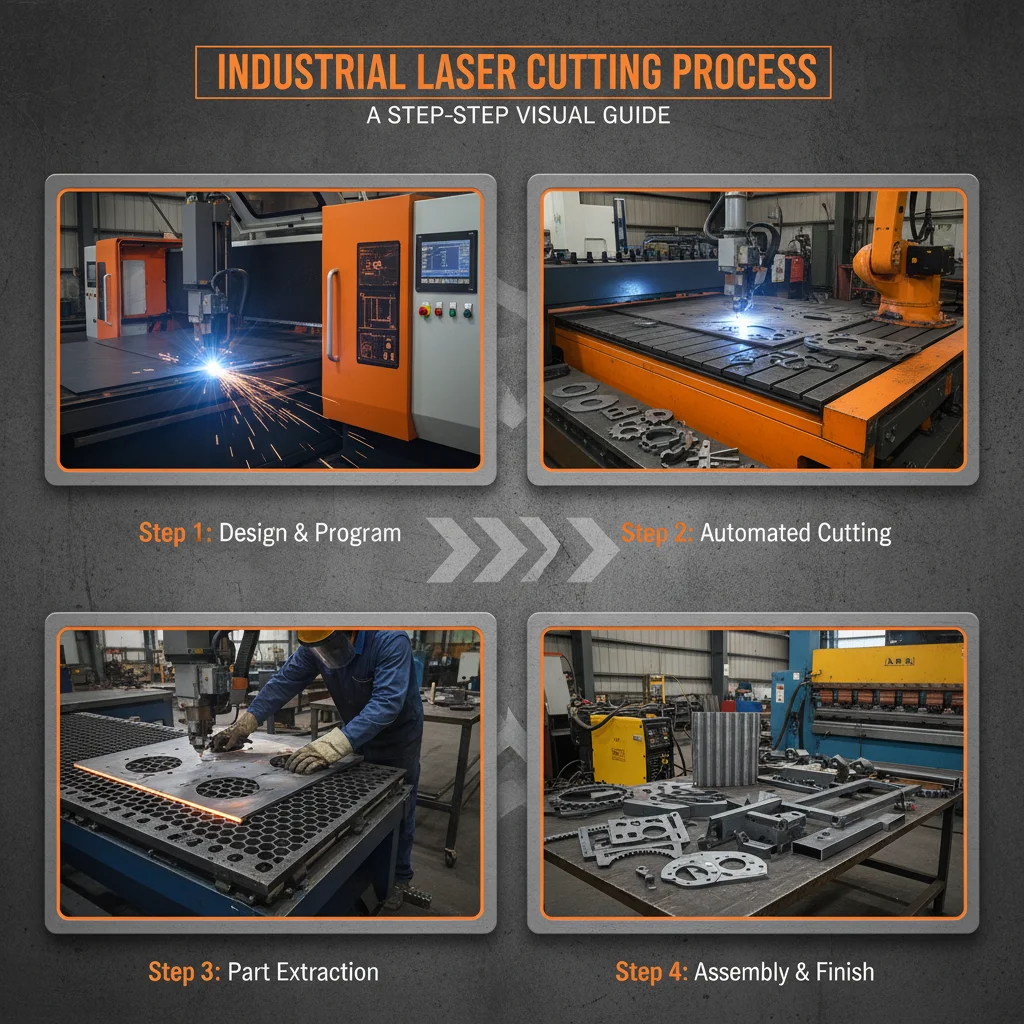
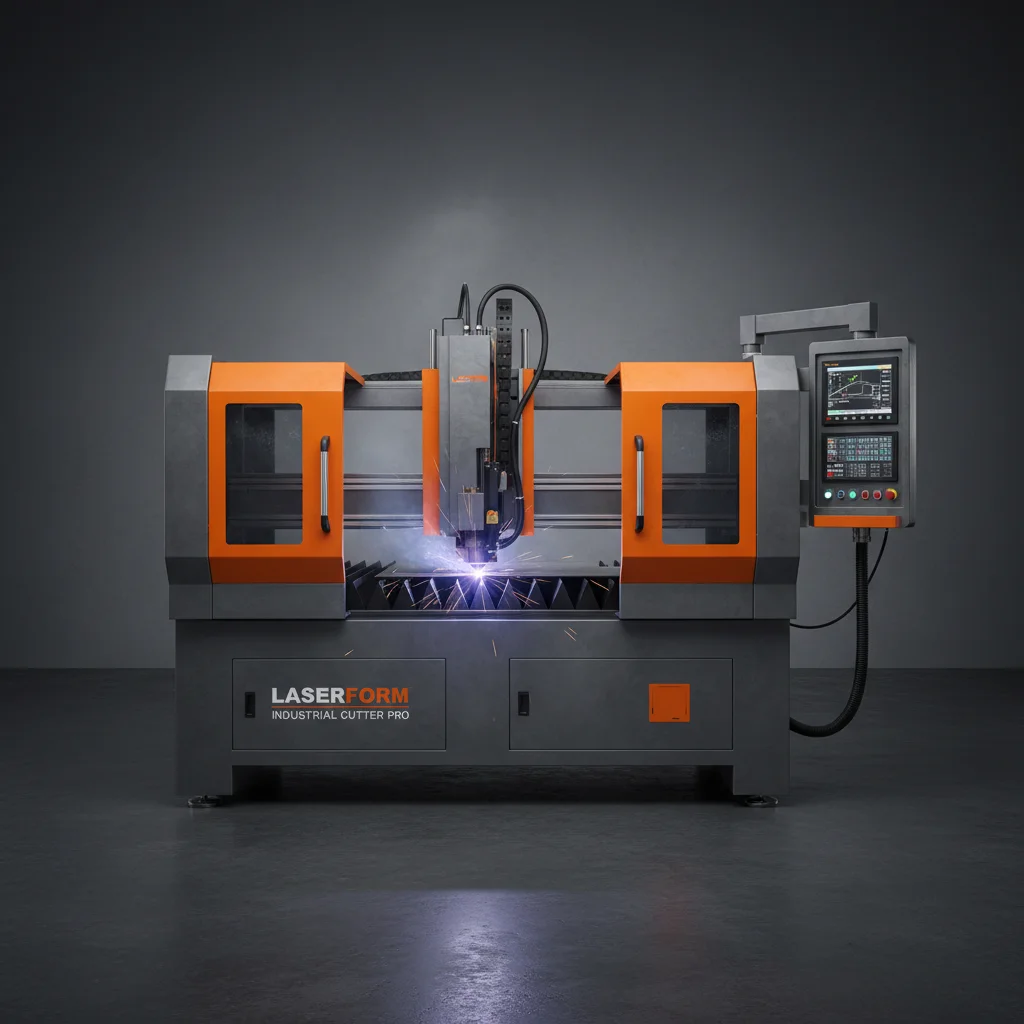
At its core, an industrial cutting laser is a machine that uses a focused beam of light to cut through or engrave materials. Think of it like a super intense flashlight that can slice through metals, plastics, wood, and more with incredible precision. These lasers work by heating, melting, or vaporizing the material along a defined path, controlled by computer numerical control (CNC) systems—so the human operator is more supervisor than cutter.
The connection to modern industry is profound. Whether producing intricate automotive parts or delicate electronic circuits, industrial cutting lasers help manufacturers push boundaries. Oddly enough, these technologies also play a role in humanitarian aid contexts—like producing medical devices or components for clean energy solutions faster and more reliably. That mix of high-tech utility and practical relevance is why they’re so fascinating.
Mini takeaway: Industrial cutting lasers combine precision light technology with smart controls, powering modern manufacturing and even humanitarian aid.
The cutting ability depends largely on beam intensity and quality. Higher power lasers cut thicker materials faster, while beam focus precision influences edge quality. For example, fiber lasers often offer high beam quality with compact designs.
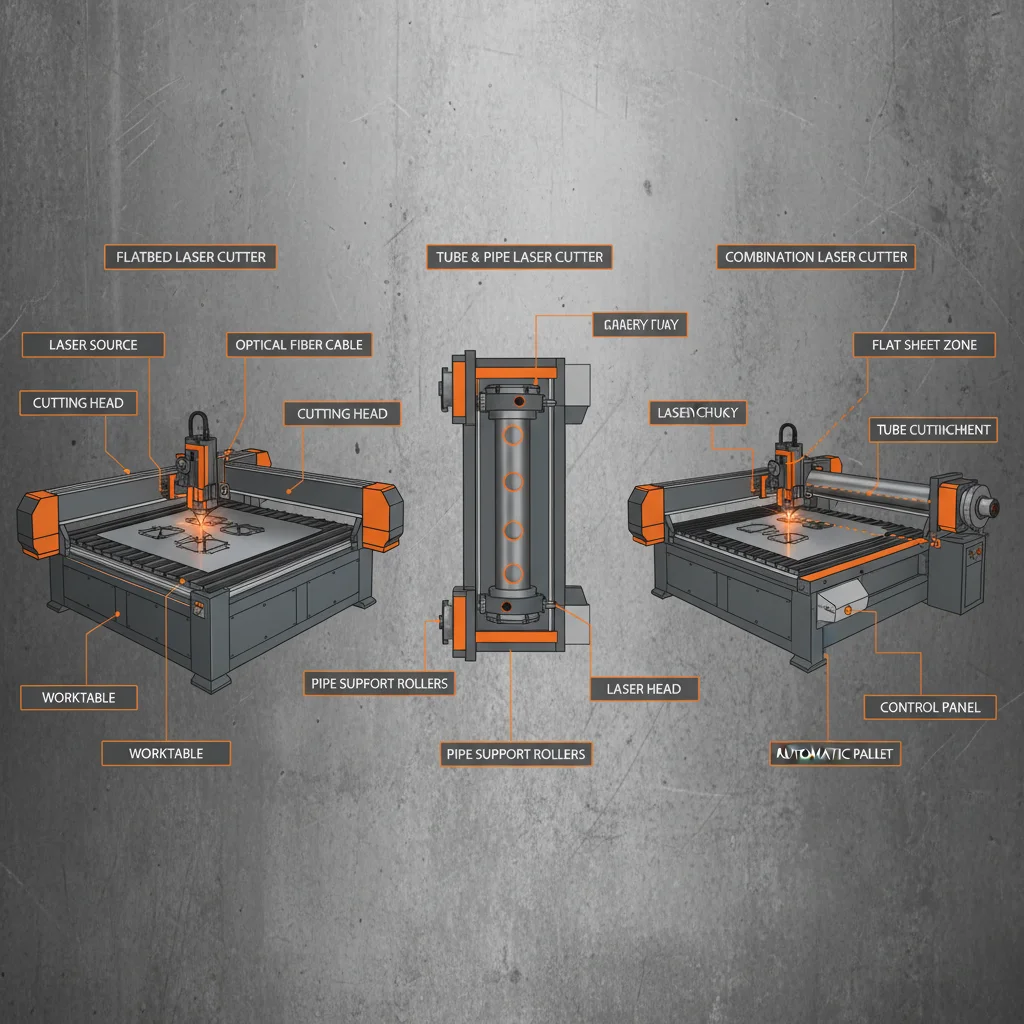
Lasers used industrially must withstand heavy workloads. Components like laser sources, optics, and cooling systems require robust design and regular maintenance to avoid downtime.
From small-scale prototyping workshops to vast factory floors, industrial cutting lasers scale well. Integration with automated handling systems allows continuous operation without sacrificing accuracy.
Though initial investment can be steep, laser cutting often reduces scrap material and rework time, lowering overall production costs. Plus, energy consumption tends to be less than traditional mechanical cutters.
Lasers can cut complex shapes with high repeatability, making them ideal for industries spanning aerospace to consumer goods. Plus, they handle a variety of materials including steel, aluminum, glass, and composites.
Mini takeaway: The industrial cutting laser’s success hinges on power, durability, scalability, cost-efficiency, and precision.
| Specification | Typical Range | Notes |
|---|---|---|
| Laser Type | Fiber, CO2, Nd:YAG | Fiber lasers dominate recent trends |
| Power Output | 500W – 12kW | Higher powers cut thicker metals |
| Cutting Speed | Up to 60 m/min | Depends on material and thickness |
| Max Material Thickness | Up to 30 mm (steel) | Varies by laser power and material |
| Accuracy | ±0.1 mm | Critical for precision parts |
In real terms, industrial cutting lasers have woven themselves into many industries around the globe. The automotive sector in Germany, for example, uses these lasers extensively to produce lighter, stronger components, optimizing fuel efficiency. Meanwhile, in China—the world’s manufacturing hub—industrial cutting lasers streamline fabrication lines producing everything from electronics to heavy machinery.
In more unexpected places, industrial cutting lasers contribute to humanitarian efforts. For instance, NGOs deploying rapid medical infrastructure in disaster zones use laser-cut parts for temporary shelters and medical equipment faster than ever before. Similarly, industries in remote oil fields or shipbuilding yards leverage these lasers for on-site manufacturing, circumventing traditional delays.
The growing green energy sector also benefits: solar panel frames, wind turbine components, and battery enclosures frequently rely on laser cutting for their precision and clean cuts, which improves the quality and lifespan of the final products.
Mini takeaway: From high-end automotive to emergency relief, laser cutting enables faster, cleaner, and more efficient manufacturing worldwide.
Emotionally, many engineers expressed how laser cutting feels like empowering their craftsmanship—they can “carve” metal with the precision of an artist's brush. This human-machine synergy builds trust and pride in the quality of manufactured goods.
Mini takeaway: Industrial cutting lasers offer lasting financial, environmental, and emotional benefits, supporting smarter, safer manufacturing.
Looking ahead, digital transformation is propelling industrial cutting lasers into smart manufacturing ecosystems — an Industry 4.0 hallmark. We’re seeing better integration with industrial cutting laser control software, AI-assisted cutting path optimization, and predictive maintenance powered by IoT sensors.
Green manufacturing is also a focus. New laser fiber sources powered by renewable energy reduce carbon footprints, while hybrid laser systems combine laser cutting with plasma or waterjet to tackle tougher materials in a more energy-efficient way.
Materials innovation is underway too. Cutting composite materials—think carbon fiber for aerospace—requires specialized lasers and beam settings that manufacturers are just starting to master.
Of course, no technology is perfect. Common challenges include upfront capital investment, complexity of operation, and dealing with reflective materials that can damage laser optics. Skilled operators and engineers say routine training plus investing in advanced optical coatings help mitigate many of these issues.
Some companies are adopting modular laser systems that can be upgraded as technology evolves, avoiding obsolescence. Others rely on remote diagnostics and vendor partnerships to lower maintenance costs and downtime.
Mini takeaway: While challenges exist, education, modularity, and smart maintenance keep industrial cutting lasers cutting-edge and cost-effective.
| Vendor | Laser Type | Power Range | Key Advantage | Typical Industry |
|---|---|---|---|---|
| TopStar Laser | Fiber | 1kW – 10kW | High precision & compact design | Automotive, Electronics |
| LaserPro Solutions | CO2 | 500W – 6kW | Excellent for non-metals | Signage, Plastics |
| FiberCut Tech | Fiber | 2kW – 12kW | Robust for thick metal cutting | Heavy Industry, Shipbuilding |
At the crossroads of precision, efficiency, and sustainable manufacturing, the industrial cutting laser stands tall as a pillar of modern industry. From saving costs and reducing environmental impact to enabling new forms of innovation, these tools shine a literal and figurative light on the future of production. If you’re involved or curious about cutting-edge manufacturing, it’s definitely worth diving deeper and seeing how this technology can reshape your workflows.
Looking to explore the latest in laser cutting solutions? Be sure to check out industrial cutting laser offers tailored for multiple industries and requirements.
Oddly enough, one laser beam really can cut through the noise and complexity of modern manufacturing.