Shijiazhuang Topstar
International Trading Co., Ltd.


Get In Touch
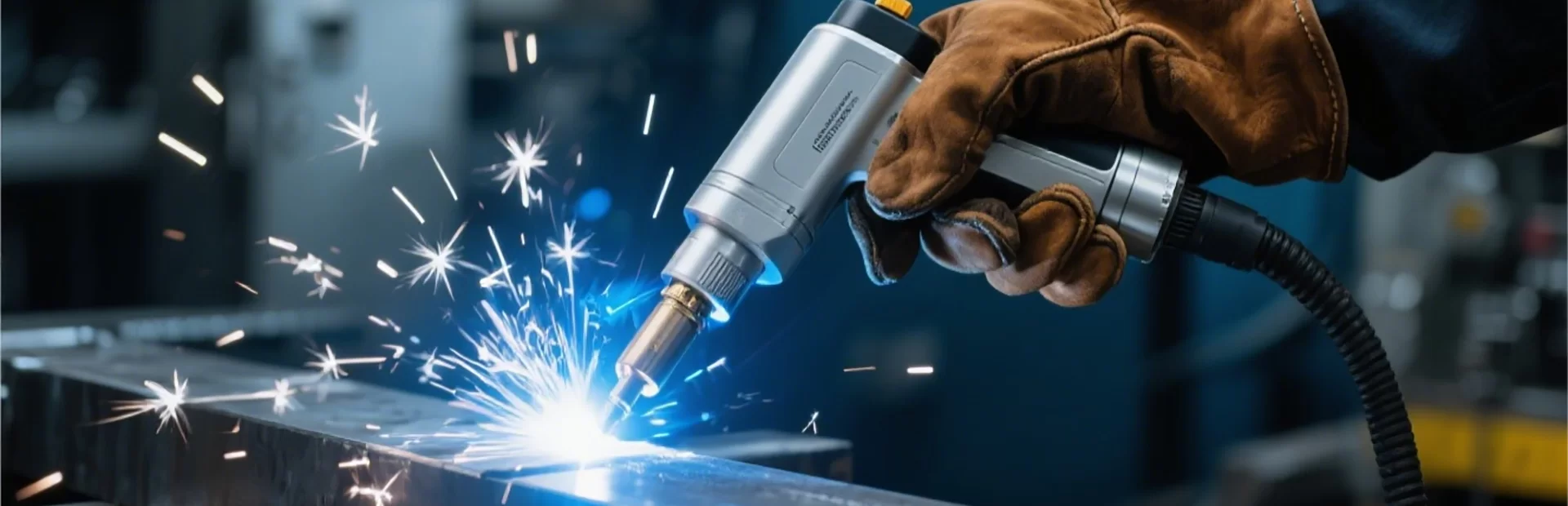
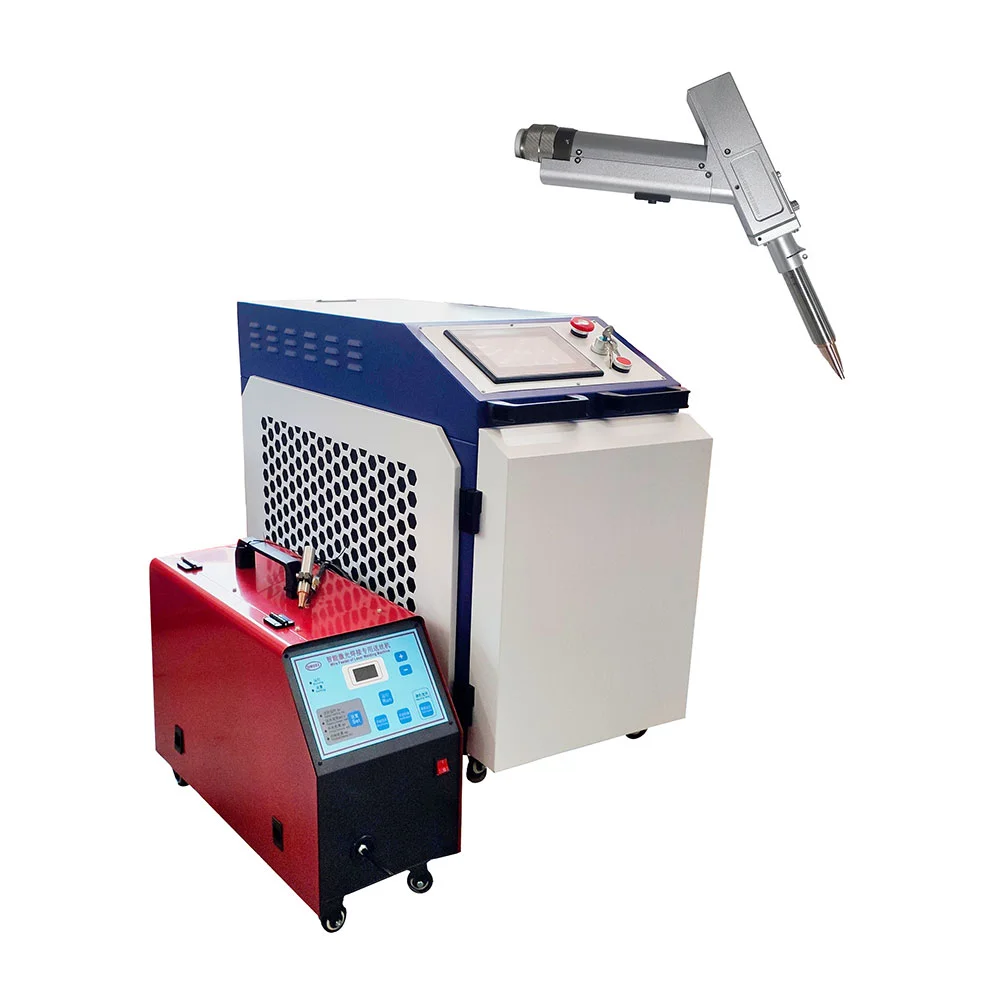
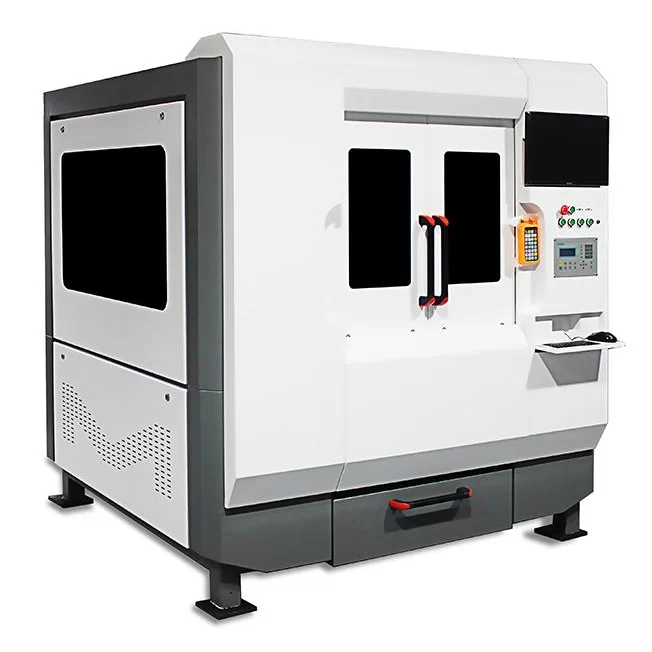
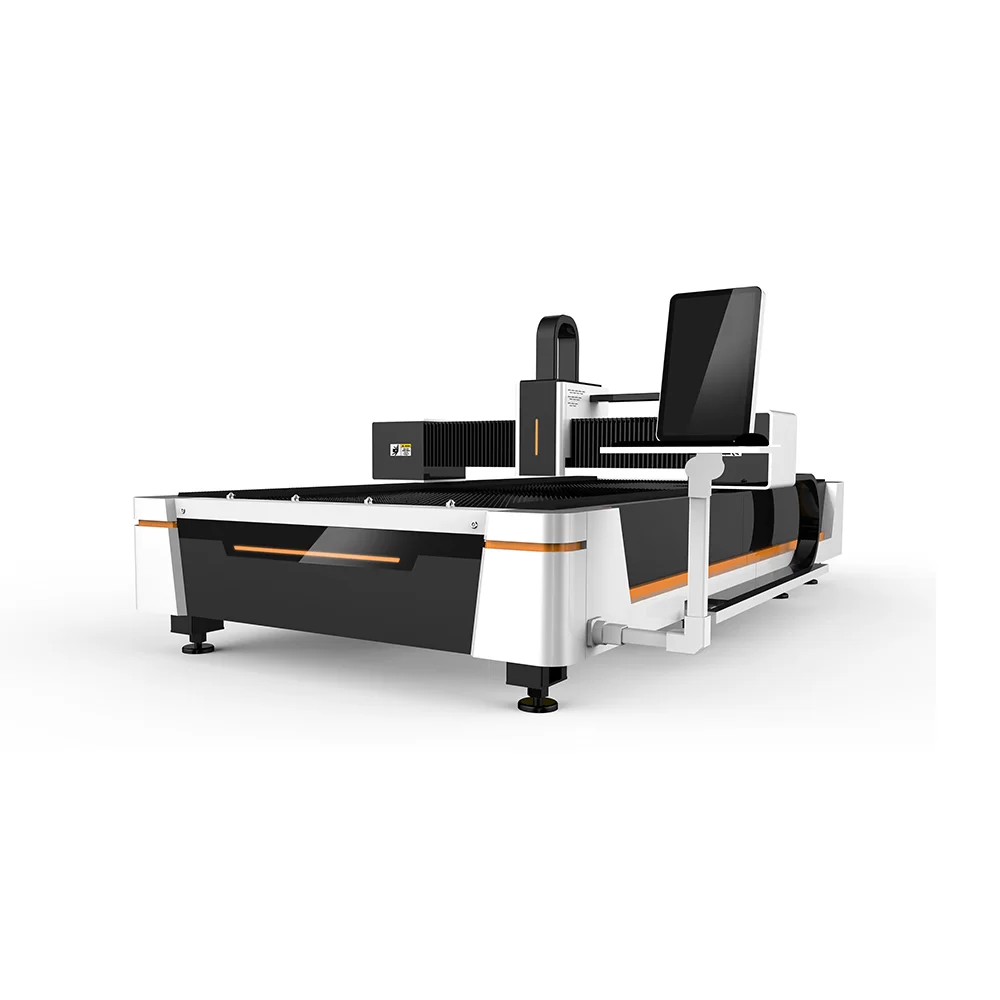
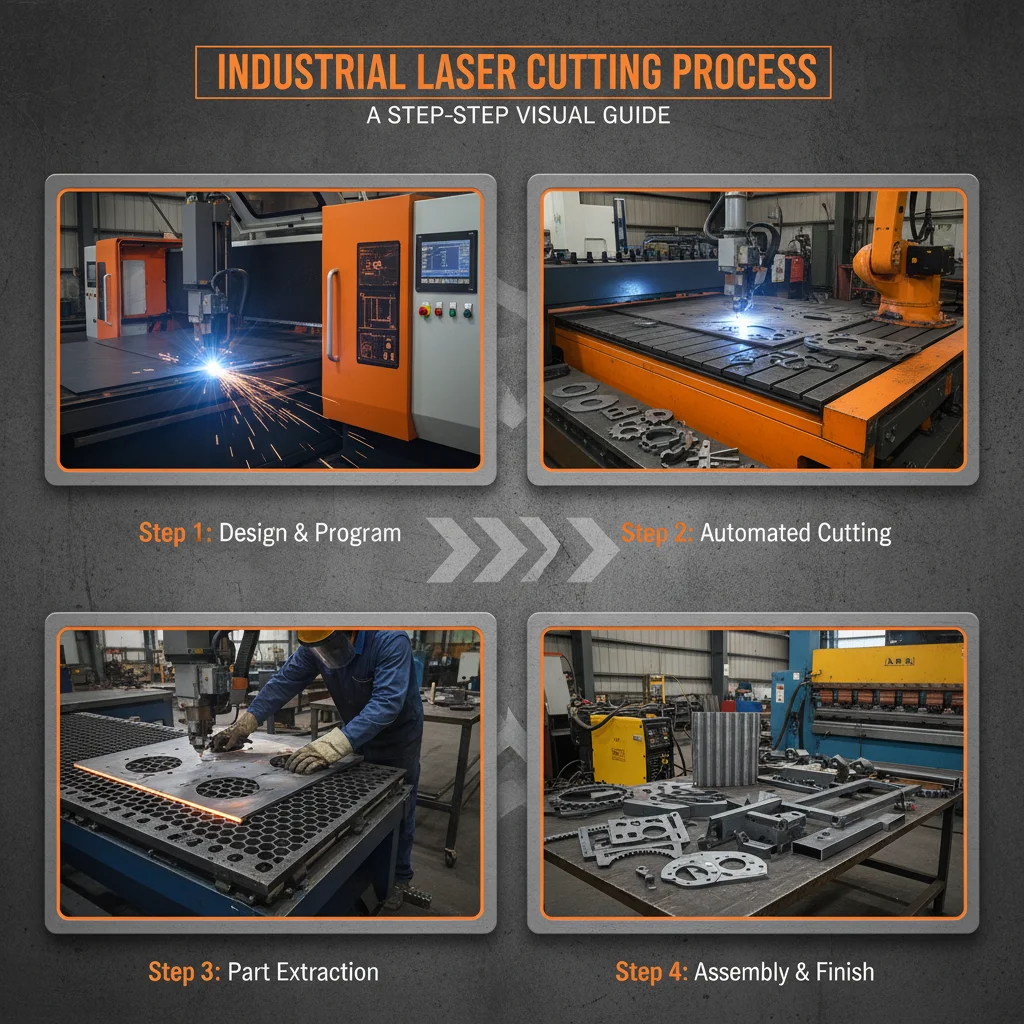
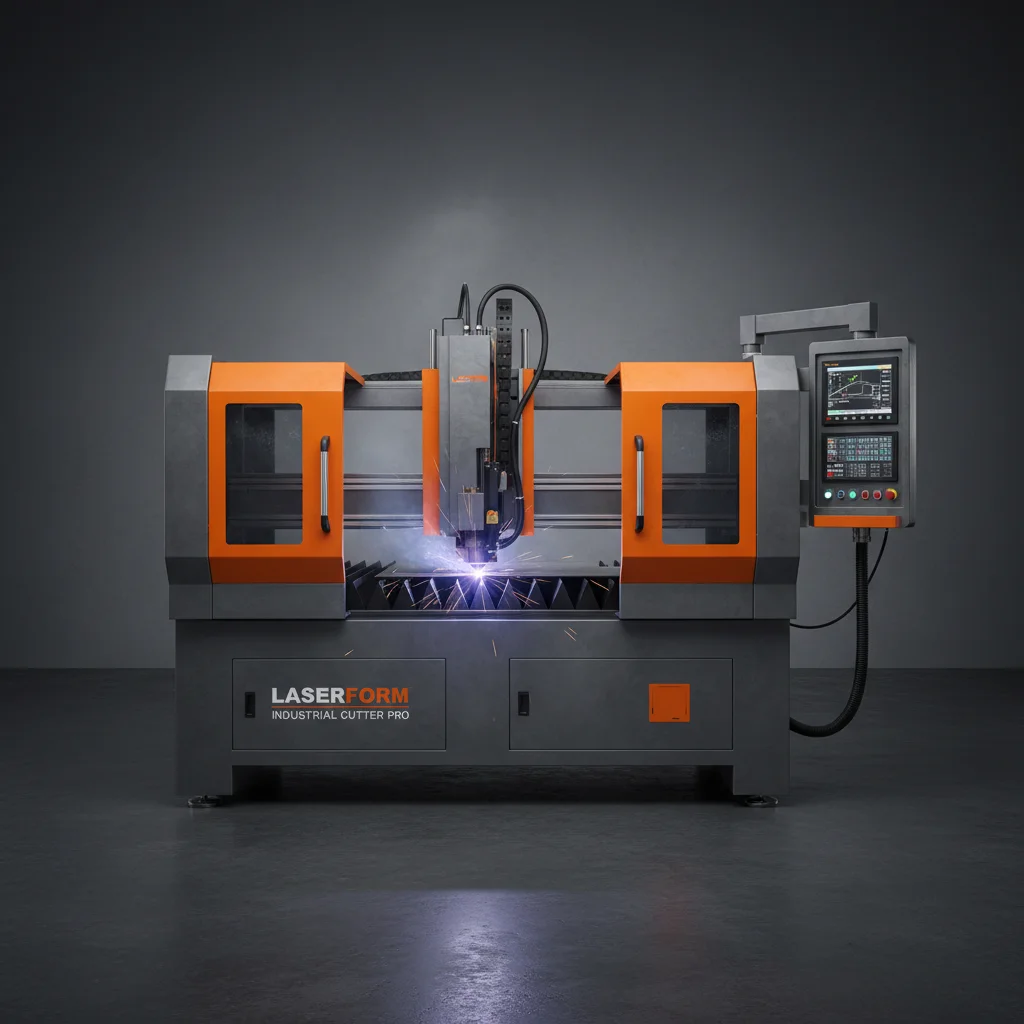
Having spent more than a decade in industrial equipment—mostly around cutting and fabrication—I’ve seen my fair share of machines that promised the moon but delivered... well, less than stellar results. Oddly enough, the 1000w laser cutter has become one of those tools that strikes a pretty great middle ground between power, precision, and affordability.
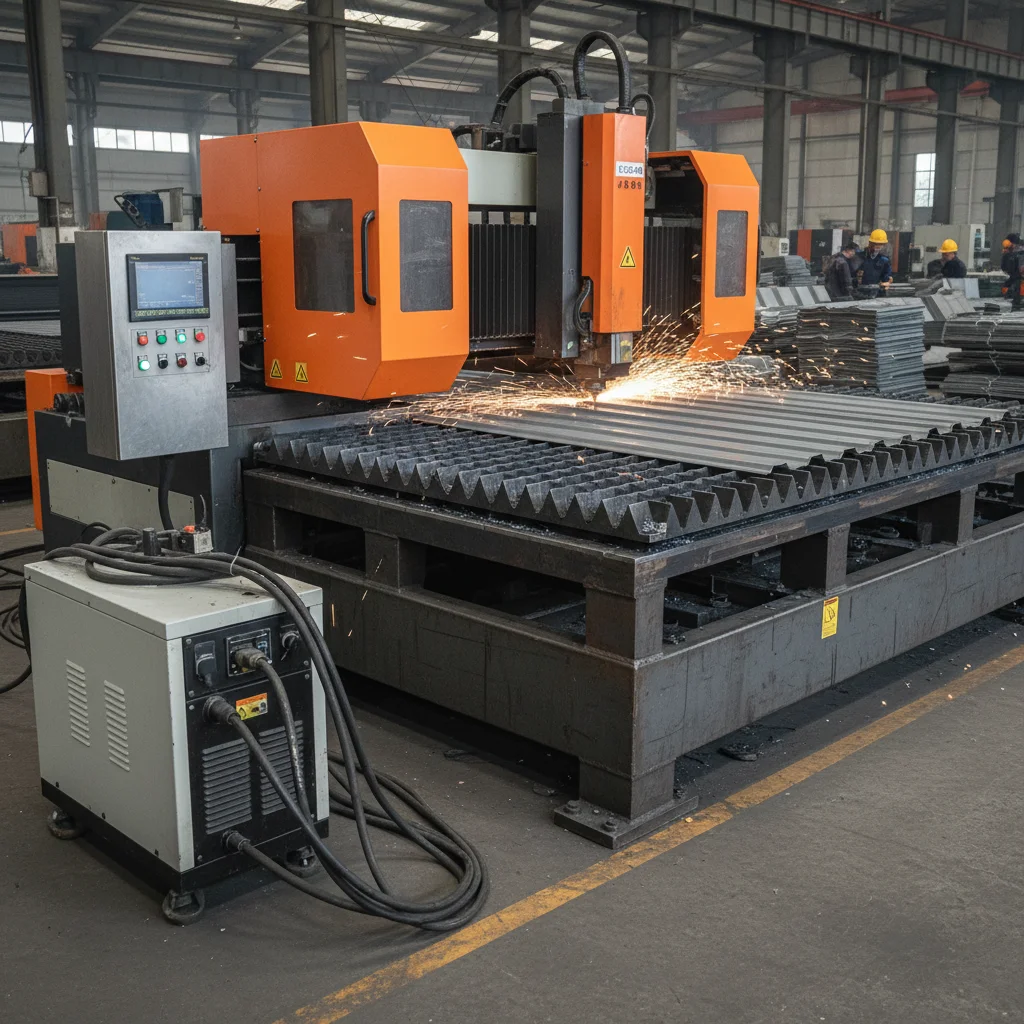
At first blush, you might think a 1000 watt laser is just a “starter” model—that it’s mainly for hobbyists or small shops. Frankly, that’s an underestimation. In real terms, these machines can cut through a variety of materials—steel, wood, plastics—at decent speeds with a fine edge finish, which is crucial if your shop handles a spectrum of projects. I remember a client who uses one for customizing metal gift boxes; the precision and speed truly jazzed up their turnaround times.
| Feature | Specification |
|---|---|
| Laser Power | 1000 watts (fiber CO2 or fiber laser) |
| Max Cutting Thickness (Carbon Steel) |
12 mm |
| Max Cutting Area | 1300 x 2500 mm |
| Positioning Accuracy | ±0.03 mm |
| Cooling Method | Water-cooled system |
| Control Software | Proprietary CAD/CAM compatible |
| Power Supply | 3-phase 380V |
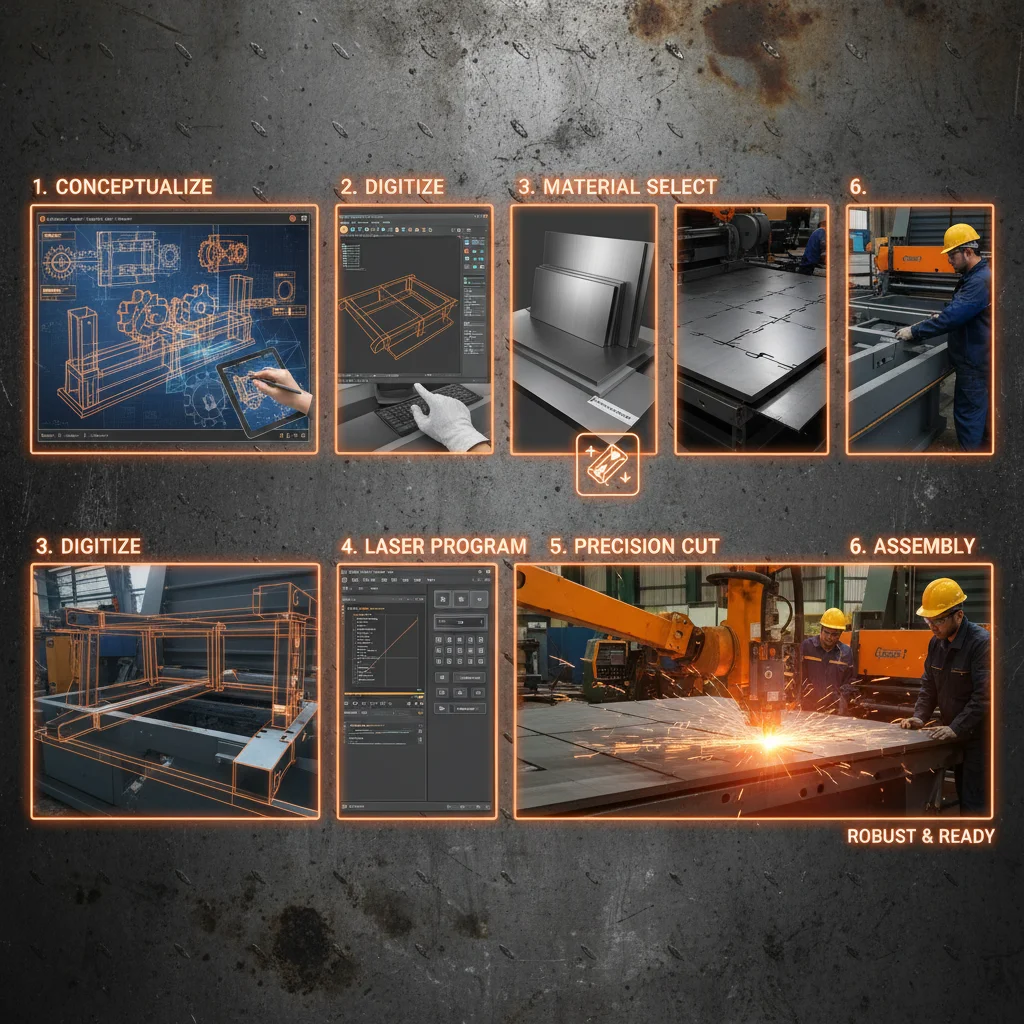
One thing that stood out during factory visits was how manufacturers tailor these machines with modular upgrades—like enhanced ventilation or laser source customization—to fit really specific industrial needs. You don’t just get a “one-size-fits-all” here; there’s noticeable attention to workflow integration. That’s important if your shop isn’t just chopping sheet metal, but also trying to efficiently scale production without exponentially increasing labor costs.
| Feature / Vendor | Topstar Laser | Competitor A | Competitor B |
|---|---|---|---|
| Laser Source Warranty | 3 years | 2 years | 1.5 years |
| Cutting Speed (Mild Steel 6mm) |
12 m/min | 10 m/min | 9 m/min |
| Software Compatibility | Full CAD/CAM integration | Limited formats | CAD only |
| Customer Support | 24/7 multilingual | Business hours only | Email support only |
| Price Range | $$$ | $$ | $ |
Honestly, when we look past specs, what really counts is reliability and the support network behind these machines. The folks I’ve dealt with at Topstar know the industry’s quirks and quickly resolve issues that could otherwise slow down production. Sure, the initial investment might be a bit higher than the more “budget-friendly” brands, but the time saved and maintenance headache avoided generally pay off.
There’s also a curious shift happening in the sector: fiber lasers are increasingly favored over CO2 lasers when you want a tight focus and less maintenance. For a 1000w setup, fiber lasers tend to be more compact and energy-efficient, which means lower operating costs—something I’ve noticed catching on in midsize fabrication shops that once stuck with classic CO2 machines out of habit.
One anecdote I like to share: a metal art workshop I know switched to a 1000w laser cutter with fiber technology last year. Their ability to rapidly prototype new designs wasn’t just a timesaver; it opened up new business avenues with custom, intricate work they never dared try before. It really feels like such machines are shifting the creative boundaries.
In closing, if you’re exploring a 1000w laser cutter for your shop, consider the balance you need between power, precision, and support. It’s not just about cutting metal; it’s about cutting operational stress and costs too.
Here’s to cleaner cuts and smoother workflows, one watt at a time.
References:
1. Industry insights from Topstar Laser product manuals and support documentation.
2. Customer reviews and case studies from industrial laser users across North America.
3. Technical comparisons from recent laser cutter reports (2023 edition).