Shijiazhuang Topstar
International Trading Co., Ltd.


Get In Touch
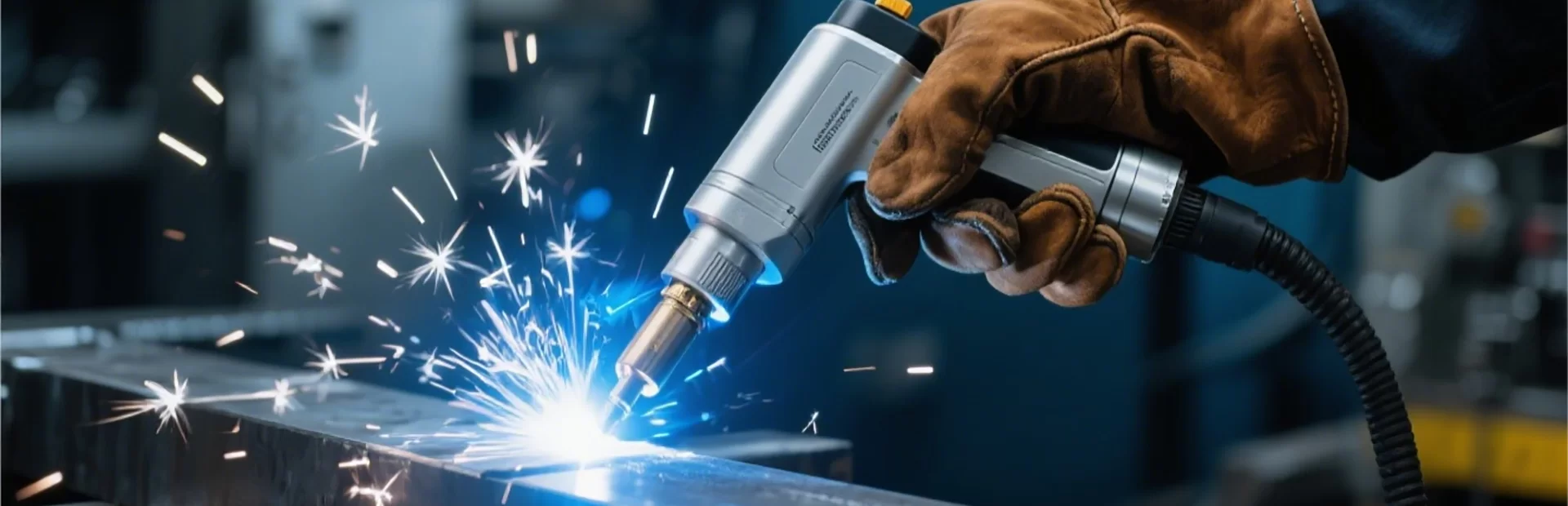
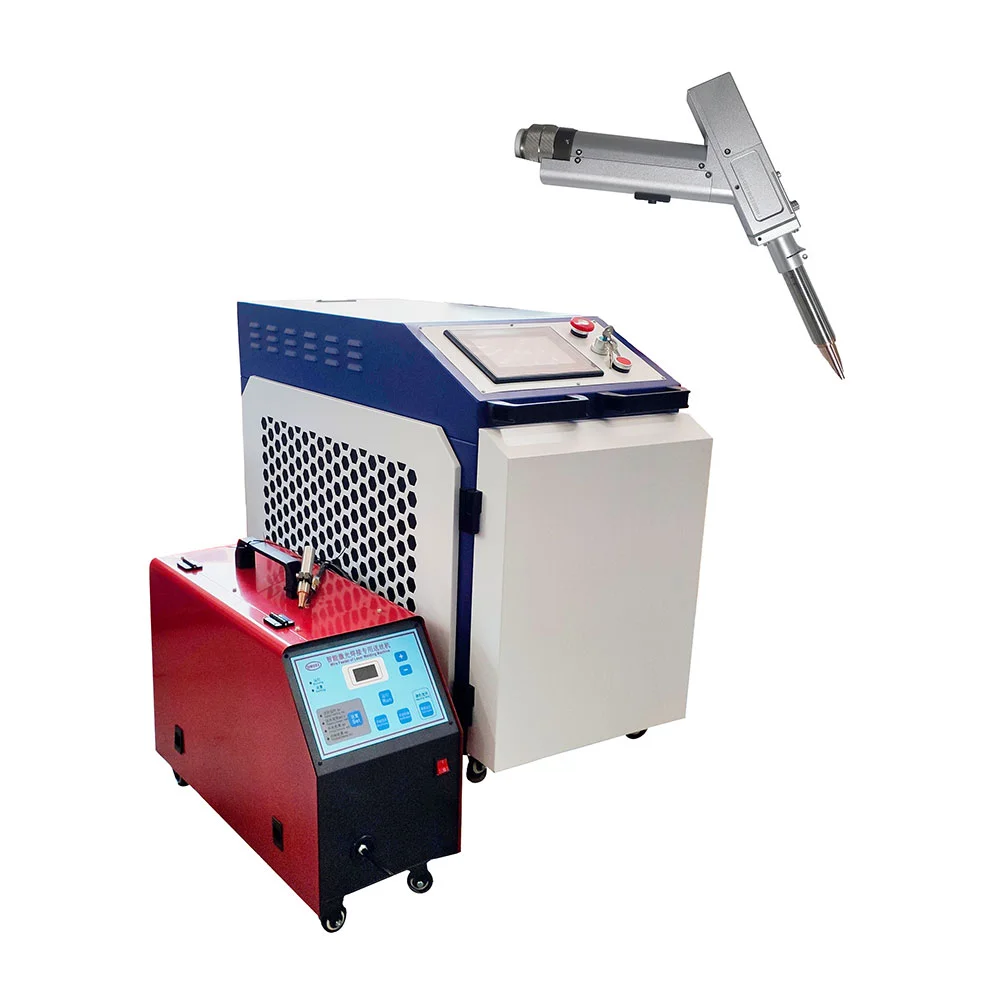
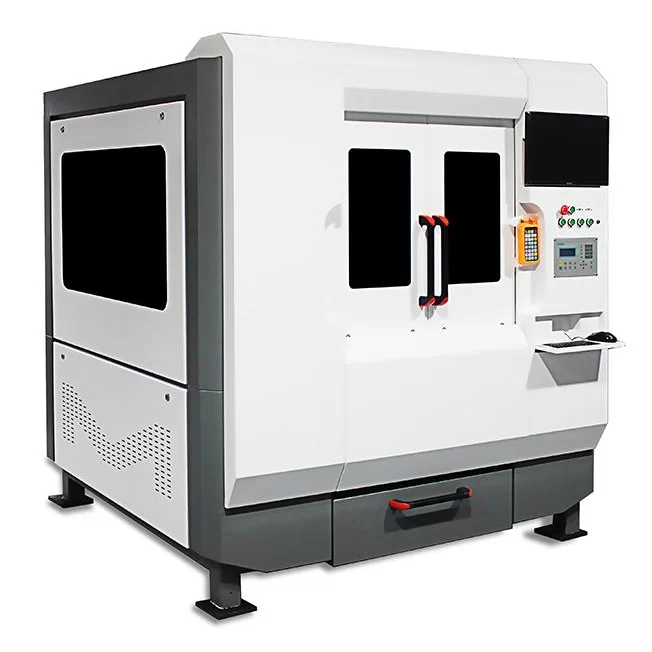
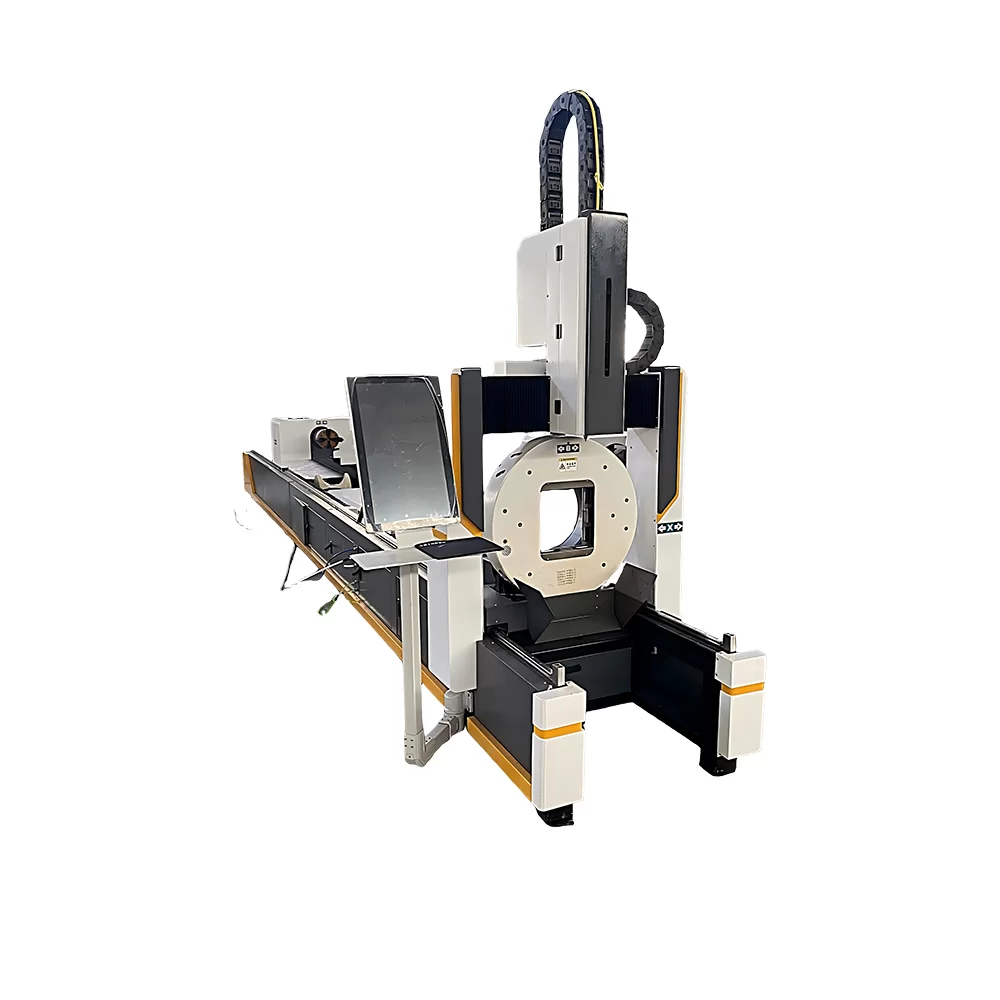
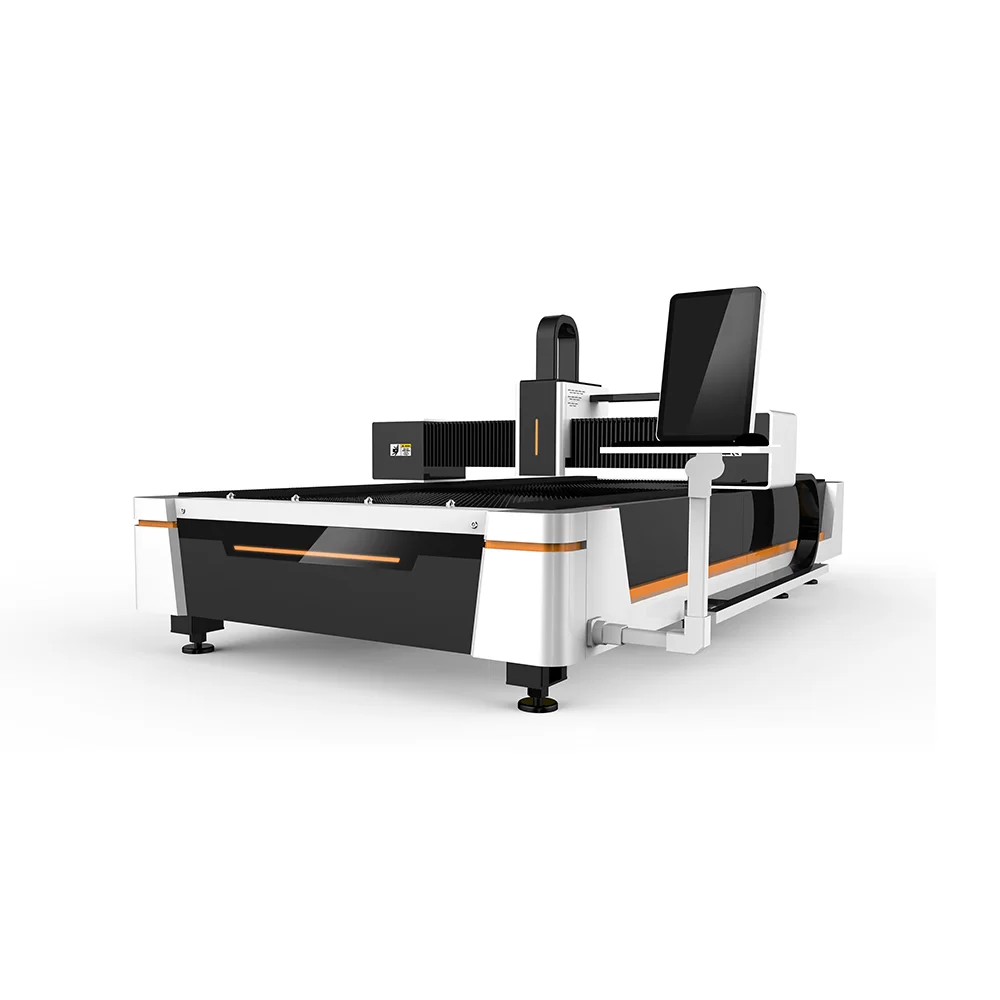
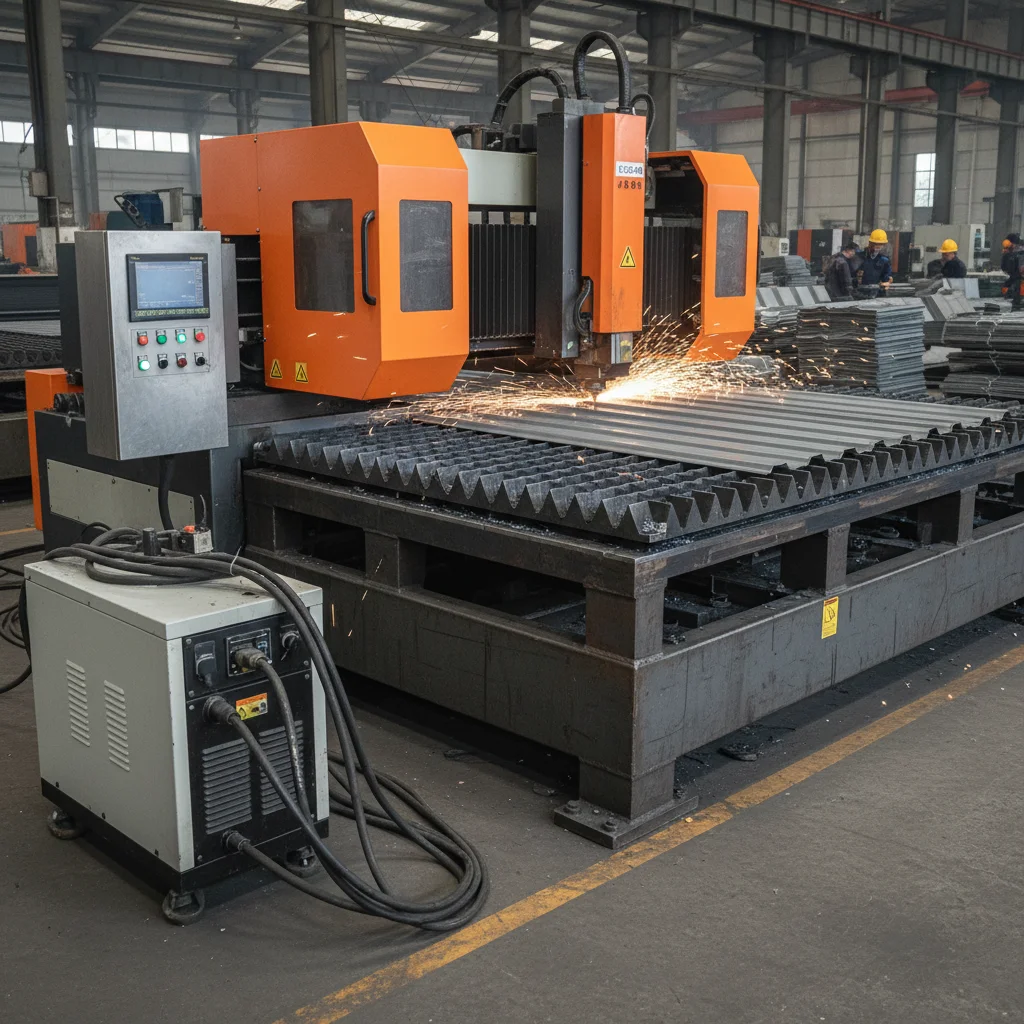
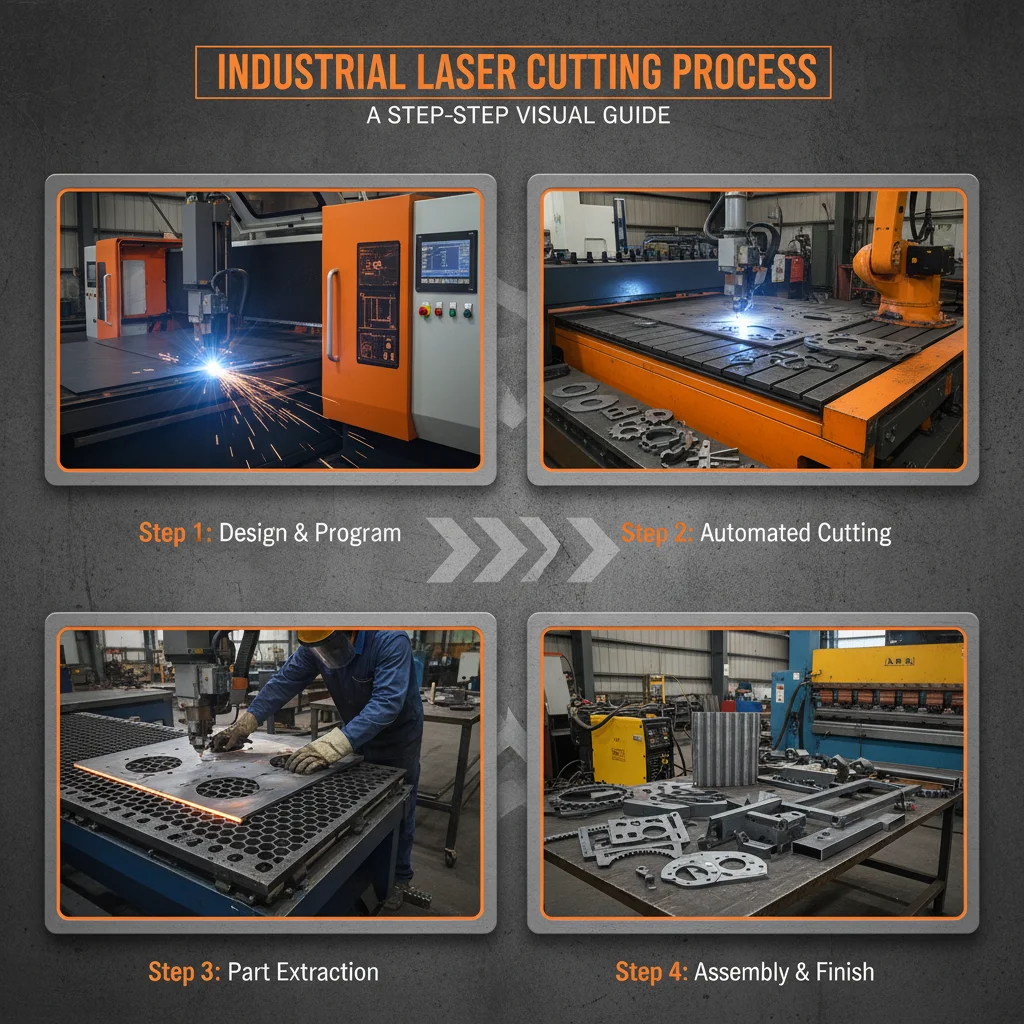
Having spent over a decade in the industrial equipment world, I’ve seen machines come and go, with some technology aging like wine and others like... well, milk. Laser steel cutting machines? They definitely fall into the former category. There’s something oddly satisfying about watching a high-powered laser gently slice through thick steel sheets, clean edges left behind as if it were fabric.
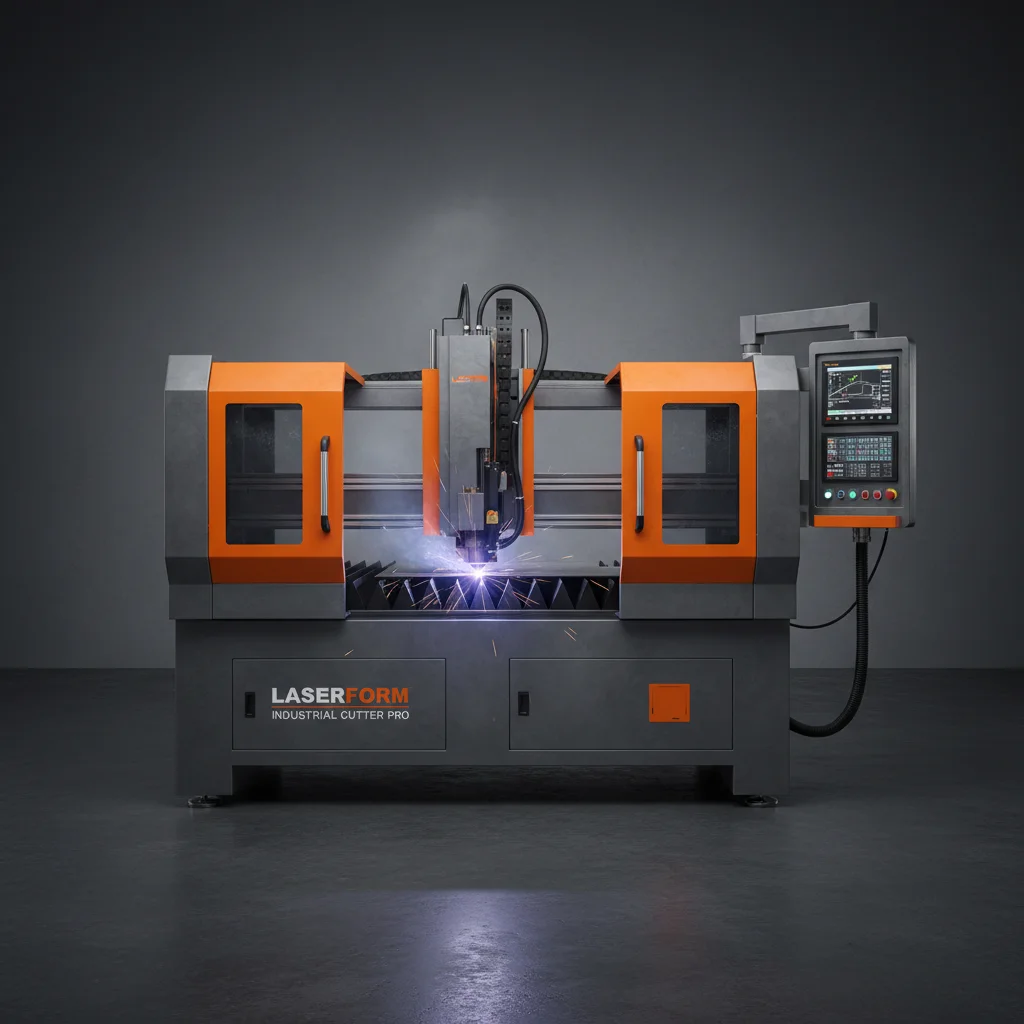
Frankly, the advent of these machines changed the game. Before, steel cutting involved lots of clunky tools and grinders, producing rough edges and tedious cleanup. Now, precision is nearly flawless; setup times plummet, waste reduces, and speed picks up. It feels like the industry caught a big break with these. And if you’re looking for a laser steel cutting machine that balances power with reliability, this tech truly delivers.
In real terms, the specs can get technical, but here’s a quick rundown of what I always check before recommending a model to a client or team:
| Specification | Typical Range |
|---|---|
| Laser Type | Fiber laser |
| Power Output | 1000W – 6000W |
| Cutting Thickness (Mild Steel) | 0.5mm – 25mm |
| Max Cutting Speed | Up to 40 m/min (depending on thickness) |
| Positioning Accuracy | ±0.03 mm |
Now, here’s where things get interesting — choosing the right vendor. Over the years, I’ve sat across countless salespeople who make bold claims (sometimes too bold). It helps to compare key factors, such as price, after-sale support, machine life expectancy, and software compatibility.
| Vendor | Price Range | Warranty | Customer Support | Software Integration |
|---|---|---|---|---|
| Topstar Laser | $$$ | 3 years | 24/7 Western & Asian team | Full CAD & CAM support |
| Vendor B | $$ | 2 years | Standard 9–5 support | Limited software |
| Vendor C | $$$$ | 5 years | 24/7 Global support | Advanced AI-assisted software |
One thing I noticed from customers I worked with is that choosing a vendor like Topstar Laser often comes down to balanced value—not necessarily the cheapest, but strong in support and consistent machine uptime. It’s no good to save a few bucks only to lose days in production downtime.
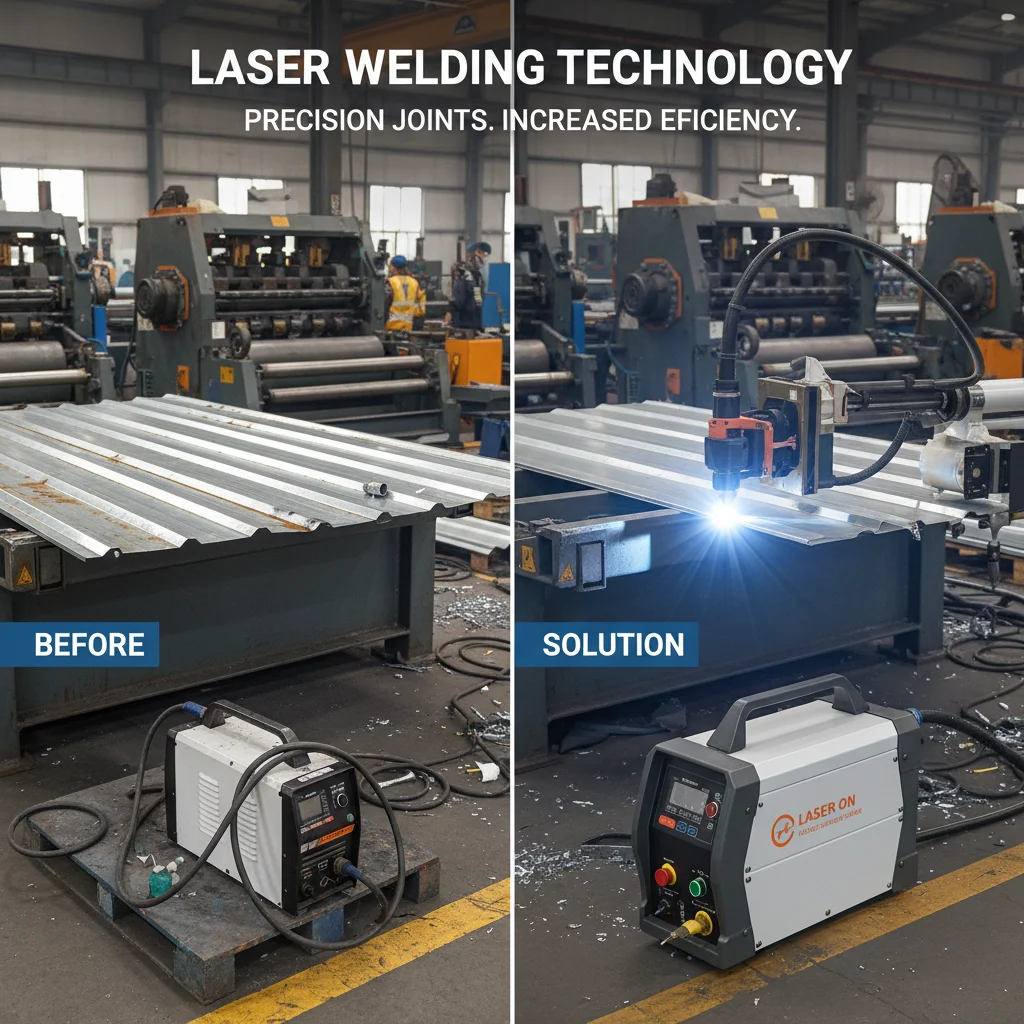
Oddly enough, I remember a mid-sized fabrication shop in Ohio that operated older plasma cutters untill switching to a fiber laser steel cutting machine last year. The difference was night and day. Their scrap rate dropped by nearly 15%, operator fatigue decreased because the machines ran smoother, and workflows sped up. The project manager told me, “It feels like we finally caught up with the future.” And I suppose, that’s what these machines represent: a tangible leap forward in how steel meets design.
Customization is another aspect worth mentioning — many vendors offer tailored laser powers, table sizes, and software packages to suit very particular production needs. It’s not just one-size-fits-all here, which is great because every shop has its quirks.
In closing, if your operation is serious about precision, throughput, and repeatability, looking closely at a laser steel cutting machine is a step no business should skip. They are complex, yes, but with the right choice, the return on investment speaks volumes.
As always, the best machine is one that matches not just today’s projects but tomorrow’s dreams.
References:
1. "Industrial Laser Cutting: Innovations and Technologies," Manufacturing Journal, 2022.
2. Interview notes, Ohio Fabrication Shop, 2023.
3. Topstar Laser official specifications, accessed 2024.