Shijiazhuang Topstar
International Trading Co., Ltd.


Get In Touch
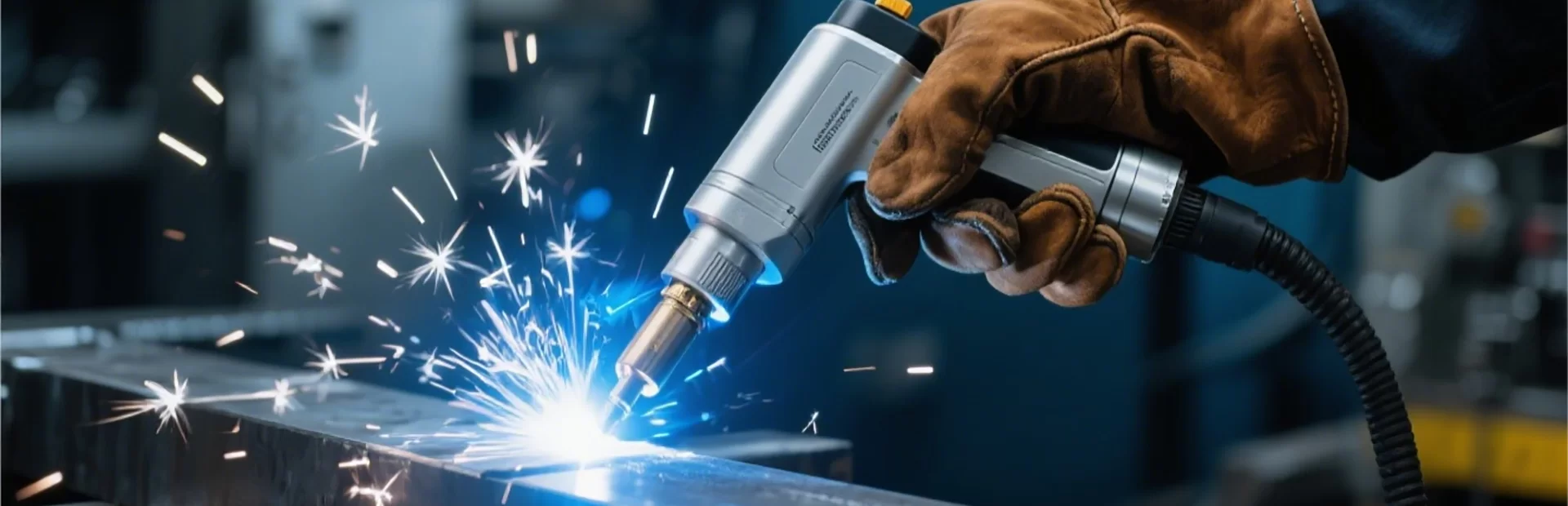
Are you considering venturing into the exciting world of manufacturing and customization? A laser cutting machine business offers incredible opportunities for entrepreneurs. From personalized gifts to industrial components, the applications are vast. This article provides a comprehensive guide to starting and succeeding in this dynamic industry. We'll cover market analysis, machine selection, cost considerations, and crucial marketing strategies to help you launch a thriving business.
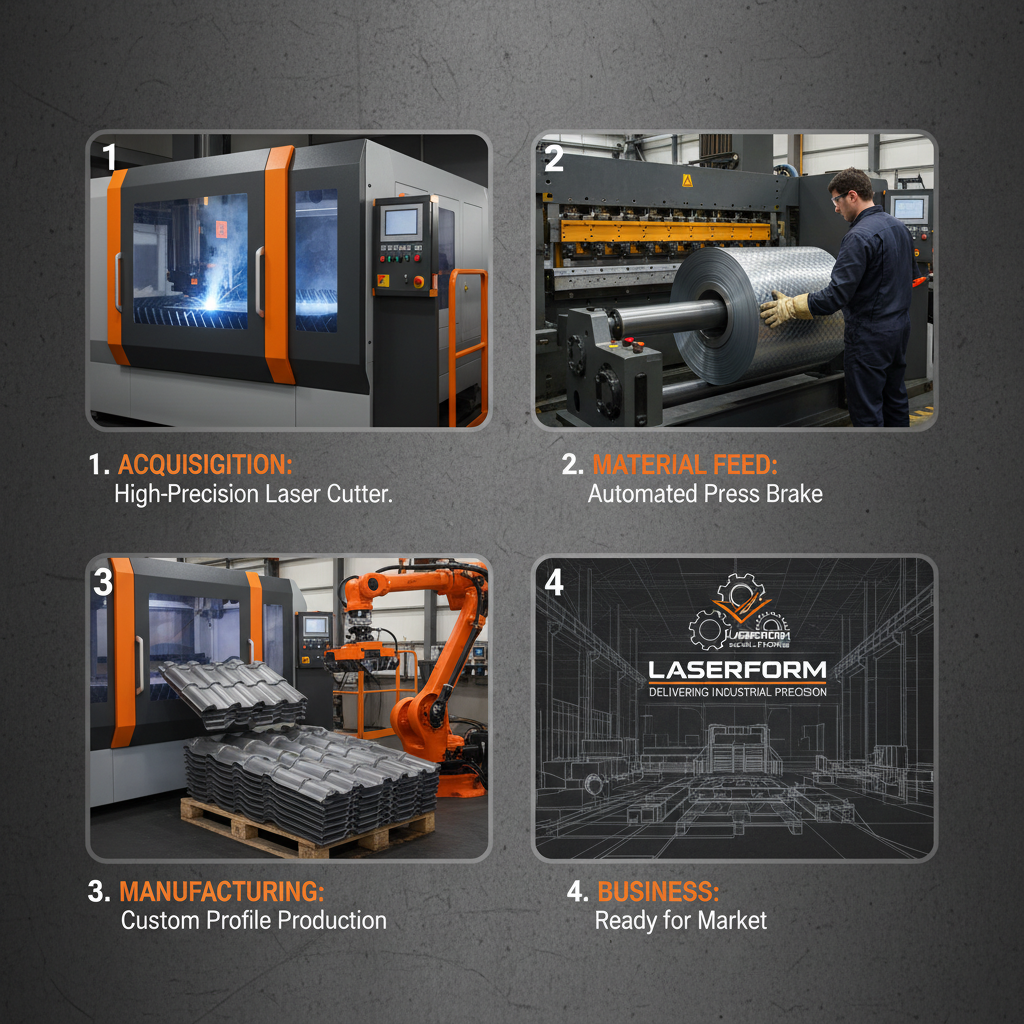
Before investing in a laser cutting machine, thorough market research is essential. Identify potential customer segments and niches. Some profitable niches include personalized gifts (wedding favors, custom phone cases), architectural models, signage, industrial prototyping, and custom jewelry. Analyze the competition in your area – what services do they offer, and what are their pricing strategies? Understanding your target market and competition will help you differentiate your business and maximize profitability.
Key Insight: Focusing on a niche allows you to become an expert and build a strong reputation, attracting a loyal customer base.
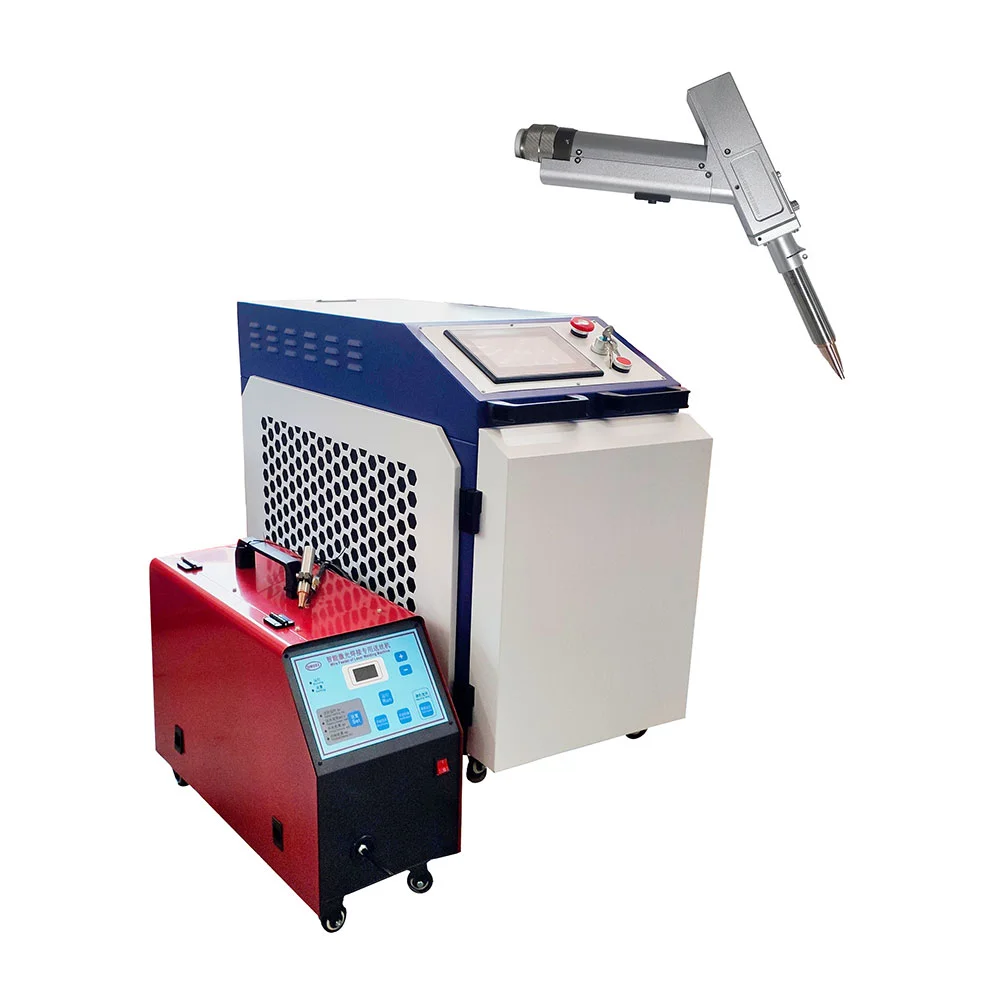
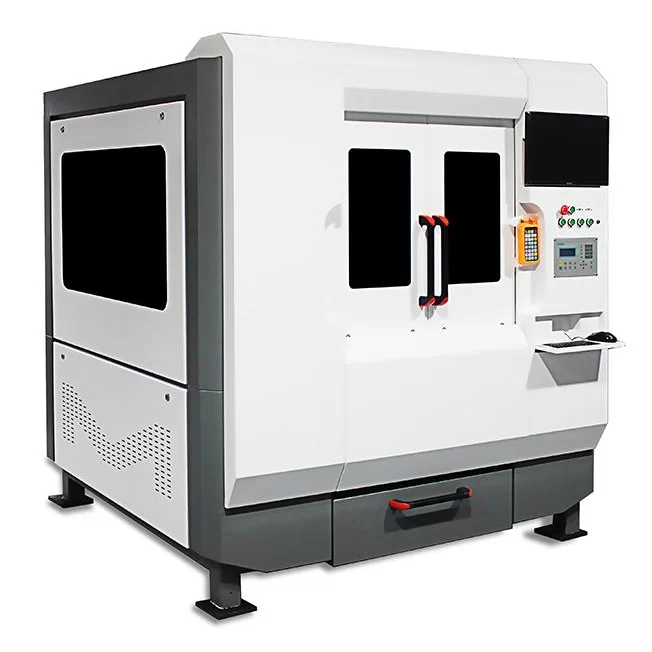
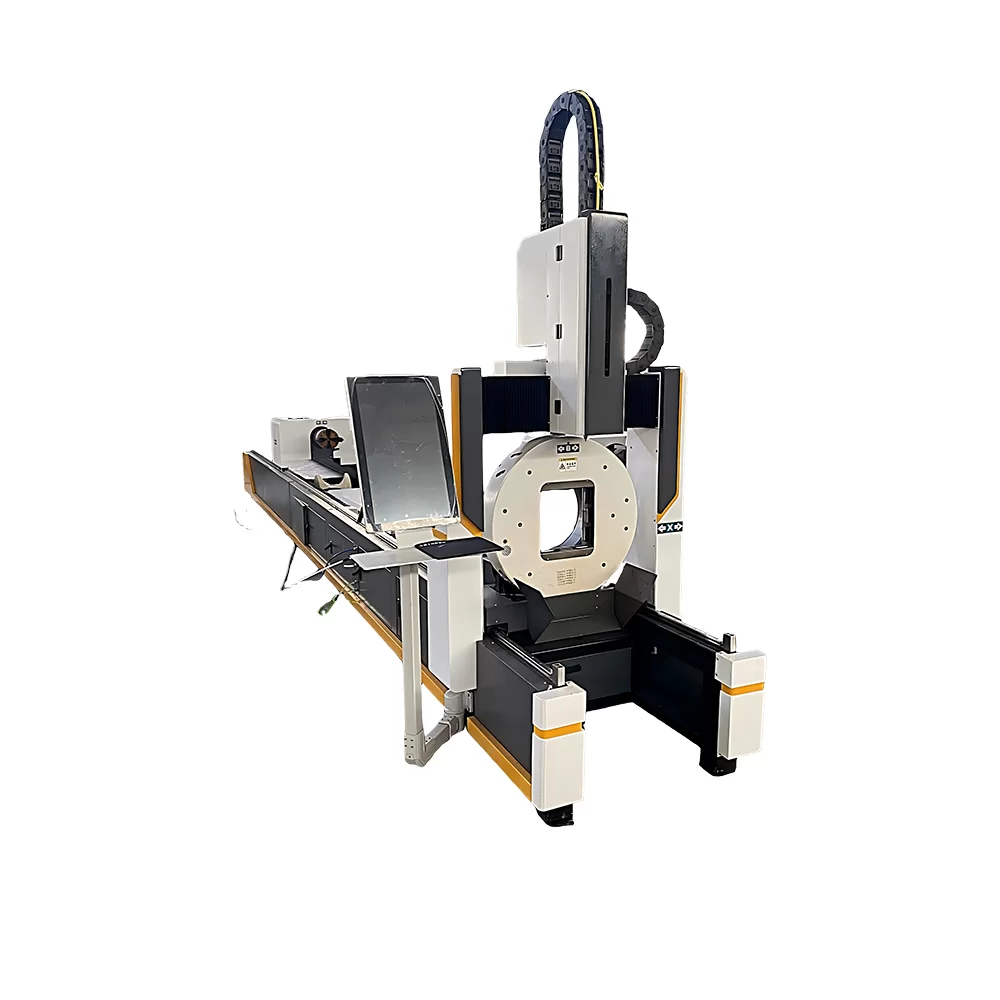
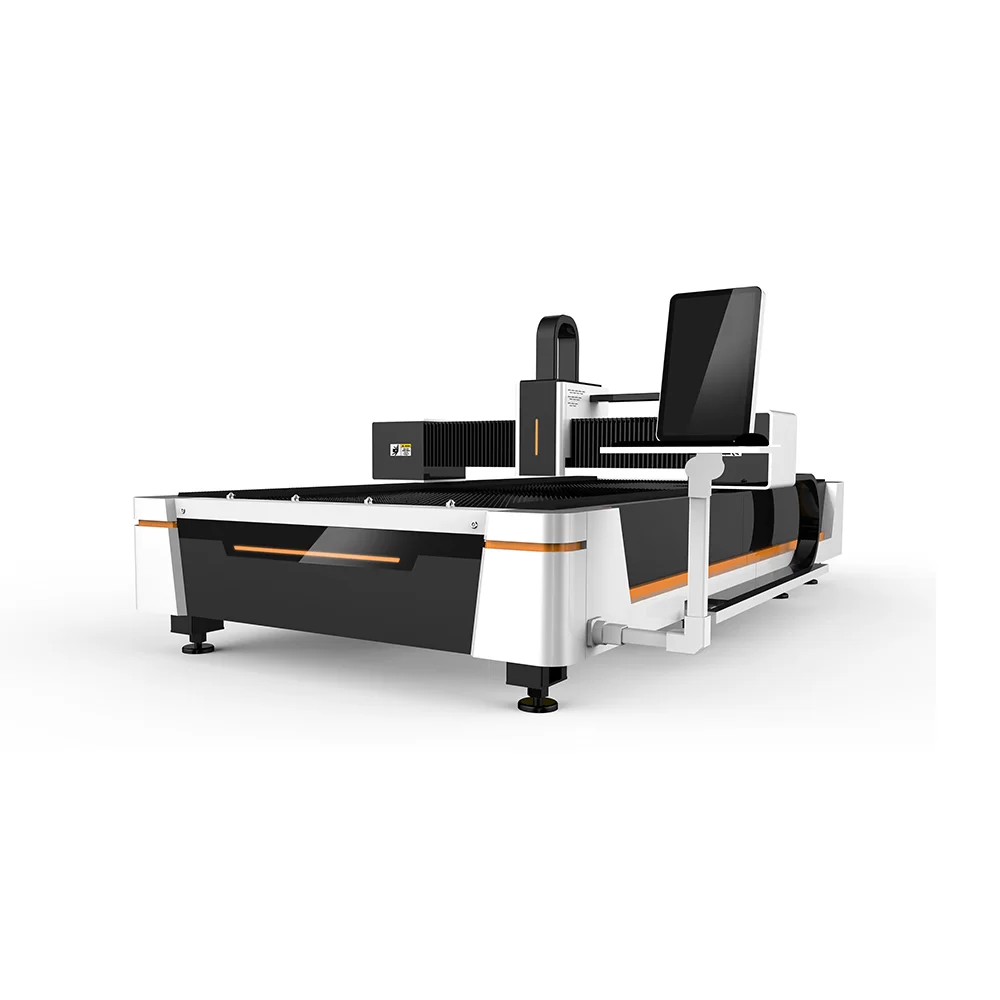
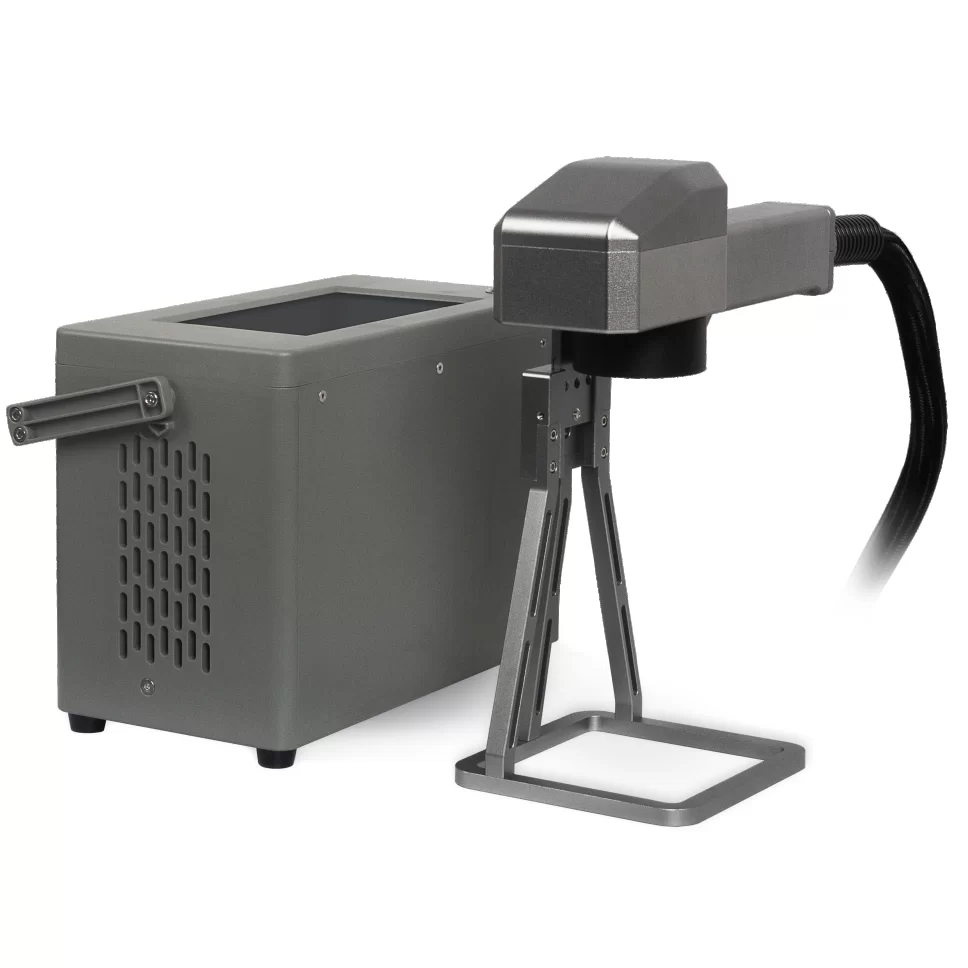
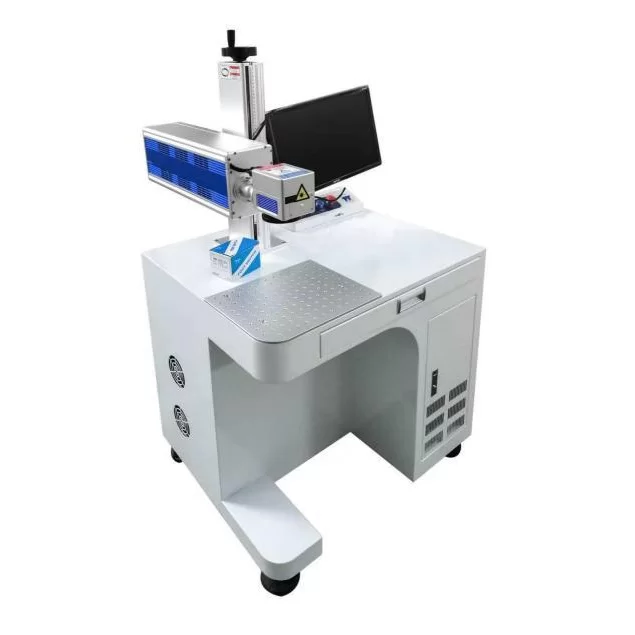
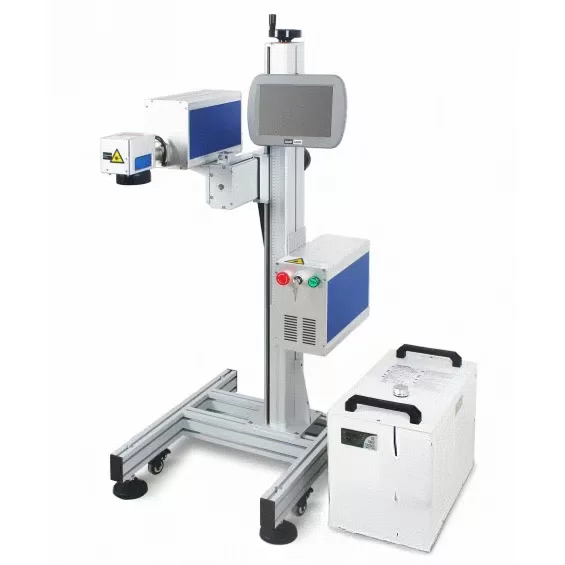
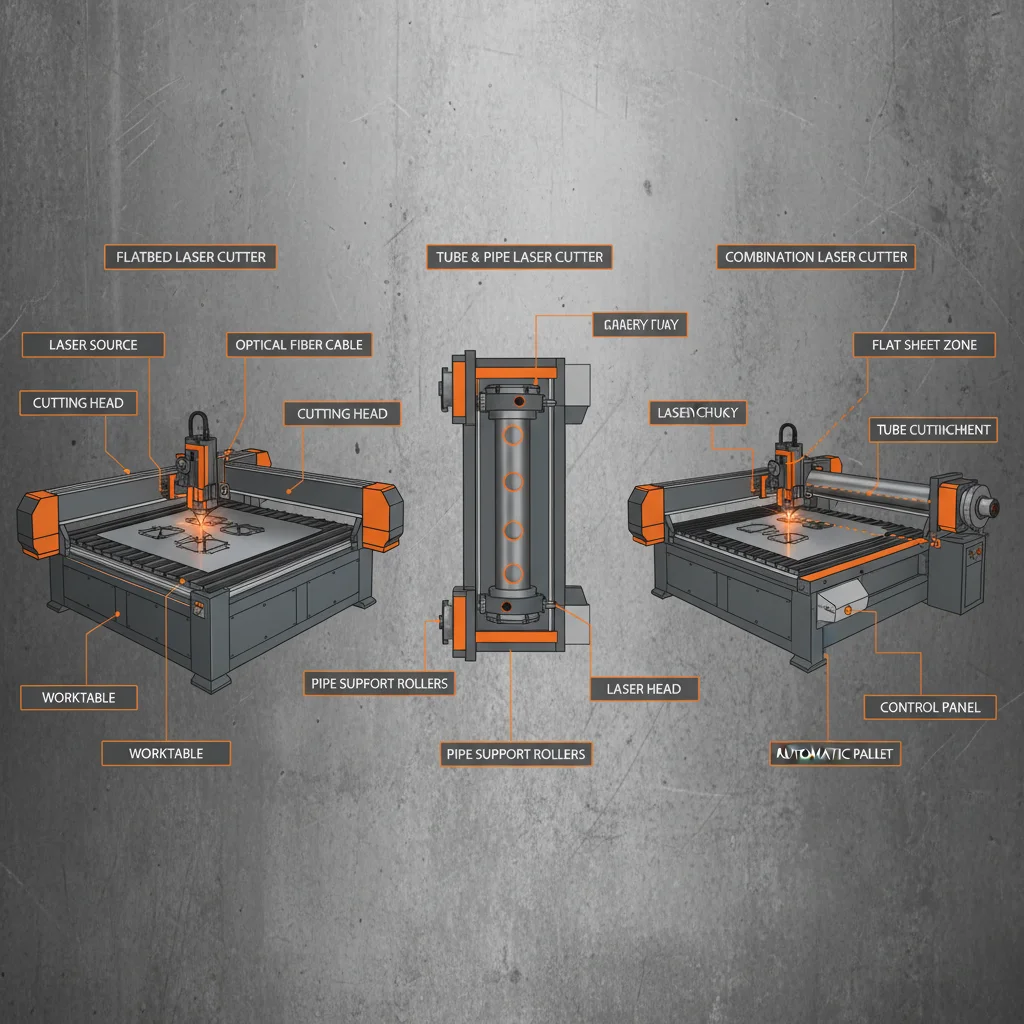
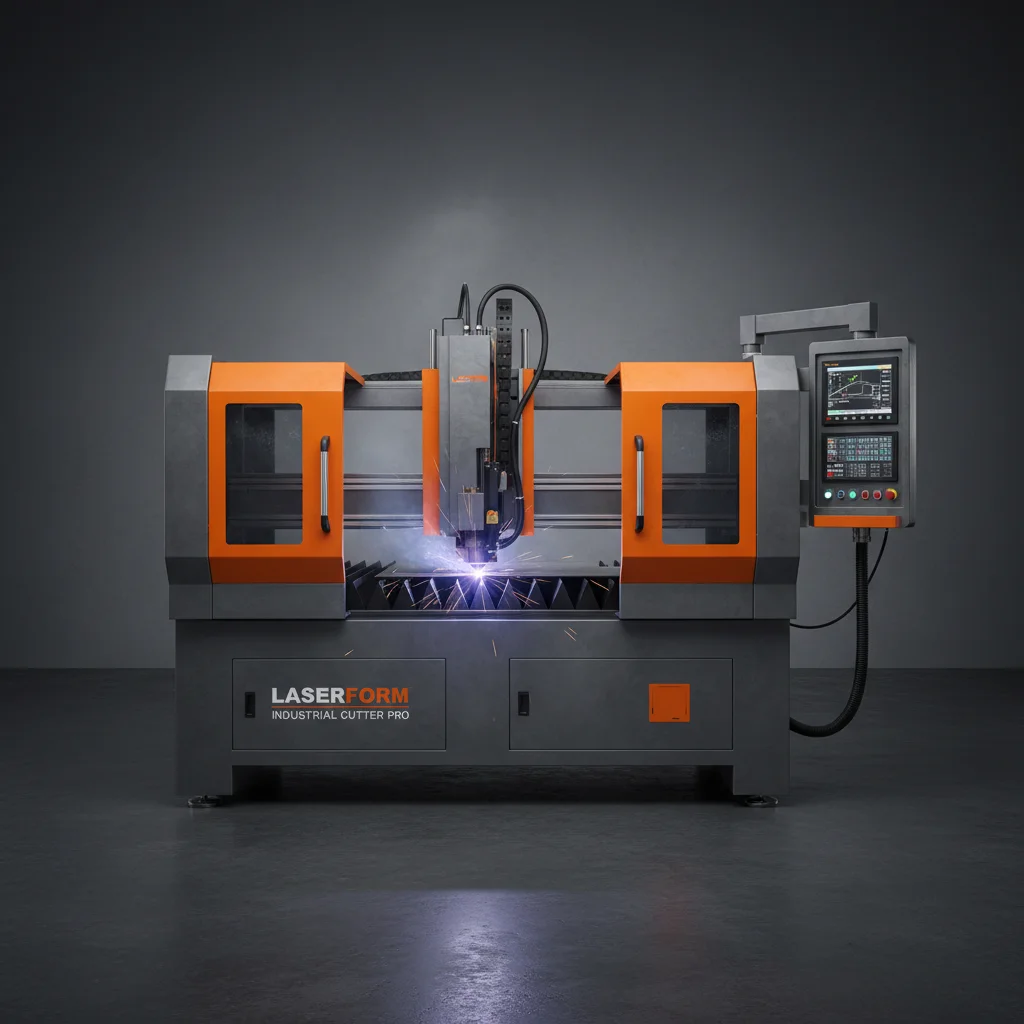
Selecting the appropriate laser cutting machine is critical. Factors to consider include material compatibility (acrylic, wood, metal, fabric), cutting area, laser power, and budget. CO2 laser machines are versatile for cutting non-metals, while fiber laser machines are ideal for metals. Topstar Laser offers a wide range of machines to suit various needs and budgets. Consider the volume of work you anticipate. A larger cutting area and higher laser power will be necessary for high-volume production.
Laser Cutting Machine Types:
• CO2 Laser: Versatile, ideal for non-metals.
• Fiber Laser: Best for cutting and engraving metals.
• Hybrid Laser: Combines CO2 and Fiber technologies.
Starting a laser cutting machine business requires careful financial planning. Here's a breakdown of typical startup costs:
Effective marketing is crucial for attracting customers. Create a professional website showcasing your services and portfolio. Utilize social media platforms (Instagram, Facebook, Pinterest) to display your work. Consider offering introductory discounts or promotions. Search Engine Optimization (SEO) is vital – ensure your website ranks highly in search results for relevant keywords. Networking with local businesses and attending industry events can also generate leads. Topstar Laser can provide guidance on optimizing your services for online visibility.
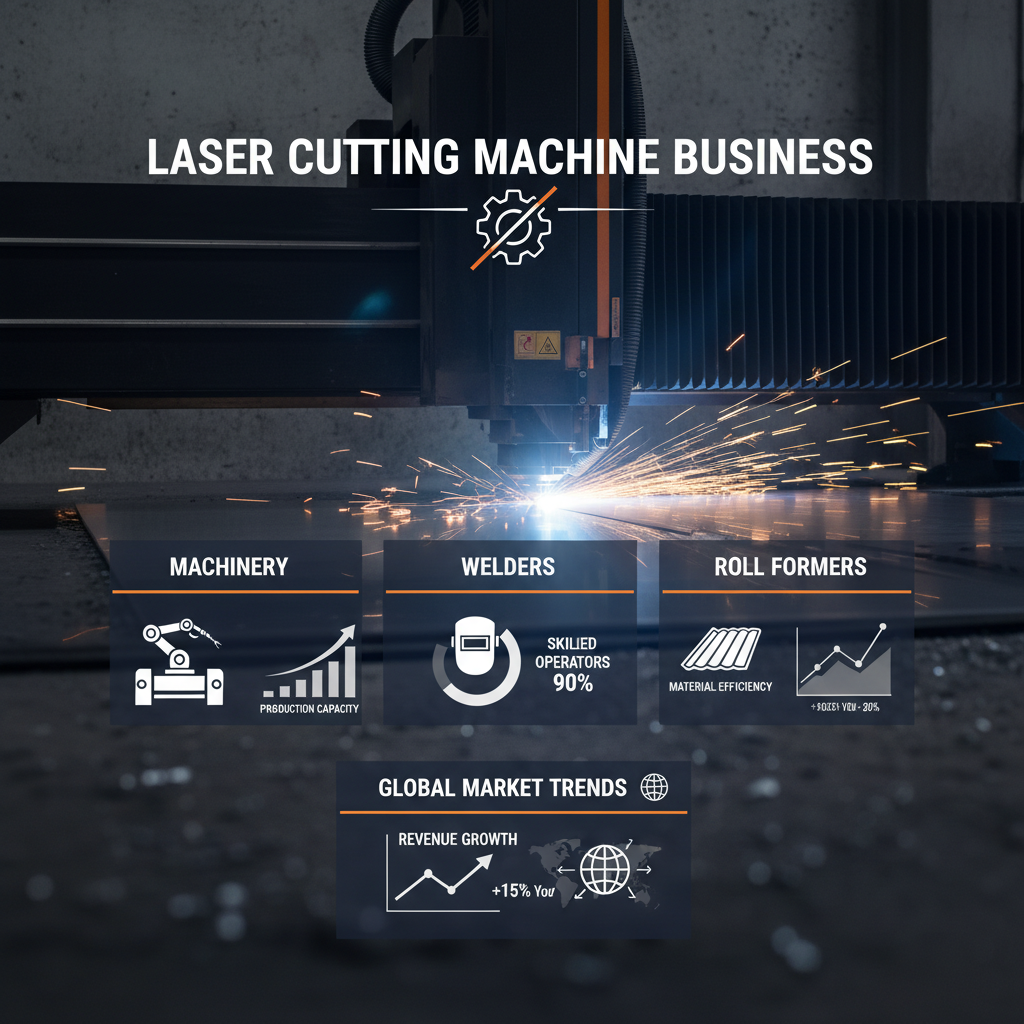
Once your business is established, consider opportunities for scaling. This might involve investing in additional laser cutting machines, expanding your service offerings (e.g., engraving, 3D design), or targeting new markets. Continuously analyze your performance, gather customer feedback, and adapt your strategies to stay ahead of the competition. Building strong relationships with suppliers and staying updated on the latest industry trends are also key to long-term success.
Starting a laser cutting machine business can be a highly rewarding venture. With careful planning, strategic marketing, and a commitment to quality, you can build a thriving and profitable business. Don't hesitate to explore the resources and support available from leading manufacturers like Topstar Laser.
The most popular materials include acrylic, wood (various types like plywood, MDF, and balsa), fabric, paper, cardboard, and leather. Metal cutting, particularly steel and aluminum, is also becoming increasingly popular with fiber laser machines. The choice of material depends on the laser machine’s capabilities and the desired end product. Understanding material properties is crucial for optimizing cutting parameters and achieving clean, accurate results. Each material requires different power settings and cutting speeds for optimal performance.
You'll need two primary types of software: design software and laser control software. Design software (like Adobe Illustrator, CorelDRAW, or Inkscape) is used to create the designs you want to cut or engrave. Laser control software (often provided by the machine manufacturer, such as Topstar Laser’s software) translates those designs into instructions for the laser machine. The control software manages parameters like power, speed, and cutting path. Some software packages offer integrated design and control capabilities.
Laser cutting machines require regular maintenance to ensure optimal performance and longevity. This includes cleaning the lenses and mirrors regularly to maintain beam quality, inspecting and cleaning the exhaust system, lubricating moving parts, and checking the cooling system. The frequency of maintenance depends on usage, but typically, lenses and mirrors should be cleaned weekly, and a more thorough inspection should be done monthly. Proper maintenance prevents costly repairs and ensures consistent cutting quality.
Safety is paramount when operating a laser cutting machine. Always wear appropriate eye protection (laser safety glasses specifically designed for the laser's wavelength). Ensure the machine is properly ventilated to remove fumes and particulate matter. Never leave the machine unattended while it's running. Be aware of the potential for fire hazards, particularly when cutting flammable materials, and have a fire extinguisher readily available. Follow all manufacturer's safety guidelines and implement a comprehensive safety protocol in your workspace.