Shijiazhuang Topstar
International Trading Co., Ltd.


Get In Touch
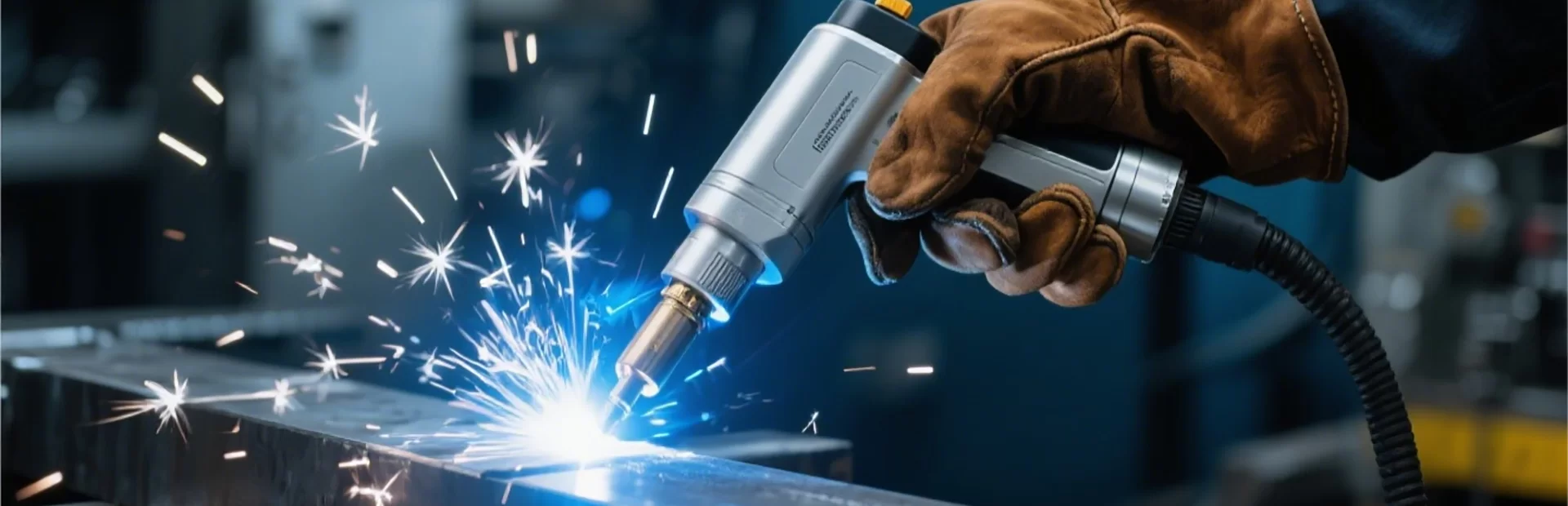
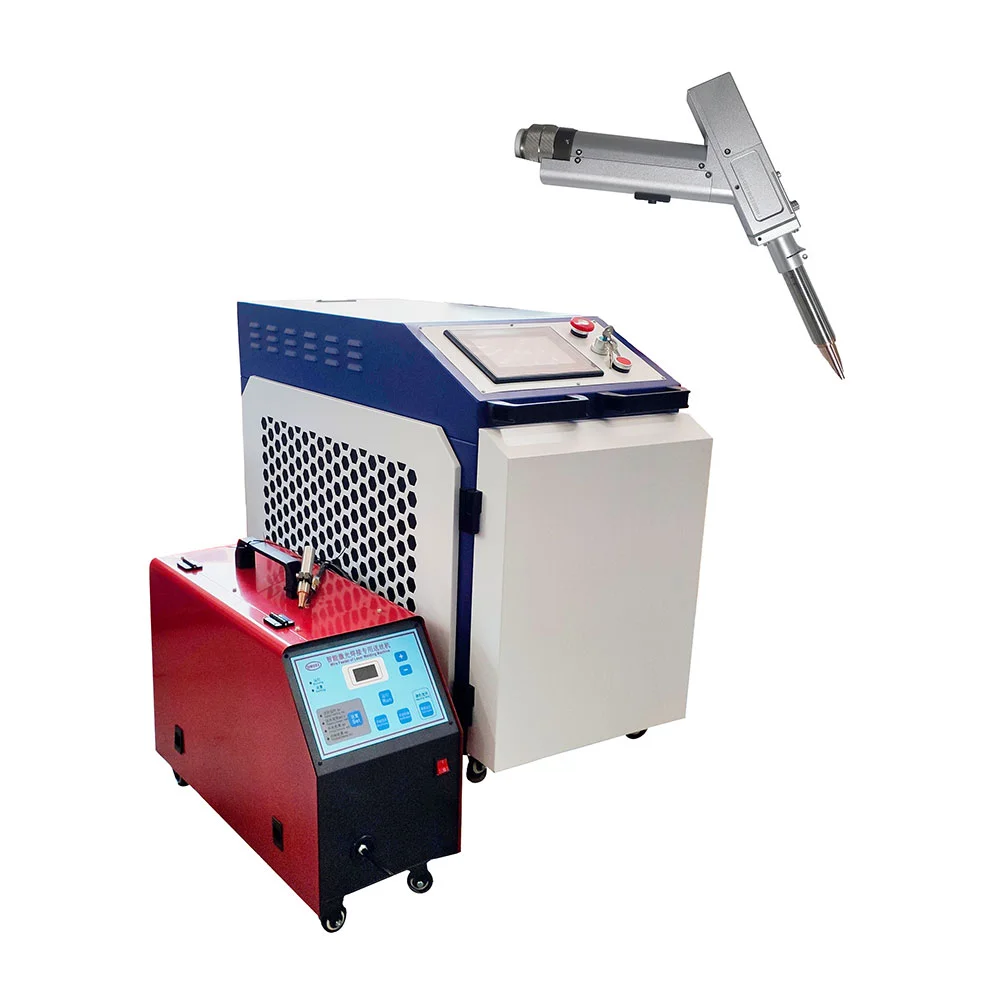
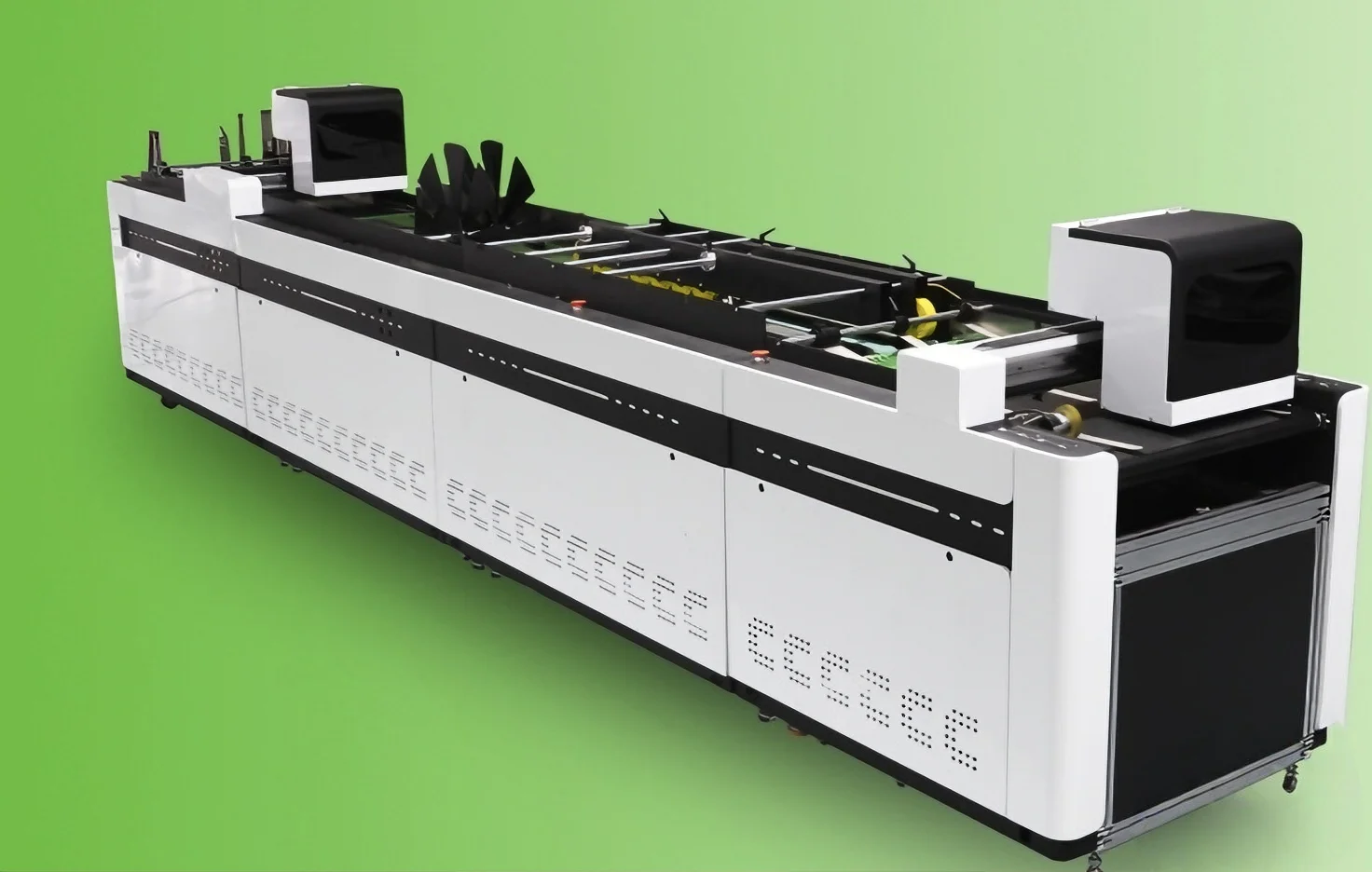
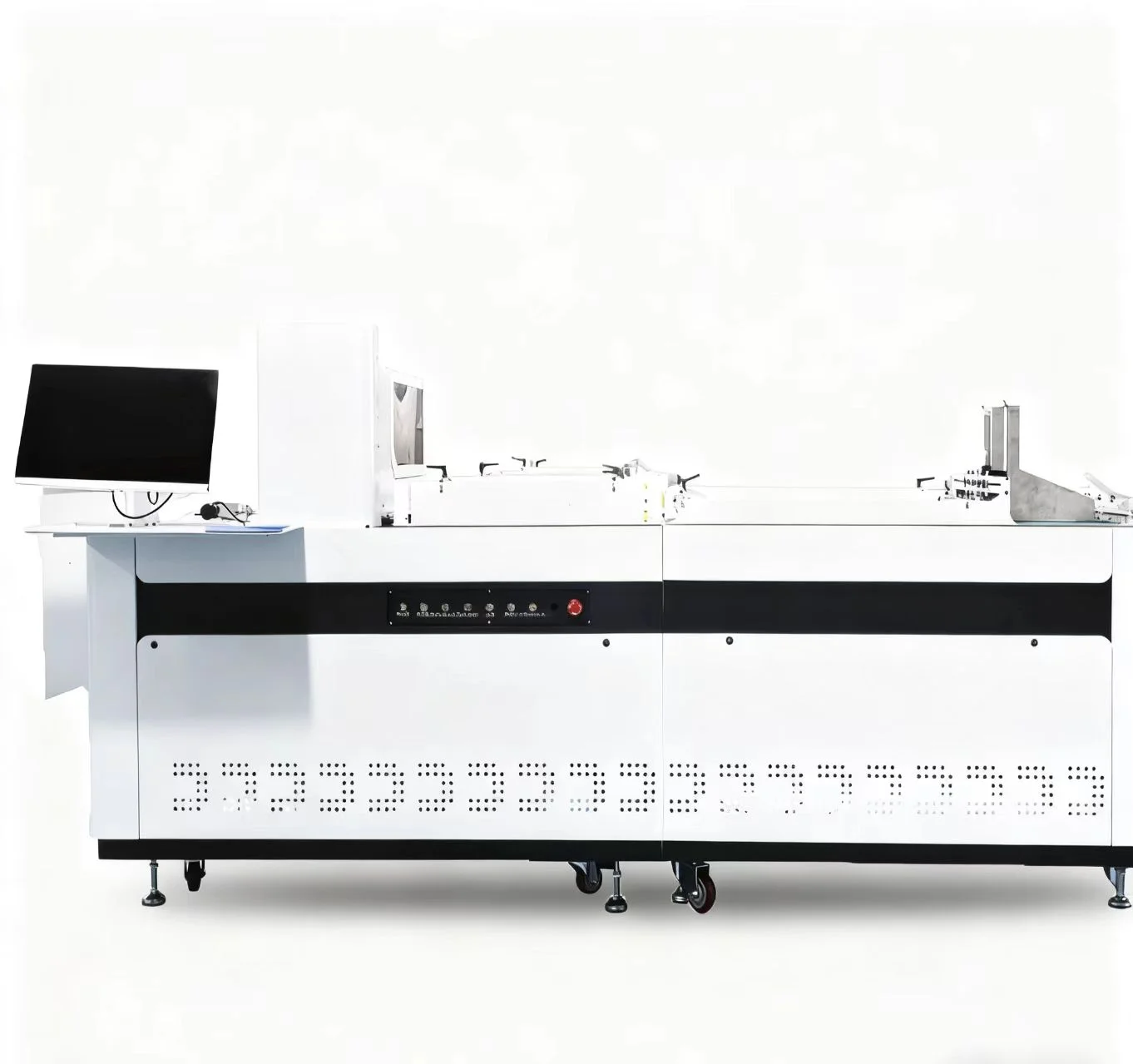
The manufacturing world is currently undergoing a "silent revolution," where traditional mechanical tools are being replaced by high-precision light. As we look at the workshops of the future, the sound of grinding saws and heavy shears is being replaced by the high-pitched hum of the laser. This shift is not merely about noise reduction; it is about achieving a level of complexity and material efficiency that was previously unreachable. From large-scale aerospace components to intricate jewelry, the ability to harness a focused beam of photons has changed the way we think about production. To understand this impact, one must look at the specific machinery driving the change, starting with the specialized laser metal cutting machine.
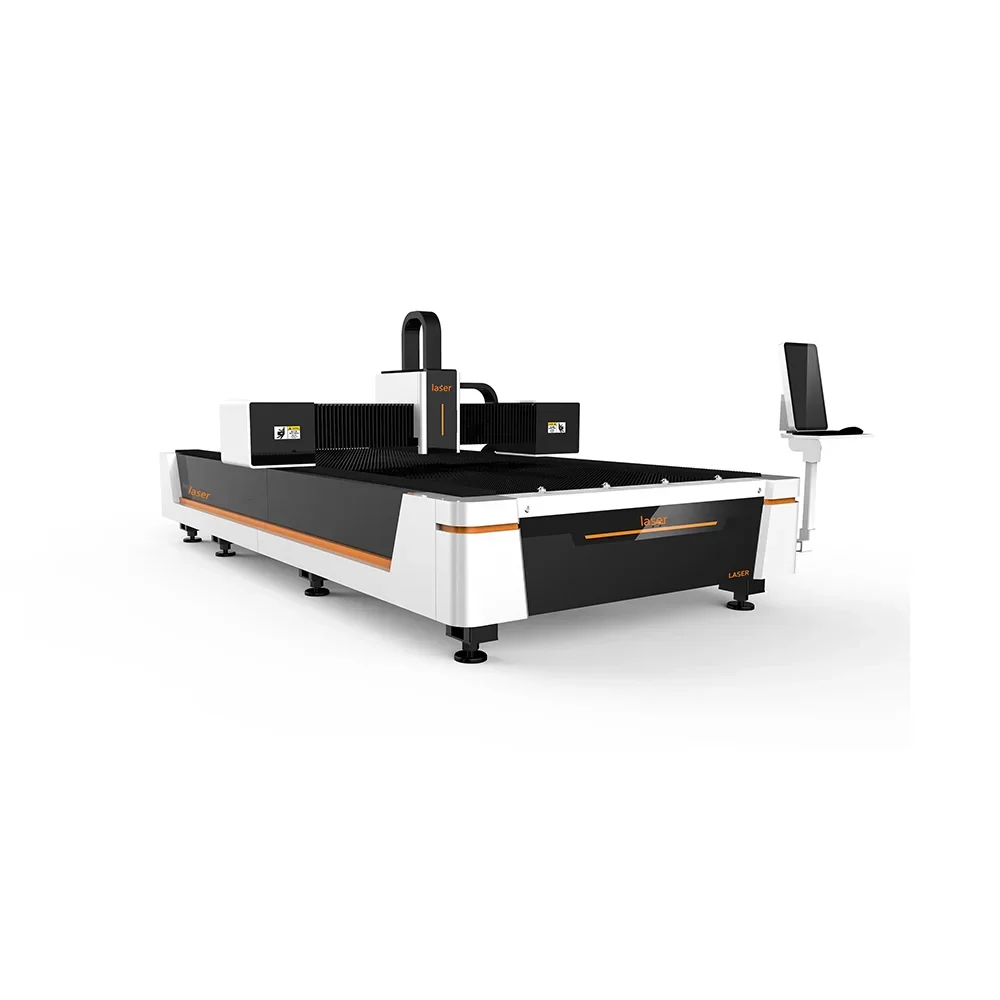
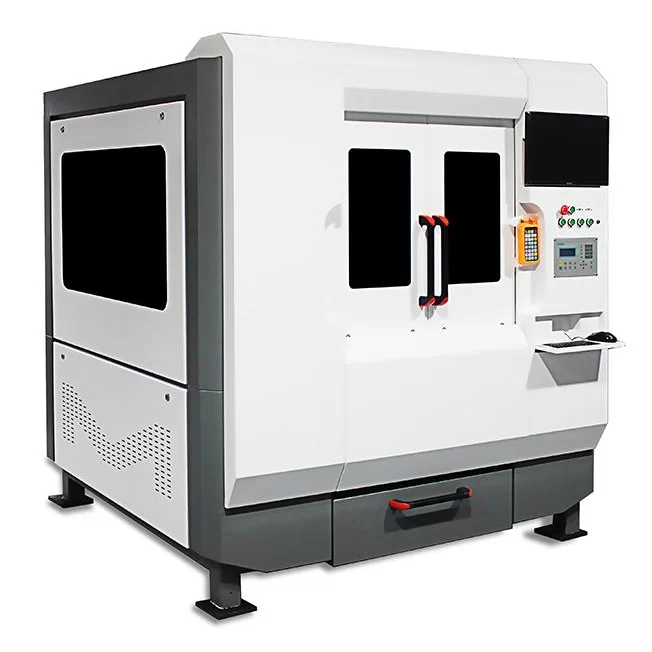
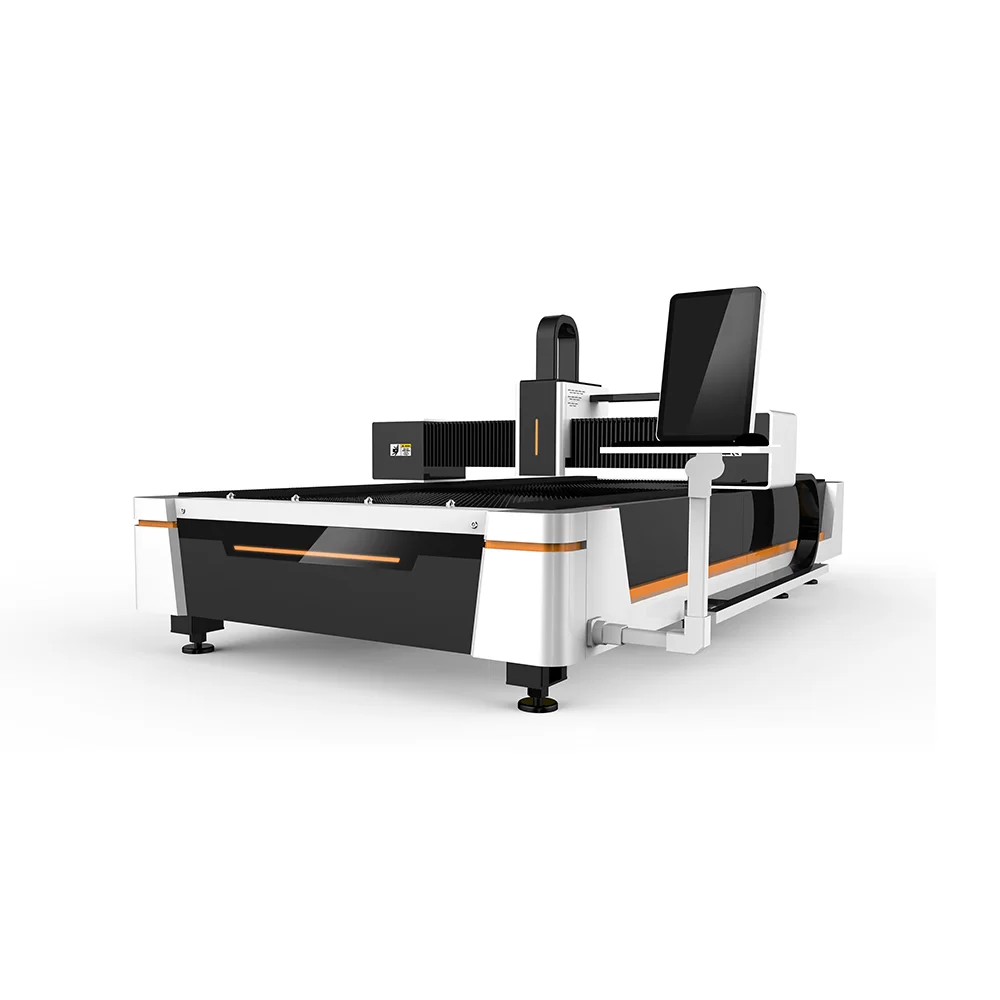
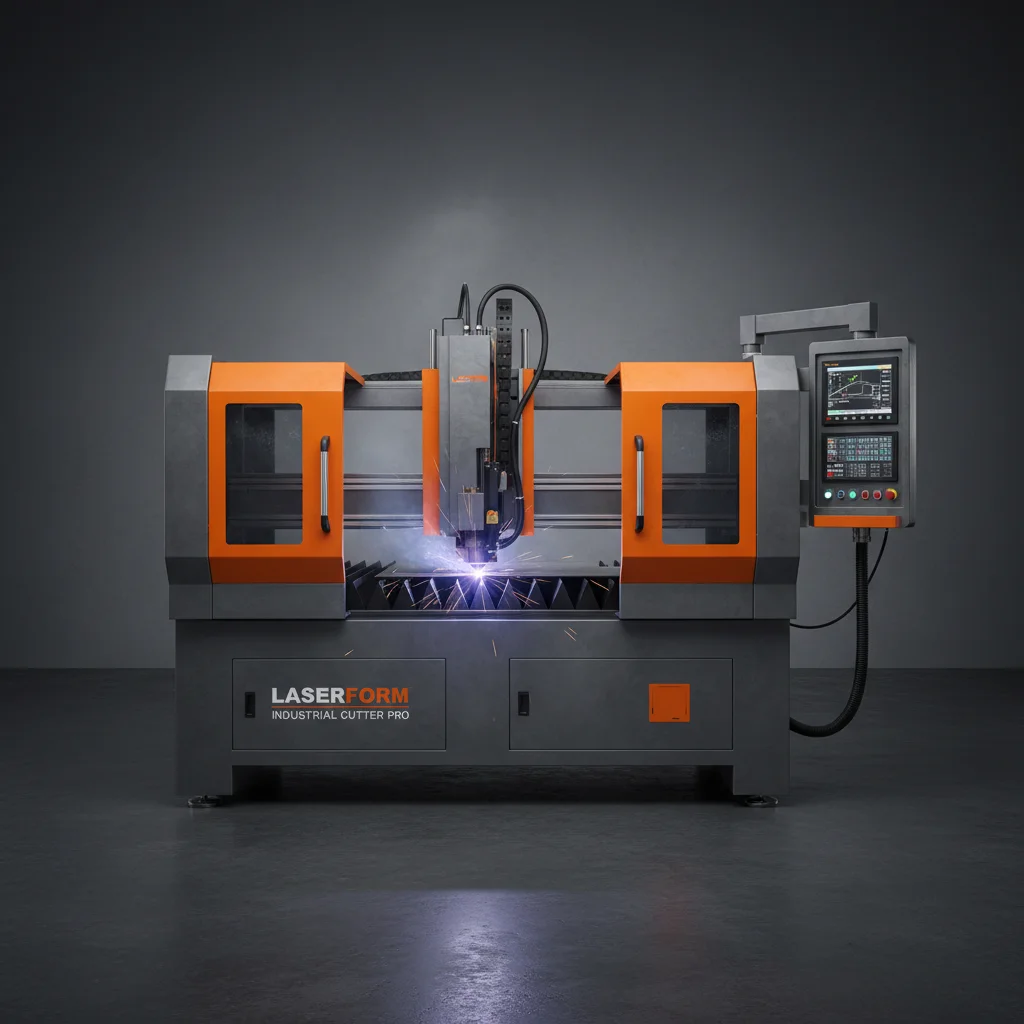
In the contemporary fabrication shop, the laser metal cutting machine has become the primary tool for high-speed metal processing. Unlike traditional cutting methods that rely on physical force, a laser uses thermal energy to melt, burn, or vaporize material. This non-contact process means there is no mechanical stress on the metal, which eliminates the risk of warping or distortion—a critical factor when working with thin-gauge sheets of stainless steel or aluminum.
The efficiency of a laser metal cutting machine is largely determined by its ability to concentrate energy into a pinpoint spot, often measured in fractions of a millimeter. This focus allows for an incredibly narrow "kerf" (the width of the cut), which means designers can nest parts closer together, significantly reducing material waste. In an era where the cost of raw materials fluctuates wildly, the ability to save 10% to 15% on scrap metal can be the difference between a profitable project and a loss. Furthermore, because the laser leaves a finished edge that rarely requires secondary deburring or grinding, the total production time is slashed, allowing businesses to fulfill orders faster than ever before.
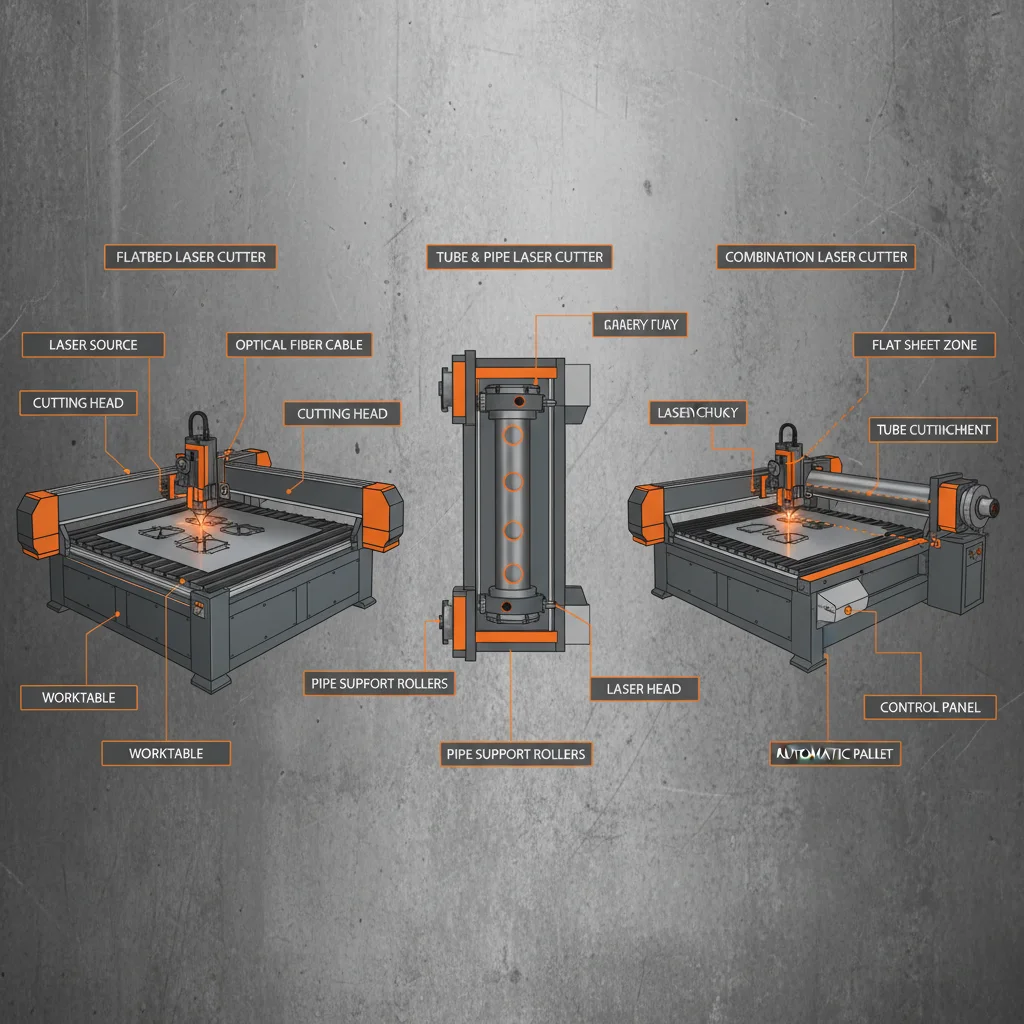
The performance of a laser is only as good as the skeleton that supports it. This is why laser cutting machine design is a specialized field of engineering that combines thermodynamics, structural mechanics, and high-speed electronics. A common misconception is that the "laser source" is the only thing that matters. In reality, the machine's frame, motion system, and cooling architecture are what determine if the beam stays accurate over thousands of hours of operation.
A robust laser cutting machine design prioritizes rigidity and weight distribution. Most industrial-grade machines use a heavy, cast-iron or stress-relieved steel bed to dampen vibrations. If the machine shakes even slightly when the cutting head changes direction at high speed, the cut edge will show "striations" or ripples. To achieve the lightning-fast movements required for thin-sheet metal, designers often use a gantry made from aviation-grade aluminum. This material is light enough to be moved by high-torque servo motors with extreme acceleration but rigid enough to maintain a straight line.
Beyond the frame, modern laser cutting machine design incorporates advanced "gas-assist" systems. When cutting carbon steel, the machine often uses oxygen to facilitate a localized exothermic reaction, speeding up the cut. For stainless steel, high-pressure nitrogen is used to blow away the molten metal without letting it oxidize, resulting in a silver, mirror-like finish. The integration of these gas systems, along with sophisticated "height-following" sensors that keep the nozzle at a constant distance from the material, even if the sheet is slightly bowed, represents the pinnacle of modern mechanical design.
As the global demand for these machines has skyrocketed, the center of gravity for production has shifted. Today, laser cutting machine manufacturers in China are responsible for a massive portion of the world’s output. This shift was initially driven by cost, but it has evolved into a story of innovation and rapid iteration. By building an entire ecosystem of component suppliers—from laser sources to precision rack-and-pinion systems—these manufacturers have made high-end technology accessible to a wider audience.
The competitive landscape among laser cutting machine manufacturers in China has led to a "feature-rich" market. Even mid-tier machines now come standard with features that were considered premium options just five years ago, such as automatic nozzle changers, dual-exchange platforms for continuous loading and unloading, and AI-driven nesting software. These companies have also mastered the art of modularity. A small shop in Southeast Asia or a large manufacturer in South America can order a machine that is specifically configured for their power grid, material type, and floor space.
However, the real impact of these manufacturers is the democratization of precision. By lowering the entry price for a high-wattage fiber laser, they have empowered small-scale metal fabricators to compete with much larger firms. A small job shop can now take on complex architectural projects or automotive parts production that previously required multi-million dollar investments. This increase in global competition has forced the entire industry to innovate faster, leading to the development of higher-wattage sources (now reaching 40kW and beyond) and more energy-efficient power supplies.
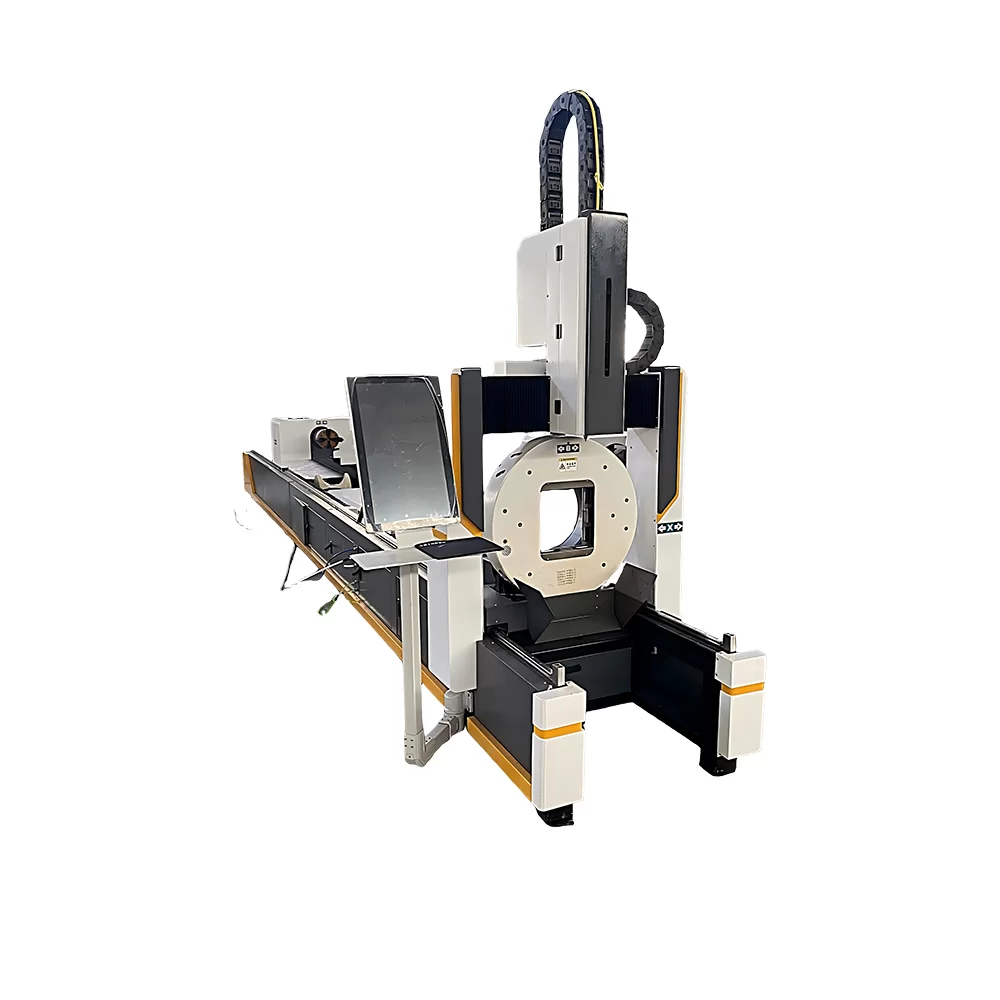
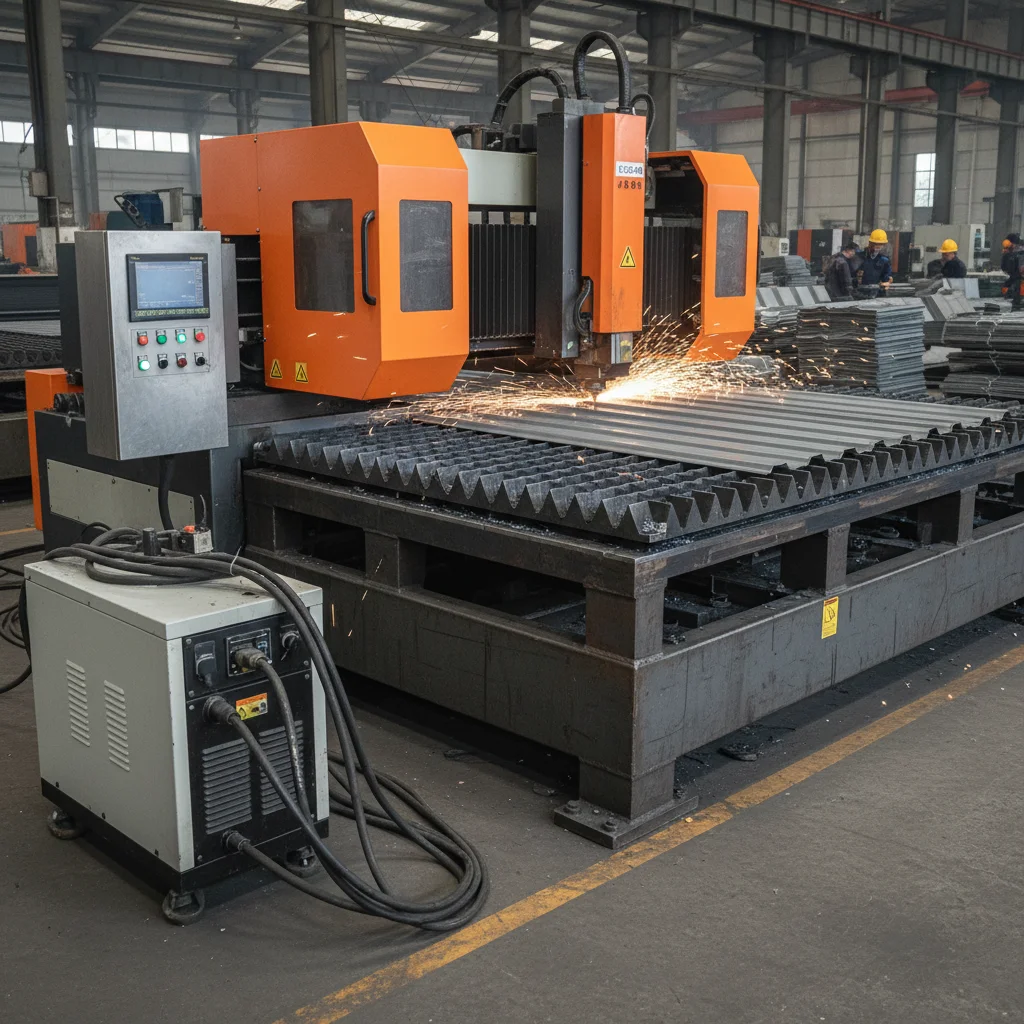
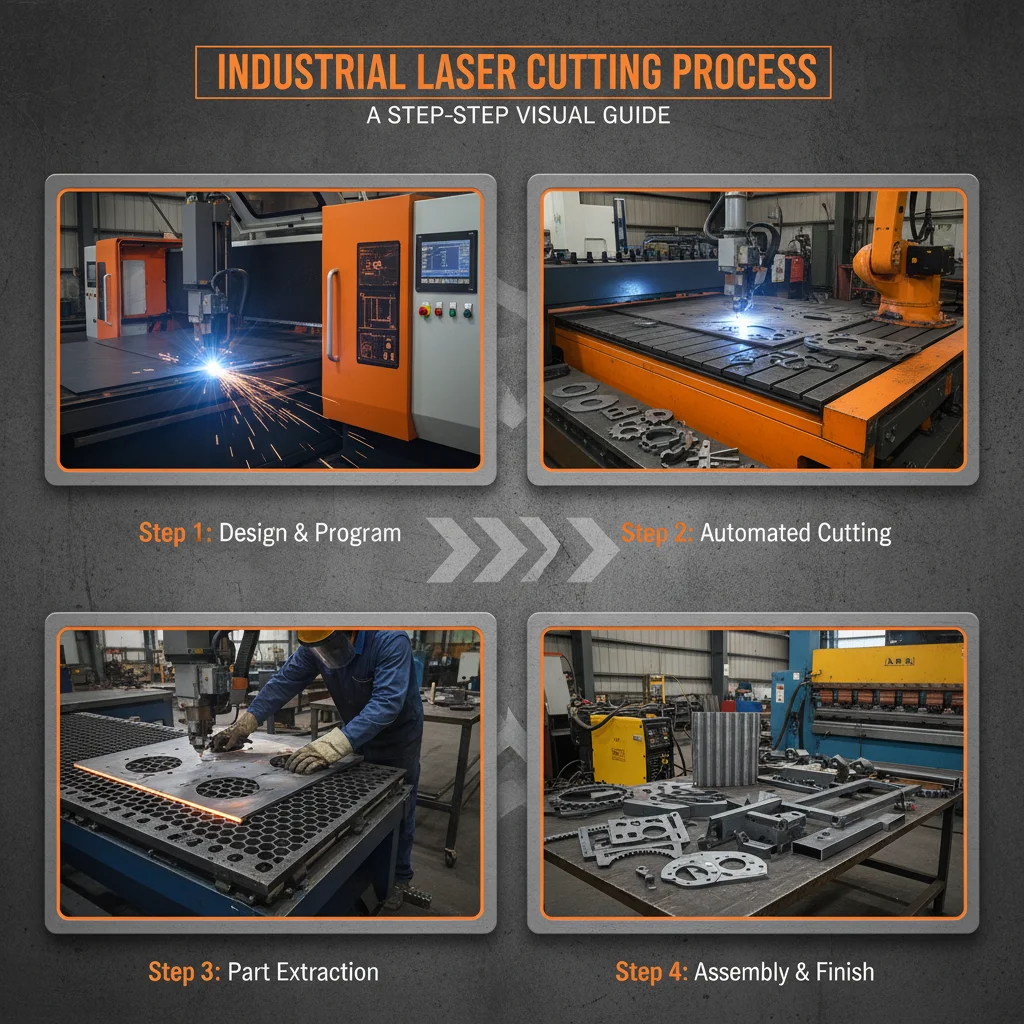
While small shops benefit from the technology, the true power of these systems is seen in the implementation of the industrial laser cutting machine on a factory floor. These are not just standalone tools; they are integrated components of a smart manufacturing environment. In a modern "Industry 4.0" setup, the laser cutter is connected to the company's ERP (Enterprise Resource Planning) system, allowing it to download cut files and update inventory in real-time.
An industrial laser cutting machine is built for a 100% duty cycle, meaning it can run 24 hours a day without stopping. To achieve this, these machines often incorporate automated loading and unloading robots. A tower system can hold multiple tons of raw metal sheets, automatically feeding them into the laser and stacking the finished parts once they are cut. This "lights-out" manufacturing capability allows a factory to continue producing overnight without the need for manual supervision, drastically reducing labor costs and increasing the return on investment.
Furthermore, the environmental impact of the industrial laser cutting machine cannot be overlooked. Modern fiber-based industrial systems are significantly more energy-efficient than the older CO2 models they replaced. They require less electricity to produce the same amount of cutting power and have no hazardous laser gases to dispose of. This makes them a key part of the global movement toward "Green Manufacturing," where the goal is to produce more goods with a smaller environmental footprint.