Shijiazhuang Topstar
International Trading Co., Ltd.


Get In Touch
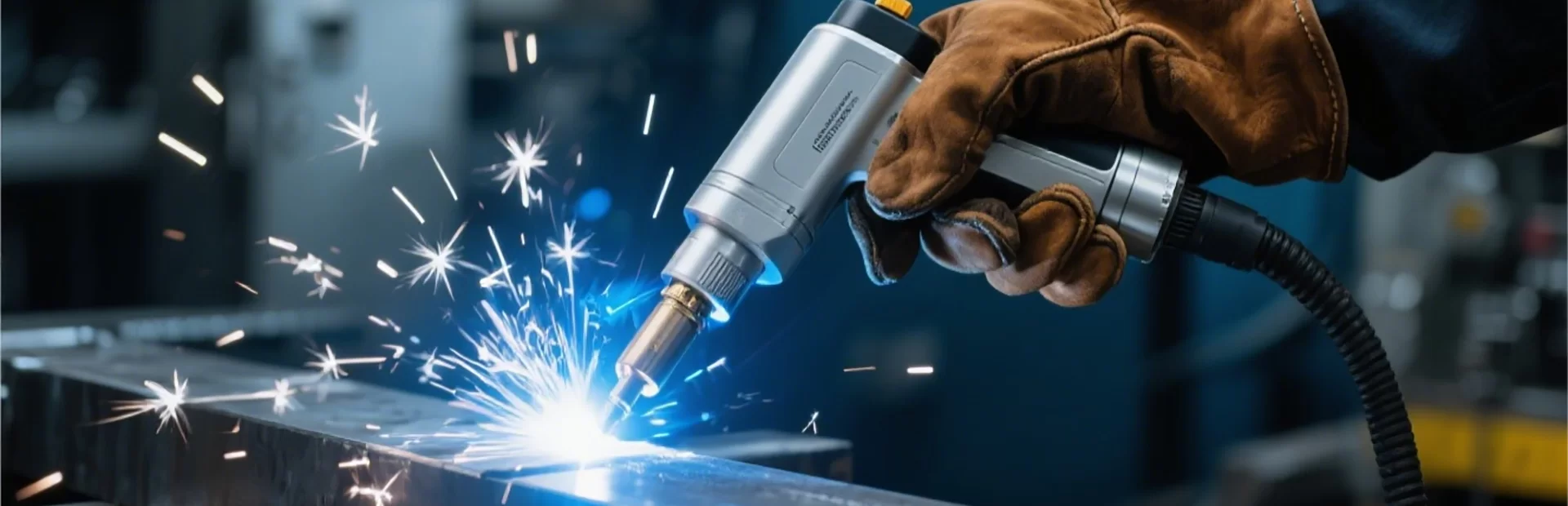
Laser cutting machines have revolutionized manufacturing and fabrication across numerous industries. From intricate designs in metal to precise cuts in acrylic, these machines offer speed, accuracy, and versatility. But how do they actually work? This article delves into the laser cutting machine working principle, exploring the technology behind the beam, the various types of lasers used, and the factors that influence the cutting process. We'll cover everything from the laser source to the assist gas, providing a comprehensive understanding for beginners and experienced users alike. Choosing the right machine involves understanding this underlying technology.
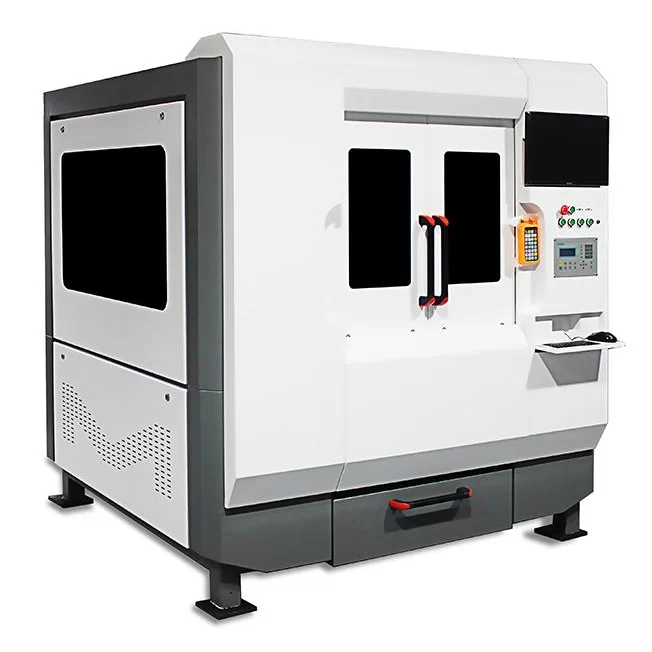
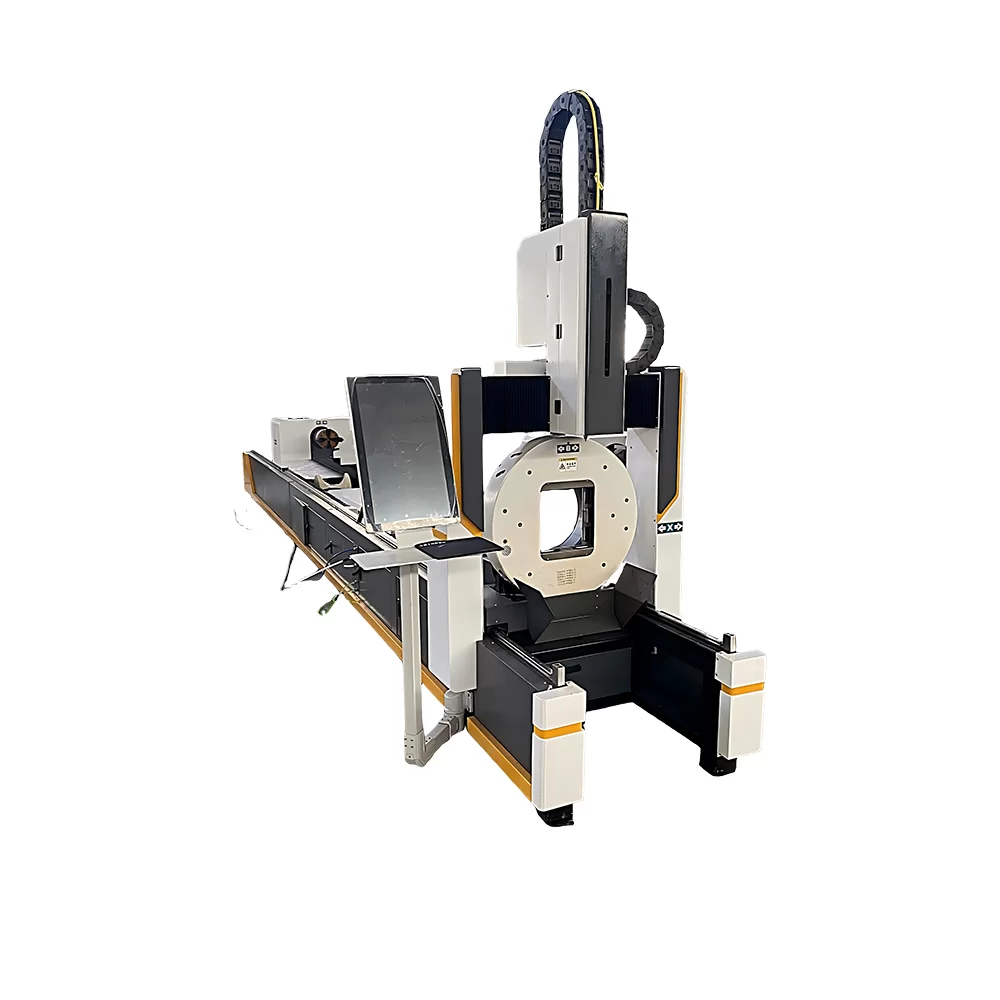
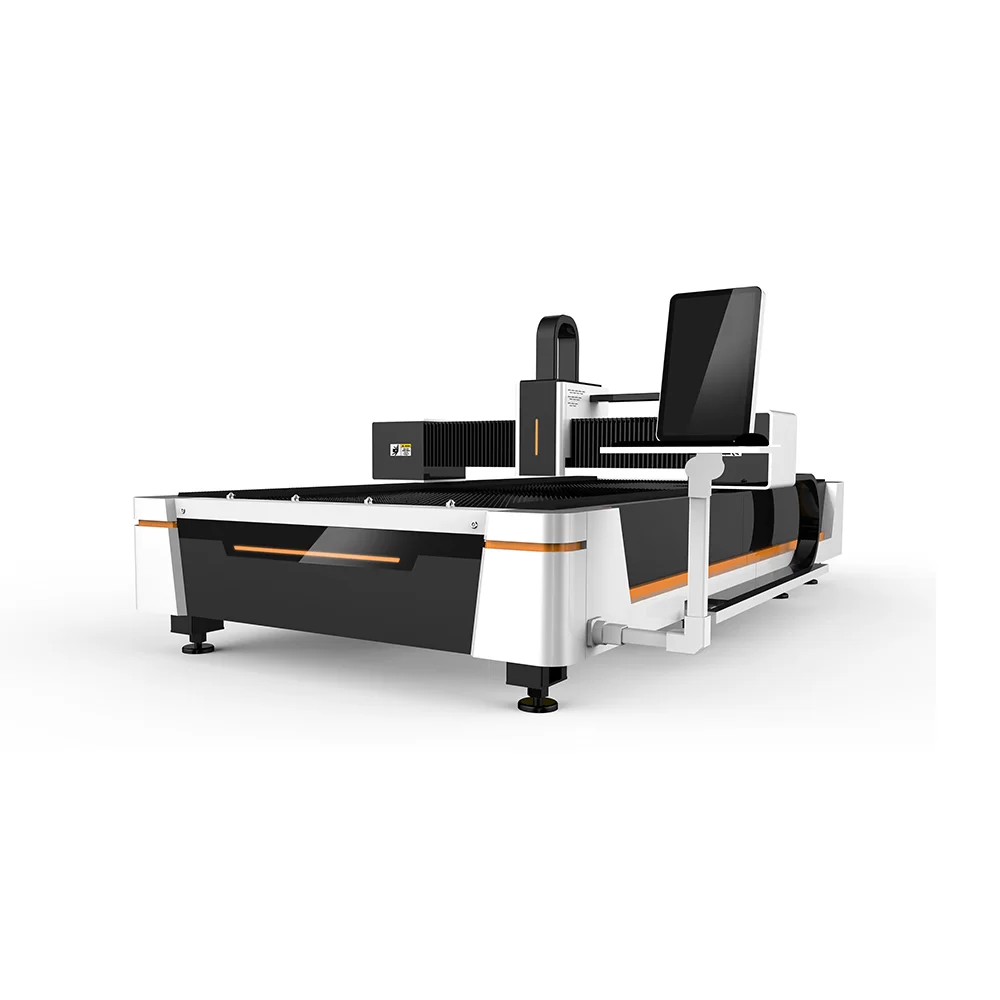
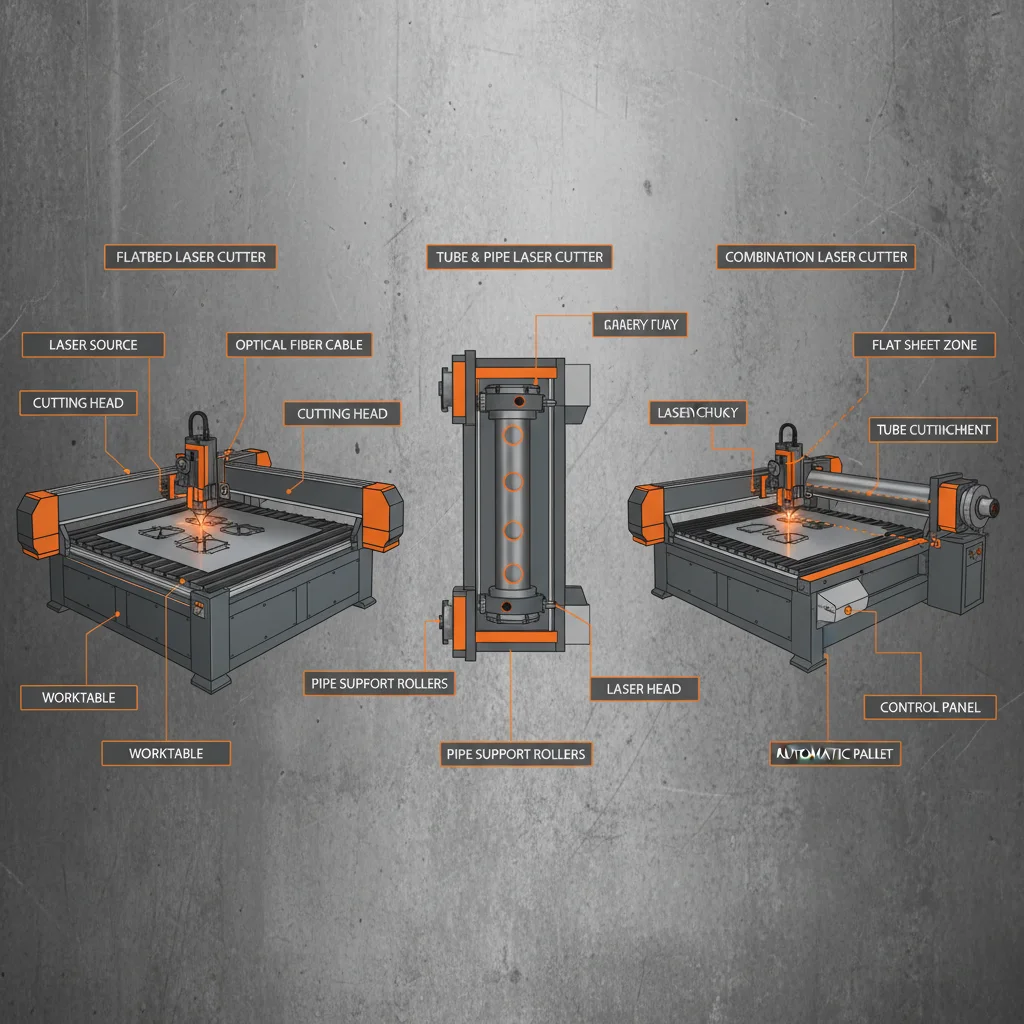
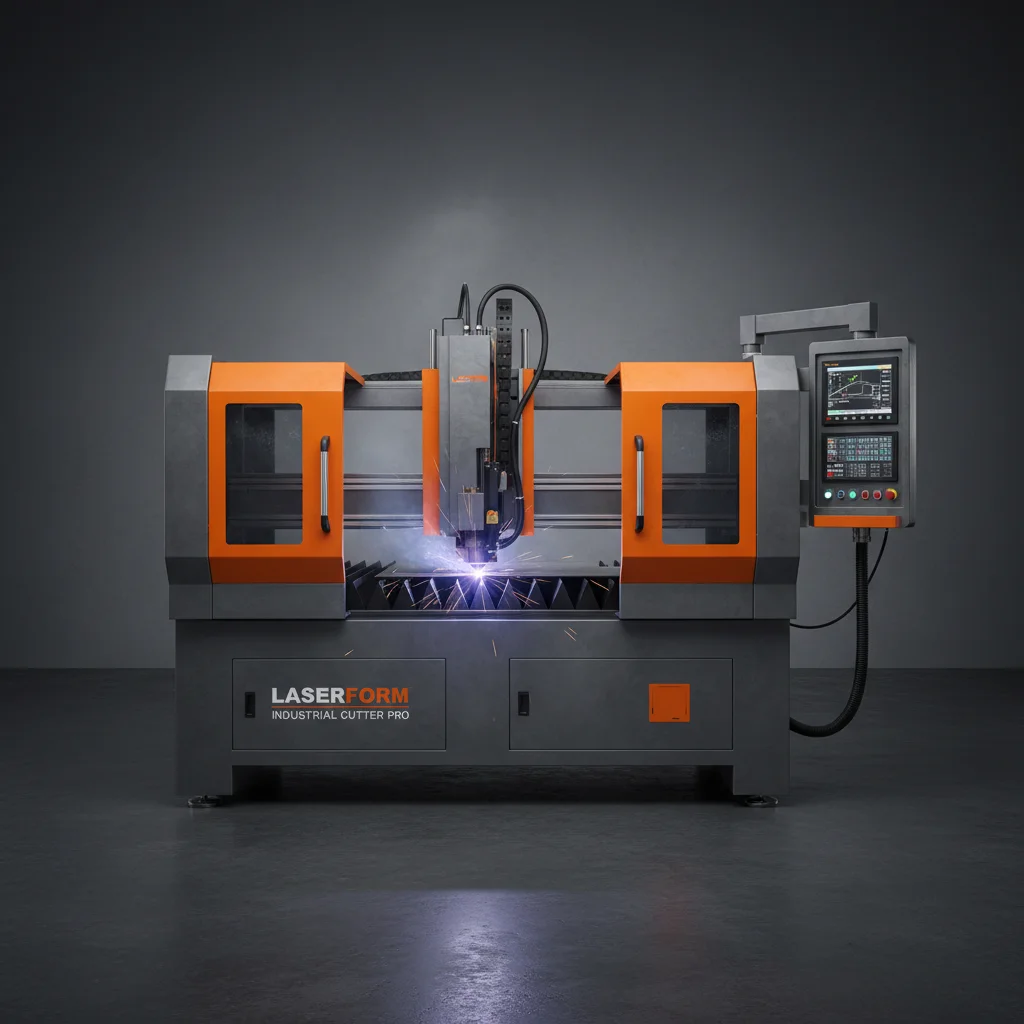
A typical laser cutting machine consists of several key components working in harmony. The heart of the system is the laser source, which generates the intense beam of light. This beam is then guided through a series of mirrors and lenses, collectively known as the beam delivery system. These components focus the laser light onto the material being cut. The CNC (Computer Numerical Control) system controls the movement of the laser head, dictating the cutting path based on a pre-programmed design. Finally, an assist gas is used to remove molten material and cool the cutting area. The interplay of these components ensures precise and efficient cutting.
Key Components: Laser Source, Beam Delivery System, CNC System, Assist Gas. These work together to deliver a high-precision cut.
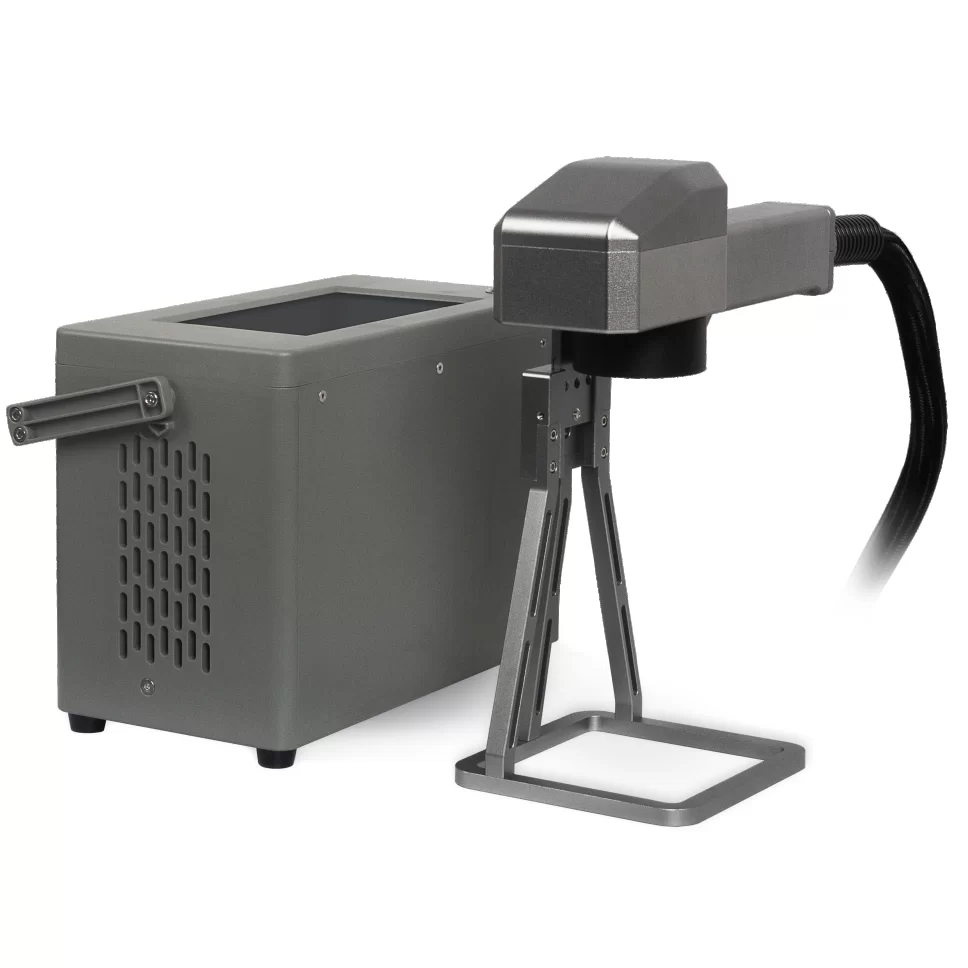
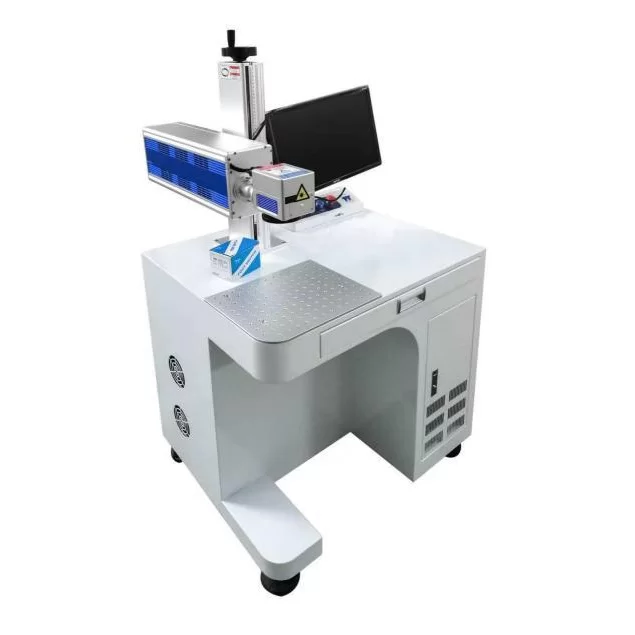
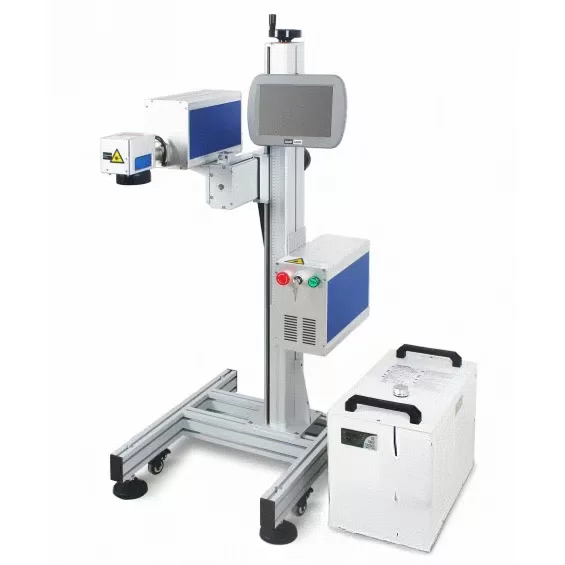
Different types of lasers are suited for different materials and applications. The most common types include CO2 lasers, fiber lasers, and Nd:YAG lasers. CO2 lasers are versatile and cost-effective, ideal for cutting materials like wood, acrylic, and fabric. Fiber lasers are known for their high power and precision, making them excellent for cutting metals, especially steel and aluminum. Nd:YAG lasers are capable of cutting a wide range of materials, including metals, ceramics, and plastics, but are generally less efficient than fiber lasers. The choice of laser depends on the specific cutting requirements and the material being processed.
Laser Type Comparison:
• CO2 Laser: Ideal for wood, acrylic, fabric
• Fiber Laser: Best for metals (steel, aluminum)
• Nd:YAG Laser: Versatile, but less efficient than fiber
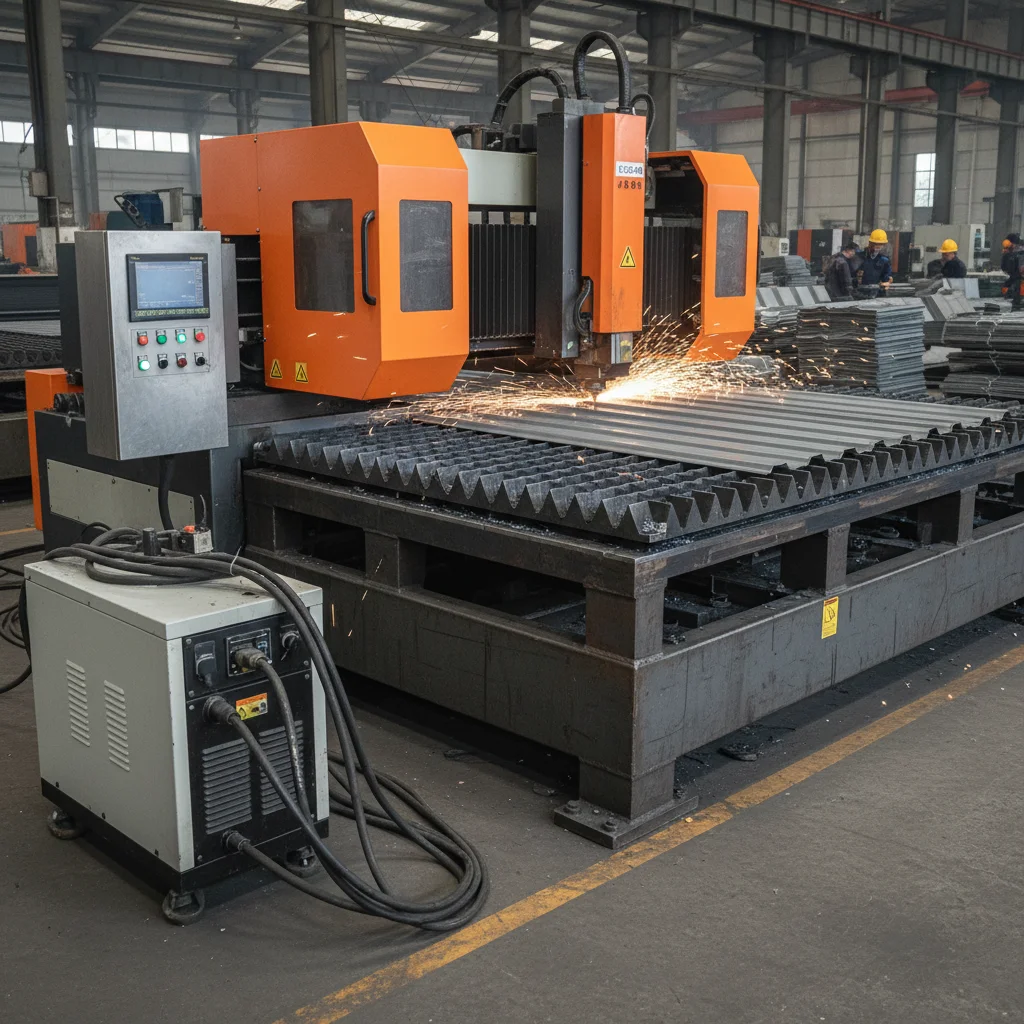
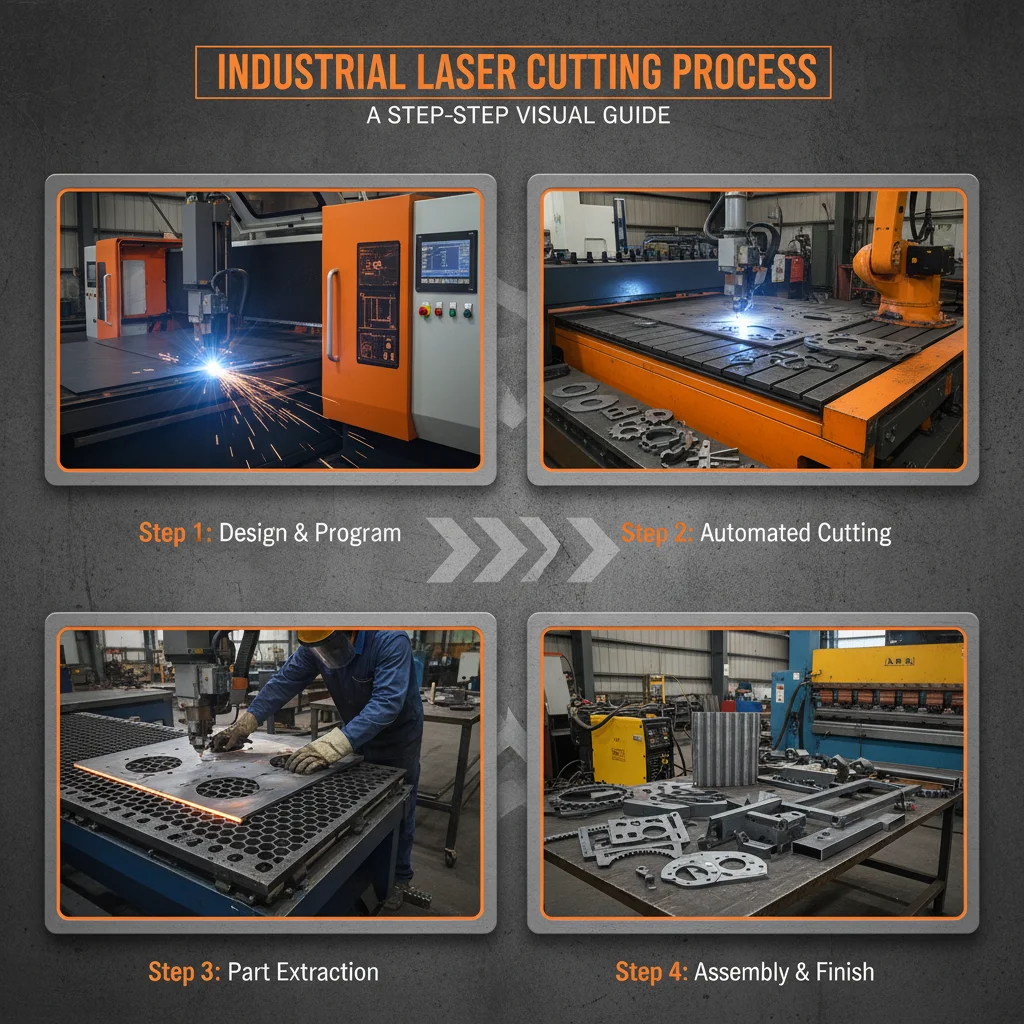
The laser cutting process unfolds in several key steps. First, the CNC system interprets the design file and translates it into precise instructions for the laser head. The laser source generates a high-energy beam, which is then directed by mirrors and lenses towards the material. The focused laser beam heats the material to its melting or vaporization point. Simultaneously, the assist gas blows away the molten or vaporized material, creating a clean cut. The CNC system controls the movement of the laser head, ensuring the cut follows the desired path. The speed, power, and assist gas pressure are carefully calibrated based on the material type and thickness.
Several factors influence the quality and efficiency of the cutting process. Material type and thickness dictate the required laser power and cutting speed. Assist gas type and pressure affect the removal of molten material and the cut's edge quality. Laser power and frequency determine the energy delivered to the material. Furthermore, the focus position of the laser beam is critical for achieving a precise cut. Accurate calibration and optimization of these parameters are essential for optimal performance. Topstar Laser provides machines with advanced controls to manage these parameters effectively.
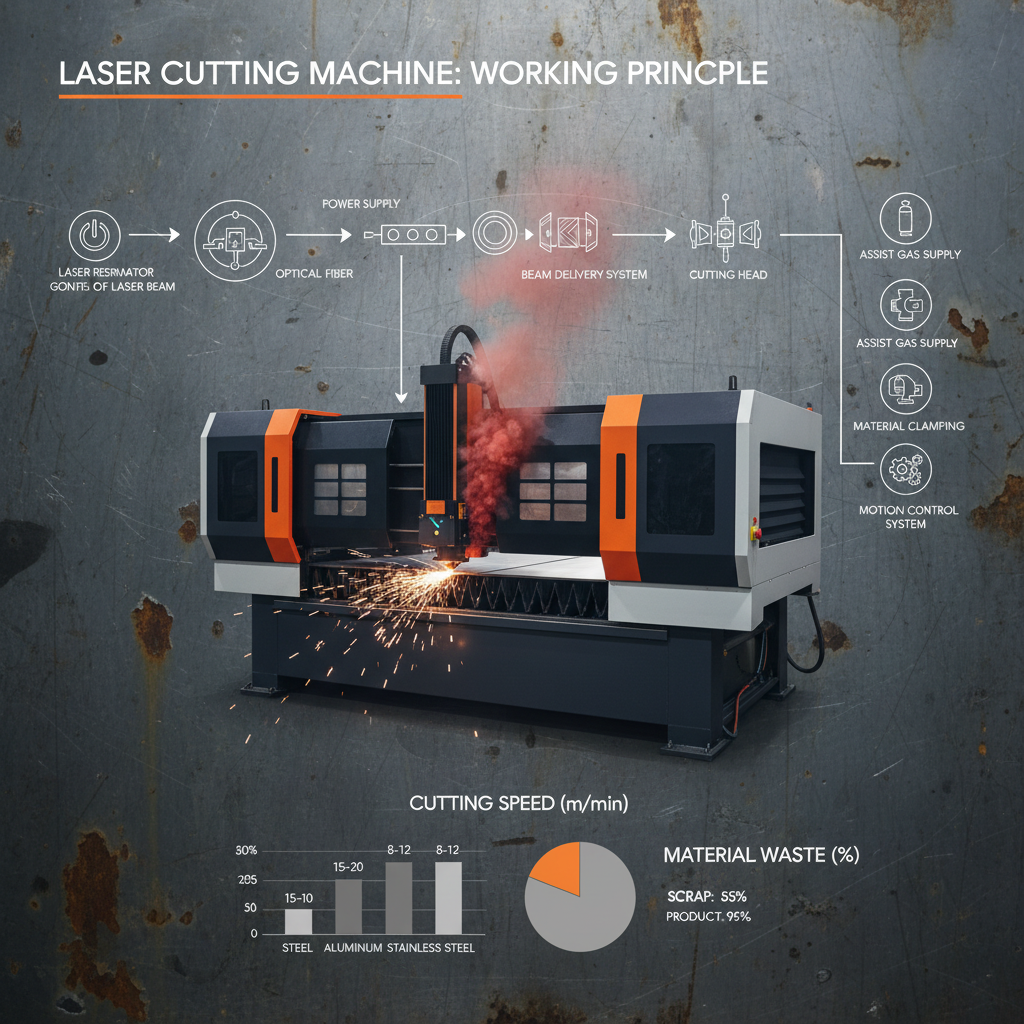
Understanding key technical specifications is crucial when selecting a laser cutting machine. These include the laser power (measured in watts), cutting speed (measured in meters per minute), positioning accuracy (measured in microns), and repeatability (measured in microns). Typical materials cut include steel, aluminum, stainless steel, acrylic, wood, and fabric. The maximum cutting thickness varies depending on the laser type and power. Topstar Laser machines consistently deliver high performance and precision across a wide range of materials.
Understanding the laser cutting machine working principle is key to unlocking its full potential. By comprehending the core components, laser types, and influencing factors, you can optimize performance, enhance precision, and achieve exceptional results. Topstar Laser is dedicated to providing innovative and reliable laser cutting solutions, empowering businesses to thrive in today's competitive landscape.
Laser cutting machines are incredibly versatile. They can cut a wide range of materials including metals (steel, stainless steel, aluminum), plastics (acrylic, polycarbonate), wood, fabrics, paper, and even some ceramics. The specific materials and thicknesses that can be cut depend on the type of laser source used (CO2, fiber, or Nd:YAG) and the machine's power output. Fiber lasers are generally best for metals, while CO2 lasers are well-suited for organic materials like wood and acrylic.
Assist gas plays a critical role in the laser cutting process. Its primary functions are to remove molten material from the cutting kerf (the gap created by the laser), cool the material, and protect the lens from debris. Common assist gases include oxygen, nitrogen, and argon. Oxygen is often used for cutting steel, as it promotes a rapid oxidation process. Nitrogen is used for cutting stainless steel and aluminum to prevent oxidation. Argon is used for materials sensitive to oxidation.
Choosing the right laser cutting machine requires careful consideration of your specific needs. Factors to consider include the types of materials you'll be cutting, the desired cutting speed and precision, the thickness of the materials, and your budget. It's important to determine whether a CO2 laser, fiber laser, or Nd:YAG laser is best suited for your application. Topstar Laser offers expert guidance to help you select the optimal machine for your requirements.
Regular maintenance is essential for ensuring the longevity and optimal performance of a laser cutting machine. This includes cleaning the lenses and mirrors, checking the alignment of the beam path, inspecting the assist gas system, and lubricating moving parts. It’s also important to regularly inspect and clean the filters and replace any worn components. Following the manufacturer’s recommendations for maintenance will help prevent costly repairs and downtime.